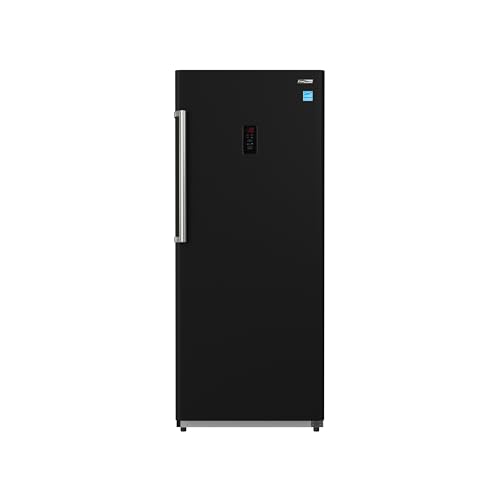
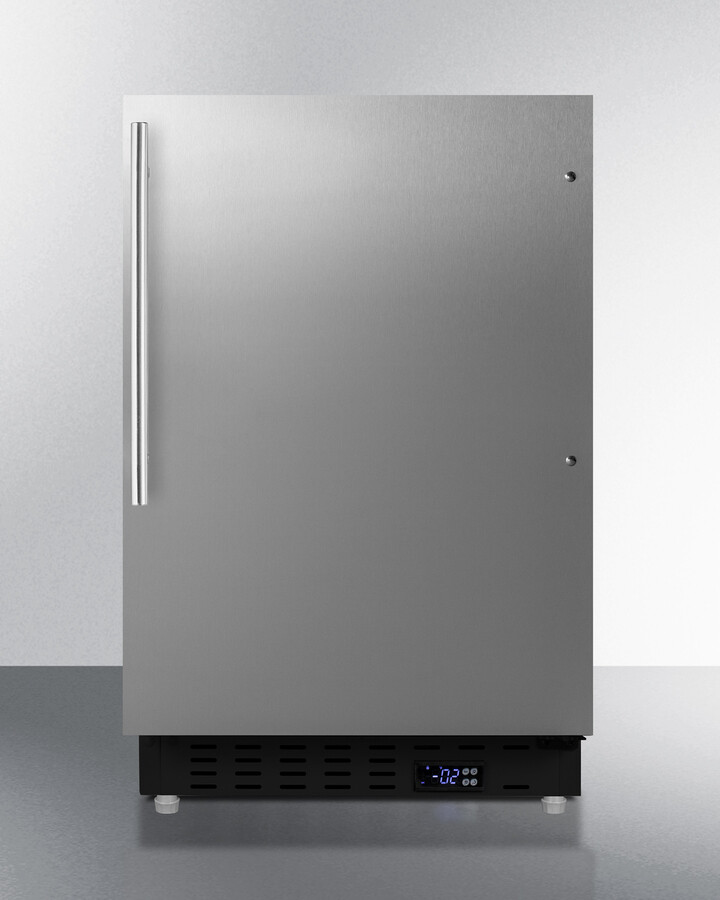
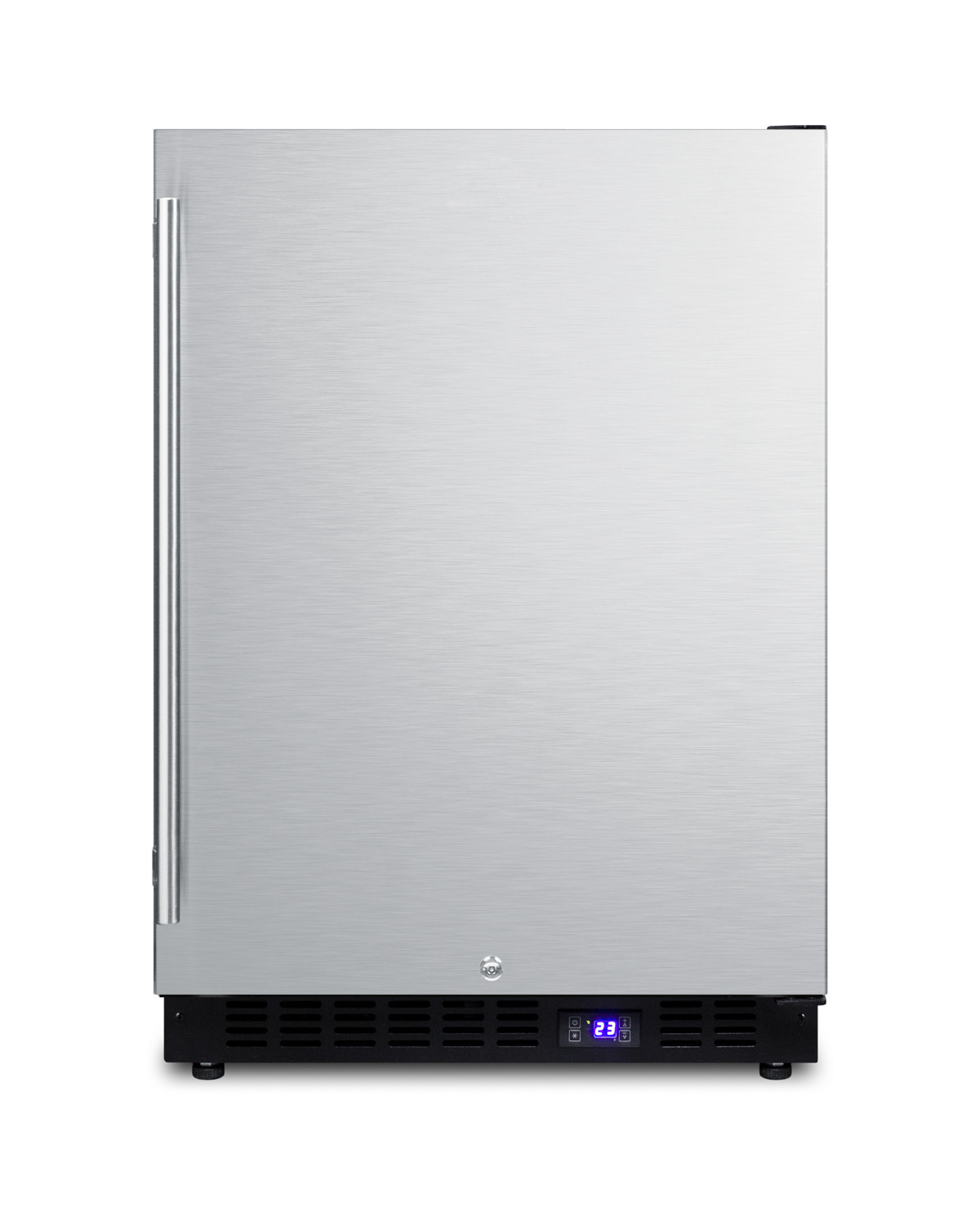
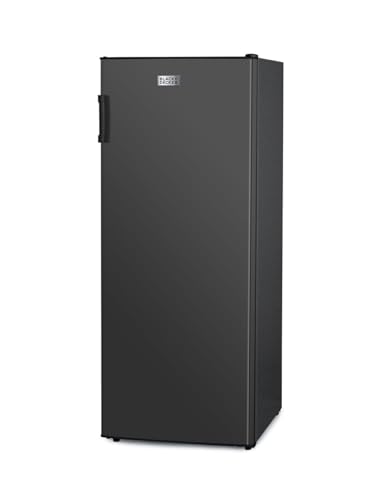
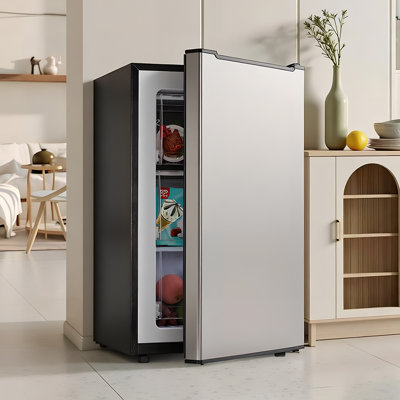
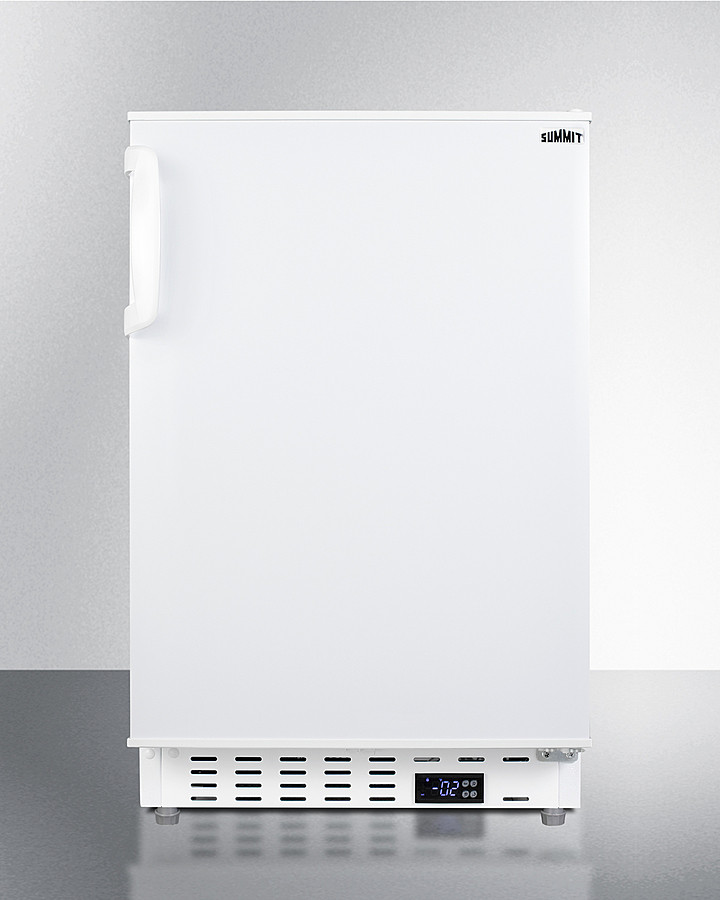
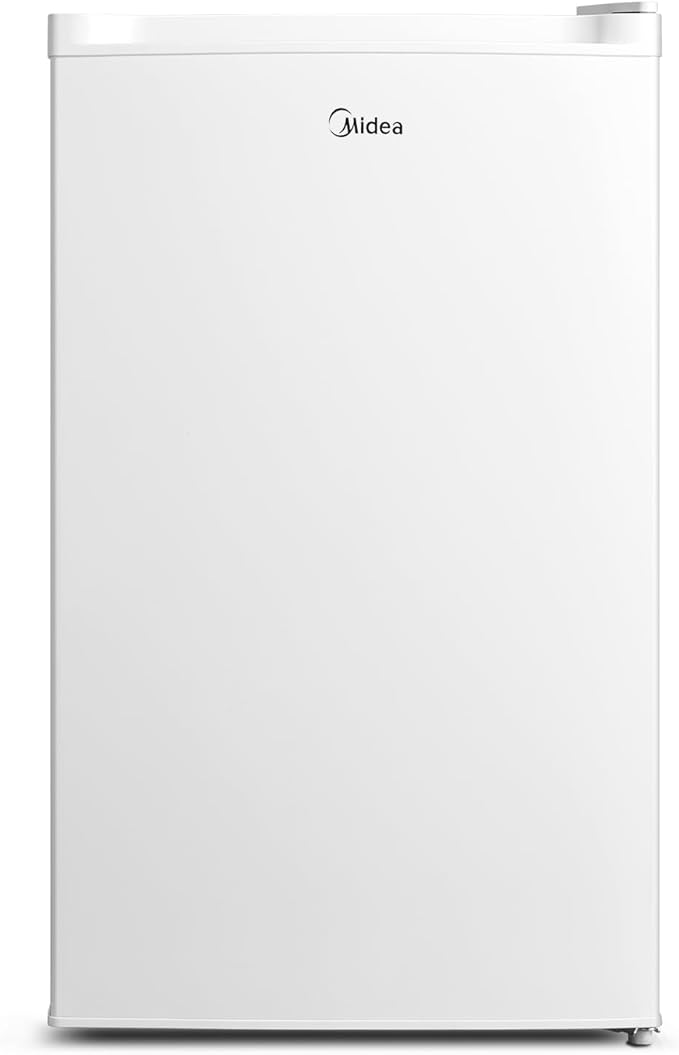
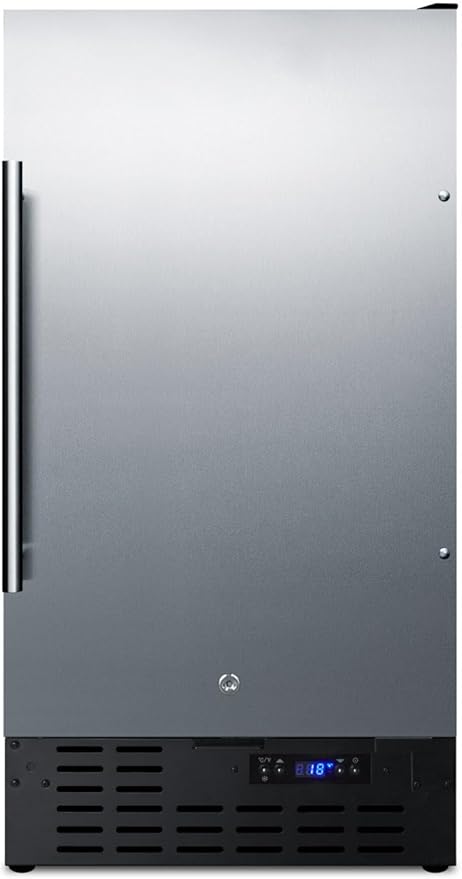
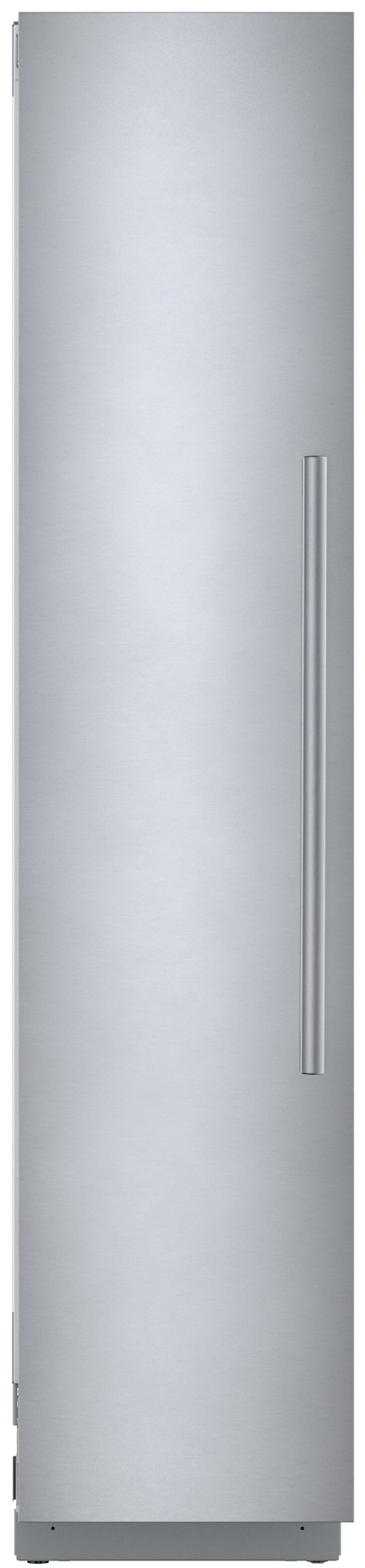
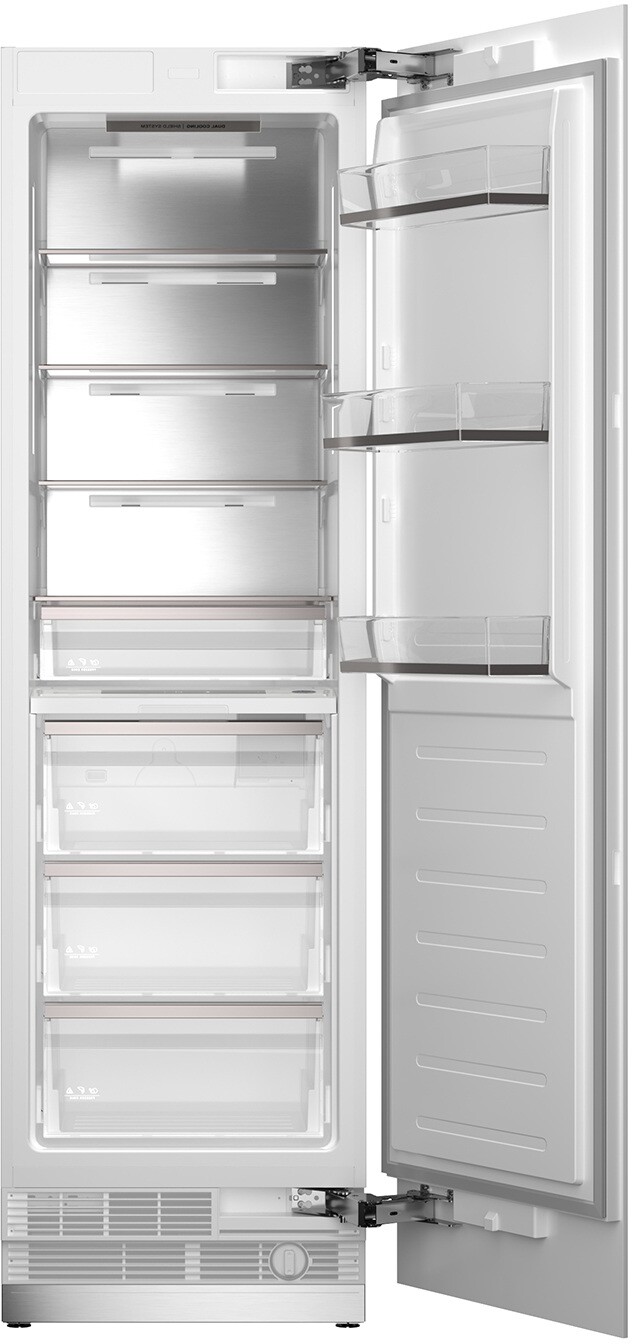
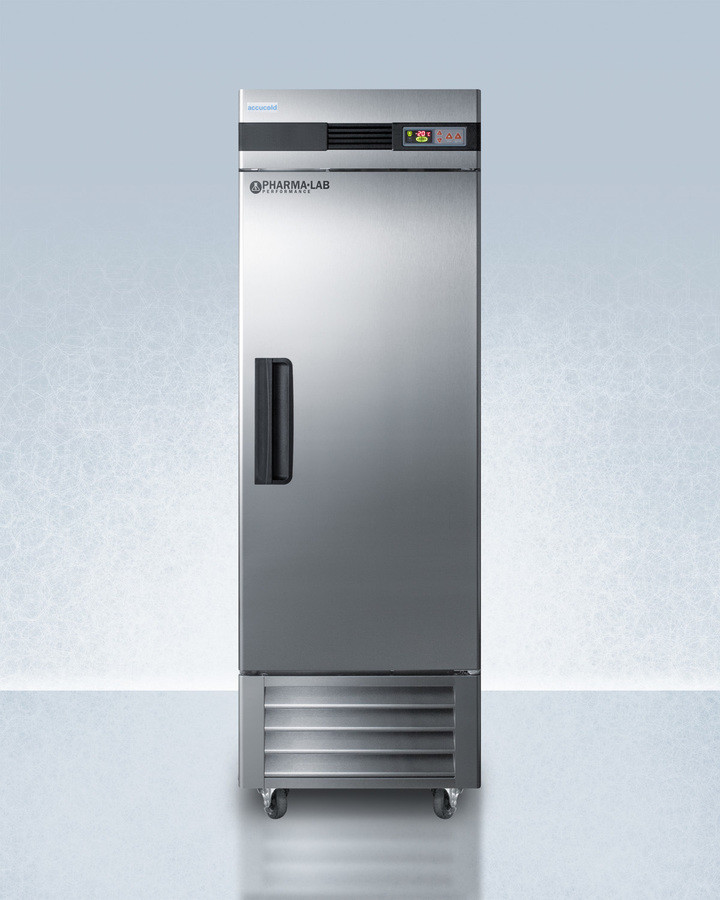
An undercounter freezer and an upright freezer both maintain 0°F for frozen food preservation, but they differ dramatically in size, capacity, installation, and intended role in the household.
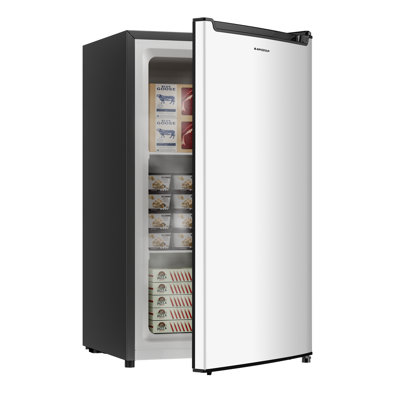
Undercounter freezers typically have 2 to 3 wire shelves or pull-out baskets within their compact interior.
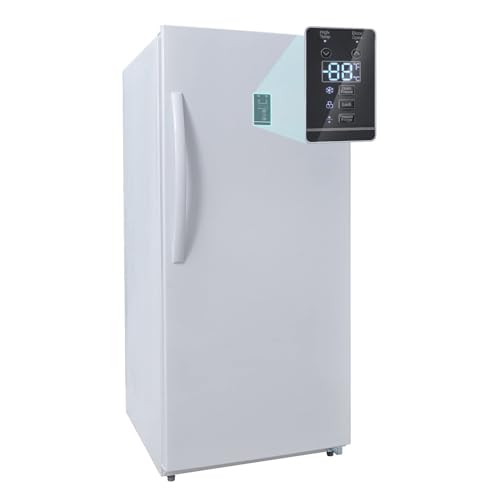
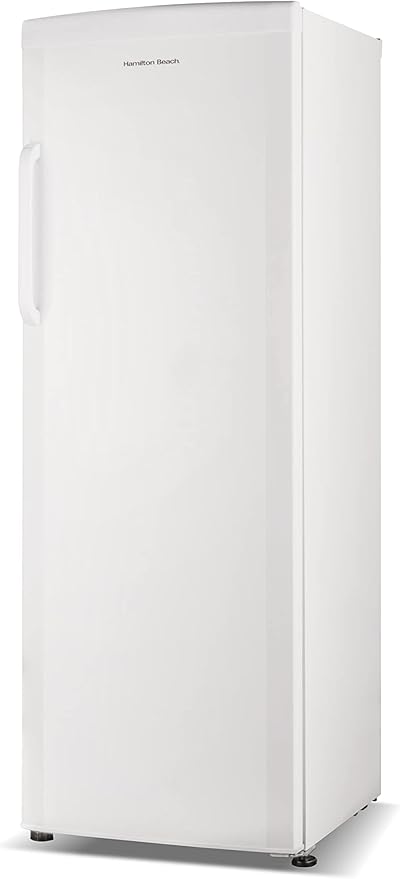
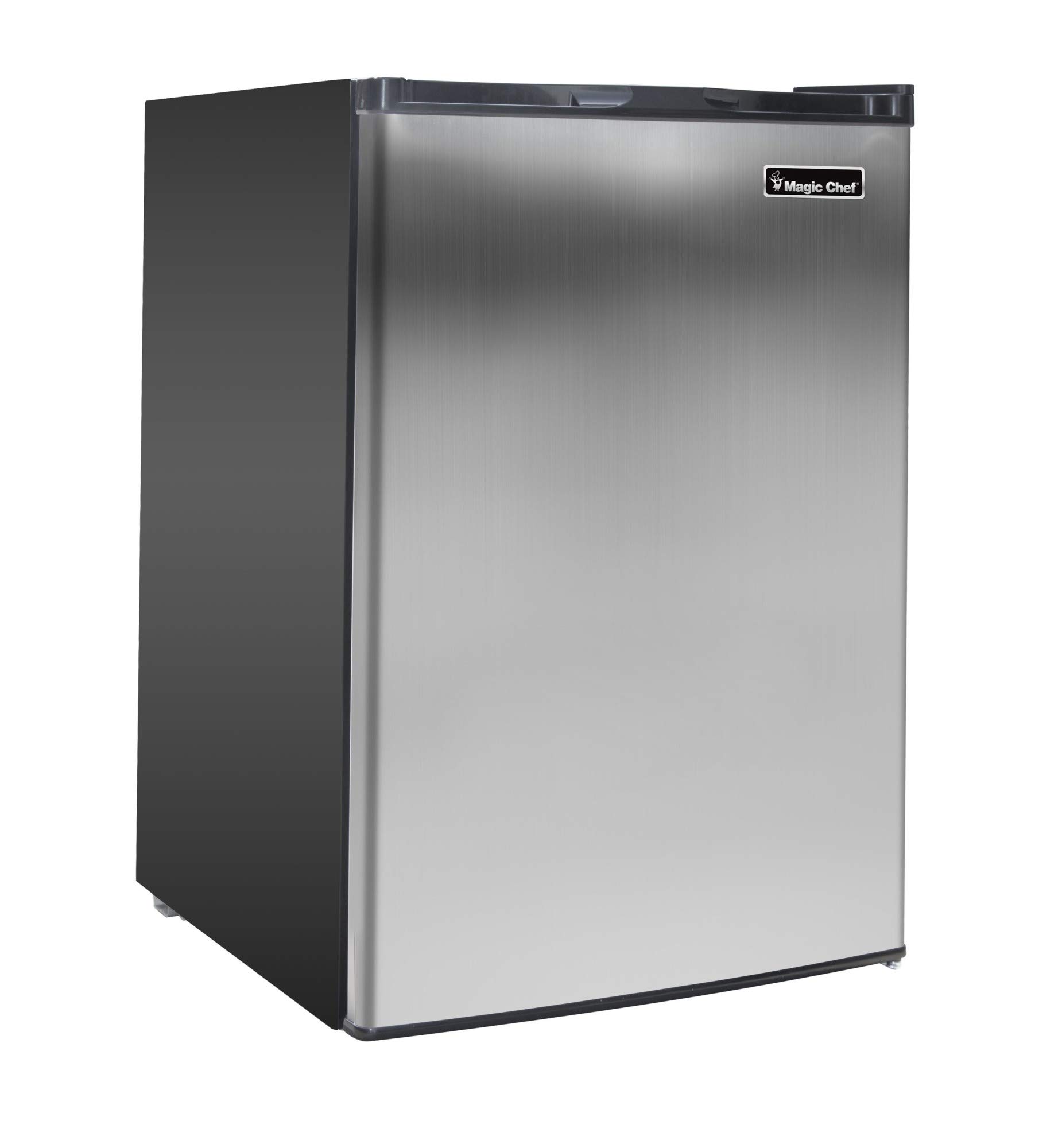
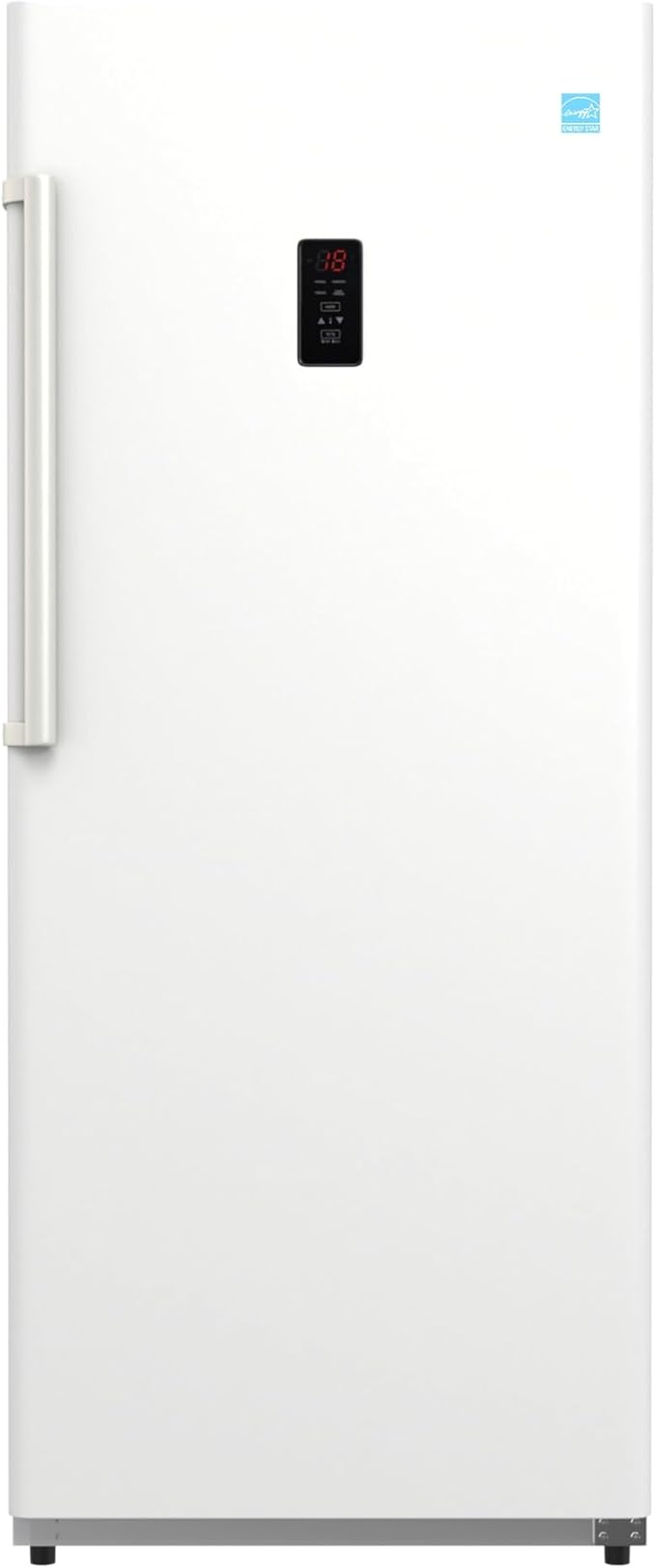
An undercounter freezer and an upright freezer both maintain 0°F for frozen food preservation, but they differ dramatically in size, capacity, installation, and intended role in the household. An undercounter freezer is a compact unit that fits beneath a standard 34-inch kitchen counter in a 24-inch-wide cabinet opening, holding 3 to 5 cubic feet of frozen food. An upright freezer is a full-height appliance standing 55 to 72 inches tall, holding 5 to 22 cubic feet. This guide covers every specification so you choose the right freezer format for your space, capacity needs, and kitchen design.
Size and Form Factor
Appliance
Width
Height
Depth
Capacity
Undercounter Freezer (15-inch)
15 in
34 in
22-24 in
1.5-3.0 cu ft
Undercounter Freezer (24-inch)
24 in
34 in
22-24 in
3.0-5.5 cu ft
Compact Upright Freezer
20-24 in
55-60 in
22-26 in
5-10 cu ft
Full-Size Upright Freezer
28-32 in
62-72 in
26-30 in
12-22 cu ft
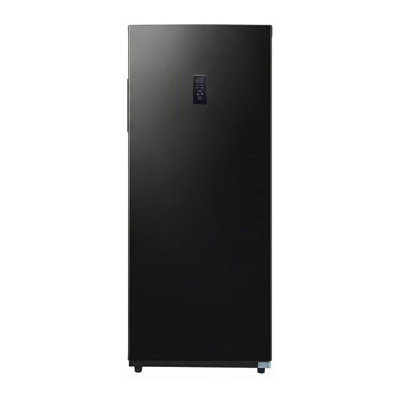
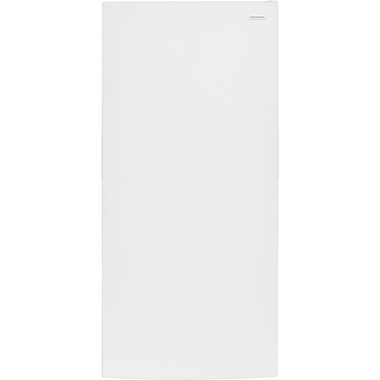
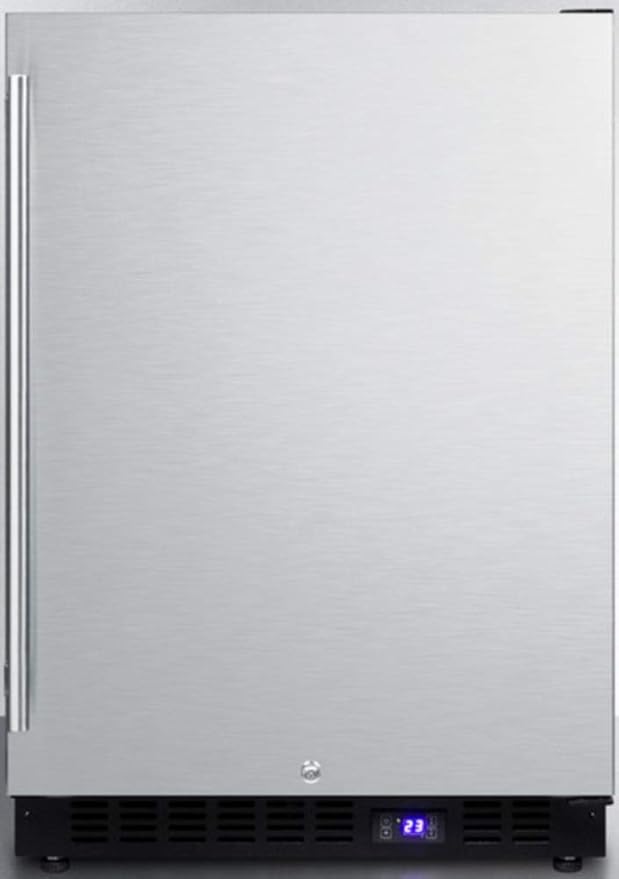
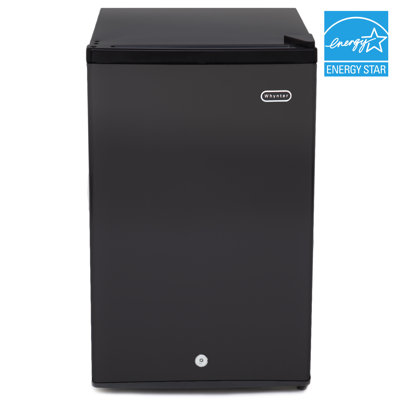
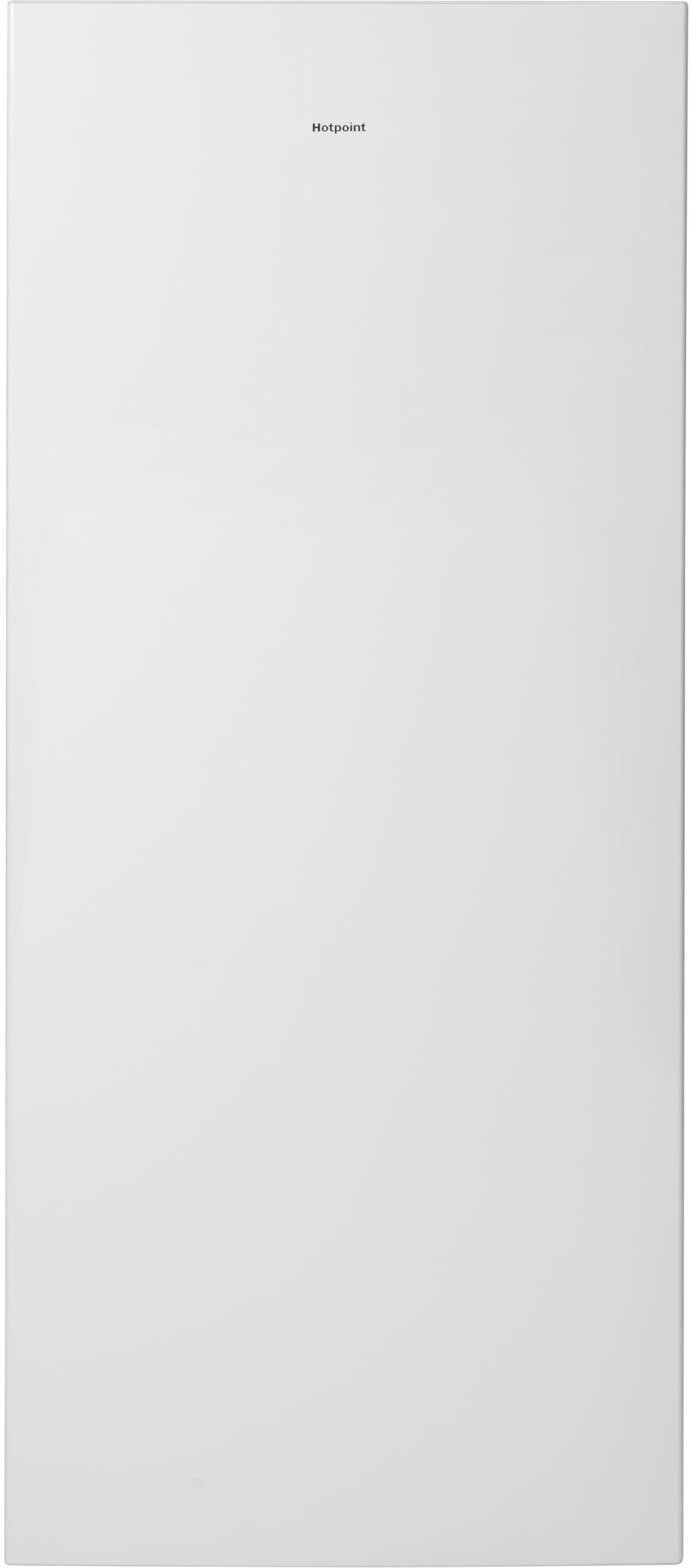
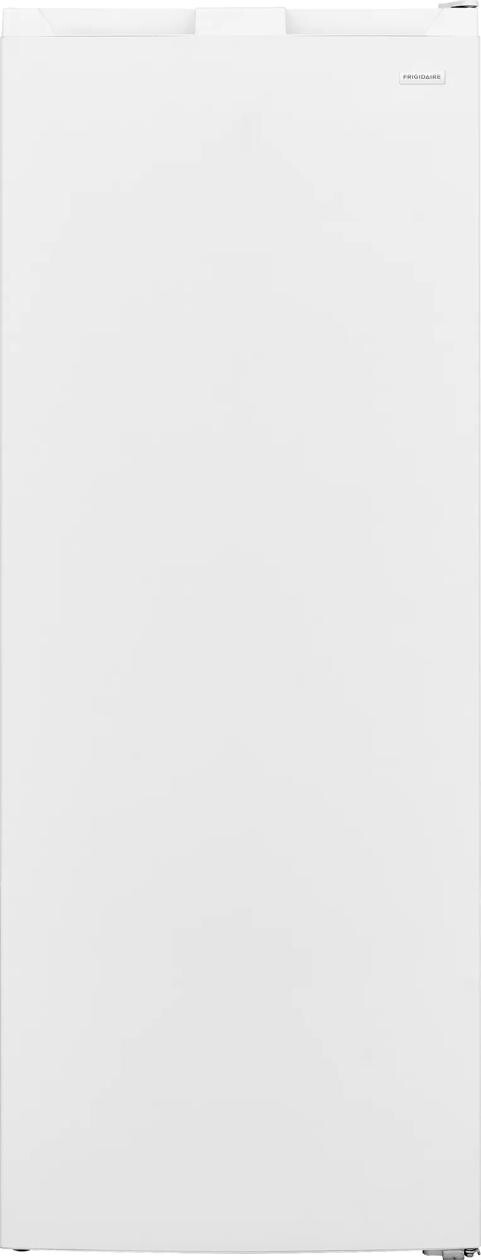
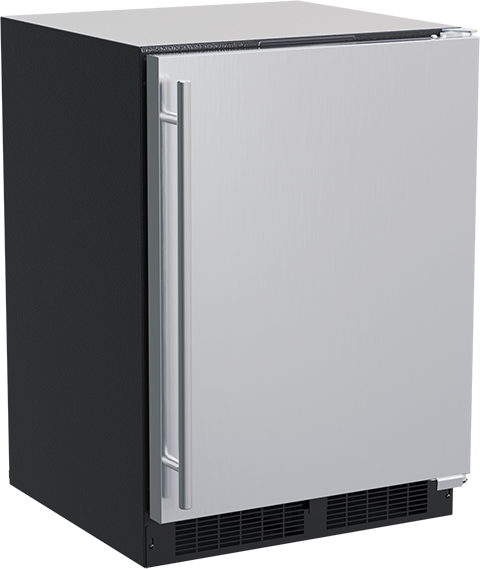
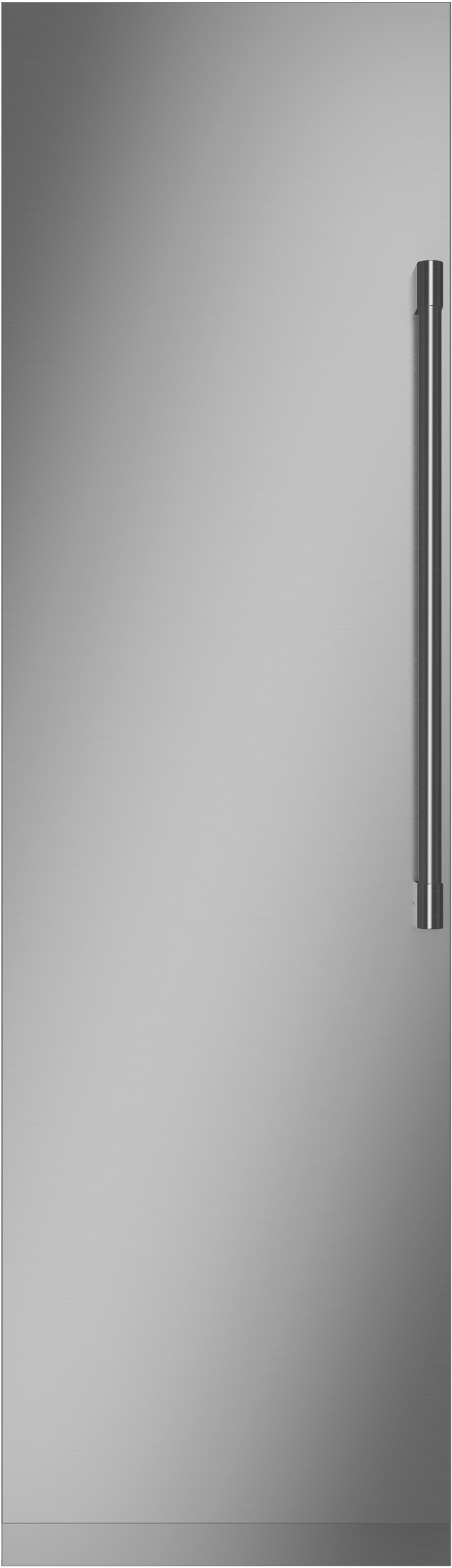
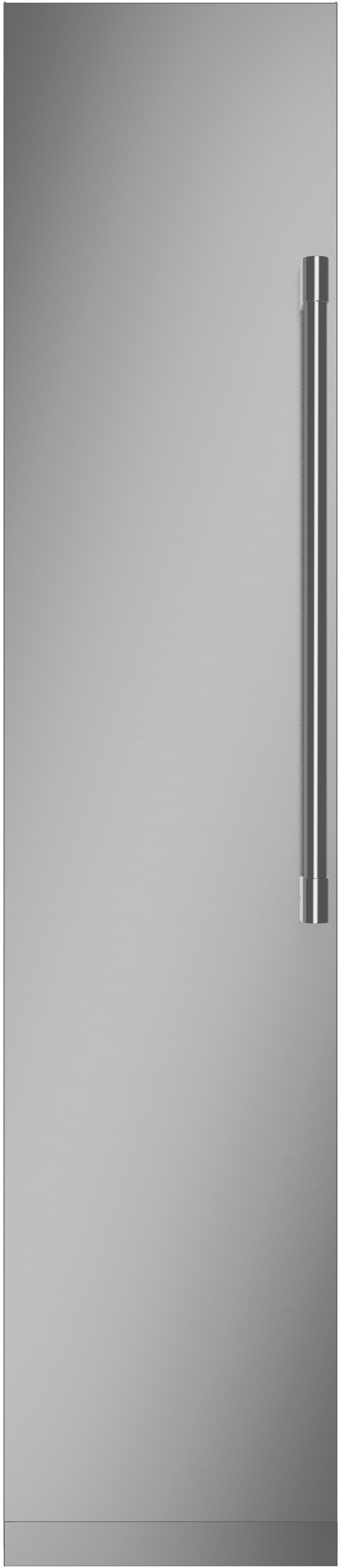
The form factor difference defines everything about how these appliances are used. An undercounter freezer integrates into kitchen cabinetry — it disappears beneath the counter, preserving kitchen aesthetics and floor space. Panel-ready models accept custom door panels that match surrounding cabinets, making the freezer virtually invisible. An upright freezer stands alone as a visible, prominent appliance that requires dedicated floor space. In a small kitchen, the undercounter unit preserves precious square footage. In a garage, basement, or utility room, the upright freezer's larger size is an advantage — more capacity per dollar of purchase price.
Capacity
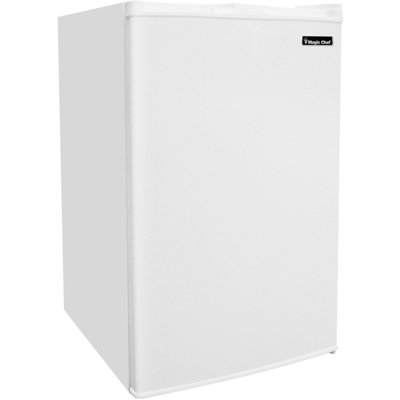
Capacity is the most consequential difference between these formats. A standard 24-inch undercounter freezer holds 3 to 5.5 cubic feet — approximately 80 to 150 pounds of frozen food. This accommodates a few weeks of frozen meals, a moderate ice supply, frozen vegetables for daily cooking, and a selection of frozen meats. It supplements your main kitchen freezer rather than replacing it.
A full-size upright freezer holds 12 to 22 cubic feet — approximately 340 to 620 pounds of frozen food. This accommodates months of bulk-purchased meat, an entire garden harvest of frozen vegetables, dozens of prepared meals from a weekend cooking session, and still has room for ice cream, frozen snacks, and ice reserves. The upright freezer is a household-scale storage solution that can serve as the sole frozen storage appliance for many families.
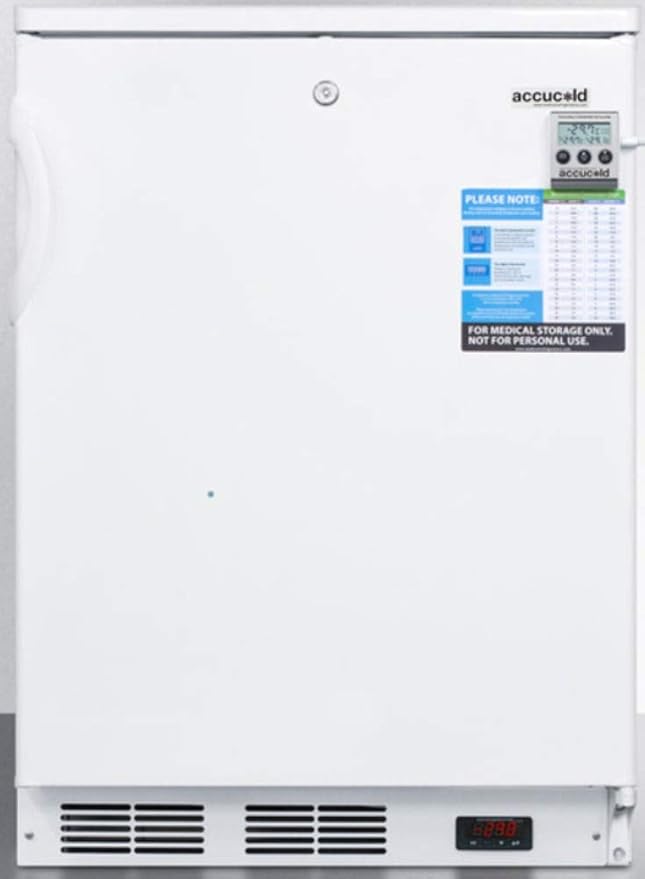
Undercounter freezers install in kitchen cabinetry alongside dishwashers, undercounter refrigerators, and wine coolers. Built-in models use front-venting exhaust systems that allow flush installation without overheating. The undercounter freezer connects to a standard 120V outlet behind or beneath the counter. Panel-ready models accept custom door panels for a seamless built-in look. Installation is similar to installing a dishwasher — slide the unit into the cabinet opening, level it, connect power, and adjust the door panel if applicable. Professional installation is optional but recommended for panel-ready models to ensure proper panel alignment.
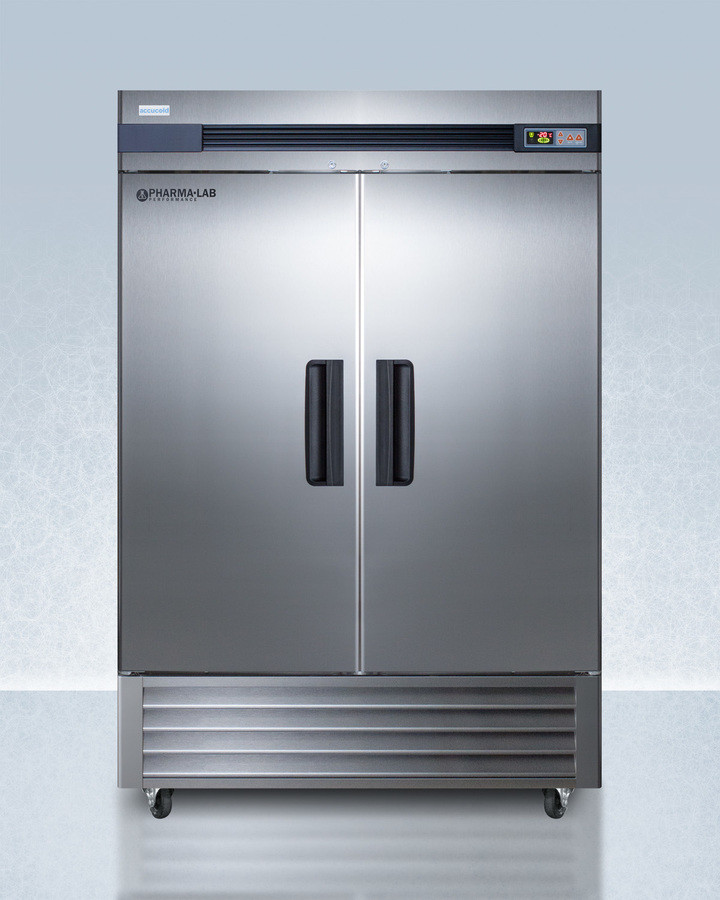
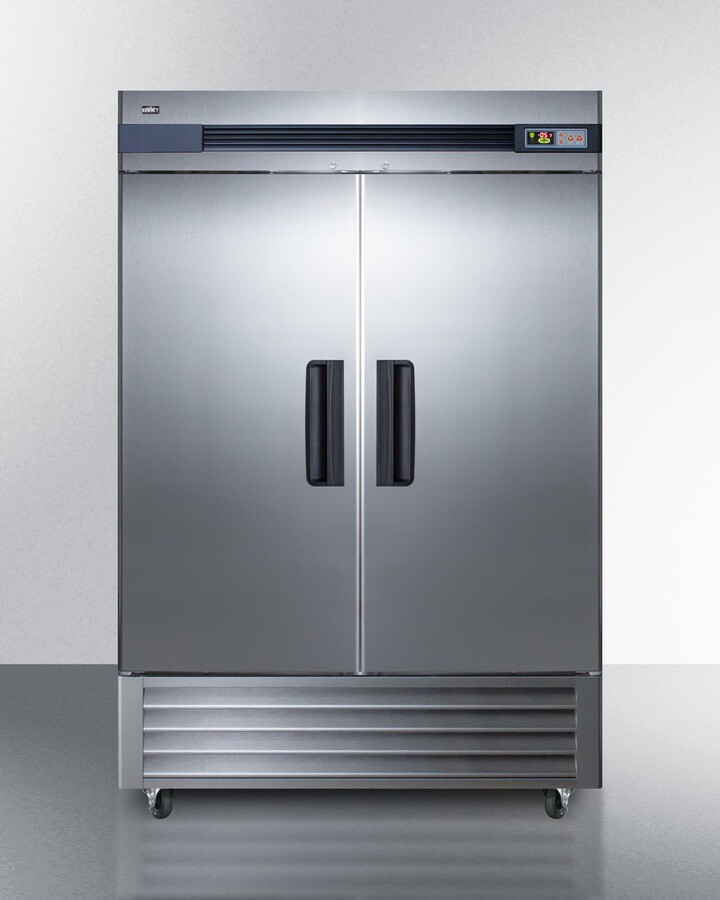
Upright freezers are freestanding appliances that require only a flat floor, a standard 120V outlet, and 2 to 4 inches of rear clearance for condenser airflow. They install in garages, basements, utility rooms, pantries, mudrooms, and occasionally kitchens. No cabinetry modification is needed. Garage placement is the most popular location but requires checking the model's ambient temperature rating — standard models may malfunction in unheated garages where temperatures drop below 0°F in winter or exceed 110°F in summer. Garage-ready models include wide-range thermostats designed for these extremes.
Undercounter freezers typically have 2 to 3 wire shelves or pull-out baskets within their compact interior. Some models use a drawer format — one or two pull-out drawers on ball-bearing glides that let you look down into the contents. The limited height (roughly 20 usable inches of interior height) means stacking more than two layers of frozen packages is impractical. Organizational strategy focuses on flat, single-layer arrangement where every item is visible without moving other items.
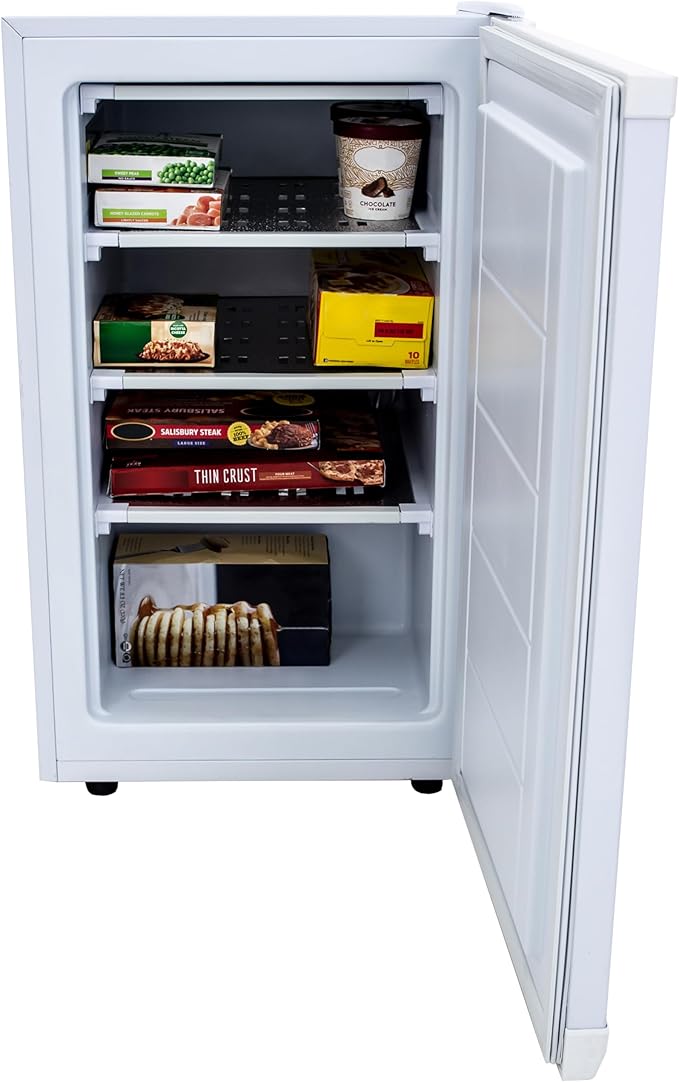
Upright freezers provide 3 to 5 adjustable wire shelves, 2 to 4 door-mounted bins, and sometimes pull-out baskets or half-width shelves. The full height (40 to 55 usable inches of interior height) allows multi-tier organization by food category — meats on the bottom shelf, vegetables in the middle, prepared meals above, and small items like ice packs and ice cream pints in the door bins. The front-opening door provides full visibility of every shelf level. Pull-out baskets make accessing items at the back as easy as reaching the front.
Per-cubic-foot energy efficiency strongly favors the upright freezer. An undercounter freezer at 4 cubic feet using 280 kWh per year consumes 70 kWh per cubic foot. A full-size upright at 17 cubic feet using 450 kWh consumes just 26 kWh per cubic foot — nearly three times more efficient. The undercounter's compact cabinet and thinner insulation (constrained by the small form factor) lose proportionally more cold air per cooling cycle. If maximizing frozen storage per energy dollar is your goal, the upright freezer wins decisively.
Noise
Undercounter freezers produce 36 to 44 decibels. The built-in cabinet installation dampens compressor noise, and the proximity to other kitchen sounds (dishwasher, range hood, conversation) provides masking. In a kitchen environment, undercounter freezers are virtually silent during normal activity. During quiet nighttime hours in an open-concept home, the compressor cycling may be faintly perceptible from adjacent living areas.
Upright freezers produce 38 to 47 decibels. In their typical garage or basement placement, noise is irrelevant — the physical distance and walls between the freezer and living spaces provide complete sound isolation. If placed in a kitchen or utility room within the living envelope, the larger compressor is slightly louder than an undercounter model but still within acceptable kitchen appliance noise ranges.
Undercounter freezers cost significantly more per cubic foot than upright freezers. A $1,200 undercounter freezer at 4 cubic feet costs $300 per cubic foot of storage. A $700 upright freezer at 14 cubic feet costs $50 per cubic foot — six times more cost-efficient. The undercounter premium reflects the built-in installation engineering (front-venting, panel-ready options), compact component design, and the aesthetic value of seamless kitchen integration. You pay for the form factor and design integration, not just the frozen storage capacity.
Undercounter freezers are available in both manual-defrost and auto-defrost configurations. Auto-defrost is more common in the undercounter category because the kitchen location makes manual defrosting particularly inconvenient — you would need to empty the unit, unplug it, wait for ice to melt, clean up water, and then restock, all within arm's reach of your cooking area. Auto-defrost handles this automatically with periodic heating cycles.
Upright freezers offer both options, with manual-defrost being more popular in the budget and mid-range tiers. Manual-defrost upright freezers maintain more consistent temperatures (no warm defrost cycles) and consume 10-20% less energy, but they require defrosting every 6 to 12 months. In a garage or basement where a small puddle of melt water is easily managed, manual defrost is a reasonable maintenance trade-off for better temperature stability and energy savings.
Maintenance and Lifespan
Both formats require the same basic maintenance — annual condenser coil cleaning, door gasket inspection, and interior cleaning. Upright freezers in garages accumulate more dust and debris on condenser coils than kitchen-installed undercounter units, potentially requiring more frequent coil cleaning (every 6 months). Undercounter freezers benefit from the cleaner kitchen environment but may be harder to access for coil cleaning due to their built-in installation.
Upright freezers are among the most durable home appliances, lasting 12 to 20 years with basic maintenance. The proven compressor technology and simple mechanical design contribute to exceptional longevity. Undercounter freezers last 8 to 14 years — slightly shorter on average due to the more compact compressor working harder per cubic foot and the tighter thermal constraints of the built-in installation.
Some kitchen designs incorporate both an undercounter freezer and an upright freezer for comprehensive frozen storage coverage at two scales. The undercounter freezer lives in the kitchen — under the island or prep counter — holding the items you reach for during daily cooking: frozen vegetables, herbs, stock cubes, ice, and tonight's protein. The upright freezer lives in the garage or basement holding the bulk supply: warehouse-club meat purchases, monthly meal-prep batches, garden harvests, and long-term reserves. You restock the undercounter unit from the upright freezer weekly, creating a two-tier system where convenience meets capacity.
This pairing strategy is especially effective for serious home cooks and meal preppers. The small undercounter freezer serves as a staging area — the frozen ingredients you use most frequently are always at arm's reach in the kitchen, while the bulk inventory sits in the upright freezer until needed. The alternative — walking to the garage every time you need a bag of frozen peas or a handful of ice cubes — is the daily inconvenience that an undercounter kitchen freezer eliminates entirely.
Upright freezers are easy to resell, donate, or relocate. They are freestanding, plug-in appliances that any household can use immediately. The secondary market for used upright freezers is active and prices hold reasonably well for quality brands. When moving to a new home, the upright freezer simply unplugs and goes with you.
Undercounter freezers, particularly panel-ready built-in models, are more difficult to resell because they are designed for specific cabinet dimensions and may include custom panels that only fit one kitchen. The built-in installation means removing the unit requires some cabinetry adjustment. However, like built-in dishwashers, undercounter freezers add value to the kitchen when selling the home — potential buyers appreciate the integrated design and the convenience of having frozen storage built into the kitchen layout. The undercounter freezer is best viewed as a kitchen fixture rather than a portable appliance.
Who Should Buy Which
Buy an undercounter freezer if you want frozen storage integrated into your kitchen or bar design. The built-in format preserves floor space, maintains kitchen aesthetics, and places frozen items within arm's reach of the cooking area. It supplements your main kitchen freezer with convenient additional capacity in an elegant, space-efficient package. Choose it for kitchen islands, butler's pantries, wet bars, and compact kitchens where floor space is at a premium.
Buy an upright freezer if you need maximum frozen storage capacity at the best price. The full-height format provides 3 to 5 times more capacity than an undercounter model at a lower cost per cubic foot. Place it in the garage, basement, or utility room where the larger footprint is not a constraint. Choose it for bulk shopping, meal prepping, garden preservation, hunting, and any scenario where you need serious frozen storage volume. The upright freezer is the best value in home cold storage — dollar for dollar, no other appliance provides as much usable capacity for the price.
Compare prices on Fridge.com
Browse upright freezers and undercounter freezers. Filter by capacity, dimensions, installation type, defrost method, and price to find the right frozen storage format for your home.
Frequently Asked Questions
Upright freezer — 5-21 cu ft versus 2-5 cu ft for undercounter. The full-height format provides 2-4x more capacity. Compare at Fridge.com.
Free tool
Freezer BTU Calculator
Free interactive tool from Fridge.com — get a quick answer while you read.