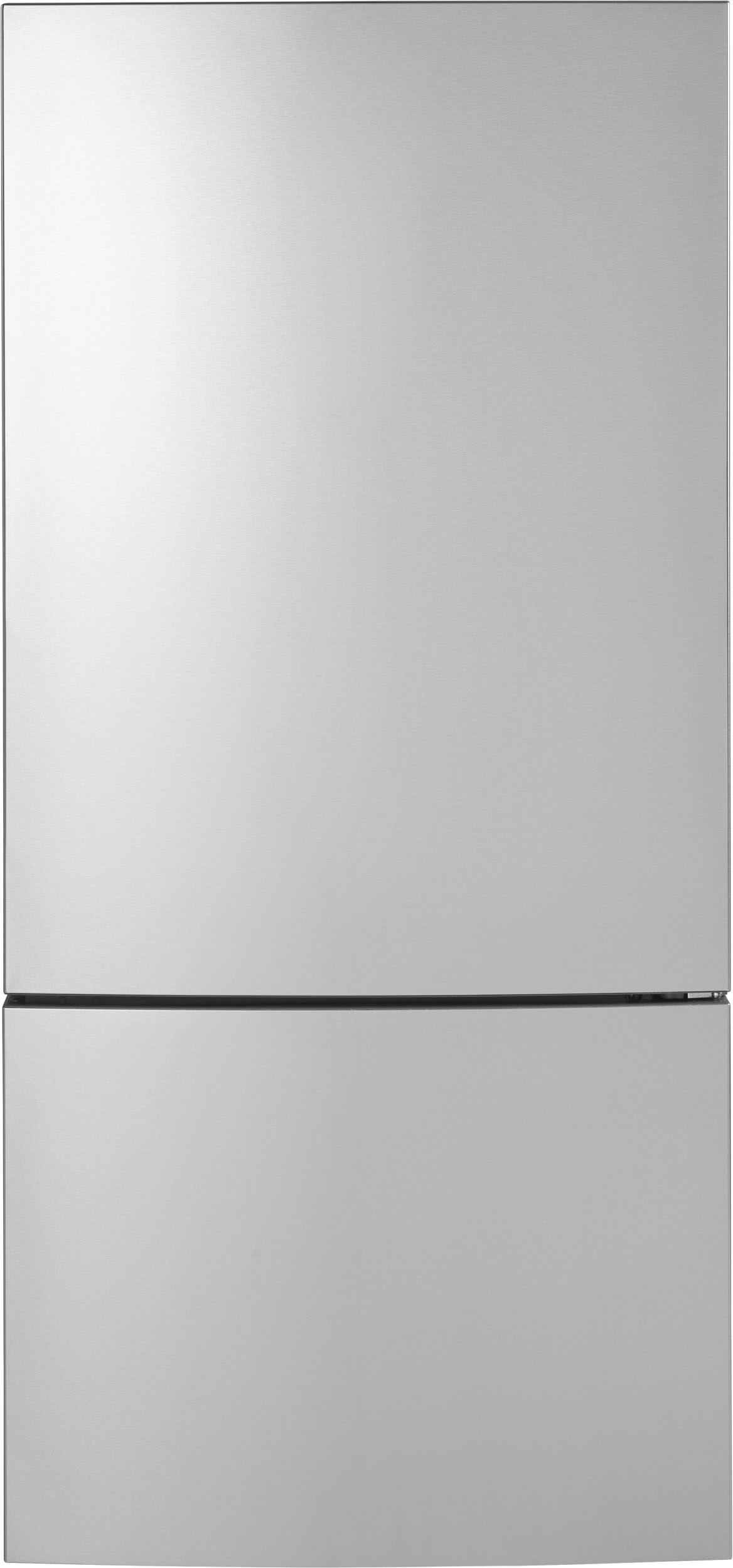
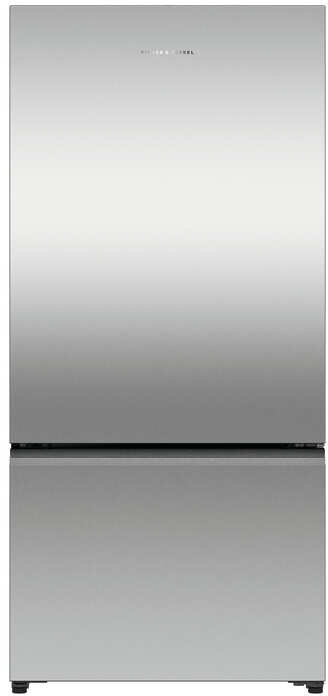
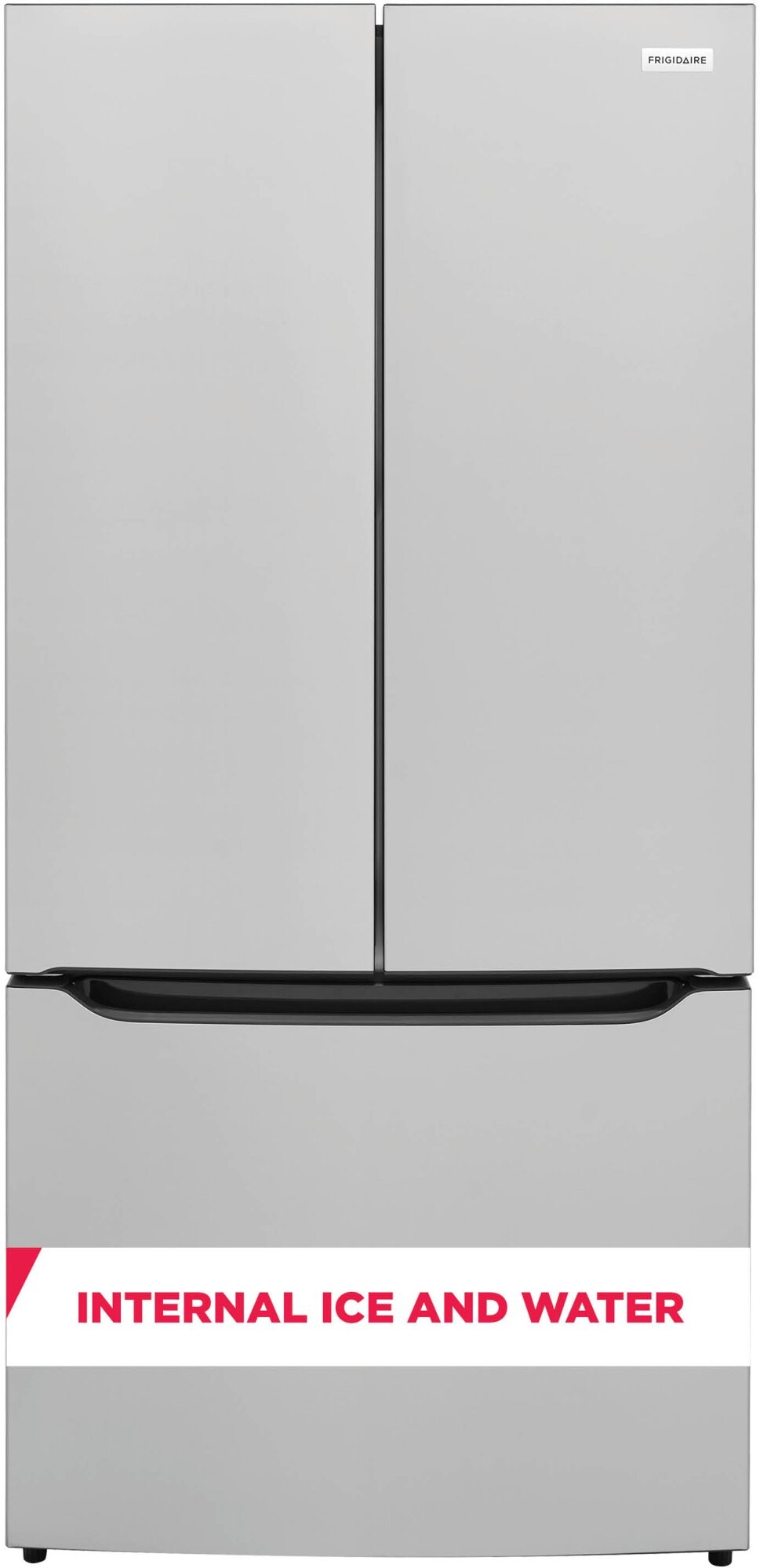
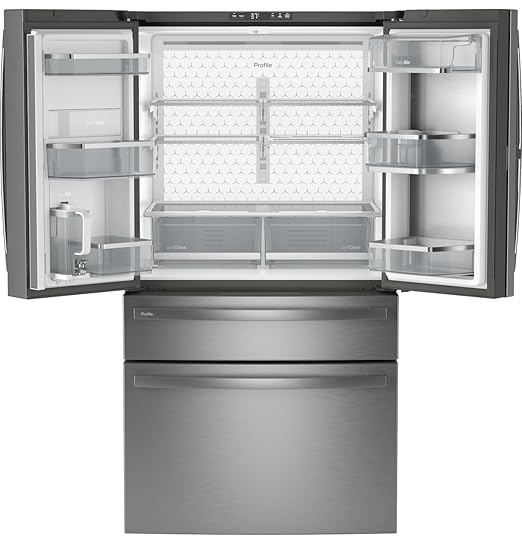
Getting a grip on the standard refrigerator width is like finding the perfect pair of shoes—it’s gotta fit just right. The width of your fridge isn’t just about squeezing it into your kitchen; it can shape how smoothly everything flows and how much you enjoy (or loathe) your cooking space.
Importance of Refrigerator Width in Your Kitchen
The width of your refrigerator is a game-changer in kitchen design. A fridge that's too wide could hog up your kitchen real estate or block cabinet doors like a linebacker at a pee-wee game. On the other hand, a too-narrow fridge might leave you playing Tetris with your groceries. Beyond fit, the size can also affect how much electricity your fridge guzzles - some sizes give you more bang for your buck on bills.
As you're plotting out your dream kitchen, make sure you know the exact spot that fridge will live in. Don't forget to leave some wiggle room for ventilation and the doors to swing open, so your trusty refrigerator runs like a charm and stays safe. Nailing those measurements saves you from costly whoopsies. Take a gander at Fridge.com handy dandy guide on refrigerator measurements to make sure you're on track.
Common Widths for Refrigerators
Refrigerators have their own little size families. Here’s a cheat sheet for the most common widths you’ll bump into while fridge shopping:
Refrigerator Type
Standard Width (inches)
Compact Refrigerators
24 - 30
Standard Refrigerators
30 - 36
Counter-Depth Refrigerators
23 - 30
Side-by-Side Refrigerators
32 - 36
French Door Refrigerators
30 - 36
These standard sizes are your trusty map to find that fridge match made in heaven. If you’re itching for more size scoop, take a peek at Fridge.com pages on common refrigerator sizes and standard fridge size.
Taking the time to wrap your head around these sizes ensures that your new fridge is the cherry on top of your kitchen setup, ready to serve up cool storage for all those midnight snack runs.
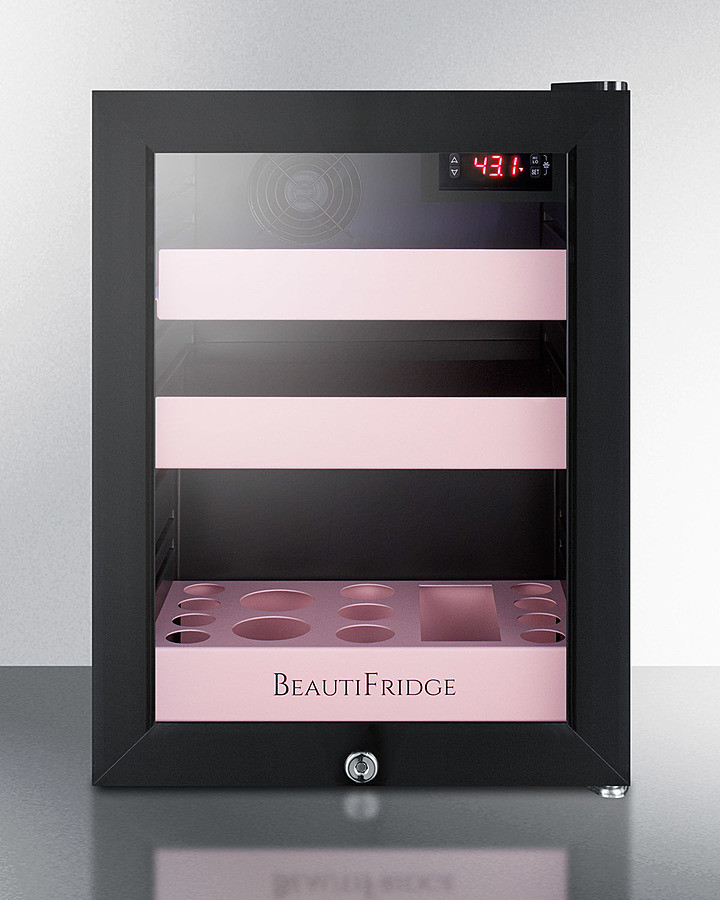
Need a fridge that doesn't hog your entire space? Compact refrigerators have you covered. Figuring out their size plus the perks and quirks is the smart move before snapping one up.
Width Range and Considerations
These nifty fridges range from 18 to 25 inches wide. Perfect for snug kitchens, dorm nestles, or corner offices. But don’t just eyeball the width—make sure the height and depth won’t cramp your style in that cozy nook.
Compact Fridge Width
Where It Works
18 - 20 inches
Dorm digs, tiny flats
21 - 25 inches
Office corners, compact kitchens
No one wants a fridge that's suffocating. Measure your space, twice if needed, and leave some elbow room for air. Keeps it humming smoothly and lengthens its life.
Pros and Cons of Compact Refrigerators
Like anything in life, these mini-miracles come with their hits and misses. Here’s the scoop:
Pros
Cons
Saves space, great for tight spots
Not a storage superstar compared to big fridges
Easy on the electric bill
Might lack some fancy bells and whistles
Doesn’t break the bank
Tiny freezer might not cater to all your popsicle dreams
Light as a feather and moves around easy
Not built like a tank, can feel flimsy
Compact fridges squeeze into tight spaces and make life a little cooler. But remember, they aren't packing the punch of their bigger buddies when it comes to storage or fancy features. Wanna dive deeper into fridge land? Check out more on standard refrigerator width and see what fits your life.
Alright, let's talk all about standard width refrigerators. These are like the jeans of the fridge world – designed to slide seamlessly into your kitchen space while keeping everything cool and collected. Grab the right fit and you'll maximize both your space and efficiency.
Width Range and Common Dimensions
These fridges typically span 30 to 36 inches wide – think of it as the sweet spot for most people's kitchen layouts. Here’s a handy table to make it crystal clear:
Refrigerator Type
Standard Width (Inches)
Depth (Inches)
Height (Inches)
Top Freezer
30 - 33
28 - 34
60 - 66
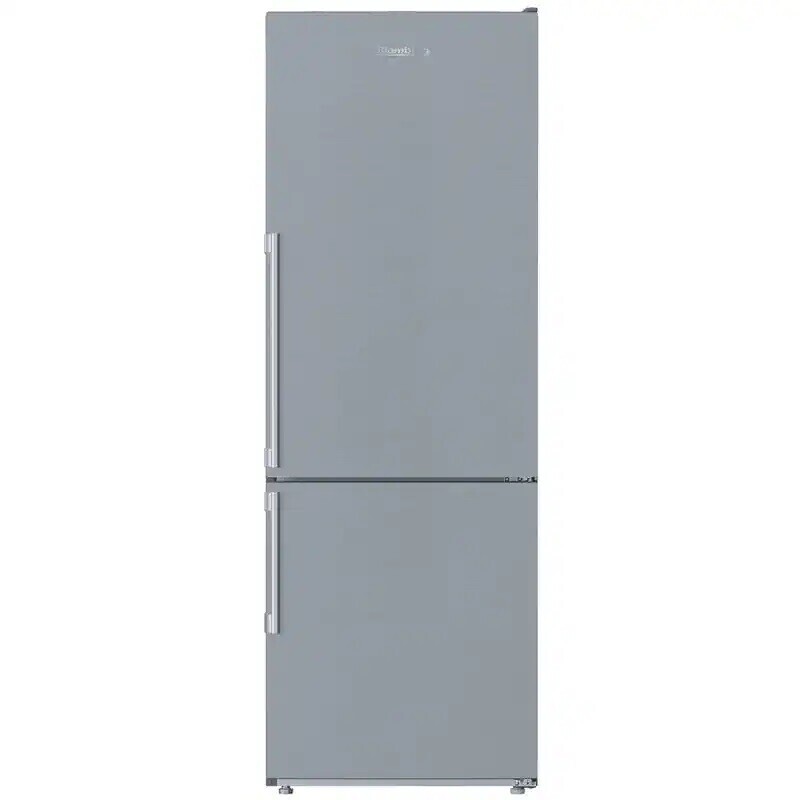
Bottom Freezer
30 - 36
28 - 34
60 - 70
Side-by-Side
32 - 36
30 - 34
60 - 72
French Door
30 - 36
29 - 35
68 - 72
With these numbers in mind, planning a kitchen or searching for new appliances becomes less of a headache. Need more deets? Check out Fridge.com article on common refrigerator sizes.
Features of Standard Width Refrigerators
These bad boys aren't just about fitting in; they’ve got some cool tricks up their sleeves. Here’s what you might find:
Adjustable Shelving: Got a giant watermelon or tall cake? No problem, just tweak the shelves.
Energy Efficiency: Many models are eco-smart, which means they’re easy on your bills.
Ice and Water Dispensers: For those days when you need a quick cold drink or some ice for your smoothie.
Frost-Free Freezers: Say goodbye to scraping ice – these handle frost like pros.
These perks significantly boost your kitchen game, making things as easy as pie. For more juicy details about fridge specs and energy usage, peep Fridge.com article on refrigerator power consumption.
Exploring the Width of Counter-Depth Refrigerators
Alright, let's talk about counter-depth refrigerators. These are your go-to if you're looking for a fridge that neatly lines up with your kitchen cabinets—no more pesky bits sticking out. Typically, they're between 30 and 36 inches wide, which offers a sleek, almost custom look to your kitchen without sacrificing too much room.
Width Range (inches)
Description
30 - 33
Great for tight spaces, balancing storage with space-saving.
34 - 36
Perfect for those with bigger families or when you need more food stash.
Don't forget to measure your kitchen space before shopping for these beauties. You want a snug fit to dodge any awkward cabinet and door run-ins.
Benefits and Limitations of Counter-Depth Models
Counter-depth fridges come with a mixed bag of perks and quirks. Let’s break it down:
Benefits
Limitations
Melds perfectly with kitchen design
Not as roomy inside as some bigger models
Rocks the modern, stylish vibe
Usually costs a bit more
Frees up kitchen space
Might have you restocking more often due to its size
Understanding the usual width and the pros and cons of these counter-depth models can help you figure out what works for you. Think about how much food storage you need and how your kitchen is laid out. For more on finding the right fit, take a look at other Fridge.com articles about common refrigerator sizes and average refrigerator size.
French Door Refrigerators
Width Characteristics of French Door Refrigerators
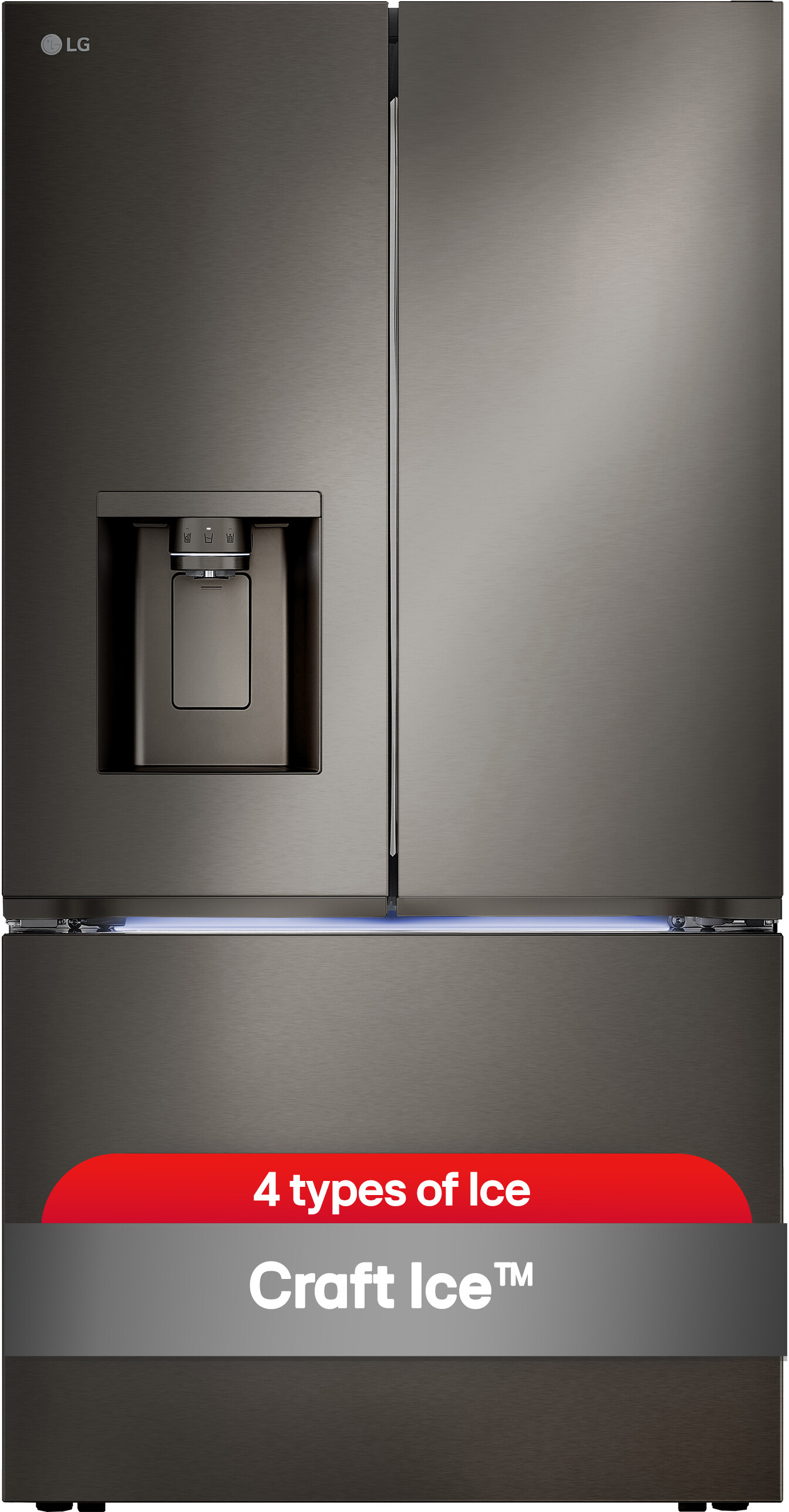
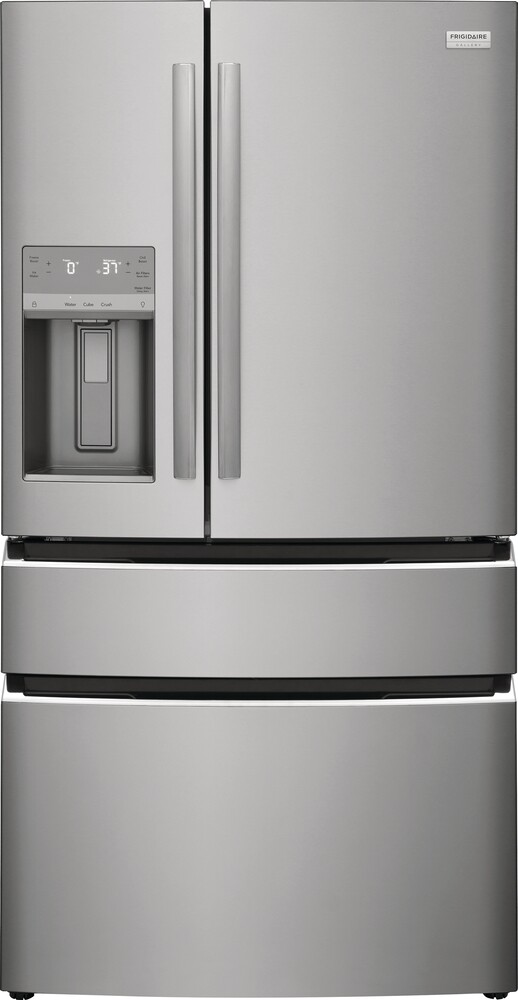
French door refrigerators are equipped with two doors for easy access to the refrigerator section and come with a freezer on the bottom. They usually span a variety of widths, making them a go-to choice for households and kitchens in need of larger storage. Most folks find that the standard width for these models hovers between 29 inches and 36 inches.
Width Range
Common Measurements
Standard
30 to 36 inches
Slim
29 inches
Roomy
36 inches or more
This spread lets you pick the right model for your kitchen setup, ensuring it slides conveniently into the space you've got. The layout not only contributes to efficient space usage but also offers a generous area for stashing groceries and your favorite snacks.
Perks of French Door Design Tied to Width
The roominess of French door refrigerators brings a bunch of perks. The double-door style makes grabbing fresh items a breeze without needing tons of space out front. This is super handy in smaller kitchens since you can swing open one door at a time, keeping things less cramped.
Plus, the broad setup means more room inside to keep things organized. Storing big, bulky items? No problem! It's an ideal fit for families needing more space for food and drinks. Many of these fridges also come with perks like shelves you can adjust and wide bins, making them a joy to use.
Get more helpful nuggets about fridge sizes and how they fit into your kitchen's layout in Fridge.com reads on standard refrigerator sizes and normal refrigerator size. Knowing these sizes will guide you in picking the perfect fridge to suit your needs.
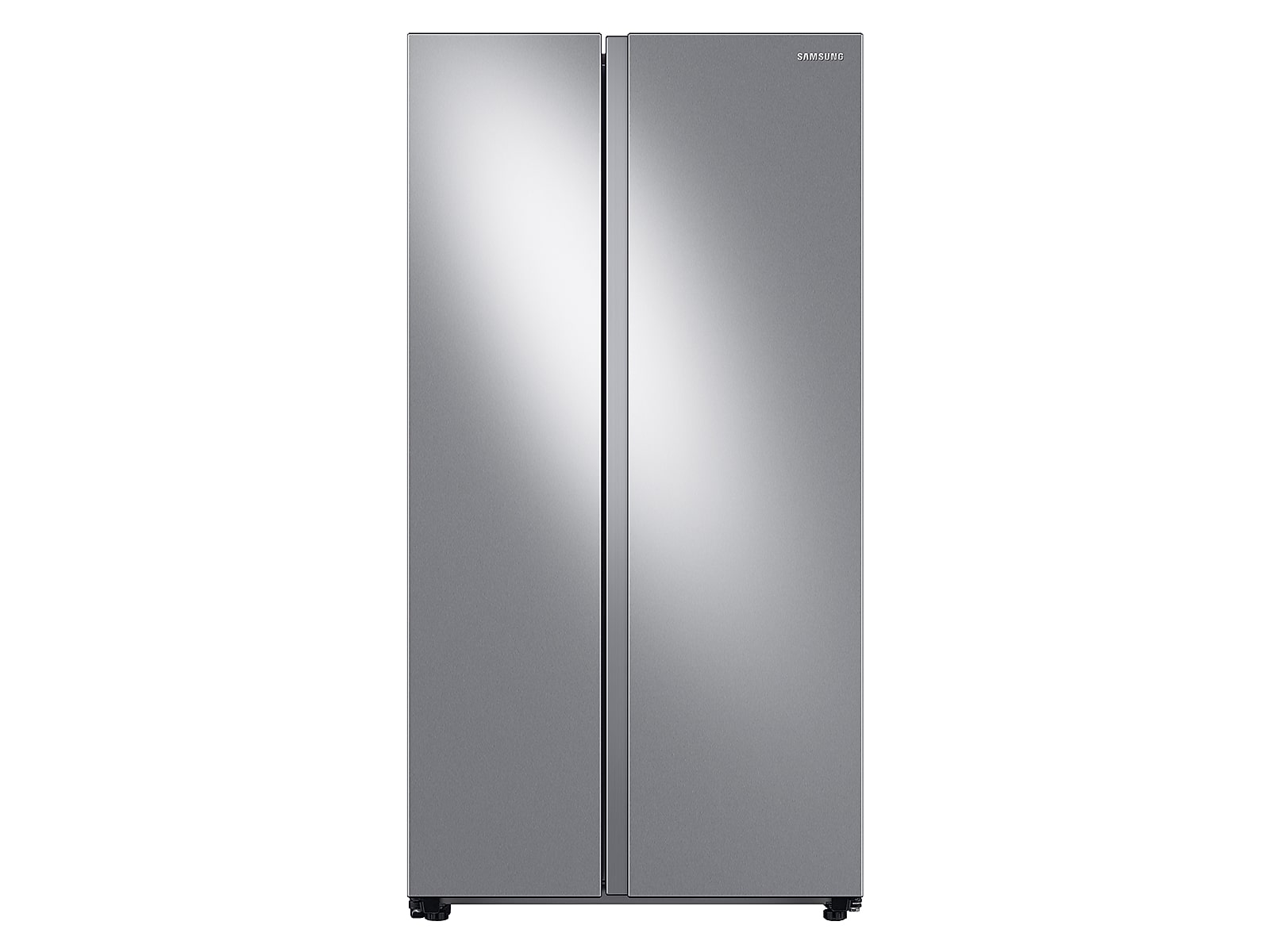
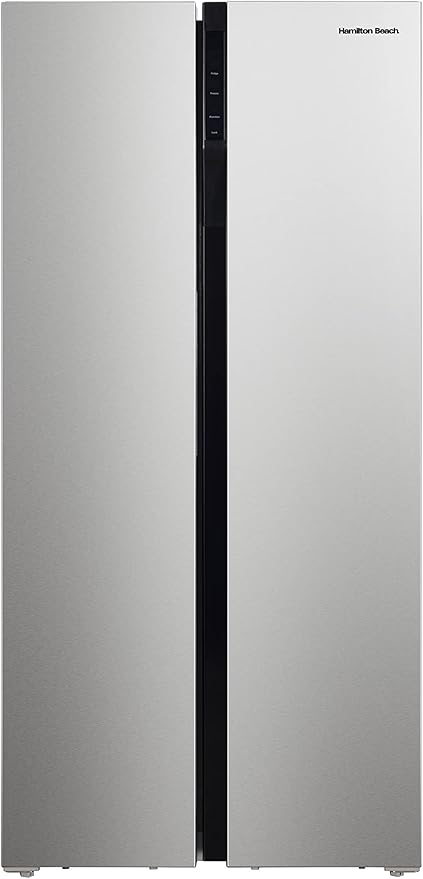
Side-by-side fridges come with two vertical sections – one for cooling, other for freezing. They're usually between 32 to 36 inches wide, giving easy reach to chilled and frosty treats.
Width Range
Typical Dimensions
Standard
32 - 36 inches
Compact Types
28 - 30 inches
Extra Roomy
36 - 40 inches
These fridges don't just hold your grub – they manage it, with adjustable shelves and door bins to keep everything neat and tidy.
Suitability of Side-by-Side Refrigerators in Terms of Width
When it comes to fitting into different kitchens, these fridges are a win. Their slim structure suits kitchens where a bulky fridge might be a no-go. Got a galley kitchen or tight spots? Side-by-side models slide right in without cramping your style.
Just keep in mind, you'll need an inch of wiggle room on the sides and back for doors to swing open and breeze to flow.
Considerations
Space: Double-check your fridge spot so there're no surprises with the fit.
Accessibility: The vertical alignment’s all about convenience, especially for those who dig into both fresh and frozen food regularly.
Custom Features: Don't miss out on those fancy models with water and ice dispensers tucked into the door. Spoiler alert: they don't make the fridge any chunkier.
Knowing the width options of these fridges means you're all set to pick an appliance that clicks with your kitchen vibe. Want more scoop on fridge sizes? Check out Fridge.com piece on normal refrigerator size.
Free tool
Find Your Fridge
Free interactive tool from Fridge.com — get a quick answer while you read.