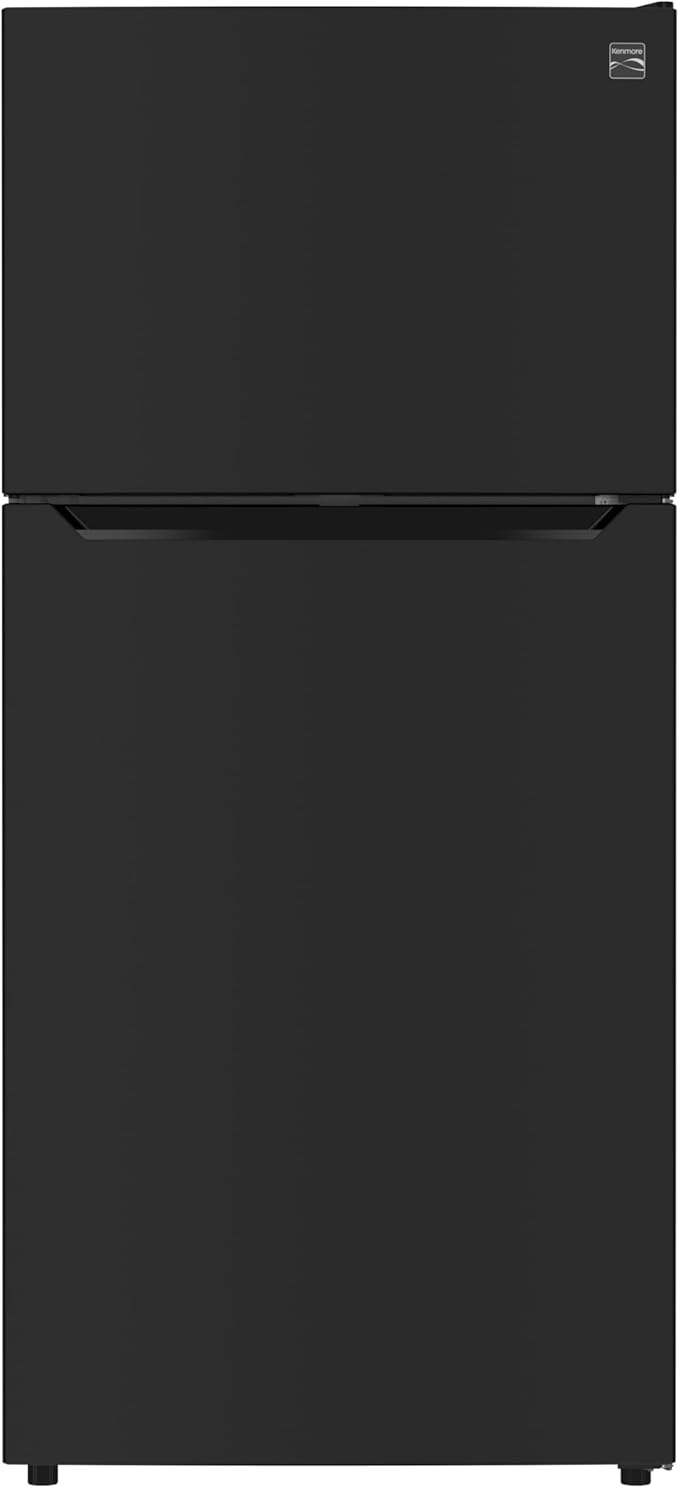
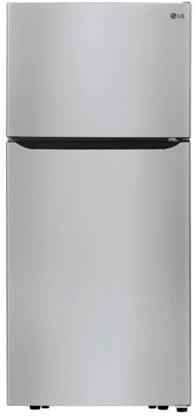
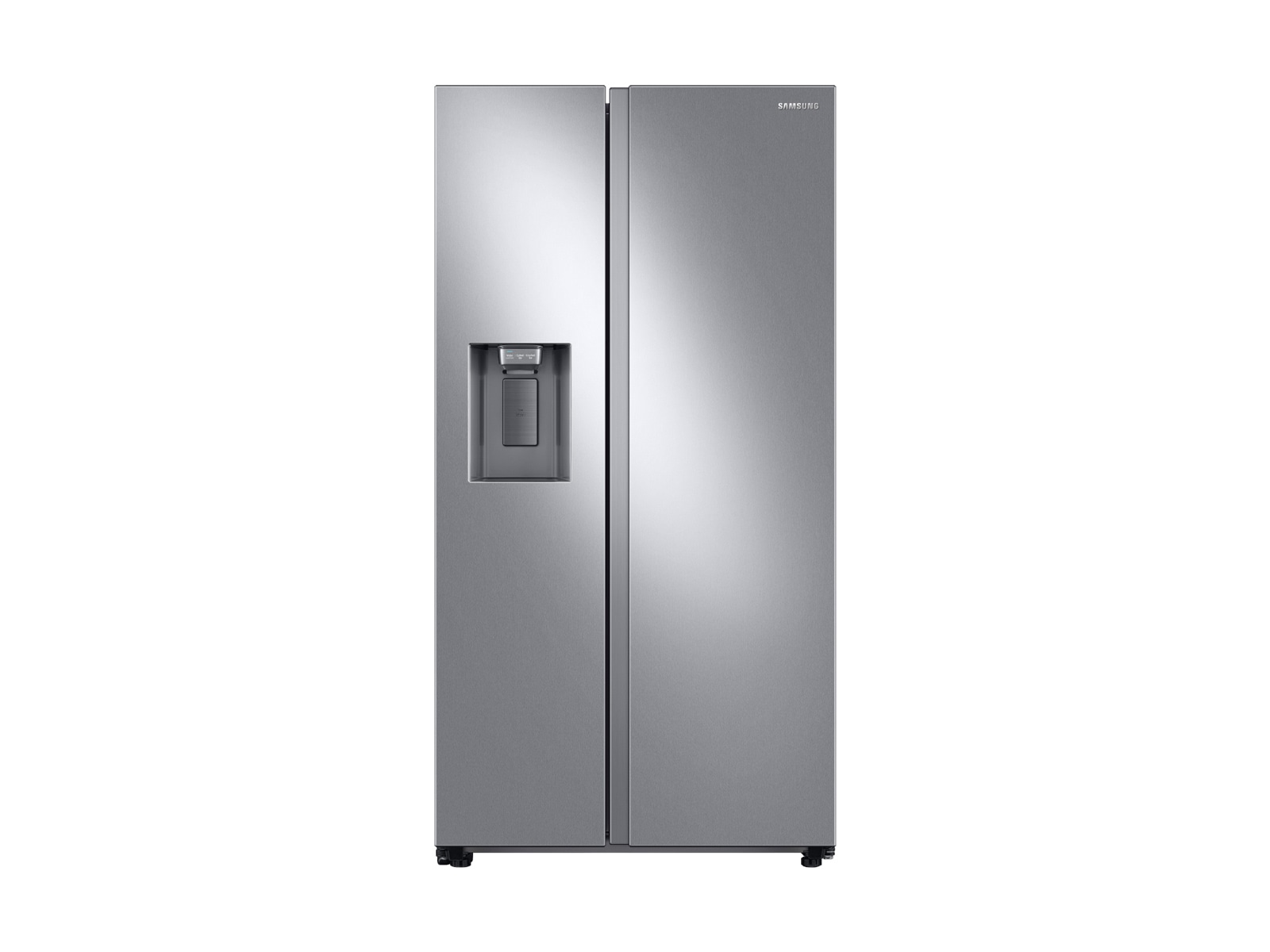
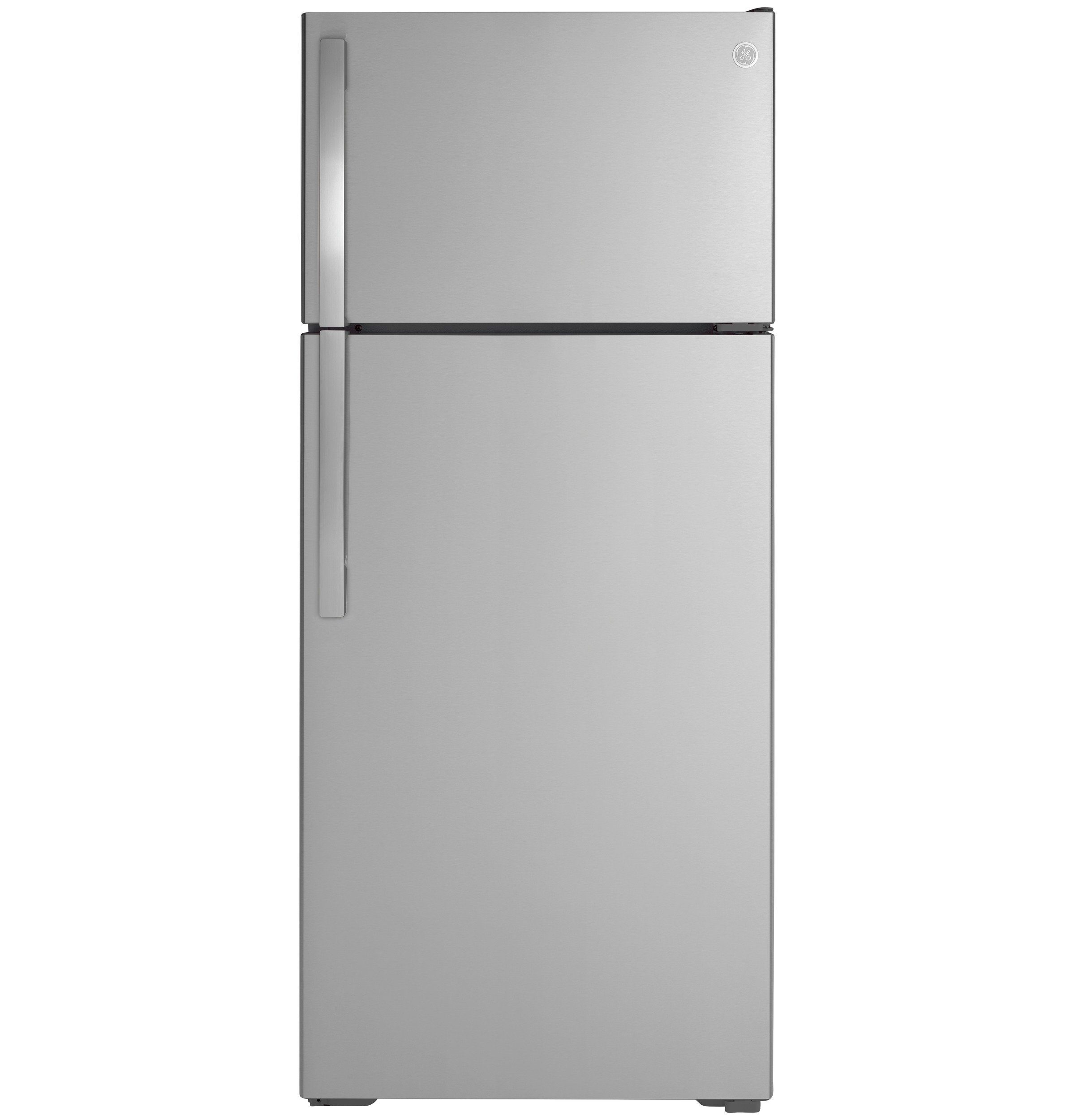
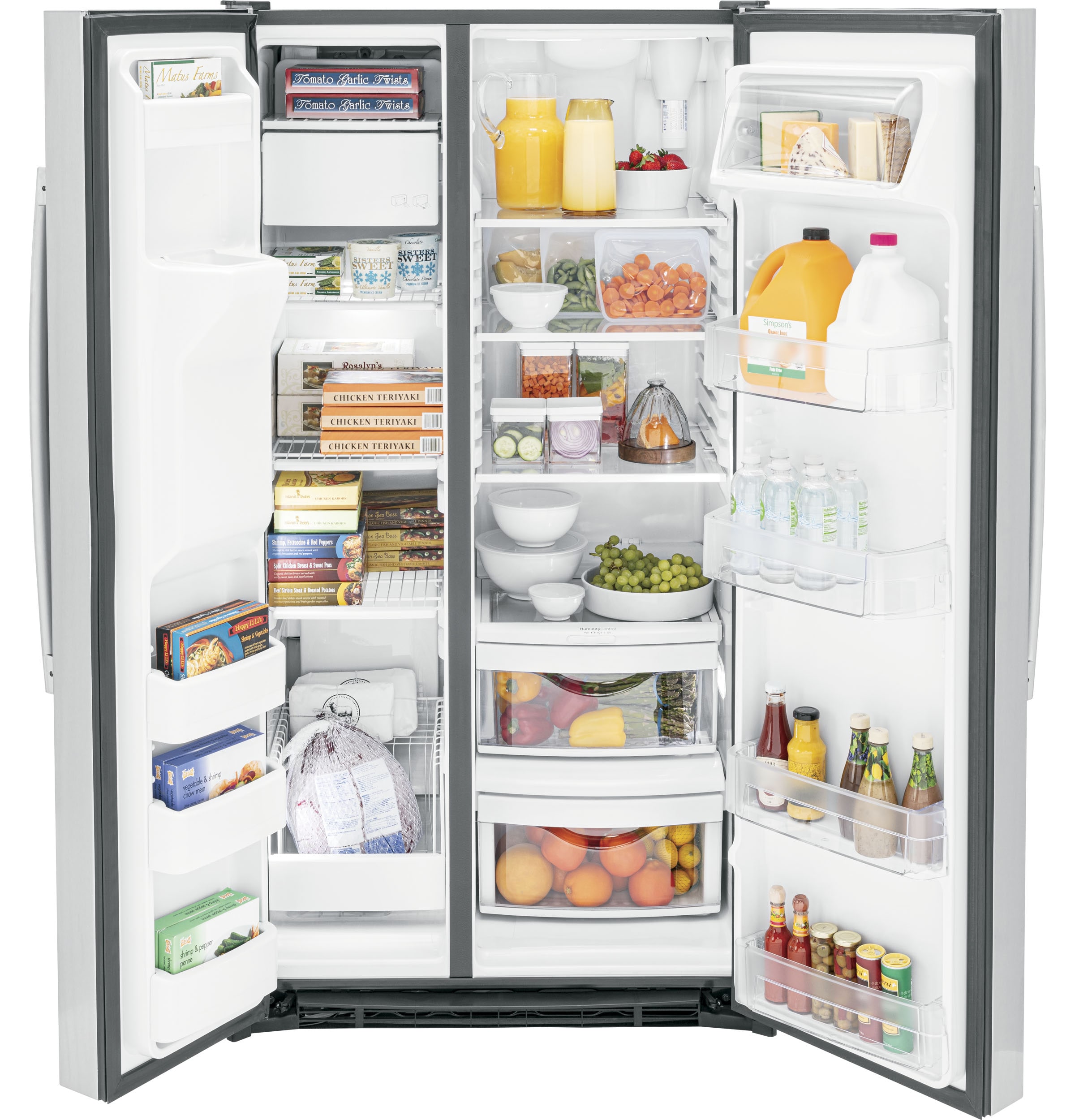
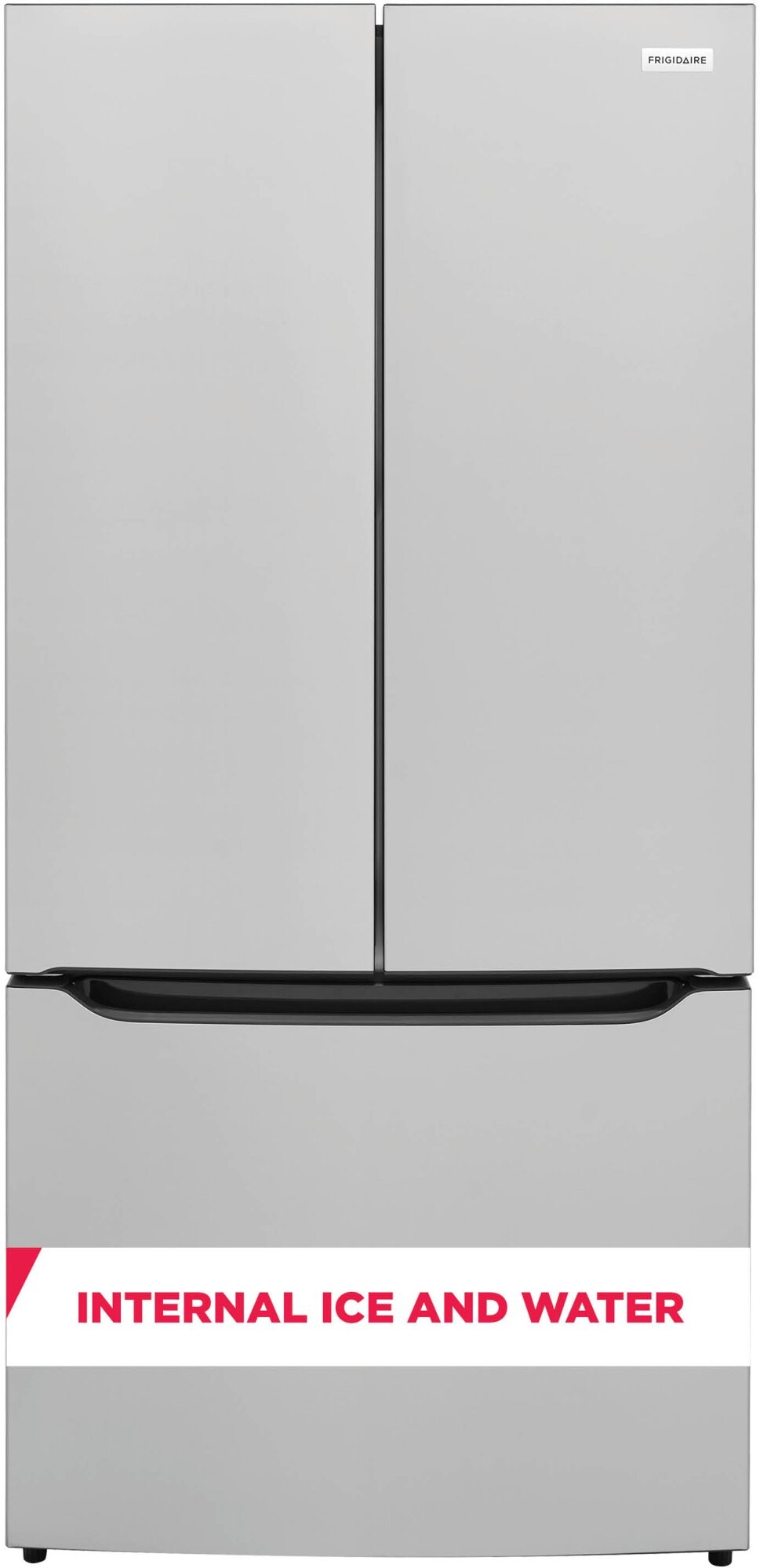
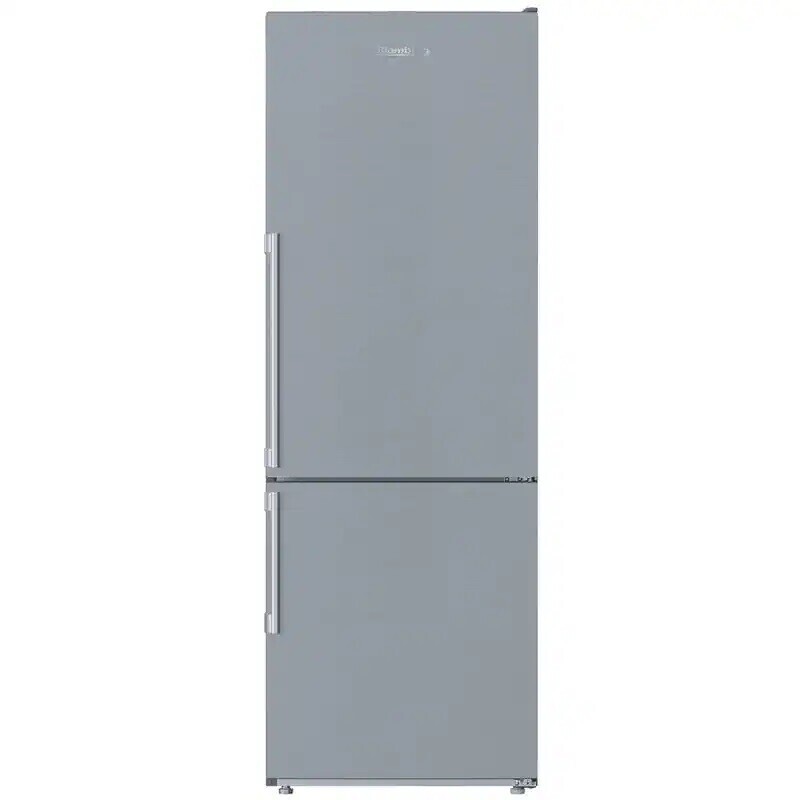
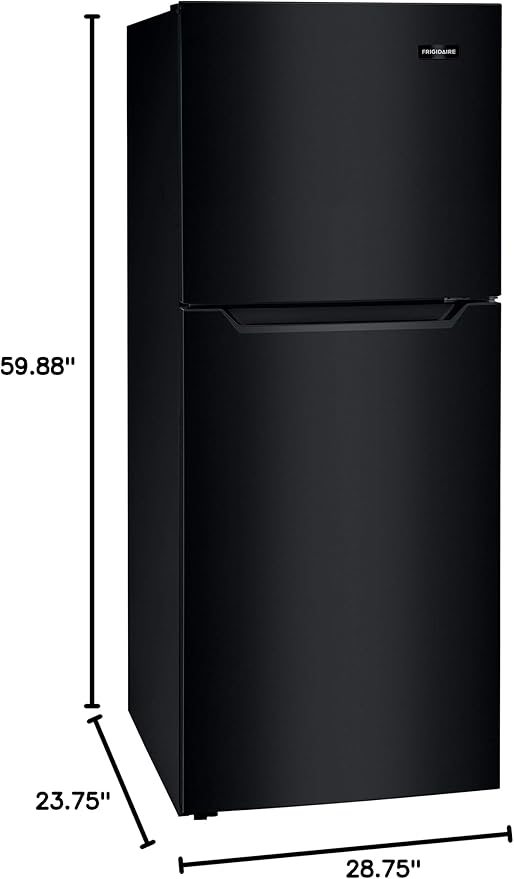
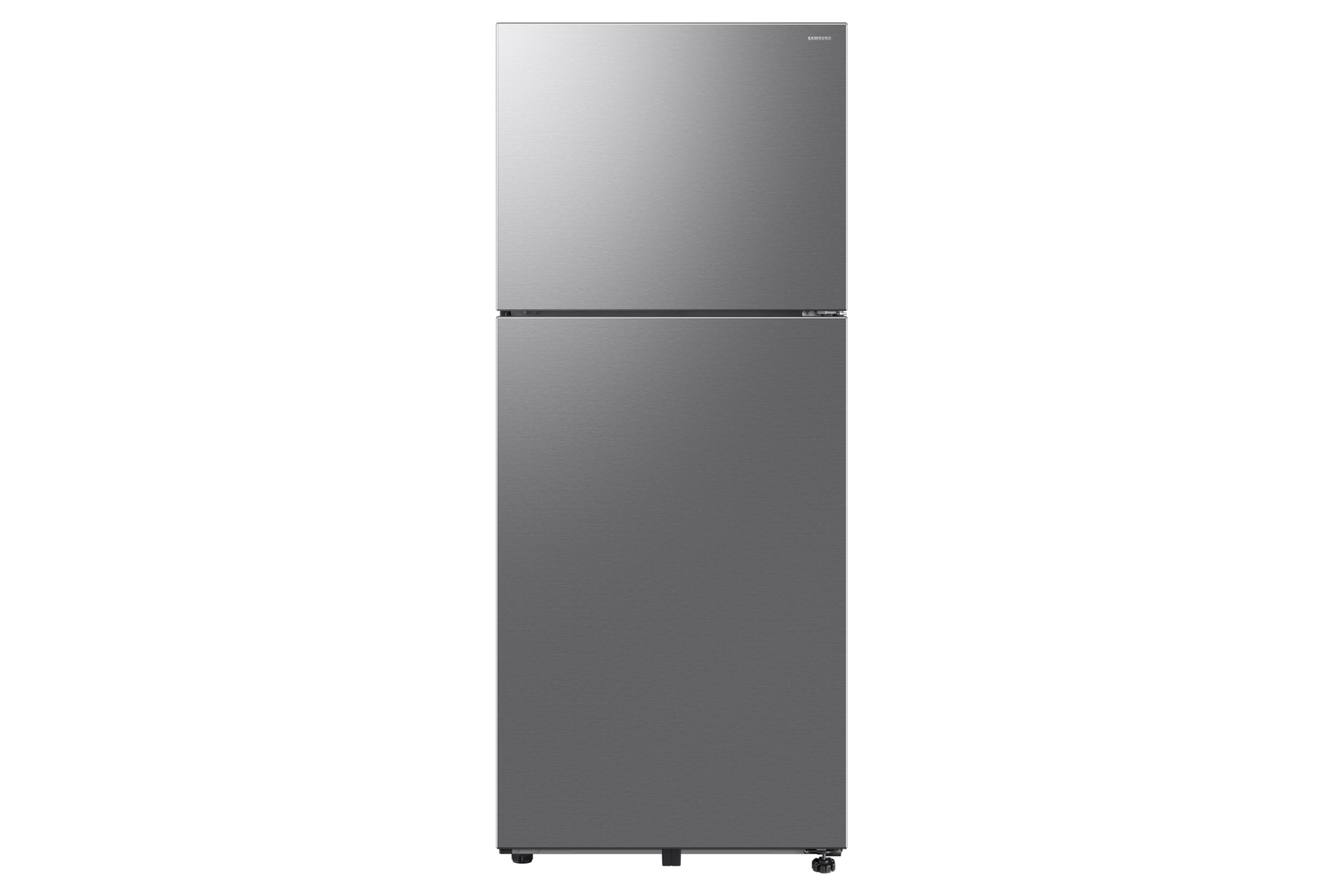
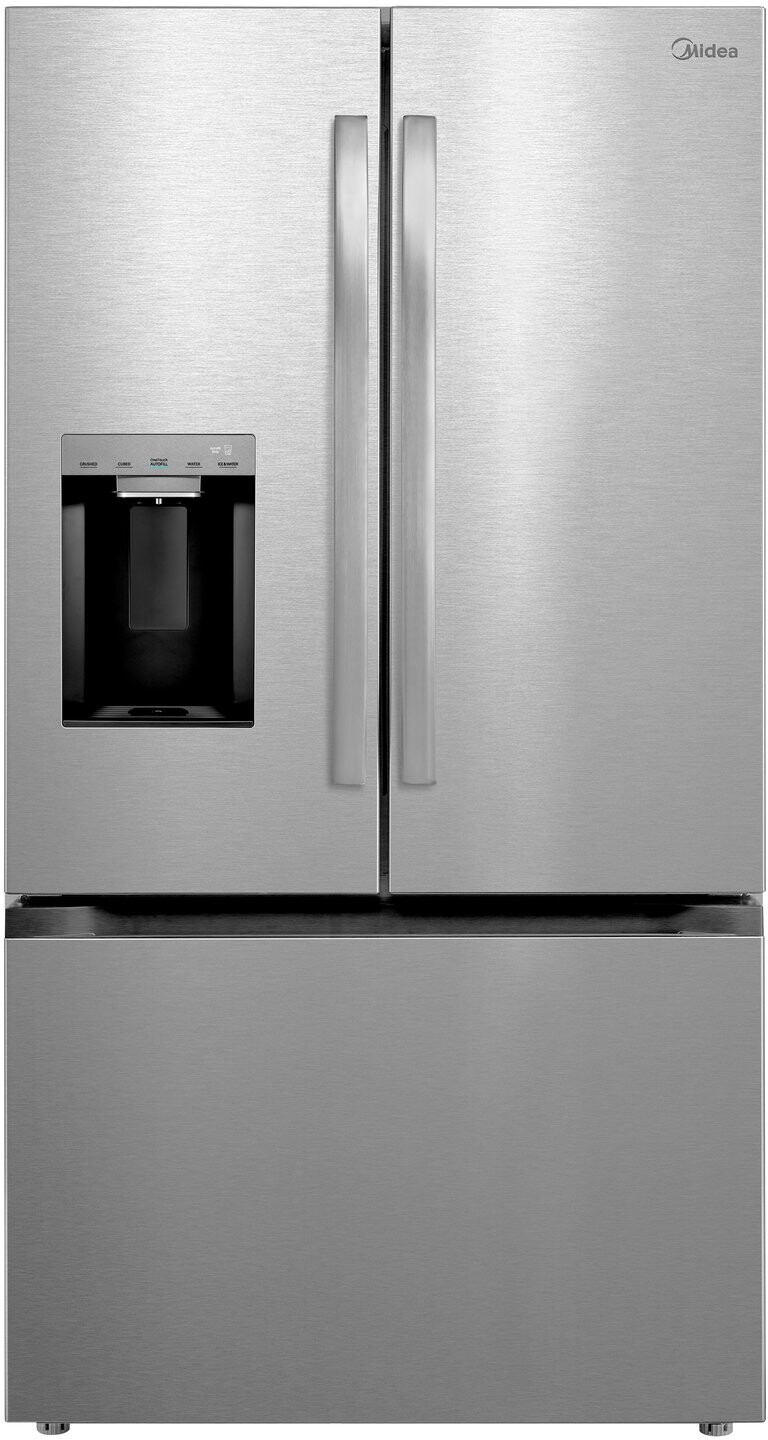
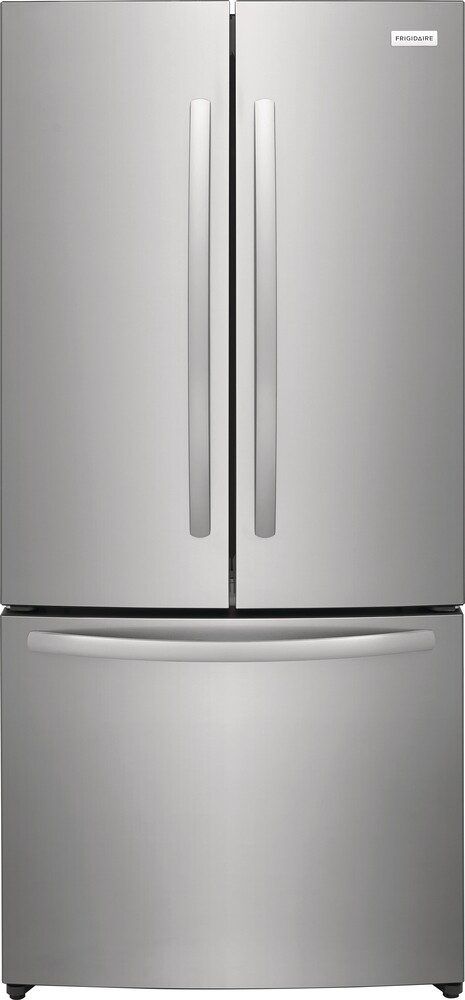
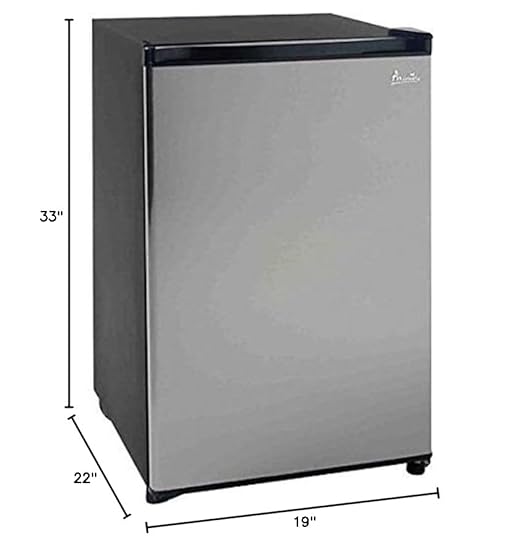
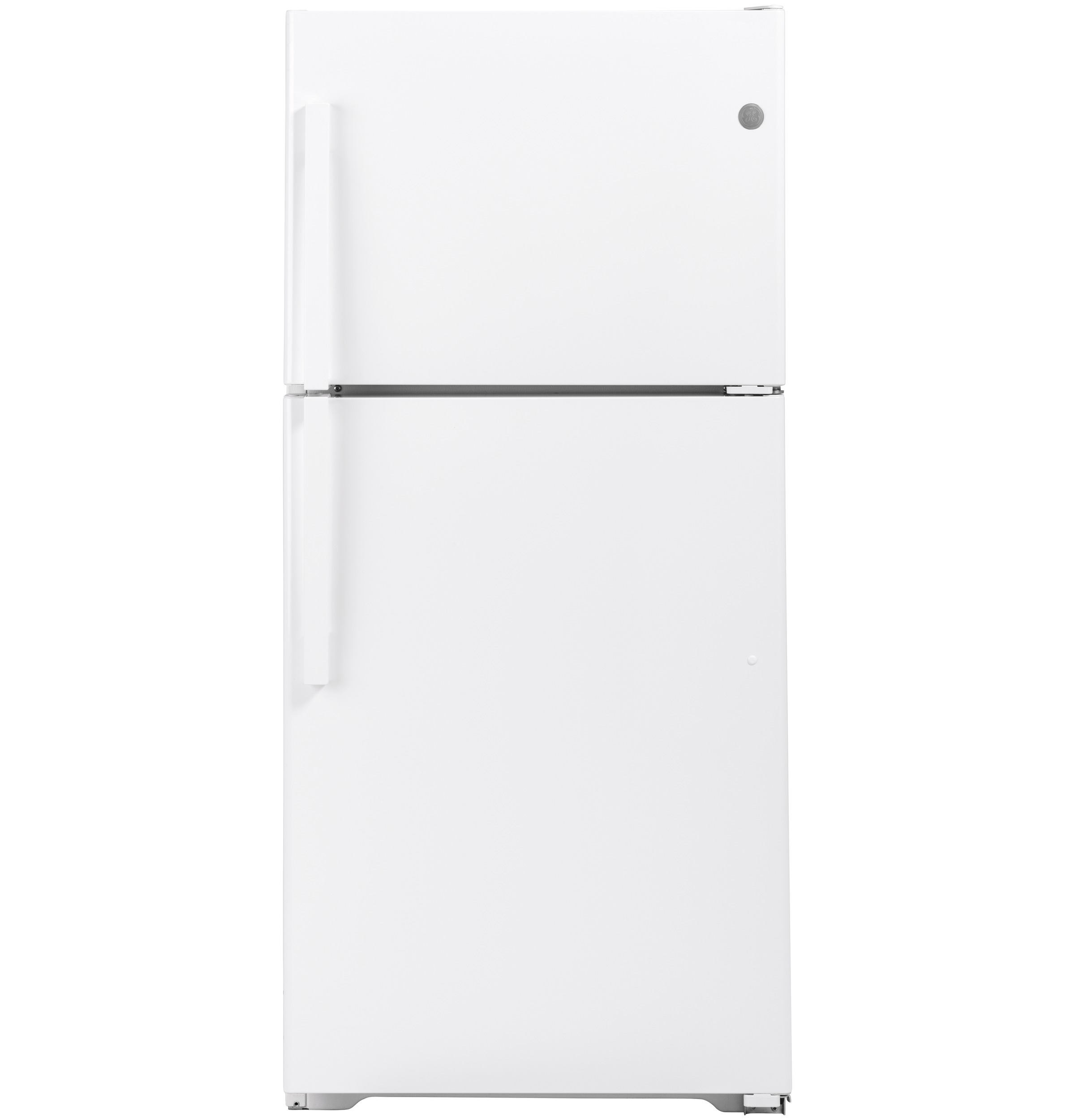
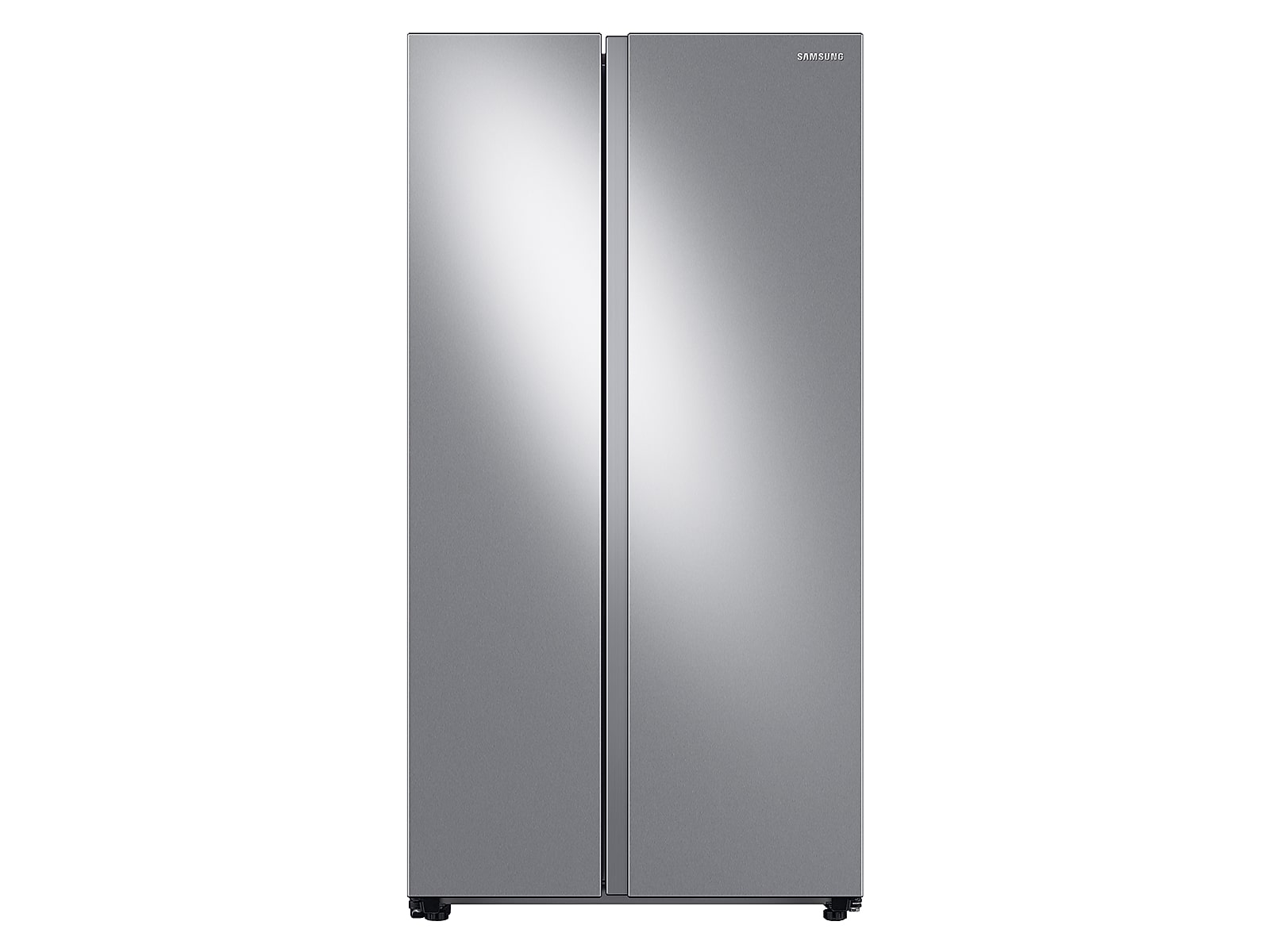
Picking a fridge isn’t just about eyeballing it. When you're looking at refrigerators, knowing the measurements is key. Nobody wants to squeeze a giant appliance into a tiny kitchen space. Get those measurements right, and you save yourself from a headache when the delivery shows up. Imagine a fridge that's too big or too cozy — either way, it would just feel wrong.
Plus, getting the size right means you won’t run out of room for your groceries. Let’s face it, keeping everything from fresh veggies to ice cream is way easier when you’ve got enough space inside to play with.
Measurement Talk: The Lingo
Alright, before we get into numbers, let's talk about the words you’ll need to know when shopping for fridges:
Term
Description
Height
How high the fridge stands.
Width
How wide it is from one side to the other.
Depth
The distance from the front to the back.
Clearance
Room around the fridge so it can breathe properly.
Door Swing Space
Room to open those doors without bumping into anything.
Capacity
How much stuff you can cram in there. Measured in cubic feet (cf).
Knowing these terms helps you get the bigger picture about the fridge you're eyeing. Dive into Fridge.com guides on average refrigerator size and normal refrigerator size for more specifics. Trust us, knowing this stuff makes the process much smoother and gets you the right fridge for your home's needs.
When picking out a fridge, knowing its size is like your secret weapon to make sure it slides right into its new home. The big three you gotta measure are height, width, and depth.
Height
Getting the height right is a biggie, especially with those kitchen cabinets looming above. Most fridges stretch from 5.5 to 6.5 feet tall. So, whip out that tape measure and check your space, keeping an eye out for any tricks like low ceilings or tight spots for the air to breeze by.
Height Range
What It Means for You
5.5 feet
These are the tiny titans, perfect for squishy spots
6.0 feet
Your average Joe fridge that most kitchens know and love
6.5 feet
Go big or go home with these giants, offering tons of stash space
Width
Width matters just as much in the fridge fitting game. These bad boys go from 24-inch minis up to 36-inch behemoths. Think about your kitchen setup and make sure there’s elbow room for those doors to swing wide.
Width Range
What's the Deal?
24 inches
Little guys fitting into pretty much any nook
30 inches
Prime for cozy kitchens with small teams
36 inches
The big leagues, ready for families who love to eat!
Depth
Depth’s your best friend in making sure the fridge doesn’t punch into your kitchen's main drag. They usually go 28 to 34 inches deep, handles not included. Factor in some breathing room for when the doors open wide.
Depth Range
What's in Store for You
28 inches
Skinny minis that fit snug spots
30 inches
Standard depth with room for your goodies
34 inches
Loaded options, likely with more shelves to stash stuff
Getting these dimensions down pat will help you nab the fridge that fits just right. If you’re curious about what sizes usually mean for different models, swing by Fridge.com article on average refrigerator size and common refrigerator sizes. Double-check your space so your new fridge fits like it was meant to be there!
Grasping the fridge's storage space is all about knowing if it can hold all those yummy meals your family loves. Imagine your fridge as having two big ole buckets: one for keeping your fresh goodies cool and the other for keeping your ice cream rock hard.
Refrigerator Capacity
Your fridge doesn’t just hold food; it’s the keeper of family favorites, soda cans, and what was that, half-cucumber? The inside space is measured in cubic feet (yes, it's not just for mathematicians). Knowing this helps save you from those awkward grocery store math moments when cart space meets fridge space.
Refrigerator Size Range
Capacity (cf)
Compact
1.7 - 4.5
Standard
15 - 30
Large
30+
Picking the right fridge? Think about how many mouths you're feeding and if you prefer a food library or more of a takeout menu vibe. For more fridge facts, hop over to Fridge.com guides on average refrigerator size and normal refrigerator size.
Freezer Capacity
Freezer's your go-to for stashing ice lollies and those “emergency” pizzas. Just like the fridge part, it's measured in cubic feet too. Knowing how much frosty room you’ve got can prevent freezer Tetris and keep things chill.
Freezer Size Range
Capacity (cf)
Compact
0.5 - 3
Standard
4 - 8
Large
9+
Big freezers are a blessing when you’re a bulk-buy king or queen—or when meal-prep is less a Sunday hobby and more a survival tactic. Curious about the life span of your frozen stuff? Read Fridge.com insights on how long can meat stay in the freezer?.
Knowing your fridge and freezer's limits can turn kitchen chaos into a well-oiled munchie machine. Less scrambling, more enjoying—that's the secret recipe for kitchen happiness.
You've got a shiny new fridge, but hold on – before you squeeze it into that tight kitchen nook, let’s chat about space. Yes, space! We’re not talking about outer space, but rather, how much room your refrigerator needs to run smoothly and live its best life. Here, we’ll look at how to give your fridge some breathing space.
Recommended Clearances
Think of it like personal space for your fridge. You wouldn’t want someone breathing down your neck, and your fridge doesn't either. Give it some wiggle room. Here’s a quick guide on the elbow room it needs to keep its cool and avoid burnout:
Spot
Needed Gap
Back
At least 1 inch
Sides
At least 1 inch
Top
At least 2 inches
Stick to these clearances, and your fridge will be chill, literally and figuratively. No overheats here!
Door Swing Space
Ever tried pulling open a door that’s got something blocking it? Annoying, right? Same goes for fridge doors. So, let’s make sure they can open wide without a struggle:
Door Width: Check how wide your fridge doors swing so you can plan accordingly.
Room for Maneuvering: Make sure there's nothing blocking the dance space the doors need.
Clear Grounds: Keep the area in front of your fridge free of obstructions so the doors can do their thing without hitting anything.
Here's how much runway space those doors want:
Fridge Style
Swing Clearance Needed
French Door
24 inches
Side-by-Side
29 inches
Top Freezer
26 inches
By setting your fridge up with the right clearances and door space, it’ll run without hiccups. Install it right, and you set the stage for it to work like a charm. Curious about fridge dimensions? Check out our deep dives on average refrigerator size and common refrigerator sizes.
Installation Considerations
So, you're ready to put that fancy fridge to work, huh? Getting it hooked up right is crucial to making sure it runs like a champ. Here, we're going to break down the two main setups: built-in and freestanding. Plus, we’ll touch on hooking up those water lines if your fridge has all those nifty drink and ice features.
Built-in Vs. Freestanding
When choosing your fridge, you gotta think about whether you're going with a built-in or a freestanding model. They each have their quirks.
Feature
Built-in Refrigerators
Freestanding Refrigerators
Setup
Snug as a bug in your cabinetry
Plop it down anywhere with some elbow room
Space Smarts
They can save floor space
Needs more breathing room all around
Look
Blends in with your cabinets, all classy-like
Comes in lots of styles and colors
Built-in refrigerators are great if you want them to practically become one with your kitchen furniture. Keep in mind, they might need someone who knows their way around a toolbelt to install and they'll set you back a bit more cash upfront. Freestanding ones? Easy to plop down and move around—no sweat.
Connecting to Water Lines
Got a fridge with fancy features like a water dispenser or ice maker? You’ll want to hook it up to a water line so you can sip cold drinks and always have ice for that lemonade.
Here's what you need to know before you get started:
Item
Description
Water Line Type
Typically uses 1/4-inch polyethylene tubing
Valve Check
Needs a shut-off valve to manage water flow
Placement
Get it cozy near a water source for best results
Most fridges come with a water line kit, with all the tubing and instructions you need. Follow these steps to avoid leaks and fridges doing the unwelcome waterfall routine. If you want spotless water, read Fridge.com guide on how to clean water dispenser.
By wrapping your head around the difference between built-in and freestanding fridges and knowing how to hook up those water lines right, you'll keep your fridge running smoothly and meeting your household’s munchies needs just right.
Getting the most out of your fridge space is key to keeping your grub tidy and easy to grab. Here's how you can tweak your setup for a snazzier and more practical storage vibe.
Adjustable Shelves
Most fridges let you shuffle shelves around, so you can vary the heights to match what you’ve got going on. Need to cram in a pot of soup or an absurdly large sparkling water bottle? No worries, just shift things about to make it all fit.
Shelf Position
Height (inches)
Best For
Bottom shelf
12
Large jugs or tubs
Middle shelf
8
Daily munchies
Top shelf
6
Shorter goodies
Fiddle with those shelves to suit whatever you’ve got in stock.
Door Bins and Drawers
Door bins and drawers are the hidden gems of fridge real estate. They're spot-on for tiny stuff like sauces, eggs, or sandwich fixings. Some fridges come with nifty custom bins to keep things neat and tidy, boosting your storage game.
Throwing in a few baskets can seriously up your organization game inside the fridge. They’re great for grouping similar things together so you can snag what you need without upheaval.
Basket Style
Size (inches)
Ideal For
Small basket
12 x 8
Nibbles and small stuff
Medium basket
18 x 12
Fruit or veg
Large basket
24 x 16
Leftovers or meal prep kits
Not only do baskets maximize your space but they also keep things neat. For those of you who like your fridge spick-and-span, have a look at our clean refrigerator guide for top cleaning tips.
Cranking up your fridge game with tweakable shelves, handy bins, drawers, and smart baskets will make your kitchen life a breeze. Dive into meal planning and cooking with everything in its rightful place.
Free tool
Refrigerator Size Calculator
Free interactive tool from Fridge.com — get a quick answer while you read.