Small Freezer Vs. Wine Cooler: A Comparative Analysis
Introduction to Small Freezers and Wine Coolers
When considering efficient ways to store food and beverages, two popular options emerge: small freezers and wine coolers. Each serves a unique purpose and caters to different needs, making the choice between them dependent on your specific requirements.
Small freezers are designed to store a variety of frozen foods, providing extra space beyond your main refrigerator. These compact units are ideal for homeowners, apartment dwellers, and those living in smaller spaces like condos, mobile homes, or tiny homes. They offer a convenient way to keep food items preserved for longer periods.
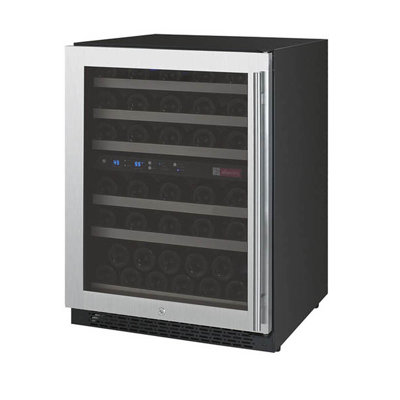
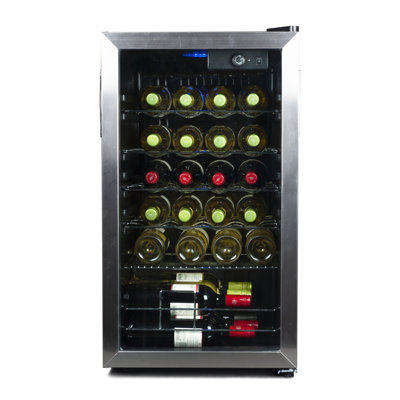
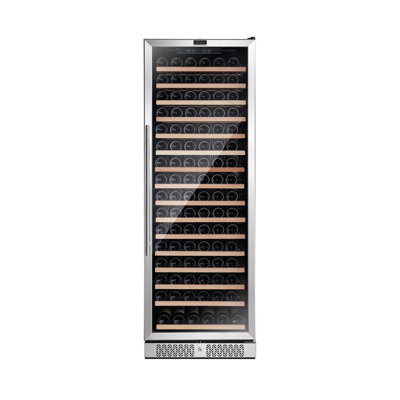
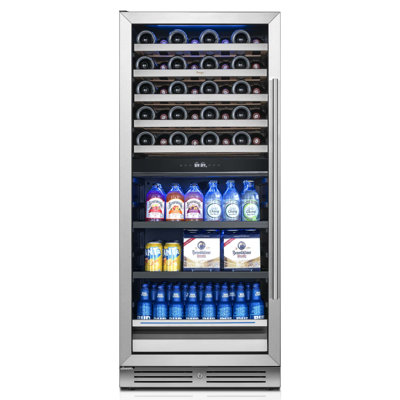
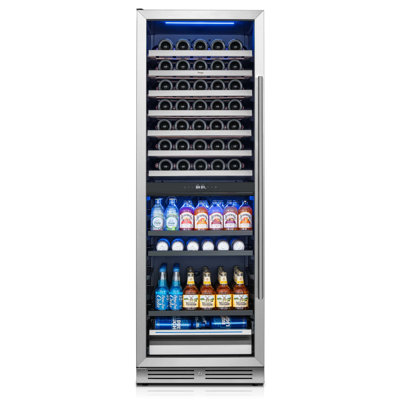
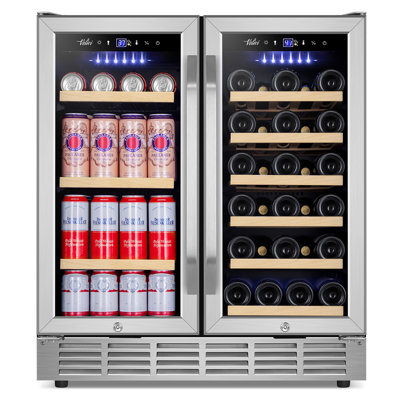
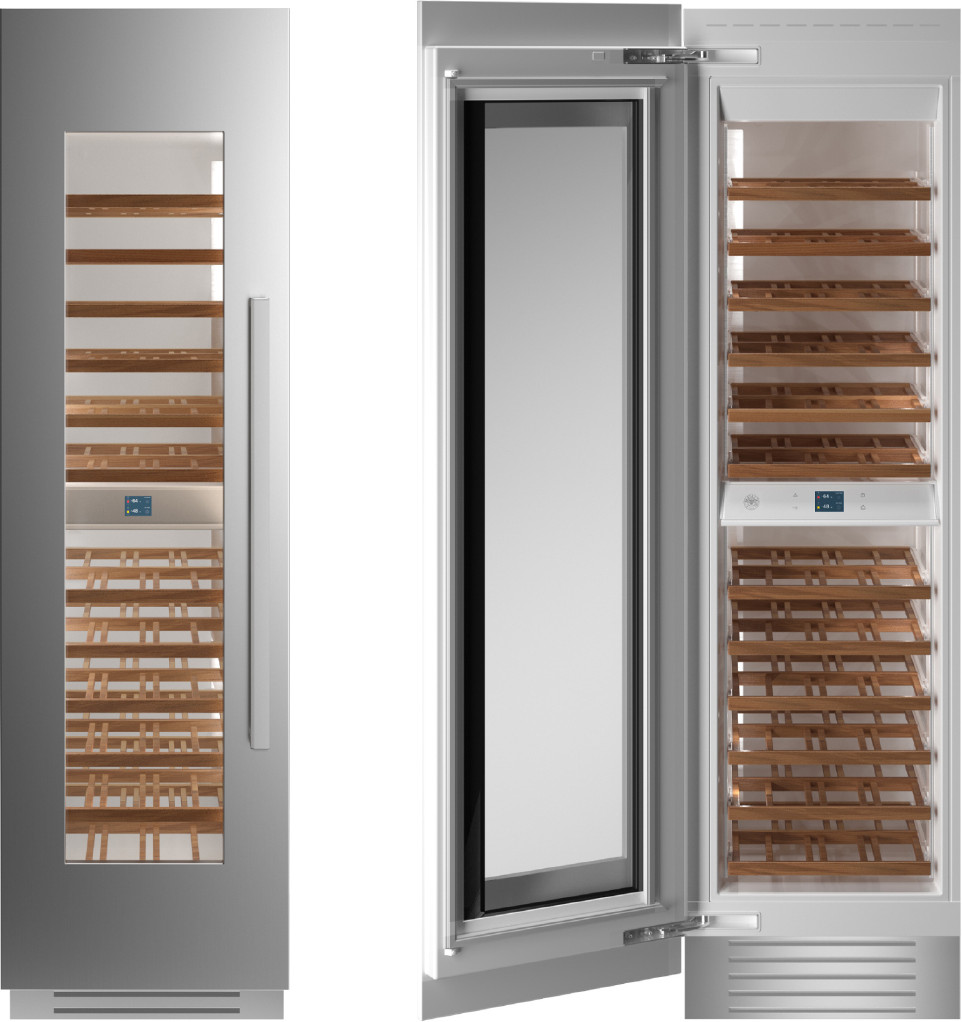
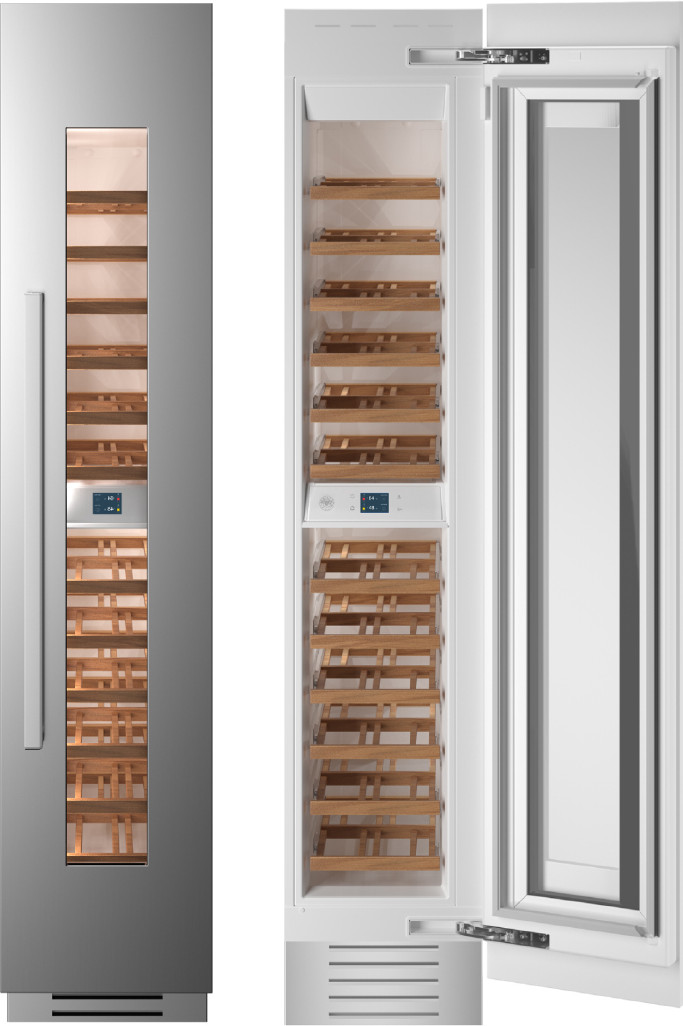
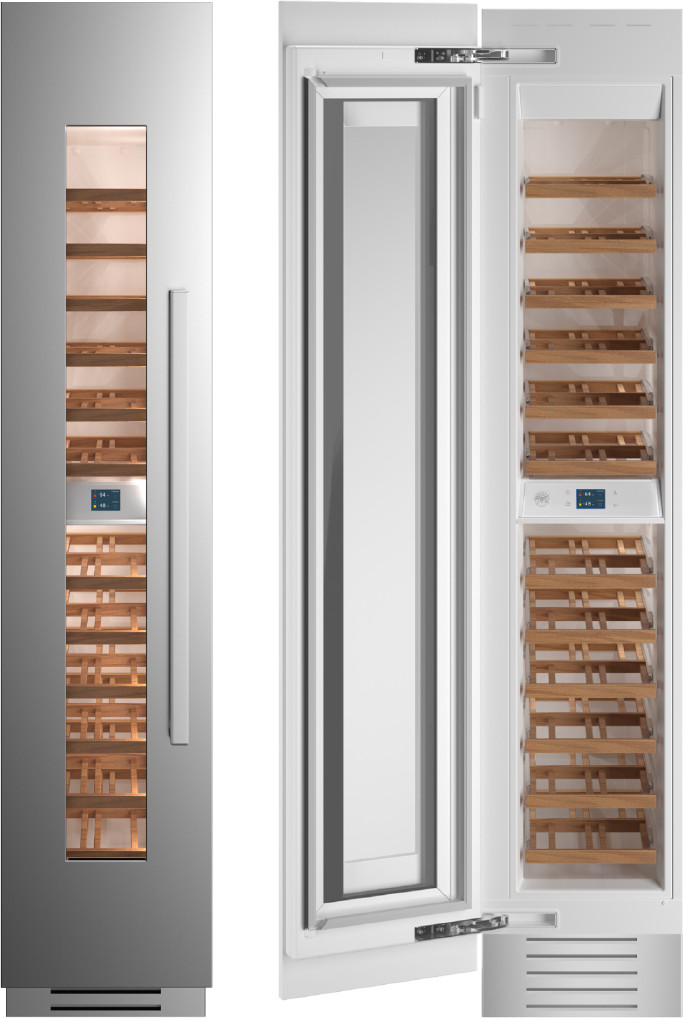
Wine coolers, on the other hand, are specialized appliances designed to store and chill wine bottles at optimal temperatures. They are perfect for wine enthusiasts, families who entertain frequently, and individuals looking to keep their wine collection in prime condition. Wine coolers come in various sizes, accommodating different numbers of bottles and featuring temperature control settings to ensure your wine is stored correctly.
Understanding the key differences between small freezers and wine coolers can help you decide which appliance best suits your needs. For further comparisons, you might find Fridge.com articles on freestanding refrigerator Vs. upright freezer and countertop refrigerator Vs. wine cooler insightful.
When choosing between a small freezer and a wine cooler, understanding the differences in size and capacity is essential. Each appliance has unique storage options and configurations that cater to specific needs.
Small Freezers: Capacity and Storage Options
Small freezers are designed to provide ample storage space in a compact form. These freezers are ideal for those who need additional freezing capacity without taking up too much room. Small freezers come in various sizes, typically ranging from 1.1 to 5 cubic feet.
Freezer Type
Capacity (cubic feet)
Storage Options
Compact Freezer
1.1 - 3.0
Shelves, Baskets
Small Chest Freezer
3.0 - 5.0
Baskets, Dividers
Small freezers often include adjustable shelves and removable baskets, allowing you to organize your frozen goods efficiently. These storage options make it easy to access items and keep your freezer organized.
Wine Coolers: Bottle Capacity and Storage Configuration
Wine coolers, on the other hand, are specifically designed to store wine bottles at optimal conditions. These coolers come in various sizes and capacities, typically ranging from 6 to 50 bottles. The capacity is usually measured in terms of standard 750ml wine bottles.
Wine Cooler Type
Capacity (bottles)
Storage Configuration
Compact Wine Cooler
6 - 20
Adjustable Racks, Shelves
Freestanding Wine Cooler
20 - 50
Fixed Racks, Sliding Shelves
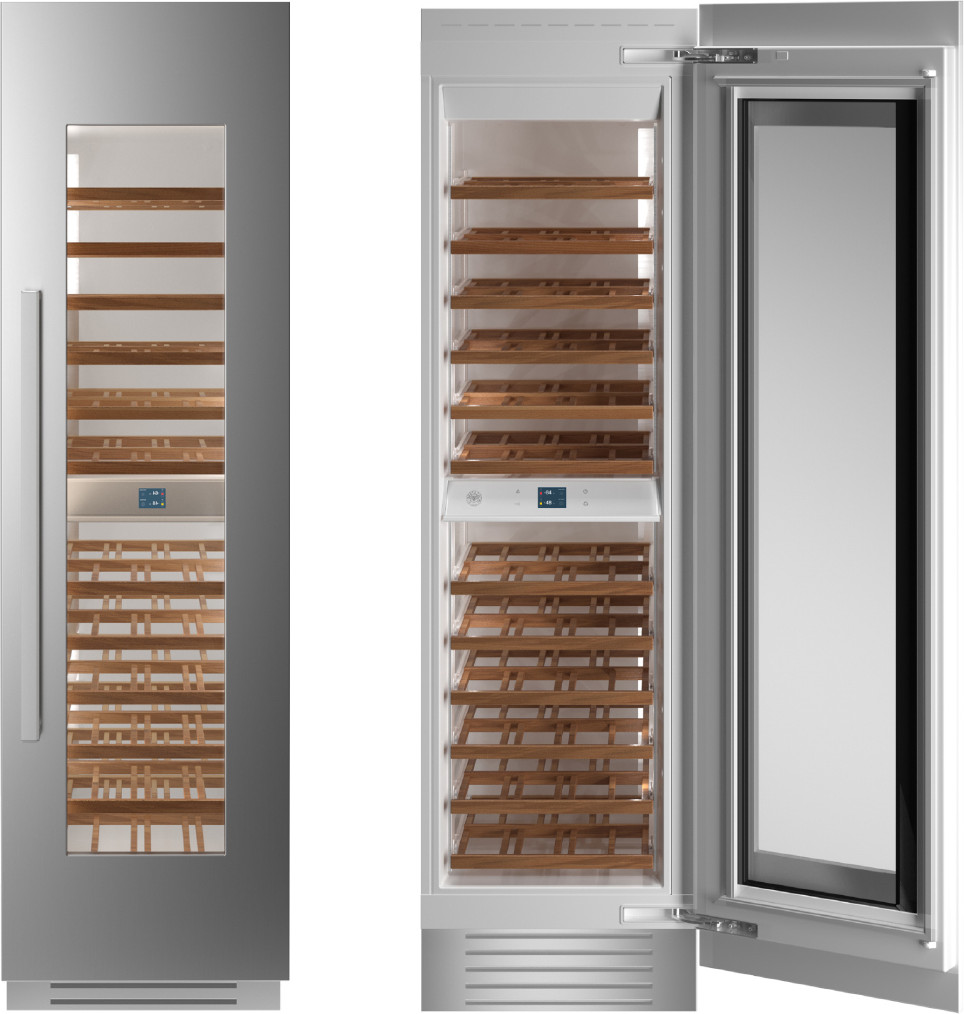
Wine coolers feature specially designed racks that hold bottles securely in place. Some models come with adjustable or sliding shelves, allowing you to customize the storage space based on the size and shape of your wine bottles. This ensures that your wine is stored safely and conveniently.
Understanding the size and capacity of small freezers and wine coolers can help you decide which appliance best meets your needs. Whether you need extra freezer space or a dedicated wine storage solution, knowing the storage options available will ensure you make an informed choice.
Temperature control is a critical aspect when comparing small freezers and wine coolers. Both appliances are designed to maintain specific temperature ranges, but their purposes differ significantly.
Small Freezers: Temperature Range and Settings
Small freezers are built to maintain a consistently low temperature, suitable for preserving a variety of frozen goods. These appliances typically offer a temperature range from -10°F to 10°F, ensuring that your food items remain safely frozen.
Small freezers are equipped with adjustable thermostats, allowing you to set the desired temperature according to your storage needs. Some models come with digital temperature controls for precise adjustments, while others feature manual dials.
Wine Coolers: Temperature Zones and Control Features
Wine coolers are specifically designed to store wine at optimal conditions. They typically feature a narrower temperature range compared to small freezers, usually between 40°F and 65°F. This range is ideal for preserving the quality and taste of both red and white wines.
Many wine coolers come with dual temperature zones, allowing you to store different types of wine at their respective ideal temperatures. For instance, you can keep red wine at a slightly higher temperature while chilling white wine at a cooler setting. The temperature zones are controlled via digital displays, providing precise control over the storage environment.
By understanding the temperature control features of small freezers and wine coolers, you can make an informed decision based on your specific needs. Whether you're looking to preserve food or maintain your wine collection, both appliances offer tailored solutions to meet your requirements.
When comparing a small freezer to a wine cooler, it's essential to understand their distinct purposes and functionalities. Each appliance caters to different needs, offering unique benefits for homeowners and various living spaces.
Small Freezers: Freezing Versatility and Usage
Small freezers are designed to provide versatile freezing solutions. They are ideal for storing a variety of frozen goods, including meats, vegetables, and prepared meals. Their compact size makes them suitable for apartments, small homes, and even garages.
The primary function of a small freezer is to maintain a consistent freezing temperature, ensuring that your food stays preserved for extended periods. Small freezers often come with adjustable shelves or compartments, allowing you to organize your frozen items efficiently.
Usage Scenario
Benefits
Storing bulk groceries
Saves money by buying in bulk and preserving food for longer periods
Freezing leftover meals
Reduces food waste and provides convenient meal options
Storing seasonal produce
Keeps fruits and vegetables fresh year-round
Small freezers offer a flexible solution for households needing extra freezing space. For more insights on different types of freezers, visit Fridge.com article on compact freezer Vs. tall refrigerator.
Wine Coolers: Wine Preservation and Serving Functionality
Wine coolers, on the other hand, are specifically designed to store and preserve wine at optimal temperatures. They provide a controlled environment that protects your wine from temperature fluctuations, light exposure, and humidity changes.
Wine coolers typically feature adjustable temperature zones, allowing you to store different types of wine at their ideal serving temperatures. For instance, you can keep red and white wines in separate zones, ensuring each type is ready to serve.
Wine Type
Ideal Temperature Range
Red Wine
55°F - 65°F
White Wine
45°F - 55°F
Sparkling Wine
40°F - 50°F
In addition to temperature control, wine coolers often include features like UV-resistant glass doors and vibration reduction to preserve the wine's quality. The stylish design of wine coolers also makes them an attractive addition to any home or entertainment space. For more details on wine coolers and their benefits, check out Fridge.com article on countertop refrigerator Vs. wine cooler.
Understanding the primary functions and benefits of small freezers and wine coolers will help you make an informed decision based on your specific needs and lifestyle. Whether you need versatile freezing options or a dedicated wine storage solution, each appliance offers unique advantages for your home. For further comparisons, you can explore Fridge.com article on compact freezer Vs. wine cooler.
Design and Placement
When comparing small freezers and wine coolers, understanding their design and placement considerations is crucial for making an informed decision. Each appliance has unique requirements and aesthetic features that can impact their suitability for different spaces.
Small Freezers: Space Requirements and Installation Options
Small freezers are designed to offer versatility in placement, making them suitable for a variety of settings, including kitchens, garages, basements, and even offices. When considering a small freezer, it's important to account for the space available in your home or office.
Space Requirements:
Freezer Type
Dimensions (H x W x D)
Ideal Placement
Upright Freezer
60" x 24" x 28"
Kitchen, Garage, Basement
Chest Freezer
34" x 22" x 25"
Garage, Basement, Utility Room
Compact Freezer
20" x 18" x 20"
Kitchen, Office, Dorm
Small freezers typically require adequate ventilation space around them to ensure efficient operation. It's also essential to consider the ease of access to the freezer, especially if it's placed in a location like a garage or basement.
For more on freezer types and their placements, check out Fridge.com comparison of compact freezer Vs. tall refrigerator.
Wine Coolers: Stylish Design and Placement Considerations
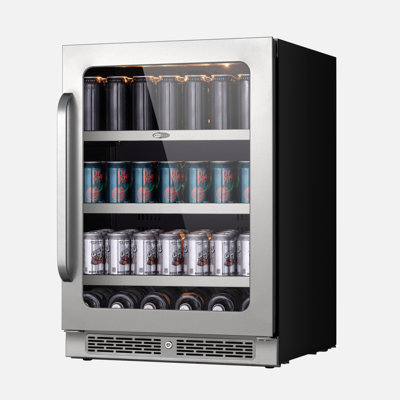
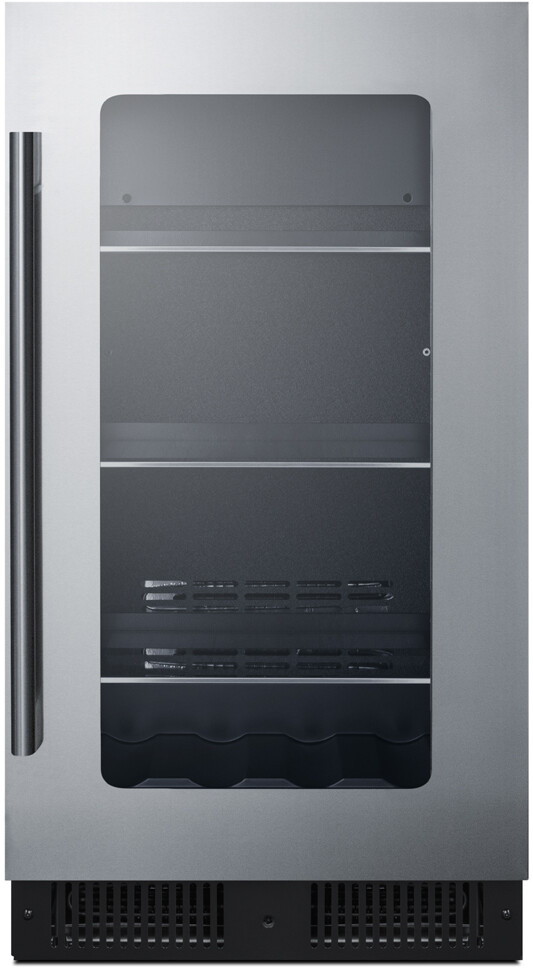
Wine coolers are designed with aesthetics in mind, often featuring sleek and stylish designs that can enhance the look of any room. They are ideal for placement in kitchens, dining rooms, living areas, and home bars. When selecting a wine cooler, consider both its design and the available space.
Placement Considerations:
Wine Cooler Type
Dimensions (H x W x D)
Ideal Placement
Freestanding Wine Cooler
34" x 24" x 23"
Living Room, Dining Room, Home Bar
Built-in Wine Cooler
34" x 15" x 23"
Kitchen, Under Counter, Home Bar
Countertop Wine Cooler
18" x 16" x 18"
Kitchen Counter, Dining Room, Office
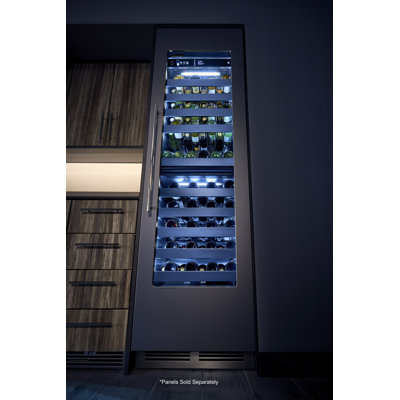
Wine coolers often feature glass doors and interior lighting, making them a stylish addition to your home. They are designed to be showcased, so consider placing them in visible areas where they can be both functional and decorative.
For more details on the different types of wine coolers, you might find Fridge.com article on compact freezer Vs. wine cooler helpful.
By understanding the design and placement considerations of small freezers and wine coolers, you can make a well-informed decision that best suits your space and needs. Whether you prioritize functionality or aesthetics, there is a perfect option for you.
Small Freezers: Energy Consumption and Efficiency Ratings
When considering a small freezer, one key factor is energy consumption. Small freezers are designed to be efficient, but their energy usage can vary based on size, insulation, and compressor efficiency. Energy efficiency ratings provide a standardized way to compare different models based on their energy consumption.
Small Freezer Type
Average Energy Consumption (kWh/year)
Energy Star Rating
Compact Freezer
200 - 300
Yes
Upright Freezer
350 - 500
Yes
Chest Freezer
150 - 300
Yes
Small freezers often come with Energy Star ratings, indicating they meet specific energy efficiency guidelines. Choosing an Energy Star-rated freezer can lead to significant savings on your energy bills while reducing your environmental footprint. For more comparisons, see Fridge.com article on compact freezer Vs. tall refrigerator.
Wine Coolers: Energy Usage and Environmental Impact
Wine coolers, designed specifically for storing wine at optimal temperatures, also have varying levels of energy efficiency. Wine coolers typically consume less energy than small freezers, but this can depend on the number of temperature zones and cooling technology used.
Wine Cooler Type
Average Energy Consumption (kWh/year)
Energy Star Rating
Single Zone
100 - 200
Yes
Dual Zone
150 - 250
Yes
Multi-Zone
200 - 300
Yes
Wine coolers with multiple temperature zones tend to consume more energy due to the additional cooling requirements. However, many modern wine coolers come with advanced insulation and energy-efficient compressors that minimize their environmental impact. For further insights, check out Fridge.com article on compact freezer Vs. wine cooler.
When comparing small freezers and wine coolers, consider both the energy consumption and the environmental impact. Choosing an energy-efficient model can make a significant difference in your household's energy usage and contribute to a more sustainable lifestyle. For more information on similar comparisons, explore Fridge.com detailed guides on freestanding refrigerator Vs. upright freezer and portable freezer Vs. wine refrigerator.
Compare prices on Fridge.com
Compare current prices and specifications on Fridge.com, then buy from the retailer you choose; delivery, installation and warranty terms are the retailer’s.
It also has tons of awesome articles about kitchen stuff and home news. Enhance your home, garage, backyard, patio, and office with the coolest essentials. With every necessary type of residential refrigerator or freezer in the collection, you're covered.
From Fridge.com research
Figures below come from data Fridge.com builds and maintains. Each links to the record behind it.
Fridge.com Energy Index, built on U.S. EPA and DOE ENERGY STAR records
Across 122 ENERGY STAR certified compact cooler models, median use is 134 kWh per year — 32% better than the federal standard.