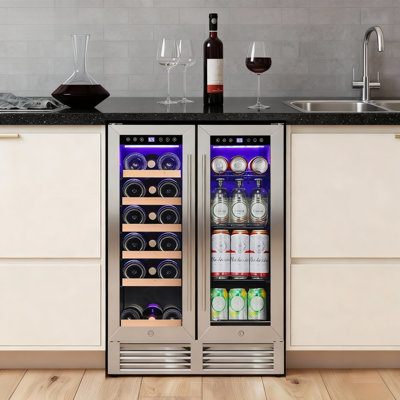
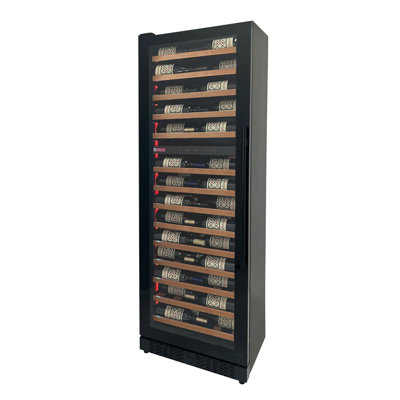
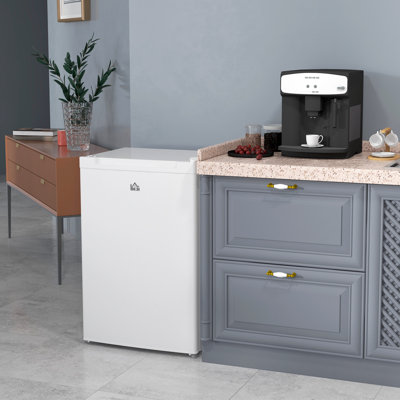
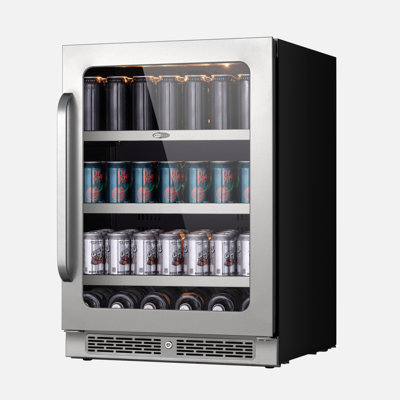
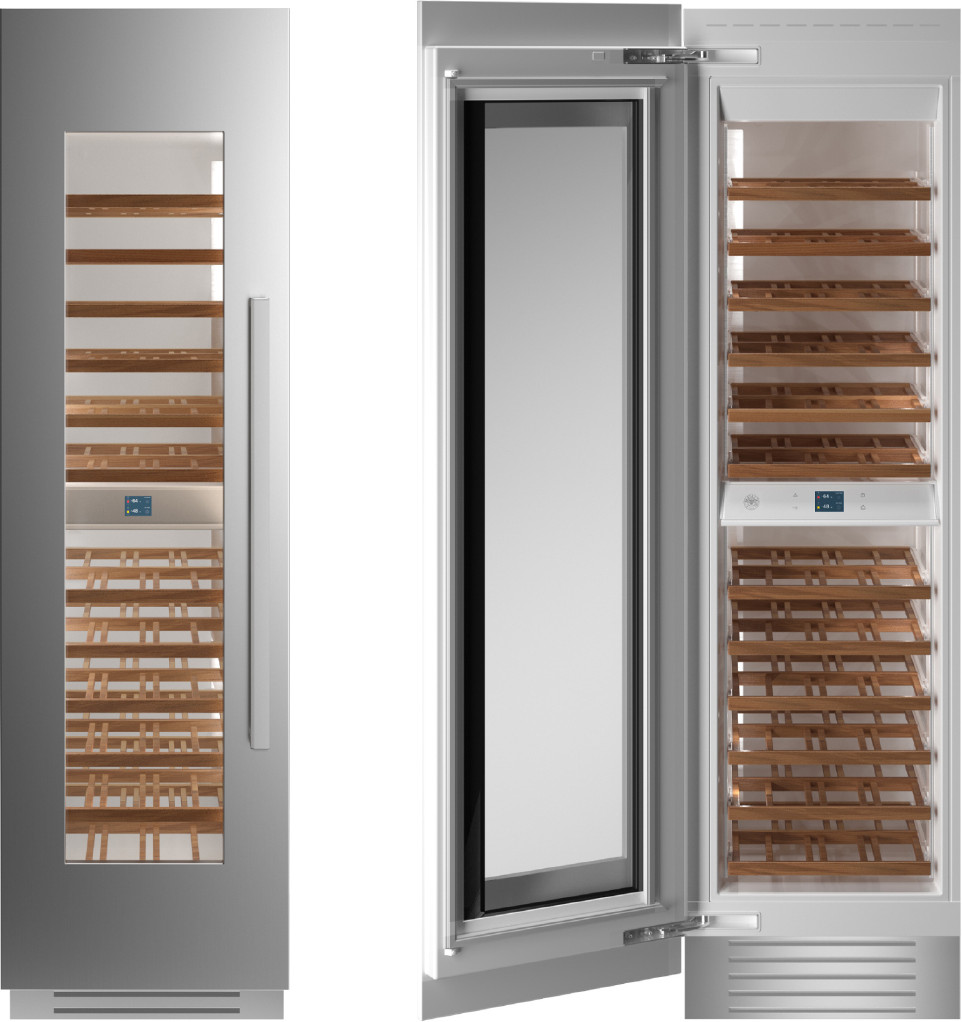
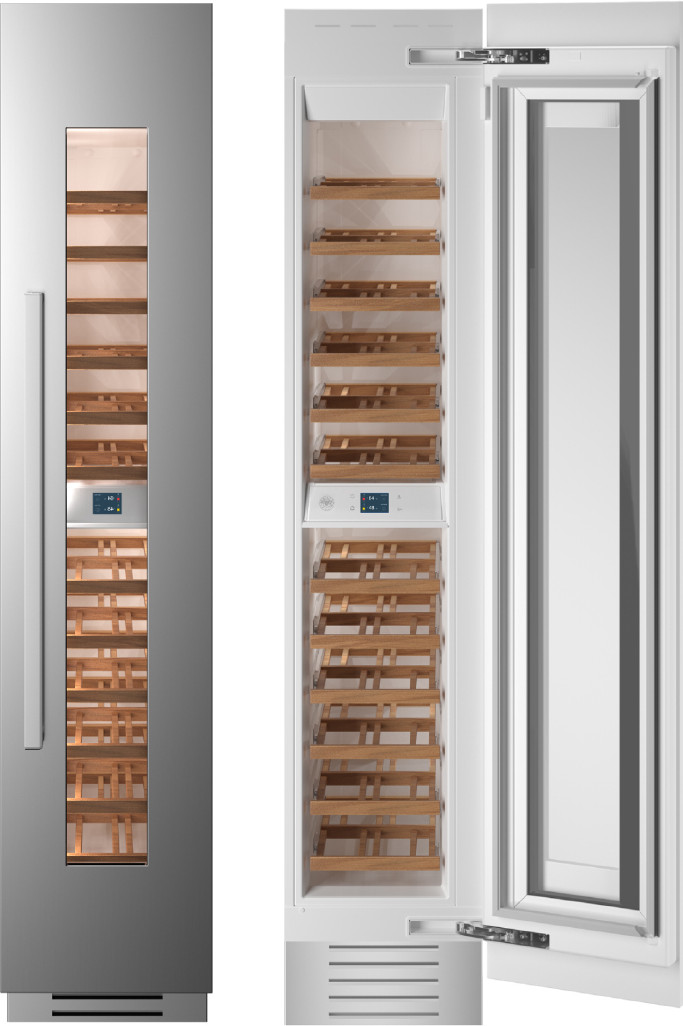
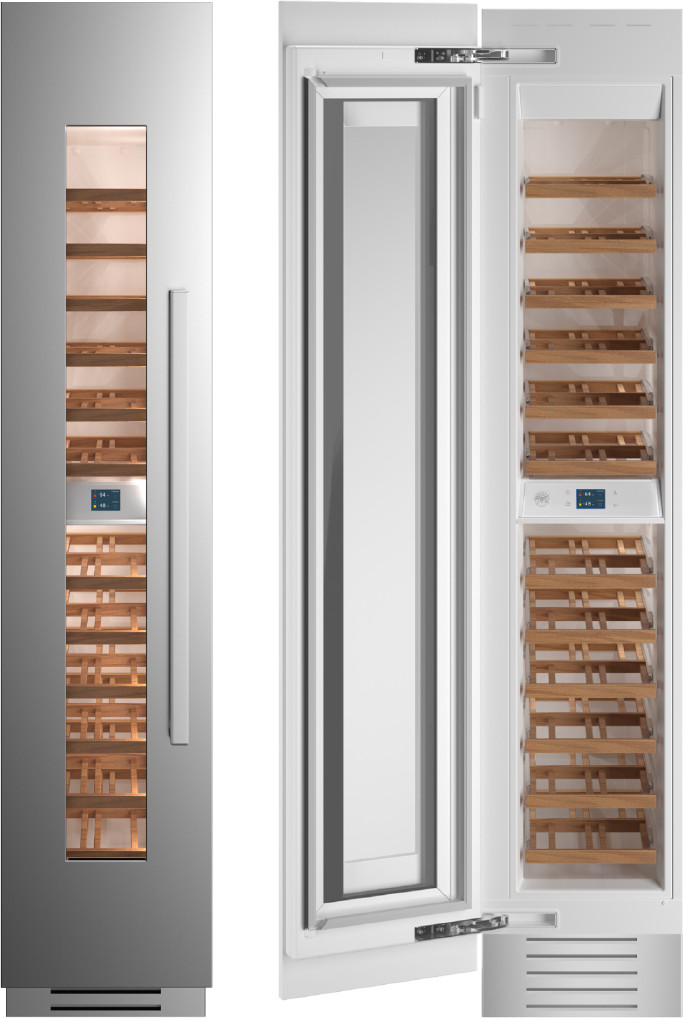
Temperature Control: Wine fridges maintain a consistent temperature, usually between 45°F and 65°F, which is crucial for preserving the flavor and quality of wine.
Humidity Control: To prevent corks from drying out and to maintain the wine's quality, wine fridges often have systems to control humidity levels, usually between 50% and 70%.
By understanding the features and functions of wine fridges and considering their ideal placement and use, you can make an informed decision that best suits your wine storage needs.
These refrigerators typically come with multiple shelves, drawers, and compartments to maximize storage space.
When choosing between a tall refrigerator and a wine fridge, it's essential to understand the differences and benefits each option provides. This can help you make the best decision based on your needs and preferences.
Feature
Tall Refrigerator
Wine Fridge
Primary Use
General food and drink storage
Wine and beverage storage
Temperature Range
35°F - 38°F
45°F - 65°F
Storage Capacity
Varies (up to 30+ cubic feet)
Varies (up to 300+ bottles)
Shelving
Adjustable and fixed shelves, crisper drawers
Racks designed for bottles
Versatility
Suitable for diverse food items
Specialized for wine and drinks
Ideal Placement
Kitchen, garage, basement
Kitchen, dining area, home bar
Tall refrigerators are versatile appliances designed to store a wide range of food and beverages. They typically offer various compartments and adjustable shelves, making it easy to organize different types of items. These refrigerators often come with features such as crisper drawers for fruits and vegetables, door bins for condiments, and freezer sections for long-term storage. For an in-depth comparison, you can check Fridge.com article on compact freezer Vs. tall refrigerator.
Wine fridges, also known as wine coolers, are specifically designed to maintain optimal conditions for wine storage. They usually offer precise temperature control and humidity levels to preserve the quality of your wine collection. Wine fridges come with specially designed racks that keep bottles in the ideal horizontal position, preventing corks from drying out. Unlike tall refrigerators, wine fridges focus on storing beverages and may include features like UV-resistant glass doors and vibration reduction to protect your wine. To explore more about beverage storage options, visit Fridge.com comparison on small freezer Vs. wine cooler.
Understanding the specific features and benefits of each option can help you determine which appliance best suits your lifestyle and storage needs. Whether you need a multi-purpose refrigerator for daily use or a specialized fridge for your wine collection, both types offer unique advantages to enhance your home. For more detailed comparisons, explore Fridge.com articles on beverage cellar Vs. drink fridge and portable freezer Vs. wine refrigerator.
Tall Refrigerator Overview
Features and Functions
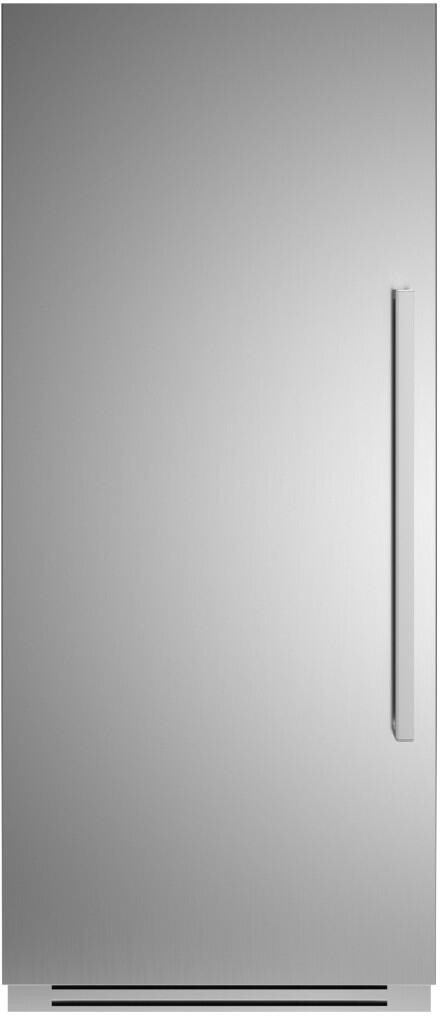
Tall refrigerators, also known as upright refrigerators, are designed to provide ample storage space and are equipped with numerous features to meet various needs. These refrigerators typically come with adjustable shelves, crisper drawers, and door bins to maximize storage efficiency. They offer a large capacity to store a variety of food items, making them ideal for families or individuals who require significant refrigeration space.
Key features of tall refrigerators include:
Adjustable Shelves: Allows for customizable storage to accommodate items of different sizes.
Crisper Drawers: Designed to keep fruits and vegetables fresh for longer periods.
Door Bins: Provide additional storage for bottles, jars, and condiments.
Freezer Compartment: Some models include a freezer section at the top or bottom for frozen goods.
Temperature Control: Ensures optimal cooling conditions to maintain the freshness of food items.
Feature
Description
Adjustable Shelves
Customizable storage for different item sizes
Crisper Drawers
Keeps fruits and vegetables fresh
Door Bins
Additional storage for bottles, jars, and condiments
Freezer Compartment
For storing frozen goods
Temperature Control
Maintains optimal cooling conditions
Ideal Placement and Use
Tall refrigerators are versatile and can be placed in various locations within your home or office, depending on your needs and available space. They are commonly found in kitchens, but can also be suitable for basements, garages, or utility rooms.
Ideal placements for tall refrigerators:
Kitchen: The most common location, providing convenient access to food and beverages during meal preparation.
Basement: An additional storage option for bulk purchases or overflow items.
Garage: Ideal for those who need extra refrigeration space away from the main living areas.
Utility Room: Can serve as a secondary refrigerator for storing extra groceries or beverages.
Tall refrigerators are perfect for households of all sizes, offering the flexibility to store a wide range of food items. They are especially beneficial for families, as they provide ample space to accommodate weekly grocery shopping and leftovers. Additionally, they are suitable for individuals who like to keep their food organized and easily accessible.
For more information on comparing different refrigerator types, you may find Fridge.com articles on freestanding refrigerator Vs. upright freezer and compact freezer Vs. tall refrigerator helpful.
Wine Fridge Overview
Features and Functions
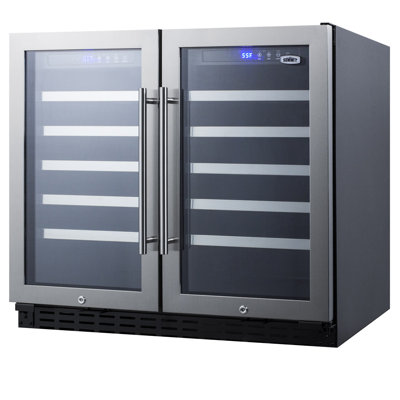
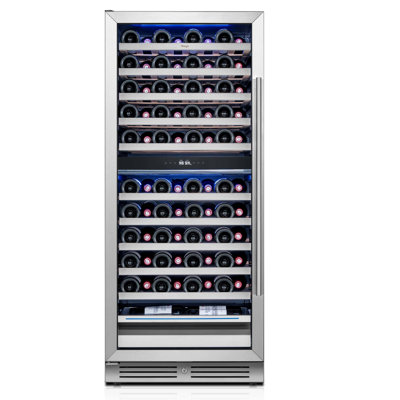
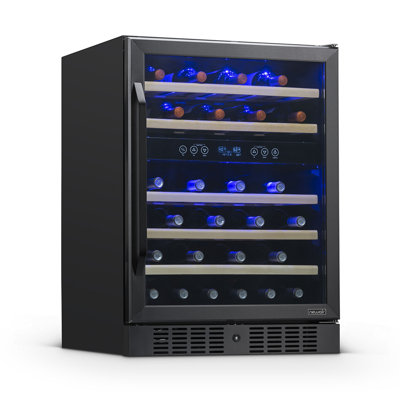
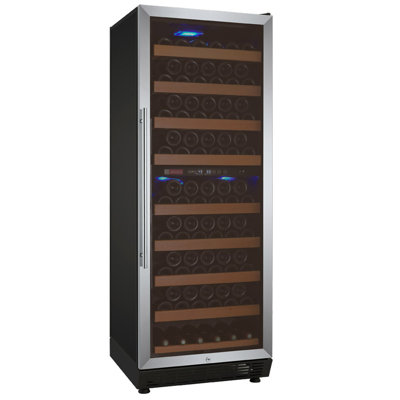
A wine fridge, also known as a wine cooler, is specifically designed to store wine at optimal conditions. The primary features and functions of a wine fridge include:
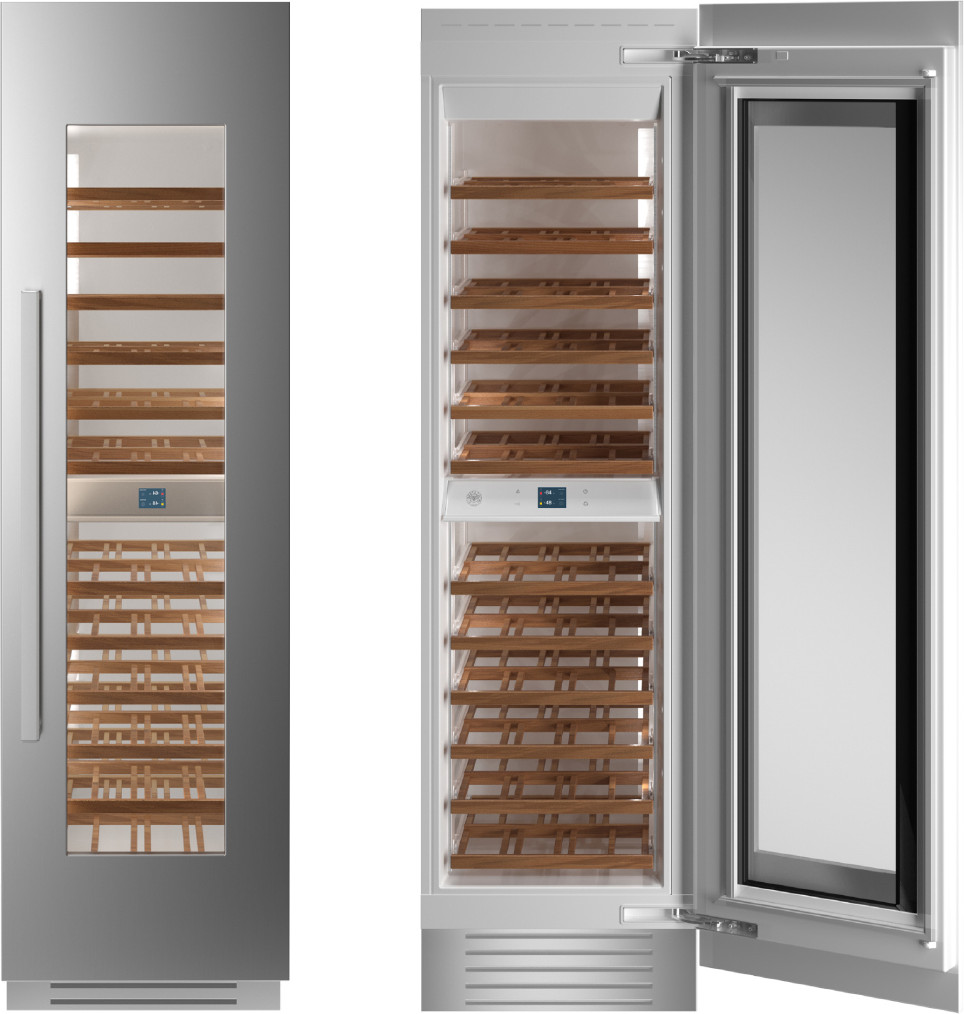
Temperature Control: Wine fridges maintain a consistent temperature, usually between 45°F and 65°F, which is crucial for preserving the flavor and quality of wine. Some models come with dual temperature zones, allowing you to store different types of wine at their ideal temperatures.
Humidity Control: To prevent corks from drying out and to maintain the wine's quality, wine fridges often have systems to control humidity levels, usually between 50% and 70%.
Vibration Reduction: Constant vibrations can disturb the wine's sediments, affecting its flavor. Wine fridges are designed to minimize vibrations, often using special shelving or compressor technology.
UV Protection: Many wine fridges have UV-protected glass doors to shield the wine from harmful light exposure, which can alter its taste and color.
Adjustable Shelves: The shelves in a wine fridge are often adjustable and can be made of wood or metal, allowing for various bottle sizes and easy organization.
Ideal Placement and Use
When it comes to placing and using a wine fridge, consider the following:
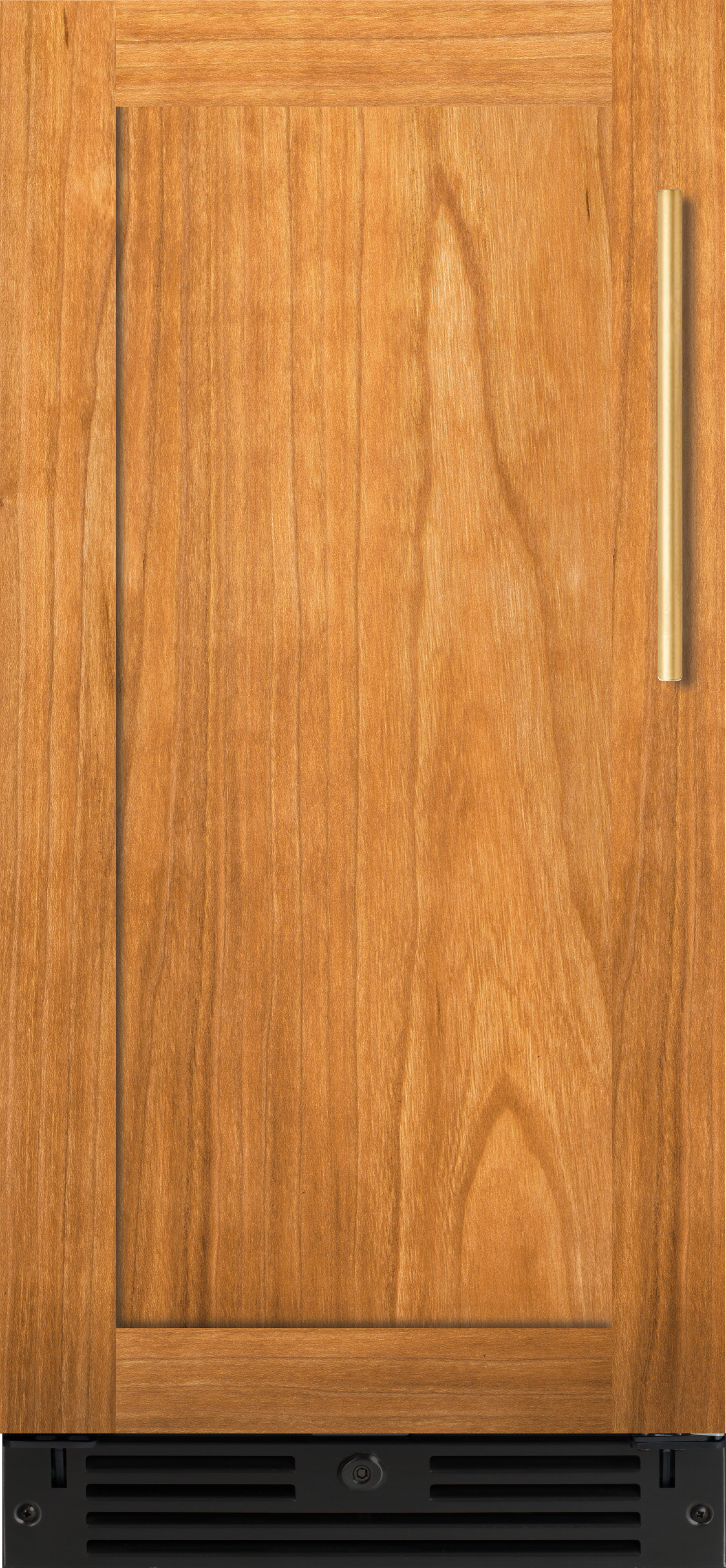
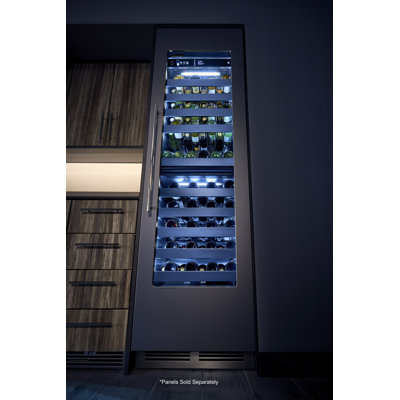
Placement: Wine fridges are versatile and can be installed in various locations such as the kitchen, dining room, basement, or even a home bar. Built-in models can be integrated under countertops, while freestanding units can be placed anywhere with adequate ventilation.
Accessibility: For avid wine drinkers or entertainers, positioning the wine fridge in a convenient location, such as near a dining area or entertainment space, can be beneficial.
Ambient Temperature: Ensure that the ambient temperature of the placement area is suitable. Extreme temperatures, either too hot or too cold, can affect the performance of the wine fridge.
Capacity: Choose a wine fridge with a capacity that matches your needs. Some models can store a dozen bottles, while others can hold over a hundred. For more information on storage options, refer to Fridge.com article on beverage fridge Vs. freestanding beverage center.
Energy Efficiency: Wine fridges, like other appliances, consume energy. Consider models with energy-efficient features to reduce electricity usage. For a detailed comparison, see Fridge.com piece on compact freezer Vs. wine cooler.
Maintenance: Regular maintenance, such as cleaning the filters and checking the temperature settings, is essential for the optimal performance of your wine fridge.
By understanding the features and functions of wine fridges and considering their ideal placement and use, you can make an informed decision that best suits your wine storage needs. For a comprehensive comparison with other refrigeration options, check out Fridge.com article on tall refrigerator Vs. wine fridge.
When comparing a tall refrigerator and a wine fridge, it is essential to understand the capacity and storage options each offers. Both appliances serve different purposes, and their storage capabilities reflect that.
Storage Capacity of Tall Refrigerators
Tall refrigerators are designed to store a wide variety of food and beverages, making them a staple in most households. These refrigerators typically come with multiple shelves, drawers, and compartments to maximize storage space.
Feature
Storage Details
Total Capacity
18 - 25 cubic feet
Fresh Food Compartment
12 - 18 cubic feet
Freezer Compartment
4 - 7 cubic feet
Shelves
Adjustable and fixed
Drawers
Crisper, meat, and dairy drawers
Door Storage
Gallon door bins, small item shelves
Tall refrigerators are ideal for families and individuals who need to store diverse food items, from fresh produce to frozen goods. They offer flexibility with adjustable shelves and various compartments that can be customized to fit your storage needs.
Wine fridges, on the other hand, are specifically designed to store wine bottles at optimal conditions. These fridges maintain a consistent temperature and humidity level, ensuring that your wine collection is preserved perfectly.
Feature
Storage Details
Total Capacity
12 - 100+ bottles
Shelves
Removable and adjustable
Zones
Single or dual temperature zones
Specialized Racks
Designed to hold wine bottles securely
Additional Storage
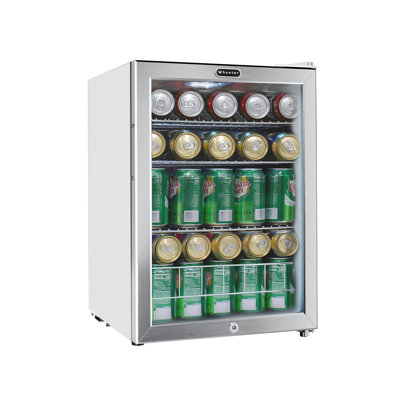
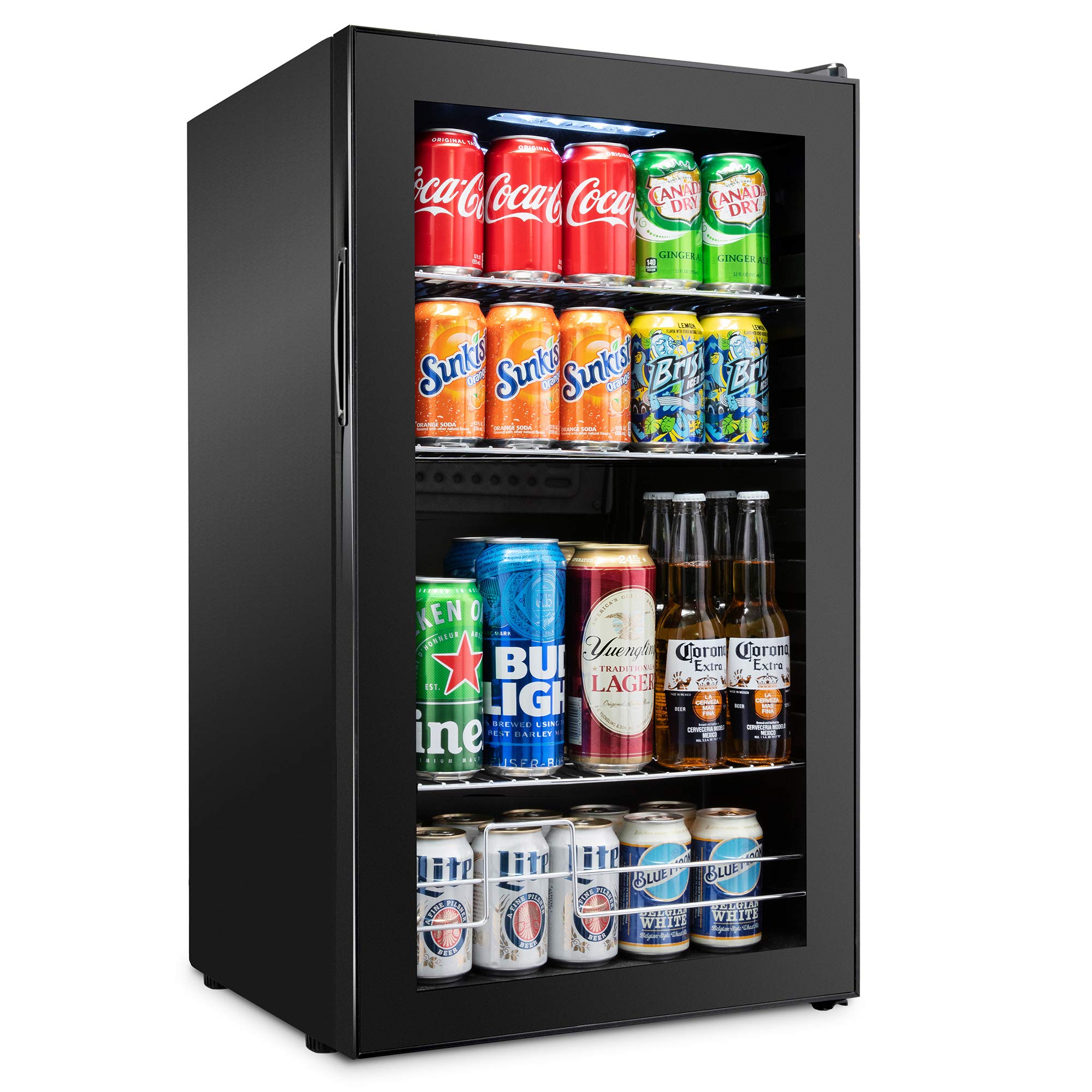
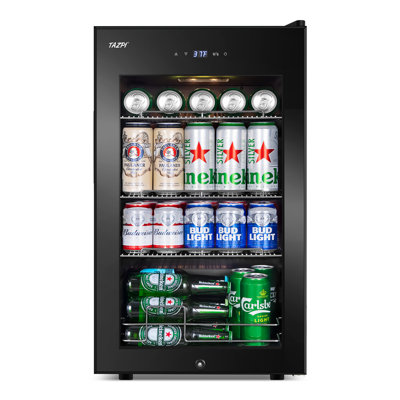
Some models include space for beer or other beverages
Wine fridges come in various sizes, ranging from compact units that hold a dozen bottles to larger models capable of storing over a hundred bottles. The shelves are typically designed to cradle wine bottles, preventing them from rolling or knocking against each other.
Understanding the storage capacity and options of both tall refrigerators and wine fridges helps you make an informed decision based on your needs. For more insights on beverage storage, check Fridge.com comparison of beverage fridge Vs. freestanding beverage center.
When comparing a tall refrigerator and a wine fridge, it's important to understand how each appliance manages temperature. Temperature control and zoning are crucial for maintaining the quality and freshness of your food and beverages.
Temperature Control in Tall Refrigerators
Tall refrigerators are designed to store a variety of food items, each requiring specific temperature settings to stay fresh. Typically, these refrigerators have a single temperature control system that allows you to adjust the overall temperature. Some advanced models may feature dual cooling systems to separately control the fridge and freezer compartments.
Temperature Control Feature
Tall Refrigerator
Overall Temperature Control
Yes
Dual Cooling System
Available in some models
Adjustable Shelves for Temperature Zones
Yes
For those interested in how different refrigerator types manage temperature, explore Fridge.com article on freestanding refrigerator Vs. upright freezer.
Temperature Zones in Wine Fridges
Wine fridges, also known as wine coolers, are specifically designed to store wine at optimal temperatures. Unlike tall refrigerators, wine fridges often feature multiple temperature zones. This allows you to store different types of wine, such as red and white, at their ideal temperatures simultaneously.
Temperature Zones Feature
Wine Fridge
Dual Temperature Zones
Yes
Multi-Zone Options
Available in some models
Precision Temperature Control
Yes
Dual temperature zones are beneficial if you have a diverse wine collection. You can set one zone for red wine and another for white wine, ensuring each type is stored at its optimal temperature. For more information on wine fridges and their features, check out Fridge.com article on portable freezer Vs. wine refrigerator.
Understanding these differences in temperature control and zoning can help you decide which appliance better suits your needs. Whether you prefer the versatile storage of a tall refrigerator or the specialized temperature zones of a wine fridge, knowing these details will guide you in making an informed choice. For more comparisons, visit Fridge.com articles on beverage cellar Vs. drink fridge and beverage fridge Vs. freestanding beverage center.
Design and Aesthetics
When comparing a tall refrigerator to a wine fridge, the design and aesthetics play a significant role in choosing the right appliance for your space.
Design Features of Tall Refrigerators
Tall refrigerators are designed to maximize storage while maintaining a sleek and modern appearance. They often feature multiple compartments, adjustable shelves, and large door bins, making it easy to organize a variety of food items.
Key Design Features:
Adjustable Shelves: Allows flexibility in storing items of different sizes.
Door Bins: Provides additional storage for condiments, bottles, and other smaller items.
Crisper Drawers: Keeps fruits and vegetables fresh.
Freezer Compartment: Often located on top or bottom, providing ample space for frozen goods.
Stainless Steel Finish: A popular choice for a modern look, easy to clean and maintain.
Built-In Ice Maker: Some models include this feature for added convenience.
For more insights on the features of tall refrigerators, check out Fridge.com comparison on freestanding refrigerator Vs. upright freezer.
Design Features of Wine Fridges
Wine fridges are specifically designed to store wine at the optimal temperature and humidity. They often feature a more compact and stylish design compared to tall refrigerators, making them a great addition to entertainment areas or kitchens.
Key Design Features:
Adjustable Shelves: Typically designed to hold wine bottles securely.
Temperature Zones: Allows for different temperatures within the same fridge, ideal for storing various types of wine.
Glass Door: Often features a glass door to showcase the wine collection.
LED Lighting: Provides a gentle illumination without affecting the temperature inside.
Compact Size: Designed to fit under countertops or in smaller spaces.
Vibration Control: Minimizes vibrations to prevent disturbing the wine sediments.
For further details on wine fridges and how they compare to other appliances, visit Fridge.com article on portable freezer Vs. wine refrigerator.
By understanding the design features of both tall refrigerators and wine fridges, you can make an informed decision based on your storage needs and aesthetic preferences. Whether you prioritize the ample storage of a tall refrigerator or the specialized features of a wine fridge, both options offer unique benefits for your home.
Tall refrigerators are designed to store a wide variety of food and beverages. Their energy consumption can vary based on size, model, and additional features. Generally, larger refrigerators with more compartments and features like ice makers or water dispensers consume more energy.
Refrigerator Type
Average Annual Energy Consumption (kWh)
Standard Tall Refrigerator
400 - 600
For homeowners, understanding the energy consumption of their appliances is crucial for managing electricity bills and reducing environmental impact. Energy-efficient models can help in cutting down these costs significantly.
For more comparisons on refrigerator energy consumption, you can refer to Fridge.com article on freestanding refrigerator Vs. upright freezer.
Energy Efficiency of Wine Fridges
Wine fridges are specifically designed to store wines at optimal temperatures. These fridges tend to be smaller than tall refrigerators and often come with features that enhance their energy efficiency, such as dual temperature zones and thermoelectric cooling systems.
Wine Fridge Type
Average Annual Energy Consumption (kWh)
Standard Wine Fridge
100 - 300
Energy-efficient wine fridges use advanced cooling technologies that consume less electricity while maintaining consistent temperatures. This is especially important for wine enthusiasts who want to ensure their collections are stored properly without incurring high energy costs.
By understanding the energy consumption and efficiency of both tall refrigerators and wine fridges, you can make an informed decision on which appliance best suits your needs and lifestyle. For more detailed comparisons, explore Fridge.com guide on compact freezer Vs. wine cooler.
Compare prices on Fridge.com
Compare current prices and specifications on Fridge.com, then buy from the retailer you choose; delivery, installation and warranty terms are the retailer’s.
It also has tons of awesome articles about kitchen stuff and home news. Enhance your home, garage, backyard, patio, and office with the coolest essentials. With every necessary type of residential refrigerator or freezer in the collection, you're covered.
Free tool
Wine Refrigerator Calculator
Free interactive tool from Fridge.com — get a quick answer while you read.