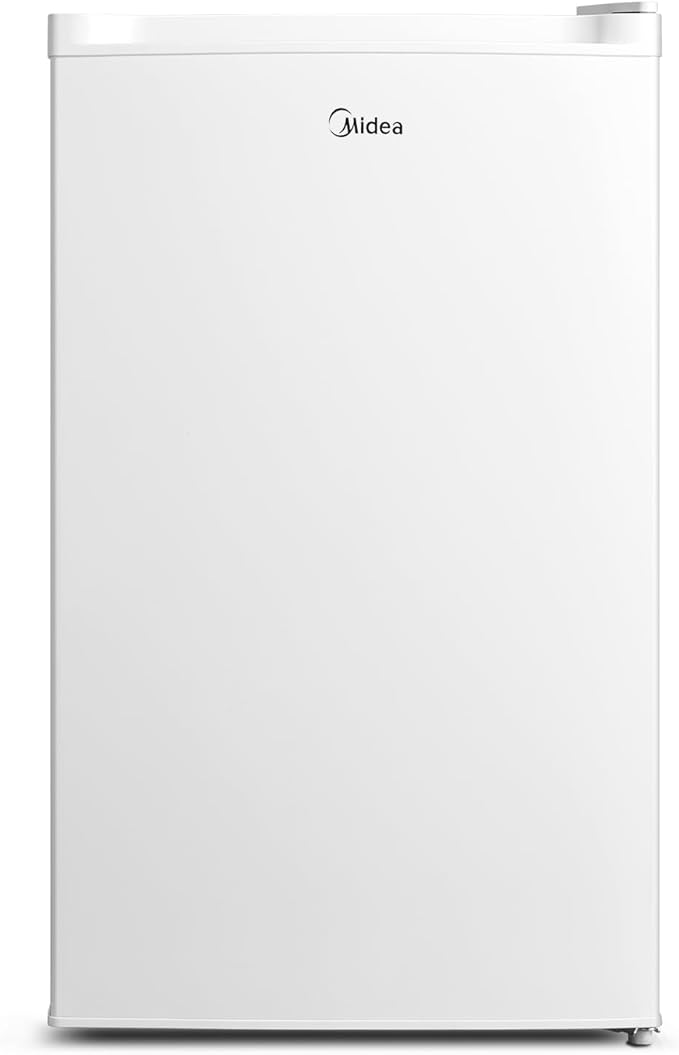
Introduction to Small Freezer Chests and Wine Refrigerators
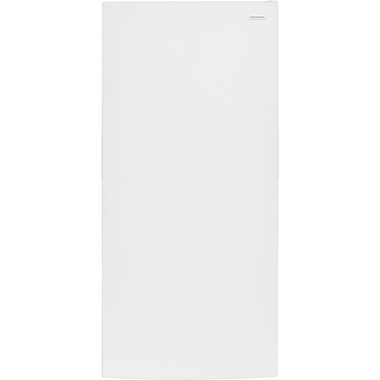
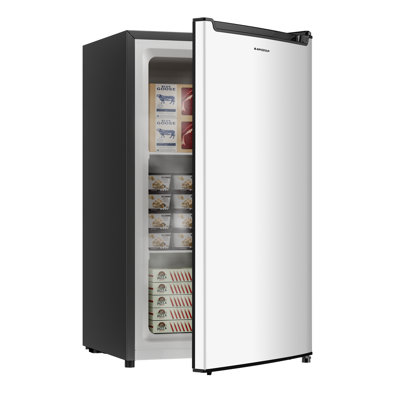
When it comes to choosing between a small freezer chest and a wine refrigerator, understanding their distinct features and functionalities is essential. Both appliances serve specific purposes and come with unique benefits tailored to different needs. A small freezer chest provides ample storage for frozen foods, while a wine refrigerator is designed to store and preserve wines at optimal temperatures.
Purpose and Functionality of Small Freezer Chests and Wine Refrigerators
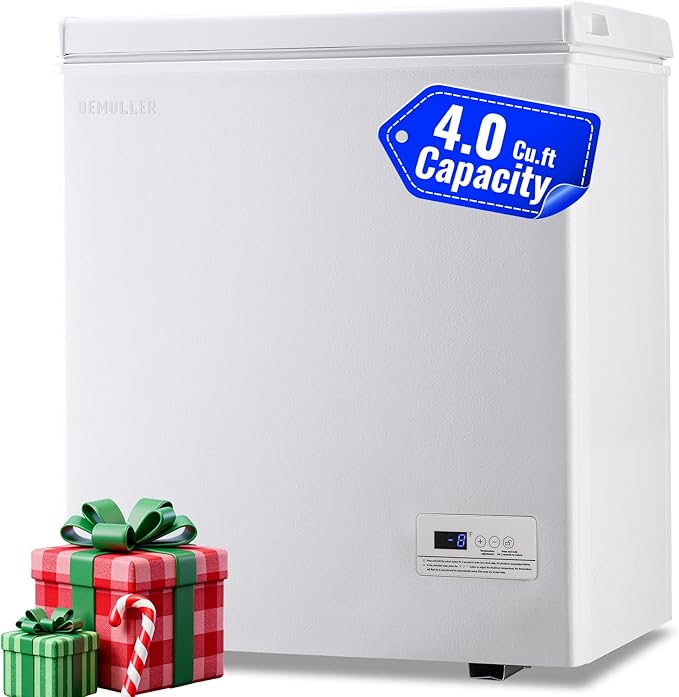
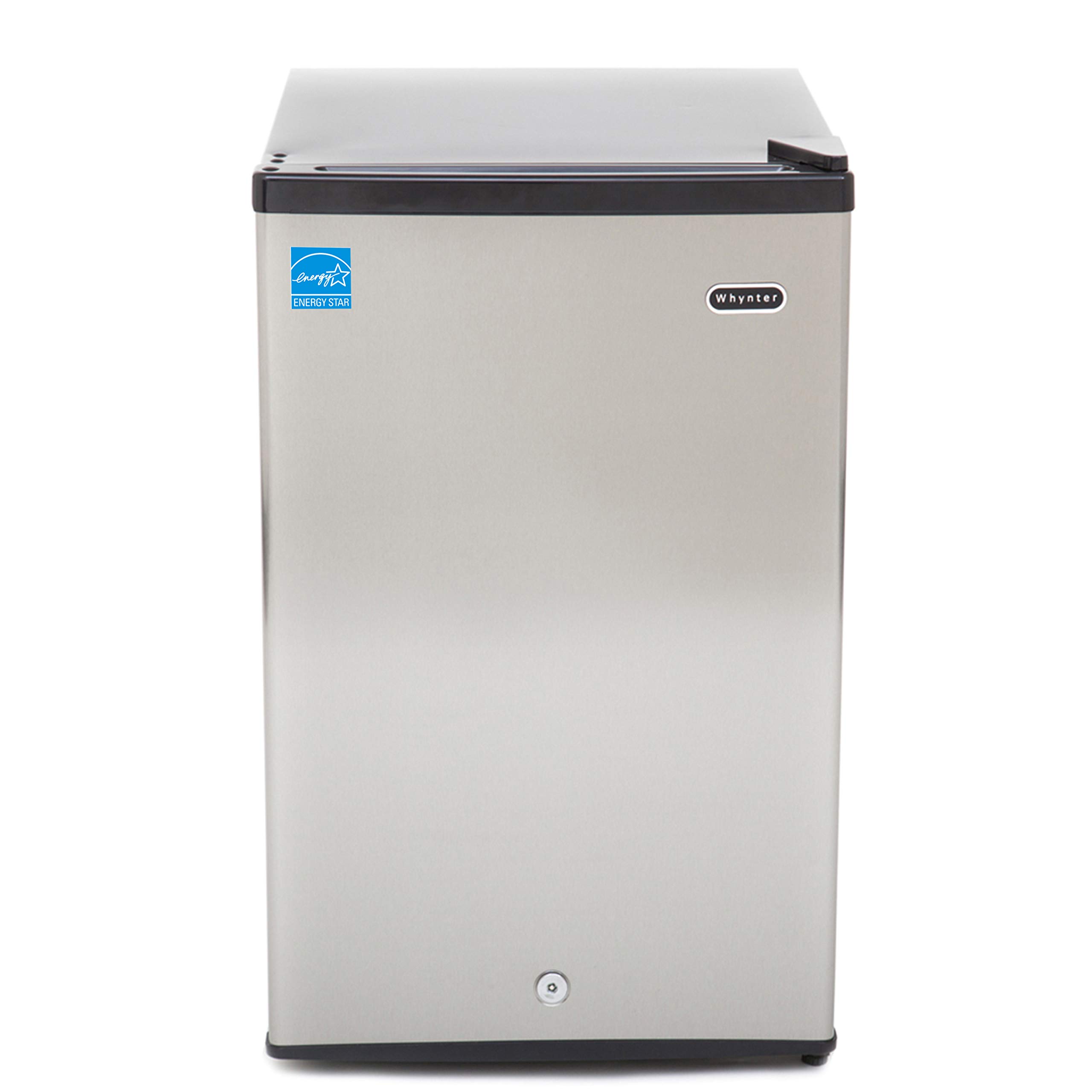
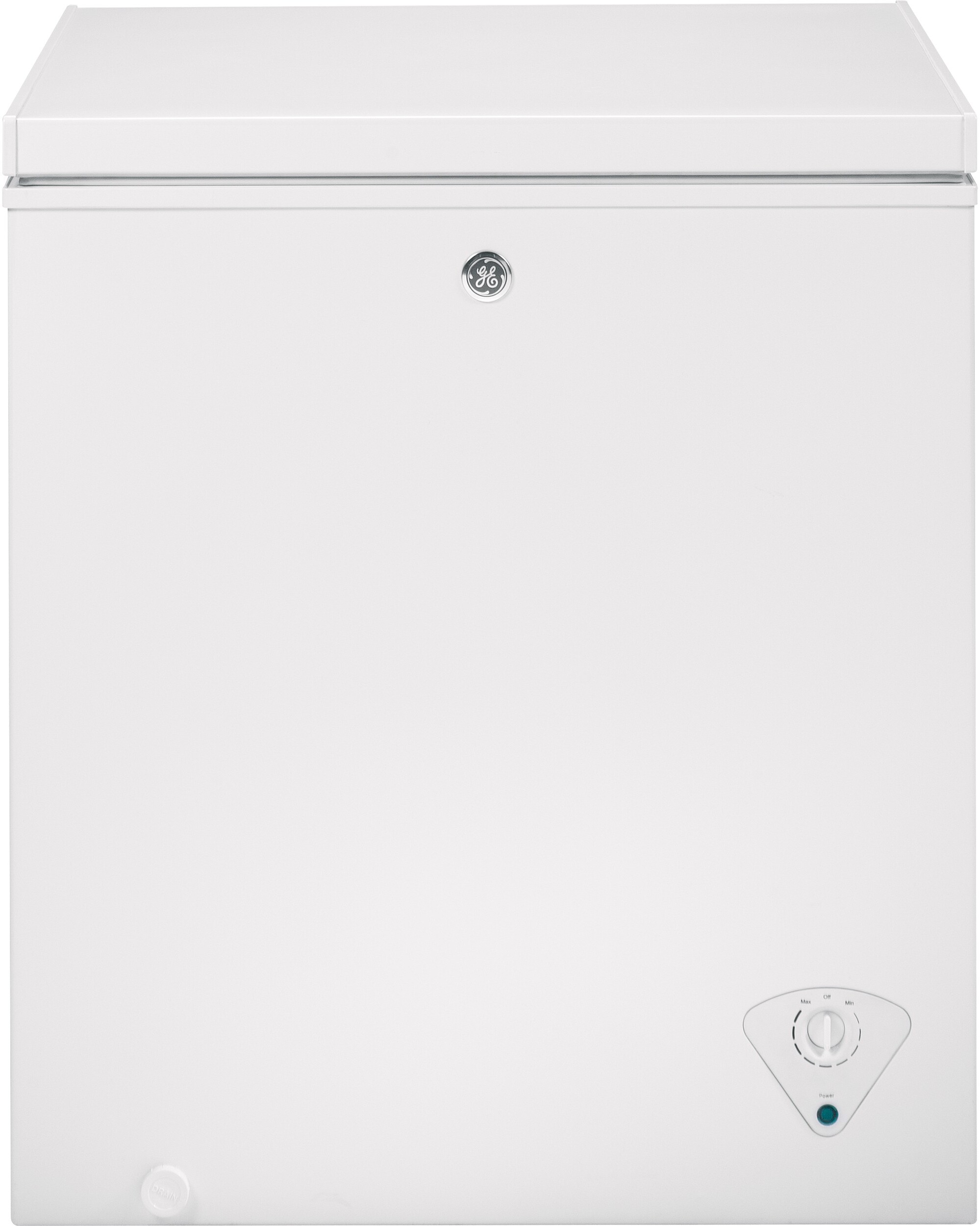
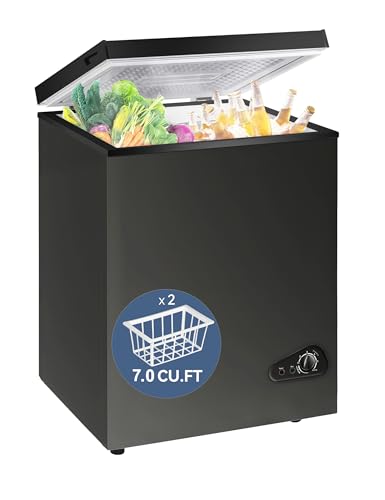
Small freezer chests are compact yet spacious, allowing you to store a variety of frozen items, from meat and vegetables to ice cream and leftovers. They are ideal for those who need extra freezing capacity beyond what a standard refrigerator freezer offers. The primary function of a small freezer chest is to keep food frozen and maintain its quality for extended periods.
Feature
Small Freezer Chest
Wine Refrigerator
Primary Use
Storing frozen foods
Storing and preserving wine
Temperature Range
Typically -10°F to 10°F
Typically 45°F to 65°F
Storage Type
Bulk, various food items
Bottles of wine
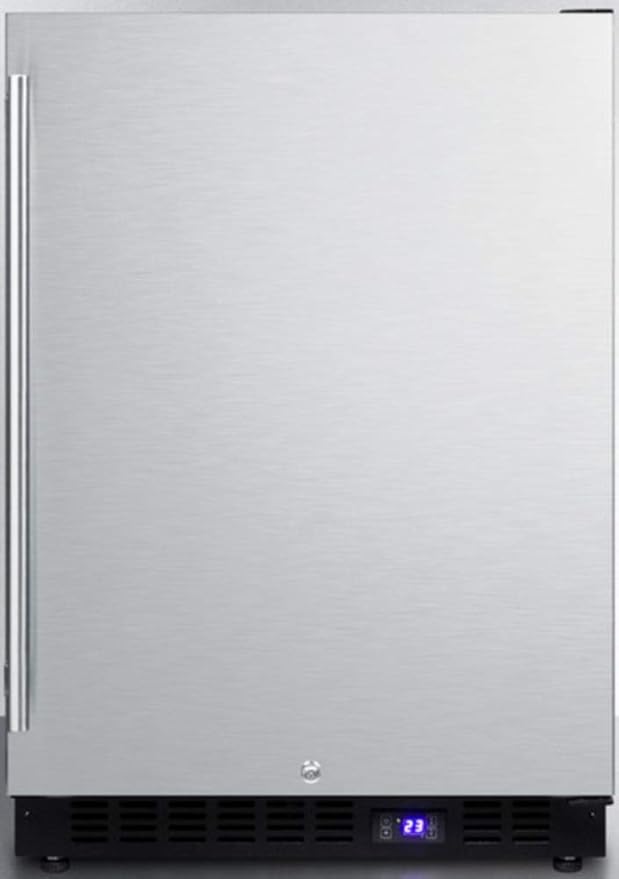
On the other hand, wine refrigerators are specifically engineered to store wine at the perfect temperature and humidity levels. This ensures that the wine ages gracefully and maintains its flavor profile. Wine refrigerators often come with adjustable shelves to accommodate different bottle sizes and have features such as UV-resistant glass doors to protect the wine from light exposure.
For more information on different types of refrigeration appliances, check out Fridge.com articles on dorm fridge Vs. upright freezer and portable refrigerator Vs. refrigerator drawer.
Understanding these key differences will help you decide which appliance best suits your needs, whether you're looking to expand your frozen food storage or preserve your favorite wines.
Capacity and Storage
When considering whether to invest in a small freezer chest or a wine refrigerator, understanding their capacity and storage features is crucial. This helps you make an informed decision based on your specific needs.
Capacity Comparison
The capacity of a small freezer chest and a wine refrigerator can vary significantly. A small freezer chest typically offers a more substantial storage capacity, making it ideal for bulk storage of frozen goods. In contrast, a wine refrigerator is designed to store fewer items, focusing on maintaining optimal conditions for wine bottles.
Appliance Type
Typical Capacity (Cubic Feet)
Number of Items (Approx.)
Small Freezer Chest
5 - 10
100 - 200 frozen items
Wine Refrigerator
3 - 5
12 - 50 wine bottles
Storage Features of Small Freezer Chests and Wine Refrigerators
Small Freezer Chests
Small freezer chests are designed to maximize storage space and accommodate various types of frozen goods. They often include the following features:
Removable Baskets: These allow for organized storage and easy access to frequently used items.
Adjustable Dividers: These help in organizing different food categories.
Deep Storage Space: Ideal for storing bulky items like large cuts of meat or bulk purchases.
Wine Refrigerators
Wine refrigerators, on the other hand, are tailored to store wine bottles efficiently and maintain optimal conditions for preservation. Key storage features include:
Adjustable Shelves: These can be repositioned to accommodate different bottle sizes.
Specialized Racks: Designed to hold wine bottles securely and prevent movement.
Dual Zones: Some models offer separate temperature zones for red and white wines.
When comparing the storage features, it’s clear that a small freezer chest is more versatile for general storage needs, while a wine refrigerator is specialized for wine enthusiasts. For more insights into specific storage solutions, you can explore articles like dorm fridge Vs. upright freezer and portable refrigerator Vs. refrigerator drawer.
Temperature Control and Settings
When choosing between a small freezer chest and a wine refrigerator, understanding their temperature control and settings is essential. Both appliances are designed to maintain specific temperature ranges that cater to their respective functionalities.
Temperature Range of Small Freezer Chests
Small freezer chests are designed to keep food items frozen for extended periods. They typically offer a wide temperature range to accommodate various freezing needs. The standard temperature range for small freezer chests is between -10°F to 10°F (-23°C to -12°C). This range ensures that food remains frozen and safe for consumption over time.
Wine refrigerators, on the other hand, are designed to store wine at optimal temperatures to preserve flavor and quality. The ideal temperature range for wine storage varies depending on the type of wine. Typically, wine refrigerators offer a range of 40°F to 65°F (4°C to 18°C). This range allows for the proper storage of both red and white wines.
Understanding these temperature ranges will help you decide which appliance best suits your needs. Whether you're looking to freeze food or store wine, knowing the specific temperature settings can ensure optimal performance and satisfaction. For additional insights into similar products, visit Fridge.com article on the fridge freezer Vs. wine chiller.
When deciding between a small freezer chest and a wine refrigerator, the design and placement of each appliance play a crucial role in your decision-making process. Both have unique characteristics that make them suitable for different settings and uses.
Compact Design of Small Freezer Chests
Small freezer chests are designed to maximize storage efficiency while occupying minimal floor space. They are commonly used in garages, basements, and utility rooms, but can also be a practical addition to any kitchen or apartment.
Key features of small freezer chests include:
Horizontal Orientation: This design allows for easy access and organization of frozen goods.
Compact Footprint: A small freezer chest typically has a smaller footprint compared to upright freezers, making it ideal for tight spaces.
Lid Design: The top-opening lid ensures that cold air stays in when the freezer is opened, which can be more energy-efficient.
Wine refrigerators, also known as wine coolers, are designed with aesthetics in mind. They are often found in kitchens, dining areas, and living rooms, where they can serve as a stylish focal point while keeping your wine collection at the perfect temperature.
Key features of wine refrigerators include:
Vertical Orientation: This design is space-saving and allows for clear visibility of your wine collection.
Glass Door: Many wine refrigerators feature a glass door, which not only adds to the visual appeal but also lets you easily see your collection without opening the door.
Adjustable Shelves: These shelves are typically designed to cradle wine bottles securely and can often be adjusted to accommodate larger bottles.
Choosing between a small freezer chest and a wine refrigerator depends on your storage needs, available space, and aesthetic preferences. Both appliances offer unique benefits that cater to different lifestyles and settings. For more comparisons on refrigeration solutions, explore Fridge.com guide on dorm fridge Vs. upright freezer.
Energy Efficiency
Energy Consumption of Small Freezer Chests
Small freezer chests are known for their robust freezing capabilities but it’s important to consider their energy consumption. Typically, the energy usage of a small freezer chest is measured in kilowatt-hours (kWh) per year. The actual consumption can vary based on the model, size, and usage patterns.
Small Freezer Chest Size
Annual Energy Consumption (kWh)
3.5 cubic feet
200 - 250
5 cubic feet
250 - 300
7 cubic feet
300 - 350
Using a small freezer chest efficiently can help reduce energy costs. Make sure to keep the unit in a cool, dry place and avoid frequent door openings. For more tips on energy-efficient appliances, you might find Fridge.com article on compact refrigerator Vs. smart fridge helpful.
Energy Efficiency of Wine Refrigerators
Wine refrigerators, designed to store wine at optimal temperatures, also vary in their energy efficiency. These appliances consume less energy compared to traditional refrigerators due to their specialized function and smaller size.
Wine Refrigerator Size
Annual Energy Consumption (kWh)
12-bottle capacity
100 - 150
24-bottle capacity
150 - 200
48-bottle capacity
200 - 250
Wine refrigerators are generally more energy-efficient as they maintain a steady, moderate temperature suited for wine storage. For additional comparisons on energy efficiency, consider Fridge.com article on freestanding wine cooler Vs. ice cream freezer.
Understanding the energy consumption of small freezer chests and wine refrigerators can help you make an informed decision that balances functionality with energy efficiency. Explore more comparisons in our Fridge.com section to find the appliance that best fits your needs.
Maintenance and Care
Proper maintenance and care are essential to ensure the longevity and efficiency of both small freezer chests and wine refrigerators. Below are some useful tips for maintaining each type of appliance.
Cleaning and Maintenance Tips for Small Freezer Chests
Defrost Regularly: Ice buildup can reduce the efficiency of your freezer chest. Defrost your unit periodically to prevent excessive ice accumulation.
Clean the Interior: Use a mixture of mild soap and warm water to clean the inside of the freezer. Make sure to remove all food items before cleaning.
Check the Seals: Inspect the door seals regularly to ensure they are free from cracks or damage. Damaged seals can lead to air leaks, causing the freezer to work harder.
Vacuum the Coils: Dust and debris can accumulate on the coils, reducing efficiency. Vacuum the coils at least twice a year.
Temperature Check: Ensure the temperature is set correctly. A temperature of 0°F (-18°C) is ideal for preserving food.
Maintenance Task
Frequency
Defrosting
Every 6 months
Interior Cleaning
Monthly
Seal Inspection
Quarterly
Coil Vacuuming
Biannually
Temperature Check
Monthly
For more detailed cleaning tips, you might find Fridge.com article on dorm fridge Vs. upright freezer helpful.
Cleaning and Maintenance Tips for Wine Refrigerators
Regular Cleaning: Use a soft cloth and a mild detergent to clean the interior. Remove all wine bottles before cleaning.
Check Humidity Levels: Maintain an ideal humidity level of around 70%. This helps to keep the corks from drying out.
Clean the Air Filters: If your wine refrigerator has air filters, clean or replace them as recommended by the manufacturer.
Inspect Door Seals: Check the door seals for any signs of wear and tear. Replacing damaged seals promptly ensures efficient operation.
Temperature Stabilization: Ensure the temperature remains stable. Ideal storage temperature for wine is between 45°F and 65°F (7°C - 18°C).
Proper maintenance of your small freezer chest or wine refrigerator not only extends the life of the appliance but also ensures optimal performance and energy efficiency. Implement these tips to keep your appliances in top shape.
When deciding between a small freezer chest and a wine refrigerator, one of the key factors to consider is the initial cost. This section will compare the initial expenses associated with both options.
Initial Cost of Small Freezer Chests
Small freezer chests are generally more affordable compared to wine refrigerators. These appliances are designed to store a variety of frozen goods, making them a versatile option for many households. The cost of a small freezer chest can vary based on size, features, and energy efficiency.
Small Freezer Chest Size
Average Cost (USD)
3 - 5 Cubic Feet
$150 - $300
5 - 7 Cubic Feet
$300 - $500
7 - 9 Cubic Feet
$500 - $700
Explore more about freezer options in Fridge.com article on dorm fridge Vs. upright freezer.
Initial Cost of Wine Refrigerators
Wine refrigerators, also known as wine coolers, tend to be more expensive due to their specialized design and features. These appliances are tailored to maintain optimal conditions for storing wine, including precise temperature control and humidity regulation.
Wine Refrigerator Capacity
Average Cost (USD)
8 - 12 Bottles
$100 - $300
12 - 24 Bottles
$300 - $600
24 - 50 Bottles
$600 - $1,000+
For more information on wine storage solutions, visit Fridge.com article on freestanding wine cooler Vs. ice cream freezer.
By comparing the initial costs, you can make a more informed decision on whether a small freezer chest or a wine refrigerator better suits your needs and budget. For further comparisons on various refrigeration options, check out other Fridge.com articles like compact refrigerator Vs. smart fridge or built in kegerator Vs. stainless steel refrigerator.
Compare prices on Fridge.com
Compare current prices and specifications on Fridge.com, then buy from the retailer you choose; delivery, installation and warranty terms are the retailer’s.
It also has tons of awesome articles about kitchen stuff and home news. Enhance your home, garage, backyard, patio, and office with the coolest essentials. With every necessary type of residential refrigerator or freezer in the collection, you're covered.
Free tool
Freezer BTU Calculator
Free interactive tool from Fridge.com — get a quick answer while you read.