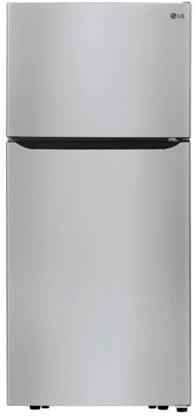
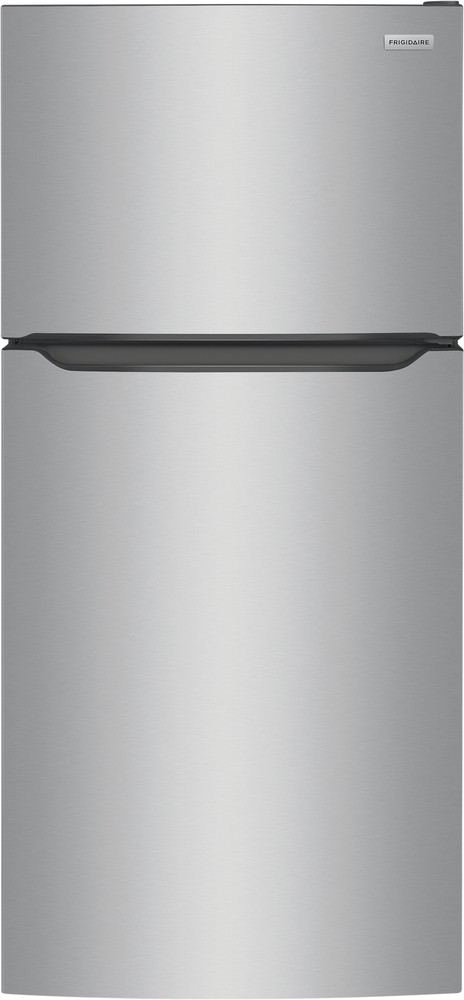
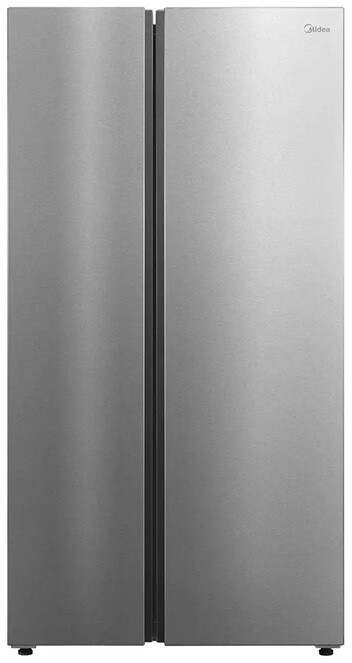
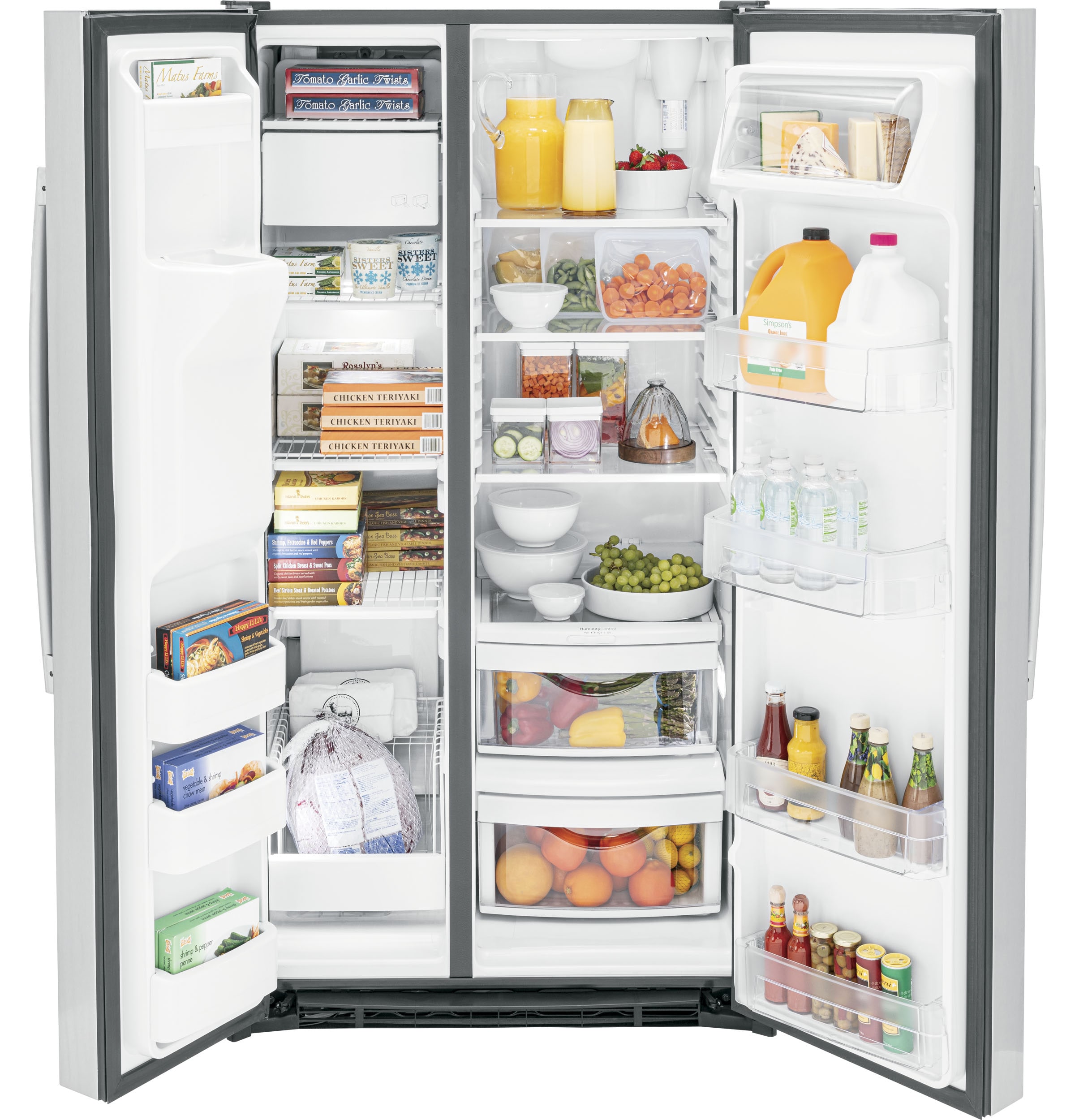
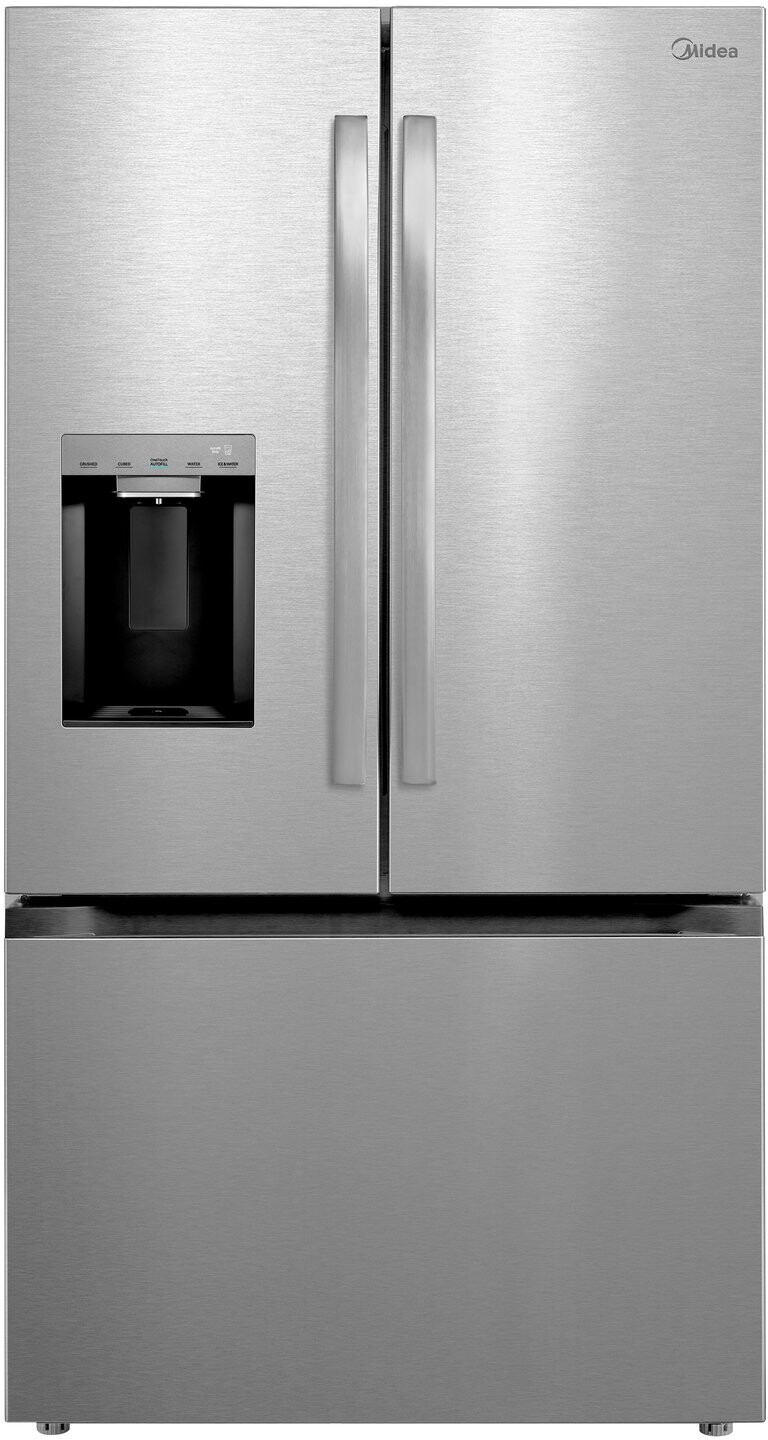
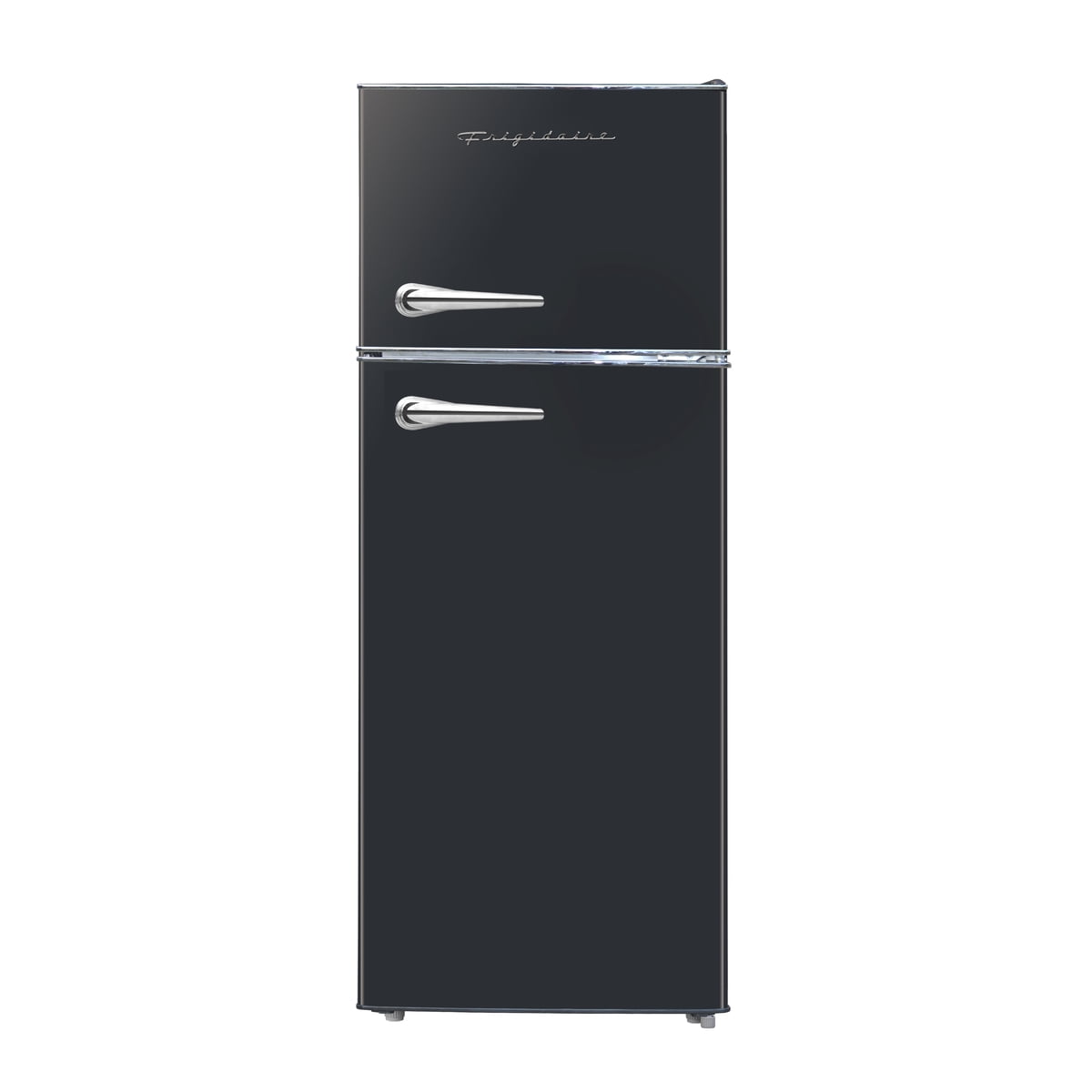
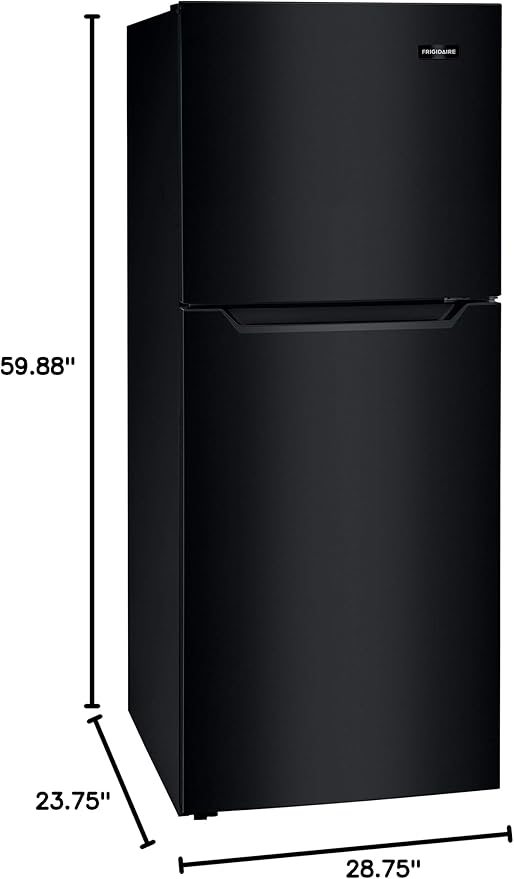
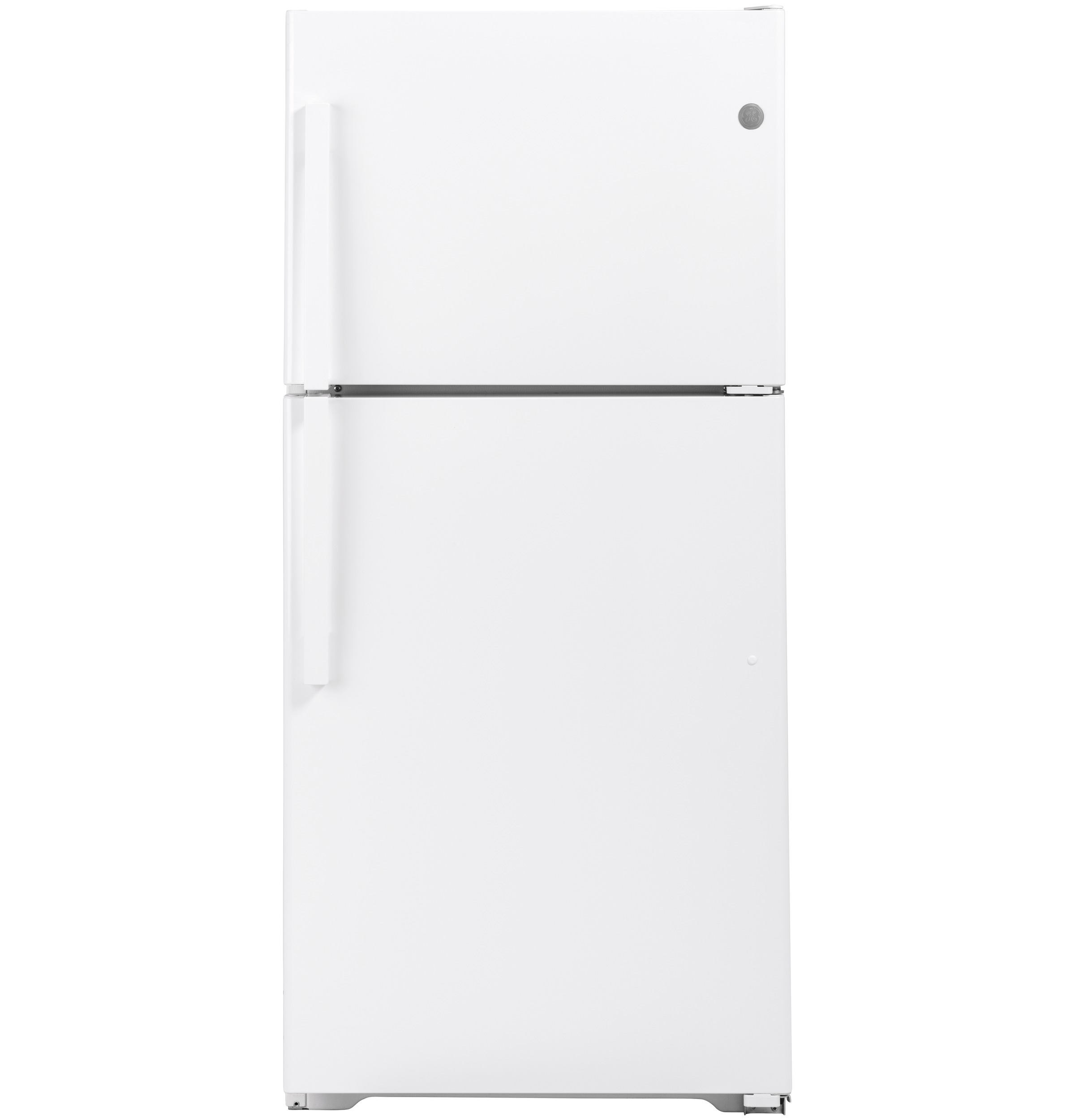
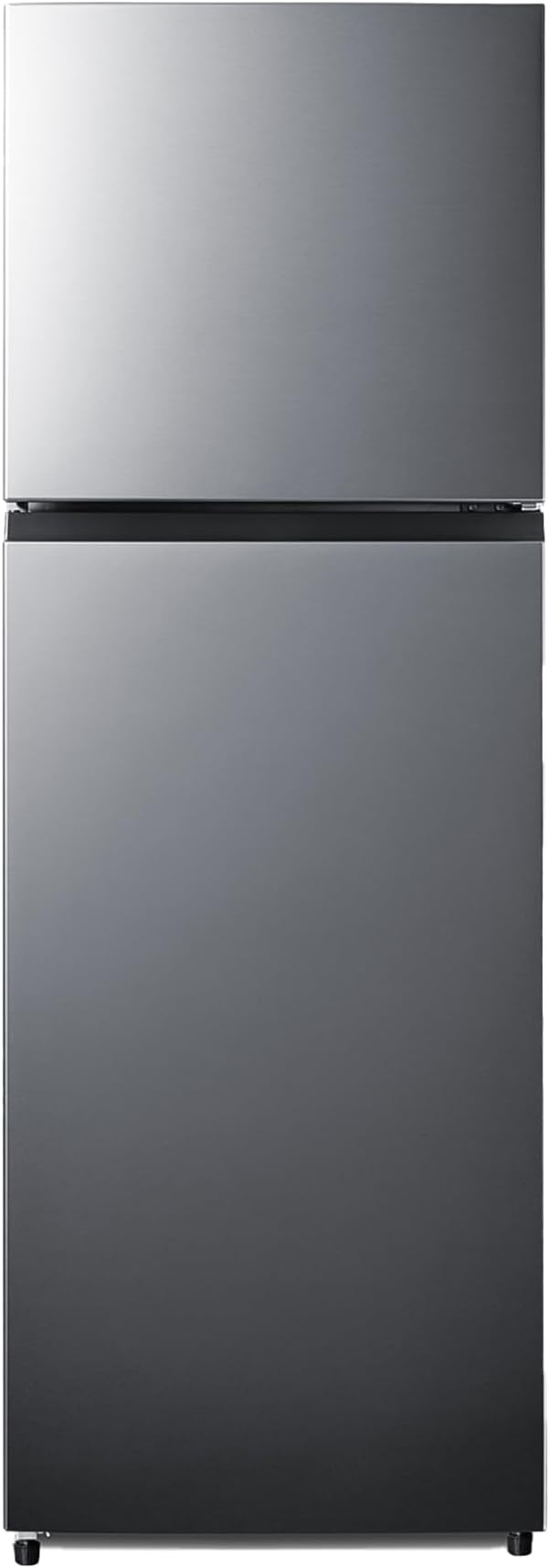
Door Storage: The doors of narrow refrigerators typically include multiple compartments and shelves for storing smaller items like condiments, beverages, and dairy products.
Narrow refrigerators offer multiple compartments, shelves, and temperature settings to accommodate diverse storage needs.
These coolers often feature deep compartments and adjustable shelves, allowing you to store multiple ice cream tubs, popsicles, and other frozen desserts.
Introduction to Ice Cream Coolers and Narrow Refrigerators
When considering the best cooling solutions for your home, understanding the differences between an ice cream cooler and a narrow refrigerator is essential. Both appliances serve distinct purposes and offer unique features. For fridge and freezer enthusiasts, knowing the specifics can help you make an informed decision tailored to your needs.
Understanding the Purpose and Functionality
Ice cream coolers and narrow refrigerators are designed with different primary functions in mind. Ice cream coolers are specialized appliances engineered to maintain the cold temperatures necessary for storing ice cream and other frozen desserts. They are built to keep your treats at optimal consistency without the risk of partial thawing.
Feature
Ice Cream Cooler
Narrow Refrigerator
Primary Purpose
Storing ice cream and desserts
General food and drink storage
Optimal Temperature Range
-20°F to 0°F
35°F to 45°F
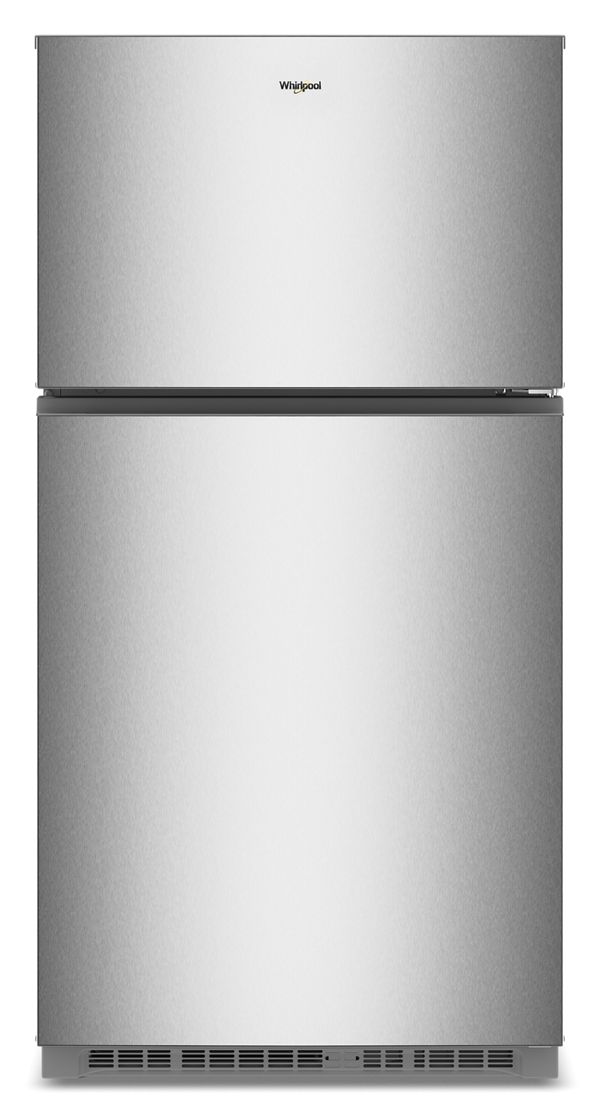
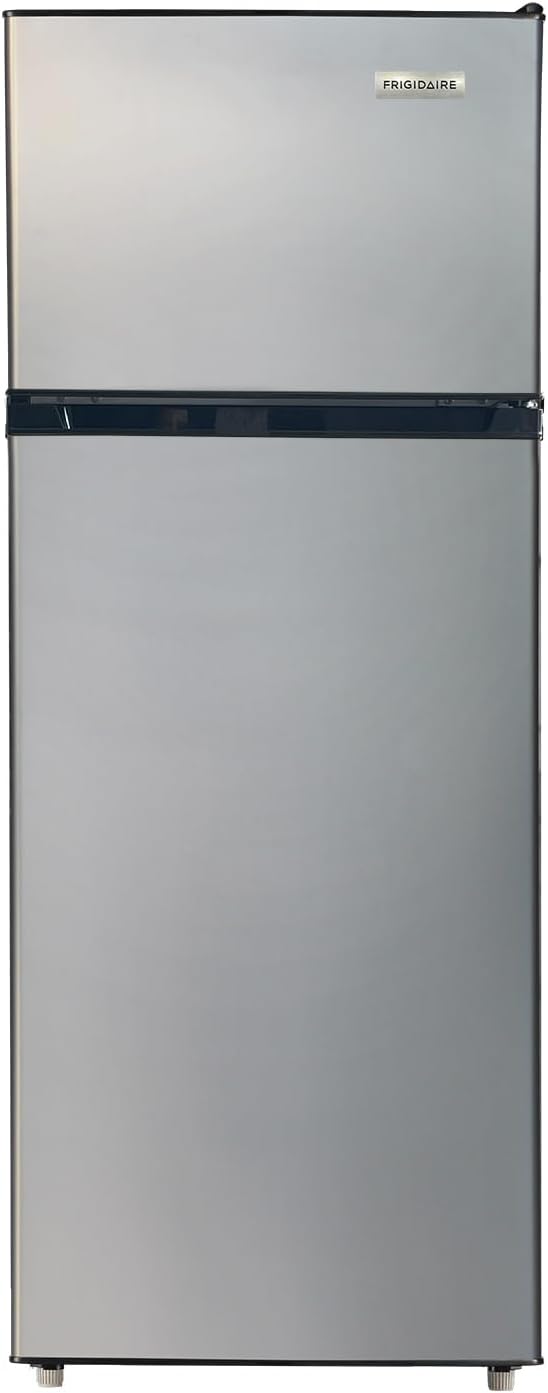
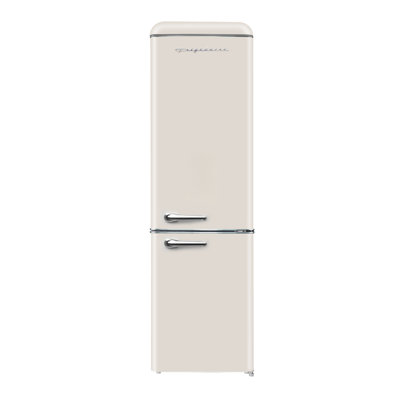
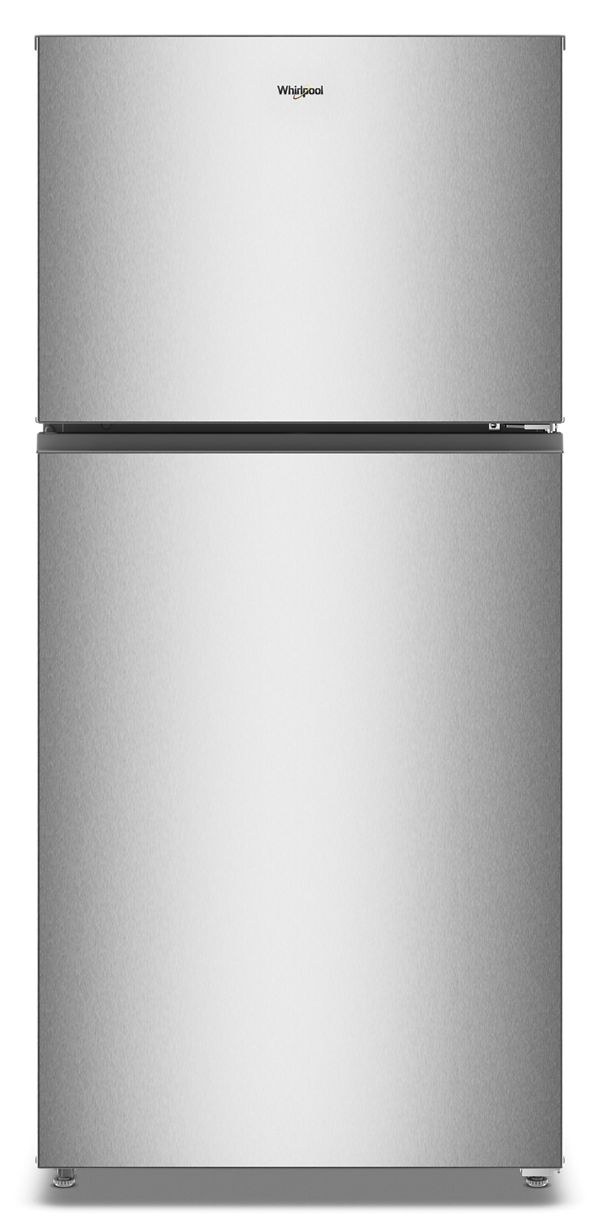
Narrow refrigerators, on the other hand, are versatile appliances that provide ample storage for a variety of food items and beverages. They are particularly beneficial in spaces where room is limited, such as apartments, condos, and offices. Narrow refrigerators offer multiple compartments, shelves, and temperature settings to accommodate diverse storage needs.
In summary, while both ice cream coolers and narrow refrigerators excel in their respective areas, their functionalities cater to different storage requirements. For more comparisons, you may find Fridge.com articles on dorm fridge Vs. upright freezer and portable refrigerator Vs. refrigerator drawer helpful.
Size and Capacity
When comparing an ice cream cooler and a narrow refrigerator, size and capacity are critical factors to consider. Each appliance offers unique benefits depending on your storage needs and available space.
Ice Cream Cooler Capacity
Ice cream coolers are specifically designed to store frozen treats at optimal temperatures. They typically come in various sizes, from compact units perfect for small households to larger models suitable for commercial use.
Ice Cream Cooler Type
Capacity (Quarts)
Dimensions (inches)
Compact
1 - 2
12 x 16 x 18
Medium
3 - 5
24 x 28 x 32
Large
6 - 10
36 x 40 x 48
These coolers often feature deep compartments and adjustable shelves, allowing you to store multiple ice cream tubs, popsicles, and other frozen desserts. For more on freezer types, visit Fridge.com article on deep freezer Vs. ice cream freezer.
Narrow Refrigerator Size Options
Narrow refrigerators, also known as slim or compact refrigerators, are designed to fit into tight spaces, making them ideal for apartments, offices, and small kitchens. Despite their slim design, they offer a decent amount of storage space for everyday food items.
Narrow Refrigerator Type
Capacity (Cubic Feet)
Dimensions (inches)
Mini
1.7 - 3.2
18 x 19 x 34
Compact
3.3 - 4.5
20 x 21 x 36
Tall
4.6 - 7.5
22 x 23 x 56
Narrow refrigerators come with multiple shelves, door compartments, and sometimes even a small freezer section. They are an excellent choice for those who need a versatile appliance that can store both fresh and frozen foods. For more information on compact refrigeration options, see Fridge.com article on compact refrigerator Vs. smart fridge.
By understanding the size and capacity of ice cream coolers and narrow refrigerators, you can make an informed decision based on your specific needs and space constraints. Whether you need to store a variety of frozen treats or require a space-saving solution for everyday groceries, both appliances offer unique advantages.
When considering an ice cream cooler versus a narrow refrigerator, understanding their temperature control capabilities is essential. Both appliances have distinct temperature settings tailored to their specific purposes.
Ice Cream Cooler Temperature Range
An ice cream cooler is specifically designed to store ice cream and other frozen desserts at optimal temperatures. These coolers maintain a consistently low temperature to ensure that the ice cream remains frozen and maintains its texture and taste.
Feature
Ice Cream Cooler
Temperature Range
-10°F to 0°F
Ideal Usage
Keeping ice cream and frozen desserts at a perfect consistency
The low temperature range of an ice cream cooler is critical for preventing ice crystals from forming in the ice cream, which can affect its quality. The consistent freezing environment ensures that your frozen treats stay creamy and delicious. For more information on ice cream storage, see Fridge.com comparison of ice cream freezer Vs. outdoor fridge.
Narrow Refrigerator Temperature Settings
A narrow refrigerator, on the other hand, is designed to store a variety of food items, including perishables that require refrigeration. These refrigerators offer a broader range of temperature settings to accommodate different types of food storage needs.
Feature
Narrow Refrigerator
Temperature Range
32°F to 40°F (Refrigerator Compartment)
Ideal Usage
Storing perishable food items like fruits, vegetables, dairy, and leftovers
The temperature settings in a narrow refrigerator can be adjusted to suit the specific requirements of the stored items. This versatility makes narrow refrigerators suitable for small spaces like apartments, offices, and dorms. For a detailed guide on compact refrigeration options, visit Fridge.com article on compact refrigerator Vs. ice cream freezer.
Understanding the temperature control capabilities of ice cream coolers and narrow refrigerators can help you make an informed decision based on your specific storage needs. Whether you require a dedicated appliance for frozen desserts or a versatile refrigerator for various perishables, considering the temperature range is crucial for optimal performance.
When choosing between an ice cream cooler and a narrow refrigerator, energy efficiency is a significant consideration. Understanding the energy consumption and efficiency of each appliance can help you make an informed decision.
Ice Cream Cooler Energy Consumption
Ice cream coolers are designed to maintain extremely low temperatures, essential for preserving ice cream's texture and flavor. This specialized function typically results in higher energy consumption compared to standard refrigerators.
Ice Cream Cooler
Energy Consumption (kWh/year)
Small (up to 5 cu. ft.)
300 - 400
Medium (5-10 cu. ft.)
400 - 600
Large (over 10 cu. ft.)
600 - 800
Narrow Refrigerator Energy Efficiency
Narrow refrigerators, built to fit into compact spaces, tend to be more energy-efficient. They are engineered to provide optimal cooling while minimizing energy use, making them suitable for a variety of settings from apartments to offices.
Narrow Refrigerator
Energy Consumption (kWh/year)
Small (up to 10 cu. ft.)
200 - 300
Medium (10-15 cu. ft.)
300 - 400
Large (over 15 cu. ft.)
400 - 500
When comparing the energy efficiency of ice cream coolers and narrow refrigerators, it's clear that narrow refrigerators offer lower energy consumption. This makes them a more energy-efficient choice for general refrigeration needs. However, if you require the ultra-cold temperatures necessary for ice cream storage, the higher energy consumption of an ice cream cooler might be justified.
For more information about comparing different types of refrigeration units, check out Fridge.com articles on dorm fridge Vs. upright freezer and portable refrigerator Vs. refrigerator drawer.
When comparing an ice cream cooler and a narrow refrigerator, design and placement play a crucial role in determining which option best fits your space and aesthetic preferences.
Ice Cream Cooler Aesthetics and Design Features
Ice cream coolers are specifically designed for optimal ice cream storage and display. Their design often includes transparent lids or doors, allowing you to easily view the contents without opening the cooler. This feature is particularly useful in settings where quick access is essential, such as in a home kitchen or during a party.
These coolers typically have a sleek, modern design that can complement various interior styles. They are available in different sizes and shapes, making it easier to find one that fits your available space. Some ice cream coolers also come with wheels, providing added mobility for repositioning as needed.
Feature
Description
Transparent Lids/Doors
Easy view of contents
Sizes and Shapes
Various options to fit space
Mobility
Wheels for easy repositioning
Narrow Refrigerator Space-Saving Design Options
Narrow refrigerators are designed to maximize storage capacity while occupying minimal floor space. This makes them ideal for small kitchens, apartments, and offices where space is at a premium. These refrigerators often feature a slim, vertical design that allows them to fit into tight spaces, such as between counters or in corners.
In addition to their space-saving design, narrow refrigerators often come with adjustable shelving and compartments, allowing you to customize the interior layout to suit your storage needs. Some models also include door-mounted storage for added convenience.
Feature
Description
Slim, Vertical Design
Fits into tight spaces
Adjustable Shelving
Customizable interior layout
Door-Mounted Storage
Additional storage options
Both ice cream coolers and narrow refrigerators offer unique design features that cater to different needs and preferences. By understanding these design aspects, you can make an informed decision on which appliance best suits your space and aesthetic requirements. For more comparisons, check out Fridge.com articles on compact refrigerator Vs. ice cream freezer and black refrigerator Vs. freestanding drawer refrigerator
.
Storage Options
When deciding between an ice cream cooler and a narrow refrigerator, understanding the storage options is essential. Each appliance offers unique organization and storage features designed to meet specific needs.
Ice Cream Cooler Organization and Storage Features
Ice cream coolers are designed specifically to maintain low temperatures suitable for storing ice cream and other frozen treats. The organization features of an ice cream cooler are tailored to maximize the efficiency and accessibility of frozen items.
Baskets and Bins: Many ice cream coolers come with removable baskets or bins that help to categorize and organize various ice cream flavors and packaging sizes.
Adjustable Dividers: Some models offer adjustable dividers, allowing you to customize the interior space based on your storage needs.
Deep Storage: Ice cream coolers often have deep storage compartments to accommodate larger quantities of ice cream.
Feature
Description
Baskets and Bins
Removable for easy organization
Adjustable Dividers
Customizable interior space
Deep Storage
Accommodates large quantities
Narrow Refrigerator Shelving and Compartment Layout
Narrow refrigerators are designed to fit into compact spaces while still offering ample storage for a variety of items. The shelving and compartment layout of a narrow refrigerator is optimized for versatility and convenience.
Adjustable Shelves: Narrow refrigerators often feature adjustable shelves that can be moved to accommodate taller items or to create more space as needed.
Door Storage: The doors of narrow refrigerators typically include multiple compartments and shelves for storing smaller items like condiments, beverages, and dairy products.
Crisper Drawers: Many narrow refrigerators come with crisper drawers that are ideal for keeping fruits and vegetables fresh.
Feature
Description
Adjustable Shelves
Customizable shelving for various items
Door Storage
Multiple compartments for small items
Crisper Drawers
Keeps fruits and vegetables fresh
Both the ice cream cooler and the narrow refrigerator offer unique storage solutions that cater to different needs. When choosing between the two, consider the type of items you plan to store and the level of organization you require. For further comparisons, you can check out dorm fridge Vs. upright freezer or portable refrigerator Vs. refrigerator drawer to explore other storage options.
Maintaining your ice cream cooler properly ensures it runs efficiently and extends its lifespan. Here are some essential tips for maintaining and cleaning your ice cream cooler:
Regular Cleaning Schedule
Clean the interior and exterior of the ice cream cooler at least once a month.
Use a mild detergent and warm water to wipe down surfaces.
Defrosting
Defrost the cooler if you notice ice buildup. Unplug the unit and remove all contents.
Allow the ice to melt naturally or use a gentle tool to scrape off the ice.
Condenser Coil Maintenance
Clean the condenser coils annually to ensure efficient cooling.
Use a vacuum or a brush to remove dust and debris from the coils.
Check Door Seals
Inspect door seals regularly to ensure they are airtight.
Clean the seals with a damp cloth to remove any dirt or residue.
Check Temperature Settings
Ensure the cooler is set to the recommended temperature range.
Use a thermometer to verify the internal temperature.
Narrow Refrigerator Cleaning Guidelines
Keeping your narrow refrigerator clean and well-maintained is crucial for optimal performance. Follow these guidelines for effective cleaning:
Interior Cleaning
Clean the interior every few months to prevent odors and bacteria buildup.
Remove all food items and shelves. Wash shelves with warm soapy water.
Exterior Cleaning
Wipe down the exterior with a damp cloth and mild detergent.
Pay special attention to handles and areas with high contact.
Defrosting
If your narrow refrigerator has a manual defrost option, defrost it when ice buildup exceeds 1/4 inch.
Unplug the refrigerator and allow ice to melt naturally.
Condenser Coil Maintenance
Clean the condenser coils twice a year for efficient operation.
Use a vacuum cleaner or a brush to remove dust and dirt from the coils.
Check Door Seals
Inspect the door seals regularly for wear and tear.
Clean the seals with a damp cloth to maintain an airtight closure.
Temperature Settings
Ensure the refrigerator is set to the appropriate temperature.
Use a thermometer to check and adjust the temperature as necessary.
Comparing the maintenance needs of an ice cream cooler Vs. narrow refrigerator reveals the specific care each appliance requires. Regular maintenance not only improves performance but also extends the life of your appliance. For more comparisons like this, visit Fridge.com articles on dorm fridge Vs. upright freezer and portable refrigerator Vs. refrigerator drawer.
Price and Affordability
When choosing between an ice cream cooler and a narrow refrigerator, understanding the price and affordability is crucial. This section will help you compare the costs associated with each option.
Ice Cream Cooler Cost Considerations
Ice cream coolers are specialized appliances designed to maintain very low temperatures suitable for storing ice cream and other frozen treats. The costs can vary based on size, features, and technology. Generally, the price range for ice cream coolers is as follows:
Ice Cream Cooler Type
Average Price Range
Small Capacity
$150 - $300
Medium Capacity
$300 - $600
Large Capacity
$600 - $1,200
When considering an ice cream cooler, also factor in the potential long-term costs such as energy consumption and maintenance. For more details on energy efficiency, refer to Fridge.com section on ice cream cooler energy consumption.
Narrow Refrigerator Pricing Options
Narrow refrigerators, often referred to as slim or compact refrigerators, are designed to fit into smaller spaces while providing ample storage for your food and beverages. The price of narrow refrigerators can vary widely depending on size, features, and design. Here’s a general breakdown of the price range:
Narrow Refrigerator Type
Average Price Range
Small Capacity
$200 - $400
Medium Capacity
$400 - $800
Large Capacity
$800 - $1,500
Aside from the upfront cost, consider the appliance’s energy efficiency and potential long-term savings. For more information on energy efficiency, see Fridge.com section on narrow refrigerator energy efficiency.
Understanding the cost considerations for both ice cream coolers and narrow refrigerators will help you make an informed decision. Don't forget to explore other factors such as design and placement and storage options when making your choice.
Compare prices on Fridge.com
Compare current prices and specifications on Fridge.com, then buy from the retailer you choose; delivery, installation and warranty terms are the retailer’s.
It also has tons of awesome articles about kitchen stuff and home news. Enhance your home, garage, backyard, patio, and office with the coolest essentials. With every necessary type of residential refrigerator or freezer in the collection, you're covered.
Free tool
Beverage Cooler Size Calculator
Free interactive tool from Fridge.com — get a quick answer while you read.