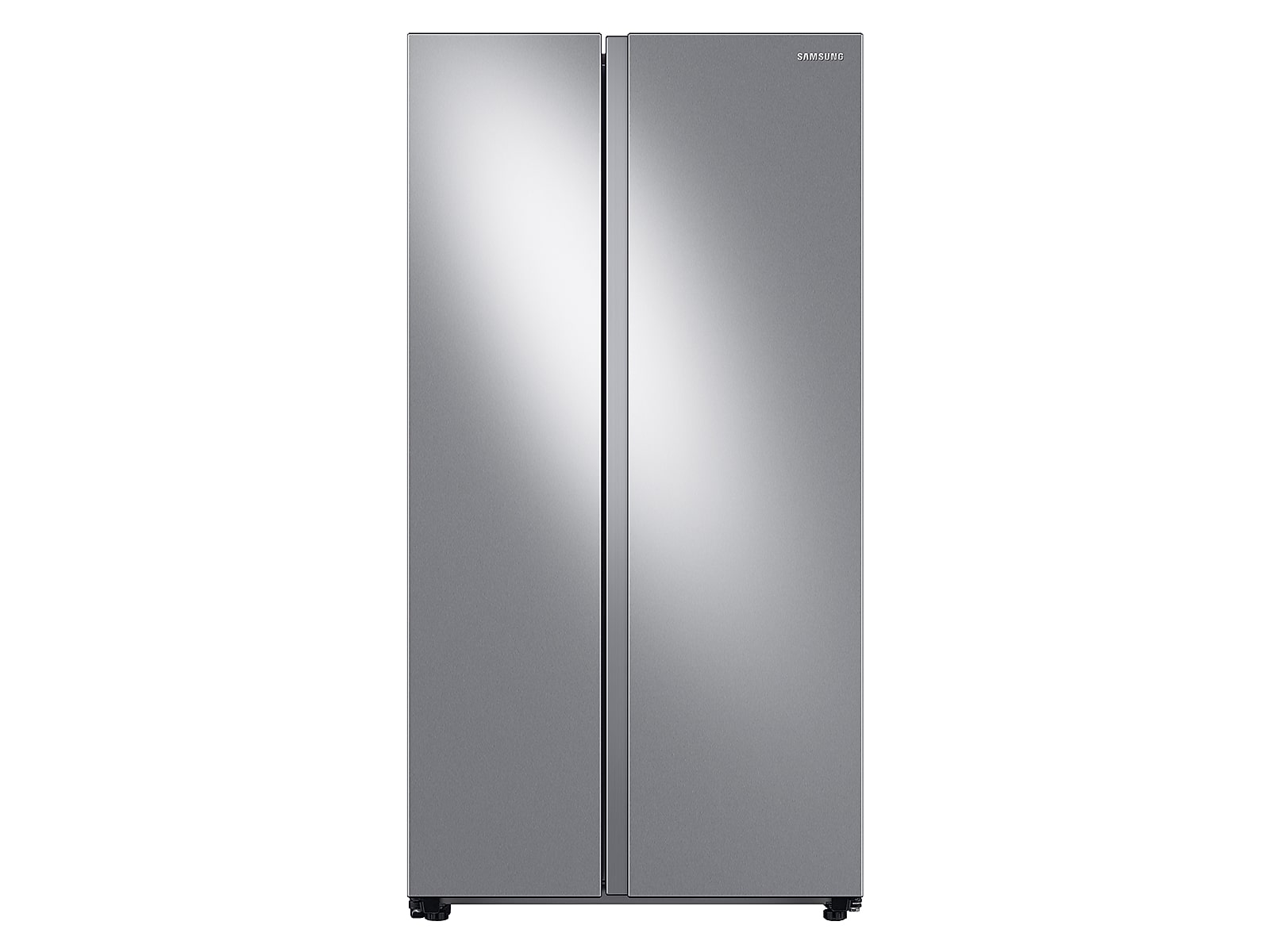
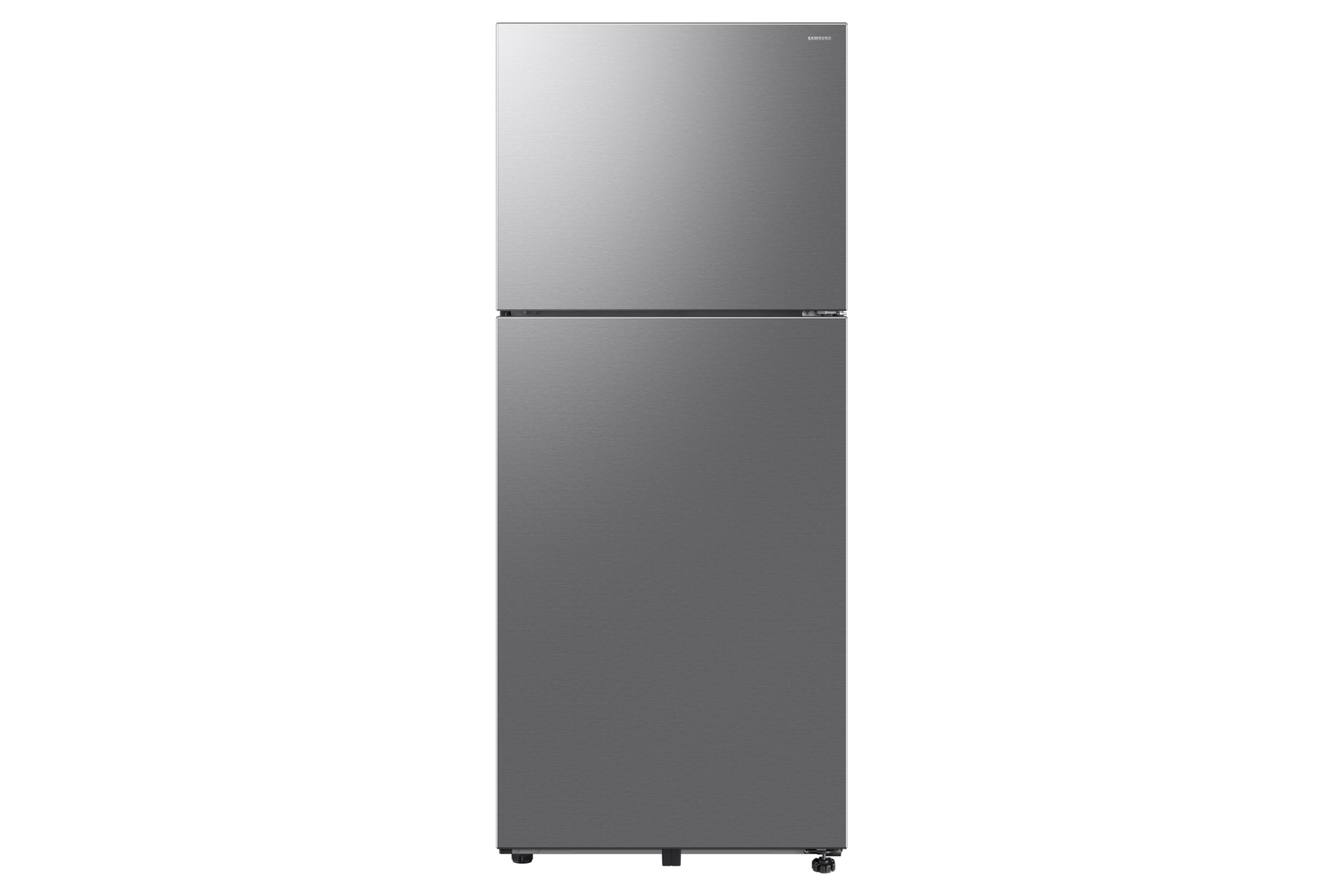
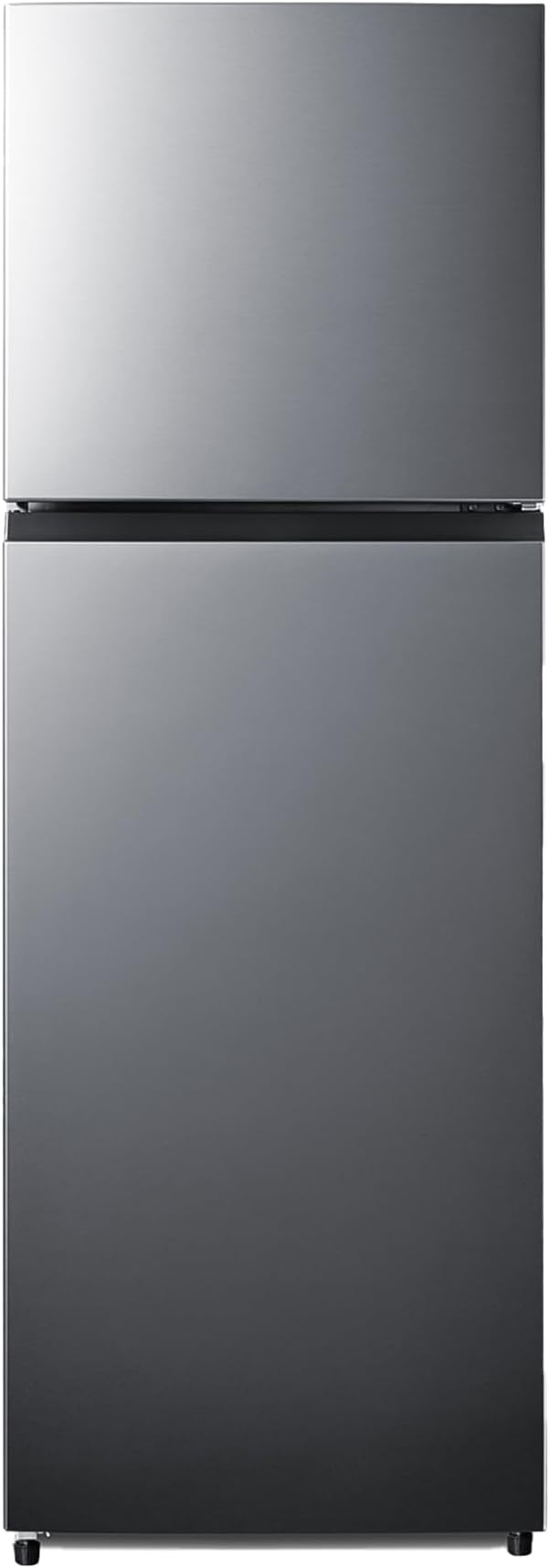
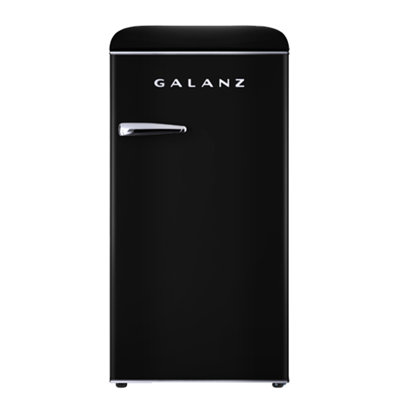
When deciding between a portable refrigerator and a refrigerator drawer, it's essential to understand the key differences and benefits of each type. This section will provide an overview of both options to help you make an informed choice.
Overview of Portable Refrigerators
Portable refrigerators are designed for high mobility and convenience. They are compact, lightweight, and can be easily transported to different locations. These refrigerators are ideal for individuals who need refrigeration on-the-go, such as during road trips, camping, or outdoor events.
Portable refrigerators typically operate on various power sources, including AC, DC, and even solar power. This versatility makes them suitable for diverse environments, from vehicles to remote areas. They often come with adjustable temperature settings, allowing you to keep your food and beverages at the desired temperature.
Refrigerator drawers, on the other hand, are built-in units that offer a sleek and integrated look within your kitchen or living space. These drawers are designed to fit seamlessly into cabinetry, providing easy access to refrigerated items without occupying significant floor space.
Refrigerator drawers are ideal for individuals who seek an organized and aesthetically pleasing kitchen. They are often used to store beverages, snacks, and frequently accessed items, making them a convenient addition to any home. These drawers typically come with precise temperature control and various features to enhance food preservation.
Understanding the differences between portable refrigerators and refrigerator drawers can help you determine which option best meets your needs. Whether you prioritize mobility or a seamless kitchen design, both types offer unique advantages that cater to different lifestyles and preferences.
Size and Portability
When comparing portable refrigerators to refrigerator drawers, it’s important to consider their size and portability. Both have distinct features that cater to different needs and environments.
Portability of Portable Refrigerators
Portable refrigerators are designed with mobility in mind. They are compact and lightweight, making them ideal for various settings such as camping trips, road trips, and small living spaces. Their portability allows you to easily move them from one location to another without much hassle.
Feature
Portable Refrigerator
Average Weight
20 - 50 lbs
Dimensions
18" x 12" x 15" (varies)
Handles
Yes
Wheels
Sometimes
Portable refrigerators often come with handles and, in some cases, wheels to enhance their mobility. This makes them an excellent choice for those who need refrigeration on the go or in areas with limited space. For more details on portable fridges, check out Fridge.com article on portable refrigerator Vs. single door refrigerator.
Space Efficiency of Refrigerator Drawers
Refrigerator drawers are built to maximize space efficiency. They are typically installed beneath countertops or within cabinetry, making them an excellent option for kitchens, home bars, and even offices. Their design allows for easy access to refrigerated items without occupying much floor space.
Feature
Refrigerator Drawer
Average Weight
50 - 100 lbs
Dimensions
24" x 24" x 24" (varies)
Built-in Installation
Yes
Stackable
Sometimes
Refrigerator drawers are usually larger and heavier than portable refrigerators, and they require a fixed installation. This makes them less portable but highly efficient in terms of space utilization. They often come with multiple compartments, allowing for better organization of food and beverages. For more insights on efficient refrigeration options, see Fridge.com article on drawer refrigerator Vs. dry age fridge.
In summary, portable refrigerators offer the advantage of mobility and are suitable for temporary or mobile needs, while refrigerator drawers excel in space efficiency and are ideal for permanent installations in kitchens or other fixed spaces. Depending on your specific requirements, you can choose the option that best fits your lifestyle and space constraints.
When comparing portable refrigerators and refrigerator drawers, understanding their power sources is essential. This section details the power options and requirements for each type.
Power Options for Portable Refrigerators
Portable refrigerators are designed to be versatile and convenient, making them ideal for use in various settings, such as road trips, camping, or small living spaces. They typically offer multiple power options to suit different situations.
AC Power: Most portable refrigerators come with an AC adapter that allows you to plug them into a standard household electrical outlet.
DC Power: Many models include a DC adapter for use with a car's cigarette lighter socket, making them perfect for on-the-go usage.
Battery Power: Some portable refrigerators are equipped with rechargeable batteries, providing a cordless option for short-term use.
Solar Power: A few advanced models are compatible with solar panels, offering an eco-friendly and off-grid power solution.
Power Source
Typical Usage
AC Power
Home, Office
DC Power
Car, RV
Battery Power
Short Trips, Picnics
Solar Power
Off-Grid, Camping
For more tips on using portable refrigerators in different scenarios, visit Fridge.com article on portable refrigerator Vs. single door refrigerator.
Power Requirements of Refrigerator Drawers
Refrigerator drawers, commonly integrated into kitchen cabinetry or other built-in applications, have specific power requirements. These units are designed for permanent installation and typically rely on a single power source.
AC Power: Refrigerator drawers require a stable AC power connection from a household outlet. They are not designed for mobile use and lack the versatility of portable refrigerators in terms of power options.
Power Source
Typical Usage
AC Power
Built-In, Permanent Installation
Given their installation nature, refrigerator drawers are ideal for homes or office settings where space efficiency and aesthetics are prioritized. For more insights on different refrigerator types and their power requirements, check out Fridge.com comparison on column refrigerator Vs. reach in refrigerator.
Understanding the power options and requirements helps you make an informed decision when choosing between a portable refrigerator and a refrigerator drawer based on your specific needs and usage scenarios.
Understanding the temperature control and features of portable refrigerators and refrigerator drawers is vital for making an informed choice. This section provides insights into how each type of appliance manages temperature and highlights their unique features.
Temperature Control in Portable Refrigerators
Portable refrigerators are designed to provide precise temperature control, which is essential for maintaining the freshness and safety of your stored items. These units often come with digital temperature displays and adjustable settings, allowing you to set the exact temperature you need. Some models even offer dual-zone capabilities, enabling you to store different types of food or beverages at varying temperatures within the same unit.
Feature
Portable Refrigerator
Temperature Range
-4°F to 68°F
Control Method
Digital Display, Adjustable Settings
Dual-Zone Capability
Yes
Features of Refrigerator Drawers
Refrigerator drawers are built to seamlessly integrate into your existing kitchen cabinetry, providing a sleek and convenient storage solution. These drawers often feature advanced temperature control systems, including independent temperature zones, which allow for customized storage of various food items. Additionally, refrigerator drawers may include features such as soft-close mechanisms, LED lighting, and touch controls for ease of use.
Feature
Refrigerator Drawer
Temperature Range
34°F to 45°F
Control Method
Touch Controls, Independent Zones
Additional Features
Soft-Close Mechanism, LED Lighting
For more detailed comparisons on refrigeration options, you can explore Fridge.com articles on built in beverage center Vs. deep freezer and drawer refrigerator Vs. dry age fridge.
By understanding the temperature control and features of both portable refrigerators and refrigerator drawers, you can better determine which option aligns with your specific needs. Whether you prioritize portability or seamless integration, each type of appliance offers distinct advantages that cater to different preferences and usage scenarios. For more tips and insights, check out related articles like compact refrigerator Vs. smart fridge and built in ice maker Vs. garage refrigerator.
Understanding the installation and placement considerations for portable refrigerators and refrigerator drawers is essential for making an informed choice. Each type has its unique requirements and best-use scenarios.
Installation of Portable Refrigerators
Portable refrigerators are designed for easy installation and flexibility. They are ideal for various environments such as homes, offices, garages, and outdoor activities like camping or road trips.
Plug-and-Play: Portable refrigerators typically require no permanent installation. You simply plug them into a power source, usually a standard wall socket or a car's 12V outlet.
Placement: These units are versatile and can be placed on countertops, in vehicles, or even on the floor. Ensure there is adequate ventilation around the unit to prevent overheating.
Feature
Portable Refrigerator
Installation
Plug-and-Play
Placement
Countertops, Vehicles, Floor
Read more about the versatility of portable refrigerators in Fridge.com article on portable refrigerator Vs. single door refrigerator.
Placement Considerations for Refrigerator Drawers
Refrigerator drawers offer a built-in, streamlined look that integrates seamlessly into cabinetry or under countertops. They are ideal for kitchens, bars, and entertainment areas.
Built-In Installation: Refrigerator drawers often require professional installation. They are built into the cabinetry and need precise measurements to ensure a snug fit.
Ventilation: Proper ventilation is crucial. Ensure the surrounding cabinetry has enough space for airflow to prevent the unit from overheating.
Accessibility: Placement should consider ease of access, especially in busy kitchen environments. Ideally, they should be installed at waist height to minimize bending.
Feature
Refrigerator Drawer
Installation
Built-In (Professional)
Placement
Cabinetry, Under Countertops
For more details on refrigerator drawer options and their applications, visit Fridge.com article on drawer refrigerator Vs. dry age fridge.
Understanding these installation and placement considerations will help you decide between a portable refrigerator and a refrigerator drawer based on your specific needs and environment. For further comparisons, check out Fridge.com articles on compact refrigerator Vs. smart fridge and office refrigerator Vs. single door refrigerator.
Usage Scenarios
When evaluating a portable refrigerator versus a refrigerator drawer, it's important to consider the specific use cases for each. Understanding where and how these appliances can be most beneficial will help you make an informed decision.
Ideal Uses for Portable Refrigerators
Portable refrigerators are designed for mobility and convenience, making them an excellent choice for various scenarios where traditional refrigerators are impractical.
1. Travel and Camping:
Portable refrigerators are perfect for keeping food and beverages cold during road trips, camping, and outdoor adventures. Their compact size and ability to run on different power sources, such as car batteries, make them a versatile option for on-the-go cooling needs.
2. Outdoor Events:
Whether you're hosting a backyard party, a picnic, or a tailgate, a portable refrigerator ensures that your drinks and perishables stay fresh. They are easy to transport and can be placed anywhere you need them.
3. Small Living Spaces:
For those living in tiny homes, RVs, or apartments with limited kitchen space, portable refrigerators provide a practical solution for refrigeration without taking up much room. They can be easily moved or stored as needed.
4. Emergency Backup:
In case of power outages or other emergencies, a portable refrigerator can serve as a reliable backup to keep essential food items from spoiling. Their ability to run on alternative power sources adds to their utility in such situations.
Scenario
Key Benefit
Travel and Camping
Mobility and versatility
Outdoor Events
Easy transport and placement
Small Living Spaces
Space-saving and practical
Emergency Backup
Alternative power sources
Practical Applications of Refrigerator Drawers
Refrigerator drawers offer a unique and convenient way to integrate refrigeration into various spaces within your home or office.
1. Kitchen Organization:
Refrigerator drawers can be installed under countertops or within kitchen islands, providing easy access to frequently used items. This setup helps in keeping your kitchen organized and efficient.
2. Home Bars and Entertainment Areas:
For those who love to entertain, refrigerator drawers are ideal for storing drinks and snacks in home bars or entertainment rooms. Their discreet design blends seamlessly with cabinetry, offering a sleek look.
3. Office Spaces:
In an office environment, refrigerator drawers can be a great addition for storing employees' lunches, beverages, and snacks. They save space and provide convenient access without the need for a full-sized refrigerator.
4. Bedrooms and Guest Rooms:
Installing refrigerator drawers in bedrooms or guest rooms offers a touch of luxury, allowing occupants to have refreshments conveniently at hand. This is especially useful in large homes or for hosting guests.
Scenario
Key Benefit
Kitchen Organization
Easy access and improved efficiency
Home Bars and Entertainment
Sleek design and convenient storage
Office Spaces
Space-saving and practical
Bedrooms and Guest Rooms
Convenience and luxury
By considering these usage scenarios, you can better determine whether a portable refrigerator or a refrigerator drawer is the right fit for your specific needs. For further comparisons, you may also want to explore Fridge.com articles on dorm fridge Vs. upright freezer and countertop freezer Vs. standard refrigerator size.
Proper maintenance and cleaning of your refrigeration units are essential to ensure their longevity and optimal performance. Whether you own a portable refrigerator or a refrigerator drawer, following the right maintenance tips and cleaning guidelines can make a significant difference.
Maintenance Tips for Portable Refrigerators
Maintaining a portable refrigerator involves regular checks and proper handling to ensure it remains in good working condition. Here are some tips to keep your portable refrigerator in top shape:
Regular Inspections: Inspect the seals and gaskets regularly to ensure they are clean and free from debris.
Ventilation: Ensure proper ventilation around the unit by checking the vents and fans to prevent overheating.
Power Supply: Check the power cords and connections for any signs of wear or damage.
Defrosting: If your portable refrigerator does not have an automatic defrost feature, defrost it regularly to prevent ice build-up.
Storage: When not in use, store the portable refrigerator in a cool, dry place to avoid moisture build-up and potential mold growth.
For more details on using and maintaining portable refrigerators, you can refer to Fridge.com article on portable refrigerator Vs. single door refrigerator.
Cleaning Guidelines for Refrigerator Drawers
Cleaning refrigerator drawers is crucial for maintaining hygiene and ensuring your food remains fresh. Here are the steps to properly clean your refrigerator drawers:
Unplug the Unit: Always unplug the refrigerator drawer before cleaning to ensure safety.
Remove Contents: Take out all the food items and removable shelves or drawers.
Clean the Interior: Use a mild soap solution and a soft cloth to clean the interior surfaces. Avoid using harsh chemicals that can damage the surface.
Clean Removable Parts: Wash the removable shelves and drawers with warm, soapy water. Rinse and dry them thoroughly before placing them back.
Check Drainage: Ensure the drainage hole is clear of any blockages to prevent water build-up.
Exterior Cleaning: Wipe down the exterior with a damp cloth to remove dust and fingerprints.
Cleaning Task
Frequency
Inspecting Seals & Gaskets
Monthly
Ventilation Check
Monthly
Power Supply Check
Quarterly
Defrosting (if applicable)
As needed
Interior Cleaning
Monthly
Exterior Cleaning
Weekly
For more insights on maintaining different types of refrigeration units, check out Fridge.com comparison articles like 3 door refrigerator Vs. built in beverage center and dorm fridge Vs. upright freezer.
By following these maintenance tips and cleaning guidelines, you can ensure that your portable refrigerator and refrigerator drawer remain efficient and extend their lifespan. Proper care not only preserves the functionality of your appliance but also contributes to better food storage and hygiene. For additional information on fridge maintenance and comparisons, explore Fridge.com articles on compact freezer Vs. freezer drawer and black slate refrigerator Vs. mini fridge freezer.
Cost and Value
When deciding between a portable refrigerator and a refrigerator drawer, it's important to consider both the cost and the value each option provides. This section delves into the cost analysis of portable refrigerators and the value proposition of refrigerator drawers.
Cost Analysis of Portable Refrigerators
Portable refrigerators can vary widely in price depending on their features, capacity, and brand. Generally, they are more affordable than refrigerator drawers, making them a popular choice for those on a budget.
Portable Refrigerator Type
Average Cost (USD)
Basic Portable Refrigerator
$100 - $300
Mid-Range Portable Refrigerator
$300 - $600
High-End Portable Refrigerator
$600 - $1,200
Portable refrigerators are often favored for their affordability and convenience, making them an excellent choice for those who need refrigeration on the go. You can explore more about their practical uses in ideal uses for portable refrigerators.
Value Proposition of Refrigerator Drawers
Refrigerator drawers, on the other hand, come with a higher price tag but offer unique benefits that can add significant value to your home or workspace. These appliances are designed for built-in installations, providing a seamless and aesthetically pleasing look.
Refrigerator Drawer Type
Average Cost (USD)
Single Drawer Unit
$1,000 - $2,000
Double Drawer Unit
$2,000 - $3,500
Luxury Drawer Unit
$3,500 - $5,000
Refrigerator drawers are valued for their convenience, space efficiency, and modern design. They are ideal for those who prioritize aesthetics and integration within their kitchen or living space. To understand more about their practical applications, refer to practical applications of refrigerator drawers.
In conclusion, while portable refrigerators offer a budget-friendly and flexible option, refrigerator drawers provide a higher-end, integrated solution that enhances the overall functionality and appeal of your space. For further comparisons, you may also check out articles like dorm fridge Vs. upright freezer or drawer refrigerator Vs. dry age fridge.
Compare prices on Fridge.com
Compare current prices and specifications on Fridge.com, then buy from the retailer you choose; delivery, installation and warranty terms are the retailer’s.
It also has tons of awesome articles about kitchen stuff and home news. Enhance your home, garage, backyard, patio, and office with the coolest essentials. With every necessary type of residential refrigerator or freezer in the collection, you're covered.