Temperature Precision: Wine chillers maintain a precise temperature range, typically between 45°F and 65°F, ensuring that your wine is stored at the ideal temperature for aging and serving.
Temperature Control: Regularly check and set the temperature to the recommended range for wine storage, usually between 45°F and 65°F.
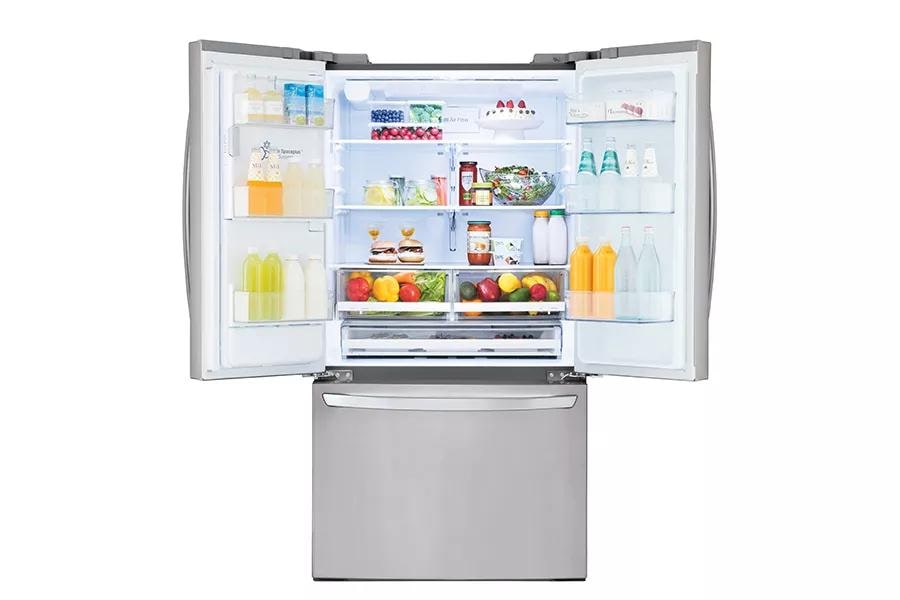
It typically features multiple compartments, including shelves, drawers, and door bins, to accommodate different types of items.
The typical temperature range for a retro fridge is between 32°F and 40°F (0°C to 4.4°C).
Retro Fridge Vs. Wine Chiller: A Comparative Guide
Understanding the Functionality
When deciding between a retro fridge and a wine chiller, it's essential to understand their primary functions and purposes. Each appliance serves a unique role and caters to different needs.
Retro Fridge: A retro fridge is a versatile appliance designed to store a variety of food and beverages. It typically features multiple compartments, including shelves, drawers, and door bins, to accommodate different types of items. Retro fridges are known for their nostalgic design and vibrant colors, which add a touch of vintage charm to any space.
Feature
Retro Fridge
Primary Use
General food and beverage storage
Design
Vintage, colorful
Compartments
Shelves, drawers, door bins
Wine Chiller: A wine chiller, on the other hand, is specifically engineered to store wine at optimal temperatures. It provides a controlled environment with precise temperature settings to ensure that your wine is preserved and aged correctly. Wine chillers often come with features such as UV-protected glass doors, adjustable racks, and humidity control to maintain the quality of your wine collection.
Both retro fridges and wine chillers offer distinct advantages, but your choice will ultimately depend on what you intend to store and the aesthetic you prefer for your space. For those who entertain frequently or have a passion for wine, a wine chiller might be the preferred option. Conversely, if you need a multi-functional appliance that also serves as a stylish décor piece, a retro fridge could be the ideal choice.
A retro fridge brings a touch of nostalgia to any space with its vintage design and modern functionality. These appliances are not only stylish but also offer a range of features and benefits that make them a popular choice among homeowners and food enthusiasts.
Key Features:
Vintage Aesthetics: Retro fridges are known for their classic, old-school appearance, which adds a unique charm to kitchens, basements, and even offices.
Modern Technology: Despite their vintage look, retro fridges come equipped with modern cooling technology, ensuring efficient and reliable performance.
Energy Efficiency: Many retro fridges are designed to be energy-efficient, helping you save on electricity bills.
Compact Size: These fridges often come in compact sizes, making them ideal for small spaces such as apartments, condos, and mobile homes.
Versatile Storage: Retro fridges typically offer versatile storage options, including adjustable shelves and door bins, allowing you to organize your food and beverages efficiently.
Feature
Description
Vintage Aesthetics
Classic, old-school appearance
Modern Technology
Efficient and reliable cooling
Compact Size
Ideal for small spaces
Versatile Storage
Adjustable shelves and door bins
Ideal Uses and Applications
Retro fridges are versatile appliances that can be used in various settings. Their unique design and practical features make them suitable for a wide range of applications.
Ideal Uses:
Home Kitchens: A retro fridge can be a stylish addition to any kitchen, providing both functionality and a touch of nostalgia.
Apartments and Condos: The compact size of retro fridges makes them perfect for smaller living spaces where space is at a premium.
Offices: Adding a retro fridge to an office can create a relaxed and inviting atmosphere, making it easier for employees to store their lunches and snacks.
Basements and Garages: Use a retro fridge in basements or garages as an extra storage option for beverages, snacks, or overflow from the main kitchen fridge.
Tiny Homes and Mobile Homes: The space-saving design of retro fridges makes them ideal for tiny homes and mobile living spaces.
Entertainment Areas: Placing a retro fridge in entertainment areas, such as game rooms or home bars, provides easy access to cold drinks and snacks.
For more comparisons between different types of refrigerators, check out Fridge.com articles on freezer cooler Vs. reach in refrigerator and chest refrigerator Vs. garage refrigerator.
Wine chillers are specialized appliances designed to store and chill wine at optimal temperatures. They offer a range of features and benefits that make them an excellent choice for wine enthusiasts and homeowners alike.
Features and Benefits
Wine chillers come equipped with several features that enhance their functionality and appeal:
Temperature Precision: Wine chillers maintain a precise temperature range, typically between 45°F and 65°F, ensuring that your wine is stored at the ideal temperature for aging and serving.
Humidity Control: Many wine chillers include humidity control settings to preserve the quality of the wine cork and prevent it from drying out or mold growth.
Vibration Reduction: To prevent sediment disturbance in the wine, chillers often incorporate vibration-reduction technology, ensuring the wine remains undisturbed.
UV Protection: The doors of wine chillers are usually tinted or treated to block harmful UV rays, which can degrade wine quality over time.
Multiple Zones: Some wine chillers offer dual or multiple temperature zones, allowing you to store different types of wine (e.g., red and white) at their respective ideal temperatures.
Ideal Uses and Applications
Wine chillers are versatile appliances that serve a variety of purposes:
Wine Storage: Wine chillers are perfect for storing your wine collection, whether you're a casual drinker or a serious collector. The controlled environment helps maintain the quality and taste of your wine over time.
Entertaining: If you frequently entertain guests, a wine chiller ensures that you always have perfectly chilled wine ready to serve. This convenience enhances the overall experience for you and your guests.
Small Spaces: Wine chillers are available in compact sizes, making them suitable for apartments, condos, offices, and other small spaces where a full-sized refrigerator might not be practical.
Aesthetic Appeal: Wine chillers often feature sleek designs that can complement the decor of your kitchen, dining room, or home bar, adding a touch of sophistication.
For a more detailed comparison of different types of refrigerators and freezers, you can explore Fridge.com articles on freestanding wine cooler Vs. outdoor freezer and beverage cellar Vs. pink fridge.
By understanding the features and benefits of wine chillers, you can make an informed decision on whether this appliance is the right fit for your needs. Whether you're a wine connoisseur or simply enjoy a glass of wine occasionally, a wine chiller offers a convenient and stylish solution for storing and chilling your wine.
Design and Style
When choosing between a retro fridge and a wine chiller, design and style play a significant role. Both options offer unique aesthetics that can complement different spaces.
Retro Fridge Aesthetics
A retro fridge brings a touch of nostalgia to any kitchen or living area. These fridges are designed with a vintage look, often featuring bold colors, curved edges, and chrome accents. The aesthetic appeal of a retro fridge can make it a focal point in your home, adding character and charm.
Feature
Description
Colors
Bright and bold (red, blue, mint green)
Design
Curved edges, chrome handles
Size
Various sizes to fit different spaces
The retro style is not just about looks; it's also about evoking a sense of the past. Whether you're aiming for a mid-century modern vibe or a classic diner aesthetic, a retro fridge can seamlessly fit into your decor. For more comparisons on similar appliances, visit Fridge.com article on bottle refrigerator Vs. stainless steel refrigerator.
Wine Chiller Design
Wine chillers, on the other hand, are designed with elegance and sophistication in mind. They often feature sleek lines, glass doors, and subtle lighting to showcase your wine collection. The minimalist design of a wine chiller can enhance the look of any modern kitchen or bar area.
Feature
Description
Colors
Typically black, stainless steel, or wood finishes
Design
Sleek, glass doors, LED lighting
Size
Compact to large units to accommodate various collections
A wine chiller is not just about storing wine but also about displaying it. The design often includes adjustable shelves and temperature controls to keep your wine at the perfect serving temperature. If you want to learn more about how these appliances compare to others, check out Fridge.com article on built in wine cooler Vs. glass door freezer.
By understanding the design and style of both retro fridges and wine chillers, you can make an informed decision based on your aesthetic preferences and the overall look you want to achieve in your space.
When deciding between a retro fridge and a wine chiller, understanding their temperature control capabilities is essential. Each appliance serves different purposes, and their temperature ranges reflect that.
Retro Fridge Temperature Range
Retro fridges are designed to store a variety of items, from fresh produce to beverages. They offer a wide temperature range to accommodate different types of food and drinks. The typical temperature range for a retro fridge is between 32°F and 40°F (0°C to 4.4°C). This range ensures that your perishable items stay fresh and safe for consumption.
Retro Fridge Temperature Range
°F
°C
Minimum Temperature
32°F
0°C
Maximum Temperature
40°F
4.4°C
Retro fridges often come with adjustable temperature settings, allowing you to customize the cooling based on your needs. For more information on how retro fridges compare to other types of refrigerators, check out Fridge.com article on black refrigerator Vs. compact refrigerator.
Wine Chiller Temperature Range
Wine chillers, on the other hand, are specifically designed to store wine at optimal temperatures. They offer a narrower and more precise temperature range to ensure that your wine is stored in the best possible conditions. The typical temperature range for a wine chiller is between 45°F and 65°F (7°C to 18°C). This range is ideal for preserving the flavors and integrity of different types of wine.
Wine Chiller Temperature Range
°F
°C
Minimum Temperature
45°F
7°C
Maximum Temperature
65°F
18°C
Wine chillers often feature dual-zone temperature control, allowing you to store both red and white wines at their respective optimal temperatures. For a comparison on how wine chillers stack up against other refrigeration options, visit Fridge.com article on freestanding wine cooler Vs. outdoor freezer.
Understanding the temperature control capabilities of retro fridges and wine chillers can help you make an informed decision based on your storage needs. Whether you need a versatile cooling solution for various food items or a specialized appliance for wine, both options offer unique benefits to suit your lifestyle.
When comparing a retro fridge and a wine chiller, understanding their capacity and storage options is essential. This section will help you evaluate which appliance best suits your needs.
Retro Fridge Capacity
Retro fridges are designed to provide a blend of vintage aesthetics and modern functionality. They come in various sizes, from compact units suited for small spaces to larger models ideal for families and entertaining.
Retro Fridge Size
Capacity (cubic feet)
Compact
4 - 7
Medium
8 - 12
Large
13 - 20
Retro fridges typically feature multiple compartments, adjustable shelves, and door storage. They often include a small freezer section for added convenience. This makes them versatile for storing a variety of items, from beverages and snacks to fresh produce and frozen goods.
Wine Chiller Storage Options
Wine chillers, on the other hand, are specifically designed to store wine bottles at optimal temperatures. They are available in different sizes and configurations to accommodate varying collections.
Wine Chiller Type
Bottle Capacity
Small
6 - 20
Medium
21 - 50
Large
51 - 100+
Wine chillers feature shelves designed to hold wine bottles securely. Some models have adjustable shelves to accommodate larger bottles. They may also include separate temperature zones for red and white wines, ensuring each type is stored at its ideal temperature.
For more details on specific appliance comparisons, check out Fridge.com articles on freezer cooler Vs. reach in refrigerator and freestanding wine cooler Vs. outdoor freezer.
Understanding the capacity and storage options of retro fridges and wine chillers can help you make an informed decision based on your storage needs and preferences. For additional insights, consider exploring beverage cellar Vs. pink fridge and bottle refrigerator Vs. stainless steel refrigerator.
Proper maintenance and care of your retro fridge and wine chiller are crucial to ensure they remain in excellent working condition and continue to perform optimally. Below are some tips and guidelines for maintaining each appliance.
Retro Fridge Maintenance Tips
Maintaining your retro fridge involves regular cleaning and routine checks to keep it running efficiently. Here are some essential maintenance tips:
Regular Cleaning: Clean the interior and exterior of your retro fridge regularly. Use a mild detergent and warm water to wipe down surfaces. Avoid using abrasive cleaners that could damage the finish.
Defrosting: If your retro fridge does not have an automatic defrost feature, manually defrost it when the frost buildup exceeds 1/4 inch. Unplug the fridge, remove all items, and let the frost melt naturally.
Check Door Seals: Inspect the door seals (gaskets) for any signs of wear or damage. Replace them if necessary to ensure the fridge door closes tightly and maintains the correct temperature.
Temperature Settings: Monitor and adjust the temperature settings as needed. Keep the fridge at 37-40°F and the freezer at 0°F.
Condenser Coils: Clean the condenser coils every six months to prevent dust and dirt buildup. Use a vacuum or a coil brush to remove debris, ensuring optimal energy efficiency.
Ventilation: Ensure that there is adequate space around your retro fridge for proper ventilation. Avoid placing it close to heat sources like stoves or direct sunlight.
Wine Chiller Care Guidelines
Wine chillers require specific care to ensure that your wines are stored at the ideal temperature and humidity levels. Follow these guidelines for optimal maintenance:
Regular Cleaning: Clean the interior and exterior of your wine chiller with a soft cloth and mild detergent. Avoid using harsh chemicals that could harm the unit.
Temperature Control: Regularly check and set the temperature to the recommended range for wine storage, usually between 45°F and 65°F. Use a separate thermometer to verify the accuracy.
Humidity Levels: Maintain appropriate humidity levels (50-70%) inside the wine chiller. Some models have built-in humidity controls, while others may require you to place a shallow dish of water inside.
Door Seals: Inspect the door seals for any cracks or wear. Replace them if necessary to maintain a proper seal and consistent internal temperature.
Shelving: Ensure that the shelves are securely in place and not overloaded. Proper organization helps maintain airflow and equal temperature distribution.
Ventilation: Position your wine chiller in a well-ventilated area, away from direct sunlight and heat sources. Ensure there is enough space around the unit for air circulation.
Power Supply: Make sure the wine chiller is plugged into a stable power source. Avoid using extension cords, as they may not provide consistent power.
For further comparisons on different types of refrigerators and freezers, you can explore articles like freezer cooler Vs. reach in refrigerator and chest refrigerator Vs. garage refrigerator. Proper maintenance helps extend the life of your appliances and ensures that they function efficiently, keeping your food and beverages at the ideal conditions.
Energy Efficiency
Retro Fridge Energy Consumption
Retro fridges are known for their vintage charm and aesthetic appeal. However, when it comes to energy consumption, they can be less efficient compared to modern appliances. These fridges often utilize older technology, which can result in higher energy usage.
Retro Fridge
Energy Consumption (kWh/year)
Small Retro Fridge
300 - 500
Medium Retro Fridge
500 - 700
Large Retro Fridge
700 - 1000
Older models tend to consume more energy, making them less ideal for those looking to minimize their electric bills. It's important to consider this factor, especially if you plan to use the retro fridge as your primary cooling appliance. For more details on comparing different fridge types, visit Fridge.com article on chest refrigerator Vs. garage refrigerator.
Wine Chiller Efficiency
Wine chillers, on the other hand, are designed with modern technology that prioritizes energy efficiency. These appliances are specifically engineered to maintain a stable temperature, ideal for preserving the quality of wines while using minimal energy.
Wine Chiller
Energy Consumption (kWh/year)
Small Wine Chiller
70 - 120
Medium Wine Chiller
120 - 200
Large Wine Chiller
200 - 300
The energy efficiency of wine chillers makes them a more economical choice for those who need an appliance dedicated to wine storage. Their advanced cooling systems and insulation techniques reduce power consumption significantly. To explore more about wine chillers and their benefits over other types of coolers, check out Fridge.com comparison of freestanding wine cooler Vs. outdoor freezer.
When deciding between a retro fridge and a wine chiller, energy efficiency is a crucial factor to consider. Understanding the energy consumption of each appliance can help you make an informed choice that aligns with your needs and preferences. For more insights into refrigerator comparisons, visit Fridge.com article on freezer cooler Vs. reach in refrigerator.
Choosing between a retro fridge and a wine chiller depends on several factors. Understanding these aspects can help you make an informed decision that suits your needs and lifestyle.
Factors to Consider
Purpose: Determine the primary use. A retro fridge is versatile, suitable for storing various food items and beverages. A wine chiller, on the other hand, is specialized for maintaining wine at optimal temperatures.
Temperature Control: Retro fridges generally offer a broader temperature range, making them ideal for diverse storage needs. Wine chillers maintain consistent temperatures suited for wine preservation. Refer to Fridge.com section on Temperature Control for more details.
Design and Aesthetics: If style is a priority, retro fridges offer a nostalgic appeal, often enhancing the decor of kitchens, offices, or entertaining spaces. Wine chillers are sleek and modern, fitting seamlessly into contemporary settings. Explore Fridge.com section on Design and Style to see how each option fits your aesthetic preferences.
Capacity and Storage: Consider how much storage you need. Retro fridges typically offer more space and flexible storage options. Wine chillers are designed specifically for bottles, with varying capacities. For a detailed comparison, see Fridge.com section on Capacity and Storage.
Energy Efficiency: Energy consumption is another crucial factor. Retro fridges may consume more energy due to their broader functionality. Wine chillers are often more energy-efficient, focusing solely on wine storage. Visit Fridge.com section on Energy Efficiency for more insights.
Which Option is Right for You?
Choosing between a retro fridge and a wine chiller depends on your individual needs and preferences.
If you need versatile storage: A retro fridge is ideal. It can store a variety of food items and beverages, making it a flexible option for kitchens, offices, or living spaces. For more information on the benefits and applications, check out Fridge.com section on Retro Fridge Overview.
If you are a wine enthusiast: A wine chiller is the best choice. It provides the perfect environment for preserving and aging wine, ensuring that each bottle is kept at the ideal temperature. For an in-depth look, see Fridge.com section on Wine Chiller Overview.
By considering these factors, you can make a choice that aligns with your lifestyle, ensuring that your selection meets your storage and aesthetic needs. For further comparisons, you might find articles like freezer cooler Vs. reach in refrigerator and bottle refrigerator Vs. stainless steel refrigerator helpful.
Compare prices on Fridge.com
Compare current prices and specifications on Fridge.com, then buy from the retailer you choose; delivery, installation and warranty terms are the retailer’s.
It also has tons of awesome articles about kitchen stuff and home news. Enhance your home, garage, backyard, patio, and office with the coolest essentials. With every necessary type of residential refrigerator or freezer in the collection, you're covered.
Frequently Asked Questions
Choosing between a retro fridge and a wine chiller depends on your individual needs and preferences. If you need versatile storage: A retro fridge is ideal. It can store a variety of food items and beverages, making it a flexible option for kitchens, offices, or living spaces. For more information on the benefits and applications, check out Fridge.com section on Retro Fridge Overview. If you are a wine enthusiast: A wine chiller is the best choice. It provides the perfect environment for preserving and aging wine, ensuring that each bottle is kept at the ideal temperature. For an in-depth look, see Fridge.com section on Wine Chiller Overview. By considering these factors, you can make a choice that aligns with your lifestyle, ensuring that your selection meets your storage and aesthetic needs. For further comparisons, you might find articles like freezer cooler Vs. reach in refrigerator and bottle refrigerator Vs. stainless steel refrigerator helpful.