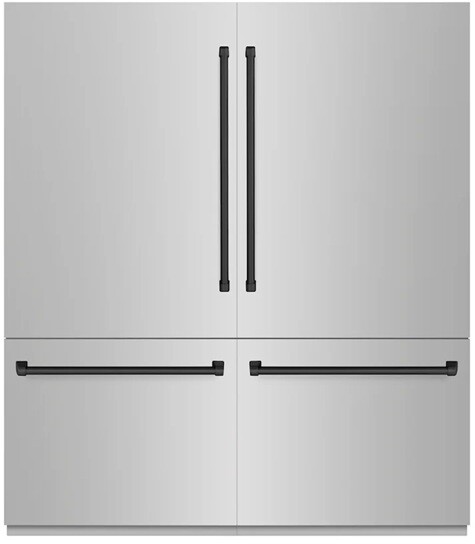
Freezer coolers (freezer units) store food at 0°F or below; reach-in refrigerators store food at 37–40°F. Both are common in commercial settings but are used differently. This guide compares them so you can choose the right appliance for your needs.
Freezer Cooler
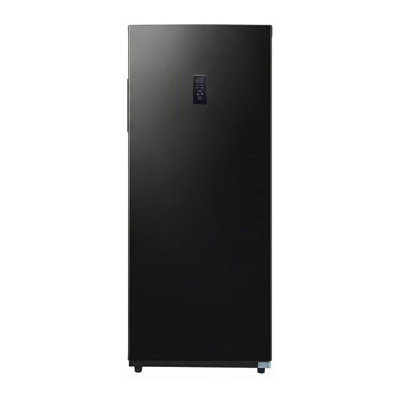
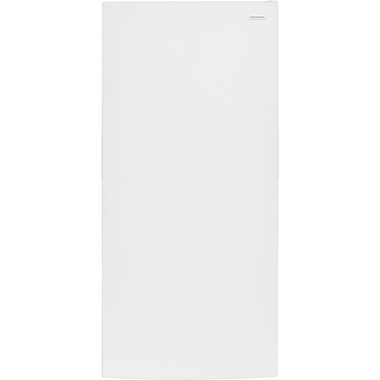
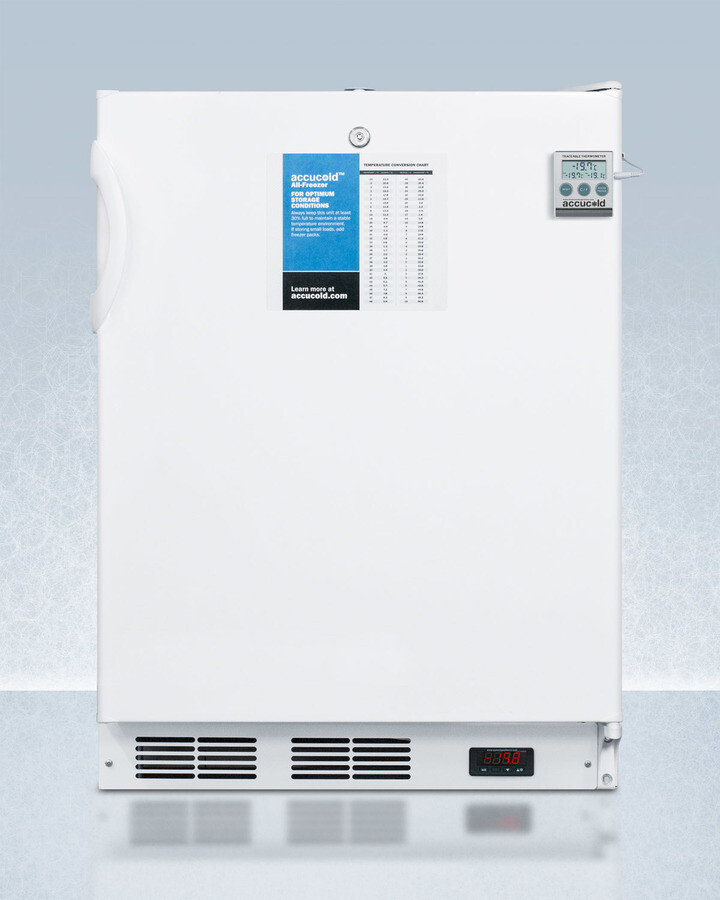
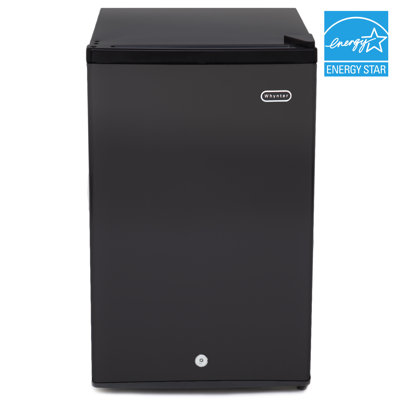
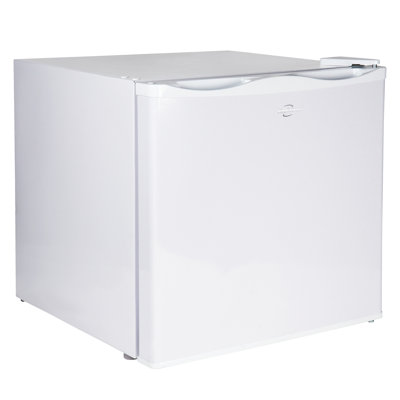
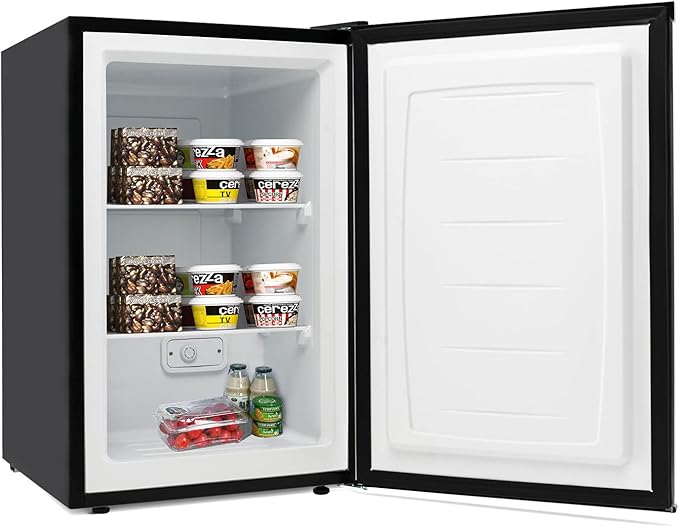
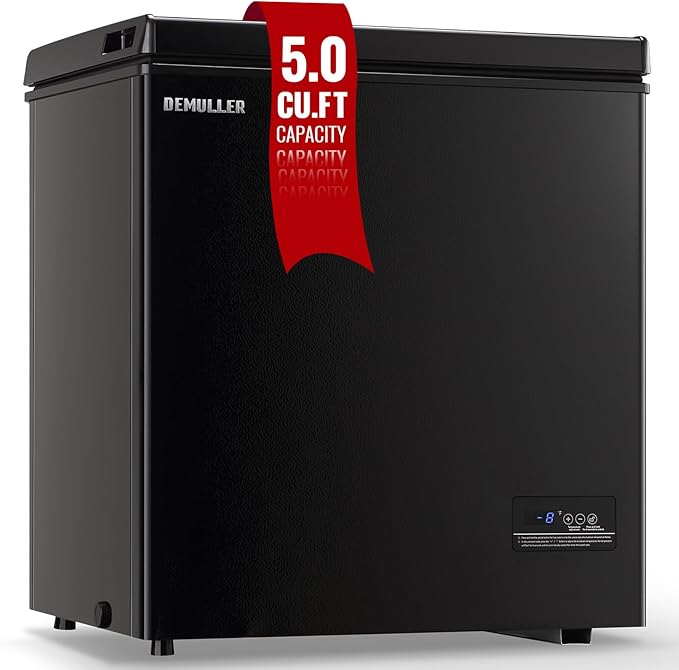
A freezer cooler is a unit that keeps food frozen—0°F or below. It may be a chest freezer, upright freezer, or reach-in style (front door, shelves). It is for frozen storage only, not for fresh food. The USDA recommends 0°F or below for freezer storage; freezer coolers maintain that temperature to keep food safe and preserve quality.
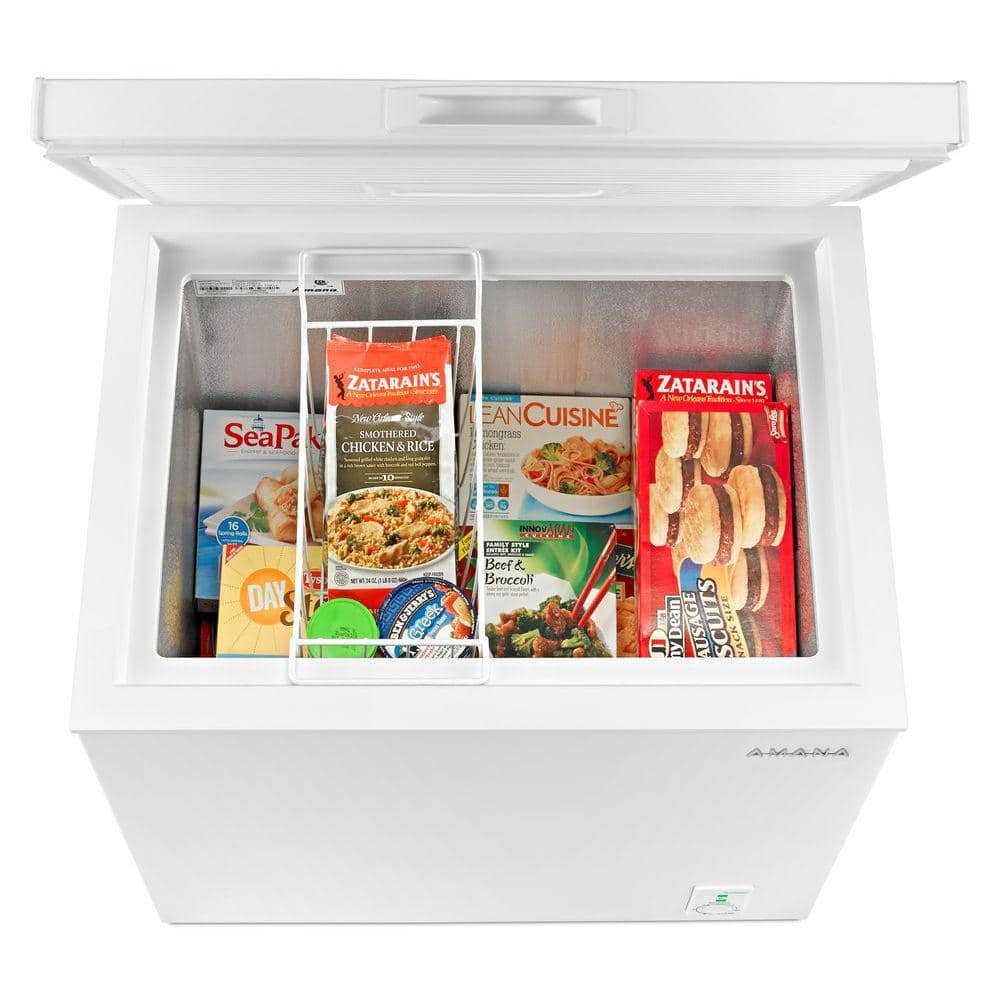
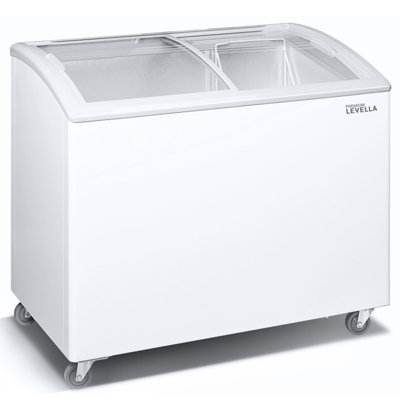
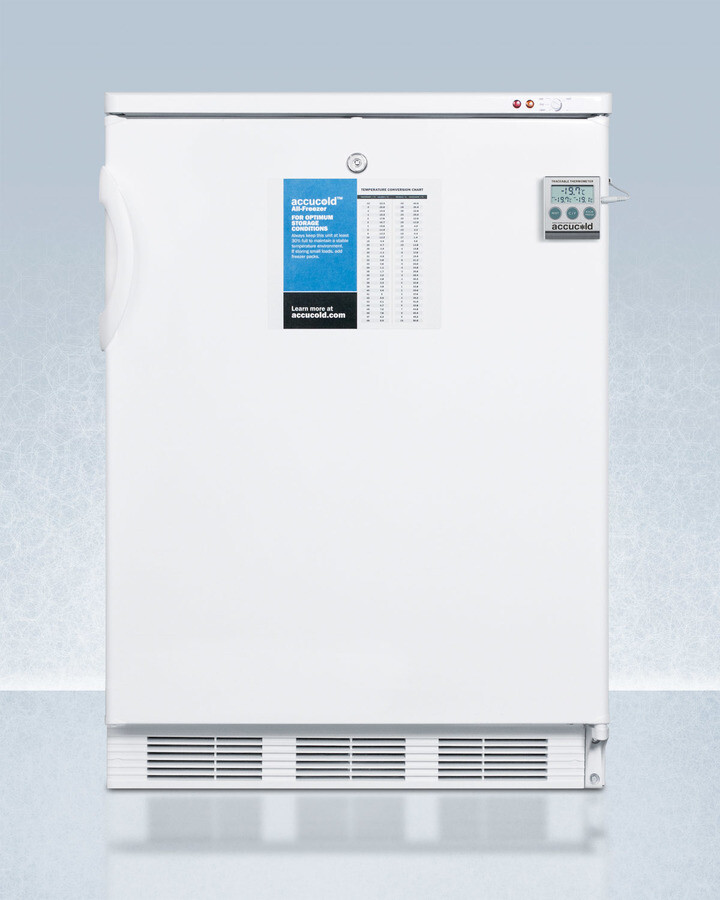
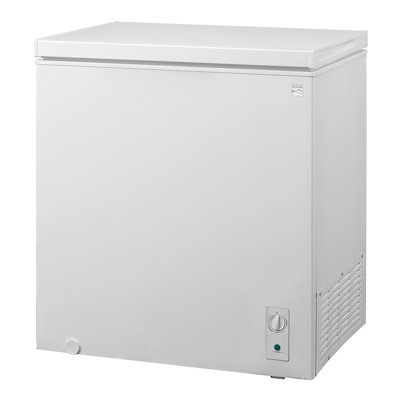
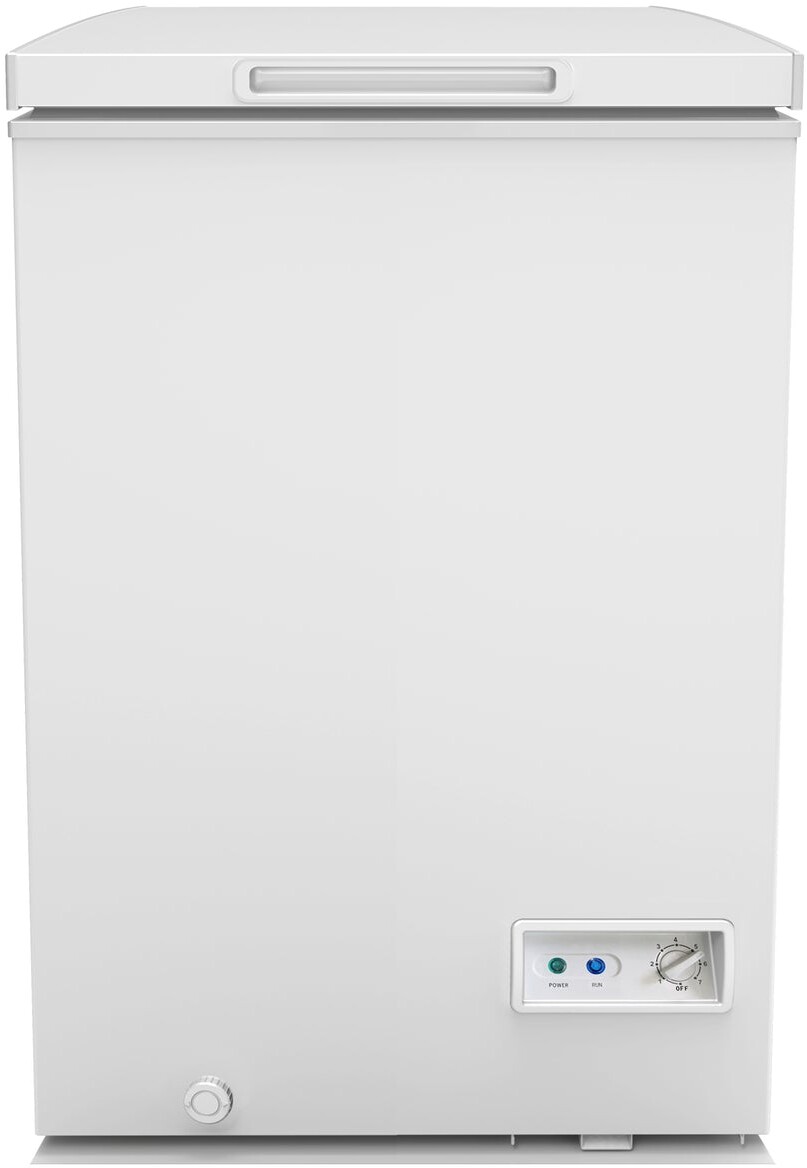
Freezer coolers come in several forms. Chest freezers open from the top and use less energy per cubic foot than uprights. Upright freezers have a front door and shelves for easier access. Reach-in freezers have one or more front doors and are common in commercial kitchens. All maintain 0°F or below. The U.S. Department of Energy (DOE) sets efficiency standards for freezers; the EnergyGuide label shows estimated yearly kWh.
Freezer coolers hold frozen meat, prepared meals, ice cream, vegetables, and other frozen items. They do not have a refrigerator section. They are single-purpose: frozen storage only. In a commercial kitchen, a freezer cooler stores backup inventory and bulk purchases. In a home, it adds capacity beyond the refrigerator's freezer compartment.
The USDA Food Safety and Inspection Service states that food stored at 0°F or below remains safe indefinitely from a bacterial standpoint, though quality may degrade over time. Freezer burn—dry spots caused by air exposure—affects quality but not safety. Proper packaging and consistent temperature help preserve quality. Freezer coolers are designed to maintain that 0°F baseline.
Chest freezers are typically the most energy-efficient option per cubic foot because cold air stays in when the lid is opened—it is heavier than warm air and does not spill out. Upright and reach-in freezers lose more cold air when the door opens, so they use more energy. The tradeoff is convenience: uprights and reach-ins offer easier access without digging.
Reach-In Refrigerator
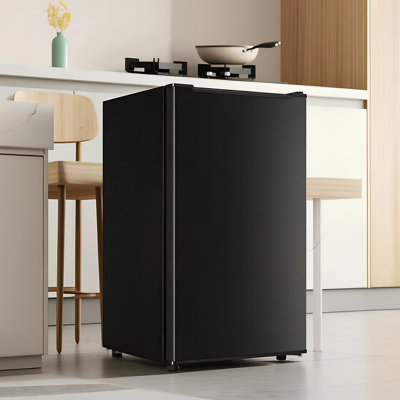
A reach-in refrigerator has one or more front doors and keeps food at refrigerator temperature (37–40°F). It is for fresh food, dairy, produce, and beverages. No freezer section. Common in restaurants, delis, and commercial kitchens. The USDA recommends 40°F or below for perishables; reach-in refrigerators maintain that range.
Reach-in refrigerators are designed for frequent access. Staff open the door, grab what they need, and close it. The design minimizes cold air loss compared to walk-in coolers when access is quick. They come in single-door, two-door, and three-door configurations. Capacity ranges from roughly 10 to 50+ cubic feet depending on the model.
Reach-in refrigerators hold fresh produce, dairy, meat (before freezing), leftovers, and beverages. They are essential for any operation that serves fresh food. They do not freeze—items that need to be frozen go in a separate freezer. Many commercial kitchens have both: reach-in refrigerators for daily prep and freezer coolers for frozen inventory.
The USDA advises that refrigerated food at 40°F or below slows bacterial growth. Perishables like raw meat, dairy, and cut produce have limited safe storage times even at proper temperature. Reach-in refrigerators are sized and positioned for the workflow: prep cooks need quick access during service, so reach-ins are often placed in the hot line or prep area.
Reach-in refrigerators may have solid doors or glass doors. Glass doors allow staff to see contents without opening the door, reducing cold air loss, but they cost more and may not suit all applications. Solid doors are more common in back-of-house storage. Both types need proper gaskets and regular cleaning to maintain temperature and efficiency.
Freezer coolers run at 0°F or below. Reach-in refrigerators run at 37–40°F. The temperature gap is large. You cannot store fresh produce in a freezer—it would freeze. You cannot store frozen meat in a reach-in refrigerator—it would thaw and spoil. The appliances serve different purposes and are not interchangeable.
The USDA provides guidelines for how long different foods maintain quality in the freezer and refrigerator. Frozen food at 0°F stays safe indefinitely from a bacterial standpoint, but quality degrades over time. Refrigerated food at 40°F has shorter safe storage times. Match the appliance to the food type and storage duration.
In a commercial kitchen, the workflow typically requires both temperatures. Prep ingredients—vegetables, dairy, raw meat for today's service—go in the reach-in refrigerator. Bulk meat, frozen vegetables, ice cream, and backup inventory go in the freezer cooler. Trying to use one appliance for both would compromise food safety and quality.
Home users face a similar split. A refrigerator-freezer combo handles both, but the freezer compartment is often small. A separate freezer cooler adds capacity for bulk purchases, meal prep, or hunting and gardening harvests. A reach-in refrigerator is uncommon in homes—standard refrigerators serve that role—but the principle is the same: different temperatures for different storage needs.
Capacity and Placement
Freezer coolers and reach-in refrigerators both come in a range of sizes. Commercial freezers may hold 15 to 50+ cubic feet. Commercial reach-in refrigerators may hold 10 to 50+ cubic feet. Placement differs: freezers may go in a walk-in or separate room; reach-in refrigerators are often in the main prep area for easy access during service.
Both need adequate ventilation. The condenser produces heat; it needs clearance at the back and sides to reject it. Blocking ventilation causes the compressor to overwork and can shorten the unit's life. Follow the manual's clearance requirements. The U.S. Energy Information Administration (EIA) reports average electricity prices; commercial rates vary by region. Efficient units cost less to run.
Freezer placement often prioritizes energy efficiency over access. A freezer in a cool basement or walk-in uses less energy than one in a hot kitchen. Reach-in refrigerators need to be where staff can access them quickly—next to the prep station or in the hot line. Placement affects both workflow and operating cost.
Commercial kitchens may use a combination: reach-in refrigerators in the prep area for daily use, and a larger freezer cooler in the back for bulk storage. The freezer may be a walk-in or a bank of reach-in freezers. Sizing depends on menu, volume, and how often you receive deliveries. Overbuying capacity wastes space and energy; underbuying forces inefficient restocking.
Energy and Cost
The DOE sets efficiency standards for both freezers and refrigerators. ENERGY STAR certifies efficient commercial models when available. The EnergyGuide label shows estimated yearly kWh. At typical commercial electricity rates, a 20-cubic-foot freezer might use 400 to 600 kWh per year; a similar-size reach-in refrigerator might use 500 to 800 kWh. Freezers run colder and may use more energy per cubic foot than refrigerators.
The EIA reports that commercial electricity rates vary widely by region and utility—from under 8 cents per kWh in some areas to over 20 cents in others. At 12 cents per kWh, a freezer using 500 kWh per year costs $60; a reach-in refrigerator using 650 kWh costs $78. Efficient models can cut those numbers by 15 to 25 percent. ENERGY STAR commercial refrigeration equipment is available for both categories.
Refrigeration is often one of the largest energy loads in a commercial kitchen. Proper maintenance—clean condenser coils, intact door gaskets, correct thermostat settings—reduces energy use. Defrosting manual-defrost freezers on schedule prevents ice buildup that forces the compressor to work harder. Automatic defrost units handle this themselves but use slightly more energy overall.
Choose a freezer cooler when you need frozen storage—meat, prepared meals, ice cream, bulk purchases. Choose a reach-in refrigerator when you need fresh food storage—produce, dairy, beverages. Many operations need both. A restaurant typically has reach-in refrigerators in the prep area and freezer coolers for backup and bulk.
If you are opening a new operation, plan for both. A deli or café that serves mostly fresh food may need a larger reach-in and a smaller freezer. A restaurant with a full menu needs substantial capacity in both. A catering operation may need more freezer space for prepared items. Match the mix to your menu and volume.
Home users choosing between a chest freezer and an upright are making a freezer-only decision—the refrigerator handles fresh storage. The question is whether to add freezer capacity beyond the refrigerator's freezer compartment. For bulk buying, meal prep, or preserving garden harvests, a separate freezer cooler is the right choice.
Maintenance and Food Safety
Both freezer coolers and reach-in refrigerators need regular maintenance. Clean condenser coils to maintain efficiency. Check door gaskets for tears or gaps that allow cold air to escape. Monitor temperatures with a thermometer—do not rely on the built-in thermostat display alone. The USDA recommends checking refrigerator temperature regularly to ensure it stays at 40°F or below.
Freezers should be defrosted periodically if they are manual-defrost models. Ice buildup reduces capacity and efficiency. Automatic-defrost units handle this but may introduce temperature fluctuations during the defrost cycle. For sensitive items, a manual-defrost freezer can provide more stable long-term storage.
Reach-in refrigerators should be cleaned regularly to prevent cross-contamination and odors. Organize contents so that raw meat is stored below ready-to-eat items. Follow the USDA's food safety guidelines for storage times and temperatures. Proper maintenance supports both food safety and equipment longevity.
Common Mistakes to Avoid
Do not use a reach-in refrigerator for frozen storage. The temperature is 37–40°F, not 0°F. Frozen food will thaw and spoil. Raw meat left in a reach-in refrigerator will eventually spoil if not used within the safe storage window. Match the appliance to the food type.
Do not overload either appliance. Crowding blocks airflow and creates hot spots. In a freezer, overloading can prevent cold air from circulating, leading to uneven temperatures and potential thawing in the center. In a refrigerator, overcrowding raises the temperature and shortens the safe storage time for perishables.
Do not ignore ventilation requirements. Both freezer coolers and reach-in refrigerators need clearance for the condenser to reject heat. Blocking vents forces the compressor to run longer and harder, increasing energy use and shortening the unit's life. Commercial kitchens often have tight layouts; plan for ventilation when placing equipment.
Freezer coolers keep food frozen at 0°F or below; reach-in refrigerators keep food cold at 37–40°F. The USDA recommends these temperatures for safe storage. Freezer coolers store frozen meat, prepared meals, and bulk inventory; reach-in refrigerators store fresh produce, dairy, and perishables. Different temperatures and uses—choose by what you need to store. Many commercial kitchens need both. The DOE sets efficiency standards for both; ENERGY STAR certifies efficient models. For more help choosing equipment, compare specs and options.
Frequently Asked Questions
A freezer cooler (or reach-in freezer) stores food at 0°F or below. It has front-opening door(s) and is used for frozen inventory in kitchens, garages, or commercial settings. It does not have a refrigerator section.
From Fridge.com research
Figures below come from data Fridge.com builds and maintains. Each links to the record behind it.
Fridge.com Energy Index, built on U.S. EPA and DOE ENERGY STAR records
Across 5,455 ENERGY STAR certified refrigerators and freezers from 263 brands, median use is 360 kWh per year.