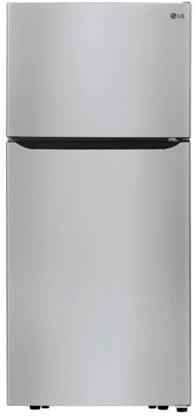
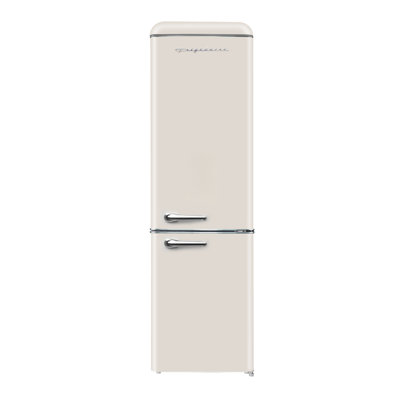
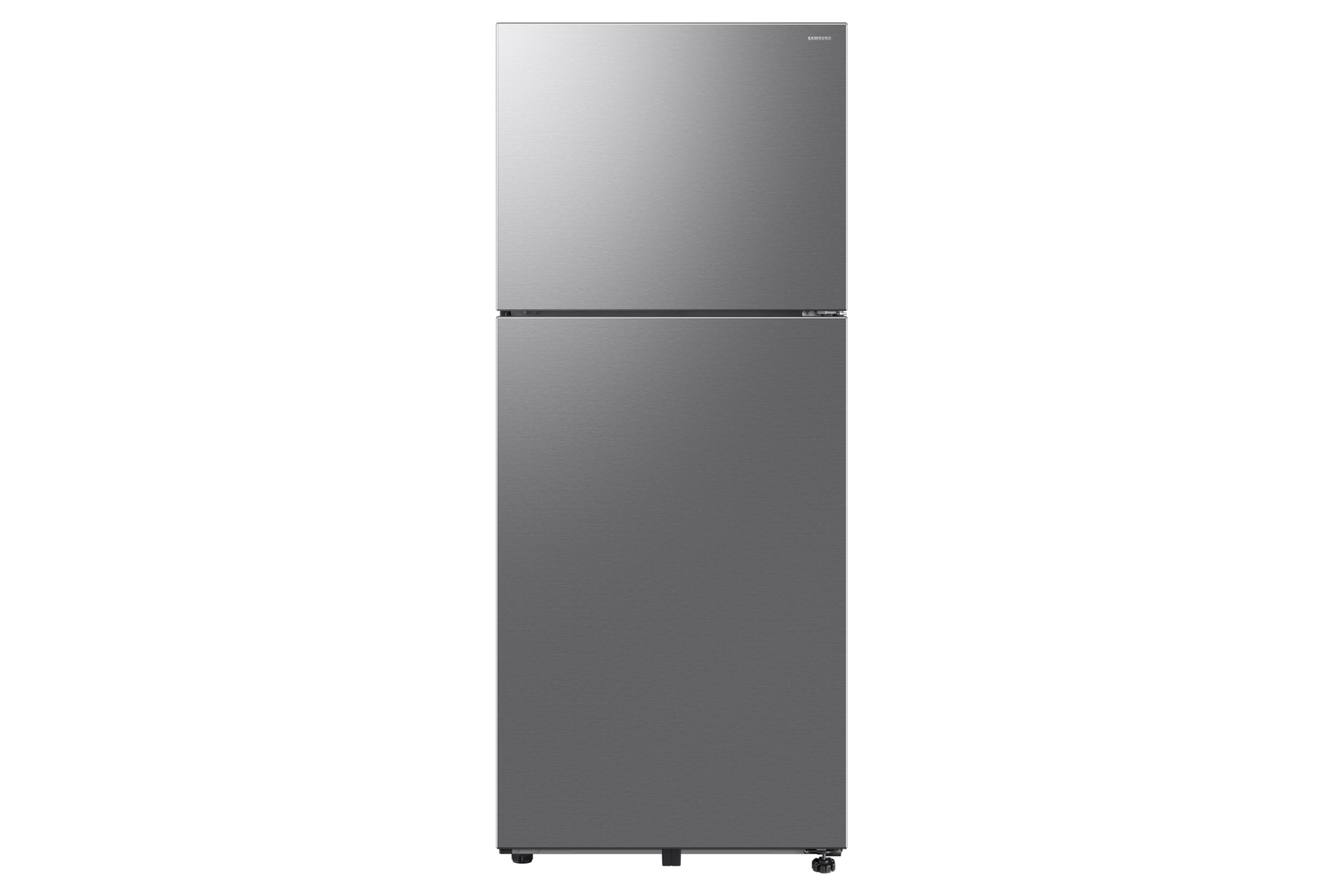
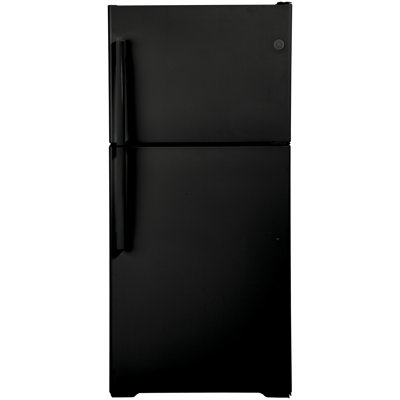
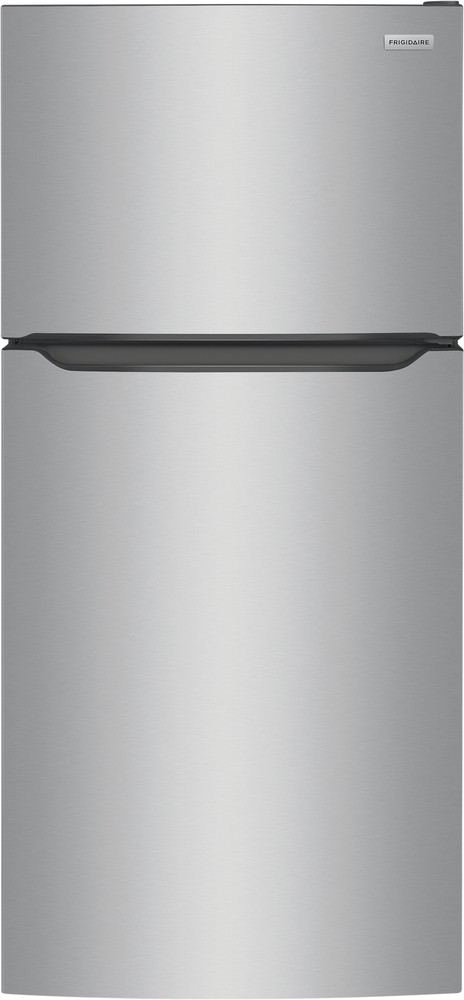
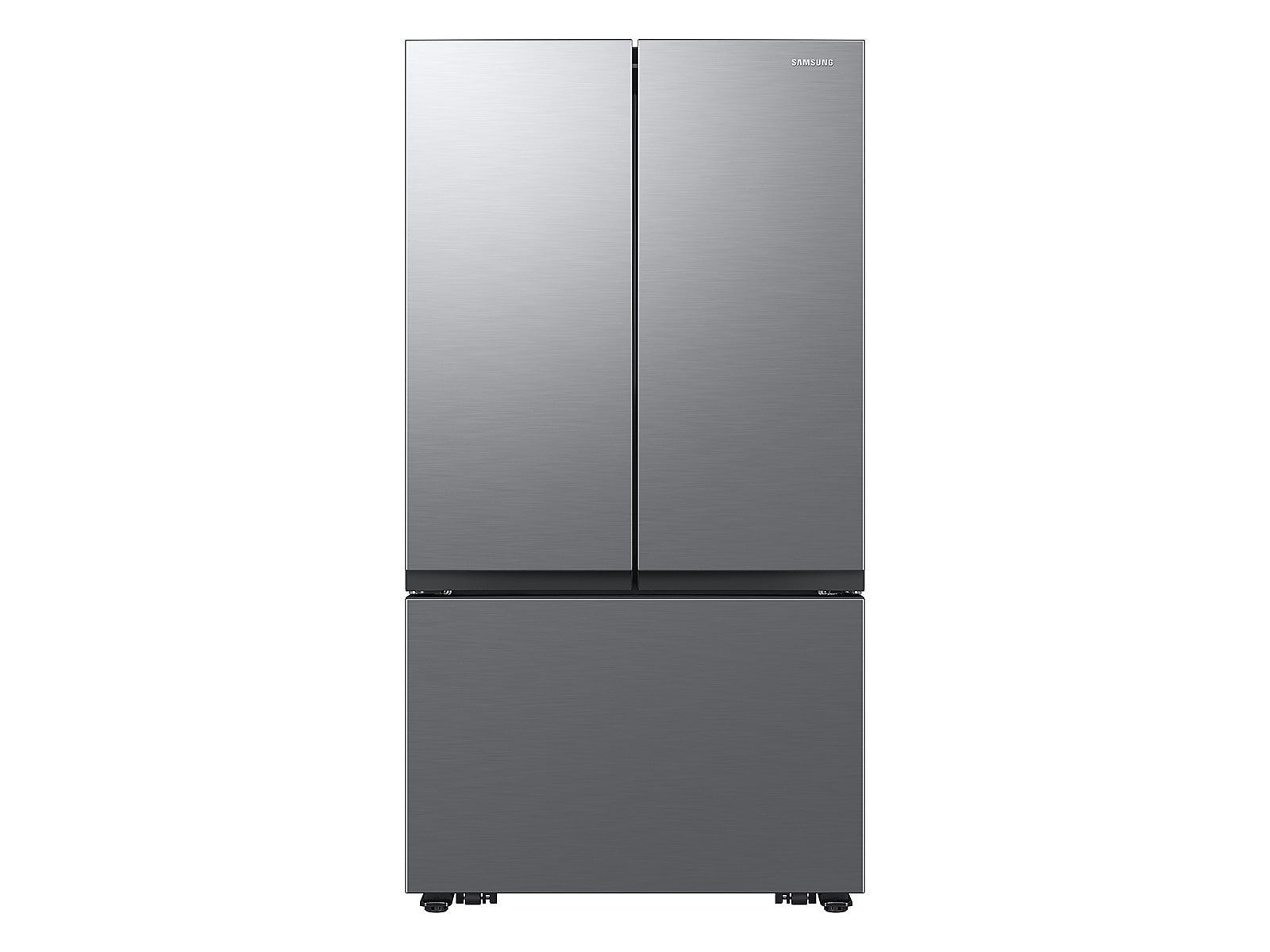
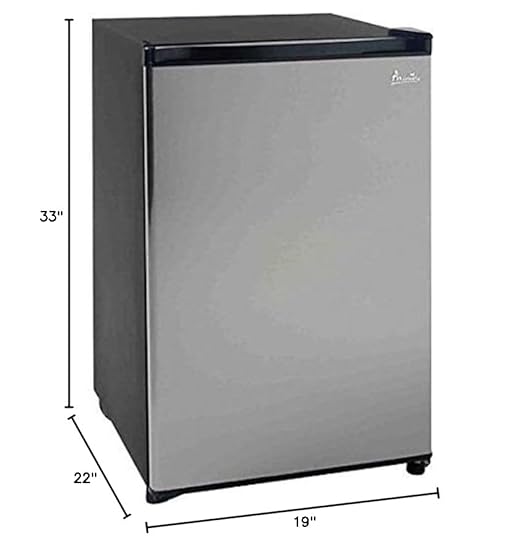
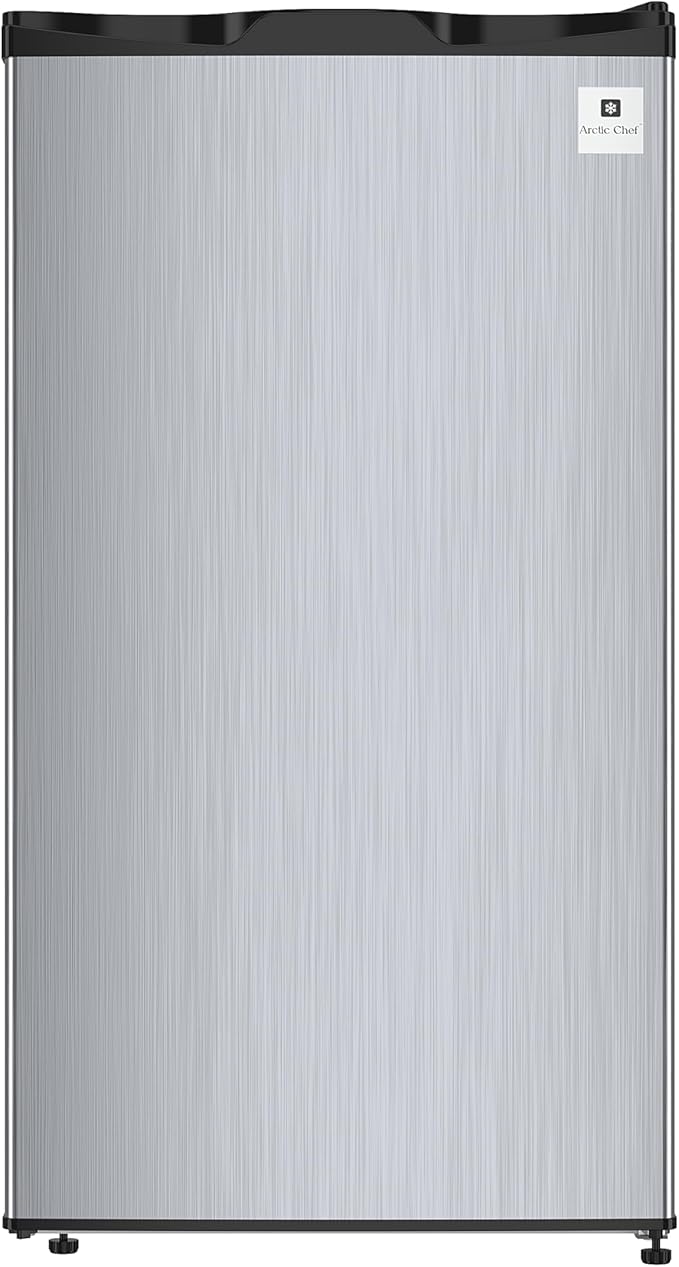
You gotta know about the watts when chatting refrigerators—they tell you a lot about energy efficiency and what the little monster's gonna cost you on your electric bill.
What Are Watts in Relation to Refrigerators?
Watts are what we use to measure how much juice the fridge is slurping up. Basically, they tell you the power needed to keep your frozen pizza frosty and soda ice-cold. Depending on the brand, size, and fancy fuel-saving doodads, different fridges guzzle different amounts. Generally, you'll see them munching through 100 to 800 watts. Here’s a little cheat sheet to spell it out:
Refrigerator Style
Average Wattage
Mini Fridge
75 - 120 watts
Regular Fridge
100 - 800 watts
Side-by-Side Fridge
200 - 500 watts
French Door Fridge
200 - 500 watts
Knowing this helps you understand how much power your refrigerator uses, which translates into how much dough you're shelling out.
Why Should You Care About Refrigerator Watts?
Your fridge's wattage has a direct impact on your power bill. More watts, more bucks. Clear as day, right? Here’s the lowdown:
Energy Costs: The higher the wattage, the more you'll be dishing out on your power bill. A quick math lesson to figure out your fridge's energy hogging: [ \text{Energy (kWh)} = \frac{\text{Wattage} \times \text{Hours Used}}{1000} ]
Mother Earth: Less wattage means you’re treating the planet a little nicer, too, by using up less energy and leaving a lighter footprint.
Power and Performance: These days, fridges often come with energy star ratings and other jargon that try to tie wattage to efficiency. A little homework on this can lead you to a machine that keeps the lights on and doesn’t gobble too much current.
Picking the right fridge 'cause of its wattage means you're part genius planner, getting the best chill at the best cost. Curious about how those watts hit the bill? Check out our nuts-and-bolts write-up on refrigerator power consumption.
Why You Should Care About Energy Efficiency in Fridges
Picking the right fridge isn't just about storage space and style; it's also about cutting your electricity bill and lending Mother Earth a helping hand. Energy-efficient refrigerators get the job done with less power, keeping your food fresh without draining your wallet or the planet. They've got nifty tech that trims down power use while keeping everything cool as a cucumber.
Thinking long-term, a fridge that sips rather than guzzles power saves you money. Over time, fewer kilowatt-hours on your bill means more dough in your pocket. Plus, these efficient coolers tend to hang around longer and break down less, which means you're saving on repair costs too.
How Wattage Plays into Energy Smarts
Your fridge's wattage tells you how power-hungry it is. Knowing the watts can clue you into how much juice it needs. A fridge that's sipping fewer watts is usually playing the energy-saving game better.
Peep this average wattage rundown for different fridge types:
Refrigerator Type
Average Wattage (Watts)
Top-Freezer Refrigerator
100 - 800
Bottom-Freezer Refrigerator
200 - 700
Side-by-Side Refrigerator
300 - 800
French Door Refrigerator
400 - 900
Compact Refrigerator
50 - 200
Cutting down the watts your fridge uses can mean big wins for energy savings in your pad. Picking a fridge with the wattage that fits your scene makes everything run smoother.
Hungry for more power facts? Check out refrigerator power consumption. Understanding your fridge's energy appetite is key to making chill choices.
Calculating Refrigerator Watts
Wondering if that big chilly box in your kitchen is secretly eating into your electricity bill? You're not alone. Figuring out how much power your fridge uses is a smart move to keep those costs under control. Let's dive into what shakes up the power needs of your fridge and how you can get a good grip on its energy cravings.
Factors Affecting Refrigerator Watts
So, why does your fridge's power usage swing up and down like a yo-yo? Check out this hit list:
Factor
What It Means for Your Bill
Size of the Refrigerator
Bigger fridge, bigger bucks—it takes more juice to chill a larger space.
Age of the Appliance
The older they get, the less sprightly they are at saving energy.
Temperature Settings
Cranking up the cold means cranking up the power, too.
Type of Refrigerator
Whether it's a top-freezer or a swanky side-by-side, each has its own appetite for watts.
Usage Patterns
Open that door too often and you're letting out coolness and cash.
Roll through these factors to figure out which ones are ramping up your energy tab.
Calculating Average Wattage Consumption
Want to play detective with your fridge's power use? Here's your go-to formula:
Usually, fridges get their juice from a 120-volt outlet. Check that little label or the manual for its amperage, and you can do the math on its wattage. Or, scale it down with this handy guide:
Type of Refrigerator
Average Wattage (Watts)
Compact Refrigerator
50 - 100
Top-Freezer Refrigerator
100 - 250
Side-By-Side Refrigerator
200 - 400
French Door Refrigerator
200 - 600
These numbers are your glimpse into what your fridge is guzzling energy-wise. Want to climb deeper down this rabbit hole? Check out more articles like refrigerator power consumption and average refrigerator wattage. Keeping tabs on your fridge can keep those electricity costs in line and is way easier than nicknaming it after a family member.
Knowing how to keep your refrigerator humming along at peak efficiency isn't just about pocketbook perks—it's about making sure the ol' icebox lives for many years. Here’s some down-to-earth advice that'll help your fridge run lean and mean.
Tips to Cut Down on Energy Use
Set The Right Temperatures: Keep that fridge cozy between 37°F and 40°F, and aim for somewhere between 0°F and 5°F in the freezer. That's cold enough to keep your grub safe without running up the power bill.
Tidy Up Inside: Stock your shelves wisely. Giving your food room to breathe helps keep the air flowing, which means your fridge doesn't have to work as hard.
Don't Let the Cold Out: Leave the door open too long, and your fridge is doing double-time to chill out. Try to snag your snack and shut it tight quick as you can.
Defrost The Old-Fashioned Way: If you're kickin' it with a manual defrost fridge, make sure to keep ice from building up too much, as it makes your fridge motor work overtime.
Full, But Not Packed: More food equals better cooling, but don’t go crazy and squish everything together. If you’ve got empty spots, throw in some water bottles or ice packs for good measure.
Switch to LEDs: If you haven’t already, swap out those old bulbs for energy-saving LEDs. They sip electricity and don’t make your fridge interior into a sauna.
Tip
Benefit
Set the right temperatures
Slashes energy use
Tidy up inside
Boosts air circulation
Don't let the cold out
Balances temp efficiently
Defrost the old-fashioned way
Cuts down on power drains
Simple Upkeep for a Greener Fridge
Keep your fridge running smooth with these easy maintenance steps:
Clean Those Coils: Dusty coils can't do their job right. Give 'em a good wipe-off every six months to keep things efficient.
Seal the Deal with Door Gaskets: Check those rubber seals around the door. If they’re cracked, it’s like leaving a window open in winter. Replace as needed to keep the cool air inside where it belongs.
Let it Breathe: Don’t shove your fridge into a tiny spot. Give it some space – a few inches on all sides – to keep the airflow movin'.
Wattage Watch: Glance at how much juice your fridge is using from time to time. A sudden jump might mean it needs a little TLC. Get more into the nitty-gritty with our write-up on refrigerator wattage.
Peek at Temps Regularly: Occasionally check the real temps inside your fridge with a good ol' thermometer. Tweak the dials if things are off to keep your food chill.
Taking these steps can work wonders on energy use, keeping your fridge game strong. A little attention here and there can save some bucks and make sure every bite you store stays fresh as the day you bought it.
When you're in the market for a new refrigerator, wattage is a biggie in figuring out how much juice it's gonna use and how efficient it'll be in the long run. Knowing what wattage you're dealing with can steer you to a cooler that's just right for you.
Wattage Considerations When Buying a Fridge
Gotta think about the wattage when you're eyeballing a fridge. Most fridges sip anywhere from 100 to 800 watts, depending on what kind of bells and whistles it's packing. Things like ice makers or those swanky water dispensers can jack up the wattage.
Refrigerator Type
Average Wattage (Watts)
Top Freezer
100-300
Bottom Freezer
200-400
Side-by-Side
300-800
French Door
400-700
As you're checking them out, mull over what your household actually needs. If you've got a big bunch at home, you might wanna go for a model that uses a bit more wattage to keep everyone happy. Don't forget to peek at that energy label for the nitty-gritty on wattage.
Understanding Energy Labels and Ratings
Energy labels, they're like cheat sheets for how energy-efficient that fridge is. The folks who make these things slap on these labels so you know what you're getting into. Keep an eye out for that ENERGY STAR® logo—it's the gold star that says it meets the U.S. Environmental Protection Agency's efficiency marks.
Get comfy with these labels 'cause they usually show you what you'll be forking out in energy costs each year. It's a solid way to size up options and figure out what's gonna give you the most bang for your buck.
Energy Efficiency Rating
Estimated Annual Energy Cost
Non-Energy Star
$100+
Once you wrap your head around wattage and those energy tags, you'll be in a sweet spot to snag a fridge that juggles power use and performance just right for your crew. Pick something that matches up with how much you want to save on energy and your wallet's best interest. Want the lowdown on energy use? Peek over at our refrigerator power consumption piece.
Frequently Asked Questions
Watts are what we use to measure how much juice the fridge is slurping up. Basically, they tell you the power needed to keep your frozen pizza frosty and soda ice-cold. Depending on the brand, size, and fancy fuel-saving doodads, different fridges guzzle different amounts. Generally, you'll see them munching through 100 to 800 watts. Here’s a little cheat sheet to spell it out:. Refrigerator Style.
Average Wattage.
.
Mini Fridge.
75 - 120 watts.
.
Regular Fridge.
100 - 800 watts.
.
Side-by-Side Fridge.
200 - 500 watts.
.
French Door Fridge.
200 - 500 watts.
. Knowing this helps you understand how much power your refrigerator uses, which translates into how much dough you're shelling out.