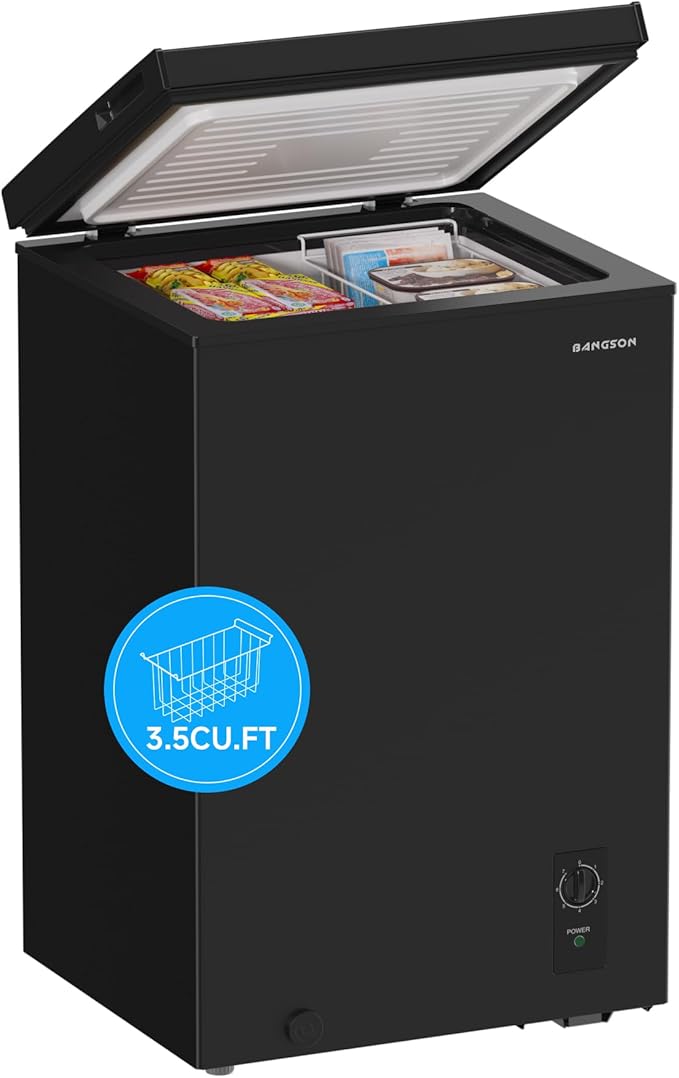
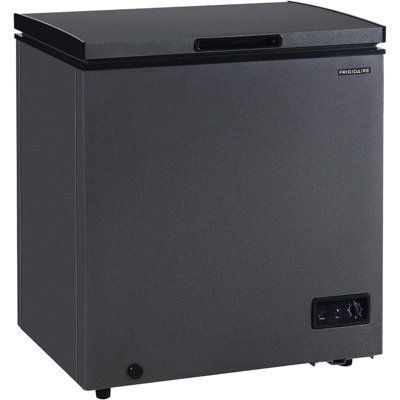
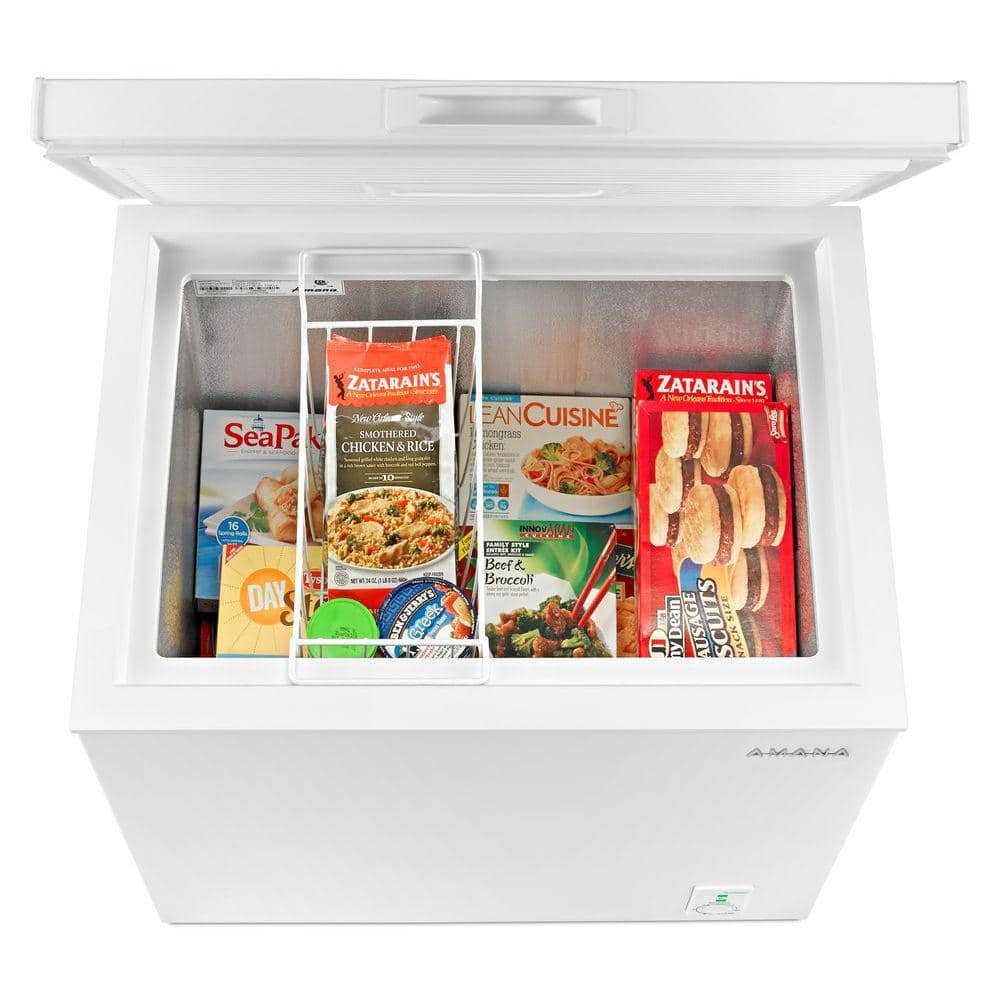
When selecting a freezer, you should consider the location, usage patterns, and energy ratings to make a choice that best suits your needs and values.
Ideal for homes, apartments, or offices where space is at a premium, undercounter freezers offer a convenient solution for expanding your food storage capabilities.
When considering an undercounter freezer, it's important to assess the interior layout to ensure it meets your storage needs.
Maximized Space: An outdoor freezer can free up valuable space inside your home, making it ideal for those living in apartments or smaller houses.
Exploring Different Freezer Options for Your Needs
When considering the addition of a freezer to your living space, whether it's for your home, office, or any other property, you're met with various options that cater to different needs and preferences. Among the choices are outdoor freezers and undercounter freezers, each offering distinct benefits and functionalities. In this section, Fridge.com will delve into the specifics of 'outdoor freezer vs. undercounter freezer' to help you make an informed decision that aligns with your lifestyle, spatial requirements, and storage needs.
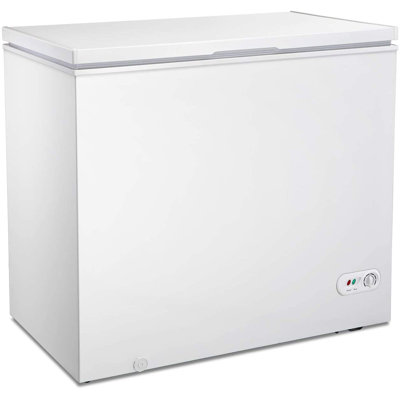
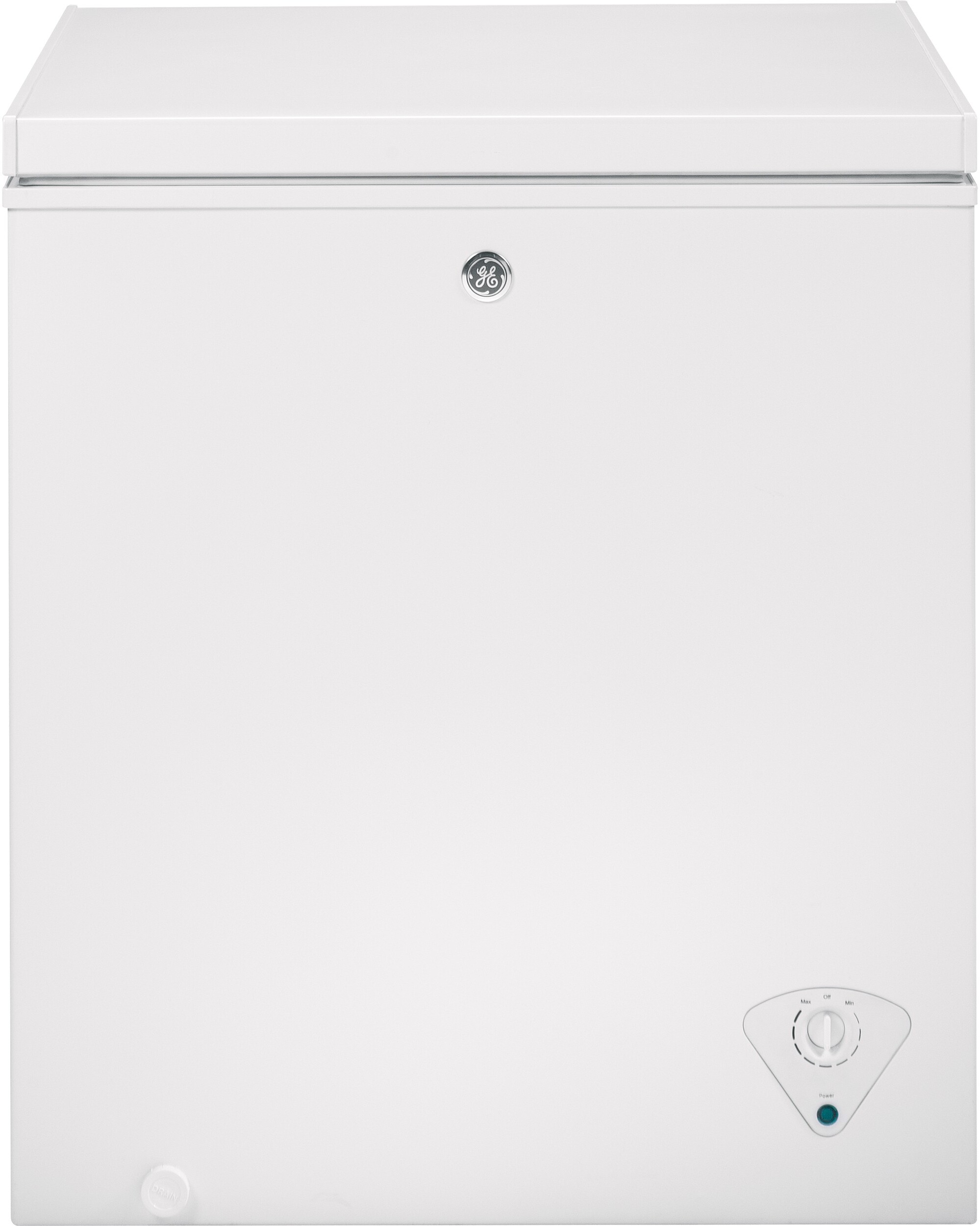
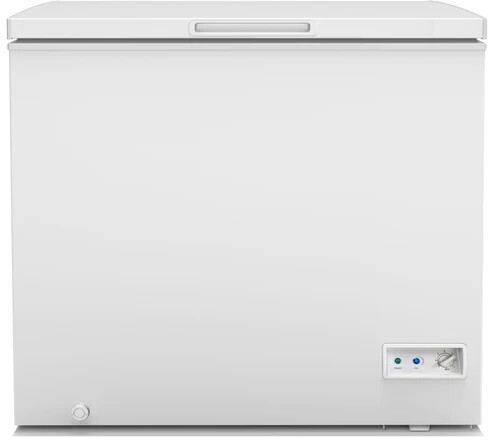
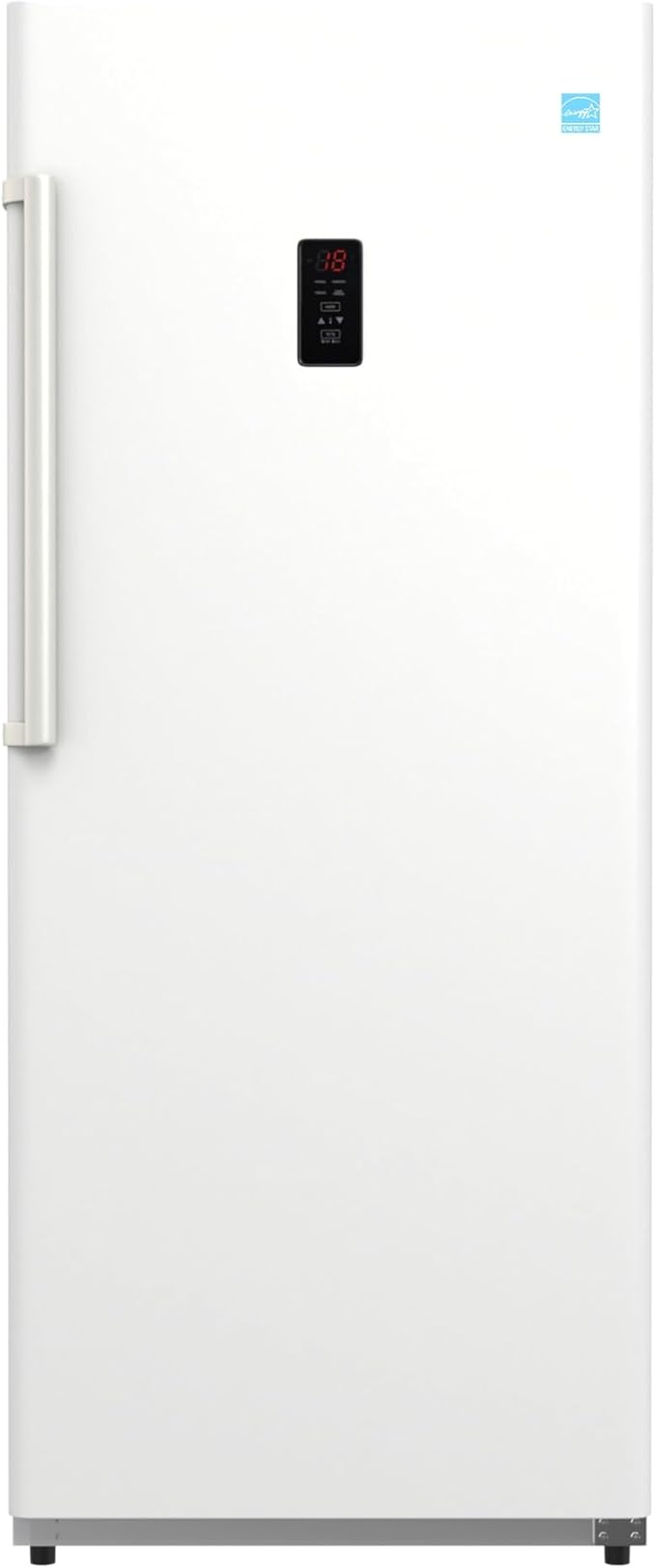
Outdoor freezers are designed to withstand external elements, making them an ideal choice if you're short on indoor space or require extra storage for your culinary ventures, gatherings, or bulk purchases. They often feature robust construction with weather-resistant materials and enhanced insulation to maintain consistent internal temperatures despite fluctuating outdoor conditions. These freezers can range from compact, portable units to larger, more permanent fixtures in your outdoor space.
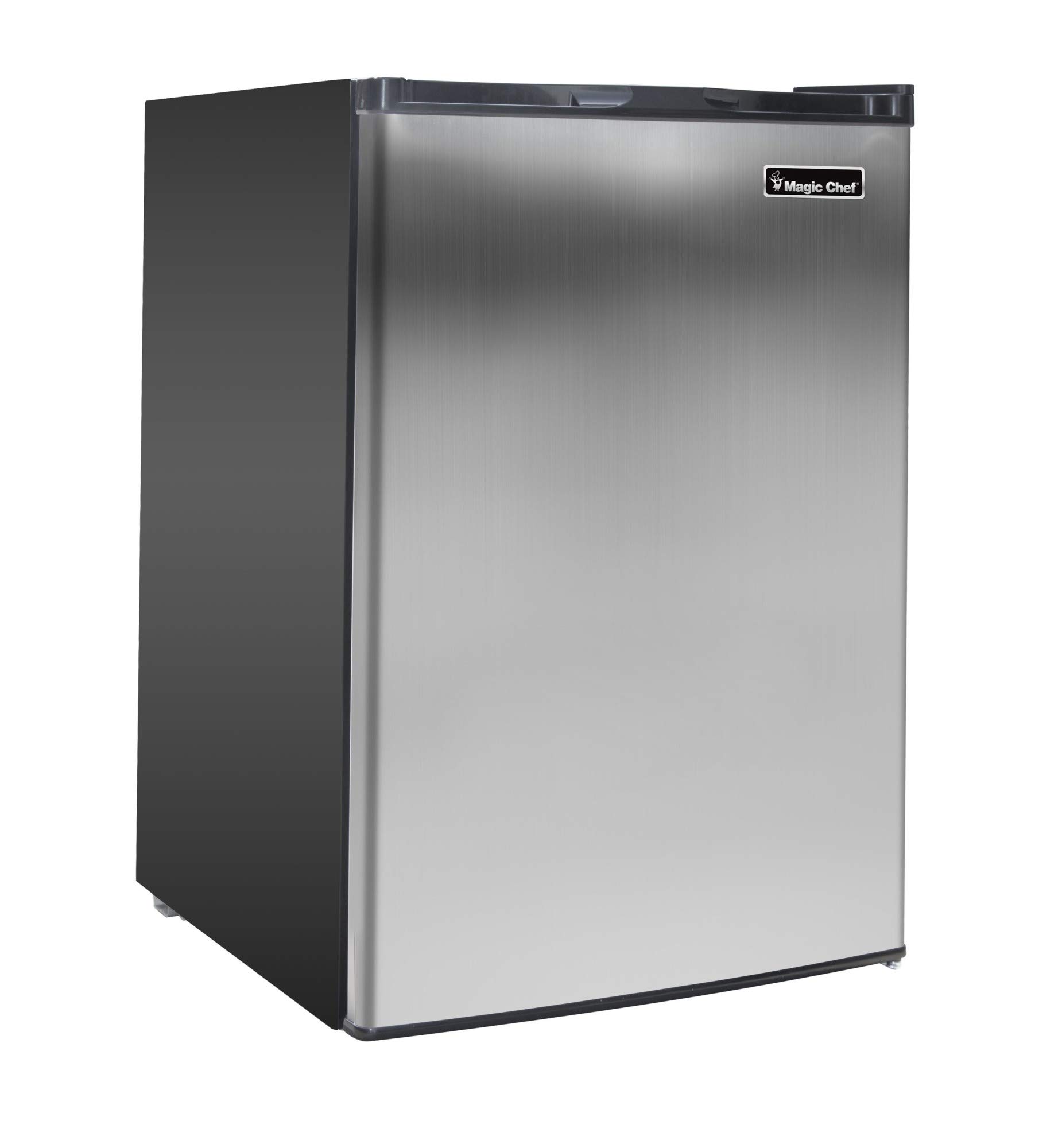
On the other hand, undercounter freezers offer a sleek and space-saving solution that integrates seamlessly into your kitchen or bar area. These appliances are built to fit snugly beneath countertops, providing easy access to frozen goods while maintaining a low profile. The design and features of undercounter freezers focus on convenience and aesthetics, ensuring they blend into your interior without disrupting the flow of your design scheme.
As you contemplate which freezer type might suit you best, consider the following:
Space: How much room do you have available? Do you prefer a discreet storage solution or can you accommodate a larger unit outdoors?
Accessibility: Would you like your frozen items within arm's reach, or is it acceptable to step outside?
Design: Are you looking for an appliance that complements your home's aesthetic, or is functionality your primary concern?
Purpose: What do you intend to store? Is it for everyday use, entertainment purposes, or long-term storage?
By assessing these factors, you'll be better equipped to choose between an outdoor freezer and an undercounter freezer. Each has its place in the world of cold storage, and your personal circumstances will dictate the most suitable option.
As you consider expanding your food storage solutions, it's essential to comprehend the purpose and design elements of an outdoor freezer. These robust units are designed to withstand external environmental conditions, providing you with additional freezer space that doesn't compromise your indoor living areas.
Purpose and Functionality of an Outdoor Freezer
An outdoor freezer serves as an extension to your food preservation capabilities, ideally suited for homeowners with limited indoor space or those who entertain frequently and require extra storage for food and beverages. This type of freezer is engineered to endure the elements, offering a reliable and convenient solution for storing bulk items, frozen goods, and additional supplies that may not fit in your primary refrigerator.
Whether you're a culinary enthusiast with a penchant for bulk shopping or someone who enjoys hosting barbecues and outdoor gatherings, an outdoor freezer ensures that you have everything you need at your fingertips. For alternative storage ideas that complement an outdoor freezer, you might find Fridge.com comparison between built in wine cooler vs. outdoor refrigerator insightful.
Design and Features of Outdoor Freezers
Outdoor freezers are constructed with durability in mind, featuring weather-resistant exteriors and reinforced insulation to maintain consistent internal temperatures. Here are some key characteristics that differentiate outdoor freezers:
Weatherproof Materials: High-quality materials prevent rust and withstand temperature fluctuations.
Insulation: Enhanced insulation ensures efficiency in extreme weather conditions.
Locking Mechanisms: Secure locks protect contents from wildlife and unauthorized access.
Size and Capacity: Outdoor freezers come in various sizes, tailored to fit your space and storage needs.
Feature
Benefit
Weatherproof construction
Ensures longevity and reliability
Enhanced insulation
Optimizes temperature regulation
Locks
Provides security and safety
Size options
Accommodates different space and storage requirements
An outdoor freezer is more than just a place to store extra groceries; it's a versatile addition to your living space, offering convenience and peace of mind. As you ponder on the freezer that best fits your lifestyle, remember to evaluate your space, the climatic conditions in your area, and the type of items you plan to store.
Purpose and Functionality of an Undercounter Freezer
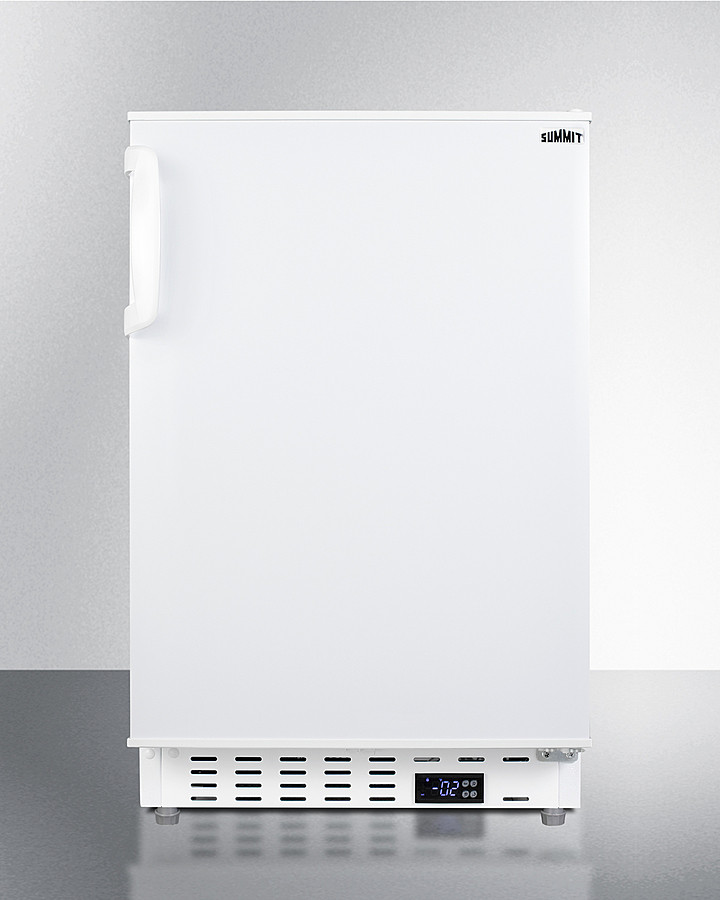
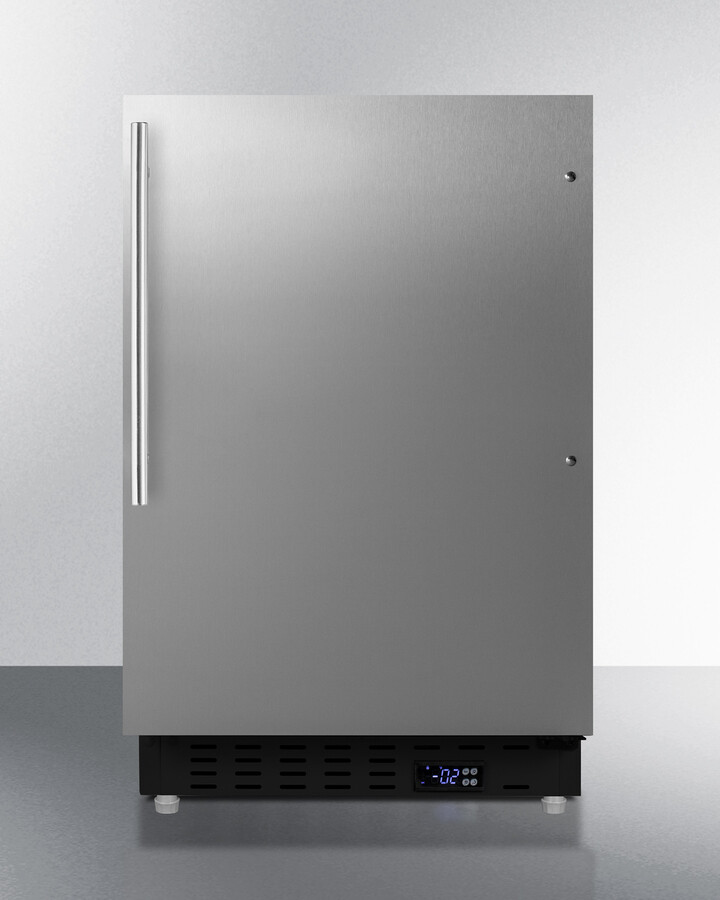
An undercounter freezer is designed to fit seamlessly into your kitchen layout, providing additional freezing capacity without occupying valuable floor space. Ideal for homes, apartments, or offices where space is at a premium, undercounter freezers offer a convenient solution for expanding your food storage capabilities. They are particularly useful for storing frozen goods within easy reach, whether you're a culinary enthusiast or simply looking to manage your household more efficiently.
These freezers typically come with front ventilation to prevent overheating and allow for built-in installation. Their compact size does not compromise their functionality; many models are equipped with the same features as their full-sized counterparts, such as adjustable temperature controls and frost-free operation.
Design and Features of Undercounter Freezers
Undercounter freezers are characterized by their streamlined design, which allows them to blend into the cabinetry. They come in a variety of finishes and styles to complement your kitchen's decor.
Feature
Benefit
Front Ventilation
Enables built-in installation without overheating
Adjustable Shelving
Maximizes storage space and organization
Frost-Free Technology
Reduces the need for manual defrosting
Digital Thermostat
Allows precise temperature control
Reversible Door
Offers versatility in door swing direction
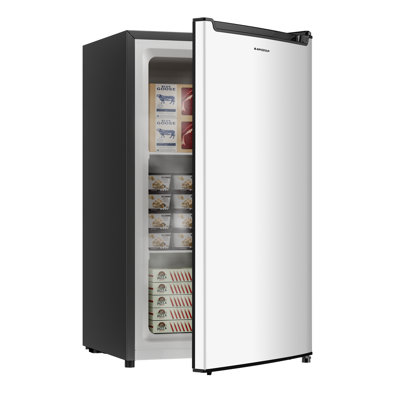
When considering an undercounter freezer, it's important to assess the interior layout to ensure it meets your storage needs. Some models offer drawer systems for easy organization, while others may include door bins for additional storage options. For those interested in energy savings or specific design features, you may want to explore various comparisons, such as undercounter freezer vs. upright refrigerator or freestanding drawer refrigerator vs. undercounter freezer.
The integration of an undercounter freezer into your home is not only a space-saving move but also an enhancement to your kitchen's functionality. With thoughtful consideration of the design and features that align with your lifestyle, an undercounter freezer can be an excellent addition to your appliance repertoire.
When assessing whether to opt for an outdoor freezer or an undercounter freezer, the location within your living or working space plays a significant role. Each type has its own set of benefits that may align better with your lifestyle or the layout of your home or office.
Benefits of Placing a Freezer Outdoors
Placing a freezer outdoors offers several advantages, particularly when space is limited inside your home or if you require additional storage separate from your primary freezer. Here are some benefits to consider:
Maximized Space: An outdoor freezer can free up valuable space inside your home, making it ideal for those living in apartments or smaller houses.
Convenience for Entertainment: For those who enjoy hosting barbecues or other outdoor events, having a freezer easily accessible can be incredibly convenient.
Bulk Storage: Outdoor freezers are often used for bulk storage, which can be particularly beneficial for large families or those who like to buy in bulk to save on costs.
However, one should be mindful of weather conditions and ensure that the chosen freezer is designed to withstand the elements. For insights into the best practices for outdoor appliance use, consider reading Fridge.com comparison of a built in wine cooler vs. outdoor refrigerator.
Advantages of Having an Undercounter Freezer
An undercounter freezer is designed to fit seamlessly into your kitchen layout, providing a number of benefits:
Space Efficiency: These freezers are tucked away under the counter, saving floor space and maintaining the aesthetic flow of your kitchen.
Ease of Access: With an undercounter position, the contents of your freezer are easily reachable without having to bend or stretch.
Design Integration: Undercounter freezers often come in a variety of finishes that can complement your existing cabinetry and appliances.
Choosing an undercounter freezer is a smart move for those who prioritize a clutter-free environment and prefer their appliances to blend into the kitchen design. For a more in-depth look at how these freezers compare to other space-saving options, explore our analysis of countertop freezer vs. see through refrigerator.
By considering these location-based benefits, you can make an informed decision on whether an outdoor freezer or an undercounter freezer better suits your needs. Factor in aspects such as capacity, convenience, design, and the specifics of your living space before making your choice.
When selecting a freezer, whether it's an outdoor or undercounter model, usage and convenience are significant factors to consider. How you plan to access your freezer and what you need to store will greatly influence your choice.
Access and Storage Capacity of Outdoor Freezers
Outdoor freezers are ideal for those who require extra space that an indoor freezer cannot provide. These units are often larger, providing ample storage capacity for bulk goods or large items.
Feature
Outdoor Freezer
Average Capacity (Cubic Feet)
10 - 25
Access Type
Top opening lid or front opening door
Typical Location
Garage, patio, or covered outdoor area
Outdoor freezers allow for easy organization with removable baskets and compartments, making it simple to store and retrieve your frozen goods. However, consider the distance you must travel to access your freezer, especially during inclement weather. Accessibility should be balanced with the convenience of having a large storage capacity. For more on the benefits of different freezer types, explore the comparison between countertop freezer vs. outdoor freezer.
Accessibility and Space Utilization of Undercounter Freezers
Undercounter freezers offer the convenience of integrating with your kitchen layout, providing easy access to frozen items without taking up additional floor space.
Feature
Undercounter Freezer
Average Capacity (Cubic Feet)
3 - 5
Access Type
Front opening door
Installation
Built-in or freestanding under kitchen counters
These units are a perfect solution for smaller living spaces, such as apartments or condos, where optimizing every square foot is crucial. The undercounter design also allows for seamless aesthetics in your kitchen, as many models can be customized to match cabinetry. Take a look at the differences between undercounter freezer vs. upright refrigerator for further insight into space utilization.
The decision between an outdoor freezer and an undercounter freezer largely depends on your specific needs for storage capacity and accessibility. Both options have their own set of advantages that can cater to your lifestyle, whether you're a chef needing quick access to ingredients or a family requiring bulk storage for cost-effective meal planning. Consider your daily routine and the layout of your living space to determine the best fit for your freezing needs.
Durability and Maintenance
When choosing between an outdoor freezer and an undercounter freezer, durability and maintenance are key factors that can influence your decision. Both types of freezers are designed to withstand different environments and usage patterns, and each requires specific care to ensure longevity and optimal performance.
Weather Resistance of Outdoor Freezers
Outdoor freezers are engineered to endure the elements, making them a robust choice for exterior spaces. They come with weather-resistant features that protect against extreme temperatures, humidity, and even rain or snow. The materials used for the outer shell are typically rust-proof and UV-resistant to prevent deterioration over time.
Feature
Benefit
Insulation
Maintains temperature in fluctuating weather
Exterior Coating
Prevents rust and sun damage
Sealed Components
Protects electrical parts from moisture
To maintain your outdoor freezer, regular checks are advisable to ensure the seals remain intact and the exterior is free from potential corrosive agents. The location of your freezer outdoors should also be considered to shield it from direct sunlight or standing water. For more insights on outdoor refrigeration, you might find Fridge.com comparison on built in wine cooler vs. outdoor refrigerator useful.
Cleaning and Upkeep of Undercounter Freezers
Undercounter freezers, designed for indoor use, typically require less rigorous maintenance than their outdoor counterparts. However, they still demand regular cleaning to prevent the buildup of ice and to ensure hygienic storage of food items. Many undercounter freezers come with an automatic defrost feature, which reduces the need for manual defrosting.
Task
Frequency
Wiping Interior Surfaces
Monthly
Vacuuming the Condenser Coils
Bi-annually
Checking Door Seals
Annually
Cleaning your undercounter freezer involves wiping down the interior with a mild detergent and warm water. It's also important to vacuum the condenser coils to remove dust that can hinder efficiency. Checking the door seals can prevent cold air from escaping, which ensures your freezer runs optimally. For comparisons with other indoor refrigeration options, explore Fridge.com article on counter depth refrigerator vs. shallow depth refrigerator.
In conclusion, whether you're leaning towards an outdoor freezer with its robust weather resistance or an undercounter freezer with simpler upkeep, both will serve distinct purposes and environments. Careful consideration of your lifestyle and where the freezer will be located should guide your choice. Regular maintenance will extend the life of either freezer type and guarantee that your investment remains a valuable part of your home for years to come. For additional comparisons and insights into refrigeration solutions, consider reading about undercounter freezer vs. upright refrigerator.
When comparing an outdoor freezer to an undercounter freezer, energy efficiency is a critical factor that impacts not only your utility bills but also your environmental footprint. While both types of freezers serve the purpose of preserving food at cold temperatures, their energy consumption patterns can differ significantly due to design, insulation, and usage.
Energy Consumption of Outdoor Freezers
Outdoor freezers are designed to withstand fluctuating temperatures and weather conditions. This means they often come with robust insulation and weatherproofing features to maintain a consistent internal temperature, despite external elements.
However, because outdoor freezers need to combat extreme temperatures, especially during hot summers or cold winters, they may consume more energy than their indoor counterparts. You'll want to look for models that are specifically designed for energy efficiency and are certified by recognized standards, such as ENERGY STAR.
Here's a table to illustrate potential energy consumption based on average outdoor temperatures:
Average Outdoor Temperature (°F)
Estimated Energy Consumption (kWh/year)
< 32
400 - 500
32 - 50
500 - 600
50 - 70
600 - 700
> 70
700 - 800
To better understand the nuances of energy consumption for outdoor appliances, you might be interested in comparing an outdoor freezer to a countertop freezer or exploring the differences between a built in wine cooler and an outdoor refrigerator.
Energy Efficiency of Undercounter Freezers
Undercounter freezers are designed to fit seamlessly into your kitchen layout, often beneath countertops. They are typically subject to more stable indoor temperatures and, as a result, do not require as much energy to maintain their freezing capabilities.
Most undercounter freezers are built with energy efficiency in mind, to align with household energy-saving goals and to reduce operational costs. Here's a table to give you an idea of the energy consumption you can expect from undercounter freezers:
Undercounter Freezer Size (cubic ft.)
Estimated Energy Consumption (kWh/year)
2 - 3
200 - 300
3 - 5
300 - 400
5 - 7
400 - 500
For more comparisons that can help you make an informed decision, consider reading about undercounter freezer vs. upright refrigerator or exploring the differences between fridge freezer combo vs. undercounter refrigerator.
In conclusion, while both outdoor and undercounter freezers serve essential food storage functions, their energy efficiency will vary based on the environment in which they operate and the specific design features they offer. When selecting a freezer, you should consider the location, usage patterns, and energy ratings to make a choice that best suits your needs and values.
Noise Levels
When choosing between an outdoor freezer and an undercounter freezer, noise levels are an important consideration, especially if you're sensitive to sound or plan to place the freezer in a quiet environment.
Noise Considerations for Outdoor Freezers
Outdoor freezers are designed to withstand the elements, and as such, they typically have more robust insulation and components that may contribute to a higher noise level compared to indoor models. However, since these units are located outside, the noise they produce is often less of a concern.
Factors Affecting Noise Level
Description
Compressor Type
Larger, more powerful compressors may produce more noise.
Insulation
Thicker insulation can help reduce noise.
Surrounding Environment
Outdoor ambient noise may mask the sound of the freezer.
While the sound of the compressor and fan may be noticeable when you are near the outdoor freezer, it is generally not disruptive to your indoor living space. If noise is a concern for your outdoor space, consider placement options that are away from common gathering areas. You might also compare different outdoor freezer models and their decibel ratings to find a quieter option.
Noise Output of Undercounter Freezers
Undercounter freezers are designed to integrate seamlessly into your kitchen or indoor space. As such, manufacturers often prioritize designing these units to operate as quietly as possible to avoid disrupting the tranquility of your home environment.
Factors Affecting Noise Level
Description
Compressor and Fan Design
Advanced designs aim for quiet operation.
Build Quality
Higher build quality can lead to reduced noise.
Vibration Dampening
Features that minimize vibrations can reduce noise output.
The noise output of undercounter freezers is an important factor if you're placing the unit in an area where silence is golden, such as near a home office or in an open-plan living space. You'll want to look for models that highlight quiet operation as a key feature. Additionally, be sure to check the decibel level specifications and compare them across different models to ensure you select a freezer that won't disrupt your daily life.
For insights on how to choose the right freezer and other related comparisons that factor in noise levels, explore Fridge.com articles on undercounter freezer vs. upright refrigerator and freestanding drawer refrigerator vs. undercounter freezer. These resources can help you make an informed decision based on your specific needs and space constraints, ensuring that your new freezer fits perfectly into your lifestyle—both in function and sound.
Compare prices on Fridge.com
Compare current prices and specifications on Fridge.com, then buy from the retailer you choose; delivery, installation and warranty terms are the retailer’s.
It also has tons of awesome articles about kitchen stuff and home news. Enhance your home, garage, backyard, patio, and office with the coolest essentials. With every necessary type of residentialrefrigeratoror freezer in the collection, you're covered.
From Fridge.com research
Figures below come from data Fridge.com builds and maintains. Each links to the record behind it.
Fridge.com Energy Index, built on U.S. EPA and DOE ENERGY STAR records
Across 5,455 ENERGY STAR certified refrigerators and freezers from 263 brands, median use is 360 kWh per year.