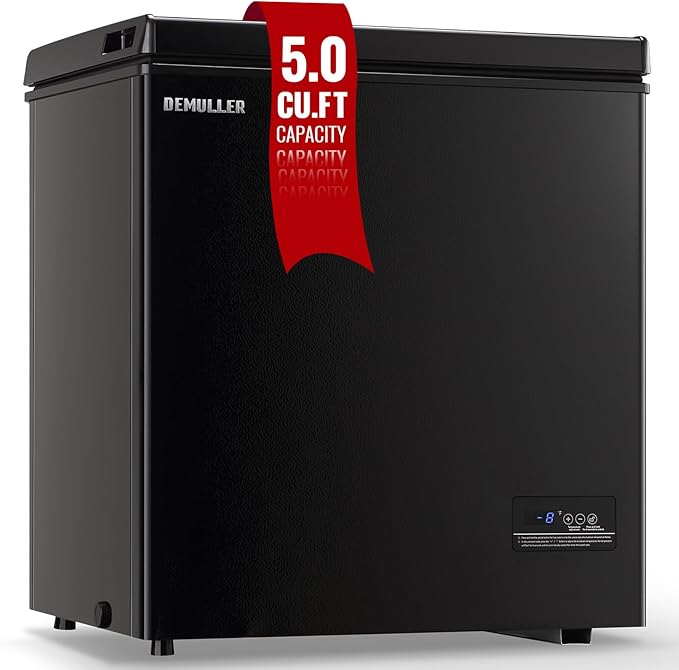
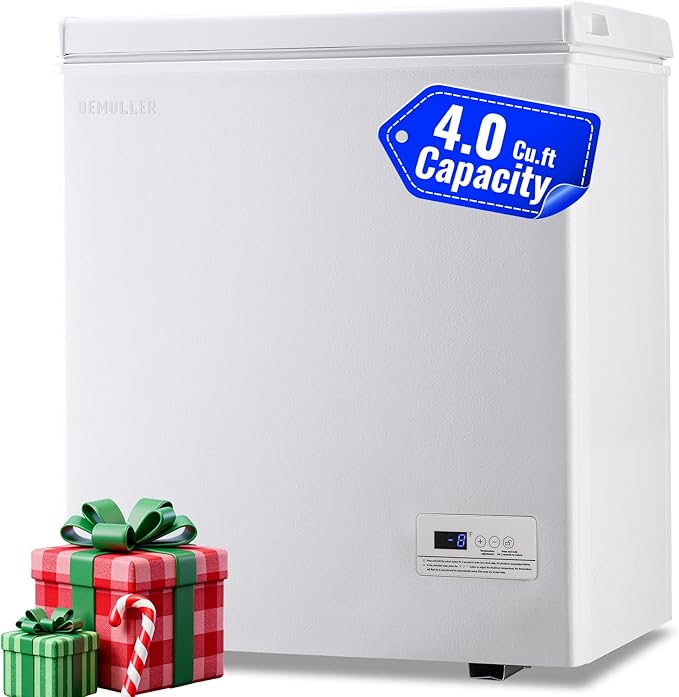
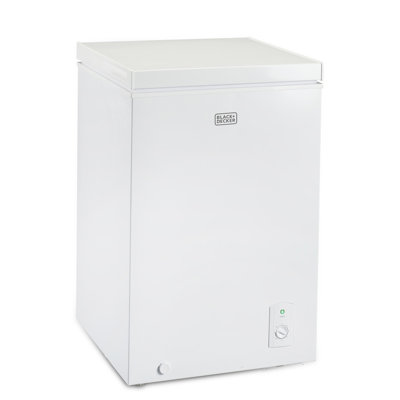
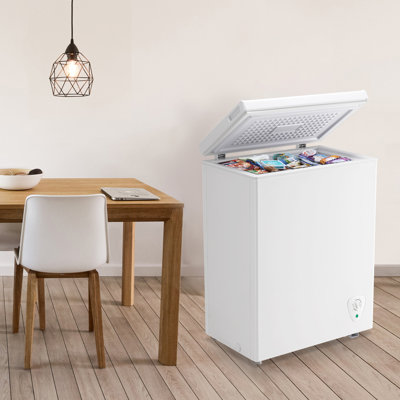
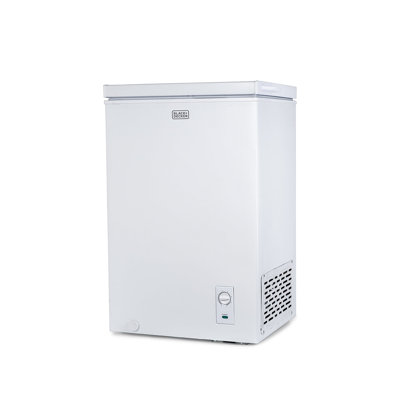
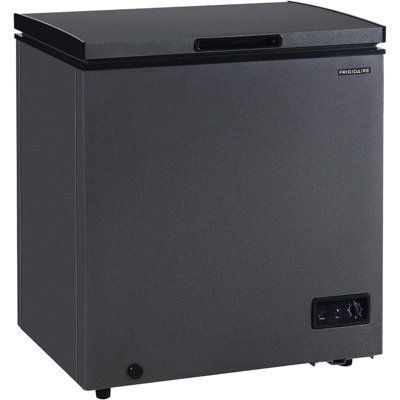
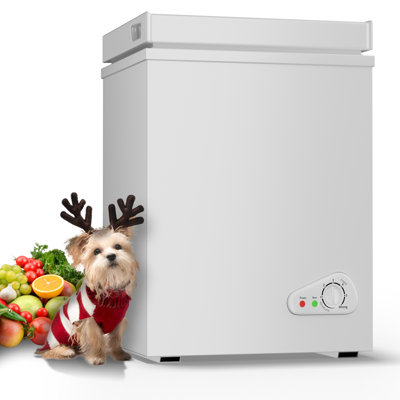
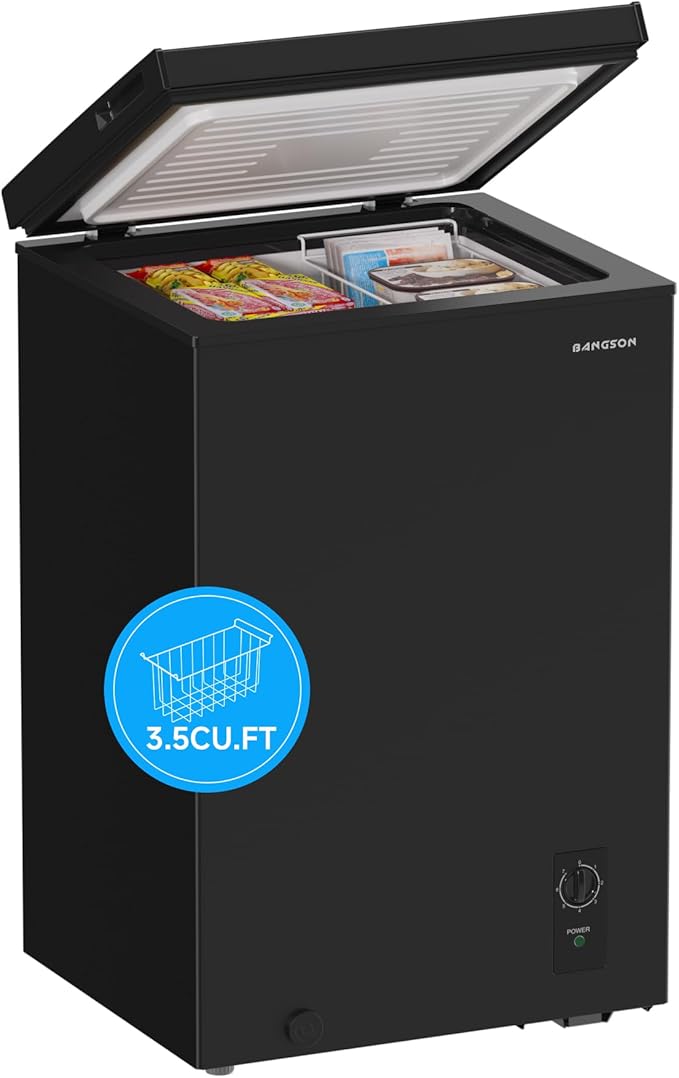
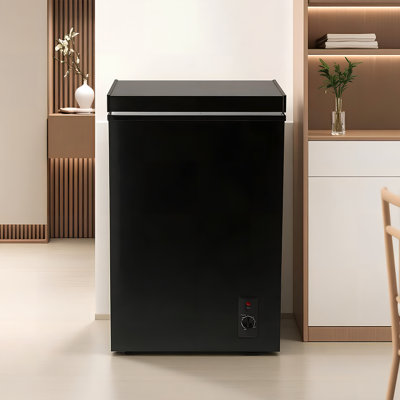
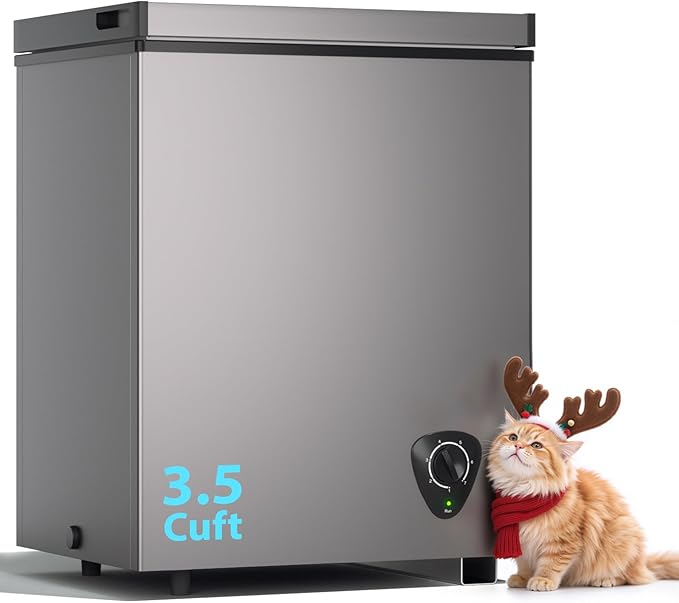
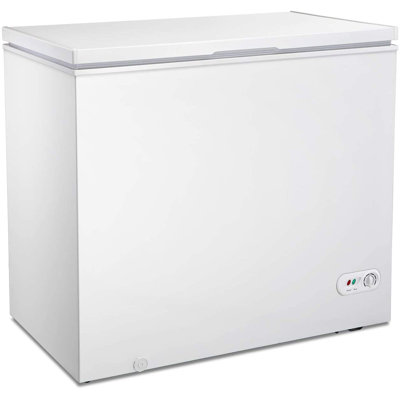
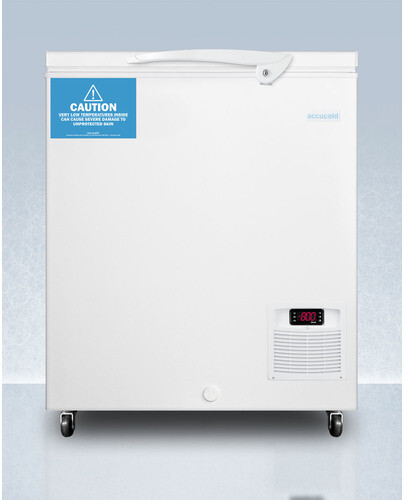
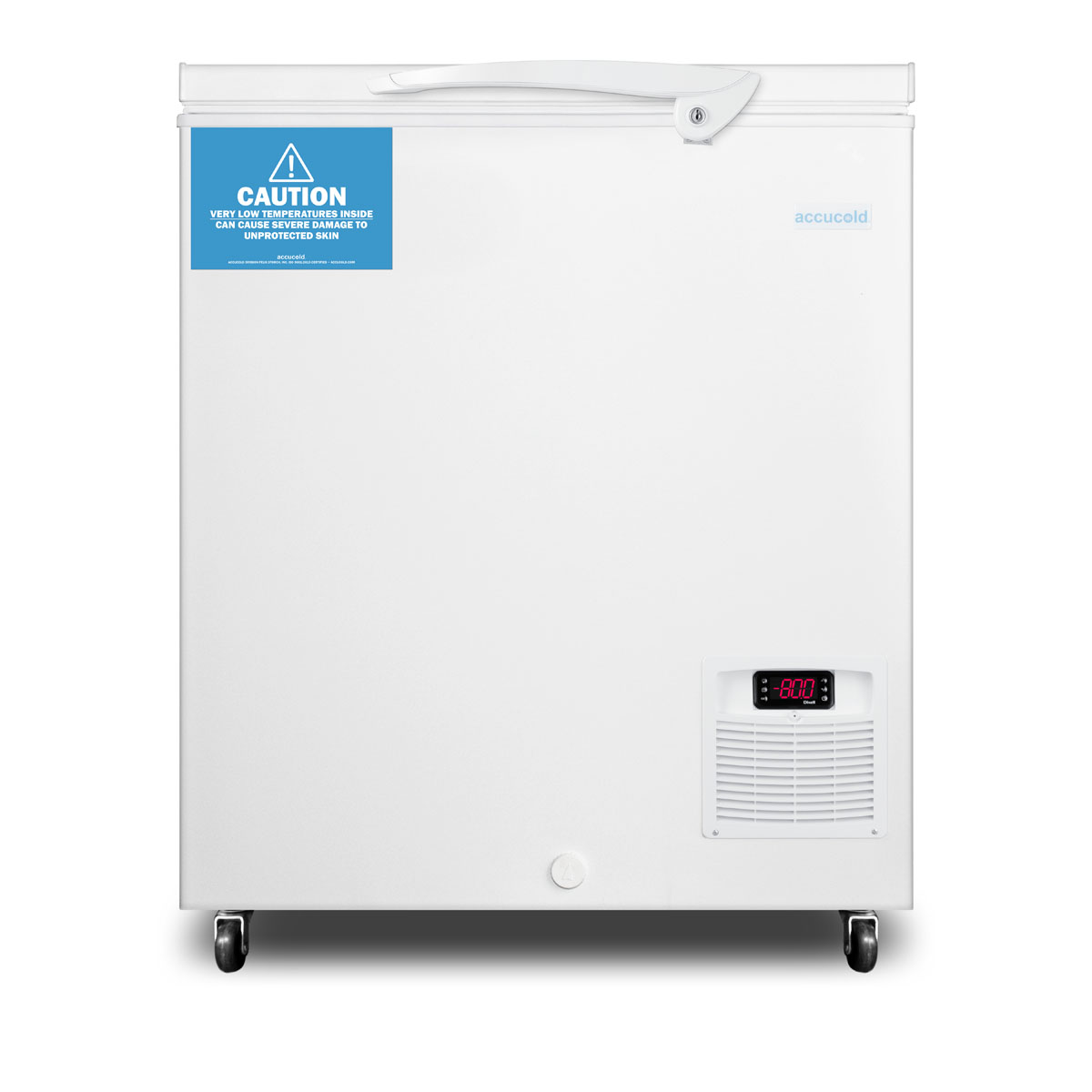
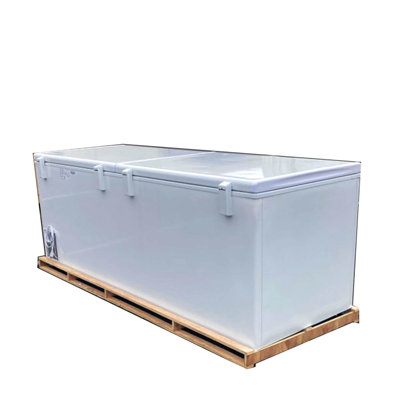
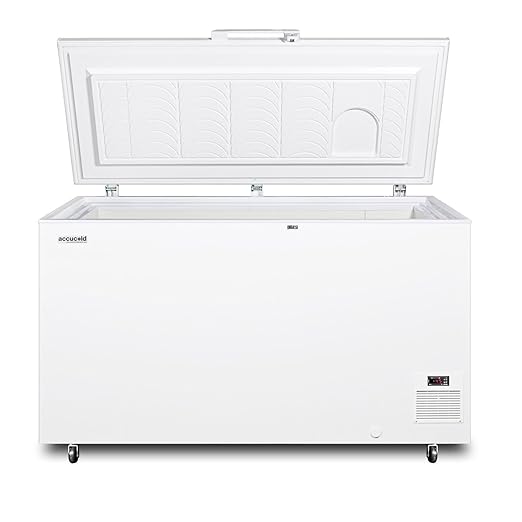
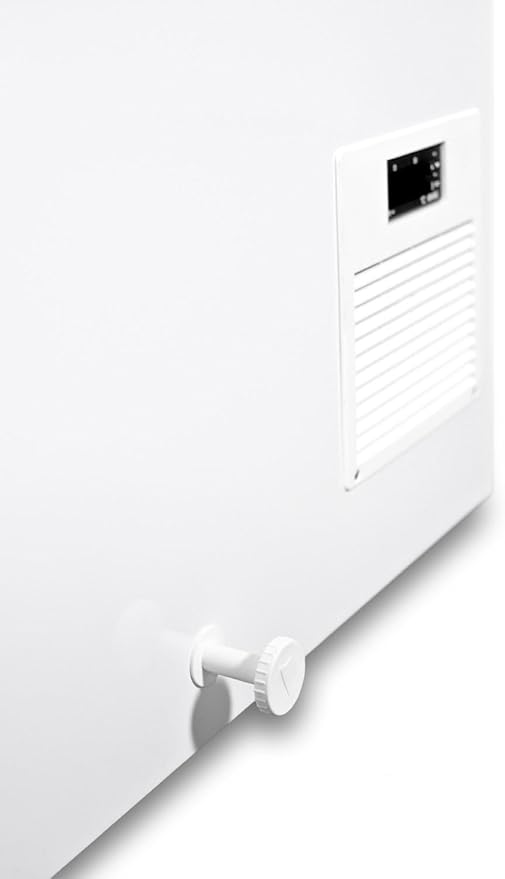
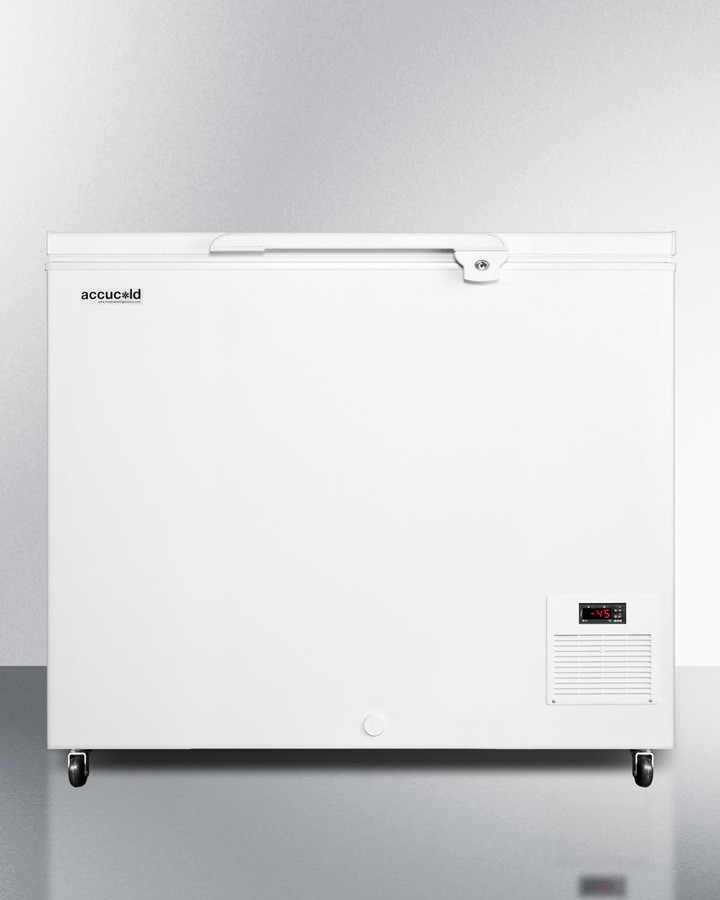
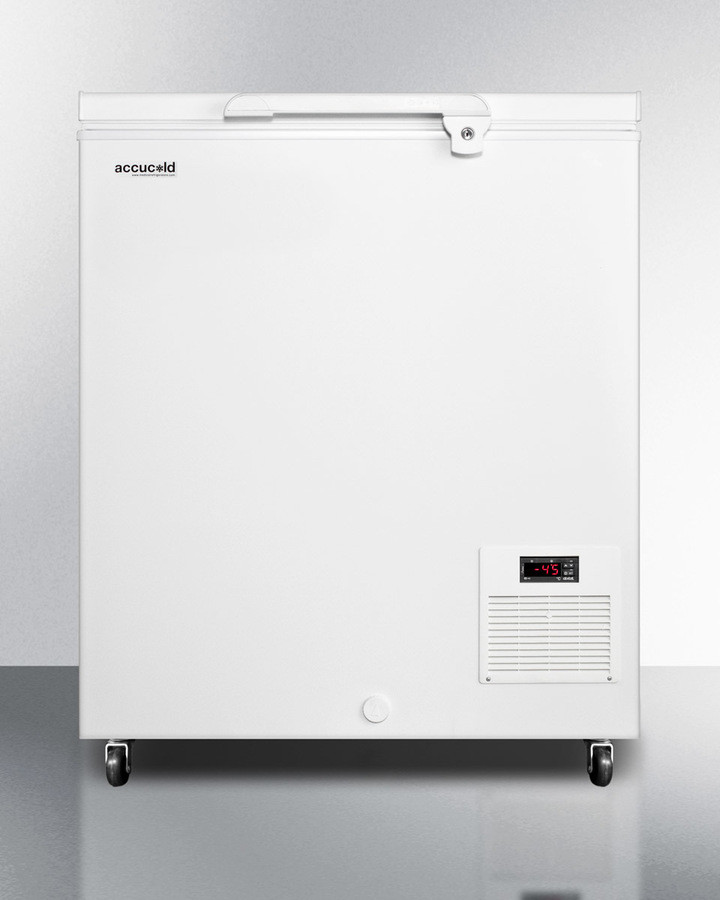
A chest freezer and an outdoor freezer both store frozen food, but they are built for different environments. A standard chest freezer is designed for indoor use — garages, basements, utility rooms, and large pantries where temperature and weather are moderated. An outdoor freezer is built to withstand rain, humidity, temperature extremes, and UV exposure while maintaining reliable frozen storage on a patio, deck, or outdoor kitchen. This guide covers every difference between using a chest freezer in a sheltered space and investing in a purpose-built outdoor unit.
Construction
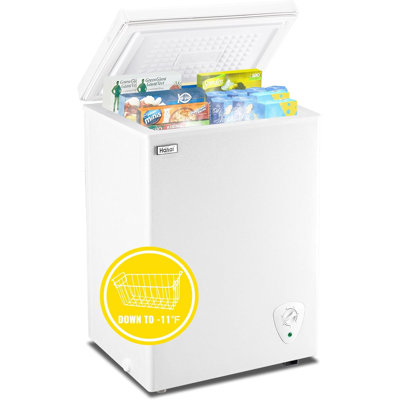
A standard chest freezer uses painted steel or white enamel exteriors, a foam-insulated shell, and a gasket-sealed lid. The materials are durable in climate-controlled environments but not designed for direct weather exposure. Rain causes rust on painted surfaces. Humidity corrodes electrical connections. Temperature extremes force the compressor outside its rated operating range. UV sunlight degrades plastic components and lid seals over time.
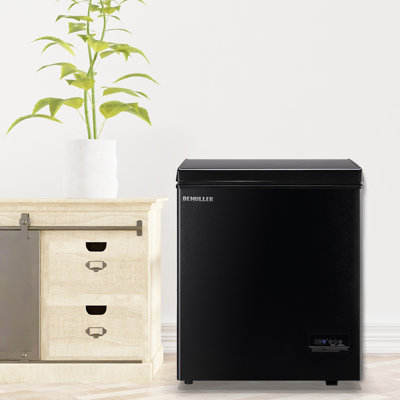
An outdoor freezer uses marine-grade stainless steel or corrosion-resistant coated steel exteriors. Electrical compartments are sealed against moisture intrusion. Compressors are rated for ambient temperatures from 0 to 110 degrees Fahrenheit — far wider than the 55 to 90 degree range of indoor models. Lid gaskets use weatherproof materials that resist UV degradation. Drainage channels route condensation and rainwater away from sensitive components. Every element is upgraded for continuous outdoor exposure.
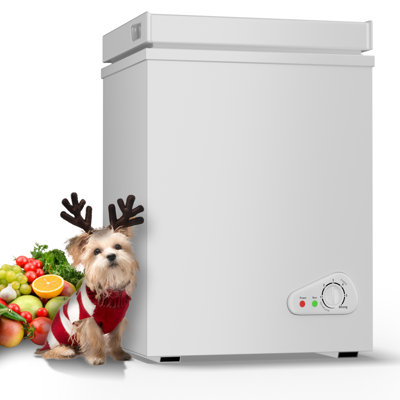
Operating Temperature Range
| Feature | Standard Chest Freezer | Outdoor Freezer |
|---|---|---|
| Ambient Operating Range | 55 - 90°F | 0 - 110°F |
| Interior Target | 0°F | 0°F |
| Performance in 100°F Heat | Struggles — compressor overworks | Designed for it |
| Performance in 20°F Cold | May not cycle — food thaws | Designed for it |
The ambient temperature range is the critical technical difference. A standard chest freezer in a garage that hits 100 degrees in July and drops to 20 degrees in January faces both extremes. In extreme heat, the compressor runs continuously and may fail prematurely. In extreme cold, the thermostat may not trigger the compressor because the ambient temperature is already near or below the freezer's target — but temperature zones within the chest can vary, causing some food to thaw while other areas remain frozen. An outdoor freezer handles both extremes by design.
The Garage Question
Most chest freezers end up in garages. This works well in moderate climates where garage temperatures stay between 55 and 90 degrees year-round. In extreme climates — Phoenix summers hitting 115 degrees in the garage, Minnesota winters dropping to minus 10 — a standard chest freezer is compromised. Garage-ready freezers (a marketing term used by some manufacturers) have wider ambient temperature ratings than standard models but still fall short of true outdoor freezers. If your garage gets extremely hot or cold, check the manufacturer's ambient temperature specification before purchasing.
Capacity
| Type | Small | Medium | Large |
|---|---|---|---|
| Standard Chest Freezer | 3.5 - 7 cu ft | 7 - 15 cu ft | 15 - 25 cu ft |
| Outdoor Freezer (chest style) | 2.5 - 5 cu ft | 5 - 10 cu ft | 10 - 15 cu ft |
| Outdoor Freezer (upright style) | 3 - 5 cu ft | 5 - 8 cu ft | Rare above 8 cu ft |
Standard chest freezers offer larger maximum capacities because they are available in sizes up to 25 cubic feet. Outdoor freezers tend to be smaller — the weatherproof construction, thicker insulation, and wider-range compressor add cost and weight that manufacturers manage by keeping sizes moderate. If you need 15+ cubic feet of frozen storage, a standard chest freezer in a climate-controlled indoor space is the practical choice.
Energy Use
| Type | Annual kWh (moderate climate) | Annual kWh (extreme climate) | Annual Cost |
|---|---|---|---|
| Standard Chest Freezer (7 cu ft) | 150 - 250 kWh | 250 - 400 kWh (if struggling) | $18 - $50 |
| Outdoor Freezer (5 cu ft) | 200 - 350 kWh | 300 - 500 kWh | $25 - $65 |
Outdoor freezers use more energy because they fight harder against ambient conditions. In direct sun on a 100-degree day, the compressor runs nearly continuously. Shade placement and an insulated cover reduce this penalty significantly. A standard chest freezer in a climate-controlled basement uses the least energy of any configuration.
Pricing
| Type | Budget | Mid-Range | Premium |
|---|---|---|---|
| Standard Chest Freezer | $150 - $400 | $400 - $700 | $700 - $900 |
| Outdoor Freezer | $500 - $1,000 | $1,000 - $2,000 | $2,000 - $3,500 |
Outdoor freezers cost 2 to 4 times more than standard chest freezers of similar capacity. The premium covers weatherproof construction, wider-range compressor, sealed electronics, and corrosion-resistant materials. If the unit will genuinely live outdoors with no shelter, the premium is necessary. If you can place the freezer in a garage, shed, or covered area, a standard or garage-ready chest freezer at a lower price may suffice.
Placement Scenarios
A standard chest freezer works in any enclosed, covered space — finished basements, climate-controlled garages, utility rooms, large pantries, and enclosed porches. Temperature should stay between 55 and 90 degrees for reliable operation.

An outdoor freezer works on open patios, uncovered decks, boat docks, outdoor kitchens, pool houses, and any location exposed to weather. It also works in unheated garages, uninsulated sheds, and other semi-outdoor spaces where temperatures swing beyond normal indoor ranges.

Durability and Lifespan
A standard chest freezer lasts 10 to 20 years indoors. Outdoor exposure shortens this to 3 to 5 years due to rust, gasket degradation, and compressor stress.
An outdoor freezer lasts 8 to 15 years in outdoor conditions. The weatherproof construction is built for the elements. In coastal environments with salt air, corrosion may accelerate — annual exterior cleaning and gasket treatment extend life in those conditions.
Noise
Standard chest freezers run at 38 to 44 decibels. Outdoor freezers run at 40 to 50 decibels — the wider-range compressor may be louder during peak cooling in extreme heat. In an outdoor setting, the noise dissipates into ambient sound. Against a house wall, sound can transfer indoors — allow distance between the unit and bedroom or living room windows.
Who Should Buy Which
Buy a standard chest freezer if you have an indoor or sheltered space where temperatures stay moderate. The larger capacity options, lower prices, and excellent energy efficiency make it the best value for household frozen storage.
Buy an outdoor freezer if the unit must live outside — on a patio, in an outdoor kitchen, on a boat, or in an uninsulated structure. The weatherproof construction is not optional for outdoor placement — it is the only way to get reliable frozen storage in exposed conditions.
Shop at Fridge.com
Compare chest freezers and outdoor freezers at Fridge.com. Filter by capacity, ambient temperature rating, construction type, and price to find the right frozen storage for your environment.