When considering your options for keeping food fresh and beverages cold while on the road or out in nature, you have two primary choices: a mobile home refrigerator and a camping cooler. Each option offers unique benefits and features suited to different needs and circumstances.
Mobile Home Refrigerator Options
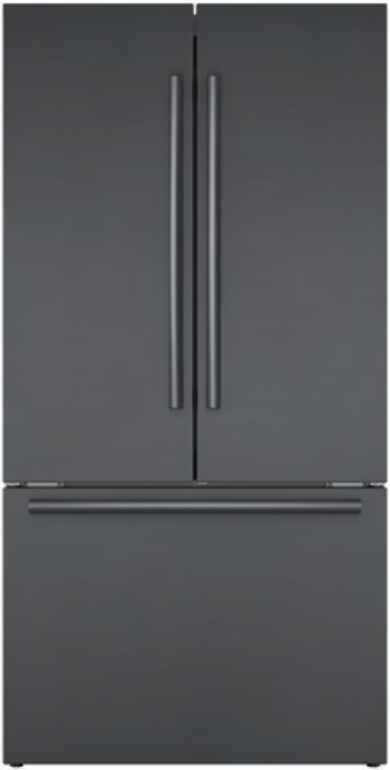
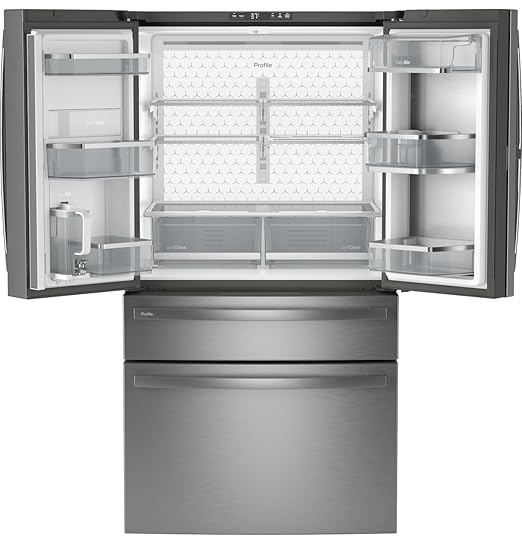
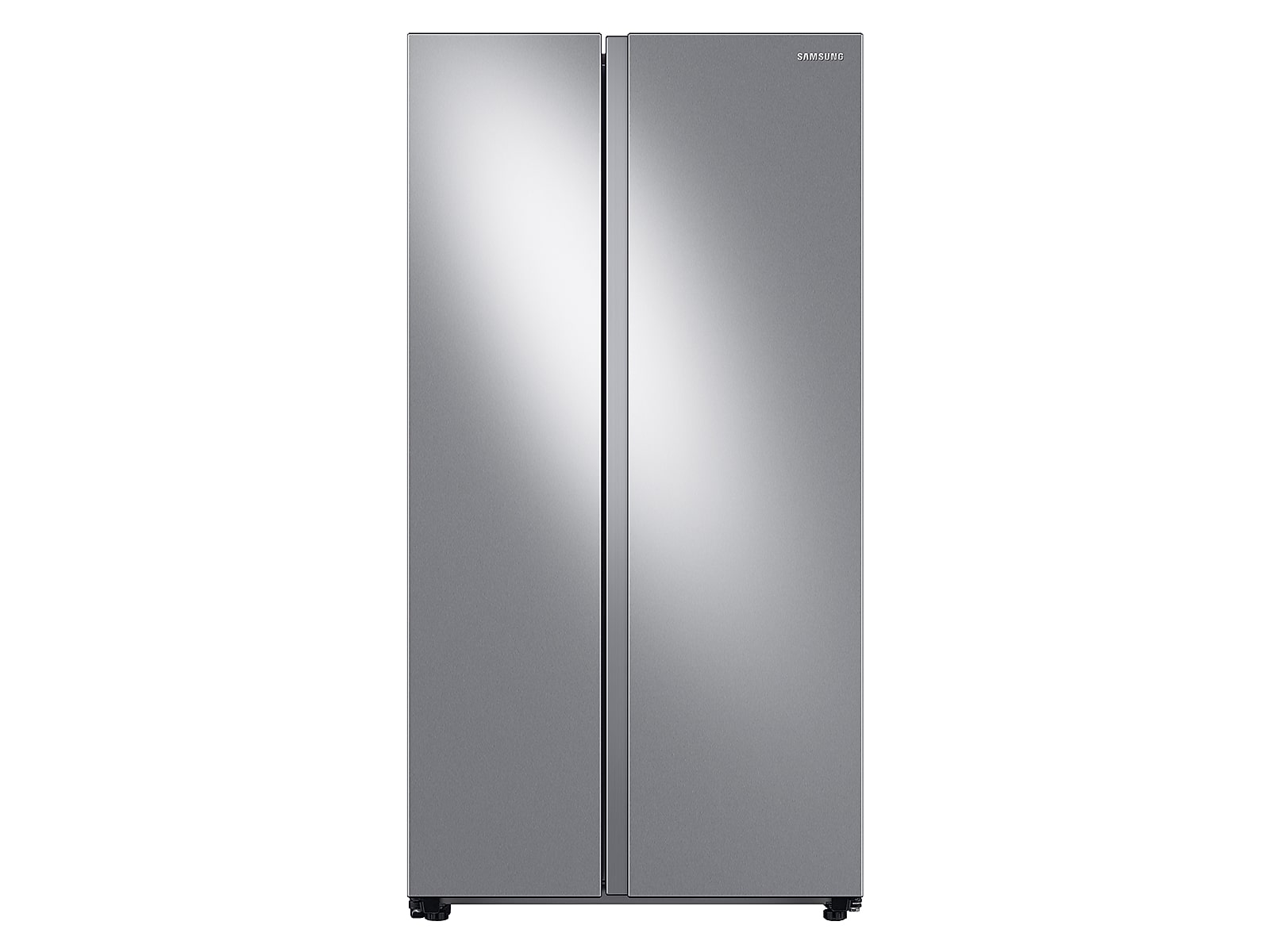
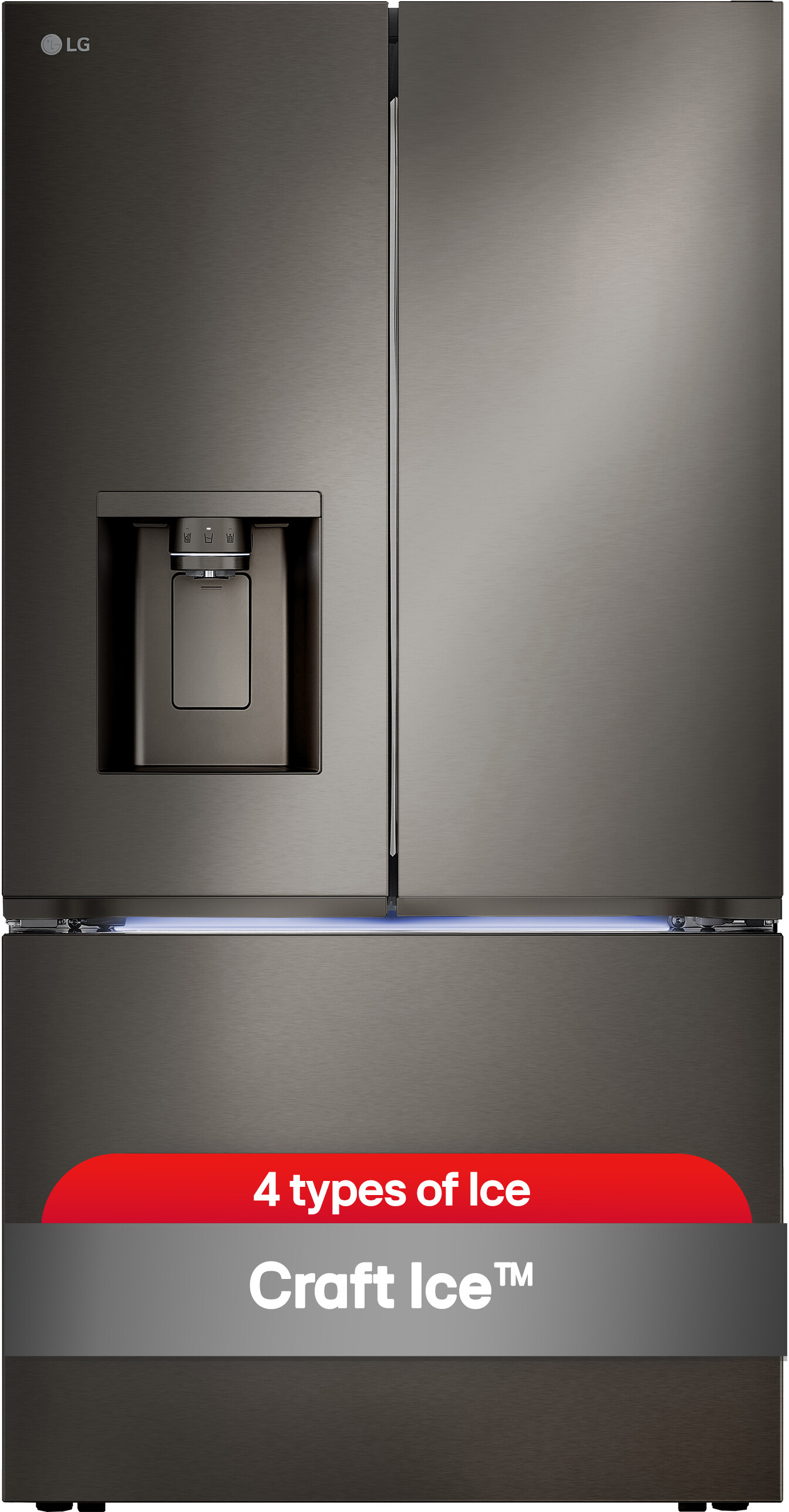
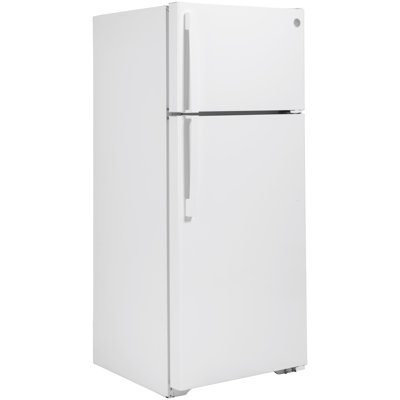
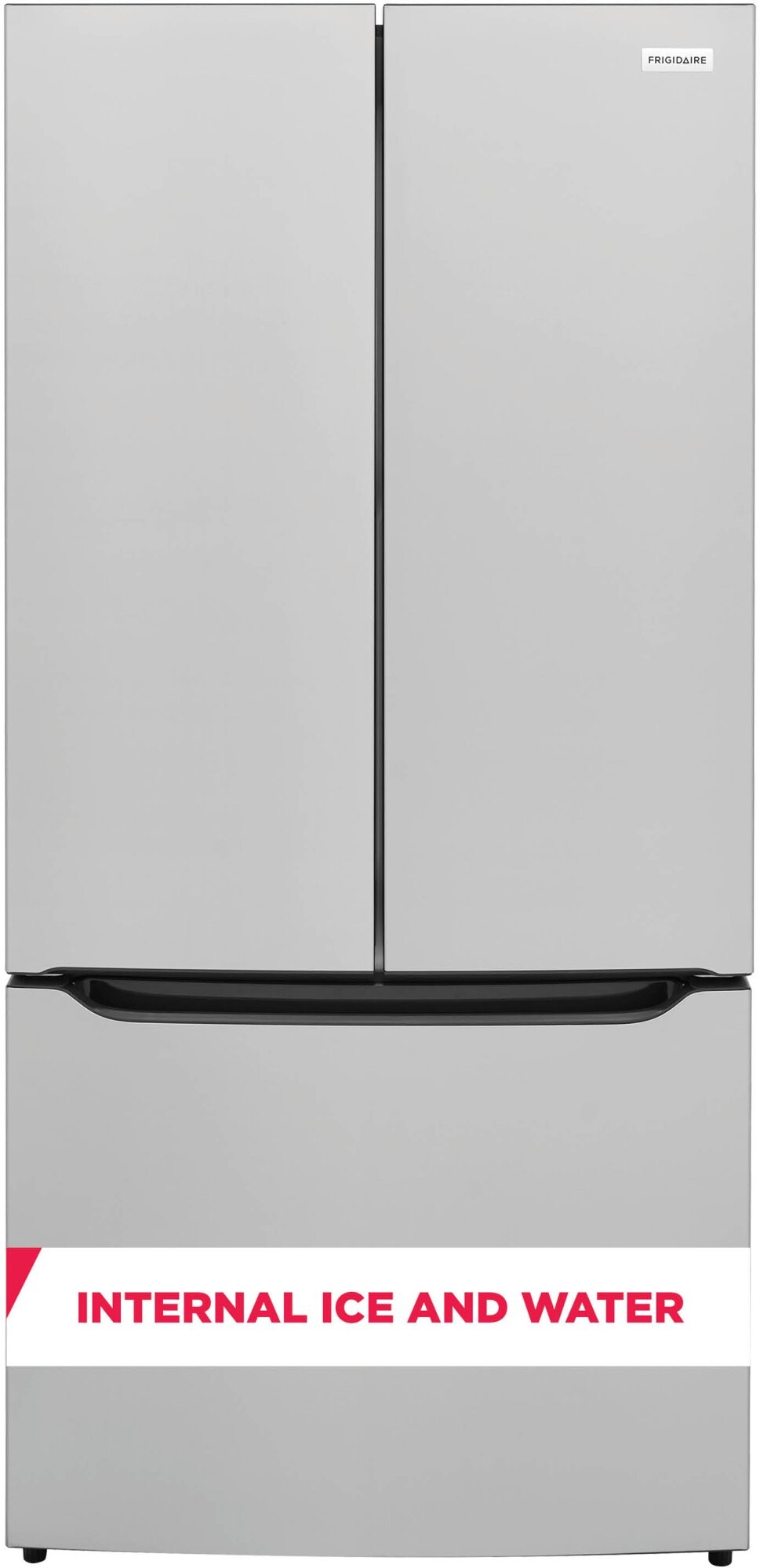
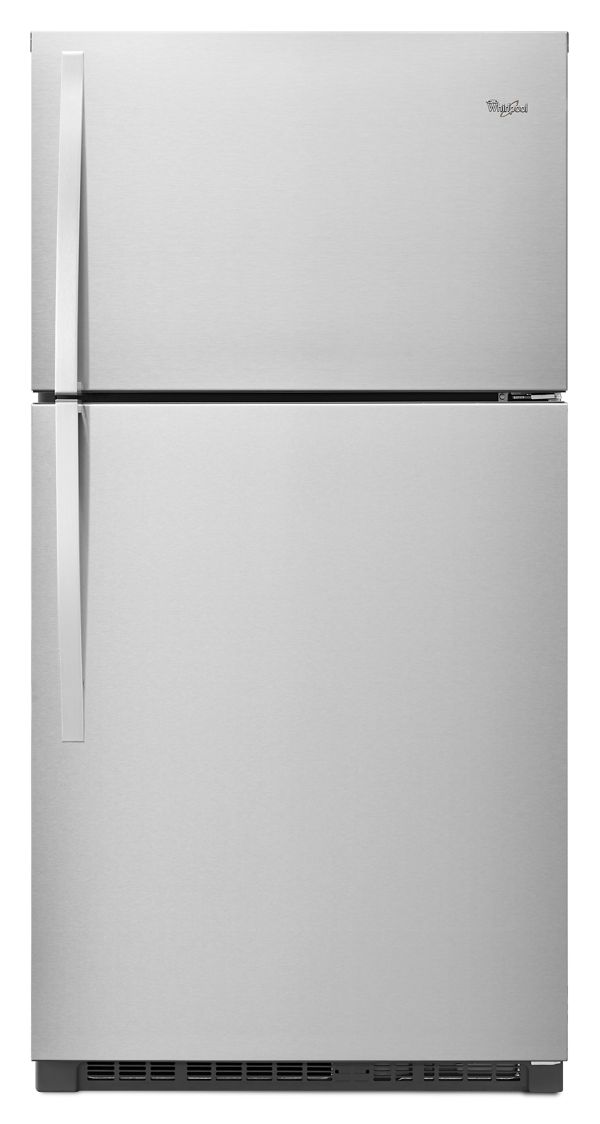
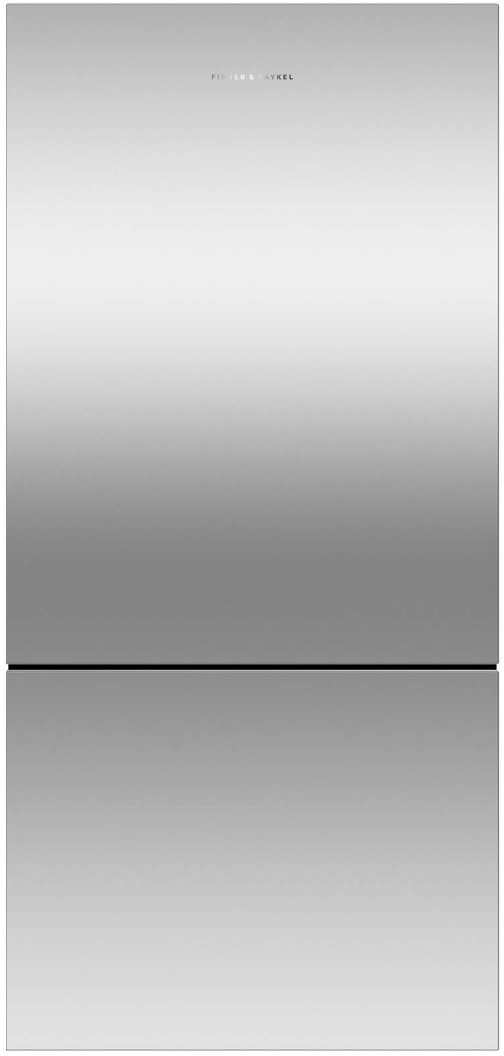
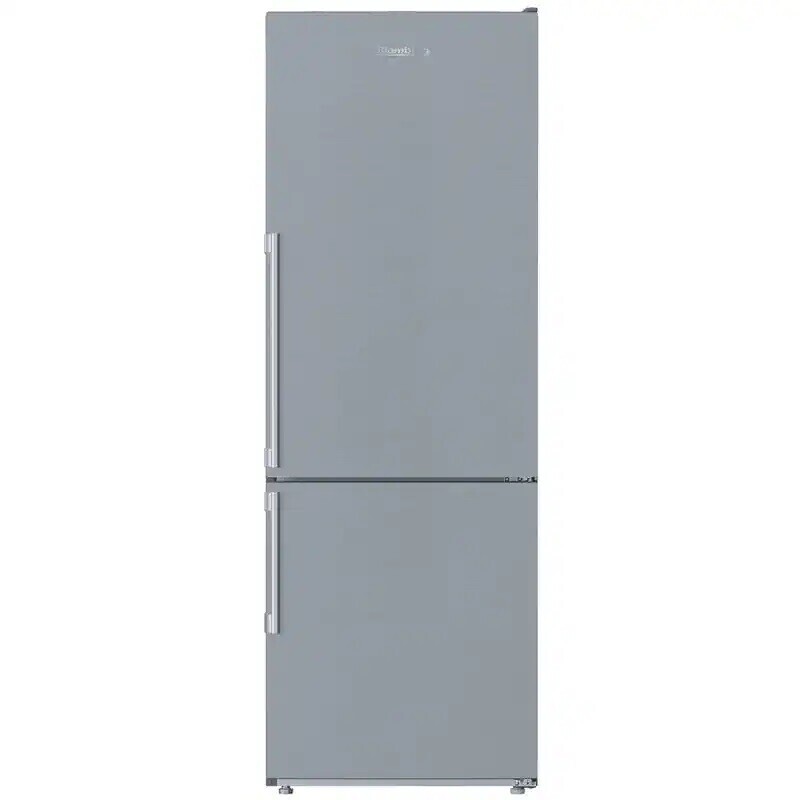
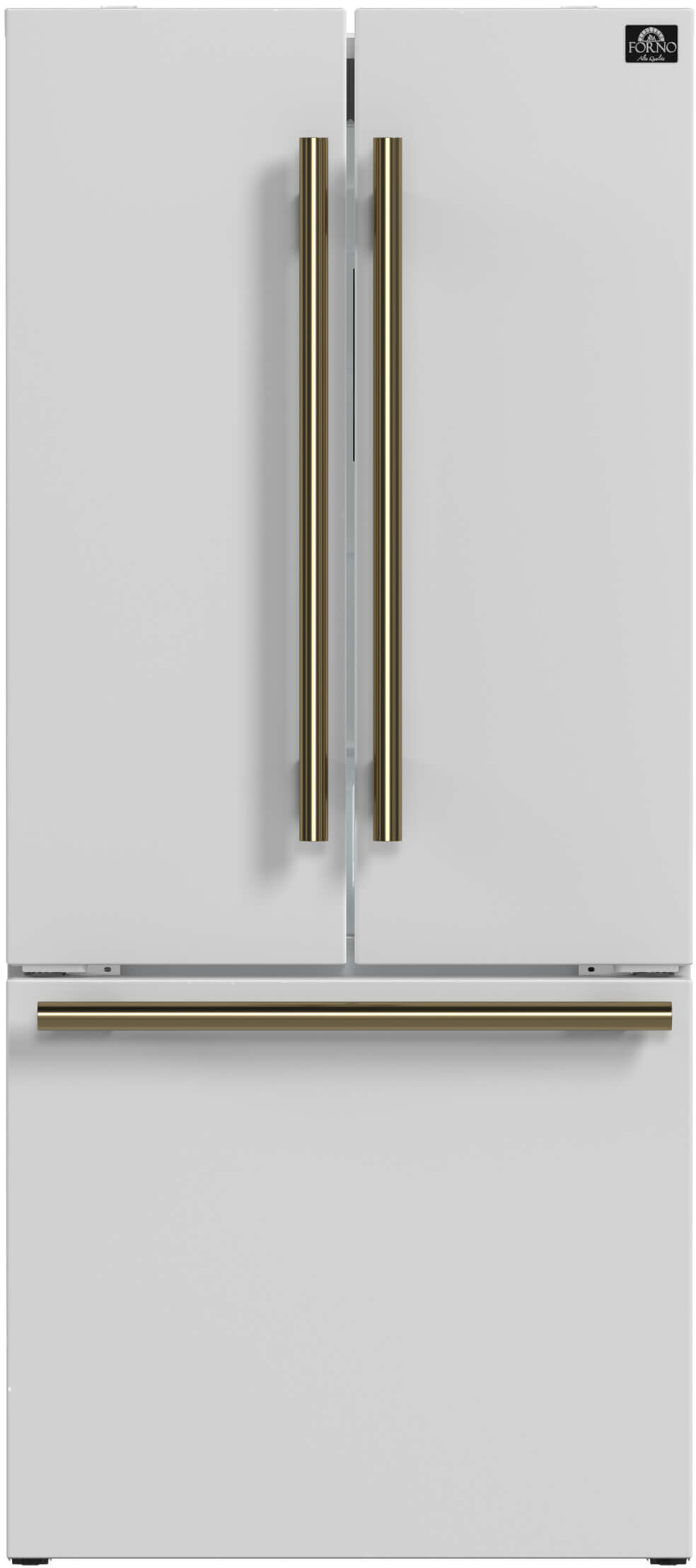
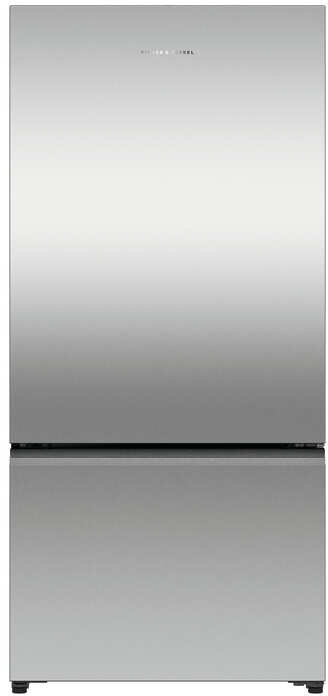
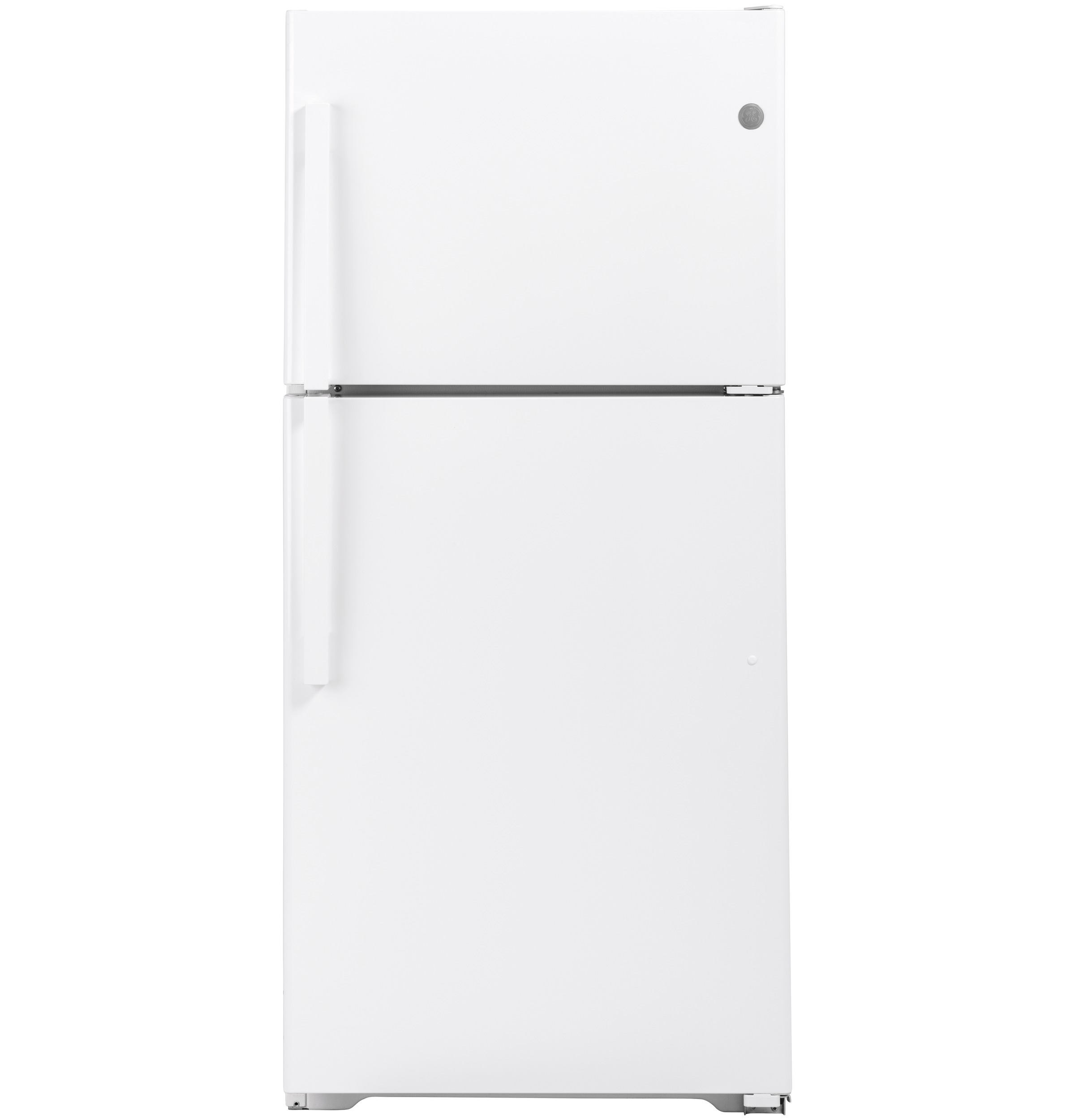
Mobile home refrigerators come in various styles and configurations to meet your specific requirements. They are designed to fit seamlessly into your mobile home setup, offering the convenience of a regular refrigerator while on the move.
Types of Mobile Home Refrigerators
Propane Refrigerators: Ideal for off-grid living as they do not require an electric power source.
Electric Refrigerators: These operate on either AC power or DC power, making them versatile for different power setups.
Dual-Fuel Refrigerators: These models can switch between propane and electric, offering flexibility depending on your power availability.
For a more detailed comparison, check out Fridge.com article on mobile home refrigerator propane Vs. electric.
Features of Mobile Home Refrigerators
Size and Capacity: Mobile home refrigerators come in various sizes, typically ranging from 6 to 12 cubic feet. Refer to Fridge.com guide on mobile home fridge size for more information.
Temperature Control: Advanced models offer precise temperature settings to keep different types of food at optimal conditions.
Installation and Maintenance: While installation can be more complex, requiring secure mounting and ventilation, maintenance is generally straightforward.
Feature
Propane Refrigerator
Electric Refrigerator
Dual-Fuel Refrigerator
Power Source
Propane
AC/DC
Propane/AC/DC
Installation Complexity
Moderate
Low
Moderate
Cost
Moderate
Low
High
Explore more about the various types of mobile home refrigerators in our mobile home refrigerator section.
Cooler Camping Essentials
Cooler camping is a popular option for short-term trips and offers the benefit of portability and ease of use. Coolers come in different types, each designed to keep your food and drinks cold for varying durations.
Types of Coolers
Traditional Ice Coolers: Utilize ice or ice packs to keep contents cold.
Electric Coolers: Plug into a vehicle's power outlet or a portable power source.
High-Performance Coolers: Offer superior insulation and ice retention for extended periods.
Features of Coolers
Ice Retention: The ability of a cooler to keep ice frozen varies significantly. High-performance coolers can retain ice for up to 10 days.
Portability: Coolers are generally lightweight and come with handles or wheels for easy transport.
Durability: High-quality coolers are made from robust materials that can withstand outdoor conditions.
Feature
Traditional Ice Cooler
Electric Cooler
High-Performance Cooler
Ice Retention (Days)
2-5
N/A
5-10
Power Source
None
Electric
None
Portability
High
Moderate
High
Cost
Low
High
Moderate
For a more comprehensive look at cooler options, see Fridge.com article on types of coolers.
By understanding the differences between mobile home refrigerators and cooler camping essentials, you can make an informed decision based on your needs, lifestyle, and preferences. Whether you prioritize convenience, portability, or energy efficiency, there's an option that will suit your camping or travel adventures.
A mobile home refrigerator offers remarkable convenience when it comes to food storage. Unlike coolers, which require frequent ice replenishment, a refrigerator provides consistent cooling, ensuring your food stays fresh for longer periods. With organized compartments and ample space, you can store a variety of food items, beverages, and even leftovers with ease.
Feature
Mobile Home Refrigerator
Cooler
Storage Duration
Long-term
Short-term
Organization
Shelves and compartments
Single compartment
Maintenance
Minimal
High (ice replenishment)
Temperature Control Options
One of the standout features of a mobile home refrigerator is its precise temperature control. You can set and maintain the exact temperature needed for different types of food. This is particularly beneficial for perishable items like dairy, meat, and vegetables. Many refrigerators come with adjustable thermostats, allowing you to customize the cooling settings based on your needs.
Temperature Control
Mobile Home Refrigerator
Cooler
Adjustability
High
Low
Consistency
Stable
Variable
Cooling Range
Wide
Limited to ice temperature
For more information on temperature control options, visit Fridge.com article on mobile home fridge propane Vs. electric.
Versatility for Food Storage
Mobile home refrigerators are incredibly versatile when it comes to food storage. They can accommodate a wide range of items, from fresh produce to frozen meals. Some models even come with separate freezer compartments, allowing you to store frozen goods alongside refrigerated items. This versatility makes meal planning and food preservation much more manageable.
Storage Versatility
Mobile Home Refrigerator
Cooler
Fresh Produce
Yes
Limited
Frozen Goods
Yes (with freezer)
No
Beverages
Yes
Yes
To explore various mobile home refrigerator options, check out Fridge.com article on mobile home refrigerator.
In summary, a mobile home refrigerator offers significant benefits in terms of storage convenience, temperature control, and versatility. Whether you're living in a mobile home or going on an extended trip, having a reliable refrigerator can greatly enhance your overall experience. For more insights, visit Fridge.com comprehensive guide on mobile home refrigerator Vs. cooler camping.
Opting for cooler camping offers several advantages, particularly when compared to using a mobile home refrigerator. Here, Fridge.com will explore the key benefits of cooler camping: portability and mobility, energy efficiency, and suitability for short-term storage.
Portability and Mobility
One of the standout features of cooler camping is its portability. Coolers are designed to be lightweight and easy to transport, making them ideal for various outdoor activities. Whether you're heading to a campsite, beach, or picnic, you can effortlessly take your cooler along. This mobility makes coolers an excellent option for those who enjoy spontaneous outings and need a reliable way to keep their food and beverages chilled.
Benefit
Mobile Home Refrigerator
Cooler Camping
Portability
Limited
High
Ease of Transport
Low
High
Ideal for Outdoor Activities
No
Yes
Energy Efficiency
Cooler camping is also energy-efficient. Unlike mobile home refrigerators that require a continuous power source, coolers rely on ice or ice packs to maintain a cool temperature. This lack of reliance on electricity makes coolers an eco-friendly choice and reduces your energy consumption. For trips where access to power sources is limited or non-existent, coolers offer a practical solution.
For more information on energy-efficient cooling options, check out Fridge.com article on mobile home refrigerator propane Vs. electric.
Benefit
Mobile Home Refrigerator
Cooler Camping
Requires Continuous Power
Yes
No
Eco-Friendly
Moderate
High
Ideal for Short-Term Storage
Coolers excel in providing short-term storage solutions. They are perfect for weekend getaways, day trips, or any scenario where you need to keep items cool for a limited time. The insulation in coolers is designed to retain cold temperatures for several hours, depending on the type and quality of the cooler.
For tips on maximizing the cooling performance of your cooler, check out Fridge.com article on mobile home refrigerator Vs. residential refrigerator.
Benefit
Mobile Home Refrigerator
Cooler Camping
Suitable for Long-Term Storage
Yes
No
Ideal for Short-Term Storage
No
Yes
Ice Retention
N/A
Varies
Cooler camping offers significant advantages in terms of portability, energy efficiency, and short-term storage capabilities. These benefits make coolers a practical and versatile option for various outdoor activities and short trips. For more information on choosing the right cooling solution for your needs, explore Fridge.com articles on mobile home fridge and mobile home refrigerator 12 volt vs. propane.
Considerations for Mobile Home Refrigerators
When choosing a refrigerator for your mobile home, several factors must be taken into account to ensure you make the best choice for your needs. These considerations include size and capacity, power source options, and installation and maintenance requirements.
Size and Capacity
The size and capacity of a mobile home refrigerator are crucial considerations. You need to ensure that the fridge fits into your mobile home space while also providing enough storage for your food and beverages.
Refrigerator Type
Dimensions (inches)
Capacity (cubic feet)
Compact
18-24 W x 32-36 H x 20-24 D
3-6
Mid-Size
24-30 W x 60-70 H x 24-28 D
7-12
Full-Size
28-36 W x 60-70 H x 28-34 D
13-18
For more details on different sizes, visit Fridge.com article on mobile home fridge size.
Power Source Options
Mobile home refrigerators come with various power source options. The most common types include electric, propane, and dual-power (both electric and propane). Each option has its advantages and disadvantages.
Electric: These refrigerators run on electricity and are ideal if you have a reliable power source. They offer consistent cooling but can be less efficient in off-grid situations.
Propane: Propane refrigerators are perfect for off-grid living. They do not require electricity but need a consistent supply of propane.
Dual-Power: These refrigerators can switch between electric and propane, offering flexibility depending on your power availability.
For more information on choosing between propane and electric refrigerators, check out Fridge.com article on mobile home refrigerator propane Vs. electric.
Installation and Maintenance
Proper installation and regular maintenance are key to ensuring the longevity and efficiency of your mobile home refrigerator. Installation requirements vary depending on the type and model of the fridge. It's essential to follow the manufacturer's guidelines and possibly consult with a professional for installation.
Maintenance tips include:
Regularly cleaning the coils and vents to ensure proper airflow.
Checking and replacing seals to maintain temperature efficiency.
Inspecting the power source connections for any signs of wear or damage.
By considering these factors, you can make an informed decision about the best refrigerator for your mobile home, ensuring it meets your storage needs and lifestyle. For more options, visit our mobile home refrigerator page.
Considerations for Cooler Camping
When deciding between a mobile home refrigerator and cooler camping, it's essential to consider the different aspects of coolers. This section will delve into the types of coolers, their capacity and ice retention, and their cooling performance.
Types of Coolers
Coolers come in various types, each offering unique features suited for different needs. The three main types of coolers are hard-sided, soft-sided, and electric.
Type of Cooler
Description
Hard-Sided
Durable, robust, and excellent for long-term use.
Soft-Sided
Lightweight, portable, and ideal for short trips.
Electric
Plugs into a power source, providing consistent cooling.
Understanding the different types of coolers helps you choose the one that best fits your camping needs.
Capacity and Ice Retention
The capacity of a cooler determines how much food and drink it can hold, while ice retention measures how long it can keep items cold. When considering these factors, it's crucial to match them with your camping duration and the number of people.
Cooler Type
Capacity (quarts)
Ice Retention (days)
Hard-Sided
20 - 150
2 - 10
Soft-Sided
10 - 50
1 - 3
Electric
20 - 50
Continual (requires power)
Selecting a cooler with appropriate capacity and ice retention ensures that you have enough storage and can keep your items cold for the duration of your camping trip.
Cooling Performance
The cooling performance of a cooler depends on its insulation and design. Hard-sided coolers generally offer superior insulation, maintaining a consistent temperature for extended periods. Soft-sided coolers provide convenience and portability but may not keep items cold as long. Electric coolers rely on a power source to maintain a steady temperature, offering the best cooling performance when power is available.
For more details on keeping your food and drinks cold during camping, explore Fridge.com resources on mobile home ready refrigerators and mobile home refrigerator propane Vs. electric.
Choosing the right cooler involves balancing capacity, ice retention, and cooling performance to match your camping needs. Evaluate these factors carefully to ensure an enjoyable and hassle-free camping experience.
By understanding the considerations for cooler camping, you can make an informed choice that best suits your outdoor adventures. For more tips and insights, explore Fridge.com articles on mobile home refrigerator and mobile home fridge freezer combo.
Choosing between a mobile home refrigerator and cooler camping depends on various factors. This section will help you make an informed decision based on your lifestyle, budget, and environmental considerations.
Lifestyle and Usage Patterns
Your lifestyle and how you plan to use the refrigeration solution play a significant role in your choice. If you live in a mobile home or spend extended periods traveling in one, a mobile home refrigerator is likely more suitable. It offers consistent storage and advanced features like temperature control, making it convenient for long-term use.
On the other hand, if you frequently go on short camping trips or need a portable solution, a cooler might be more practical. Coolers are easy to transport and don't require a power source, making them ideal for short-term storage.
Factor
Mobile Home Refrigerator
Cooler Camping
Usage Duration
Long-term
Short-term
Portability
Low
High
Power Source Needed
Yes
No
Budget Considerations
Budget is another critical factor. Mobile home refrigerators typically involve a higher initial investment and ongoing maintenance costs. These units may require professional installation and regular upkeep, which can add to the overall expense.
Coolers are generally more affordable upfront and have minimal maintenance costs. They do, however, require a steady supply of ice, which can add up over time, especially on extended trips.
Expense Type
Mobile Home Refrigerator
Cooler Camping
Initial Cost
High
Low
Maintenance
Moderate to High
Low
Additional Costs
Power Source
Ice Supply
Environmental Impact and Sustainability
Environmental impact and sustainability are becoming increasingly important for many people. Mobile home refrigerators often consume electricity or propane, which can contribute to your carbon footprint. However, energy-efficient models are available that can help mitigate this impact.
Coolers, particularly those with advanced insulation, can be more eco-friendly by reducing the need for electricity. However, consider the environmental impact of frequent ice production and the materials used in the cooler itself.
Consideration
Mobile Home Refrigerator
Cooler Camping
Carbon Footprint
Variable (depends on power source)
Low
Sustainability
Depends on energy efficiency
Depends on ice production and materials
By evaluating your lifestyle, budget, and environmental priorities, you can decide whether a mobile home refrigerator or a cooler is the best option for you. For more insights on mobile home refrigerators, explore Fridge.com articles on mobile home fridge, mobile home refrigerator gas and electric, and mobile home refrigerator Vs. residential.
Compare prices on Fridge.com
Compare current prices and specifications on Fridge.com, then buy from the retailer you choose; delivery, installation and warranty terms are the retailer’s.
It also has tons of awesome articles about kitchen stuff and home news. Enhance your home, garage, backyard, patio, and office with the coolest essentials. With every necessary type of residential refrigerator or freezer in the collection, you're covered.
Frequently Asked Questions
Choosing between a mobile home refrigerator and cooler camping depends on various factors. This section will help you make an informed decision based on your lifestyle, budget, and environmental considerations.