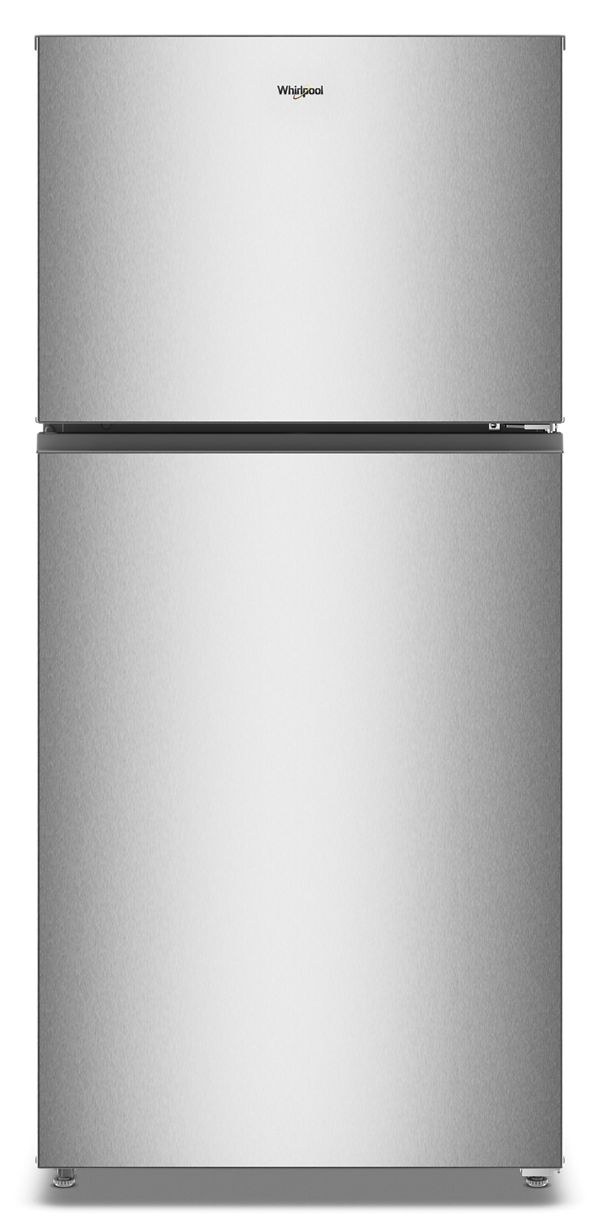
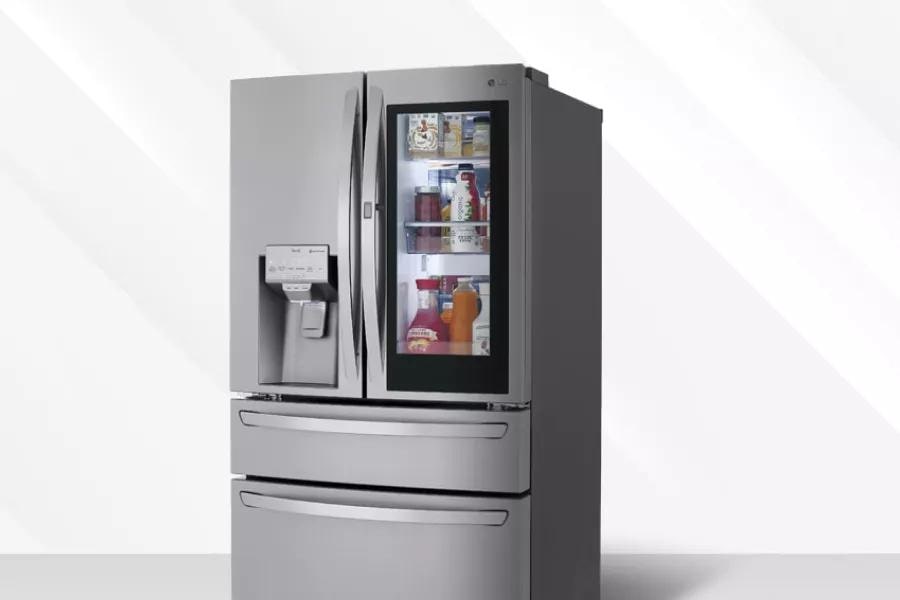
When deciding between an ice machine and a large refrigerator, it's crucial to understand the distinct purposes each serves and how your ice needs and usage patterns can influence your choice.
Understanding the Purpose
The primary function of an ice machine is to produce ice quickly and efficiently. Ice machines are designed to cater to high-demand environments, such as parties, commercial settings, or large families that require a constant supply of ice. They focus solely on ice production, typically offering specialized features to maintain ice quality.
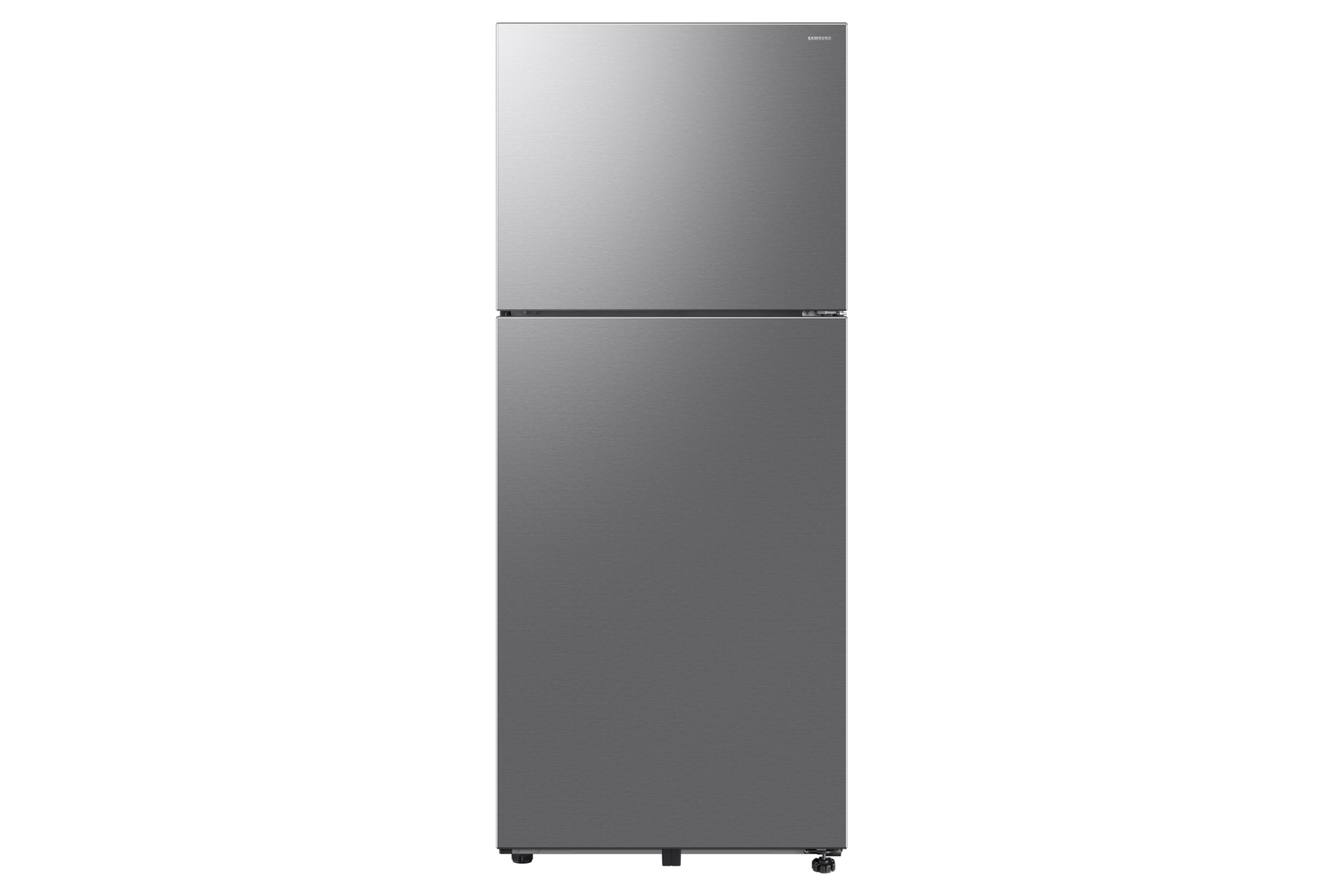
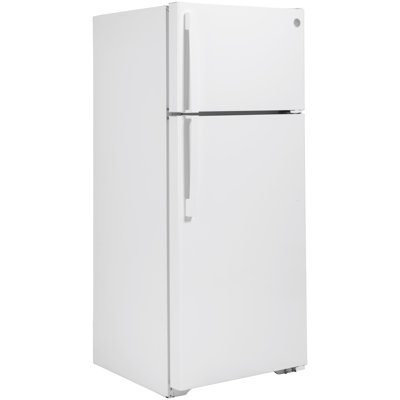
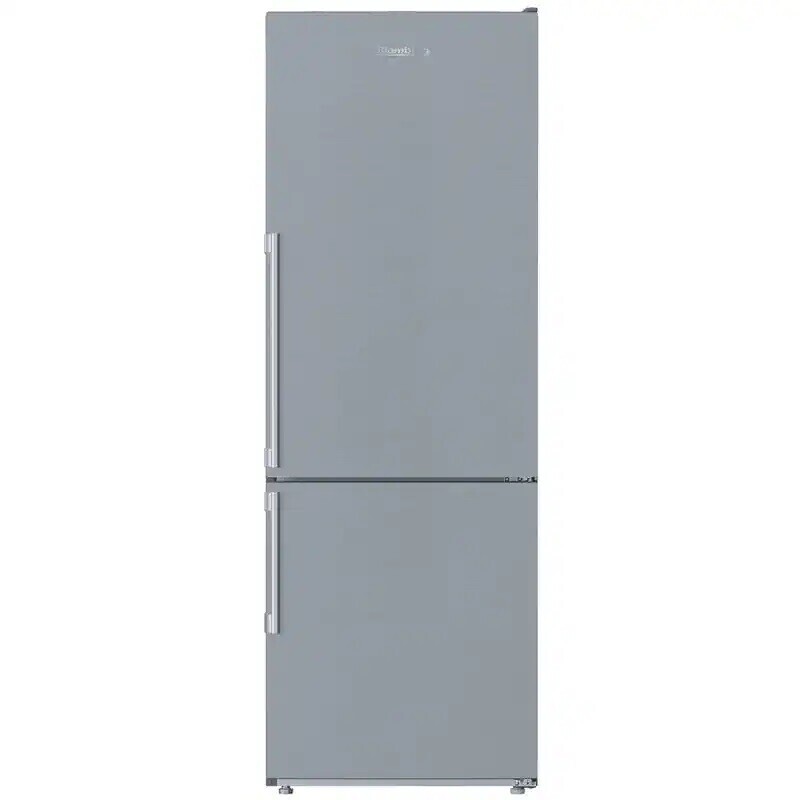
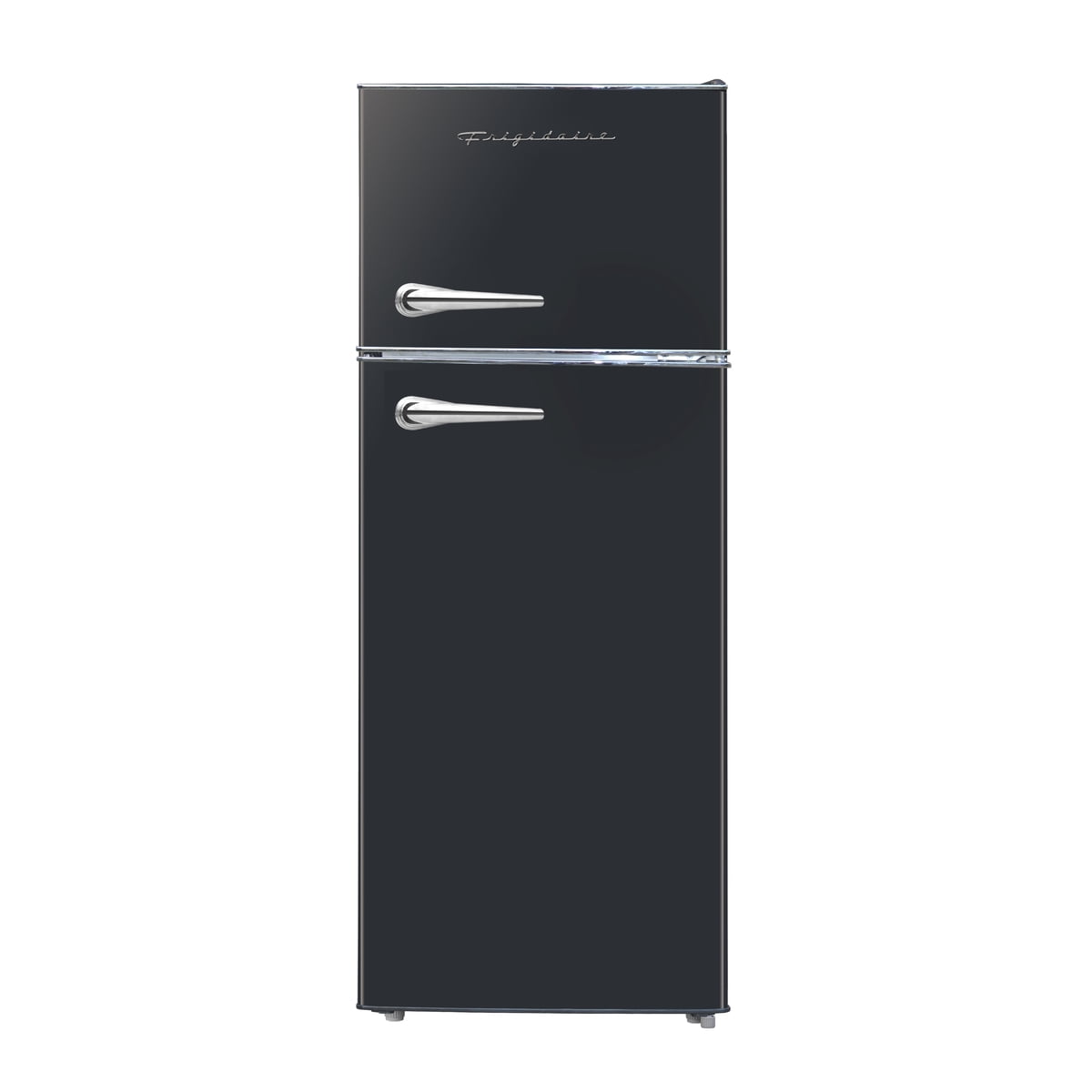
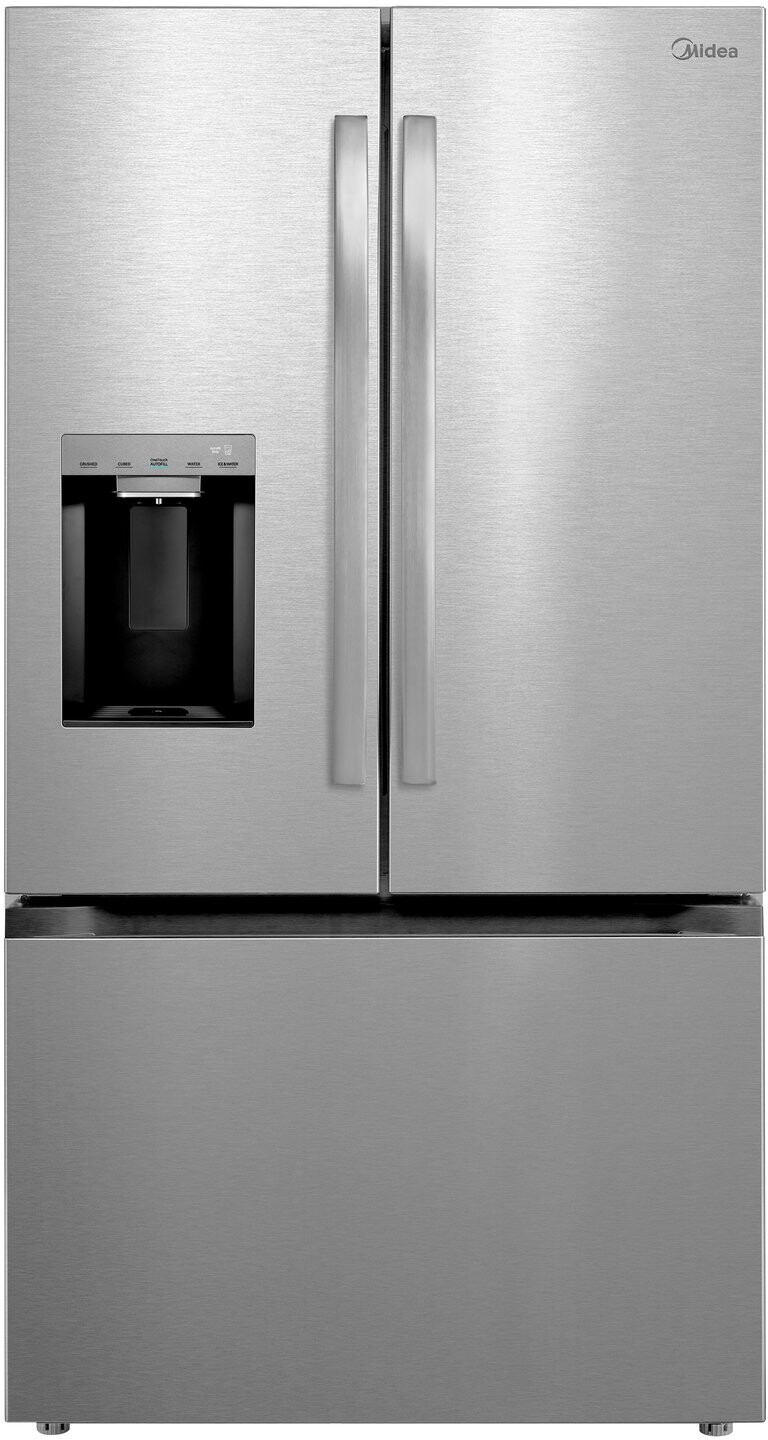
On the other hand, a large refrigerator serves multiple purposes. Besides storing food and beverages, many large refrigerators come equipped with built-in ice makers. While they might not produce ice as rapidly as dedicated ice machines, they offer the convenience of having ice available along with ample storage space for other items.
Feature
Ice Machine
Large Refrigerator
Primary Function
Ice Production
Food and Beverage Storage
Ice Production Speed
High
Moderate
Additional Storage
No
Yes
Ice Needs and Usage Patterns
Assessing your ice needs and usage patterns is key to making the right decision. If you frequently host gatherings, entertain guests, or run a small business, you might find an ice machine more suitable due to its high ice production capacity. Ice machines can produce large quantities of ice in a short period, making them ideal for high-demand scenarios.
For those who require ice for daily personal use, a large refrigerator with an ice maker might be more practical. These refrigerators can produce a steady supply of ice for everyday needs, such as cooling drinks or preserving food. They also offer the added benefit of consolidating your refrigeration and ice needs into one appliance.
Consider the following scenarios and how they align with your lifestyle:
Frequent Entertainer: An ice machine provides a consistent and ample supply of ice for parties and gatherings.
Daily Household Use: A large refrigerator with an ice maker offers convenience for regular ice consumption without the need for a separate appliance.
Commercial or High-Demand Settings: An ice machine meets the demands of businesses or large families requiring a constant supply of ice.
By understanding the purpose and evaluating your ice needs and usage patterns, you can make an informed decision between an ice machine and a large refrigerator that best suits your lifestyle and requirements.
Ice machines are standalone appliances designed specifically to produce ice. They are commonly found in both commercial and residential settings. Understanding their features and functionality can help you decide if they are suitable for your needs.
Ice Production Speed: Ice machines are known for their rapid ice production capabilities. They can produce a significant amount of ice in a short period, which is ideal for events and gatherings.
Ice Types: Many ice machines offer options for different types of ice, such as cubed, crushed, or nugget ice. This versatility can be beneficial depending on your preferences.
Storage Capacity: Ice machines typically have a dedicated storage bin to hold the ice once it is produced. The storage capacity can vary, so it's important to choose one that meets your usage requirements.
Ease of Use: Most ice machines are designed for user-friendly operation, with simple controls and easy maintenance features.
Portability: Some ice machines are portable, making them convenient for use in various locations like outdoor events or poolside gatherings.
Feature
Description
Ice Production Speed
Rapid ice production, ideal for events
Ice Types
Options for cubed, crushed, or nugget ice
Storage Capacity
Varies, choose based on usage needs
Ease of Use
User-friendly operation and maintenance
Portability
Some models are portable for versatile use
Pros and Cons of Ice Machines
Ice machines offer several advantages and some drawbacks. Weighing these pros and cons can help you determine if an ice machine is the right choice for you.
Pros:
High Ice Production: Ice machines can produce a large quantity of ice quickly, making them ideal for high-demand situations.
Variety of Ice Types: The ability to produce different types of ice caters to various preferences and uses.
Dedicated Storage: Ice machines have a dedicated storage bin, ensuring that ice is readily available when needed.
Compact Design: Many ice machines are compact and can fit in small spaces, making them suitable for kitchens, bars, or outdoor areas.
Cons:
Initial Cost: The initial investment for an ice machine can be higher compared to other appliances.
Maintenance Requirements: Regular maintenance, including cleaning and descaling, is necessary to ensure optimal performance.
Limited Functionality: Ice machines are designed solely to produce ice, whereas large refrigerators offer additional storage and cooling capabilities.
Pros
Cons
High Ice Production
Initial Cost
Variety of Ice Types
Maintenance Requirements
Dedicated Storage
Limited Functionality
Compact Design
—
For more information on comparing different types of refrigerators and freezers, check out Fridge.com articles on freezer cooler Vs. outdoor fridge and drawer refrigerator Vs. portable refrigerator.
Large refrigerators often come equipped with built-in ice makers, providing a convenient solution for your ice needs. These ice makers are typically located in the freezer compartment and can produce a moderate amount of ice per day. The amount of ice produced can vary based on the model and usage.
Feature
Details
Ice Production
4-12 lbs/day
Storage Capacity
4-7 lbs
Ice Types
Cubes, Crushed
Dispenser Options
In-door, Freezer compartment
The ice production capabilities of large refrigerators are generally sufficient for daily household use and small gatherings. For larger events or higher ice demands, you might need to supplement with additional ice from other sources.
Pros and Cons of Large Refrigerators
Understanding the pros and cons of large refrigerators can help you make an informed decision about whether they meet your requirements.
Pros:
Convenience: Having an ice maker integrated into your refrigerator means you always have ice on hand without needing a separate appliance.
Space-Saving: Combining ice-making capabilities with food storage maximizes kitchen space.
Versatility: Large refrigerators offer multiple functions, serving as both food storage and ice production units.
Ease of Use: Ice dispensers, especially in-door models, provide easy access to ice without opening the freezer.
Cons:
Limited Ice Production: The ice-making capacity of large refrigerators may not meet the needs of households with high ice consumption.
Maintenance: Ice makers in refrigerators require regular maintenance to prevent issues like ice clogs and water line problems.
Space Consumption: The ice-making unit can take up valuable freezer space, reducing overall storage capacity.
Energy Consumption: Running an ice maker within a refrigerator can increase the appliance’s overall energy usage.
For a deeper comparison on different types of refrigerators, visit Fridge.com articles on blue refrigerator Vs. garage refrigerator and drawer refrigerator Vs. portable refrigerator.
When deciding between an ice machine and a large refrigerator, several factors come into play. These include space requirements, ice production capacity, and maintenance needs. These considerations will help you determine which option best suits your needs.
Space Requirements
Space is a crucial factor. Ice machines and large refrigerators have different space requirements. Ice machines are typically more compact and can be placed in various locations such as under counters or in dedicated spaces. Large refrigerators, on the other hand, require more room and may need specific placements in kitchens or utility areas.
Appliance
Typical Dimensions (W x D x H)
Ice Machine
15" x 18" x 30"
Large Refrigerator
36" x 33" x 70"
Ice Production Capacity
Ice production capacity is another important consideration. Ice machines are designed to produce large quantities of ice quickly, making them ideal for households or venues with high ice demands. Large refrigerators with built-in ice makers generally produce less ice and might not keep up with high usage patterns.
Appliance
Daily Ice Production
Ice Machine
50 - 100 lbs
Large Refrigerator
3 - 10 lbs
Maintenance and Upkeep
Maintenance and upkeep differ significantly between ice machines and large refrigerators. Ice machines often require regular cleaning and maintenance to ensure optimal performance and prevent buildup of minerals or mold. Large refrigerators, while also needing regular maintenance, generally have fewer specific requirements related to ice production.
For more detailed comparisons on similar appliances, you can check out Fridge.com articles on freezer cooler Vs. outdoor fridge and drawer refrigerator Vs. portable refrigerator.
By evaluating these factors, you can make an informed decision based on your specific needs and preferences. If you're interested in other comparisons, visit Fridge.com articles on black stainless refrigerator Vs. mini fridge freezer and single door refrigerator Vs. slate refrigerator.
Cost Comparison
When deciding between an ice machine and a large refrigerator, it's important to consider both the initial investment and the ongoing operational costs. This section will help you understand the financial implications of each option.
Initial Investment
The initial cost of an ice machine is typically lower compared to a large refrigerator. However, prices can vary based on the size, capacity, and features of the appliance. Below is a comparison table for initial investment costs:
Appliance
Initial Cost Range ($)
Ice Machine
300 - 2,000
Large Refrigerator
1,000 - 3,000
Operational Costs
Operational costs include electricity consumption, maintenance, and potential repairs. Ice machines generally consume less power but may require more frequent maintenance. Large refrigerators, while more energy-intensive, often have longer intervals between maintenance checks.
Appliance
Monthly Operational Cost ($)
Annual Maintenance Cost ($)
Ice Machine
5 - 15
50 - 150
Large Refrigerator
10 - 30
100 - 200
For a detailed comparison of other appliances, you can visit Fridge.com articles on freezer cooler Vs. outdoor fridge and black stainless refrigerator Vs. mini fridge freezer.
Choosing between an ice machine and a large refrigerator with ice-making capabilities depends on your specific needs and lifestyle. If you entertain frequently or have high ice demands, an ice machine may be more suitable due to its dedicated and higher ice production capacity. On the other hand, a large refrigerator is multifunctional, providing not only ice but also ample storage for food and beverages.
Consider the following criteria to match your needs:
Criteria
Ice Machine
Large Refrigerator
Ice Production Capacity
High
Moderate
Space Requirements
Compact
Larger footprint
Versatility
Single-purpose
Multi-purpose
Maintenance
Specific upkeep
General maintenance
For those who prioritize convenience and space efficiency, you might find an ice machine more beneficial. If you need a comprehensive solution that includes refrigeration and ice-making, a large refrigerator could be the better choice. For additional comparisons, see freezer cooler Vs. outdoor fridge and blue refrigerator Vs. garage refrigerator.
Final Thoughts
Ultimately, the decision between an ice machine and a large refrigerator boils down to your individual preferences and usage patterns. Assess your space, ice production needs, and maintenance willingness to make an informed choice. For more insights on different types of refrigerators and their features, explore Fridge.com articles on drawer refrigerator Vs. portable refrigerator and black stainless refrigerator Vs. mini fridge freezer.
Compare prices on Fridge.com
Compare current prices and specifications on Fridge.com, then buy from the retailer you choose; delivery, installation and warranty terms are the retailer’s.
It also has tons of awesome articles about kitchen stuff and home news. Enhance your home, garage, backyard, patio, and office with the coolest essentials. With every necessary type of residential refrigerator or freezer in the collection, you're covered.
Free tool
Ice Maker Capacity Calculator
Free interactive tool from Fridge.com — get a quick answer while you read.