For example, a 6-ounce serving of cooked chicken with 1 cup of roasted broccoli and a tablespoon of olive oil typically falls within a balanced keto meal.
Oven: Preheat to 350°F, transfer meal to an oven-safe dish, cover with foil, and heat for 15–25 minutes until warmed through.
With keto low carb freezer meals in your rotation, you can skip last-minute kitchen scrambles and still hit your macros. When you plan ahead, you’re less likely to resort to carb-heavy convenience foods or fast food runs. Plus, having ready-to-heat dishes on hand keeps you motivated to stick with low-carb, high-fat eating. Before you dive in, sketch out a weekly plan: decide how many breakfasts, lunches, dinners, and snacks you need. Factor in days when you’ll eat out or dine with friends, and aim to prep enough portions to cover the rest. This strategy turns your freezer into a personalized meal library, stocked with nutrient-dense, flavorful options you’ll actually want to eat.
Select keto-friendly ingredients
Building successful keto low carb freezer meals starts with picking the right components. Focus on:
Low-carb veggies: Broccoli, cauliflower, spinach, zucchini, bell peppers
Flavor boosters: Fresh herbs, garlic, ginger, chili flakes, lemon zest
Keep net carbs in check by avoiding starchy vegetables, grains, and legumes. If you’re counting macros, jot down approximate carb, protein, and fat values before you cook. That way, when you portion out meals later, you already know how they fit into your daily targets.
Before cooking, think about how you want to portion your meals. Use measuring cups, a kitchen scale, or portion-control containers to estimate serving sizes. For example, a 6-ounce serving of cooked chicken with 1 cup of roasted broccoli and a tablespoon of olive oil typically falls within a balanced keto meal. If you’re prepping for multiple people, color-code containers or use stickers to indicate different macro profiles.
Packaging tips
Choosing the right packaging is key to preventing freezer burn and preserving flavor. Consider these options:
Freezer-safe containers with tight-sealing lids
Heavy-duty freezer bags with excess air pressed out
Vacuum sealers for maximum freshness
Silicone meal trays with snap-on lids
Label each package with the meal name, date of prep, and macro breakdown if you track carbs. Clear, consistent labels save you from playing “mystery meal roulette” on busy nights.
Food safety matters every step of the way. After cooking, allow dishes to cool at room temperature for up to 30 minutes. Then transfer pans or containers to the fridge to chill for another hour or until they’re no longer steaming. Rapid cooling protects texture and prevents bacterial growth. Only once meals are thoroughly chilled should you move them to the freezer.
Most homemade freezer meals retain best quality for two to three months. Here’s a quick guide:
Meal type
Storage time
Tip for best taste
Soups and stews
3 months
Leave space at top for expansion
Casseroles
2 months
Cool completely, then wrap foil around lid
Meat dishes
2–3 months
Vacuum seal or double-bag
Egg-based meals
1 month
Use freezer-safe containers
Rotate older meals to the front so you use them before they lose quality. If you’re unsure how long something has been frozen, lean on conservative estimates—better to cook a fresh batch than risk freezer fatigue.
Reheat and enjoy
Reheating keto low carb freezer meals is a breeze:
Oven: Preheat to 350°F, transfer meal to an oven-safe dish, cover with foil, and heat for 15–25 minutes until warmed through.
Microwave: Use medium power, cover loosely, and check every 1–2 minutes, stirring or rotating to ensure even heat.
Stovetop: For soups and stews, thaw briefly under cold water, then warm in a saucepan over low heat, stirring occasionally.
If your meal seems dry, drizzle with a bit of extra olive oil or a pat of butter. Fresh herbs squeezed over the top can revive color and flavor.
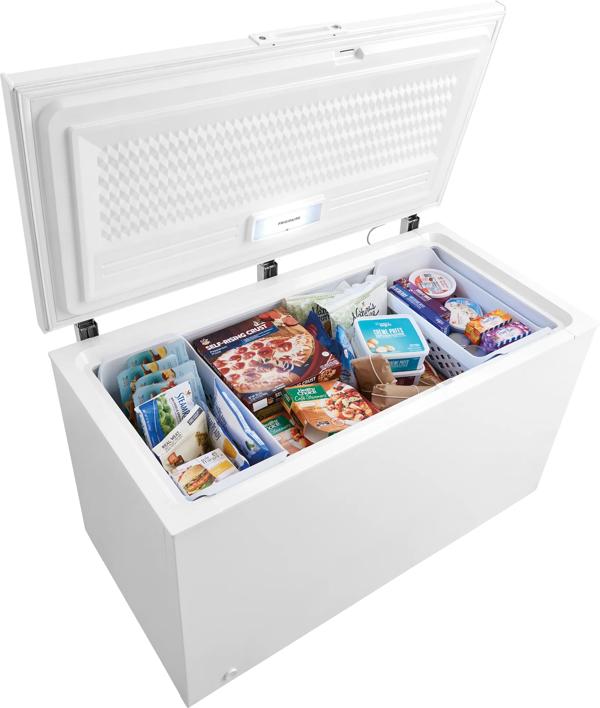
A well-organized freezer helps you spot meals quickly and reduces open-door time. Group like-with-like: breakfasts on one shelf, lunches on another, snacks in bins. Use clear baskets or stackable containers to maximize vertical space. Consider marking zones with washi tape or removable labels so everyone in the household knows where to find your keto meals.
Prevent ice buildup
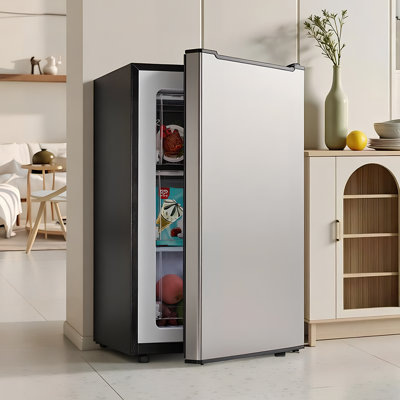
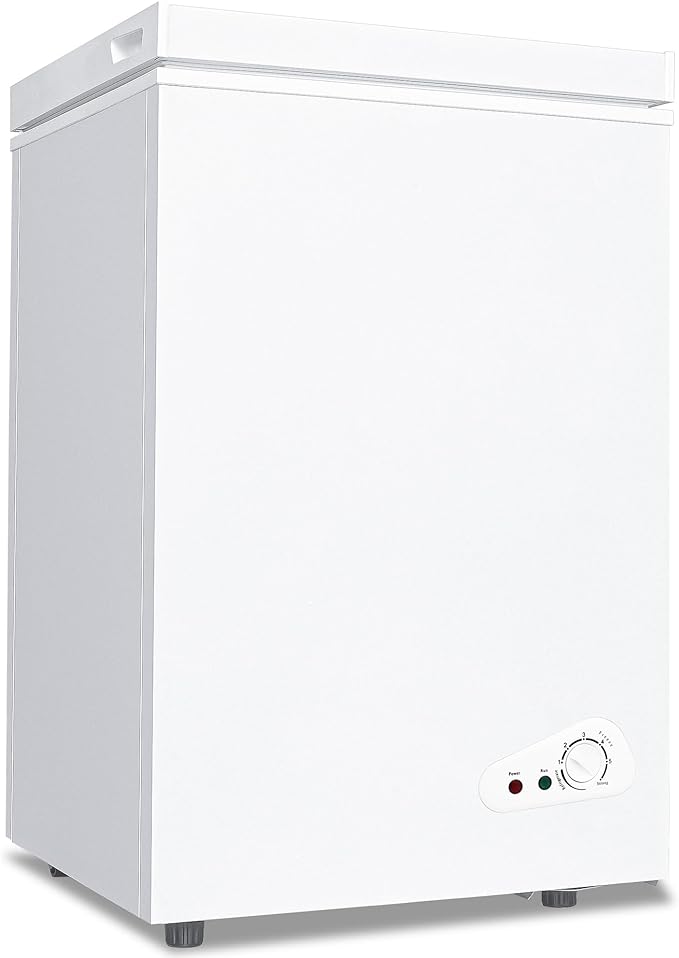
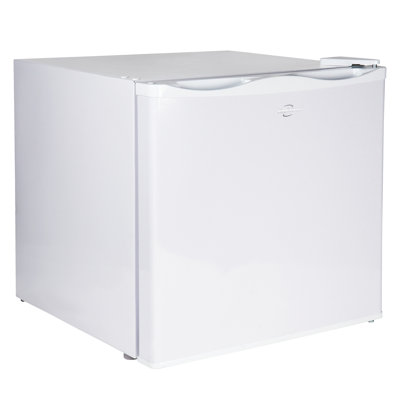
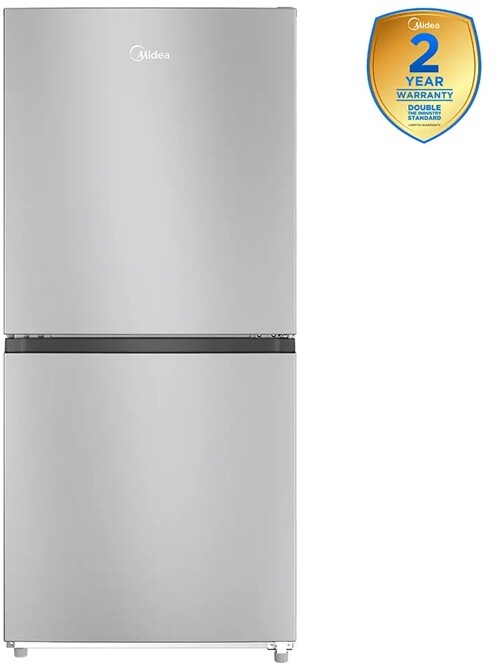
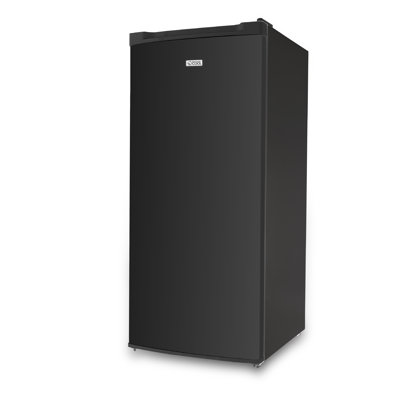
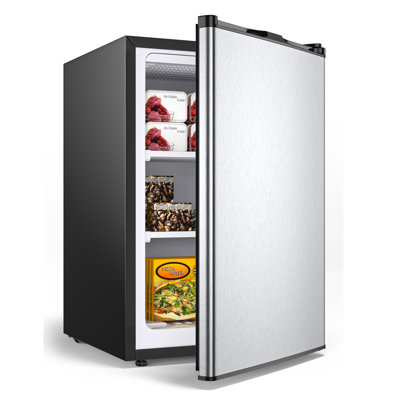
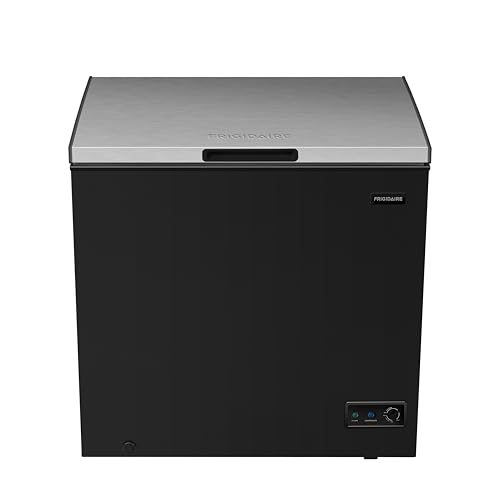
Excess frost can sap freezer efficiency and complicate organization. If you notice frost forming, check out how to remove ice from the freezer quickly. For long-term solutions, consider investing in a reliable undercounter model—you can compare undercounter freezer options to find the best fit. And if you need more capacity for bulk meal preps, our garage freezer deals offer budget-friendly solutions.
Consistency is key when you’re relying on freezer meals to stay keto. Block out one or two hours weekly for meal prep, and treat it as nonnegotiable “self-care” time. Experiment with new recipes—once you find a few crowd-pleasers, double the batch to save time next week. As you build this habit, you’ll have a freezer full of meals that keep you on track, no matter how busy life gets. Enjoy the freedom of fewer cooking stressors, and relish the fact that healthy, low-carb eating can be as convenient as it is delicious.
Free tool
Food Storage Calculator
Free interactive tool from Fridge.com — get a quick answer while you read.