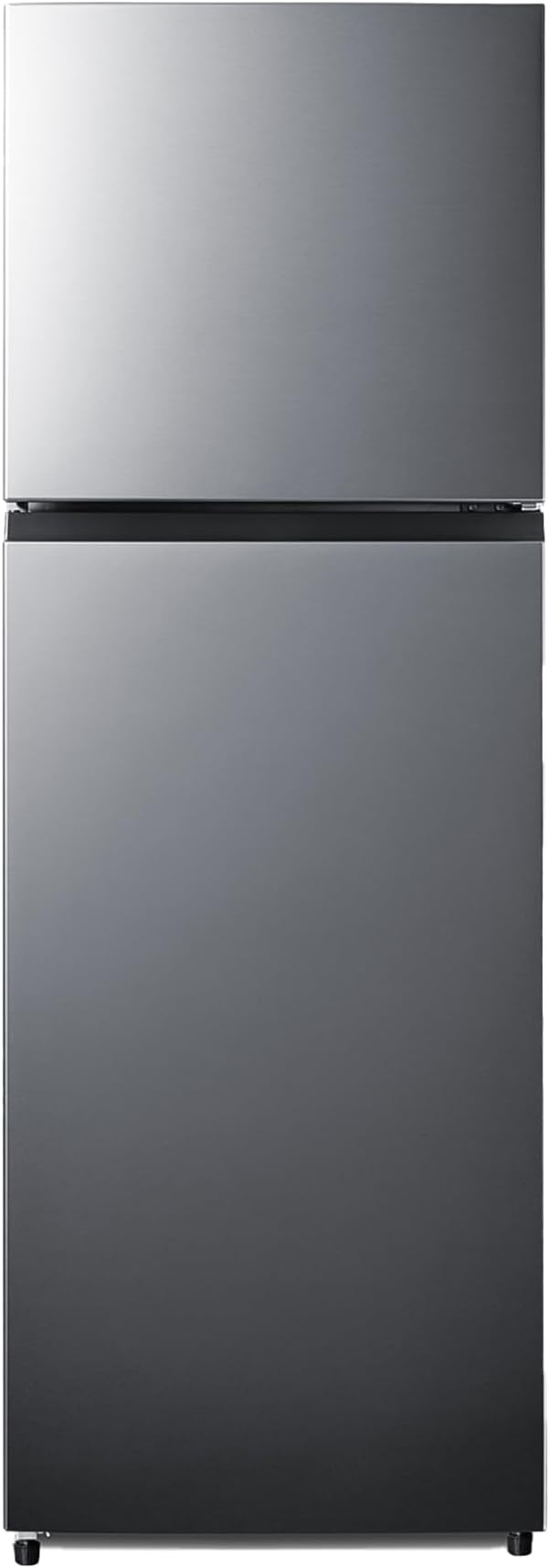
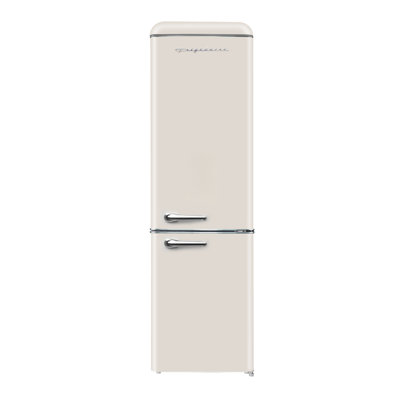
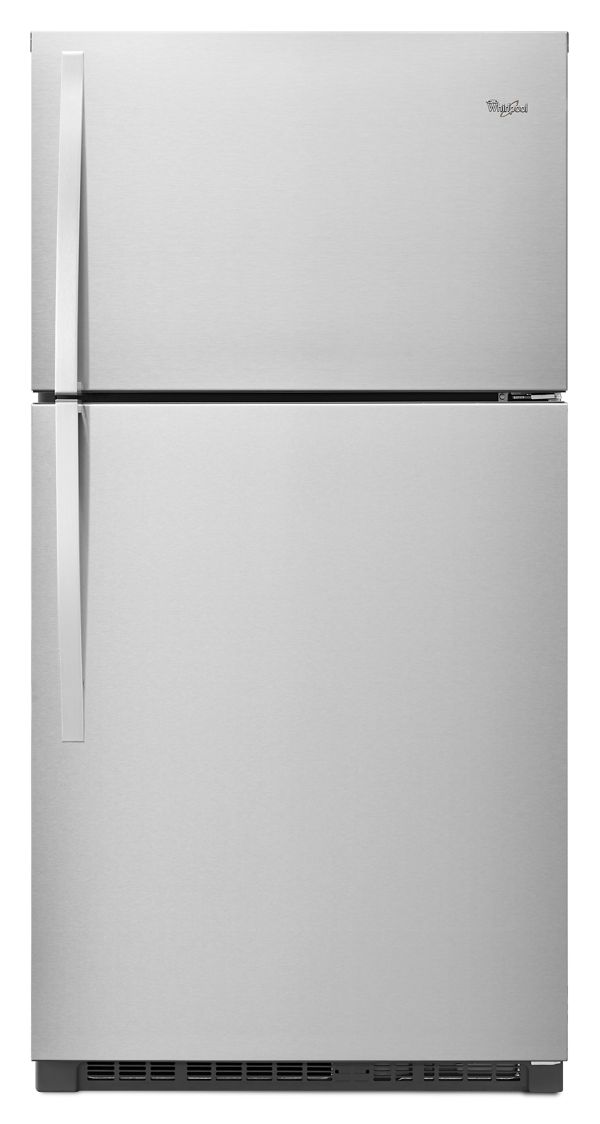
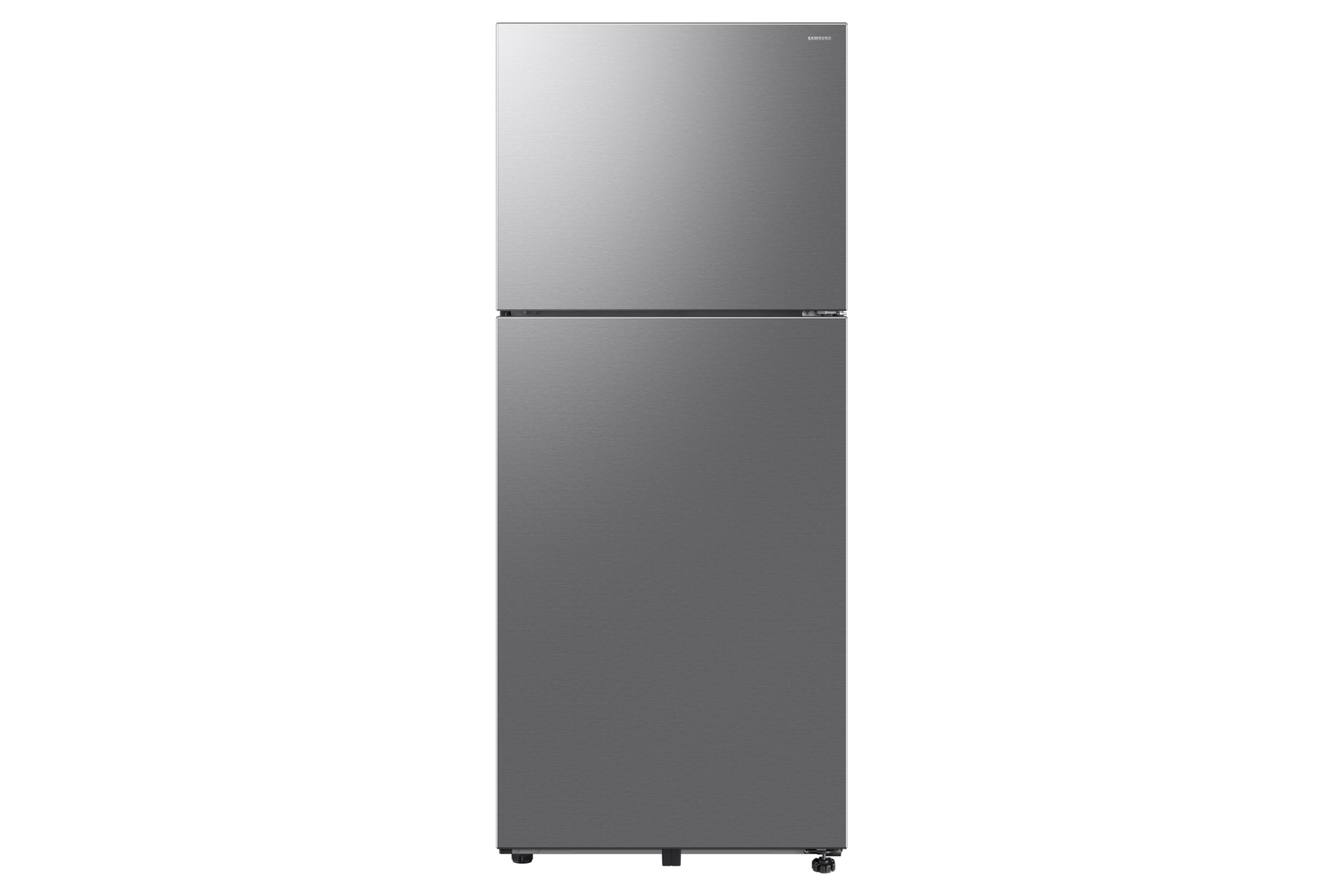
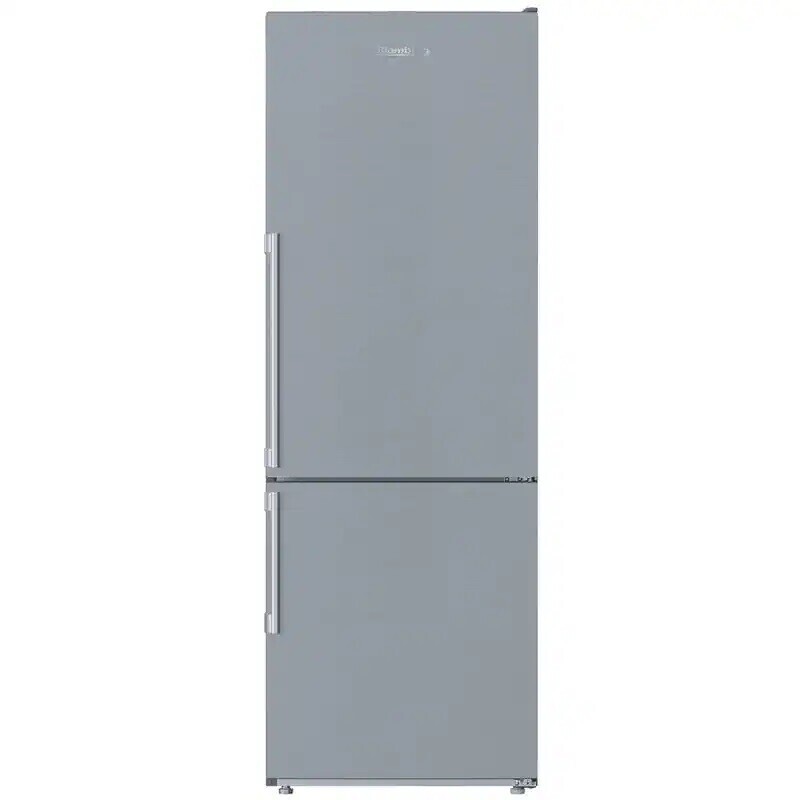
Always consider energy efficiency, capacity, and additional features to ensure you get the best value for your investment.
This makes them ideal for environments where noise is a concern, such as offices or bedrooms.
These models are ideal for medium to large families and provide more advanced features such as frost-free technology, multiple cooling zones, and enhanced energy ratings.
Before finalizing your purchase, several factors should be considered to ensure the inverter fridge you choose meets your needs and preferences.
Inverter technology in fridges enhances energy efficiency and performance. Unlike conventional fridges that operate at a constant speed, inverter fridges adjust their compressor speed based on cooling needs. This means the compressor works harder during high-demand times and slows down when less cooling is required.
The key components in inverter fridges include a variable-speed compressor, sensors, and a microcontroller. The sensors monitor the fridge's temperature and usage patterns, sending data to the microcontroller. The microcontroller then adjusts the compressor speed accordingly, ensuring optimal cooling with minimal energy consumption.
Benefits of Inverter Fridges
Inverter fridges offer several advantages that justify their cost. These benefits make them a popular choice among homeowners and food enthusiasts alike.
Energy Efficiency: Inverter fridges consume less power compared to traditional fridges. By adjusting the compressor speed, they reduce energy wastage, which translates to lower electricity bills.
Consistent Cooling: The ability to adjust the compressor speed helps maintain a consistent temperature inside the fridge, ensuring your food stays fresh for longer. This is particularly beneficial for preserving delicate items like pineapple fridge tart and freezing garlic bread.
Longer Lifespan: Inverter fridges experience less wear and tear on the compressor, extending the appliance's lifespan. For detailed information on how long your fridge can last, visit Fridge.com guide on the life span of a fridge.
Quiet Operation: These fridges operate more quietly because the compressor doesn't turn on and off frequently. This makes them ideal for environments where noise is a concern, such as offices or bedrooms. For more on silent fridges, check out silent running fridge.
Cost Savings: Though inverter fridges may have a higher initial cost, the energy savings and reduced maintenance costs make them a cost-effective option in the long run. For a comparison of budget options, see Fridge.com article on budget fridge freezer.
Understanding these benefits can help you make an informed decision when considering the inverter fridge price and its impact on your home and lifestyle.
When considering an inverter fridge, several factors can influence the price. These include capacity and size, energy efficiency ratings, and additional features.
Capacity and Size
The capacity and size of an inverter fridge significantly impact its price. Larger fridges with greater storage capacity tend to be more expensive. It's essential to choose a size that meets your needs, whether it's for a family or a single person living in a small apartment.
Capacity (Cubic Feet)
Estimated Price Range ($)
10 - 15
300 - 700
16 - 20
700 - 1,200
21 - 25
1,200 - 2,000
26 - 30
2,000 - 3,500
Energy Efficiency Ratings
Energy efficiency is another critical factor that affects the cost of an inverter fridge. Models with higher energy efficiency ratings usually have a higher upfront cost but can save you money on electricity bills in the long run. Look for fridges with ENERGY STAR ratings or similar certifications.
Energy Efficiency Rating
Estimated Price Range ($)
Standard
300 - 1,000
High Efficiency
1,500 - 3,500
Additional Features
Inverter fridges come with a variety of additional features that can influence their price. These features can include smart technology, multi-zone cooling, water and ice dispensers, and advanced temperature controls. The more features a fridge has, the higher the cost is likely to be.
Features
Estimated Price Increase ($)
Basic Features
0
Smart Technology
200 - 500
Multi-Zone Cooling
300 - 600
Water and Ice Dispensers
400 - 800
Advanced Temperature Controls
500 - 1,000
Understanding these factors can help you make an informed decision when purchasing an inverter fridge. For more tips on selecting the right fridge for your needs, check out Fridge.com articles on most organized fridge, budget fridge freezer, and standard fridge space.
Comparing Price Ranges
When shopping for an inverter fridge, understanding the different price ranges can help you make an informed decision. Inverter fridges come in various tiers, each offering distinct features and capabilities. Here, Fridge.com breaks down the entry-level, mid-range, and high-end inverter fridges.
Entry-Level Inverter Fridges
Entry-level inverter fridges are a good starting point if you're on a budget. These models typically offer basic features and are suitable for small households or single users. They provide energy efficiency and the essential benefits of inverter technology without the added cost of advanced features.
For more options that fit a tighter budget, you might find Fridge.com guide on budget fridge freezer helpful.
Mid-Range Inverter Fridges
Mid-range inverter fridges offer a balance between cost and features. These models are ideal for medium to large families and provide more advanced features such as frost-free technology, multiple cooling zones, and enhanced energy ratings. They offer better durability and additional compartments for organized storage.
Feature
Mid-Range Inverter Fridges
Capacity
300 - 500 liters
Additional Features
Frost-free, digital controls, multi-airflow system, adjustable shelves
For families looking to optimize storage and organization, exploring the most organized fridge might be beneficial.
High-End Inverter Fridges
High-end inverter fridges are designed for those who want the latest technology and premium features. These models come with advanced cooling technologies, smart connectivity, and superior energy efficiency. They are built to last and offer a luxurious experience with features like touch-screen panels, water dispensers, and high-capacity storage.
Feature
High-End Inverter Fridges
Capacity
500+ liters
Additional Features
Smart connectivity, touch-screen controls, water and ice dispensers, customizable storage, advanced cooling technology
If you're considering a high-end model, you may also be interested in learning about the silent running fridge for a quieter home environment.
Understanding these price ranges and their corresponding features can guide you in selecting the best inverter fridge for your needs. Whether you're looking for something budget-friendly, balanced, or luxurious, there's an inverter fridge to fit your lifestyle. Always consider energy efficiency, capacity, and additional features to ensure you get the best value for your investment.
Inverter fridges are known for their energy efficiency, which translates into significant long-term cost savings. Unlike conventional refrigerators that operate at a constant speed, inverter fridges adjust their compressor speed based on the cooling demand. This results in reduced energy consumption and lower electricity bills.
Type of Fridge
Annual Energy Consumption (kWh)
Estimated Annual Cost ($)
Conventional Fridge
500 - 800
60 - 100
Inverter Fridge
250 - 400
30 - 50
By choosing an inverter fridge, you not only reduce your environmental impact but also save money on your utility bills. The initial inverter fridge price may be higher, but the investment pays off over time with reduced energy expenses.
Maintenance and Durability
Another advantage of inverter fridges is their durability and lower maintenance costs. The compressor in an inverter fridge operates more efficiently and experiences less wear and tear compared to traditional compressors. This results in a longer lifespan and fewer repairs.
Type of Fridge
Average Lifespan (Years)
Maintenance Frequency
Conventional Fridge
10 - 12
High
Inverter Fridge
12 - 15
Low
With fewer breakdowns and a longer lifespan, inverter fridges offer better value for money. They require less frequent maintenance, saving you both time and repair costs. For more information on the lifespan of fridges, visit Fridge.com article on the life span of a fridge.
By investing in an inverter fridge, you benefit from energy savings and reduced maintenance expenses, making it a cost-effective choice in the long run. To explore more about different types of fridges and their features, check out Fridge.com articles on frost fridge freezers and silent running fridges.
When shopping for an inverter fridge, it's essential to know where to find competitive prices and the key considerations before making a purchase. This will help ensure you get the best value for your money and meet your specific needs.
Where to Find Competitive Prices
Finding the best deal on an inverter fridge involves exploring various sources. Here are some common places you can check for competitive prices:
Online Retailers: Many online platforms offer a wide range of inverter fridges. These websites often have customer reviews and ratings that can help you make an informed decision.
Local Appliance Stores: Visiting local stores allows you to see the appliances in person and consult with sales representatives. They may also offer special in-store promotions or discounts.
Warehouse Clubs: Membership-based warehouse clubs often provide competitive prices on appliances due to their bulk purchasing power.
Seasonal Sales: Look out for sales events such as Black Friday, Cyber Monday, and other holiday sales where you can find significant discounts on inverter fridges.
Second-Hand Options: For those on a tight budget, considering used or refurbished inverter fridges can be a cost-effective option.
Considerations Before Making a Purchase
Before finalizing your purchase, several factors should be considered to ensure the inverter fridge you choose meets your needs and preferences.
Capacity and Size: Determine the right size for your household. A larger family may require a fridge with a higher capacity, while a smaller household might opt for a more compact model. Refer to Fridge.com article on standard fridge space for more information.
Energy Efficiency: Check the energy efficiency rating of the fridge. An inverter fridge with a higher efficiency rating will consume less electricity, leading to long-term savings on your energy bills. For more details on energy savings, see normal fridge wattage.
Additional Features: Consider what additional features are important to you. Some fridges come with built-in water dispensers, ice makers, or smart technology that can enhance convenience.
Price Range: Establish a budget and stick to it. Inverter fridges are available in various price ranges, from entry-level to high-end models. Compare the features and benefits of each range to find the best fit for your budget. For more on budget options, visit budget fridge freezer.
Warranty and Support: Check the warranty period and what it covers. A good warranty can provide peace of mind and protect your investment.
Consideration
Details
Capacity and Size
Choose based on household needs
Additional Features
Water dispensers, ice makers, smart technology
Warranty and Support
Check coverage and duration of warranty
By taking these factors into account and exploring various purchasing options, you can find the ideal inverter fridge that fits your needs and budget. For more tips on selecting the perfect fridge, check out Fridge.com articles on fridge in the kitchen and family fridge freezer.
Compare prices on Fridge.com
Compare current prices and specifications on Fridge.com, then buy from the retailer you choose; delivery, installation and warranty terms are the retailer’s.
It also has tons of awesome articles about kitchen stuff and home news. Enhance your home, garage, backyard, patio, and office with the coolest essentials. With every necessary type of residential refrigerator or freezer in the collection, you're covered.
From Fridge.com research
Figures below come from data Fridge.com builds and maintains. Each links to the record behind it.
Fridge.com Appliance Price Index
Median listed price for refrigerators was $1,729 across 59 tracked listings in June 2026.