Most units operate on standard 110-120V outlets, but some larger models might need a dedicated circuit.
Most refrigerators use standard 110-120V outlets.
It's ideal for those who require a constant and substantial supply of ice, whether for entertaining, culinary needs, or commercial purposes.
Ice machines are designed to produce ice efficiently and in large quantities, making them ideal for entertaining guests, hosting parties, or simply enjoying a cold beverage.
When deciding between an ice machine and a stainless steel refrigerator, it's essential to understand their differences and benefits. Both appliances serve different purposes and cater to various needs, from everyday convenience to specialized functionality.
Ice Machine
An ice machine is designed primarily for producing ice. It's ideal for those who require a constant and substantial supply of ice, whether for entertaining, culinary needs, or commercial purposes. Ice machines come in various types, including countertop, under-counter, and freestanding models, each offering different capacities and ice production rates.
Benefits of Ice Machines:
High Ice Production: Ice machines can produce a large quantity of ice rapidly, making them suitable for parties, events, or commercial use.
Variety of Ice Types: Some machines offer options for different ice shapes and sizes, such as cubes, nuggets, or flakes.
Dedicated Functionality: Since the primary purpose is ice production, these machines are optimized for efficiency and performance.
Stainless Steel Refrigerator
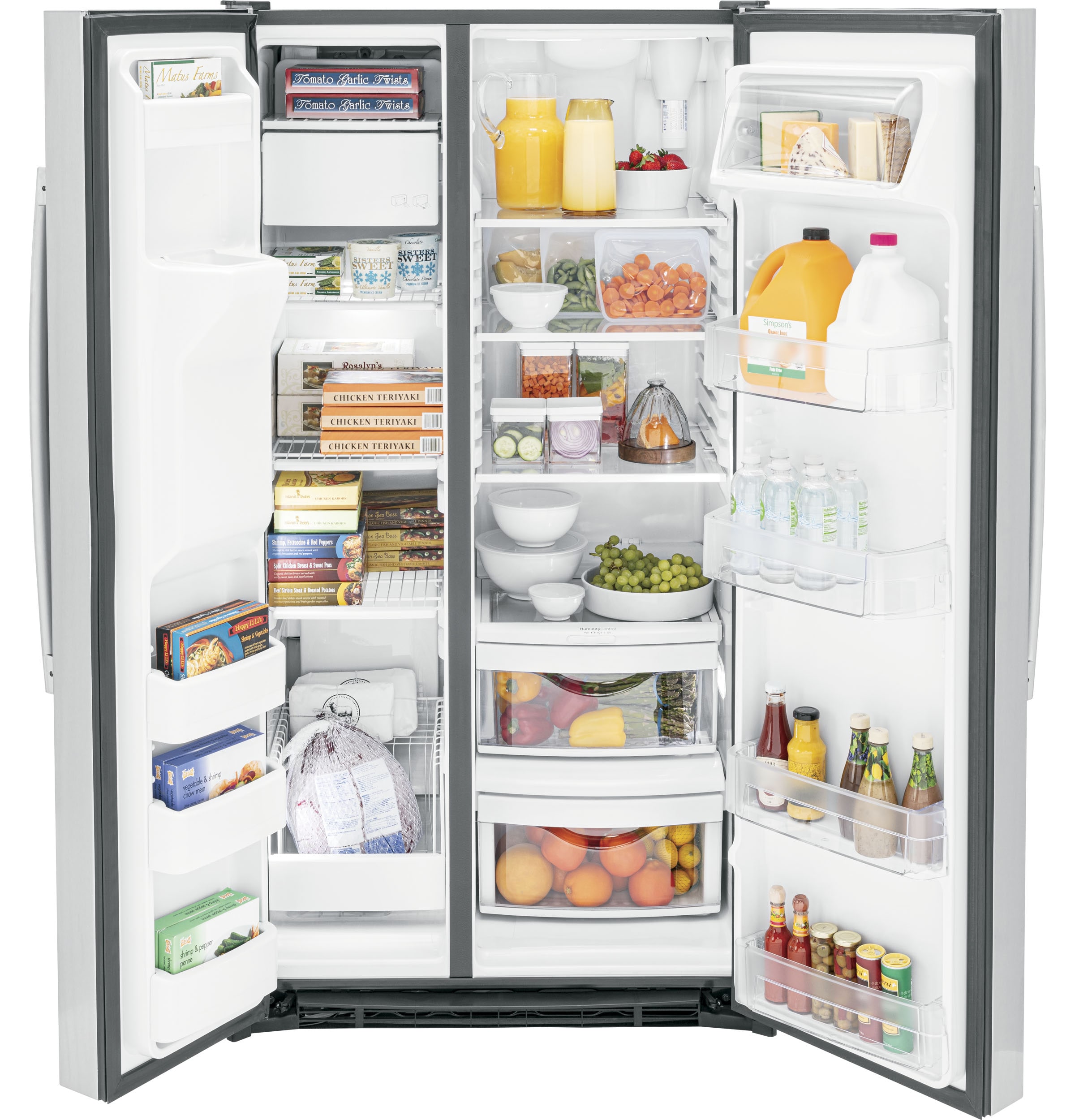
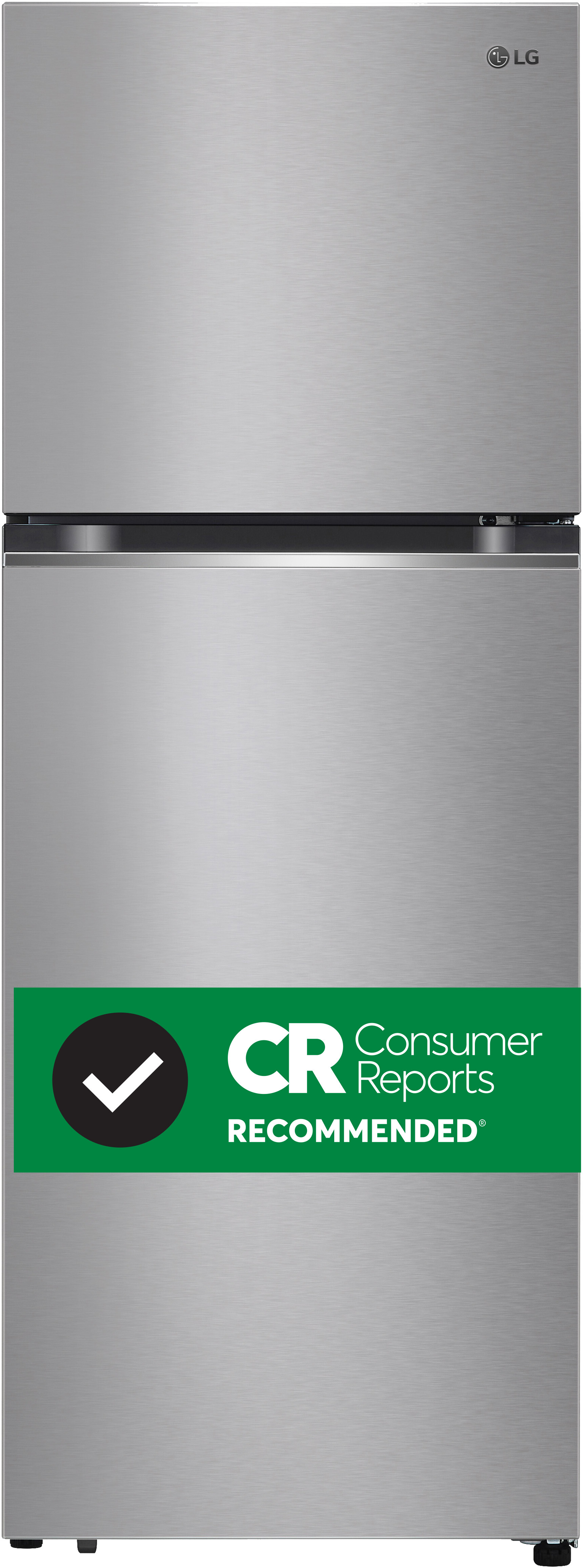
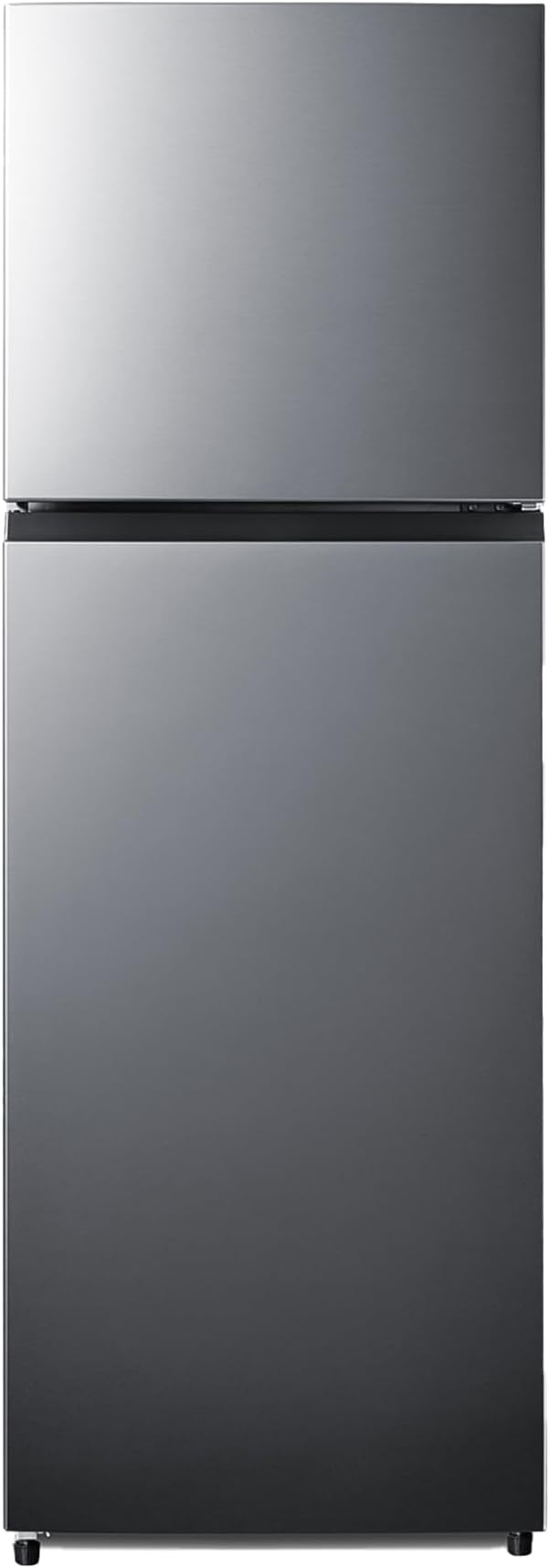
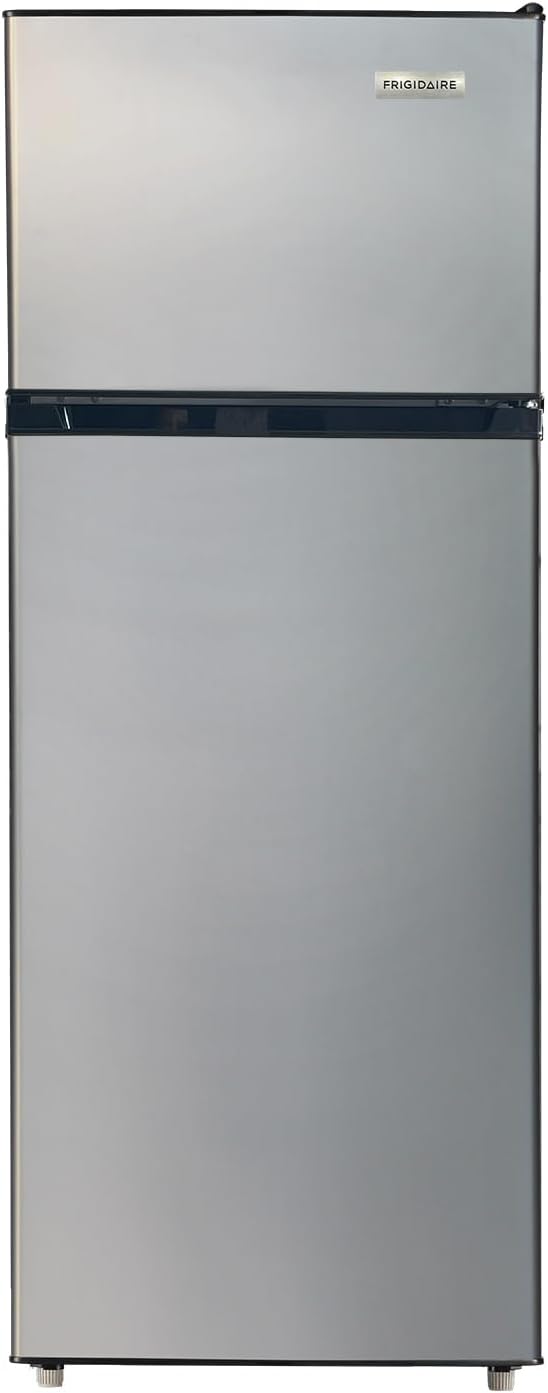
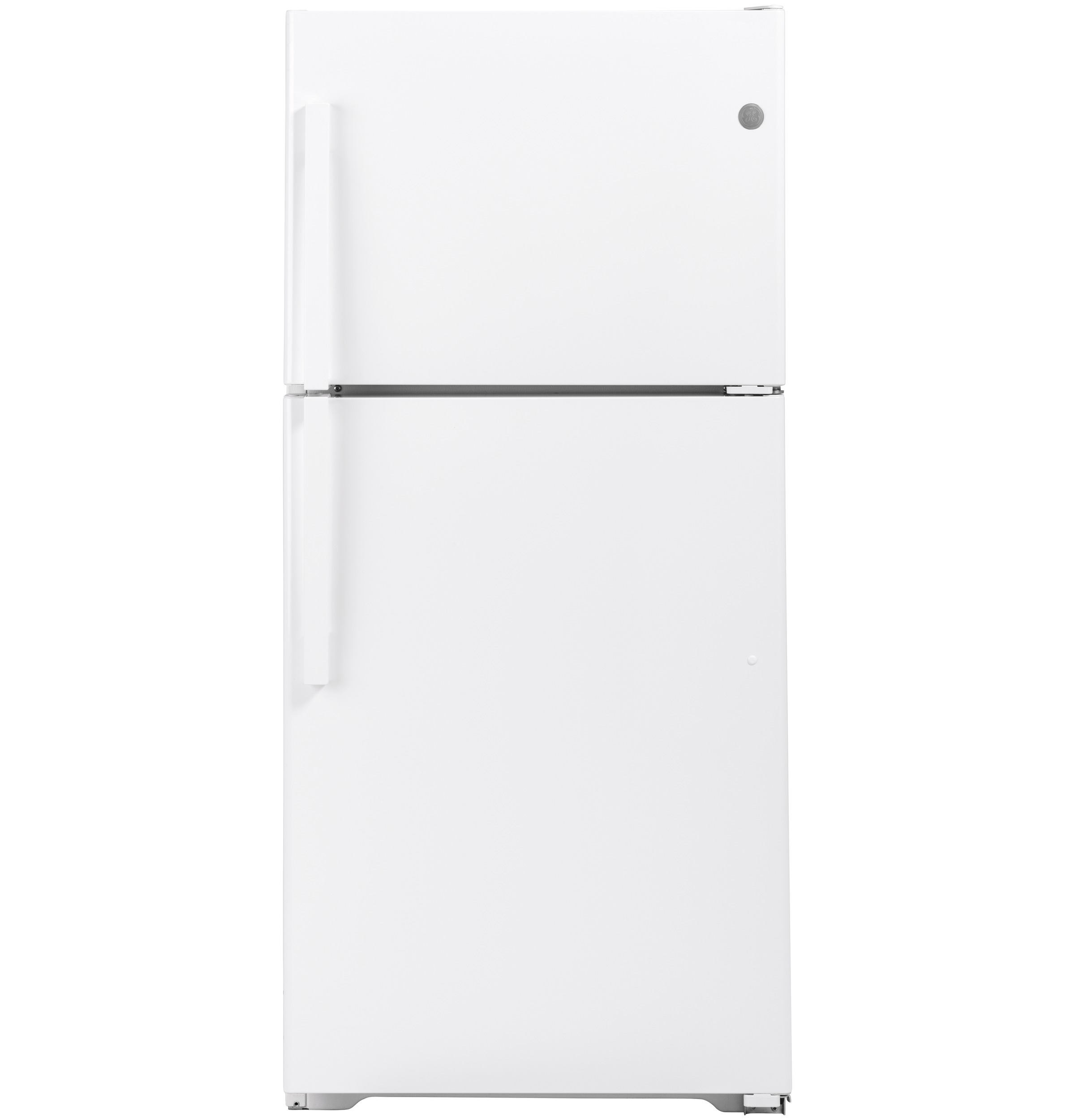
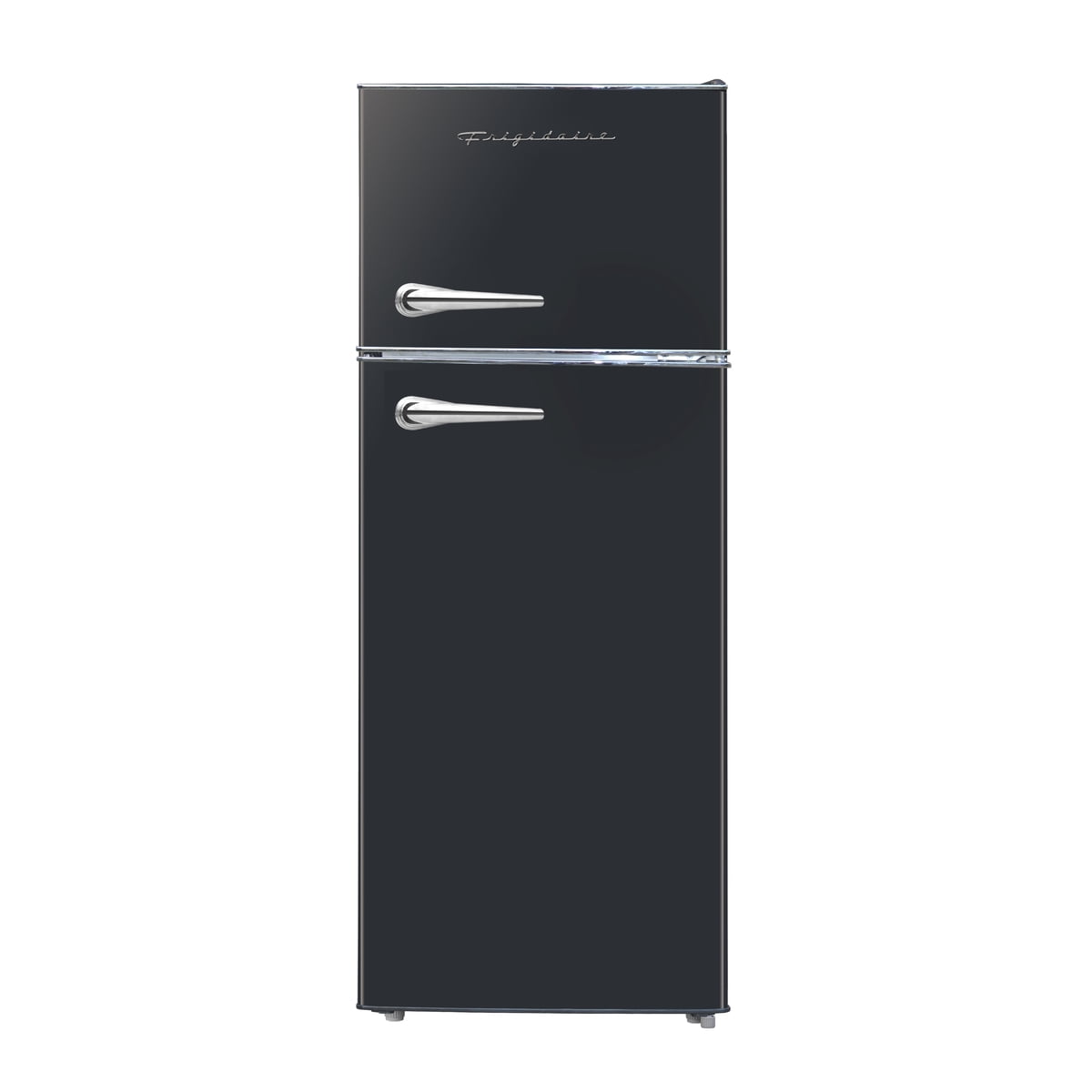
A stainless steel refrigerator, on the other hand, is a multifunctional appliance designed to store and preserve food and beverages. It includes various compartments for different types of storage, such as fresh produce, meats, and dairy, along with a freezer section. Many modern refrigerators also feature built-in ice makers and water dispensers.
Benefits of Stainless Steel Refrigerators:
Versatile Storage: Provides ample space for storing a wide range of food items and beverages, keeping them fresh and easily accessible.
Durability and Aesthetics: Stainless steel is resistant to rust and stains, offering a sleek and modern appearance that complements any kitchen decor.
Additional Features: Many models come with advanced features such as temperature control, humidity settings, and smart technology.
Comparison Table
Feature
Ice Machine
Stainless Steel Refrigerator
Primary Function
Ice Production
Food and Beverage Storage
Ice Production Rate
High
Moderate
Storage Options
Limited to Ice
Versatile (Food, Beverages, Ice)
Durability
High
High
Aesthetic Appeal
Functional
Modern and Sleek
Additional Features
Ice Shape Options
Temperature Control, Humidity Settings, Smart Features
Choosing between an ice machine and a stainless steel refrigerator depends on your specific needs. If you require a high volume of ice regularly, an ice machine might be the better option. For those looking for versatile food and beverage storage with the added convenience of ice production, a stainless steel refrigerator serves as an all-in-one solution.
When comparing an ice machine to a stainless steel refrigerator, understanding the key features of each can help you make an informed decision. Here, Fridge.com will focus on the purpose and functionality of ice machines, as well as the different types available.
Purpose and Functionality of Ice Machines
Ice machines are designed to produce ice efficiently and in large quantities, making them ideal for entertaining guests, hosting parties, or simply enjoying a cold beverage. Unlike the ice maker found in a standard refrigerator, dedicated ice machines are built specifically for ice production and often have a higher output.
The primary functions of an ice machine include:
Ice Production: Rapidly produces ice to meet your needs.
Storage: Stores ice in an insulated compartment to keep it frozen until use.
Convenience: Provides easy access to large quantities of ice without taking up freezer space.
Types of Ice Machines
There are several types of ice machines to consider, each with its own benefits and use cases. Understanding these types can help you choose the right one for your needs.
Type
Description
Ideal For
Portable Ice Makers
Compact and easy to move, suitable for small spaces
Apartments, small gatherings, and travel
Undercounter Ice Machines
Built-in units installed under countertops, offering higher capacity
Home bars, kitchens, and outdoor patios
Commercial Ice Machines
Large, high-capacity units designed for heavy use
Restaurants, hotels, and large events
Countertop Ice Makers
Small and convenient, fits on kitchen countertops
Home use, offices, and small parties
Each type of ice machine varies in terms of capacity, size, and functionality. For example, a portable ice maker may produce 26 pounds of ice per day, while a commercial ice machine can produce over 100 pounds per day.
By understanding the different types of ice machines and their features, you can better assess whether an ice machine or a stainless steel refrigerator is the right choice for your needs. For more information on related topics, explore Fridge.com articles on beverage refrigerator Vs. reach in freezer and auto defrost freezer Vs. fridge freezer combo.
When considering the features of stainless steel refrigerators, it's essential to understand both the advantages they offer and the various options and configurations available.
Advantages of Stainless Steel Refrigerators
Stainless steel refrigerators bring numerous benefits to your kitchen or any space where they're installed. Here are some of the key advantages:
Durability: Stainless steel is known for its strength and resistance to dents and scratches, making it a long-lasting choice.
Aesthetic Appeal: The sleek, modern look of stainless steel complements various kitchen designs, adding a touch of sophistication.
Easy to Clean: Stainless steel surfaces are easy to wipe down, and many models are designed to resist smudges and fingerprints.
Hygienic: The non-porous surface of stainless steel helps prevent the harboring of bacteria and germs, making it a more hygienic option.
Options and Configurations Available
Stainless steel refrigerators come in a variety of options and configurations to suit different needs and preferences. Here are some common types:
Configuration
Description
Benefits
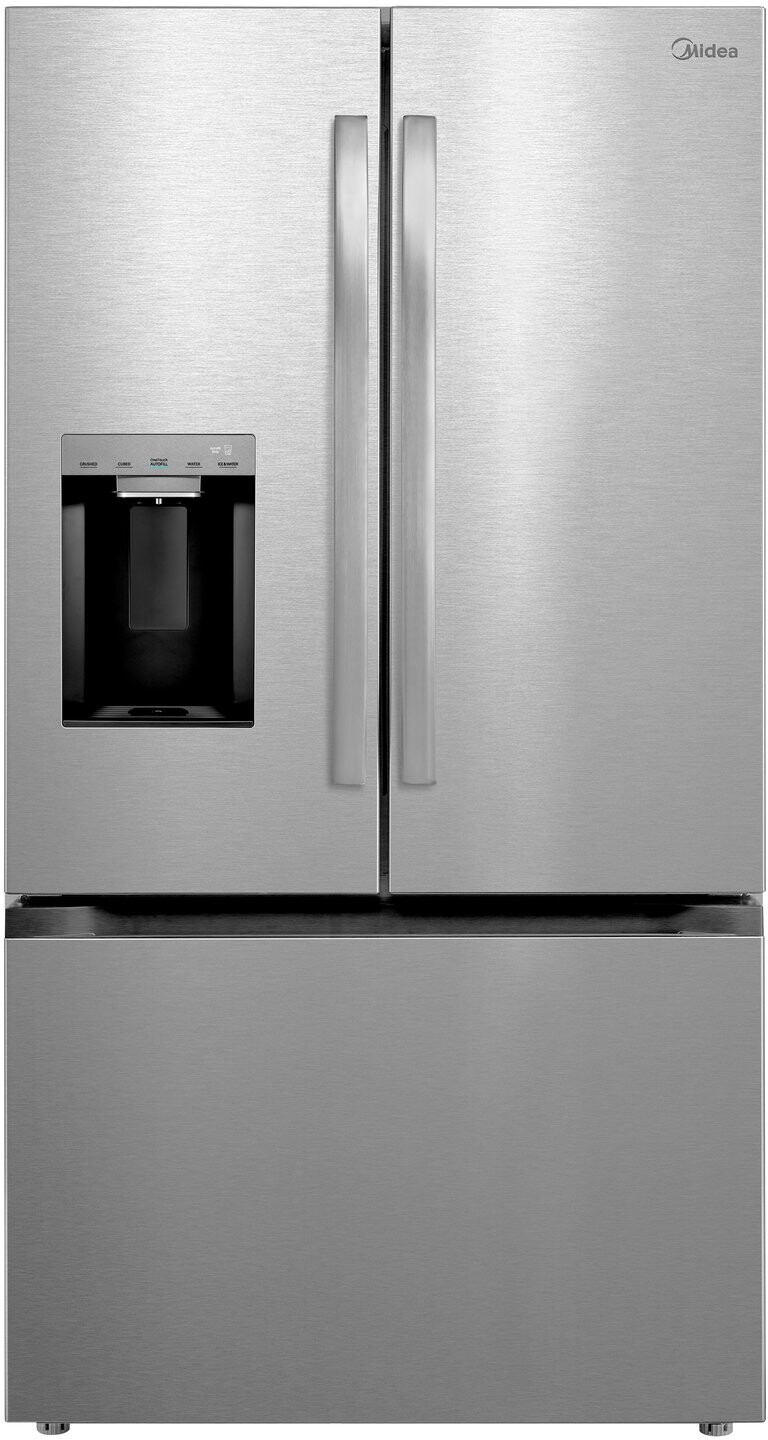
French Door
Two doors on top, freezer below
Easy access to fresh food, wide shelves
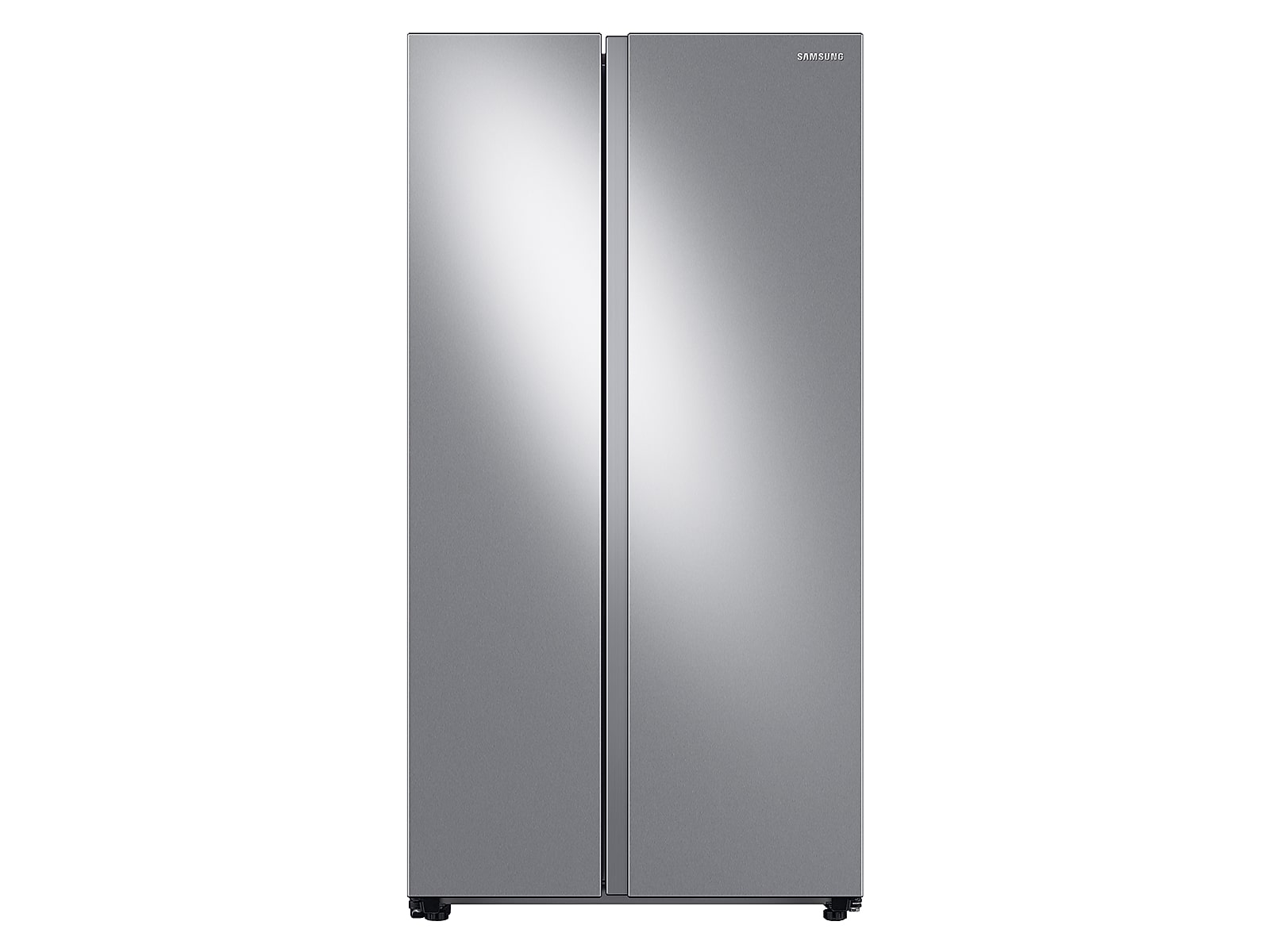
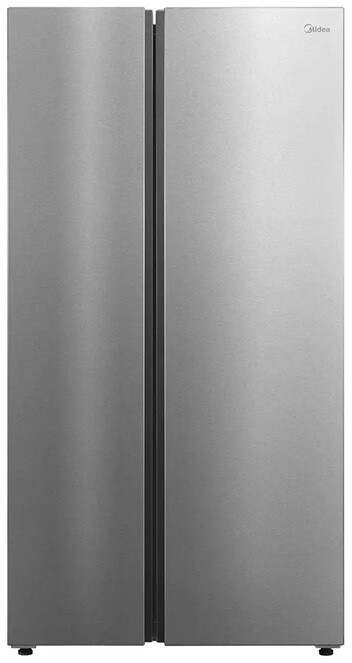
Side-by-Side
Fridge on one side, freezer on the other
Convenient for narrow kitchens, ample freezer space
Top Freezer
Freezer on top, fridge below
Traditional design, budget-friendly
Bottom Freezer
Freezer on bottom, fridge on top
Easier access to fresh food, larger freezer space
Compact
Smaller size for tight spaces
Ideal for apartments, offices, and small kitchens
Within these configurations, you can also find additional features such as:
Adjustable Shelving: Allows you to customize the interior layout to fit different-sized items.
Ice and Water Dispenser: Provides convenient access to filtered water and ice.
Smart Technology: Includes Wi-Fi connectivity, touchscreen controls, and compatibility with smart home systems.
To explore more about refrigerator configurations and their benefits, you can check Fridge.com article on the best side by side refrigerator for a back to back house.
Whether you're looking for a refrigerator to fit a specific space or one that offers advanced features, there's a stainless steel option to meet your needs. For more inspiration on selecting the right fridge, visit Fridge.com guide on the best fridge for international grenache day.
When deciding between an ice machine and a stainless steel refrigerator, several factors need to be considered. These include capacity and storage, maintenance and cleaning, and energy efficiency.
Capacity and Storage
Capacity and storage are crucial when evaluating your options. Ice machines are specifically designed to produce ice efficiently, but their storage capacity can vary.
Appliance Type
Ice Production (lbs/day)
Storage Capacity (lbs)
Ice Machine
20-100
10-50
Stainless Steel Refrigerator
Varies
Depends on model
Stainless steel refrigerators offer more comprehensive storage solutions, often including dedicated ice makers and ample space for food and beverages. For detailed configurations, you might find Fridge.com article on best side by side refrigerator for a back to back house useful.
Maintenance and Cleaning
Maintenance and cleaning are ongoing concerns for both appliances. Ice machines require regular cleaning to prevent mold and bacterial growth. They also need periodic maintenance to ensure efficient ice production.
Stainless steel refrigerators, on the other hand, require less frequent but more varied maintenance. Cleaning the interior, defrosting the freezer, and maintaining the ice maker are all part of the upkeep. For in-depth guidance, Fridge.com article on auto defrost freezer Vs. fridge freezer combo provides useful insights.
Appliance Type
Cleaning Frequency
Maintenance Tasks
Ice Machine
Weekly to Monthly
Cleaning, Descaling
Stainless Steel Refrigerator
Monthly to Quarterly
Cleaning, Defrosting, Ice Maker Maintenance
Energy Efficiency
Energy efficiency is a vital aspect to consider. Modern ice machines and stainless steel refrigerators are designed to be energy-efficient, but their energy consumption can still vary.
Ice machines typically consume more power due to the continuous ice production process. Stainless steel refrigerators, while also energy-intensive, often have energy-saving features and modes.
Appliance Type
Average Power Consumption (kWh/year)
Energy-Saving Features
Ice Machine
350-600
Auto Shut-Off, Energy Star Rating
Stainless Steel Refrigerator
400-800
Energy Star Rating, Eco Mode
For more on efficient appliance choices, check out Fridge.com articles on best fridge for national peach pie day and beverage refrigerator Vs. reach in freezer.
Considering these factors can help you make an informed decision between an ice machine and a stainless steel refrigerator, ensuring that your choice meets your specific needs and preferences.
Installation and Placement
Proper installation and placement of both ice machines and stainless steel refrigerators are crucial for optimal performance and longevity. This section provides insights on what to consider when installing these appliances.
Considerations for Installing an Ice Machine
When installing an ice machine, several factors need attention. Here are some key considerations:
Space Requirements
Ice machines can vary in size, so it's essential to measure the available space where you plan to install the unit. Ensure there is enough room for the machine and adequate ventilation.
Ice Machine Type
Dimensions (W x H x D)
Clearance Needed
Undercounter
15" x 34" x 23"
1-2" on sides and back
Freestanding
24" x 39" x 24"
2-3" on sides and back
Water Supply and Drainage
Ice machines require a continuous water supply and proper drainage. Verify that there is an accessible water line and a nearby drain. You might need to install a water filter to ensure clean ice production.
Electrical Requirements
Confirm the electrical requirements of the ice machine. Most units operate on standard 110-120V outlets, but some larger models might need a dedicated circuit.
Environment
Place the ice machine in a temperature-controlled environment to ensure efficient operation. Avoid areas with extreme temperatures, such as near ovens or in uninsulated spaces.
For more information on maintaining and cleaning your ice machine, see Fridge.com article on auto defrost freezer Vs. fridge freezer combo.
Tips for Installing a Stainless Steel Refrigerator
Installing a stainless steel refrigerator involves careful planning to ensure it fits well and operates efficiently. Consider the following tips:
Space and Clearance
Measure the space where the refrigerator will be placed, including the height, width, and depth. Leave enough clearance on all sides for proper ventilation and door swing.
Refrigerator Type
Dimensions (W x H x D)
Clearance Needed
Side-by-Side
35" x 70" x 30"
1-2" on sides, top, and back
French Door
36" x 70" x 30"
2" on sides, top, and back
Flooring
Ensure the floor is level and strong enough to support the weight of the refrigerator. Uneven floors can affect the appliance's performance and longevity.
Water Line Connection
If your refrigerator includes a water dispenser or ice maker, connect it to a water supply line. Ensure the connection is secure to prevent leaks.
Electrical Outlet
Verify that the refrigerator's power cord can reach the electrical outlet. Most refrigerators use standard 110-120V outlets.
Ventilation
Proper ventilation is crucial for maintaining the efficiency of your refrigerator. Ensure there is sufficient space around the unit for air circulation.
Understanding the installation process for both ice machines and stainless steel refrigerators ensures you make informed decisions, maximizing the functionality and lifespan of these essential appliances.
When deciding between an ice machine and a stainless steel refrigerator, cost and budgeting play a significant role. This section will explore the initial investment, long-term costs, and overall value for money.
Initial Investment
The initial investment for an ice machine and a stainless steel refrigerator can vary widely based on size, features, and brand. Generally, ice machines tend to be less expensive upfront compared to stainless steel refrigerators, which often come with higher price tags due to their multifaceted functionality and premium finish.
Appliance
Average Initial Cost
Ice Machine
$500 - $2,000
Stainless Steel Refrigerator
$1,200 - $3,500
Long-Term Costs and Savings
Consider the long-term costs associated with each appliance. These include energy consumption, maintenance, and potential repairs. Ice machines typically consume less energy than refrigerators, but they may require more frequent maintenance, such as descaling and cleaning.
Appliance
Estimated Annual Energy Cost
Maintenance Frequency
Ice Machine
$50 - $100
Monthly
Stainless Steel Refrigerator
$100 - $150
Bi-Annually
Long-term savings can also come from energy-efficient models. Stainless steel refrigerators often feature advanced technologies that can reduce energy usage, while some ice machines may offer energy-saving modes.
Value for Money
Evaluating the value for money involves considering both the cost and the benefits provided by each appliance. Ice machines are specialized for producing ice, which can be invaluable for entertaining or commercial use. On the other hand, stainless steel refrigerators offer a broader range of functionalities, including cooling, freezing, and various storage options.
When determining value for money, think about your specific needs and usage patterns. For instance, if you frequently host gatherings or run a business that requires a steady supply of ice, an ice machine might offer greater value. Conversely, a stainless steel refrigerator could be more beneficial for daily household use due to its versatility.
For more insights on evaluating different refrigeration options, explore Fridge.com articles on beverage refrigerator Vs. reach in freezer and auto defrost freezer Vs. fridge freezer combo.
Compare prices on Fridge.com
Compare current prices and specifications on Fridge.com, then buy from the retailer you choose; delivery, installation and warranty terms are the retailer’s.
It also has tons of awesome articles about kitchen stuff and home news. Enhance your home, garage, backyard, patio, and office with the coolest essentials. With every necessary type of residential refrigerator or freezer in the collection, you're covered.
From Fridge.com research
Figures below come from data Fridge.com builds and maintains. Each links to the record behind it.
Fridge.com Energy Index, built on U.S. EPA and DOE ENERGY STAR records
Across 5,455 ENERGY STAR certified refrigerators and freezers from 263 brands, median use is 360 kWh per year.