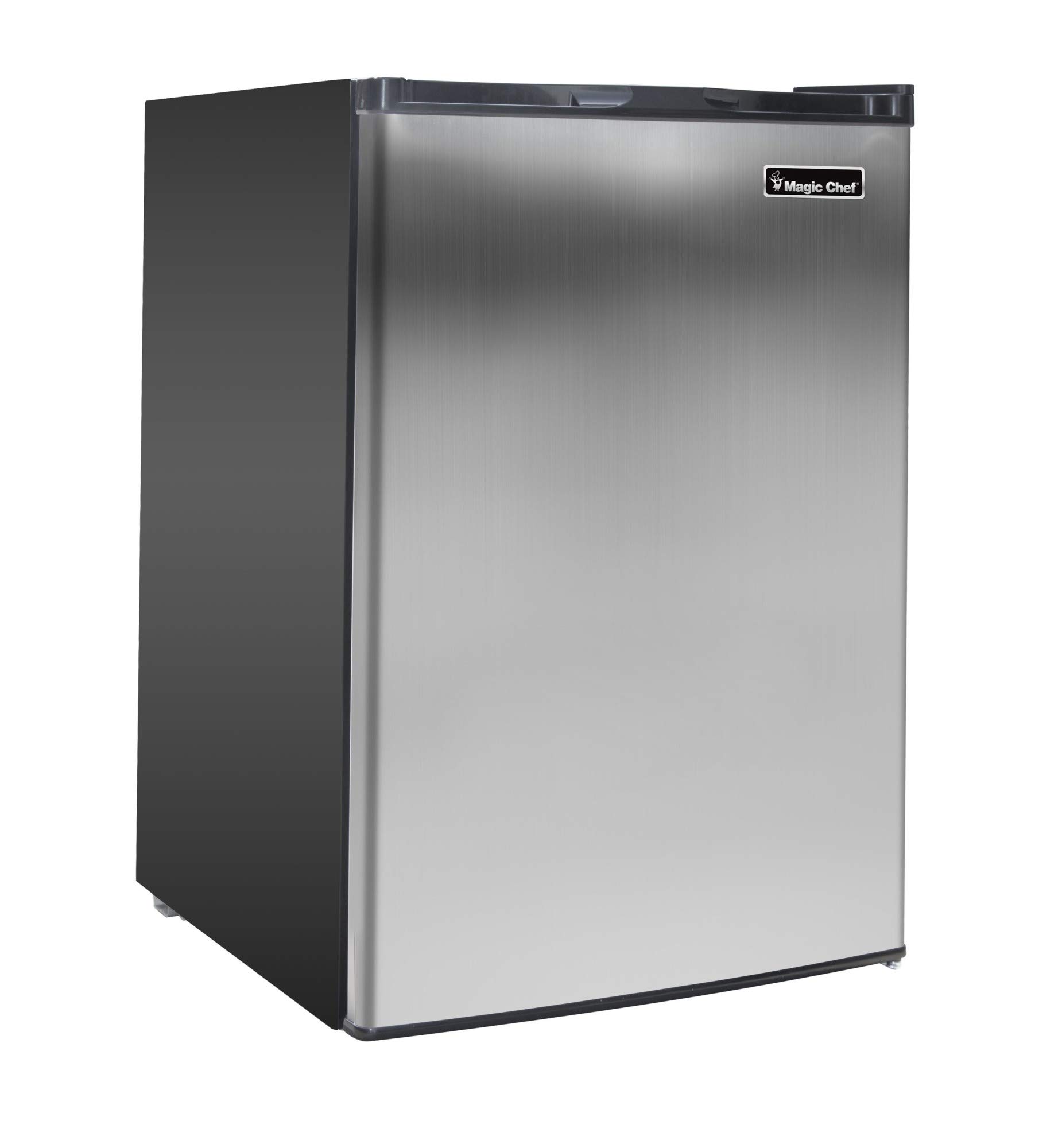
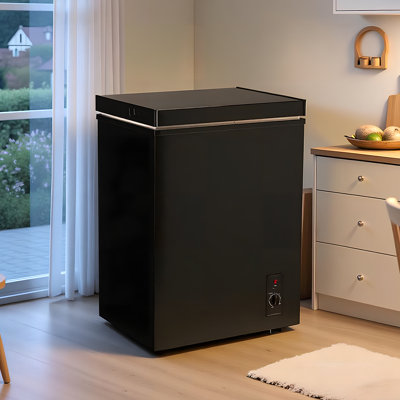
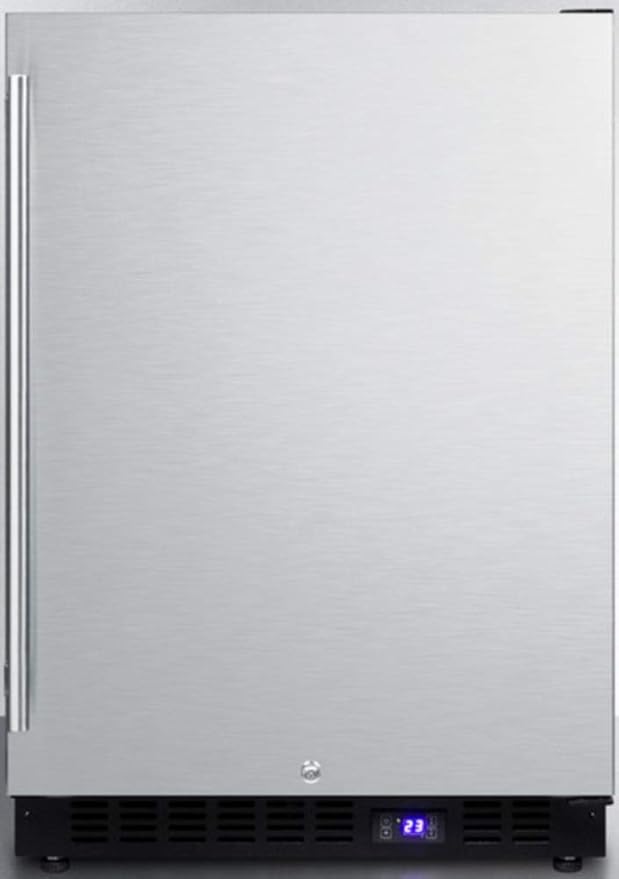
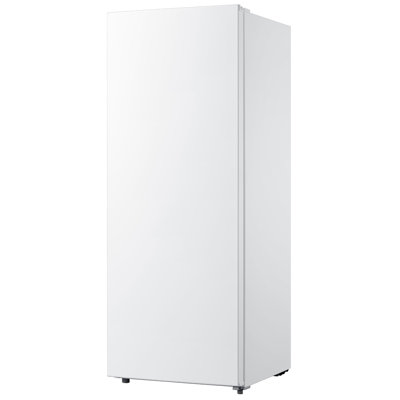
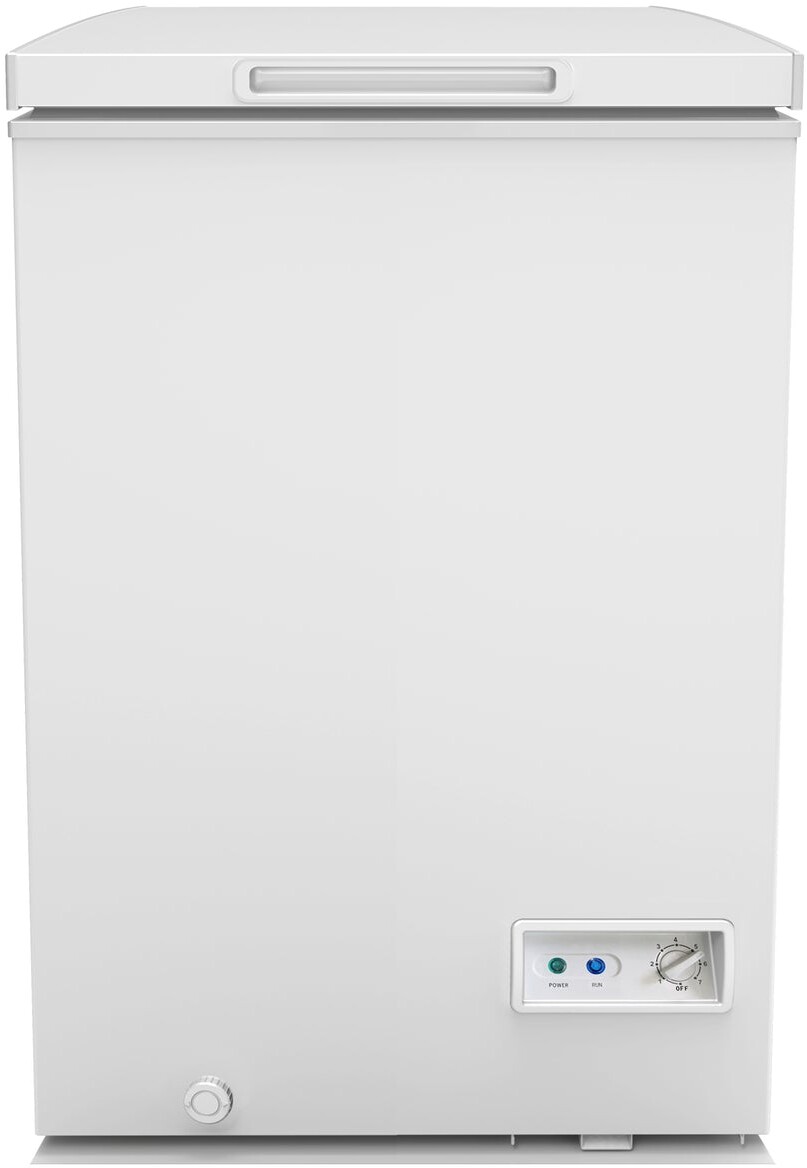
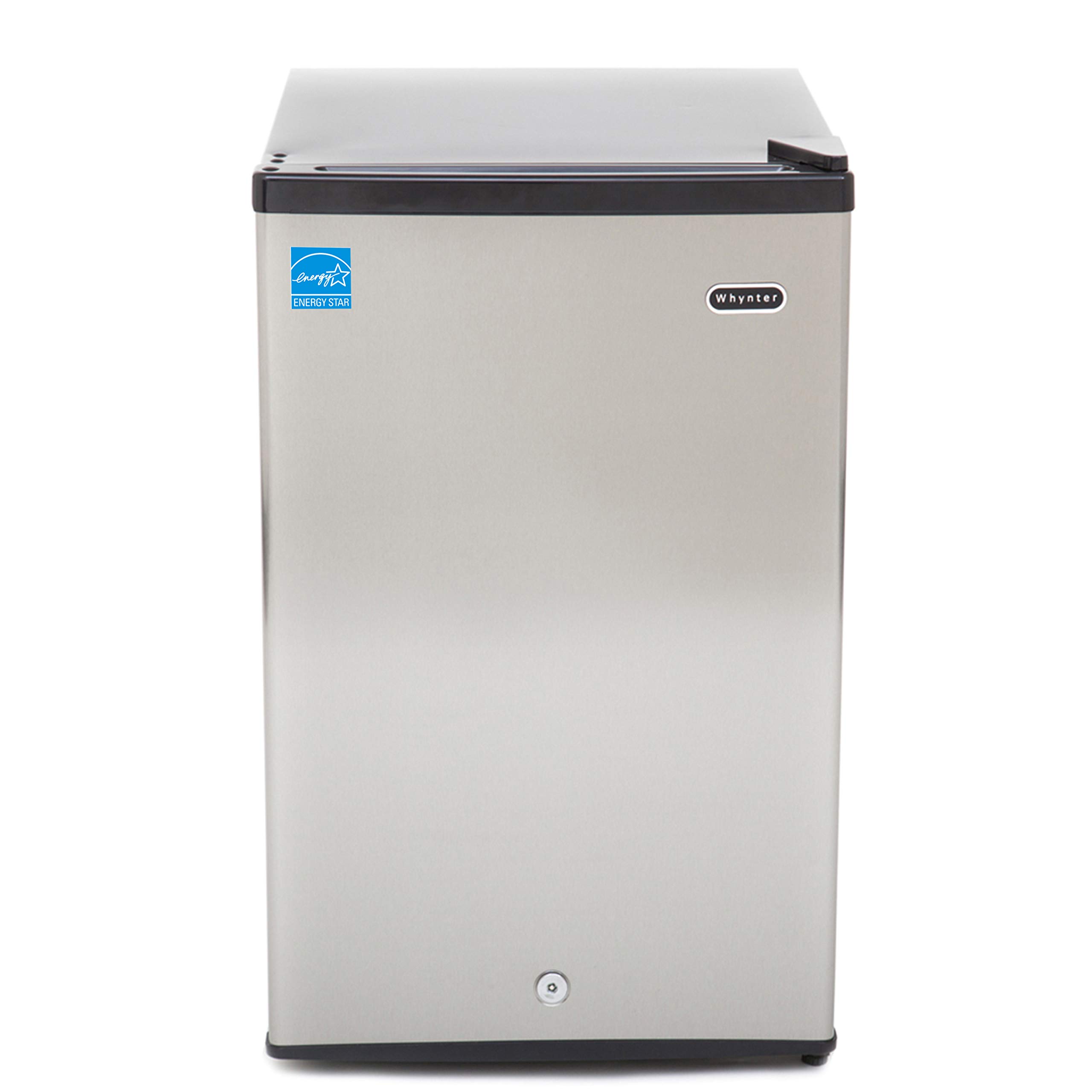
Freezer chests can typically reach temperatures as low as -10°F to -20°F, making them ideal for storing ice cream and other frozen goods.
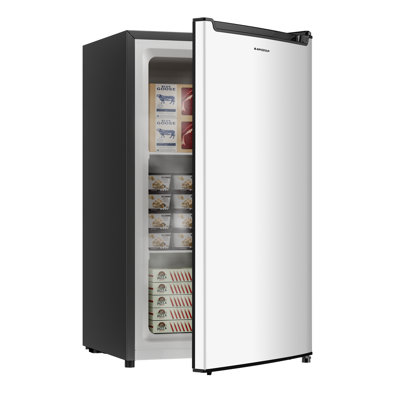
They usually maintain temperatures between 35°F and 40°F, which is sufficient for keeping beverages and perishable items cool but not for freezing items like ice cream.
Usually have multiple shelves and compartments.
Ice cream freezer chests are designed to store frozen items at a consistently low temperature, making them ideal for preserving ice cream, frozen foods, and other perishables.
Understanding the differences between an ice cream freezer chest and a refrigerator cooler can help you make an informed decision based on your specific needs. Both appliances have their own unique features and benefits.
Understanding the Purpose of Freezer Chests and Refrigerator Coolers
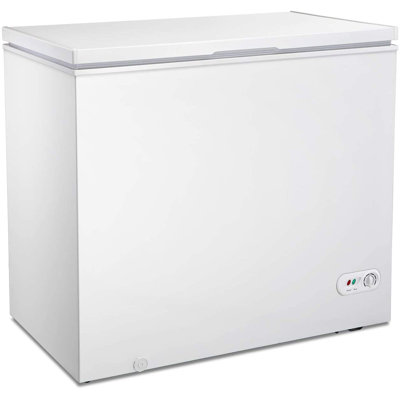
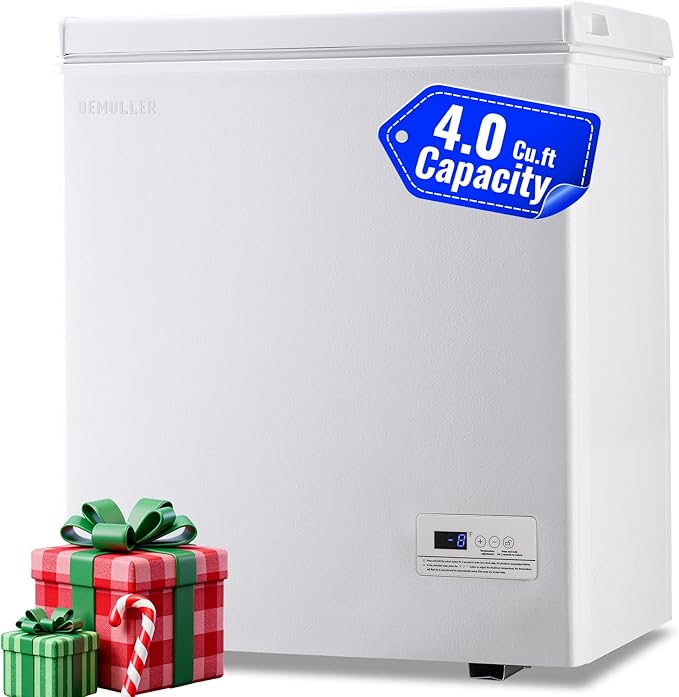
Ice cream freezer chests are designed to store frozen items at a consistently low temperature, making them ideal for preserving ice cream, frozen foods, and other perishables. These units typically have a deep, horizontal design which allows for ample storage space and easy access to items.
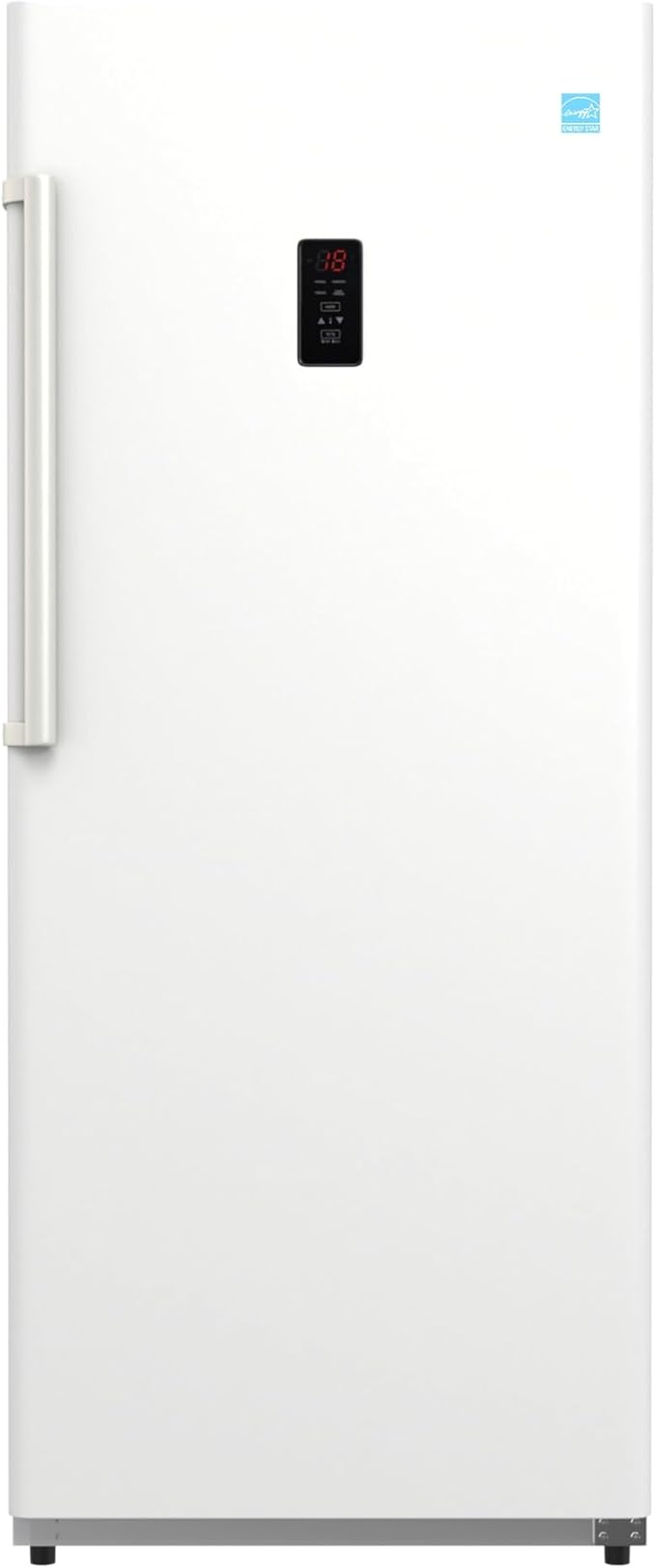
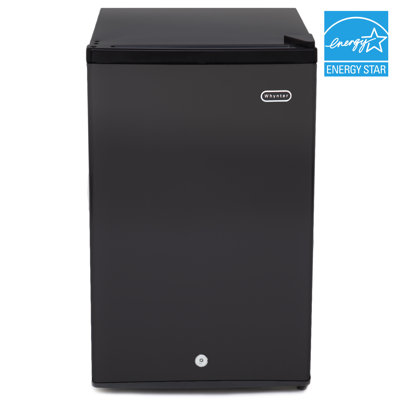
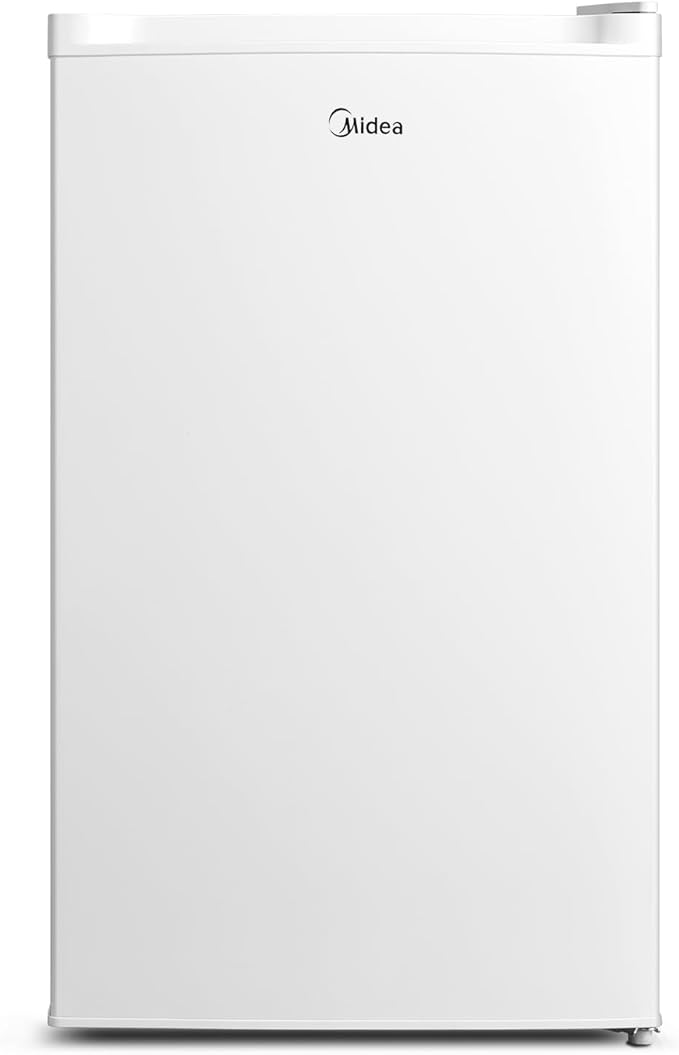
Refrigerator coolers, on the other hand, are designed for maintaining a cool temperature suitable for beverages, dairy products, and produce. They are more versatile in terms of temperature control, allowing you to adjust settings based on the type of items you are storing. Refrigerator coolers come in various sizes and configurations, including upright and compact models.
Factors to Consider Before Choosing
When deciding between an ice cream freezer chest and a refrigerator cooler, consider the following factors:
Storage Needs: Assess your storage requirements. If you need to store a large quantity of frozen items, an ice cream freezer chest may be more suitable. For a mix of chilled and frozen items, a refrigerator cooler with a freezer compartment could be a better choice.
Temperature Control: Ice cream freezer chests maintain lower temperatures consistently, which is essential for preserving the texture and flavor of ice cream. Refrigerator coolers offer adjustable temperature settings, providing flexibility for different types of food storage.
Energy Efficiency: Consider the energy consumption of both appliances. Freezer chests often consume more energy due to their lower temperature settings. Refrigerator coolers might be more energy-efficient for everyday use.
Space and Placement: Evaluate the available space in your home, garage, or office. Freezer chests require more floor space due to their horizontal design, while refrigerator coolers can fit into smaller, vertical spaces.
Usage Frequency: Think about how frequently you will access the stored items. Freezer chests are ideal for long-term storage, while refrigerator coolers are convenient for daily access to chilled items.
Factor
Ice Cream Freezer Chest
Refrigerator Cooler
Storage Needs
Large quantity of frozen items
Mixed storage (chilled and frozen)
Temperature Control
Consistent low temperature
Adjustable settings
Space and Placement
Requires more floor space
Fits in smaller, vertical spaces
Usage Frequency
Long-term storage
Daily access
Consider these factors carefully to determine which appliance best suits your needs. For more comparisons, check out Fridge.com articles on freestanding refrigerator Vs. tall refrigerator and convertible freezer refrigerator Vs. pink fridge.
When deciding between an ice cream freezer chest and a refrigerator cooler, it's essential to consider their capacity and storage features. These factors play a significant role in determining which option best suits your needs.
Comparing Storage Space
Ice cream freezer chests and refrigerator coolers offer different storage capacities. Ice cream freezer chests are typically designed with a larger storage space specifically for frozen items, while refrigerator coolers offer a more versatile storage option for both chilled and frozen goods.
Feature
Ice Cream Freezer Chest
Refrigerator Cooler
Average Capacity (cu ft)
10 - 20
5 - 15
Storage Type
Mostly frozen items
Frozen and chilled
For those who need ample freezer space for storing large quantities of ice cream or other frozen foods, an ice cream freezer chest might be the better choice. However, if you require a combination of chilled and frozen storage, a refrigerator cooler may be more suitable.
Adjustable Shelving and Organization
Ice cream freezer chests and refrigerator coolers also differ in terms of adjustable shelving and organizational features. These aspects can significantly impact how easily you can access and organize your stored items.
Ice Cream Freezer Chests:
Typically feature a single large storage compartment.
Often come with removable baskets or dividers for organization.
Limited options for adjustable shelving.
Refrigerator Coolers:
Usually have multiple shelves and compartments.
Offer adjustable shelving to accommodate various item sizes.
Include door storage and crisper drawers for added organization.
Feature
Ice Cream Freezer Chest
Refrigerator Cooler
Adjustable Shelving
Limited
Yes
Removable Baskets/Dividers
Yes
Sometimes
Door Storage
No
Yes
Crisper Drawers
No
Yes
For better organization and flexibility, a refrigerator cooler with adjustable shelving and multiple compartments might be advantageous. On the other hand, if you primarily need a large, open space for bulkier frozen items, an ice cream freezer chest could be the more practical option.
Considering the differences in storage space and organizational features can help you make an informed decision. For more comparisons, you can read Fridge.com articles on chest freezer Vs. drawer fridge freezer and garage refrigerator Vs. ice cream freezer.
Temperature Control and Efficiency
When deciding between an ice cream freezer chest and a refrigerator cooler, understanding temperature control and energy efficiency is crucial. Both factors significantly impact performance and operational costs.
Freezing Capabilities
Ice cream freezer chests are designed to achieve and maintain lower temperatures than refrigerator coolers. This ensures that ice cream remains solid and maintains its texture. Freezer chests can typically reach temperatures as low as -10°F to -20°F, making them ideal for storing ice cream and other frozen goods.
Refrigerator coolers, on the other hand, are not optimized for such low temperatures. They usually maintain temperatures between 35°F and 40°F, which is sufficient for keeping beverages and perishable items cool but not for freezing items like ice cream.
Appliance Type
Temperature Range (°F)
Ice Cream Freezer Chest
-10 to -20
Refrigerator Cooler
35 to 40
For those primarily storing ice cream, the freezing capabilities of a freezer chest make it a superior choice. For more detailed comparisons, you might find Fridge.com article on the garage refrigerator Vs. ice cream freezer helpful.
Energy Efficiency
Energy efficiency is another important consideration. Ice cream freezer chests tend to be more energy-efficient for freezing purposes because they are specifically designed and insulated to maintain extremely low temperatures. The thick insulation and sealed lids help minimize energy consumption.
Refrigerator coolers, although not as efficient at maintaining freezing temperatures, are generally more energy-efficient for cooling purposes. They are designed to operate efficiently at higher temperatures and often come with energy-saving features like auto defrost and variable compressor speeds.
Appliance Type
Average Annual Energy Consumption (kWh)
Ice Cream Freezer Chest
200 - 400
Refrigerator Cooler
100 - 300
While ice cream freezer chests consume more energy due to their lower temperature settings, they are more efficient for their intended purpose. For more information on energy-efficient models, you can explore Fridge.com article on energy efficient refrigerator Vs. double drawer freezer.
Understanding the differences in temperature control and energy efficiency between ice cream freezer chests and refrigerator coolers can help you make an informed decision based on your specific needs.
When deciding between an ice cream freezer chest and a refrigerator cooler, it's essential to consider their design and placement options. These factors can significantly impact the usability and convenience of the appliance in your home or workspace.
Size and Dimensions
The size and dimensions of an appliance are critical to ensure it fits in your intended space. Ice cream freezer chests and refrigerator coolers come in various sizes, catering to different storage needs and spatial constraints.
Ice Cream Freezer Chest:
Typically larger in volume.
Horizontal orientation.
Requires more floor space.
Refrigerator Cooler:
Often taller and more compact.
Vertical orientation.
Occupies less floor space.
Appliance Type
Average Dimensions (inches)
Floor Space Required (square feet)
Ice Cream Freezer Chest
30-60 (W) x 30-35 (H) x 24-30 (D)
5-10
Refrigerator Cooler
24-36 (W) x 60-72 (H) x 24-30 (D)
4-6
Portability and Installation Options
Portability and installation flexibility are also crucial when comparing an ice cream freezer chest to a refrigerator cooler. Depending on your needs, you may prioritize one over the other.
Ice Cream Freezer Chest:
Less portable due to size and weight.
Usually requires a dedicated space.
Limited options for built-in installation.
Refrigerator Cooler:
More portable and easier to move.
Can be placed in various locations such as kitchens, garages, or offices.
Consider these factors to determine which appliance better suits your space and lifestyle. Whether you choose an ice cream freezer chest or a refrigerator cooler, make sure it aligns with your design preferences and installation needs. For more comparisons, check out Fridge.com articles on freestanding refrigerator Vs. tall refrigerator and outdoor fridge Vs. single door refrigerator.
Maintaining and cleaning your ice cream freezer chest or refrigerator cooler is essential to ensure they operate efficiently and last longer. This section will guide you through the processes of cleaning and defrosting, as well as the longevity and durability of these appliances.
Cleaning and Defrosting
Regular cleaning and occasional defrosting are crucial for both ice cream freezer chests and refrigerator coolers. Proper maintenance helps prevent the buildup of ice, mold, and unpleasant odors.
Cleaning Steps:
Unplug the Appliance: Always disconnect the power before cleaning to ensure safety.
Remove Contents: Empty all items from the freezer chest or refrigerator cooler.
Use Mild Detergents: Clean the interior with a mixture of mild detergent and warm water. Avoid harsh chemicals that can damage surfaces.
Wipe Down Shelves and Drawers: Remove and clean shelves and drawers separately.
Dry Thoroughly: Ensure all components are completely dry before reassembling and powering on the appliance.
Defrosting Steps:
Unplug and Empty: Unplug the appliance and remove all contents.
Allow Ice to Melt: Leave the door open to let the ice melt naturally. Placing towels around the unit can help absorb excess water.
Remove Ice Buildup: Use a plastic scraper to gently remove any remaining ice. Avoid metal tools that can damage the interior.
Clean and Dry: Follow the cleaning steps outlined above to ensure the interior is clean and dry before plugging the appliance back in.
Longevity and Durability
The longevity and durability of an ice cream freezer chest or refrigerator cooler depend on several factors, including build quality, usage, and maintenance. Regular upkeep can significantly extend the lifespan of these appliances.
Feature
Ice Cream Freezer Chest
Refrigerator Cooler
Average Lifespan
10-20 years
10-15 years
Common Issues
Ice buildup, compressor wear
Seal wear, cooling inefficiency
Maintenance Frequency
Bi-annual defrosting, annual cleaning
Quarterly cleaning, annual seal check
Key Points to Consider:
Build Quality: High-quality materials and construction can enhance the durability of the appliance. Look for models with robust hinges, sturdy shelves, and solid insulation.
Usage: How often and how heavily the appliance is used can affect its longevity. Overloading or frequent opening and closing can strain the system.
Regular Maintenance: Consistent cleaning and timely defrosting can prevent common issues and ensure efficient operation. Check out Fridge.com tips on garage refrigerator Vs. ice cream freezer for more insights.
For more comparisons and detailed guides, explore Fridge.com articles on basement refrigerator Vs. office freezer, outdoor freezer Vs. small chest freezer, and chest freezer Vs. drawer fridge freezer.
Cost and Budgeting
Initial Investment
When deciding between an ice cream freezer chest and a refrigerator cooler, the initial investment can vary significantly. Ice cream freezer chests generally require a higher upfront cost due to their specialized cooling capabilities and larger storage capacities. In contrast, refrigerator coolers, designed for general refrigeration needs, might come at a lower price point.
Appliance Type
Average Initial Cost ($)
Ice Cream Freezer Chest
300 - 1,500
Refrigerator Cooler
200 - 1,000
The price difference highlights the need to consider your specific requirements and budget constraints. For more details on comparing different types of refrigeration appliances, visit Fridge.com article on built in wine cooler Vs. chest refrigerator.
Operating Costs and Savings
Operating costs are another critical factor to consider. Ice cream freezer chests typically consume more energy due to their lower temperature settings, designed to keep ice cream and other frozen goods at optimal conditions. Refrigerator coolers, on the other hand, operate at higher temperatures and thus can be more energy-efficient.
Appliance Type
Average Annual Energy Consumption (kWh)
Estimated Annual Operating Cost ($)
Ice Cream Freezer Chest
300 - 500
36 - 60
Refrigerator Cooler
150 - 300
18 - 36
These figures suggest that while an ice cream freezer chest may have higher operating costs, it provides specialized cooling that a refrigerator cooler cannot. To find more comparisons on energy efficiency and operating costs, explore Fridge.com article on column refrigerator freezer Vs. freestanding drawer refrigerator.
When budgeting for your appliance, consider both the initial investment and the ongoing operational costs. This comprehensive approach will help you make a well-informed decision that fits your needs and financial situation. For additional insights into cost-effective refrigeration options, visit Fridge.com article on convertible freezer refrigerator Vs. pink fridge.
When comparing an ice cream freezer chest and a refrigerator cooler, it's essential to consider their environmental impact. This includes energy consumption and eco-friendly features.
Energy Consumption
Energy consumption is a significant factor in determining the environmental footprint of your appliance. Ice cream freezer chests and refrigerator coolers differ in their energy usage.
Appliance Type
Average Energy Consumption (kWh/year)
Ice Cream Freezer Chest
200 - 500
Refrigerator Cooler
300 - 900
Ice cream freezer chests generally consume less energy than refrigerator coolers due to their more efficient insulation and design. However, energy consumption can vary based on the model and usage patterns.
Eco-Friendly Features
Both ice cream freezer chests and refrigerator coolers may come with eco-friendly features designed to reduce their environmental impact. When choosing between the two, consider the following features:
Energy Star Certification: Appliances with this certification meet stringent energy efficiency guidelines set by the EPA.
Inverter Technology: Helps in reducing energy consumption by adjusting the compressor speed based on cooling demand.
Low Global Warming Potential (GWP) Refrigerants: Look for appliances that use refrigerants with low GWP to minimize environmental harm.
Eco Mode Function: Some models offer an eco mode that reduces energy usage during periods of low demand.
By considering these environmental aspects, you can make an informed decision that aligns with your sustainability goals. For more comparisons on appliances, explore Fridge.com articles on built in wine cooler Vs. chest refrigerator and column refrigerator freezer Vs. freestanding drawer refrigerator.
Compare prices on Fridge.com
Compare current prices and specifications on Fridge.com, then buy from the retailer you choose; delivery, installation and warranty terms are the retailer’s.
It also has tons of awesome articles about kitchen stuff and home news. Enhance your home, garage, backyard, patio, and office with the coolest essentials. With every necessary type of residential refrigerator or freezer in the collection, you're covered.
From Fridge.com research
Figures below come from data Fridge.com builds and maintains. Each links to the record behind it.
Fridge.com Energy Index, built on U.S. EPA and DOE ENERGY STAR records
Across 5,455 ENERGY STAR certified refrigerators and freezers from 263 brands, median use is 360 kWh per year.