Maintains lower temperatures, typically around -10°F to -20°F.
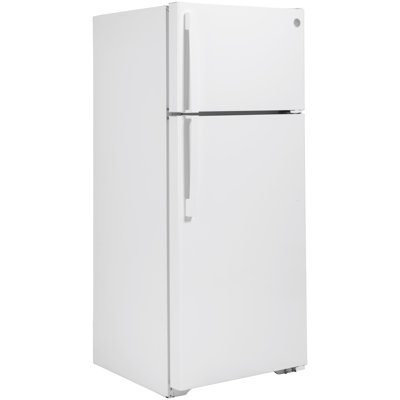
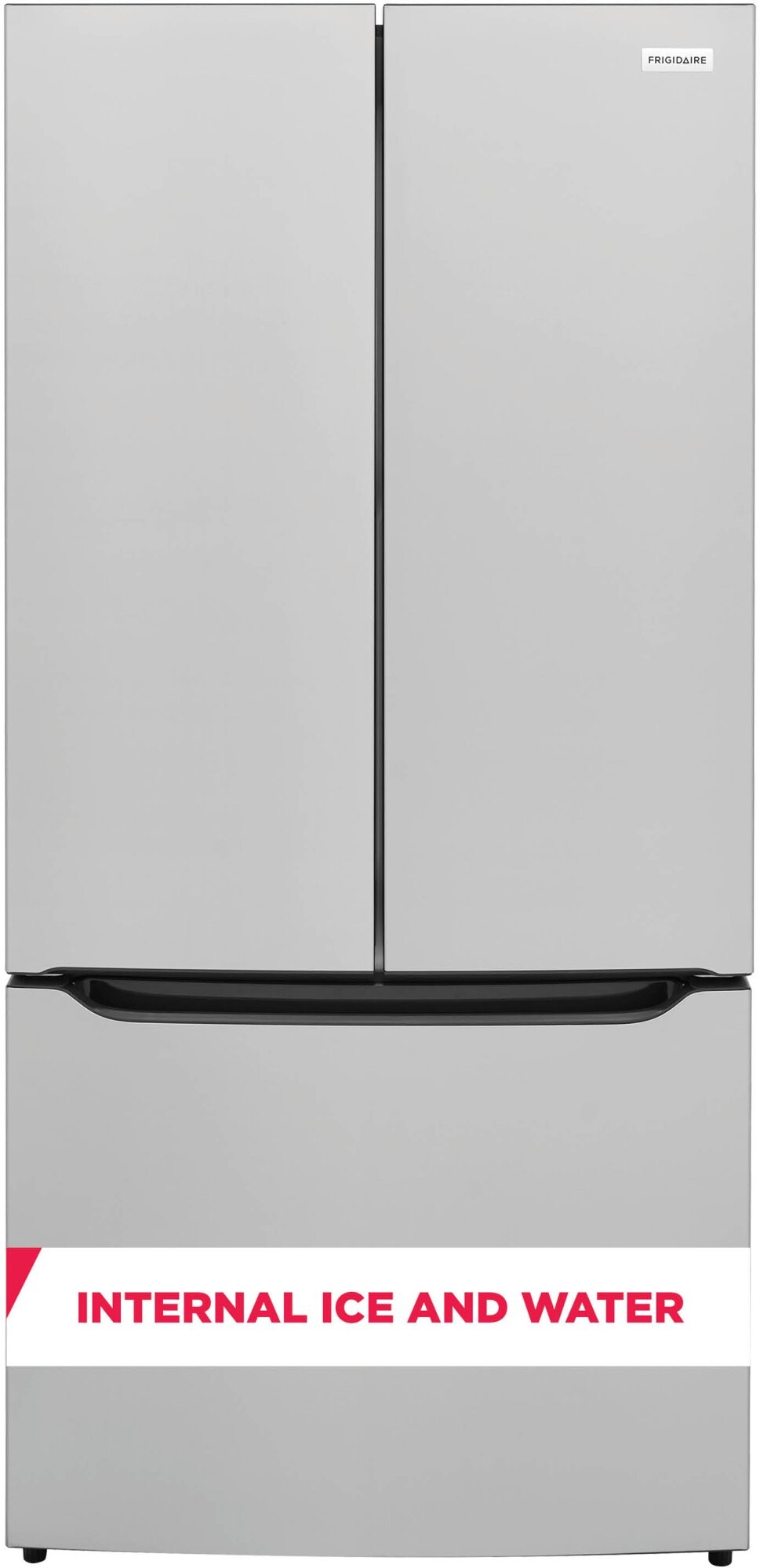
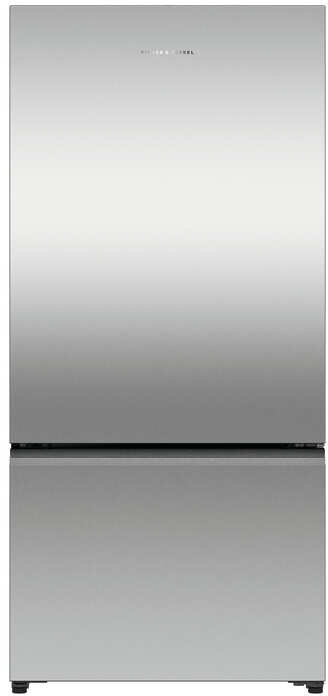
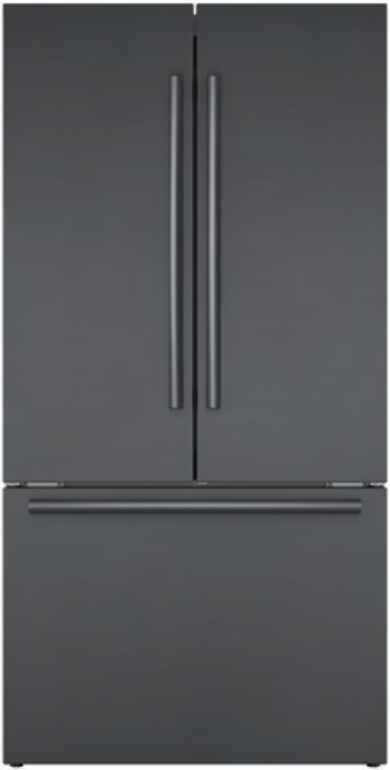
Typically operates between 32°F and 40°F.
Most models come with multiple compartments and adjustable shelves, making it easy to organize and store a variety of items.
When choosing between an ice cream cooler and a reach-in refrigerator, it's essential to understand the differences in their design, functionality, and ideal usage.
When choosing between an ice cream cooler and a reach-in refrigerator, it's essential to understand the differences in their design, functionality, and ideal usage. This knowledge will help you make an informed decision based on your specific needs.
Feature
Ice Cream Cooler
Reach-In Refrigerator
Primary Function
Designed specifically to store ice cream and other frozen treats at optimal temperatures
General refrigeration for a variety of perishable items
Temperature Range
Maintains lower temperatures, typically around -10°F to -20°F
Typically operates between 32°F and 40°F
Ideal Usage
Perfect for ice cream parlors, dessert shops, or home use if you frequently stock frozen desserts
Suitable for restaurants, commercial kitchens, or household use for storing a wide range of food items
Shelving and Storage
Often includes deep bins or open shelves to accommodate ice cream containers of various sizes
Features adjustable shelves to organize different types of food and beverages
Doors
Usually comes with a top lid or sliding doors for easy access to ice cream containers
Typically features swing or sliding doors for easy access to the refrigerator's contents
An ice cream cooler is specifically designed to keep frozen treats at the lowest possible temperatures, ensuring they remain in perfect condition. These coolers are ideal for environments where ice cream and similar items are in high demand. They usually feature deep bins or open shelves to allow easy access and organization of various ice cream containers.
On the other hand, a reach-in refrigerator is more versatile, designed to store a wide variety of perishable items at temperatures above freezing. These refrigerators are commonly used in both commercial and residential settings, providing ample storage for everything from fresh produce to beverages. Their adjustable shelving systems make it easy to customize the storage space according to your needs.
When deciding between an ice cream cooler and a reach-in refrigerator, consider the primary function and ideal usage of each. If your focus is on storing ice cream and other frozen desserts, an ice cream cooler is the best choice. However, if you need a more versatile refrigeration solution, a reach-in refrigerator may be more suitable. For more information on different types of fridges and their uses, check out Fridge.com articles on bar fridge Vs. dry age fridge and mini freezer Vs. undercounter refrigerator.
When considering an ice cream cooler versus a reach-in refrigerator, it's essential to understand the purpose and functionality of each appliance. This section focuses on ice cream coolers.
Purpose and Functionality
An ice cream cooler is specifically designed to maintain the optimal temperature for storing ice cream and other frozen treats. Ice cream requires a colder environment than regular refrigeration to preserve its texture and flavor. Standard refrigerators cannot reach the low temperatures necessary for ice cream storage, making ice cream coolers the ideal choice.
Ice cream coolers are equipped with powerful compressors and efficient insulation to maintain consistent low temperatures. They usually feature adjustable temperature settings to cater to different types of frozen desserts. The design often includes sliding glass doors or top-loading lids, making it easy to access and display the contents.
Ideal Uses for an Ice Cream Cooler
Ice cream coolers are perfect for various settings, including homes, small businesses, and events. Here are some ideal uses for an ice cream cooler:
Home Use: Keep your favorite ice creams and frozen treats readily available for family and friends.
Small Businesses: Ideal for ice cream shops, cafes, and convenience stores that need to display and store ice cream efficiently.
Events: Perfect for parties, weddings, and outdoor gatherings where you want to serve ice cream to guests.
Setting
Ideal Uses
Home
Family gatherings, entertaining friends
Small Business
Ice cream shops, cafes, convenience stores
Events
Parties, weddings, outdoor gatherings
By understanding the purpose and functionality of an ice cream cooler, you can better assess whether this appliance fits your needs. For more information on how different types of refrigerators compare, check out Fridge.com article on bar fridge Vs. dry age fridge.
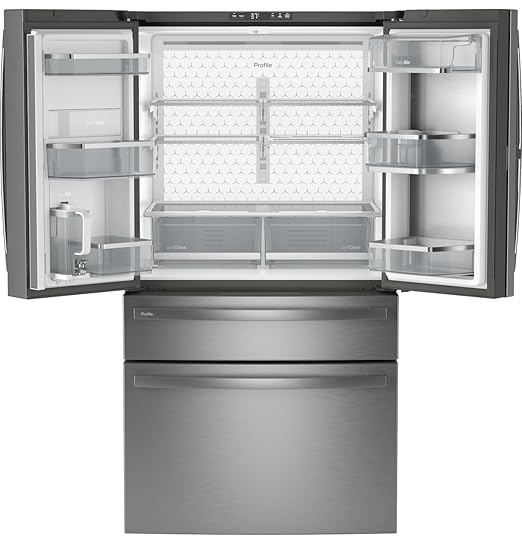
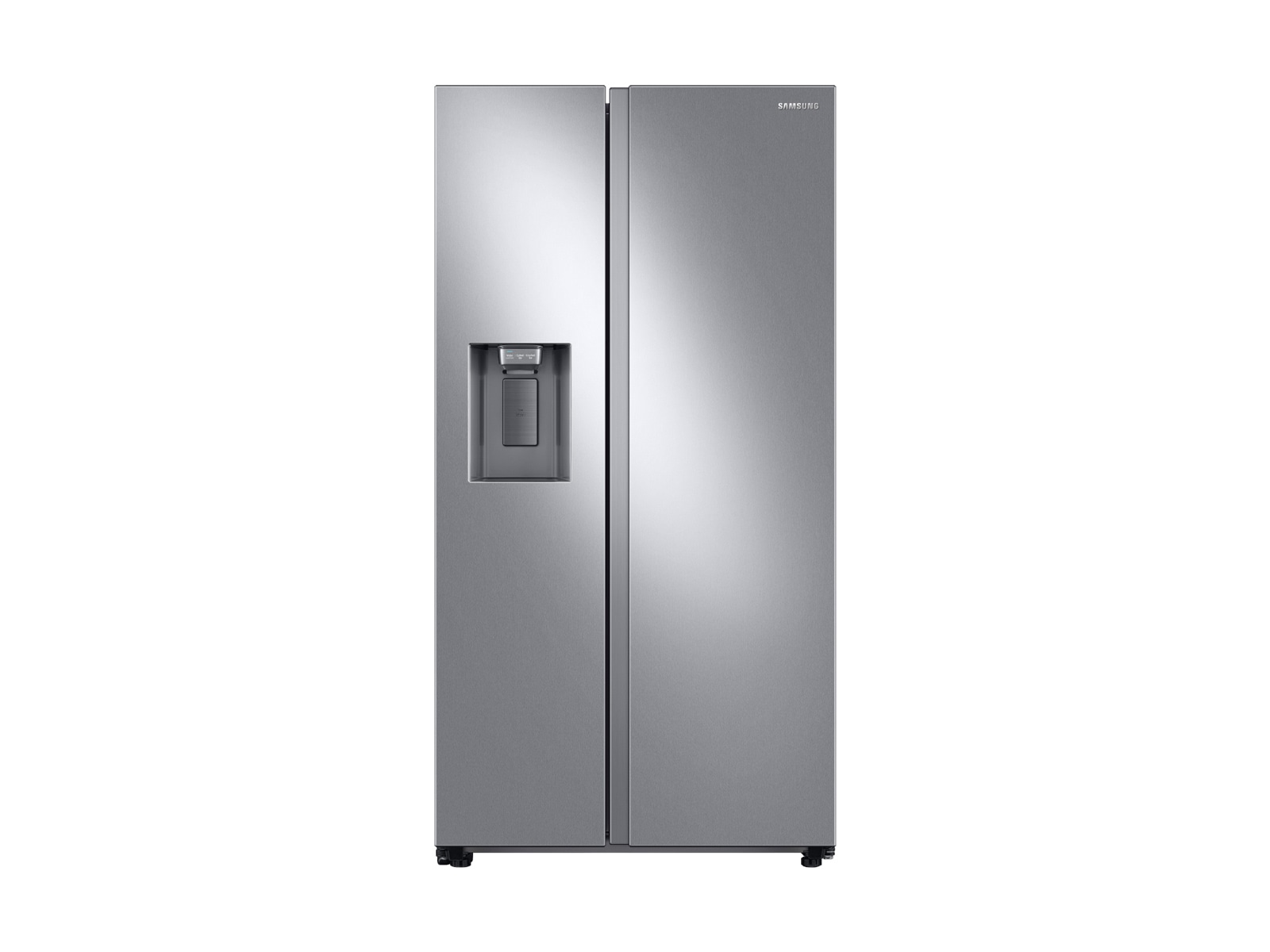
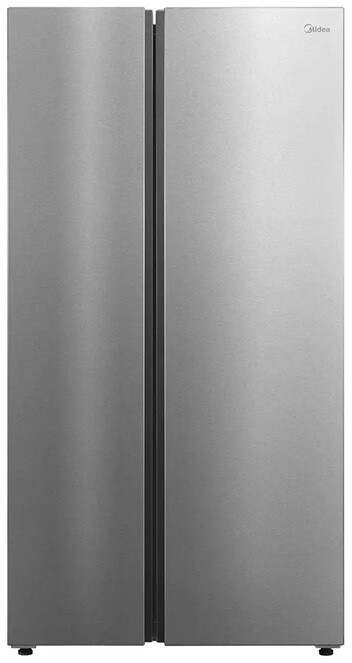
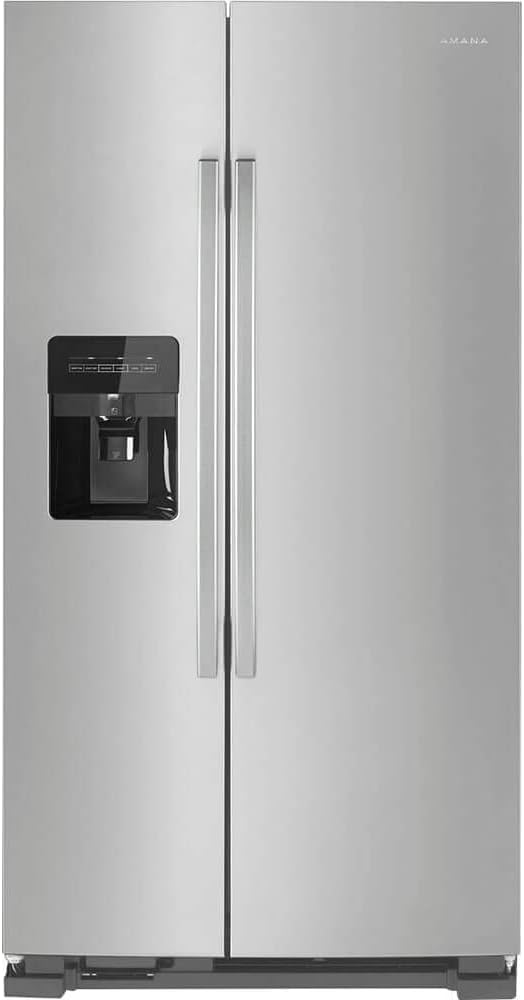
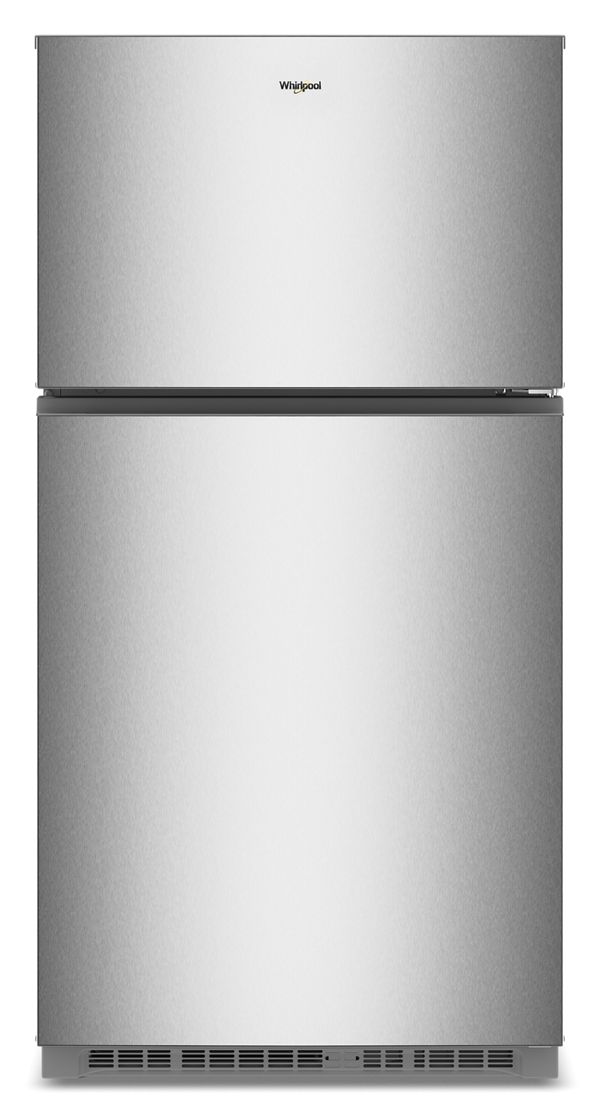
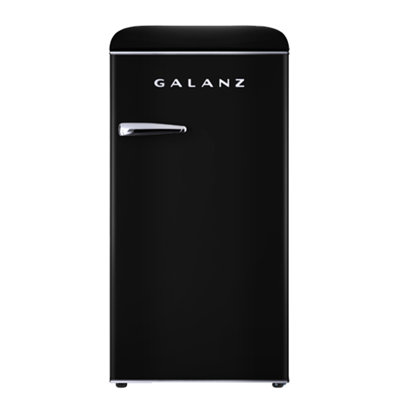
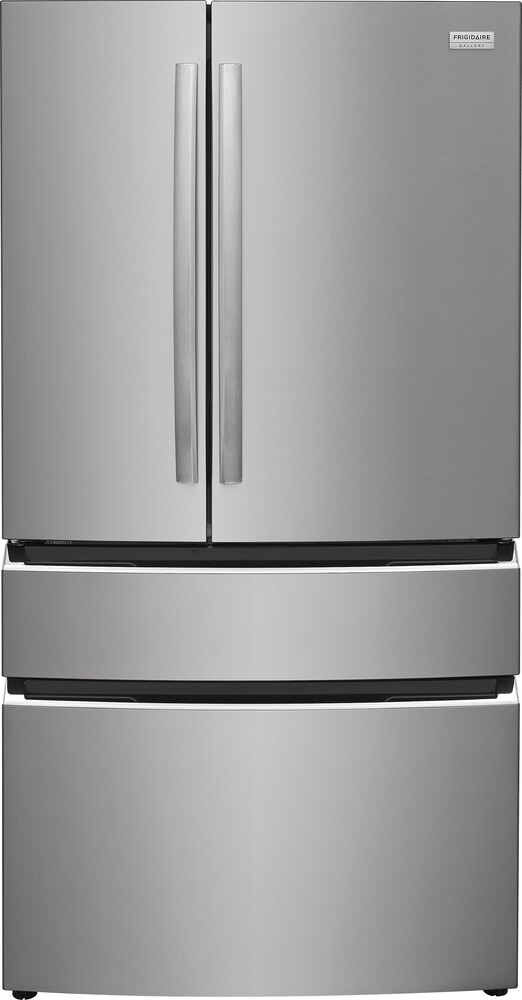
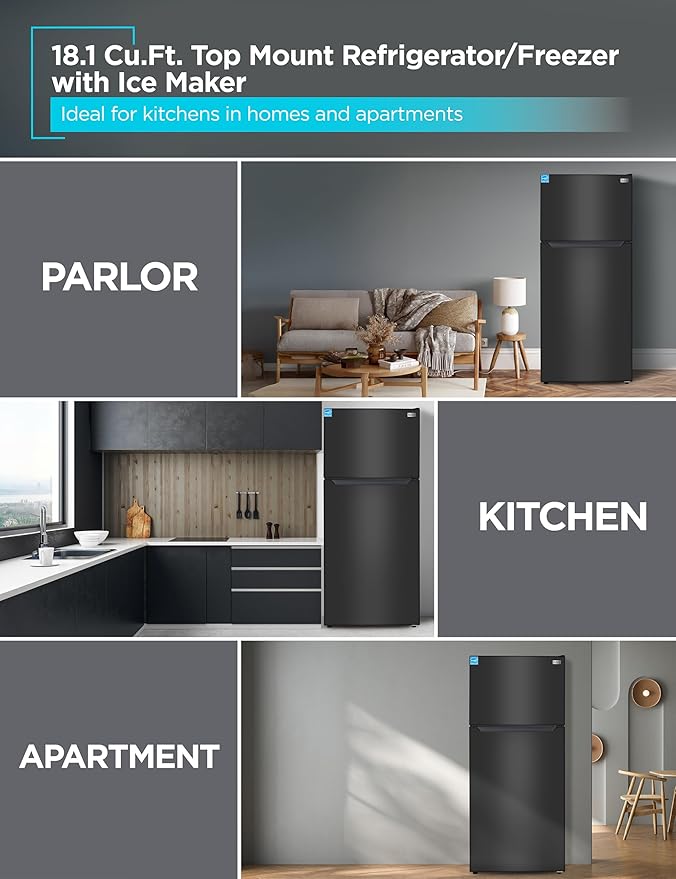
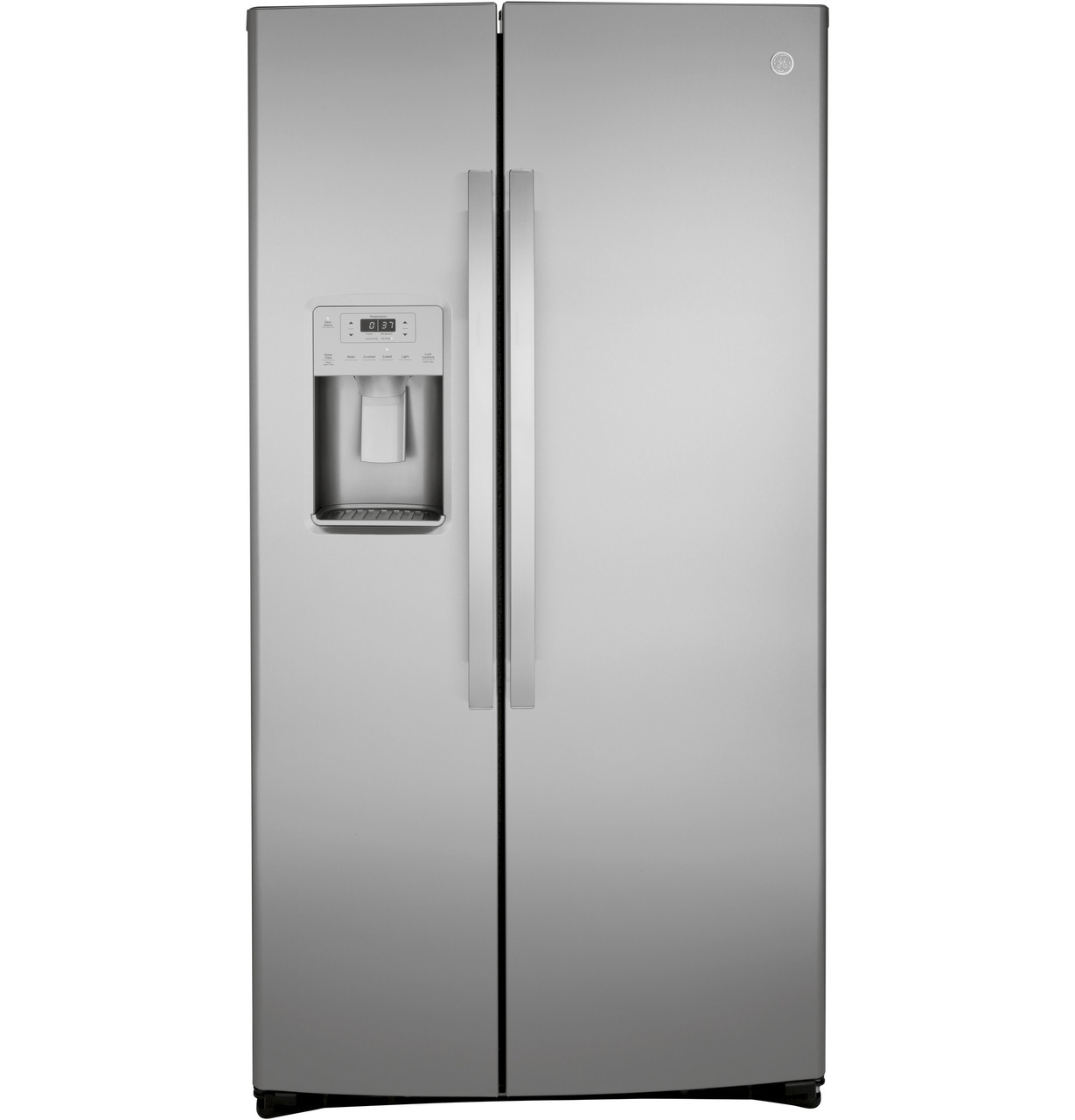
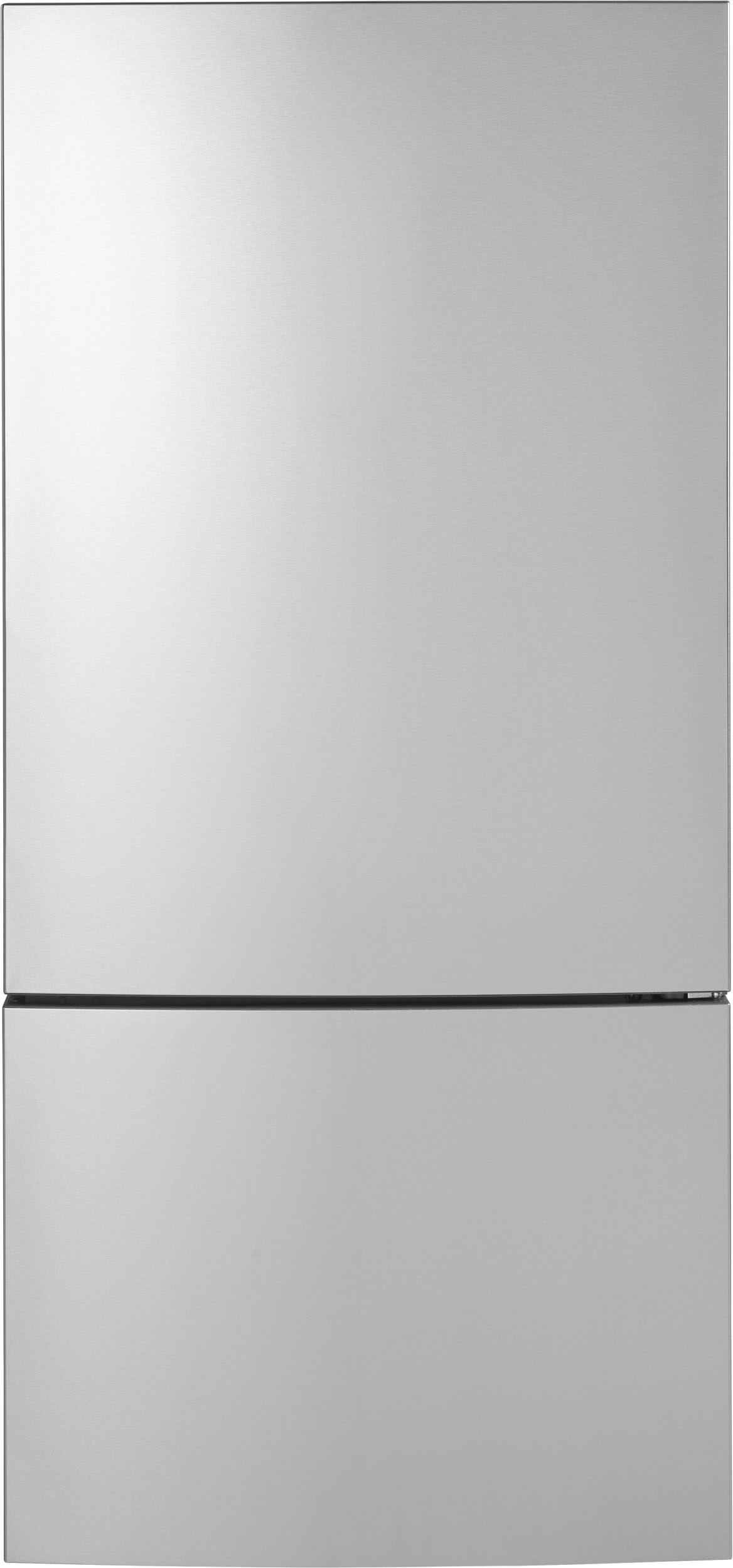
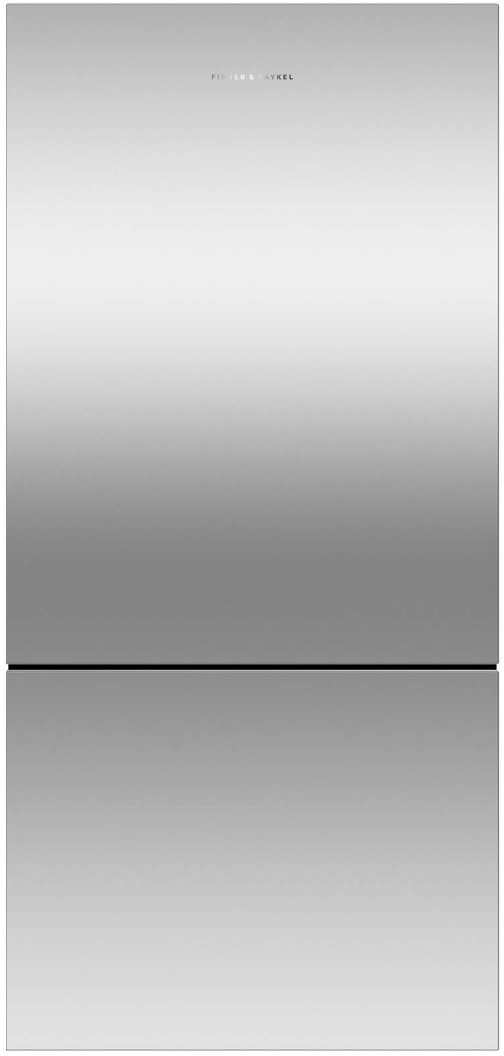
A reach-in refrigerator is designed to provide convenient and accessible storage for perishable items. Typically found in commercial kitchens, restaurants, and even homes, these refrigerators feature front doors that allow you to "reach in" and access your food items easily.
The core functionality of a reach-in refrigerator revolves around maintaining a consistent, cool temperature to preserve the quality and safety of your food. Most models come with multiple compartments and adjustable shelves, making it easy to organize and store a variety of items. Here are some of the key features:
Temperature Control: Allows you to set and maintain the desired temperature.
Adjustable Shelving: Provides flexibility for storing different sizes and types of food items.
Energy Efficiency: Modern models often include energy-saving features to reduce electricity consumption.
Feature
Description
Temperature Range
33°F to 40°F
Number of Shelves
3 - 6 (adjustable)
Ideal Uses for a Reach-In Refrigerator
Reach-in refrigerators are versatile and can be used in various settings to meet your cooling needs:
Commercial Kitchens: Ideal for storing ingredients and prepared foods, ensuring they are easily accessible for quick meal preparation.
Homes: Useful for those who require additional refrigeration space beyond the standard household fridge. Perfect for storing beverages, bulk items, and leftovers.
Offices: A convenient solution for employees to store their lunches and snacks.
Outdoor Spaces: Suitable for outdoor kitchens, poolside cabanas, or backyard entertaining areas where extra refrigeration is needed.
The reach-in refrigerator is a reliable and essential appliance for various environments. With its efficient design and flexible storage options, it meets the diverse needs of homeowners, chefs, and food enthusiasts alike. For more information on different types of refrigerators and their uses, check out Fridge.com article on the bar fridge Vs. dry age fridge.
When deciding between an ice cream cooler and a reach-in refrigerator, there are several key factors to keep in mind. These considerations will help you determine which appliance best suits your needs.
Temperature Control
Temperature control is crucial for both ice cream coolers and reach-in refrigerators, but each has specific requirements. Ice cream coolers are designed to maintain a consistently low temperature to keep ice cream frozen and maintain its texture. Reach-in refrigerators, on the other hand, are built to store a variety of perishable items at a slightly higher temperature.
Appliance
Temperature Range (°F)
Ice Cream Cooler
-20 to 0
Reach-In Refrigerator
35 to 38
For more information on maintaining appropriate temperatures, you can explore Fridge.com article on fridge at 60 degrees.
Storage Capacity
Storage capacity needs vary depending on your usage. Ice cream coolers often have specialized compartments optimized for storing tubs or containers of ice cream. Reach-in refrigerators typically offer adjustable shelving and larger storage spaces suitable for a variety of food items.
Appliance
Average Storage Capacity (Cubic Feet)
Ice Cream Cooler
10 - 20
Reach-In Refrigerator
20 - 50
Understanding your specific storage needs will help you make an informed decision. For example, if you require a cooler for a cottage or a small space, you might want to check out Fridge.com comparisons like mini freezer Vs. tall refrigerator.
Energy Efficiency
Energy efficiency is an important factor to consider, as it impacts both your utility bills and environmental footprint. Ice cream coolers typically require more energy to maintain lower temperatures compared to reach-in refrigerators.
Appliance
Average Energy Consumption (kWh/year)
Ice Cream Cooler
700 - 1500
Reach-In Refrigerator
400 - 800
Evaluating the energy efficiency of each appliance can help you make a cost-effective decision. For additional insights on energy-efficient options, you may want to read about portable coolers ac/dc.
By considering these factors—temperature control, storage capacity, and energy efficiency—you can better determine which appliance will serve your needs best. Whether you're a homeowner, chef, or foodie, making the right choice between an ice cream cooler and a reach-in refrigerator is essential for optimal food storage and enjoyment. For more detailed comparisons and tips, explore Fridge.com related articles like bar fridge Vs. dry age fridge and drawer freezer Vs. undercounter freezer.
Pros and Cons
When choosing between an ice cream cooler and a reach-in refrigerator, it's essential to weigh the advantages and disadvantages of each to determine which best suits your needs.
Ice Cream Cooler Pros and Cons
Ice cream coolers are specifically designed to store frozen treats at optimal temperatures. Here are the pros and cons:
Pros:
Temperature Control: Maintains a consistent and ultra-low temperature ideal for ice cream.
Storage Design: Often equipped with baskets or dividers to organize different types of ice cream.
Energy Efficiency: Designed to be energy-efficient for frozen products.
Cons:
Limited Versatility: Primarily designed for frozen items, limiting its use for other types of food storage.
Space Requirements: May require more floor space due to its design.
Higher Initial Cost: Often more expensive upfront compared to general-purpose refrigerators.
Feature
Ice Cream Cooler
Temperature Range
-20°F to 0°F
Ideal Use
Ice cream, frozen desserts
Reach-In Refrigerator Pros and Cons
Reach-in refrigerators are versatile units suitable for a variety of cooling needs. Here are the pros and cons:
Pros:
Versatility: Can store a wide range of food items, from dairy to vegetables.
Accessibility: Easy to access items with multiple shelves and compartments.
Space Efficiency: Generally designed to fit into smaller spaces.
Cons:
Temperature Range: May not achieve the ultra-low temperatures required for optimal ice cream storage.
Energy Consumption: Can be less energy-efficient if used for frozen items.
Maintenance: Requires regular defrosting and cleaning to ensure efficiency.
Feature
Reach-In Refrigerator
Temperature Range
33°F to 40°F
Ideal Use
General food storage
By considering these pros and cons, you can make a more informed decision. Whether you need a specialized ice cream cooler or a versatile reach-in refrigerator, understanding their features will help you choose the best option for your needs. For more detailed comparisons, check out Fridge.com articles on bar fridge Vs. dry age fridge and mini freezer Vs. undercounter refrigerator.
When deciding between an ice cream cooler and a reach-in refrigerator, it's essential to evaluate your specific needs. Consider the primary purpose of the appliance, the type of items you plan to store, and the frequency of use. For example, if your primary focus is keeping ice cream at the perfect temperature for scooping, an ice cream cooler is ideal. On the other hand, a reach-in refrigerator provides versatility for storing a variety of perishable items.
Determining the Best Option for Your Space
Space constraints and layout should also influence your choice. Ice cream coolers are often more compact, making them suitable for smaller areas such as home pools, tiny homes, or mobile homes. Reach-in refrigerators, however, may require more space but offer greater storage capacity.
Factor
Ice Cream Cooler
Reach-In Refrigerator
Primary Use
Ice cream
Multiple perishables
Temperature Range
-10°F to 0°F
35°F to 38°F
Size
Compact
Larger footprint
Versatility
Low
High
Ideal Locations
Small spaces
Kitchens, garages
For more insights on specific fridge types, check out mini freezer Vs. tall refrigerator and drawer freezer Vs. undercounter freezer.
Additionally, consider energy efficiency and temperature control features. Ice cream coolers typically have robust temperature control to maintain the low temperatures needed for ice cream, while reach-in refrigerators offer a broader range of temperature settings. Remember to evaluate the energy consumption of each option to ensure it fits your sustainability goals.
By thoroughly assessing your needs and space, you can make an informed decision that enhances your food storage experience. For more information on choosing the right refrigerator, visit Fridge.com articles on best fridge for national junk food day and best fridge for national parents day.
Compare prices on Fridge.com
Compare current prices and specifications on Fridge.com, then buy from the retailer you choose; delivery, installation and warranty terms are the retailer’s.
It also has tons of awesome articles about kitchen stuff and home news. Enhance your home, garage, backyard, patio, and office with the coolest essentials. With every necessary type of residential refrigerator or freezer in the collection, you're covered.
Free tool
Beverage Cooler Size Calculator
Free interactive tool from Fridge.com — get a quick answer while you read.