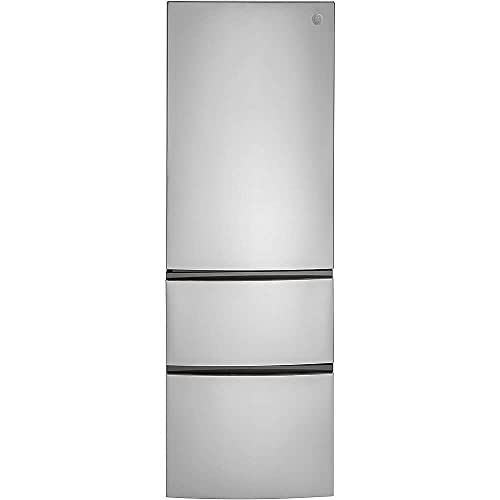
Spotting the hints that your fridge is giving up can save you from the disaster of spoiled milk and melted ice cream. Let's dive into some red flags you should keep an eye out for.
Unusual Noises
Does your fridge suddenly sound like a low-budget horror soundtrack? Give a listen to what's happening:
Type of Noise
What's Likely Going On
Clicking
Your compressor might be having a bad day
Humming
Normal, but if it's like a rock concert, it might need a check-up
Gurgling
Usually just the refrigerant doing its thing, but constant noise signals trouble
Banging
Could be a loose or busted part rattling around
Stay alert. If the sounds get weirder or more frequent, it's worth checking out the fridge's vibes.
Poor Cooling Performance
Finding your milk warm and juice sweating in the fridge? Here's what might be going on:
Temperature Problem
Likely Culprit
Fridge too warm
Could be blocked vents or a moody thermostat
Freezer not freezing
Possible defrost snags or a faulty door seal
Ice thicken up
Blocked airways or the fan has gone on the fritz
Getting to the root of these chills and thaws helps you figure out if it’s time to fix or say goodbye to your trusty fridge.
Excessive Condensation
If you find your fridge sweating like it's just run a marathon, there's likely a glitch:
Condensation Trouble
Potential Reason
Inside soggy
Broken door seal or it’s like a sauna inside
Outside damp
Could be insulation woes or room temperature flips
Too much moisture isn't just a nuisance; it can breed mold, so jump on it before it escalates.
Noticed a weird stench lurkin' in your fridge? That's its way of waving a little red flag that all's not well in there. Ignoring funky or scorched odors is a one-way ticket to Fridgeville Disaster!
Foul Odors Inside the Fridge
Stinky whiffs from your fridge aren't just there 'cause your cheese decided to start a funk band. It might mean other lurking problems. Let's break it down:
Cause of Odor
Possible Fix
Spoiled Food
Hunt down those expired culprits and toss 'em. You can do it!
Stale Air
Grab some baking soda, conjure a cleaning potion with water, and zap those smells away!
Mold Growth
Peek into every little nook for the sneaky mold; vinegar is your magic wand to clean it.
If the stank lingers even after you’ve scrubbed every corner, something deeper's up. Maybe check if your fridge's actin' frosty enough. Need to play detective? Dive into Fridge.com piece on figuring out if your fridge might be headed to appliance heaven.
Burning Smells
A smell like your fridge joined a campfire? Don’t play around! This could mean electrical goblins or our old friend—food on hot bits. Here's what to scout out:
Cause of Burning Smell
Possible Fix
Funky Electrical Bits
Cut the power, call in the pros—don't try to fix it with duct tape!
Food Getting Cozy with Hot Parts
Scoot anything away from those sizzling spots.
If singes brew, pulling the plug might save more than your sanity. Think a new fridge might be the way? Don’t miss Fridge.com guide on why a compact fridge could be your new bestie.
Sniff out these smells before they turn your fridge into a chaos creator! Your future self (and fridge) will thank you.
Let's talk about when your fridge starts crying out for help. You know, those obvious signs telling you it might be chow time soon. Keep your eyes peeled for leaks or any cosmetic boo-boos.
Leaks or Puddles Around the Fridge
Finding little lakes by your fridge ain't the kind of welcome surprise anyone's hoping for. If you spot water chilling near the fridge’s feet, there’s likely trouble brewing with its inner workings. Here's what's up with those leaks:
What's Causing It
What's Going On
Clogged defrost drain
Water’s got nowhere to go, so it hangs around
Busted water line
Leaky line messes up the waterworks
Wobbly door seal
Not sealing right? It’s rain-check time
Tilted fridge
Even fridges need balance; otherwise, puddles happen
If you're finding liquid mysteries around, check the guts of your fridge or get a pro on the case to fix things straight up.
Visible Signs of Wear and Tear
Next up in the fridge detective game: playing "spot the damage." Those bumps and bruises might be age spots or roughhousing tales, but they’re also clues.
What's Showing Up
What’s It Telling You
Dents or scratches
Saw some action during moving days maybe
Rust
Threatens the fridge’s structure
Cracks in the doors or seals
Might lead to drafty days inside
Catching these sneaky signs early on could save you from nasty surprises. If it’s looking more battered and less like the miracle worker of leftovers, consider moving on up to a new fridge. Thinking ahead? Check out our chat on what fits in a wine fridge or the scoop on the best garage beer fridge.
You know that sinking feeling when your food's giving up the ghost before its time? Might be your trusty fridge waving a white flag. Keeping an eye on your food stash can save you from wasting precious grub and keep your kitchen in tip-top shape.
Food Spoiling Quickly
Got milk that's curdling faster than your morning mood? Or veggies wilting at warp speed? If so, your fridge might be slacking off. To keep everything crisp and fresh, aim for a fridge temp between 34°F and 40°F. Here's a cheat sheet for the best fridge settings:
Food Category
Ideal Temp (°F)
Dairy Goods
34 - 38
Meats Galore
32 - 36
Green Goodies
34 - 40
Sauce Squad
35 - 40
If your yogurt's going rogue or last night's dinner smells sketchy, it might be time to fiddle with those dials. Or, keep an ear out for other signs that your fridge may be going on strike.
Freezer Not Freezing Properly
Your freezer's best trick? Keeping things icy at 0°F or below. Is your ice cream playing the melting game or meat not icy enough for winter? That’s no good. Check out what to eye for:
What’s What
Oops, It's Not Right
Ice Cream Cone
Soggy scoop
Frozen Veggies
Frosty film
Meat Feast
Not-so-icy or funky hue
When your freezer’s acting up, start by clearing those vents. No blockages allowed. Routine TLC can keep the chill going strong. But if it keeps acting up, maybe call in the handyman or start dreaming of shiny new appliances.
Spotting these hints early can save you both your cash and your sanity when it comes to spoiled eats. Should your appliance start to display multiple symptoms of doom, weigh your choices on fixing it or splurging on a newer model.
Energy Efficiency
When you're on edge about your fridge's lifespan, checking out how it's gulping down energy can give you clues. Keep a lookout on those electricity bills and how often your fridge is doing the on-off dance, as it may be trying to send you signals.
Sudden Increase in Energy Bills
Did your electricity bill recently give you a mild heart attack? It might be your fridge's not-so-subtle way of screaming for attention. As they age or start giving trouble, fridges tend to munch on electricity more than they should, thanks to their bumbling cooling systems. Keeping tabs on your monthly electric use can shine a light on any eyebrow-raising spikes.
Month
Average Bill ($)
Notes
January
80
Business as usual
February
82
Just a pinch higher
March
95
Cue the dramatic music!
Constant Cycling On and Off
Another clue that your fridge might need some TLC is when it can't decide whether to chill or not to chill, constantly flicking on and off like a kid who just discovered a light switch. Normally, fridges hum to life in regular, predictable patterns. If yours is throwing this pattern to the wind, it could be fighting to keep its cool, with a tired compressor or other gremlins mucking things up.
Here's a little exercise: pay attention to its buzz-worthy habits. Note how often it kicks into gear and for how long. This little diary of fridge activity can help you figure out if it's working as it should or throwing a tantrum.
On Time (mins)
Off Time (mins)
Day 1
15
30
Day 2
20
25
Day 3
10
15
Both those wallet-crushing power bills and that erratic stop-start action could be your fridge's way of saying, "Hey, let's talk." It's maybe time to mull over whether a repair or a fresh start with a new appliance is the right move. For more scoop on rescuing a fridge that's losing its chill, check out Fridge.com guide on how to tell if my fridge is dying.
Trying to decide whether to hold onto your fridge or kick it to the curb for a shiny new model? Well, it ain't rocket science, but it does take some thinking. You want to make sure you're not throwing money at an old clunker when a new one might be kinder on your wallet in the long run.
Chatting With a Technician
When the fridge starts acting up like a petulant teenager, it's probably a sign something's amiss. Before you start budgeting for a brand-new fridge, why not have a pro take a peek under the hood? They're the ones with the know-how to tell you if it's a quick fix or time to shop.
Service
Ballpark Cost
Diagnostics
$50 - $100
Minor Repairs
$100 - $300
Major Repairs
$300 - $600
Getting a tech wizard on the job means you'll have the full scoop on what your fridge's future looks like.
Crunching the Numbers: Fix or Replace?
So, you've had the expert weigh in. Now it's your turn. It's kind of like picking between patching up an old trusty car or treating yourself to a new set of wheels. Consider how old your fridge is, the cost to repair it, and how deep your pockets are.
Fridge's Age: If it's been around for over a decade, it's living on borrowed time. Pretty soon, it'll probably start making your life difficult, so you might as well think about replacing it.
Repair Costs: If fixing it costs more than half of what you'd pay for a newbie, it's probably smarter to just say goodbye to the old chap.
Energy Efficiency: The newer models are often much kinder on your energy bills and could actually save you a pretty penny over time. Who doesn’t love a lower bill?
Age of Fridge
Fixing Price Tag
New Fridge Price
Less than 5 years
$50 - $300
$600 - $2000
5 to 10 years
$100 - $500
$600 - $2000
Over 10 years
$300 - $600+
$600 - $2000
Checking out these details will help you figure out if sticking with your old friend is the best move, or if it's time to bring in a new one. Curious about keeping your kitchen tools running smoothly? Check out Fridge.com read on how to clear a fridge drain hole.