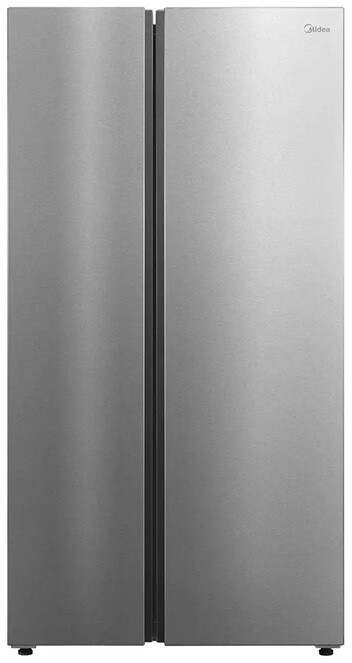
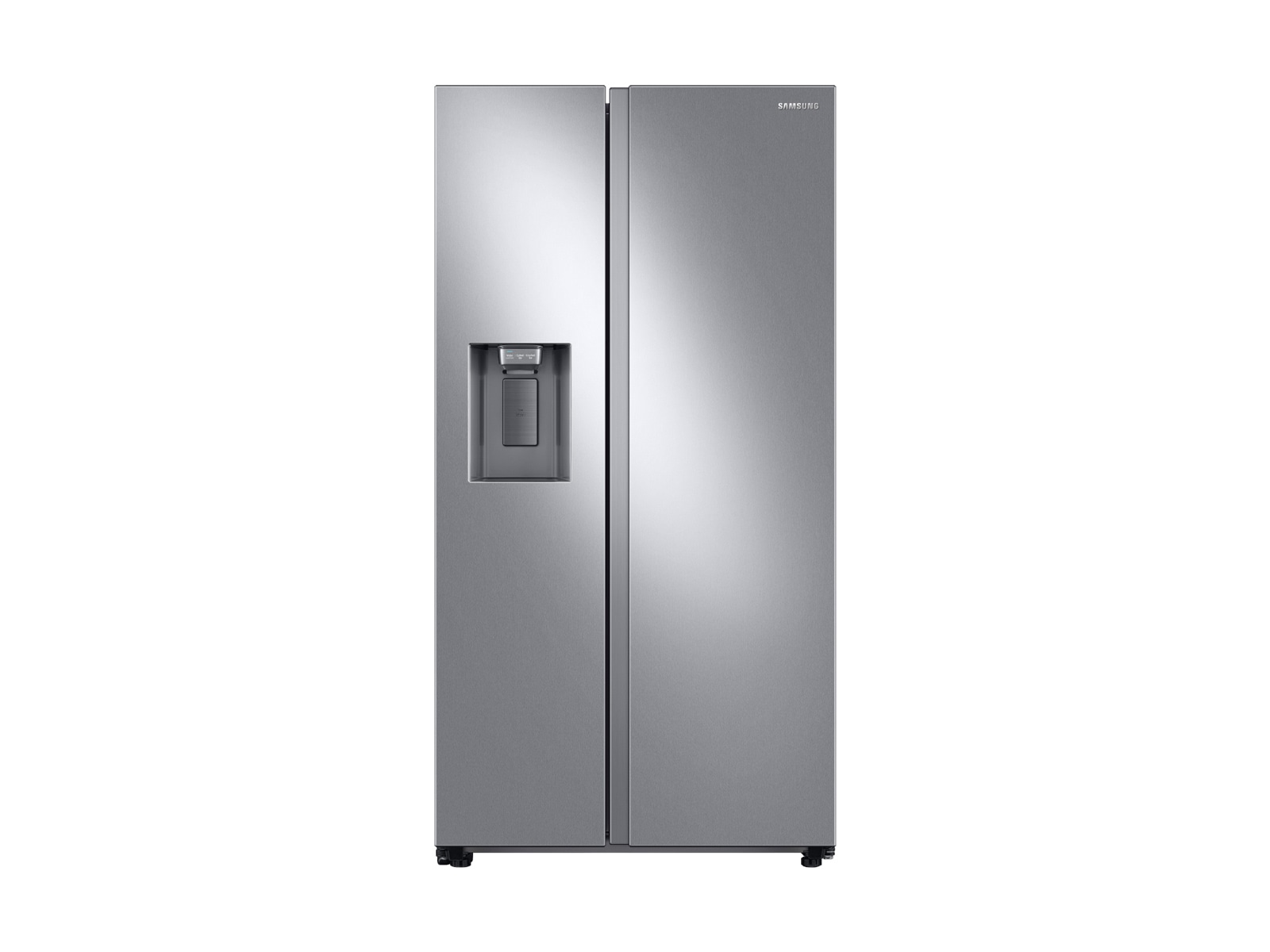
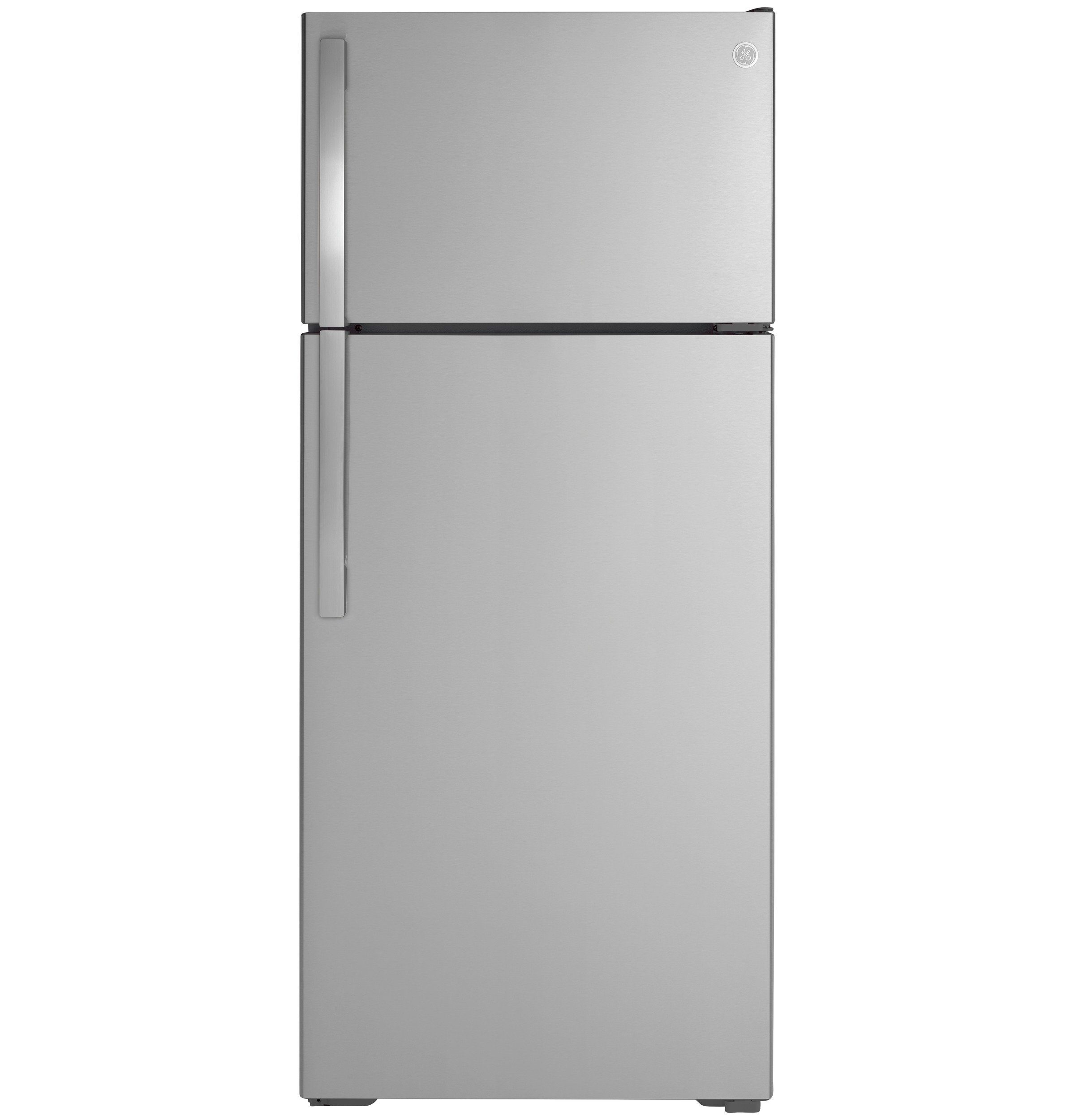
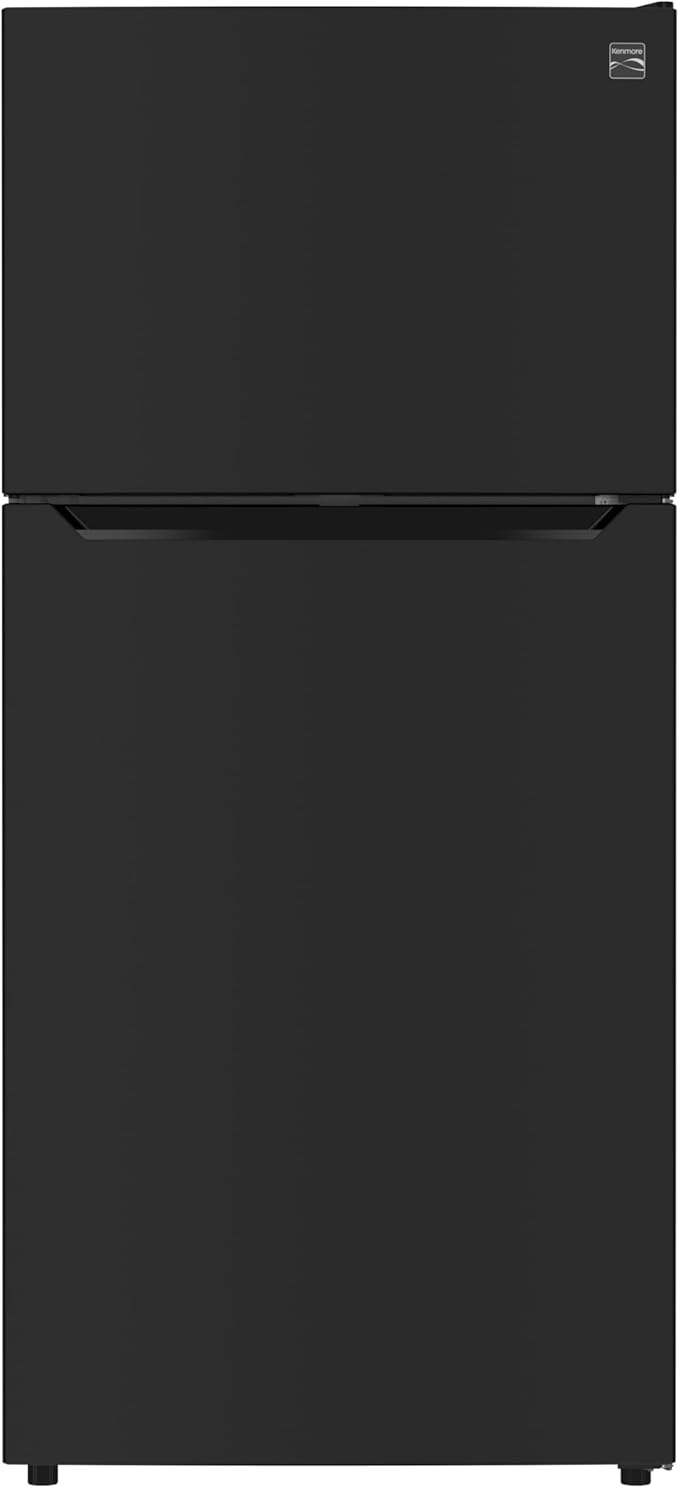
Moving an outdoor fridge? Let's make sure it goes off without a hitch. First things first, you need to get it prepped and ready to roll. This means checking it out and clearing it out.
Checking Out the Fridge
Start by giving your outdoor fridge a good once-over. You need to know its size, weight, and any quirks it might have. Look for rust, dents, or any loose bits that might need a little TLC during the move. And don't forget to peek at the owner's manual for any special instructions or weight details.
Feature
What to Do
Size
Measure height, width, and depth
Weight
Check the owner's manual
Condition
Look for rust, dents, and loose parts
Knowing these details helps you pick the right moving gear and figure out how many friends you'll need to bribe with pizza. For more tips on moving different types of fridges, check out Fridge.com guides on moving a 2-door fridge and moving a French door fridge.
Clearing It Out
Next up, empty that fridge. You don't want any spills or extra weight making things harder. Here's how:
Remove Food and Drinks: Take out everything—yes, even that mystery container in the back. Stick it all in a cooler to keep it fresh.
Dump the Ice and Water: If your fridge has an ice maker or water dispenser, empty those too.
Clean It Up: Give the shelves, drawers, and walls a good wipe-down to get rid of any spills or crumbs.
For more tips on moving specific fridge types, like a built-in fridge or a mini fridge, check out other Fridge.com articles.
Getting your outdoor fridge ready by checking it out and clearing it out makes the move a whole lot easier and safer.
Locking Down Your Outdoor Fridge
Moving your outdoor fridge? Let's make sure it gets there in one piece. Here's how to prep it for the big move.
Unplugging and Cutting Off Water
First things first, you gotta unplug and cut off the water. No one wants a soggy mess or a shocking surprise.
Pull the plug: Find the power cord and yank it out of the outlet.
Shut off the water: Locate the water valve, usually behind the fridge or under the sink, and twist it off.
Disconnect the water line: Grab an adjustable wrench and carefully unscrew the water line from the fridge.
Taking Out Shelves and Drawers
Next up, let's lighten the load. Yank out those shelves and drawers to avoid any breakage and make the fridge easier to move.
Open the doors: Make sure you can get inside.
Remove shelves: Lift each shelf out. If they're adjustable, just pop them out of their tracks.
Remove drawers: Slide out each drawer and set them aside.
Part
What to Do
Shelves
Lift out
Drawers
Slide out
Keep those shelves and drawers somewhere safe so they don't get busted or lost.
Locking Down Doors and Handles
Now, let's make sure those doors and handles stay put. You don't want them flapping around or snapping off.
Tape or strap the doors: Use strong tape or moving straps to keep the doors shut tight.
Wrap the handles: Protect the handles with bubble wrap or towels, and secure them with tape.
Follow these steps, and your outdoor fridge will be ready to roll. Need more tips? Check out Fridge.com guides on moving a garage fridge and moving a built-in fridge.
Moving the Refrigerator
Moving an outdoor refrigerator isn't just about muscle—it's about smarts too. Here's how to get that beast from point A to point B without breaking a sweat (or your back).
Get Some Backup
Let's be real: moving a fridge solo is a no-go. Grab a buddy, a family member, or even hire a pro. Two heads (and sets of hands) are better than one when it comes to handling something this heavy and awkward.
Lift Like a Pro
Lifting a refrigerator isn't rocket science, but it does require some technique to avoid turning your move into a trip to the chiropractor. Here's the lowdown:
Bend at the knees: Keep your back straight and let your legs do the heavy lifting.
Keep it close: Hug the fridge like it's your long-lost friend. Keeping it close to your body helps maintain balance.
Legs, not back: Your legs are the MVPs here. Let them carry the weight.
No twisting: If you need to turn, move your feet. Twisting your torso is a recipe for disaster.
Stick to these tips, and you'll keep your spine in line.
Gear Up
The right tools can make all the difference. Here's what you'll need:
Dolly: This handy tool makes short-distance moves a breeze. Just strap the fridge securely to it.
Furniture sliders: Pop these under the fridge corners to glide it across the floor without leaving a trail of destruction.
Moving straps: These help spread the weight and give you extra support.
Equipment
What It Does
Dolly
Easy short-distance transport
Furniture sliders
Floor-friendly moving
Moving straps
Weight distribution and support
Using these tools not only saves your back but also keeps your fridge and floors in one piece.
For more tips on moving different types of refrigerators, check out Fridge.com guides on how to move a 2-door refrigerator or how to move a side-by-side refrigerator.
Moving Your Outdoor Fridge
Got an outdoor fridge that needs a new home? Let's make sure it gets there in one piece. Here’s your go-to guide for loading and securing it in your vehicle.
Loading the Fridge Without a Hitch
Moving an outdoor fridge isn’t rocket science, but it does need some care. Here’s how to do it right:
Keep It Upright: Always keep the fridge standing tall. Laying it down can mess up the compressor and other parts inside.
Grab a Dolly: Use a dolly or hand truck. This makes moving the fridge easier and safer for you and the fridge.
Strap It Down: Secure the fridge to the dolly with strong straps. Tighten them up so the fridge doesn’t shift around.
Lift Smart: If you’re lifting it by hand, get enough people to help. Bend your knees, keep your back straight, and lift with your legs to avoid injuries.
Table: How Many People You Need to Lift the Fridge
Fridge Weight (lbs)
Number of Helpers
Weight Per Person (lbs)
Up to 200
2
100
200 - 400
3
67 - 133
Over 400
4+
100+
Need more tips? Check out Fridge.com guides on moving a 2-door fridge and moving a 4-door fridge.
Securing the Fridge in Your Ride
Once the fridge is loaded, you’ve got to make sure it stays put during the drive. Here’s how:
Find a Good Spot: Place the fridge upright against a stable surface in your vehicle. Keep it away from the edges to avoid tipping.
Extra Straps: Use more straps to anchor the fridge to the vehicle. This keeps it from moving around.
Add Padding: Put blankets or padding around the fridge to cushion it and prevent scratches.
Double-Check: Before you hit the road, make sure the fridge is stable and doesn’t wobble.
For more advice, see Fridge.com articles on moving a garage fridge and moving a side-by-side fridge.
Follow these steps, and your outdoor fridge will arrive safe and sound, ready to keep your drinks cold and your food fresh.
So, you've got your shiny new outdoor refrigerator and now it's time to get it up and running. This guide will walk you through unloading, hooking up the power and water, and letting it settle before you start using it.
Unloading the Fridge
First things first, you need to get that fridge off the truck without turning it into a giant paperweight. Here's how to do it:
Get your dolly or moving gear ready.
Strap the fridge securely to the dolly.
Carefully lower it from the vehicle, keeping it balanced.
Move it to its new home, making sure the path is clear of obstacles.
Hooking Up Power and Water
Now that the fridge is in place, let's get it connected. Here's what you need to do:
Power Supply:
Find the power cord and plug it into a grounded outlet.
Make sure the outlet matches the fridge's power needs.
Water Supply:
If your fridge has a water dispenser or ice maker, connect the water line.
Use a wrench to tighten the connection and check for leaks.
Turn on the water valve.
For more detailed steps on different types of fridges, check out Fridge.com articles on moving a 2-door refrigerator and moving a built-in refrigerator.
Letting the Fridge Settle
Before you plug in and start using your fridge, it needs some time to chill out (pun intended). Here's how to do it right:
Wait Time:
Let the fridge sit upright for 4 to 6 hours.
If it was on its side during transport, wait 24 hours.
Stability Check:
Make sure the fridge is level by adjusting the feet.
Use a carpenter's level to check.
Power On:
After waiting, turn on the fridge.
Let it reach the right temperature before loading it up.
Follow these steps, and your outdoor fridge will be ready to keep your drinks cold and your food fresh in no time.
Compare refrigerator prices on Fridge.com
Compare current prices and specifications on Fridge.com, then buy from the retailer you choose; delivery, installation and warranty terms are the retailer’s.
It also has tons of awesome articles about kitchen stuff and home news. Enhance your home, garage, backyard, patio, and office with the coolest essentials. With every necessary type of residential refrigerator or freezer in the collection, you're covered.
Free tool
Kitchen Space Planner
Free interactive tool from Fridge.com — get a quick answer while you read.