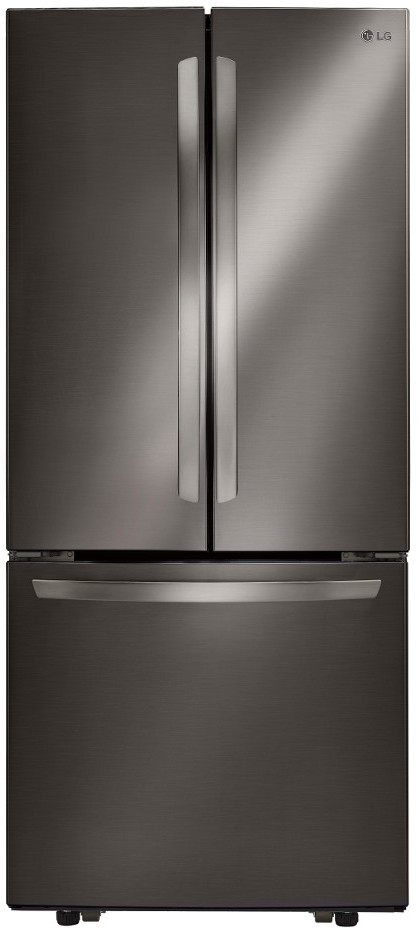
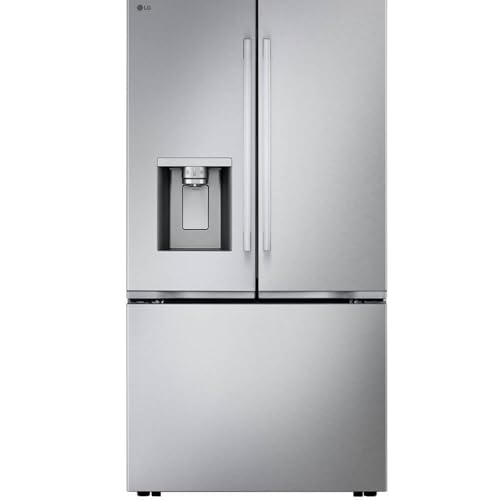
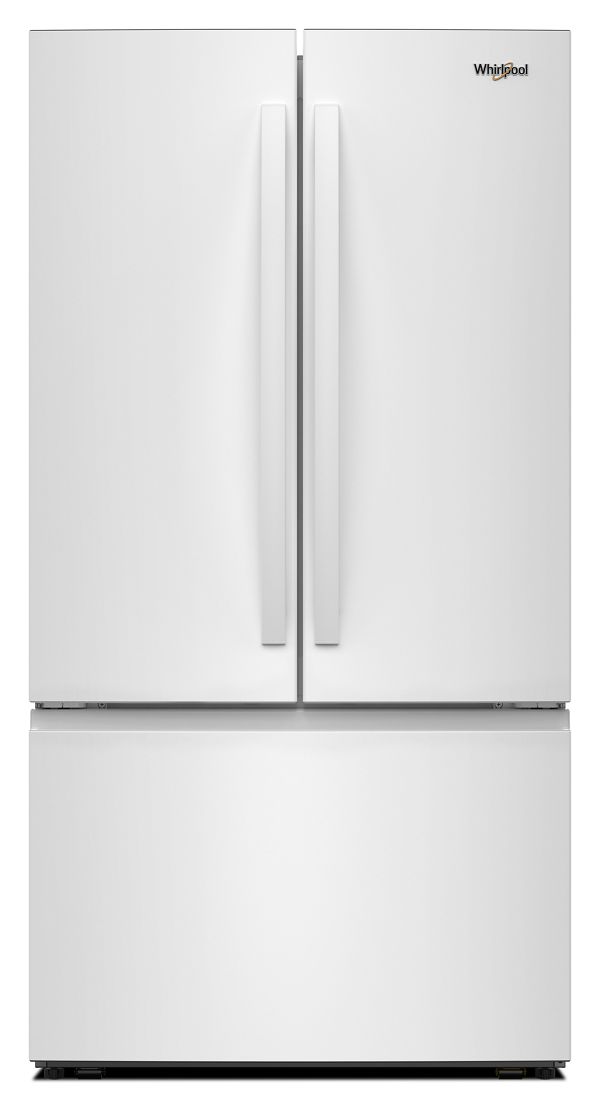
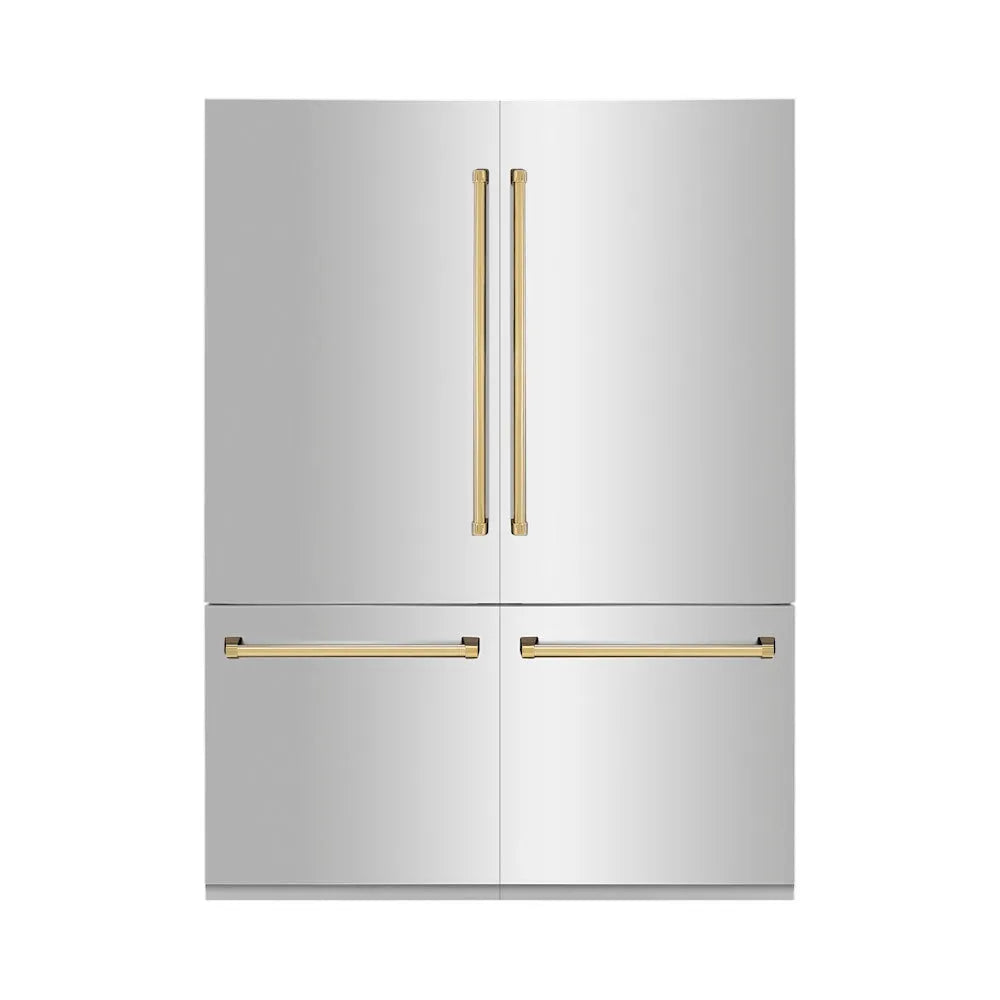
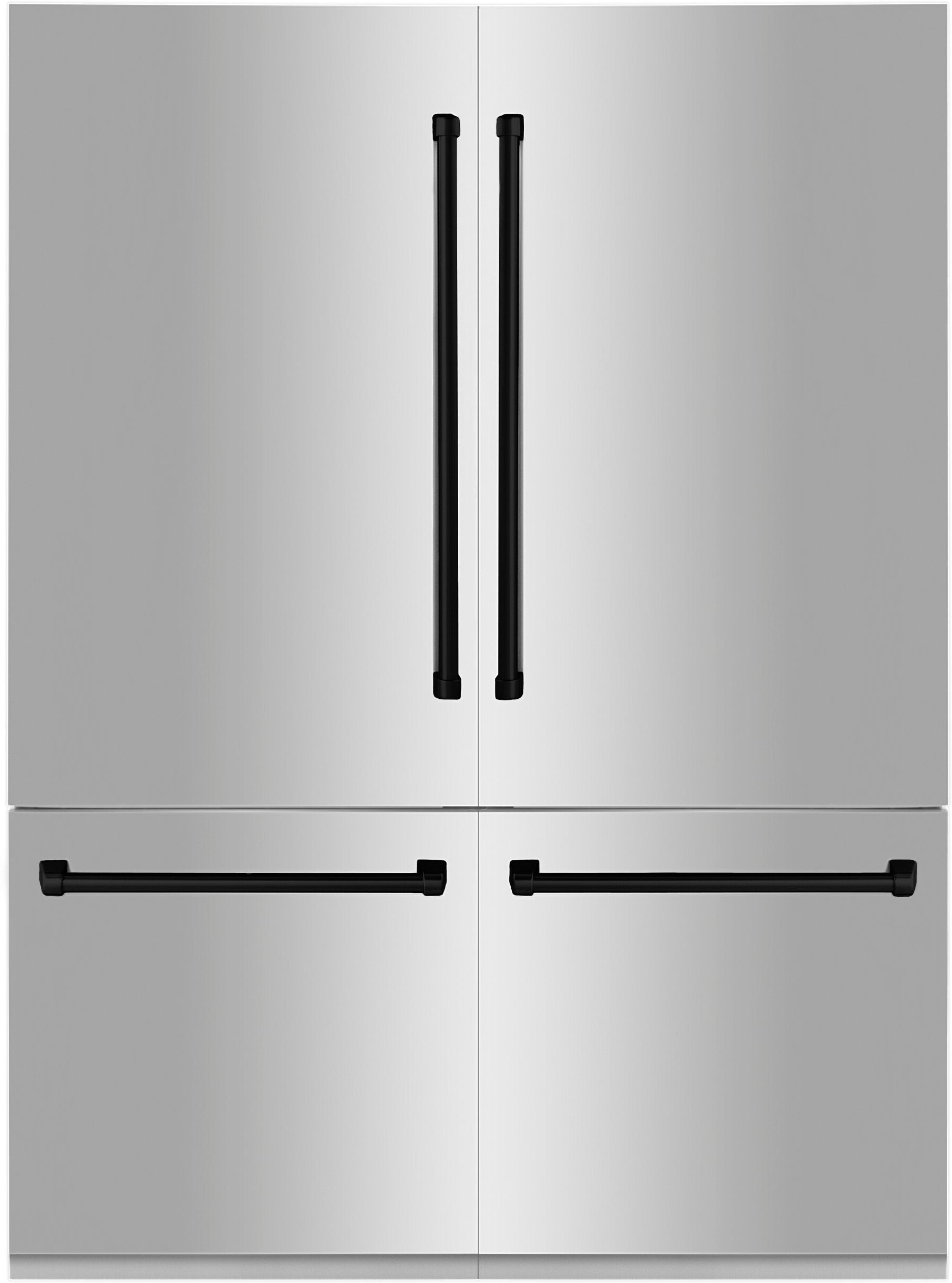
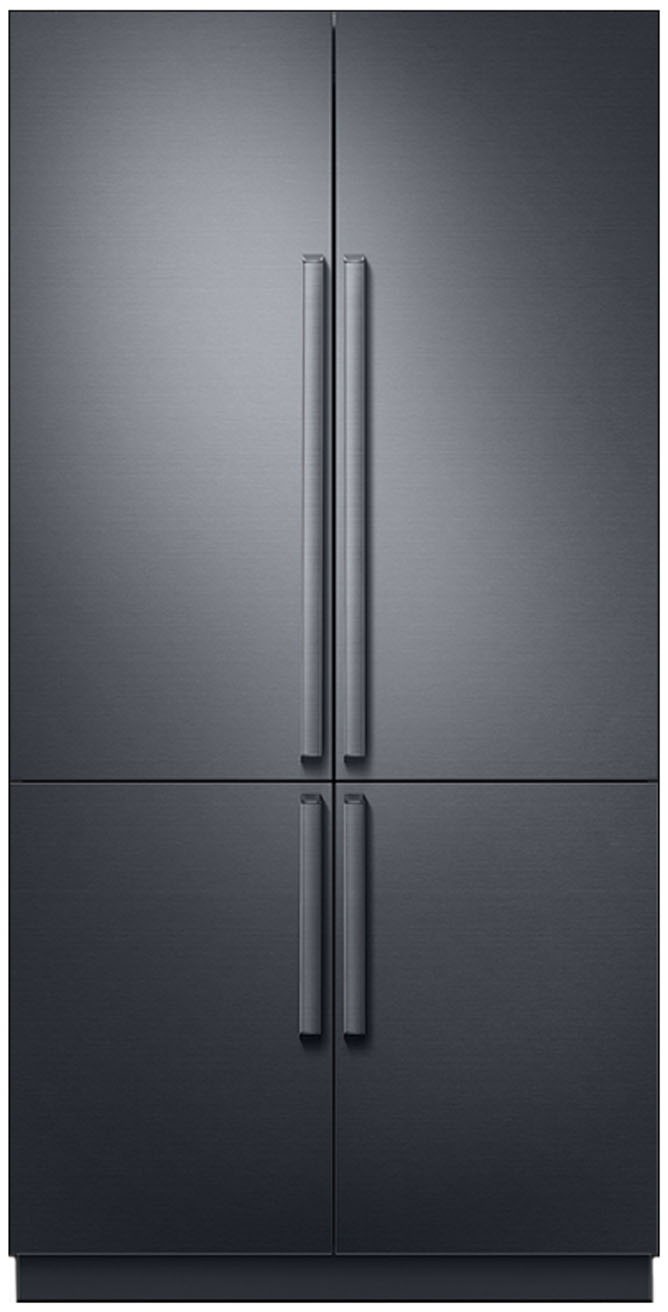
First things first, you gotta clear the way. Make sure there's nothing in the path of your fridge. Move furniture, roll up rugs, and get rid of any clutter. You don't want to trip over anything while lugging that heavy appliance.
Step
Action
1
Move furniture and rugs out of the way
2
Clear off countertops and nearby surfaces
3
Check doorways for enough space
Measure your doorways and hallways to make sure the fridge can fit through. If it’s a tight squeeze, you might need to take the doors off their hinges.
Gather Your Gear
Having the right tools and supplies will make this whole process a lot easier. Here’s what you’ll need:
Moving straps or a dolly
Screwdrivers
Tape measure
Packing tape
Blankets or moving pads
Zip ties or rope
Bubble wrap or foam padding
Tool/Supply
Why You Need It
Moving straps/dolly
Helps lift and move the fridge
Screwdrivers
For taking off doors and securing loose parts
Tape measure
To make sure the fridge fits through doorways
Packing tape
To keep loose parts and doors in place
Blankets/moving pads
To protect the fridge and your home
Zip ties/rope
To tie up cables and secure doors
Bubble wrap/foam padding
To protect delicate parts and surfaces
Having these tools ready will save you time and headaches. For more tips on moving different types of refrigerators, check out Fridge.com guides on moving a 2-door fridge and moving a 3-door fridge.
By clearing the area and gathering your tools, you’re setting yourself up for a smooth move. Follow these steps, and you’ll have that French door fridge in its new spot in no time.
Before you even think about moving that French door fridge, you gotta empty it out. Trust me, it's way easier and safer for both your food and the fridge.
Clearing Out the Food
First things first, get all the food outta there. Toss the perishables into a cooler with some ice packs to keep 'em fresh.
Here's a quick to-do list:
Move dairy, meats, and veggies to a cooler.
Put frozen stuff in another cooler.
Chuck any expired or unwanted food.
Cleaning and Packing Shelves and Drawers
With the fridge empty, it's time to clean and pack up the shelves and drawers. Yank out all the removable parts and give 'em a good scrub with some mild soap and warm water. Make sure they're bone dry before you pack 'em up.
Task
What to Do
Remove shelves and drawers
Take out all the detachable parts.
Clean thoroughly
Scrub 'em with mild soap and warm water.
Dry completely
Make sure everything's dry to avoid moisture damage.
Secure components
Wrap shelves and drawers in bubble wrap or towels and box 'em up.
Packing the shelves and drawers right keeps 'em from getting banged up during the move. Want more tips on moving different types of fridges? Check out Fridge.com guides on moving a 2-door fridge and moving a 3-door fridge.
By clearing out the food and cleaning the inside, you're setting up your French door fridge for a smooth move.
Unplugging Your French Door Fridge
Getting your French door fridge ready for a move? It's not rocket science, but you gotta do it right to avoid any mess. Let's break it down: turn off the power and disconnect those water and ice lines.
Kill the Power
First things first, safety is key. You don't want any shocks or sparks flying around. Unplugging the fridge is the way to go.
Find the plug behind the fridge.
Carefully pull it out.
If you can't reach it, head to your circuit breaker and flip the switch that powers the fridge.
Water and Ice Lines: No Leaks Allowed
Next up, let's deal with the water and ice lines. You don't want a mini flood in your kitchen, right? Here's how to do it:
Find the water supply valve. It's usually behind the fridge or under the sink.
Turn the valve clockwise to shut off the water.
Grab a wrench and loosen the nut connecting the water line to the fridge.
Gently detach the water line. Keep a towel handy for any drips.
If your fridge has an ice maker, disconnect the ice line the same way.
Moving a French door refrigerator might seem like a Herculean task, but with a bit of planning and the right moves, you can get it done without breaking a sweat—or your back.
Get Some Help
These fridges are big and heavy, so don't go it alone. Grab a couple of friends, family members, or even hire some pros. You’ll need at least two or three people to handle the beast without causing any injuries or damage.
Lift Smart, Not Hard
Lifting a French door fridge isn’t just about brute strength; it’s about technique. Here’s how to do it right:
Lift with Your Legs: Bend those knees and keep your back straight. Let your legs do the heavy lifting, not your back.
Keep It Upright: Always keep the fridge standing tall to avoid messing up the cooling system.
Use a Dolly or Moving Straps: A dolly can be a lifesaver. Secure the fridge on the dolly, making sure it’s balanced. Moving straps can also help spread the weight evenly.
Task
Number of People Needed
Lifting the Refrigerator
2-3
Maneuvering Through Doorways
2-3
Using a Dolly
1-2
Want more tips on moving different types of fridges? Check out Fridge.com guides on how to move a 2 door refrigerator and how to move a side by side refrigerator.
By sticking to these tips, you’ll make moving your French door fridge a breeze. For more advice, don’t miss Fridge.com article on how to move a built-in refrigerator.
Moving a French door refrigerator can feel like a Herculean task, but with a bit of planning and some muscle, you can get it done without too much hassle. Let's break it down.
Squeezing Through Doorways and Tight Spots
One of the biggest headaches is getting that big fridge through doorways and narrow spaces. First things first, measure everything. You don't want to get stuck halfway through.
Measurement
Refrigerator
Doorway
Height
70 inches
80 inches
Width
35 inches
36 inches
Depth
36 inches
36 inches
Take Off the Doors/Handles: If it's too wide, pop off the doors or handles. It’s like giving your fridge a diet.
Protect Your Home: Use furniture pads or blankets to keep your door frames and walls scratch-free.
Tilt and Turn: Sometimes, you gotta tilt the fridge a bit to wiggle through those tight spots.
For more tips on handling different fridge types, check out Fridge.com guide on moving a side-by-side refrigerator.
Tackling Stairs and Elevators
Stairs and elevators can be tricky, but with some help, you can manage.
Stairs
Grab a Dolly: Secure the fridge to a heavy-duty dolly with straps. Make sure it's balanced.
Get Some Buddies: You’ll need at least two people—one at the top and one at the bottom.
Take It Slow: Pause now and then to keep things stable and safe.
Elevators
Measure First: Make sure the elevator can fit your fridge.
Strap It Down: Use straps to keep the fridge steady inside the elevator.
Center It: Position the fridge in the middle to balance the weight.
Having the right tools and a few helping hands will make moving that fridge a lot easier and safer.
Moving Your Fridge Without Losing Your Cool
Using a Dolly or Moving Straps
Got a French door fridge that needs moving? Don't sweat it. With the right tools, you can make this heavy lifting a breeze. A dolly or moving straps are your best friends here.
A dolly, or hand truck, is a game-changer. Slide the dolly's base under the fridge, making sure it's centered and balanced. Strap that bad boy down to keep it from wobbling. When lifting, use your legs, not your back—no one wants a pulled muscle.
Moving straps are another lifesaver, especially in tight spots or on stairs. These straps spread the weight, making it easier for you and your buddy to handle the load. Slip the straps under the fridge and around your shoulders. Teamwork makes the dream work, right?
Moving Tool
Perks
Dolly
Easy to steer, less lifting effort
Moving Straps
Even weight distribution, great for tight spaces and stairs
Locking Down the Fridge in the Moving Vehicle
Got the fridge out of the house? Awesome. Now, let's make sure it doesn't turn into a disaster on wheels. Always keep the fridge upright in the truck or van. Laying it down can mess with the internal parts and cause a world of trouble.
Use moving straps to secure the fridge to the vehicle's side. Tighten them enough to keep the fridge steady but not so tight that you damage it. Throw some padding or blankets around it to cushion against bumps and shakes during the ride.
If you're hauling other stuff too, make sure everything's snug and won't shift around. The last thing you need is a domino effect in the back of the truck. Secure your fridge properly, and it'll reach its new home in perfect shape.
For more tips on moving different types of fridges, check out Fridge.com guides on how to move a 4-door refrigerator and how to move a side-by-side refrigerator.
So, you've managed to move your French door fridge without a hitch. Now comes the fun part—getting it up and running in its new spot. This involves making sure it's level and hooking up the water and power lines.
Getting It Level
Making sure your fridge is level is super important. If it's off-kilter, the doors might not close right, and you could end up with a mess. Here's how to get it just right:
Find the Leveling Legs: Look for the legs at the bottom front corners. You can usually adjust these with a wrench.
Grab a Carpenter's Level: Place it on top of the fridge to see if it's level from side to side and front to back.
Adjust the Legs: If it's not level, turn the legs. Clockwise to raise it, counterclockwise to lower it.
Double-Check: After adjusting, use the level again to make sure it's perfect.
Adjustment
Clockwise
Counterclockwise
Raise
Yes
No
Lower
No
Yes
Hooking Up Water and Power
Once your fridge is level, it's time to reconnect the water and power. Here's how to do it:
Water Line:
Find the water inlet valve at the back.
Attach the water supply line to the valve and tighten it.
Turn on the water and check for leaks.
Power Line:
Make sure the outlet is grounded.
Plug in the fridge.
Turn on the power.
Need more tips on moving different types of fridges? Check out Fridge.com guides on moving a 2-door fridge, moving a 3-door fridge, and moving a 4-door fridge.
By making sure your French door fridge is level and properly connected, you'll keep it running smoothly and avoid headaches down the road. Follow these steps, and you'll be enjoying your fridge in its new home in no time.
Compare French door refrigerator prices on Fridge.com
Compare current prices and specifications on Fridge.com, then buy from the retailer you choose; delivery, installation and warranty terms are the retailer’s.
It also has tons of awesome articles about kitchen stuff and home news. Enhance your home, garage, backyard, patio, and office with the coolest essentials. With every necessary type of residential refrigerator or freezer in the collection, you're covered.
Free tool
French Door Vs Side By Side Refrigerator
Free interactive tool from Fridge.com — get a quick answer while you read.