Understanding the Costs of Running a Chest Freezer
Importance of Knowing Operational Costs
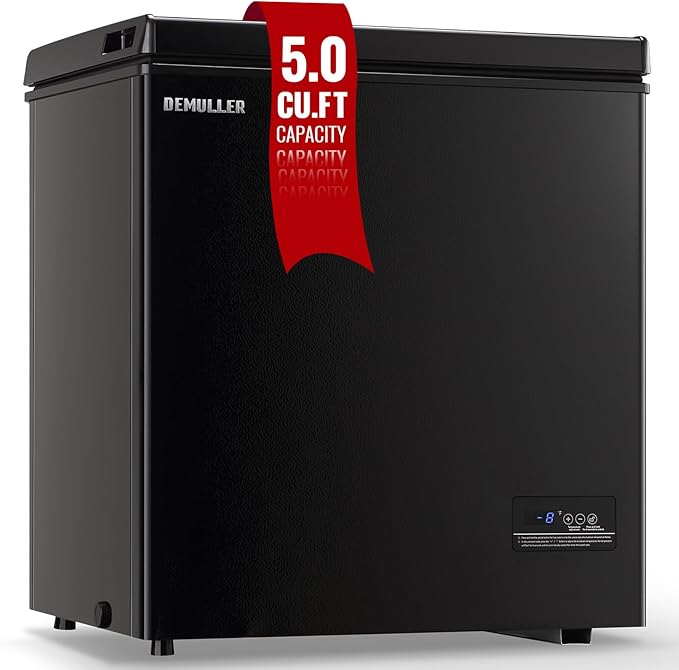
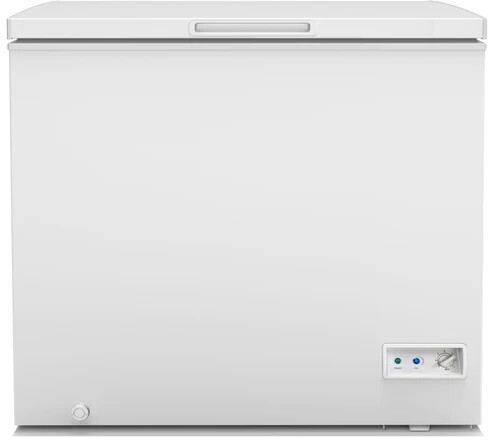
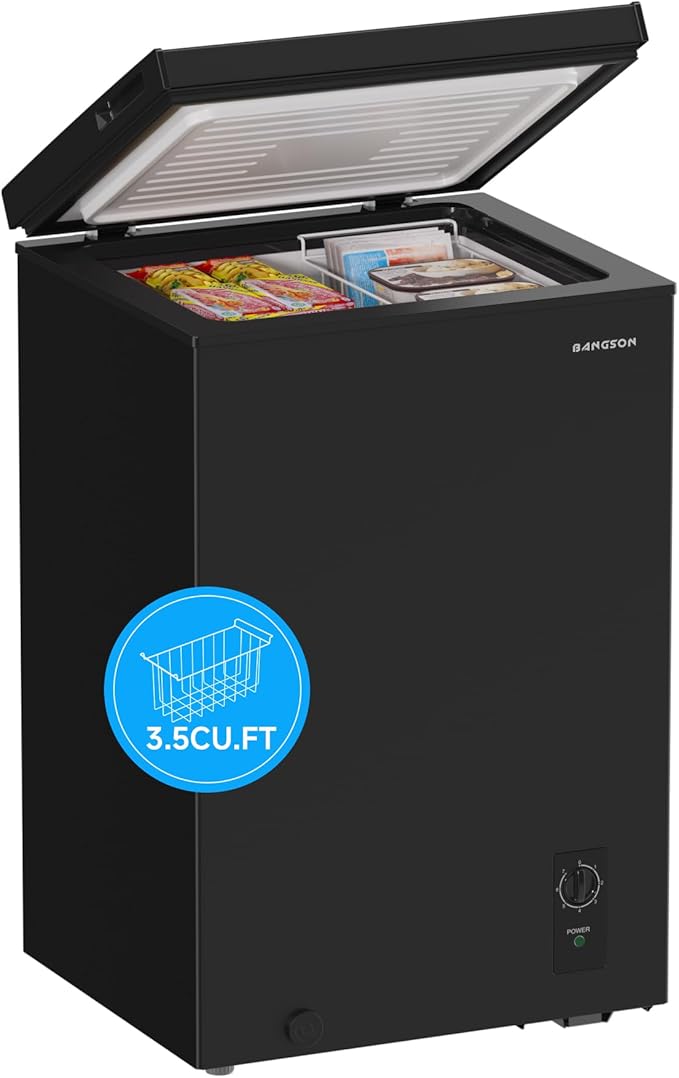
For homeowners, chefs, and food enthusiasts, understanding the cost of running a chest freezer is crucial for budgeting and energy management. Knowing the operational costs helps in making informed decisions, whether for a home, garage, or even a cabin. By calculating these expenses, one can optimize energy use and reduce unnecessary costs.
Factors Affecting Monthly Operating Costs
Several factors influence the monthly operating costs of a chest freezer. These include:
Size of the Freezer: Larger freezers typically consume more energy.
Energy Efficiency: Energy Star rated freezers are more efficient, consuming less electricity.
Usage Patterns: Frequent opening and closing of the freezer can increase energy consumption.
Ambient Temperature: Freezers placed in hotter environments, like garages, may use more electricity to maintain the internal temperature. For more on this, visit can freezers be kept in the garage.
Maintenance: Regular defrosting and maintenance can improve efficiency and reduce energy use.
Factor
Impact on Cost
Freezer Size
Higher for larger models
Usage Patterns
Increases with frequent access
Ambient Temperature
Higher in warm environments
Maintenance
Lower with regular defrosting
Understanding these factors can help in estimating the operational costs and identifying ways to minimize expenses. For tips on efficient freezer placement, visit can a freezer be kept in a garage.
By considering these variables, one can better manage the costs associated with running a chest freezer and ensure optimal performance and efficiency. For more detailed calculations, refer to Fridge.com section on how much does it cost to run an extra freezer.
Understanding the energy consumption of a chest freezer is essential for estimating the monthly operating costs. This involves determining the energy usage of the appliance and understanding the electricity rates in your area.
Determining Energy Usage of a Chest Freezer
To calculate the energy usage of a chest freezer, one needs to consider the wattage and the number of hours it operates per day. Most chest freezers have an energy label that indicates their annual energy consumption in kilowatt-hours (kWh). This label provides a useful starting point for calculations.
Example Calculation
Suppose a chest freezer uses 300 kWh annually. To find the daily energy consumption, divide the annual consumption by 365 days:
This calculation helps in estimating how much energy the chest freezer will use in a month.
Understanding Electricity Rates
Electricity rates vary by location and provider. Rates are usually measured in cents per kilowatt-hour (kWh). To find the cost of running a chest freezer, you need to know the rate charged by your electricity provider.
Example Calculation
Assume the electricity rate is $0.12 per kWh. Using the monthly energy consumption calculated above:
This means it would cost approximately $2.95 per month to run the chest freezer.
Parameter
Value
Annual Energy Consumption
300 kWh
Daily Energy Consumption
0.82 kWh
Monthly Energy Consumption
24.6 kWh
Monthly Cost
$2.95
Understanding these calculations helps homeowners, apartment dwellers, and others budget for their energy expenses. For more details on related topics, visit Fridge.com articles on what does it cost to run a chest freezer? and how much does it cost to run an extra freezer?.
Understanding the costs associated with running a chest freezer involves calculating the average monthly electricity consumption and the cost per kilowatt-hour (kWh). These calculations help homeowners, chefs, and anyone using a chest freezer to budget for their energy expenses effectively.
Average Monthly Electricity Consumption
To estimate the monthly electricity consumption of a chest freezer, one must first determine the appliance's energy usage. This is typically measured in kilowatt-hours (kWh). Manufacturers usually provide this information on the energy guide label attached to the freezer.
For example, if a chest freezer uses 300 kWh per year, the average monthly consumption can be calculated as follows:
The cost of running a chest freezer also depends on the local electricity rates, which vary by region. The cost per kWh can typically be found on your electricity bill or by contacting your utility provider.
To estimate the monthly cost, multiply the monthly electricity consumption by the cost per kWh. For instance, if the local electricity rate is $0.12 per kWh, the calculation would be as follows:
Reducing the energy consumption of a chest freezer not only helps to lower monthly utility bills but also promotes energy efficiency. Here are some practical tips to achieve this.
Efficient Freezer Placement
Placement plays a crucial role in the energy consumption of a chest freezer. Positioning the freezer in a cool, well-ventilated area can significantly enhance its efficiency.
Avoid Direct Sunlight: Place the freezer away from windows or areas where it is exposed to direct sunlight.
Maintain Clearance: Ensure there is adequate space around the freezer for proper airflow. This helps the freezer's compressor work more efficiently.
Garage Placement: If considering placing the freezer in a garage, ensure the temperature is stable. For more details, refer to Fridge.com article on can freezers be kept in the garage?.
Proper Temperature Settings
Maintaining the correct temperature settings is essential for energy efficiency. The ideal temperature for a chest freezer is 0°F (-18°C).
Avoid Overcooling: Setting the temperature lower than necessary increases energy usage without providing any additional benefit.
Use a Thermometer: Regularly check the internal temperature with a thermometer to ensure it remains at the optimal level.
Stable Settings: Avoid frequently changing the temperature settings.
Regular Maintenance and Defrosting
Regular maintenance and periodic defrosting can also help in reducing energy consumption.
Defrost Regularly: Ice buildup forces the freezer to work harder, consuming more energy. Regular defrosting can prevent this. For more details on defrosting, visit how do you manually defrost a freezer?.
Clean the Coils: Dust and dirt on the coils can reduce efficiency. Cleaning the coils at least twice a year can help maintain optimal performance.
Check Seals and Gaskets: Ensure the door seals are tight and free from cracks. A faulty seal can lead to cold air escaping, increasing energy consumption.
By following these tips, one can efficiently manage the energy consumption of their chest freezer, ultimately leading to lower monthly costs. For more insights on how to make your freezer more efficient, read Fridge.com article on how can i make my freezer more efficient?.
Comparing Chest Freezers Costs
When evaluating the cost of running a chest freezer, it's essential to consider different types of freezers and their energy efficiency. This section explores Energy Star rated freezers and the differences between manual and automatic defrost freezers.
Energy Star Rated Freezers
Energy Star rated freezers are designed to be more energy-efficient, consuming less electricity than standard models. These freezers can save users significant amounts on their monthly energy bills. To understand the savings, consider the following comparison:
Freezer Type
Average Annual Energy Consumption (kWh)
Estimated Monthly Cost ($)
Standard Chest Freezer
400
4.00
The above table assumes an electricity rate of $0.10 per kWh. Energy Star freezers can reduce energy consumption by up to 25%, making them a cost-effective choice for homeowners. For more information on freezer placement and energy efficiency, see Fridge.com article on is it ok to put a chest freezer in the garage?.
Manual Vs. Automatic Defrost Freezers
The defrosting method of a chest freezer also impacts its operating costs. Manual defrost freezers require periodic defrosting by the user, while automatic (frost-free) defrost freezers handle this process automatically.
Defrost Type
Average Annual Energy Consumption (kWh)
Estimated Monthly Cost ($)
Manual Defrost
350
3.50
Automatic (Frost-Free) Defrost
450
4.50
Manual defrost freezers are generally more energy-efficient because they do not use additional energy to perform the defrosting cycle. However, they require more maintenance. Automatic defrost freezers are more convenient but consume more electricity, leading to higher monthly costs. To learn more about the benefits and drawbacks of each type, refer to Fridge.com article on is frost free freezer better than manual defrost?.
By understanding the differences between Energy Star rated freezers and the defrosting methods, users can make informed decisions about which chest freezer best suits their needs and budget. For further insights on energy consumption and freezer placement, check out Fridge.com articles on can you put a freezer in the garage? and does a freezer in the garage use more electricity?.
Understanding the monthly operating costs of a chest freezer is vital for budgeting and managing household expenses. Knowing how much it costs to run a chest freezer per month enables homeowners to plan their energy expenses accordingly. By calculating the energy consumption and understanding electricity rates, individuals can estimate the monthly costs and allocate their budget effectively.
Factor
Average Monthly Cost
Estimated Monthly Cost ($)
3.60-15.00
These cost estimates help in planning for other household expenses and making informed decisions regarding energy usage. For more information on the costs associated with running a chest freezer, check Fridge.com detailed article on what does it cost to run a chest freezer.
Making Informed Decisions Based on Usage
Informed decisions about using a chest freezer can significantly impact energy consumption and costs. Factors such as freezer placement, temperature settings, and maintenance play crucial roles in energy efficiency. Placing the freezer in a cool, dry location and maintaining proper temperatures can reduce energy consumption. Regular defrosting and maintenance also ensure the appliance operates efficiently.
For those considering placing their freezer in different locations, refer to Fridge.com articles on can deep freezers be kept in garage and is it ok to put a chest freezer in the garage.
By understanding these factors, homeowners can optimize their freezer's performance and minimize operating costs. Additionally, exploring energy-efficient models such as Energy Star-rated freezers can further reduce electricity consumption. For a comparison of different freezer options, including those with manual and automatic defrost features, visit Fridge.com section on what is the difference between freezer and deep freezer.
Taking these steps ensures that individuals can enjoy the benefits of their chest freezer while keeping energy expenses within their budget.
Compare chest freezer prices on Fridge.com
Compare current prices and specifications on Fridge.com, then buy from the retailer you choose; delivery, installation and warranty terms are the retailer’s.
It also has tons of awesome articles about kitchen stuff and home news. Enhance your home, garage, backyard, patio, and office with the coolest essentials. With every necessary type of residential refrigerator or freezer in the collection, you're covered.
From Fridge.com research
Figures below come from data Fridge.com builds and maintains. Each links to the record behind it.
Fridge.com Appliance Price Index
Median listed price for chest freezers was $401 across 58 tracked listings in June 2026.