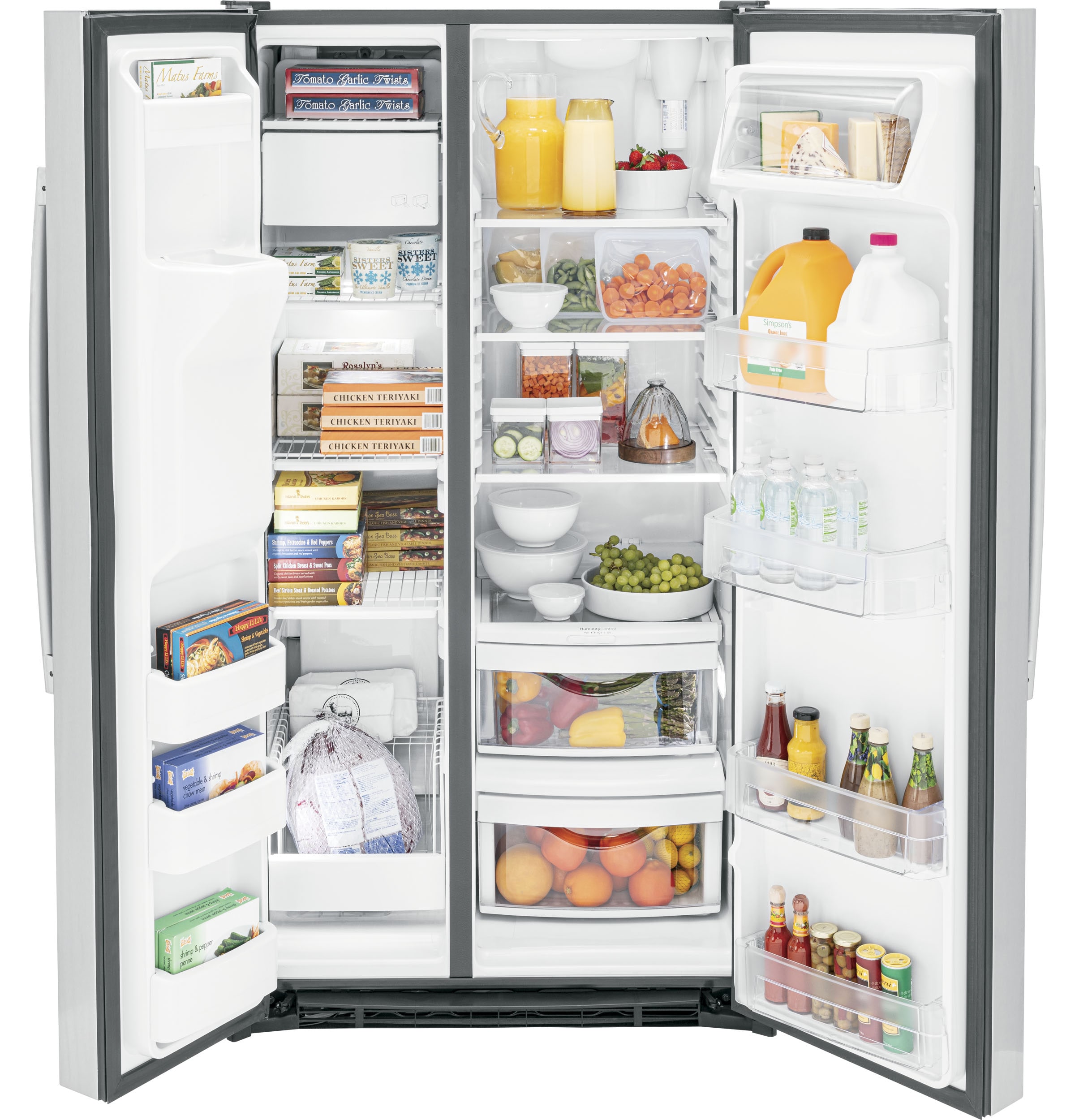
Getting a grip on the heft of your fridge ain't just trivia—it's the smart move for buying, moving, and parking it in your place. When you know how heavy that chill box is, picking its perfect spot and making sure your kitchen can handle it gets way easier.
Why Knowing Fridge Weight's a Big Deal
You might be scratching your head, thinking, "Why's the weight of my fridge such a big whoop?" Here’s the lowdown:
Lugging It Around: When you're shifting places, knowing the weight gives you a game plan for moving it safe and sound. Heavier fridges? They'll need more muscle and prep to keep them (and your pad) in tip-top shape.
Settling In: Certain kitchen spots might say, "Nope," to a heavy fridge. Knowing its weight lets you find the sweet spot and figure out if you've got to beef up that space.
Juice Factor: Bigger and bulkier fridges might hog more energy. By knowing their weight, you can make smarter picks for energy bills and convenience.
Fit & Finish: Weight might mess with how well your fridge jives with cabinets and countertops, possibly tweaking your kitchen’s style vibe.
What Packs on the Pounds?
A bunch of things can tip the scales for a fridge:
Thingamajig
What's the Story?
Size
Bigger fridges have more bits and bobs, so they’re heavier.
Stuff Made Of
Stainless steel can pack more pounds than plastic or lighter stuff.
Extras
Cool stuff like ice makers and smart tech add weight.
Insulation
Thick insulation for saving energy makes them bulkier.
Style
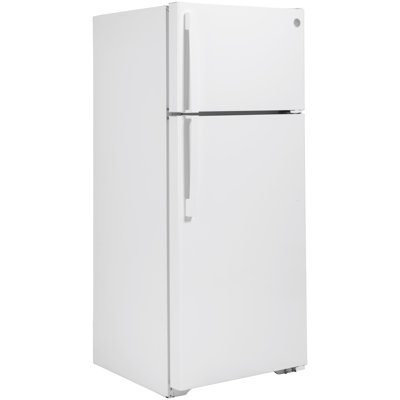
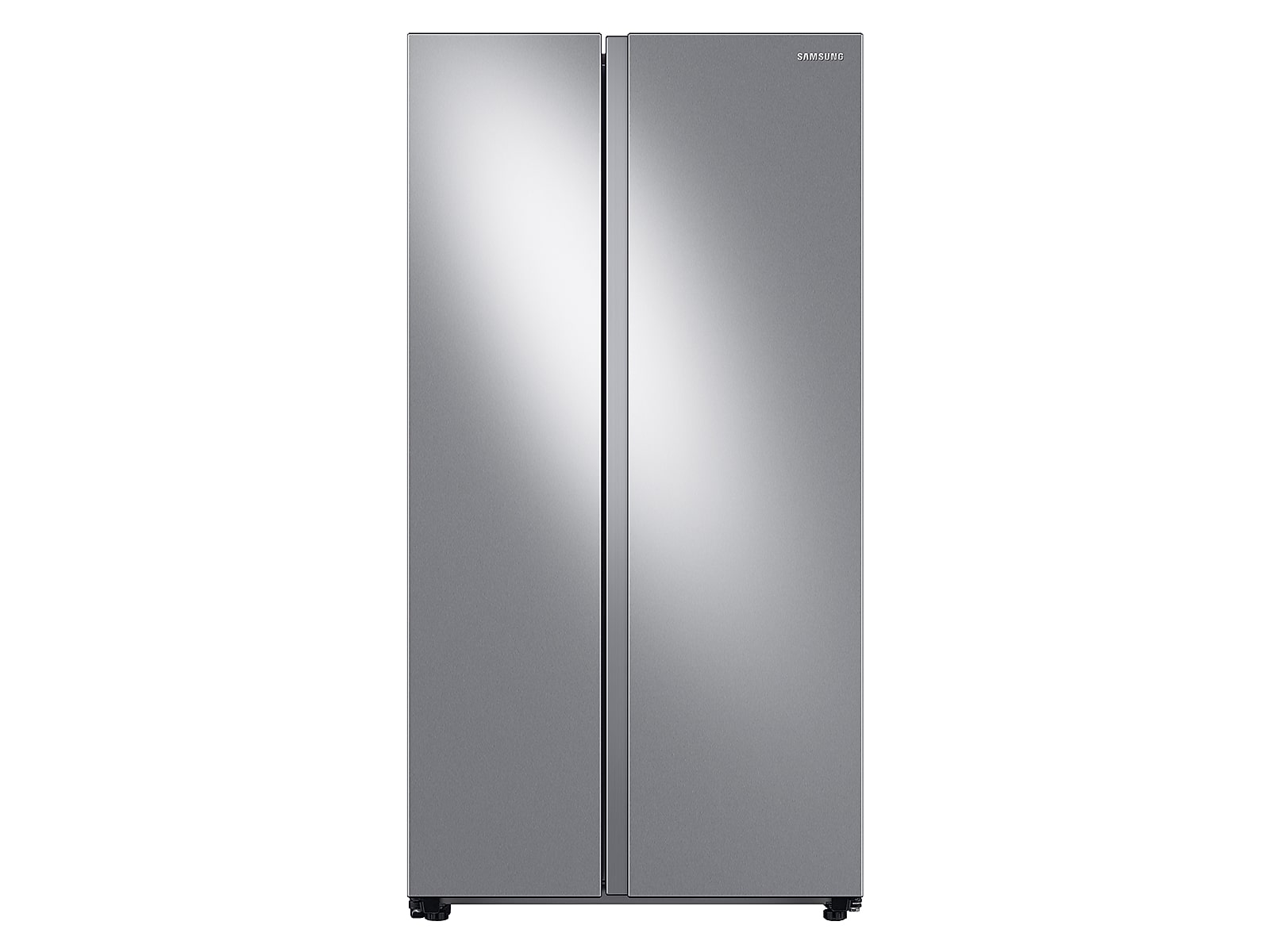
Different fridge styles (side-by-side, top freezer) can weigh differently.
Figuring out how much a fridge weighs isn't just useful for oceanography! Whether you're planning a move or making sure your floor won't collapse under its hefty mass, knowing the weight of your refrigerator is key. Let’s dive into the nitty-gritty details about different fridge types and how size and doodads can pump up that scale reading.
Average Weight of Different Types of Fridges
Fridges come in all shapes and sizes, and their weight does too. Here’s a quick glance at what you can expect from your average kitchen buddy.
Fridge Type
Average Weight (lbs)
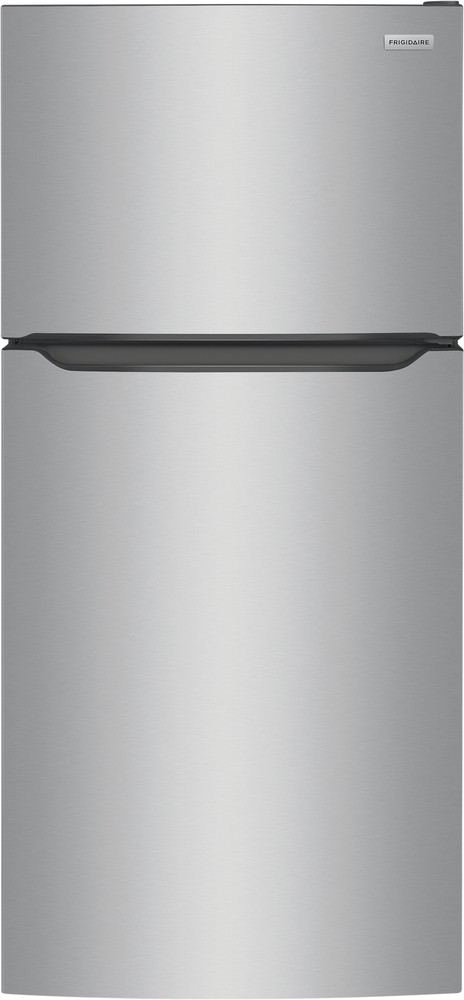
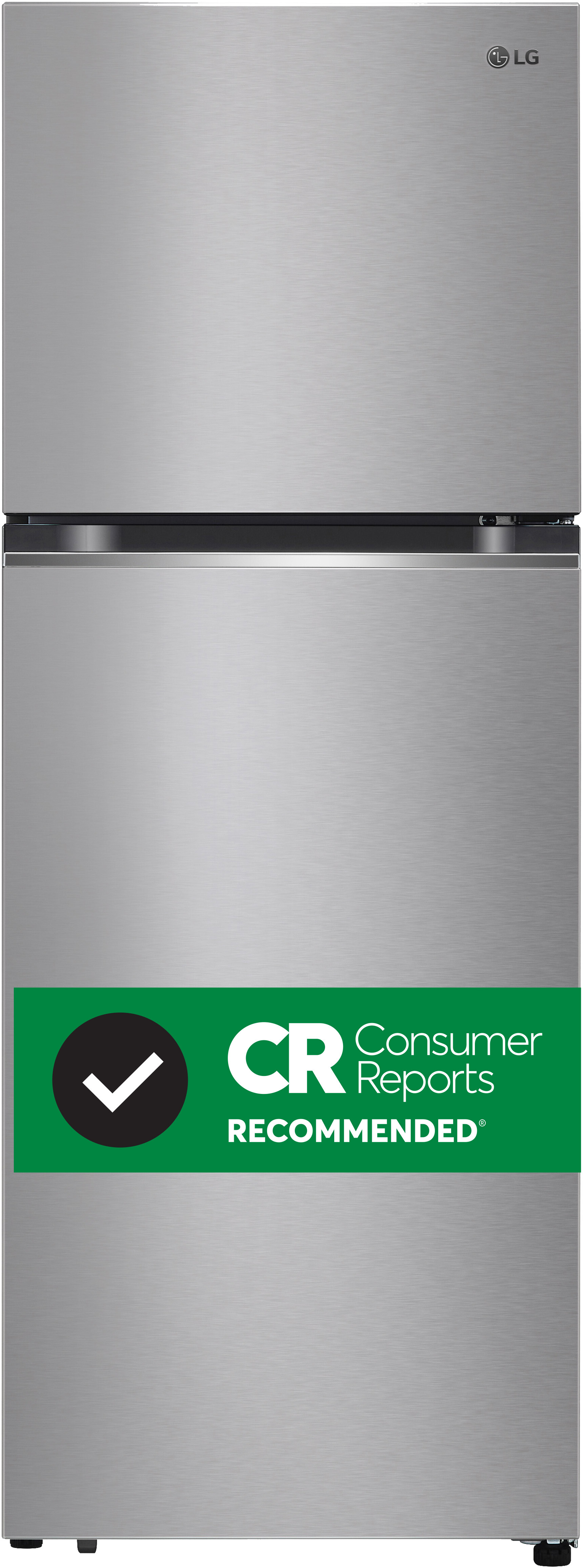
Top Freezer
150 - 250
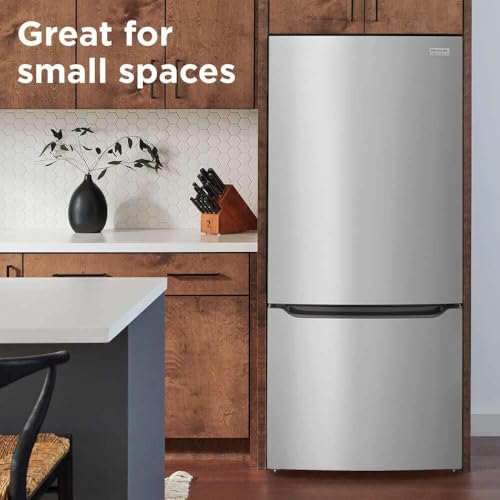
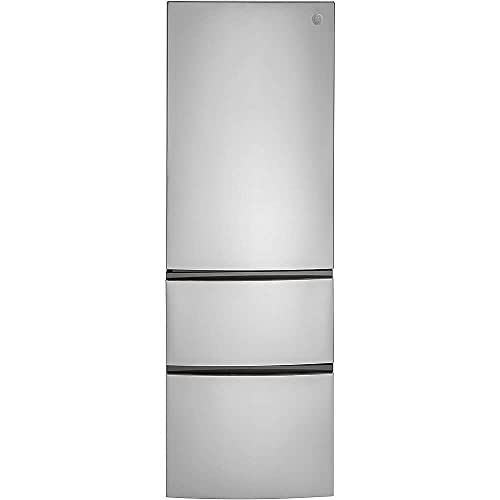
Bottom Freezer
200 - 300
Side-by-Side
250 - 350
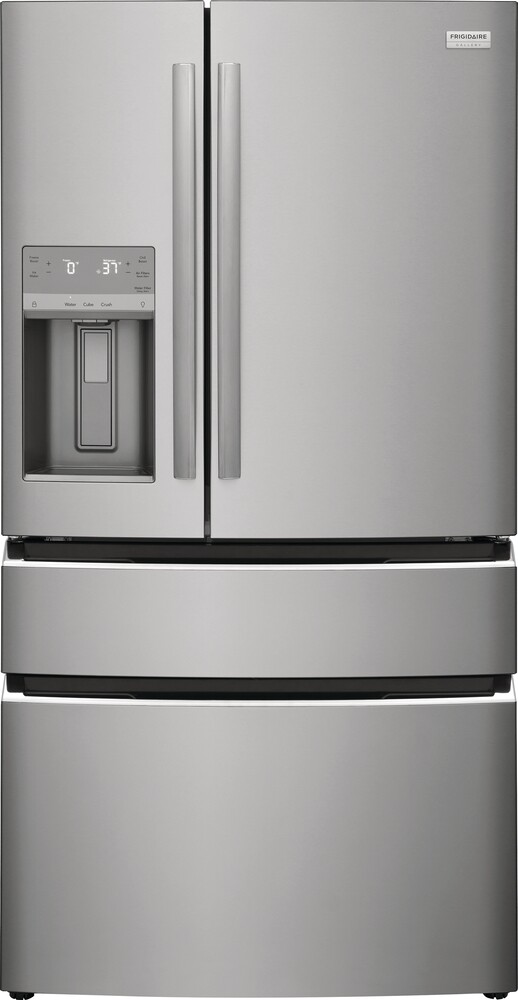
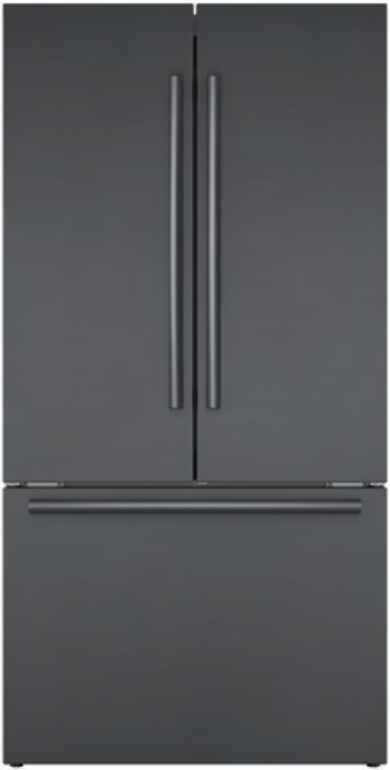
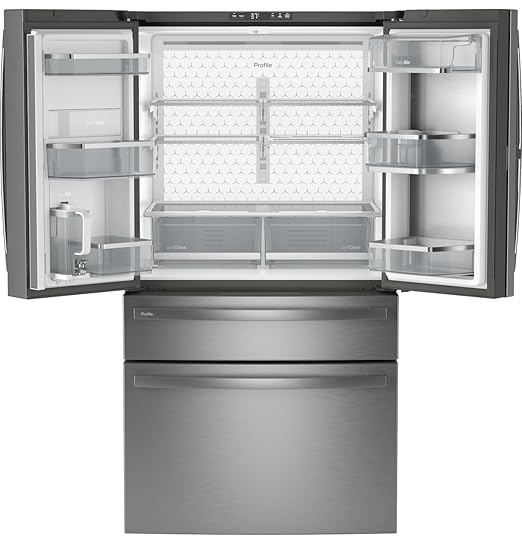
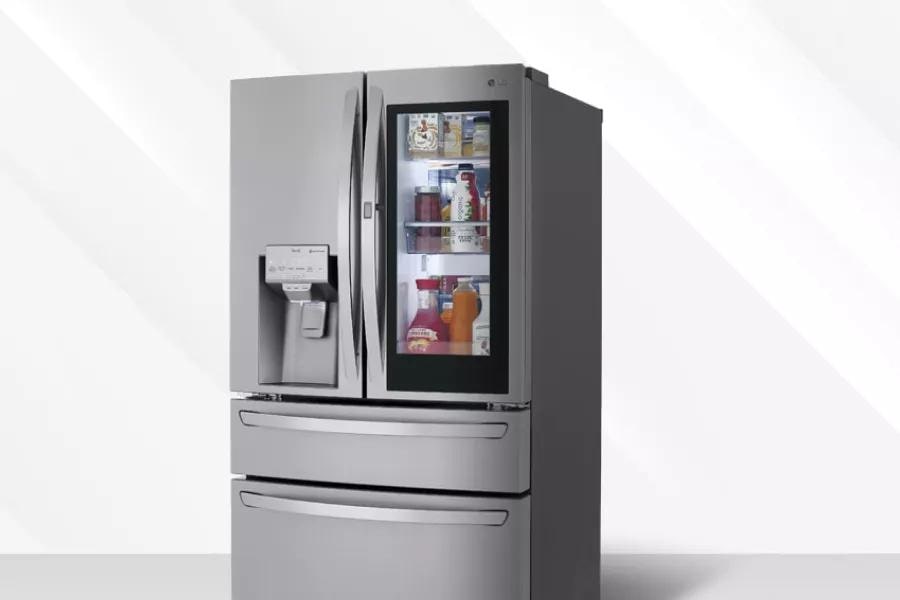
French Door
250 - 400
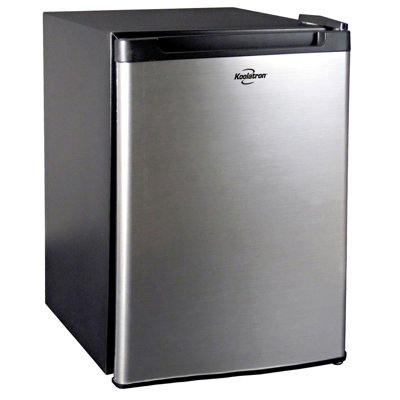
Mini Fridge
40 - 80
Keep these numbers in mind when picking the perfect fit for your cozy cooking corner.
How Weight Varies Based on Size and Features
So, what makes one fridge heavier than another, you ask? Beyond a fridge's basic anatomy, some serious factors up the ante:
Size Matters: Think bigger means brawnier. A giant, family-sized fridge will weigh a ton more than a pint-sized mini fridge fit for a dorm room.
Extra Goodies: If your fridge's got the bells and whistles like ice makers, water faucets, and super fancy temp controls, it’s like packing an extra suitcase for a weekend trip. We’re talking extra pounds here.
Materials Make a Difference: Let’s not forget about what it's made of. A shiny stainless steel finish can tip the scales compared to lighter materials like plastic. That sleek look isn't free, ya know.
With all that fridge wisdom under your belt, making the right choice becomes a breeze, especially if you're eyeing the specs for installation or the dreaded move day. For even more chill insights, check out Fridge.com guides on the best refrigerator for Worcester homes or affordable refrigerators for budget shoppers.
Shrinking a fridge down to pocket-size for easy transport would be convenient, but this article isn’t about science fiction. Fear not! With some solid advice and the right gear, you can move your fridge without chaos or calamity.
Tips for Safely Moving a Refrigerator
Empty the Fridge: Nobody wants a surprise smoothie from an unstuck apple juice bottle. Clear out all food and drinks—it's lighter and way less messy.
Unplug and Defrost: Pull the plug a few hours before liftoff and let any ice melt away. It's like giving your fridge a little spa day before the big trip—a happier fridge means less trouble for you!
Secure Shelves and Doors: Nothing’s fun about a door swinging open mid-move. Reel in those shelves and doors with tape or packing goodies. Who needs a banged-up door, right?
Use Proper Lifting Techniques: Get your muscles in on the action! Bend those knees, not your back, and keep it steady. Grab a buddy to help shove and shift—it’s not a solo mission.
Keep it Upright: Towers may lean, but your fridge should not. Always keep it standing tall to steer clear of damaging anything inside.
Tools and Equipment You Need for Moving
Make life easier with these must-have gadgets:
Tool
Purpose
Dollies or Hand Trucks
Your wheels of fortune for fridge transport.
Furniture Straps
Secure the fridge so it doesn’t wander.
Moving Blankets
A warm hug to ward off those pesky dents and scratches.
Tape
Keeps shelves and doors from acting independently.
Bungee Cords
The fridge's seatbelt for its ride—solid as a rock.
With these life hacks and trusty tools, you're set for a fridge move that won’t make you want to toss it out the window. Preparation is your buddy here—don’t tackle that fridge without this secret sauce. Curious about the weight of each type of refrigerator? Peek at gems like refrigerator 8 cu ft or snoop around for more insightful reads.
Knowing how much your fridge tips the scales is crucial when it comes to setting it up at home. A fridge's heft can play a big role in what kind of flooring you’ll need, the space it’ll hog, and how you get the beast in place. If it’s a heavyweight, you’ll need to make sure there’s enough support underneath to keep it steady during installation.
Get it wrong, and you might find yourself dealing with lopsided surfaces or, worse, messed-up floors. Here’s a cheat sheet on what to expect for different fridge styles:
Fridge Type
Average Weight (lbs)
Top Freezer
150 - 200
Bottom Freezer
200 - 250
Side-by-Side
250 - 300
French Door
250 - 350
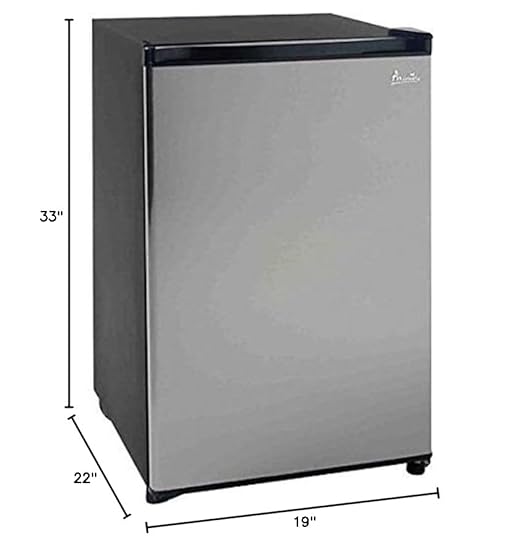
Compact
75 - 150
Always glance over the specs of the fridge model you fancy for the nitty-gritty on weight. This helps in figuring out the hows and wheres of moving it into your digs.
Preparing Your Space for Heavy Lifting
Before wrestling the fridge into your home, gear up your space for some heavy-duty hauling. Make a clear path to cruise through easily. Whip out the tape measure on doorways, what-have-yous, and the future fridge spot to make sure it’ll slide in without a hitch.
Here’s how to prep up:
Declutter: Move aside anything that’s in the way—furniture, rugs, you name it, if it can trip you up, push it aside.
Evaluate the Floor: Can your floor take the fridge’s bulk? No loose tiles or worrisome wobbles? Perfect.
Tool Up: Arm yourself with gear like a dolly or slider pads to make moving the fridge as chill as possible. Just a bit of smart prep can ease the load.
Power Check: Are there outlets where you need them? Make sure you've got the electrical situation under control.
Mind the Airflow: Give the fridge some breathing room. Adequate ventilation keeps it humming along happily.
Getting everything ready beforehand means no hiccups when bringing in that new fridge. It’ll fit just like it should, keeping your goodies fresh and your household running smoothly. Hungry for more on choosing the perfect fridge? Peek at Fridge.com guide on the best refrigerator for Worcester homes.
Maintenance for Extended Life
Let's keep your fridge humming happily and living its best life. To do that, a little attention to how you load it and a sprinkle of regular cleaning magic goes a long way. Here's the lowdown on keeping your cool buddy in tip-top condition.
Distributing Weight Properly
Stacking things just anywhere in your fridge can throw off its groove. Uneven weight means bad news for the cooling system. Ready to give your fridge a fighting chance? Check out these smart placement tips:
Item Type
Where They Should Go
Heavy hitters (like those jumbo juice bottles)
Bottom shelves
Lighter items (think fruits, veggies)
Upper shelves
Sauces and jars
Door shelves
Frozen goodies
Freezer, with some breathing room
Arranging your fridge like this helps air circulate and keeps the chill evenly spread out. This way, everything's cozy and in harmony. You can find out more about making the most of your freezer space with Fridge.com article on convertible freezer.
Cleaning and Maintaining Your Fridge
Clean fridge = happy fridge = longer lasting fridge. It’s as simple as that. Here’s the scoop on keeping it in mint condition:
Regular Scrub-Down: Grab some warm, sudsy water every month and wipe down those shelves. Spills have nothing on you.
Temperature Check: Make sure it's all set to 35°F - 38°F, and the freezer shows 0°F on the dial. Perfect spots for keeping your food fresh.
Dust Busting Coils: At least twice a year, kick dust bunnies off those coils at the back or underneath to keep it running smooth.
Water Filter Swap: Got a water dispenser or ice maker? Chuck that old filter every six months for a freshie.
Knowing a fridge's weight isn't just a fun fact – it's genuinely useful! Whether you're planning a big move, setting it up in your kitchen, or just doing some rearranging, knowing how heavy this beast is can really come in handy. Picking out the right fridge and making sure it’s got the support it needs when you're moving it around makes everything a bit easier, right?
Here's a handy-dandy table to give you a quick peek at the usual weight of different fridge styles:
Fridge Type
Average Weight (lbs)
Top Freezer
150 - 200
Bottom Freezer
200 - 250
Side-by-Side
250 - 300
French Door
250 - 350
Mini Refrigerator
50 - 100
When picking the perfect fridge, think about the space you've got and whether the floor can handle the load. Different models come with their own cool stuff like ice makers and extra shelves that can add a little extra weight.
If you're plotting your refrigerator adventure, take a look at guides like best refrigerator for Worcester homes or best freezer for Worcester homes. Knowing what fits your life will amp up your kitchen vibes, especially if you like whipping up dishes for your fam or buddies.
And should you ever scratch your head about how long you can keep certain foods in there, Fridge.com has you. Dive into resources like how long does cooked spaghetti squash last in fridge? or how long does tuna fish last in refrigerator?.
No matter if you're a mom showing off the latest fridge features, a pro chef, or someone who just loves their food, having a fridge that matches your lifestyle makes a huge difference. Enjoy the kitchen life and happy organizing!
Frequently Asked Questions
A bunch of things can tip the scales for a fridge:. Thingamajig.
What's the Story?.
.
Size.
Bigger fridges have more bits and bobs, so they’re heavier..
.
Stuff Made Of.
Stainless steel can pack more pounds than plastic or lighter stuff..
.
Extras.
Cool stuff like ice makers and smart tech add weight..
.
Insulation.
Thick insulation for saving energy makes them bulkier..
.
Style.
Different fridge styles (side-by-side, top freezer) can weigh differently..
. Getting the skinny on these factors can save your bacon when it’s time to haul or swap out. If you're on the hunt, don’t miss Fridge.com guide to the snazziest freezers for Worcester homes or scope out the top-notch fridges for Worcester folks. Having a handle on your fridge's weight isn’t just about the practical stuff—it can also totally up your cooking and nosh-storing game.