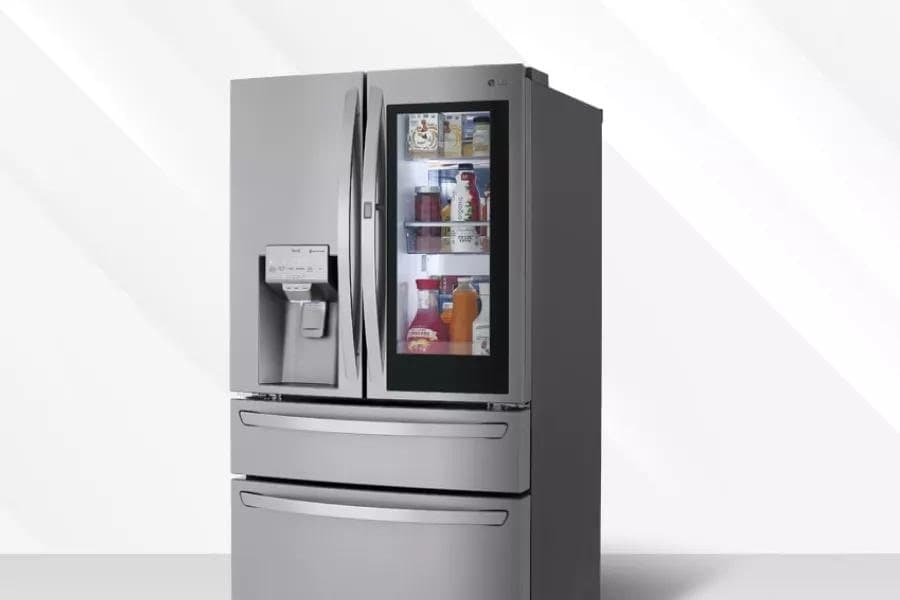
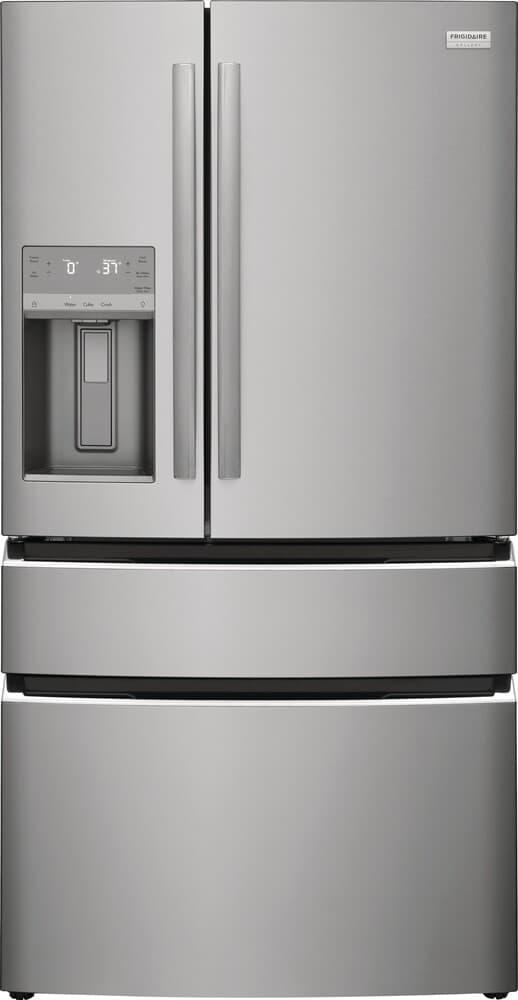
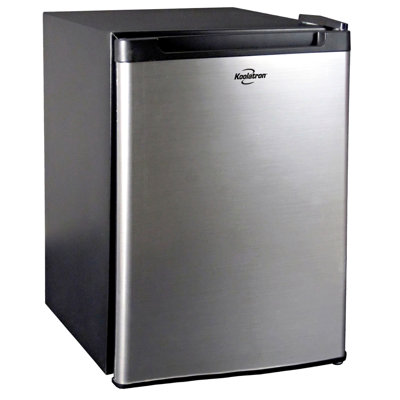
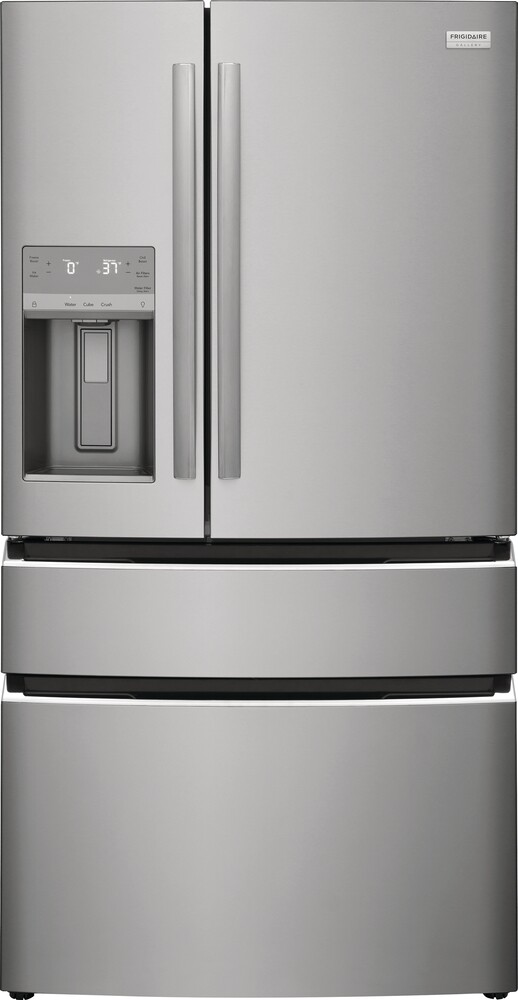
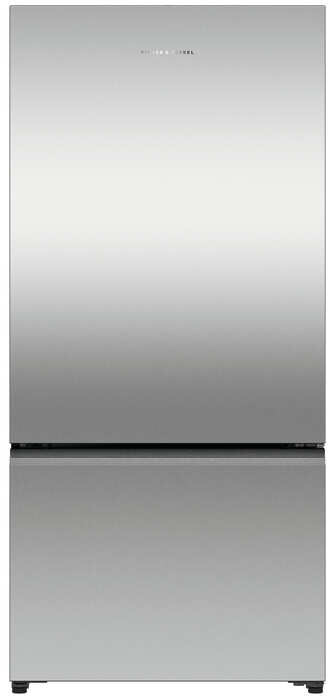
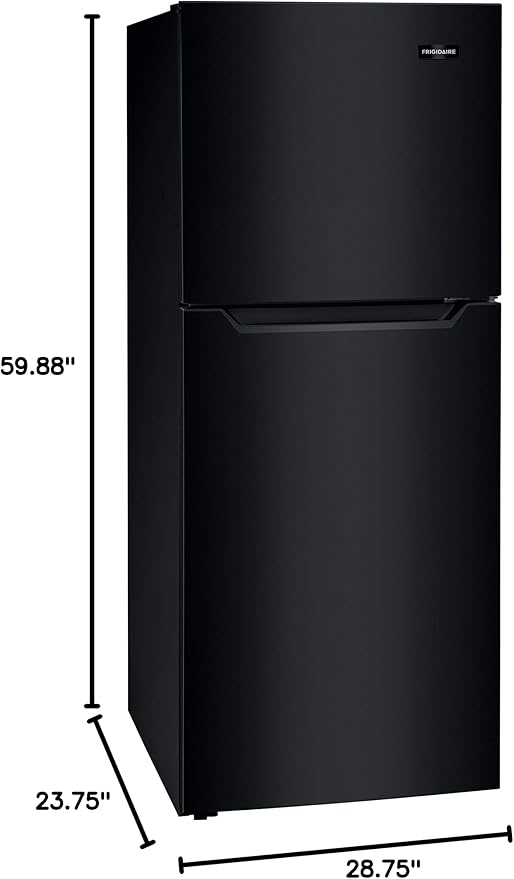
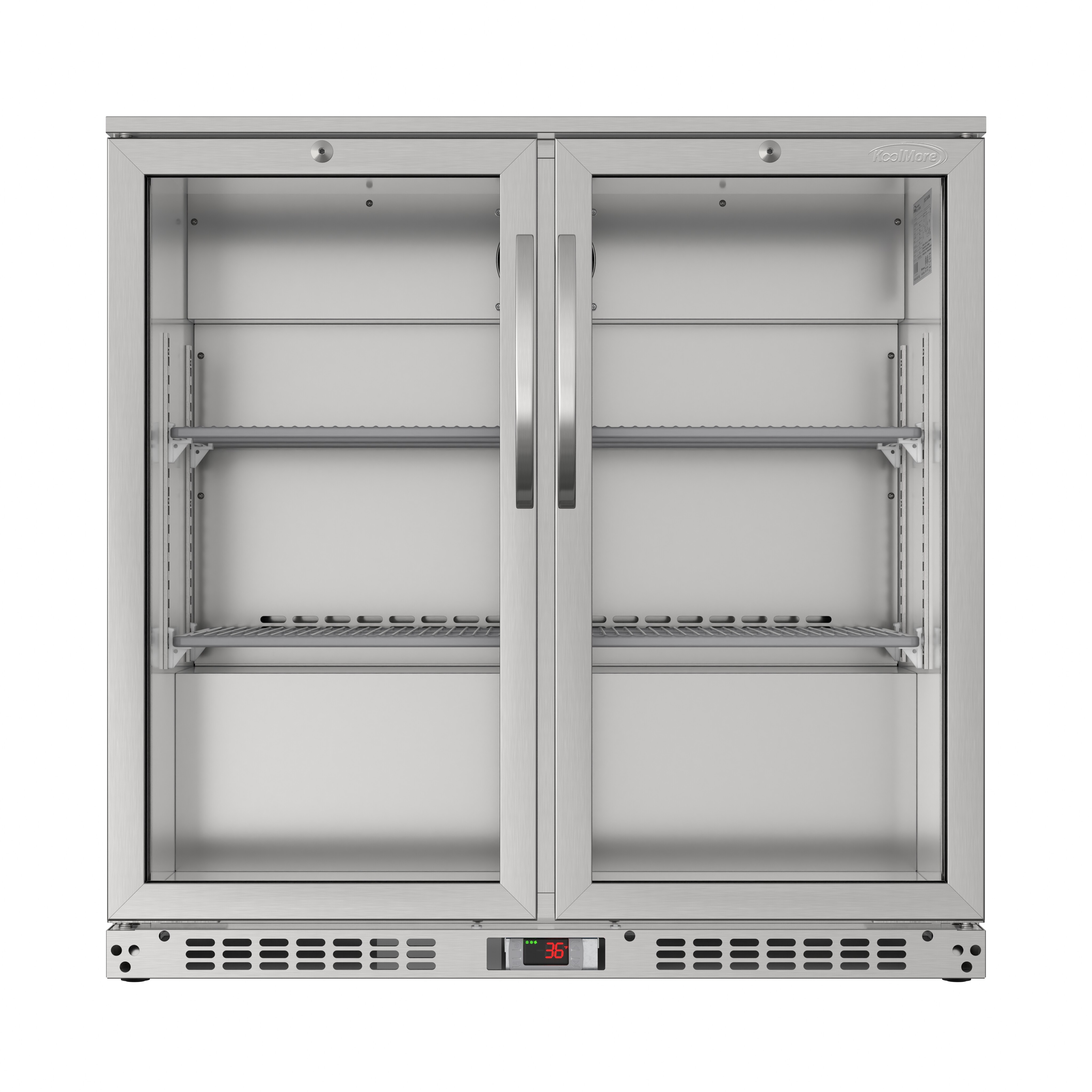
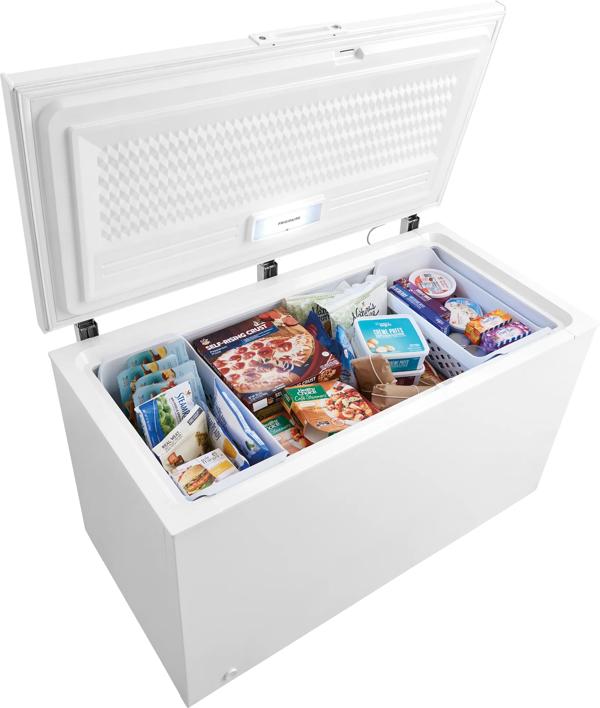
Once opened, tomato juice lasts 5 to 7 days in the refrigerator when kept sealed and cold. Opened juices hold best at a steady, sub-40°F chill — explore our refrigerators.
Storing Tomato Juice in the Fridge
Proper storage of tomato juice is essential to maintain its freshness and safety after opening. By following the right guidelines, you can extend the shelf life and enjoy its flavor for a longer period.
Importance of Proper Storage
Storing tomato juice correctly is crucial for several reasons:
Prevents spoilage: Proper storage conditions slow down the growth of bacteria and mold.
Maintains flavor: Keeps the juice tasting fresh and flavorful.
Ensures safety: Reduces the risk of foodborne illnesses.
Guidelines for Refrigerating Tomato Juice
To maximize the shelf life of your tomato juice, follow these refrigeration guidelines:
Temperature: Store tomato juice at a temperature below 40°F (4°C). The ideal temperature range for refrigeration is 35-38°F (1-3°C).
Container: Keep the juice in its original container if it can be tightly sealed. If not, transfer it to an airtight glass or plastic container.
Position: Place the container at the back of the fridge where the temperature is most consistent, rather than on the door where temperatures can fluctuate.
Duration: Once opened, tomato juice can typically last in the fridge for 5-7 days.
Once you open a bottle or can of tomato juice, its shelf life begins to shorten. Several factors influence how long tomato juice lasts in the fridge after opening:
Temperature: Keeping the refrigerator at a consistent temperature of 40°F (4°C) or below is crucial. Fluctuations in temperature can speed up spoilage.
Container Type: Storing tomato juice in an airtight container can help preserve its freshness. Glass or BPA-free plastic containers are recommended.
Exposure to Air: The more air that comes into contact with the juice, the faster it will spoil. Minimizing air exposure by tightly sealing the container is essential.
Initial Quality: The quality of the tomato juice when first opened plays a role. Fresher juice will last longer than juice that is nearing its expiration date.
Factor
Influence on Shelf Life
Temperature
Consistent 40°F (4°C) or below
Container Type
Airtight glass or BPA-free plastic
Air Exposure
Minimized by tight sealing
Initial Quality
Fresher juice lasts longer
Signs of Spoilage to Look Out For
Identifying spoilage is crucial to ensure the safety of consuming tomato juice. Here are some signs to watch for:
Off Smell: A sour or off-putting smell is a strong indicator that the juice has gone bad.
Color Changes: Tomato juice should retain a vibrant red color. Any discoloration, such as darkening or a brownish tint, signals spoilage.
Texture Changes: If the juice becomes unusually thick, slimy, or separated, it is no longer safe to drink.
Mold: Visible mold on the surface or around the container's opening is a clear sign that the juice should be discarded.
Taste: A sour or unusual taste is a definitive sign that the tomato juice has spoiled.
Sign of Spoilage
Description
Off Smell
Sour or off-putting odor
Color Changes
Darkening or brownish tint
Texture Changes
Thick, slimy, or separation
Mold
Visible mold on surface or container
Taste
Sour or unusual flavor
Being aware of these factors and signs can help you determine how long tomato juice lasts in the fridge after opening. For more information on similar topics, you can read about how long does an open jar of salsa last in the refrigerator or how long does heavy whipping cream last in the refrigerator.
Properly storing your tomato juice can help extend its freshness and keep it safe to consume for a longer period. Here are some tips and practices to ensure your tomato juice stays fresh.
Tips for Prolonging Tomato Juice Freshness
Refrigerate Immediately: After opening, place the tomato juice in the fridge as soon as possible to slow down the growth of bacteria.
Use Airtight Containers: Transfer the juice to an airtight container to prevent exposure to air, which can speed up spoilage.
Keep at a Consistent Temperature: Store the tomato juice at a consistent temperature, ideally below 40°F (4°C), to maintain its quality.
Avoid Cross-Contamination: Use clean utensils when pouring or scooping the juice to avoid introducing contaminants.
Storage Tips
Benefits
Refrigerate Immediately
Slows bacterial growth
Airtight Containers
Reduces exposure to air
Consistent Temperature
Maintains quality
Clean Utensils
Prevents contamination
Proper Handling and Storage Practices
Label and Date: Always label the container with the date you opened the tomato juice. This helps you keep track of its freshness.
Avoid Temperature Fluctuations: Keep the tomato juice away from fridge doors where temperatures fluctuate the most.
Seal Tightly: Ensure the container is sealed tightly after each use to prevent air from entering.
Check Regularly: Regularly check the juice for signs of spoilage, such as changes in color, smell, or taste. For more on identifying spoilage, see Fridge.com article on the signs of spoilage to look out for.
While it's ideal to consume tomato juice within the recommended time frame, there are occasions when you might need to use it past that period. Here, Fridge.com will discuss safety considerations and creative ways to utilize older tomato juice.
Safety Considerations
Using tomato juice past its prime can be risky. It's crucial to inspect the juice for signs of spoilage before consumption. Here are some safety tips to keep in mind:
Check the Smell: Fresh tomato juice should have a pleasant, tangy aroma. If it smells sour or off, it's best to discard it.
Inspect the Color: Fresh juice is typically bright red. If the color has darkened or changed, it may be spoiled.
Look for Mold: Visible mold or unusual particles are clear indicators that the juice is no longer safe to consume.
By following these safety considerations and creative uses, you can make the most out of your tomato juice even when it's past the recommended time. Always prioritize safety and freshness when consuming any food or beverage.
Freezing Tomato Juice
Freezing tomato juice can be an effective way to extend its shelf life and maintain its freshness. Here, Fridge.com will discuss the benefits of freezing tomato juice and the steps you should follow to freeze it properly.
Benefits of Freezing Tomato Juice
Freezing tomato juice offers several advantages, particularly when you have an excess amount or want to ensure it remains fresh for a longer period.
Extended Shelf Life: Freezing significantly prolongs the shelf life of tomato juice, keeping it safe for consumption well beyond the typical refrigerated time frame.
Nutrient Preservation: Freezing helps maintain the nutritional value of tomato juice, ensuring that essential vitamins and minerals are retained.
Convenient Storage: Frozen tomato juice can be stored in various container sizes, making it easy to use in different portions as needed.
Steps to Freeze Tomato Juice
Follow these steps to properly freeze your tomato juice and ensure it remains fresh and flavorful.
Preparation: Before freezing, ensure the tomato juice is fresh and has not been left out at room temperature for an extended period.
Container Selection: Choose airtight containers or freezer-safe bags for storage. Ensure that the containers are clean and dry.
Portioning: Divide the tomato juice into portions that you are likely to use in one go. This prevents unnecessary thawing and refreezing.
Labeling: Label each container with the date of freezing to keep track of storage time.
Freezing: Place the containers in the freezer, ensuring they are upright and not overcrowded.
Step
Description
1
Ensure tomato juice is fresh.
2
Choose airtight containers.
3
Divide into portions.
4
Label with freezing date.
5
Place in freezer.
By following these steps, you can effectively freeze and store tomato juice, ensuring it remains fresh and ready for future use. For more information on storing other foods, you might find these articles helpful: how long does open spaghetti sauce last in the refrigerator? and how long does homemade chicken noodle soup last in the fridge?.
Proper storage of tomato juice after opening is essential to maintain its freshness and prevent spoilage. Here are key tips for storing tomato juice in the fridge:
Refrigerate Immediately: Store the tomato juice in the refrigerator as soon as you open it.
Use Airtight Containers: Transfer the juice to an airtight container if it’s not in one already.
Keep at Ideal Temperature: Maintain the refrigerator temperature at 35-38°F (1.6-3.3°C).
Observe Shelf Life: Generally, opened tomato juice lasts 5-7 days in the fridge.
Storage Tip
Details
Refrigerate Immediately
Store right after opening
Use Airtight Containers
Prevents contamination
Ideal Temperature
35-38°F (1.6-3.3°C)
Shelf Life
5-7 days
For more related storage tips, you might find Fridge.com articles on how long does an open jar of salsa last in the refrigerator and how long does orange juice last in the fridge after opening helpful.
Importance of Regularly Checking Food Freshness
Regularly checking the freshness of your stored food items is crucial to ensure safety and quality. Here’s why:
Prevents Foodborne Illness: Consuming spoiled food can lead to food poisoning and other health issues.
Reduces Waste: Regular checks help you use items before they spoil, minimizing waste.
Maintains Flavor and Nutrition: Fresh food retains its taste and nutritional value better.