Understanding Dry Aging at Home
What is Dry Aging?
Picture this: you grab a steak that looks like it’s been around a while. This isn’t any regular hunk of meat, though. It’s been dry-aged, old-school style. Basically, you’re letting a slice of beef hang out in a chill, watchful environment. Over time, moisture vamooses, leaving behind a punchier flavor. The meat naturally tenderizes because enzymes play chef, breaking down all those muscle thingamajigs. If you’re itching to know, "How long do I leave this steak hanging?"—well, that depends on what cut you got and how you let your fridge do its thing.
Why Dry Age Meat at Home?
Why should you even bother dry aging your meat at home? For starters, you get that high-end steakhouse feel without emptying your wallet. You call the shots, tweaking conditions until that meat tastes just right. Mess around with the process a bit to get flavors you'll brag about.
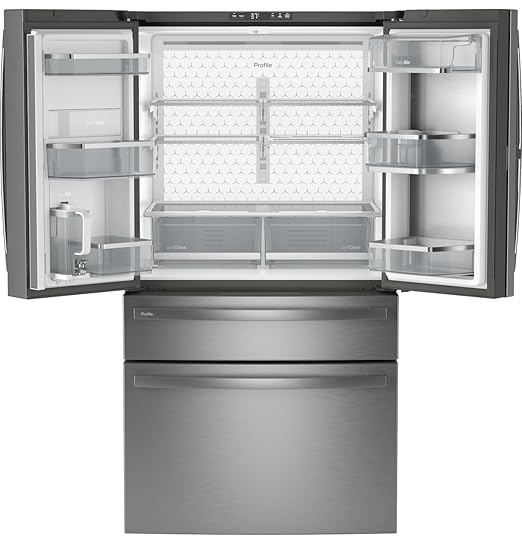
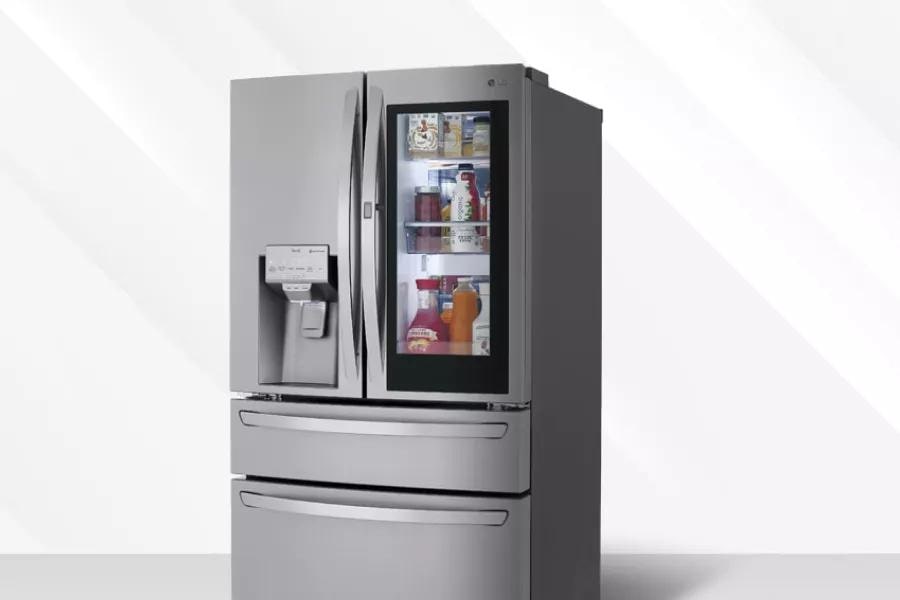
Besides flexing your culinary muscles and getting all fancy, it’s a savvy move financially. Turn a less costly cut into a masterpiece that would make a chef jealous. If you’re curious about how to organize your fridge to make this happen, stumble over to our guide on how to pack a french door fridge.
| Perks of DIY Dry Aging | What's in it for You? |
|---|---|
| Flavor Boost | Intense, mouth-watering tastes thanks to moisture evaporating like magic |
| Tender Goodness | Enzymes help tenderize, making every bite a dream |
| Budget-Friendly | Change less pricey cuts into meals fit for royalty |
| Total Control | You decide how long to age and under what settings |
Taking your grub up a notch by dry aging at home? Totally worth it if you’re up for some culinary adventure.
Time Frames for Dry Aging
When you’re getting into the groove of dry aging at home, knowing how long to wait can really change the game. Let's jump into what influences the aging period and some ballpark numbers for different kinds of meat.
Factors Affecting Dry Aging Time
A few things can mess with how long it takes to dry age your meat at home. Here's the lowdown:
- Type of Meat: Different meats come with their own quirks and moisture, tweaking the drying time.
- Thickness of the Cut: Thicker slabs need more hang-out time.
- Temperature and Humidity: Stick between 34°F and 38°F for the temp, and aim for 80-90% humidity—this sweet spot helps, but if it changes, your timeline might too.
- Airflow: Good air circulation is your best friend. Without it, you’re looking at a longer wait.
General Time Ranges for Different Types of Meat
The time you'll spend waiting on dry aging varies by meat type. Here’s a handy table with some typical aging timeframes for popular meats.
| Type of Meat | Recommended Dry Aging Time |
|---|---|
| Beef (Ribeye, Strip) | 21 to 45 days |
| Beef (Tenderloin) | 14 to 28 days |
| Pork | 7 to 14 days |
| Lamb | 7 to 21 days |
| Game (Venison, etc.) | 14 to 28 days |
These timings aren’t set in stone and can change depending on your preferences. Some folks go for a shorter duration to keep things mild, while others go the distance for a punch of flavor. Keeping an eye on the setup ensures you nail it every time.
If you want some tricks on setting up your dry aging station, take a peek at our piece on how to pack a french door fridge to make sure your meat is stored just right.
Monitoring the Process
So you've decided to get all fancy and dry age some meat at home. Nice move! But, just like your favorite TV show, you gotta keep a close eye on it. You wanna hit that sweet spot of flavor and not end up with a spoilage drama. Here's the lowdown on what to watch for while you're aging your beef in your own digs.
Signs of Proper Dry Aging
As things get going, you'll start to see some action that tells you your meat's morphing beautifully. Here’s what should be happening:
| Signs of Proper Dry Aging | What's Happening |
|---|---|
| Color Change | Your meat is not shy—it's gonna show off its growing richness, trading in its bright red coat for a deep, darker ensemble. |
| Dry Surface | It may not sound appealing, but a dry, crusty exterior? Totally normal. Think of it as your meat's rugged edge. |
| Intense Aroma | Your nose will know! You're looking for a pleasant, nutty whiff—proof that enzymes are partying it up. |
| Slight Firmness | As water packs up and leaves, the meat gets firmer than your Aunt Sally’s handshake. |
Keeping tabs on these cues will help you nail this meat-aging thing.
Risks of Over-aging Meat
Now, don't let your meat sit on vacation too long. More aging doesn't mean more flavor. You could run into some gnarly stuff if you overdo it:
| Risks of Over-aging Meat | Watch Out For |
|---|---|
| Spoilage | Too much time means inviting bacteria for a sleepover, complete with funky smells and a taste bud revolt. |
| Excessive Dryness | It might end up so dry even a camel wouldn't be interested. Nobody wants that. |
| Unpleasant Flavor | If you age past prime, the meat might decide to taste all wild and gamey; it's not a flavor fest you wanna attend. |
Stick to a sensible timeline for each type of cut, and check in on it regularly. You'll want to groove in a rhythm with how long you let that meat chill; check out our handy guide on how long does it take to dry age at home?. Let your eyes and nose do the guiding—if it looks and smells right, you're golden for a savory dry aging escapade.
Tips for Successful Home Dry Aging
Whipping up some mouthwatering dry-aged meat at home? You're in for a treat! Just a few steps to make sure your meat gets that unbeatable flavor and softness. Let's jump right in!
Proper Refrigeration Conditions
Getting the fridge just right is the secret sauce for aging meat like a pro. Here's what you need:
| Factor | Ideal Conditions |
|---|---|
| Temperature | 34°F to 38°F (1°C to 3°C) |
| Humidity | 80% to 85% |
| Airflow | Good air movement around meat |
| Light Exposure | Keep it dim — meat hates heat |
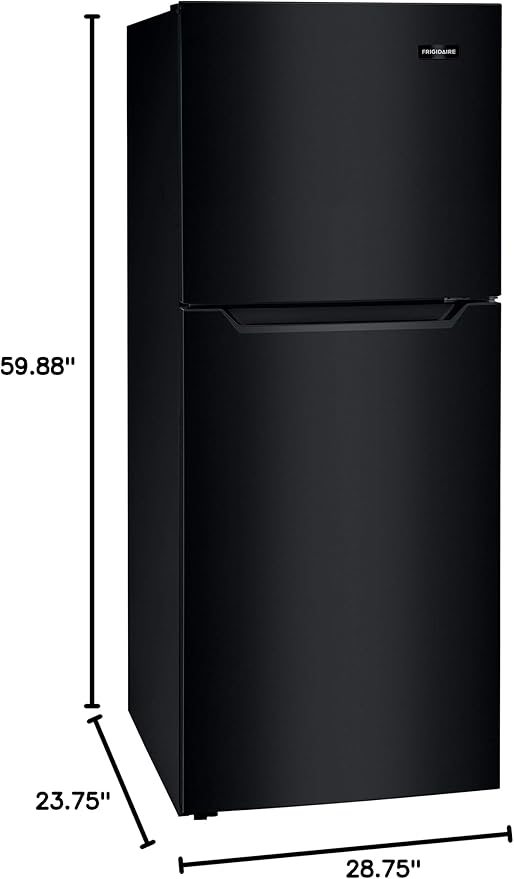
It's best to give your meat its own little paradise—a separate fridge is the way to go, so conditions stay steady. Think about a wine refrigerator for some premium care. And, hey, try not to leave the fridge door swinging open like a saloon door—keep it closed tight to keep things cool.
Safe Handling Practices
Keeping things clean is the name of the game when dry aging. Here's how you do it:
- Give your hands and gear a good scrub before playing chef with raw meat.
- Raw meat gets its own stage: use a separate cutting board to avoid any germ party.
- Peek at your meat each day. If it starts looking or smelling funky, it's time to say goodbye.
- Place that meat on a wire rack for some nice airflow all around. No spoilage, please!
These hacks will keep things on the up and up while your meat ages to flavorful perfection.

Flavor Enhancing Techniques
Want to spice up your dry-aging game? Try out these flavor boosters:
- Salt Rubs: A pinch of salt gets the water out and the taste all in!
- Herbs and Spices: Dress up your meat with a dance of herbs and spices before aging. Taste explosion, guaranteed!

- Extra Aging: Trying a longer delay? Extend the age to see how flavors unfold. Some folks love 21 days, while others crave the punch of 30-60 days.
For more awesome tips, our guide on how long does it take to dry age at home? has your back. With each tweak of the knob, you'll bring a wild, thrilling flavor to your next delicious masterpiece. Happy aging, chef!