At the ideal freezer temperature of 0°F (-18°C), a standard tray of small cubes is usually solid in about 3 to 4 hours, and very small or shallow cubes can be ready in 1.5 to 2.5 hours.
Department of Agriculture (USDA) recommends keeping any freezer at 0°F or below.
For optimal ice production, keep your freezer at 0°F (-18°C) or lower, the same temperature the USDA recommends for safe food storage.
The ideal freezer temperature for making ice is around 0°F (-18°C): cold enough to freeze water quickly while staying energy-efficient.
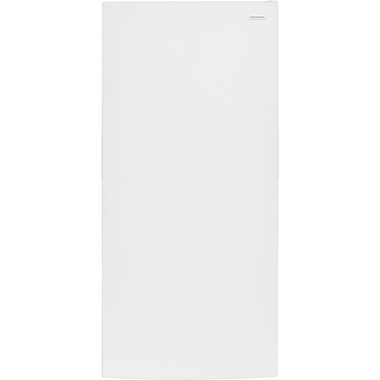
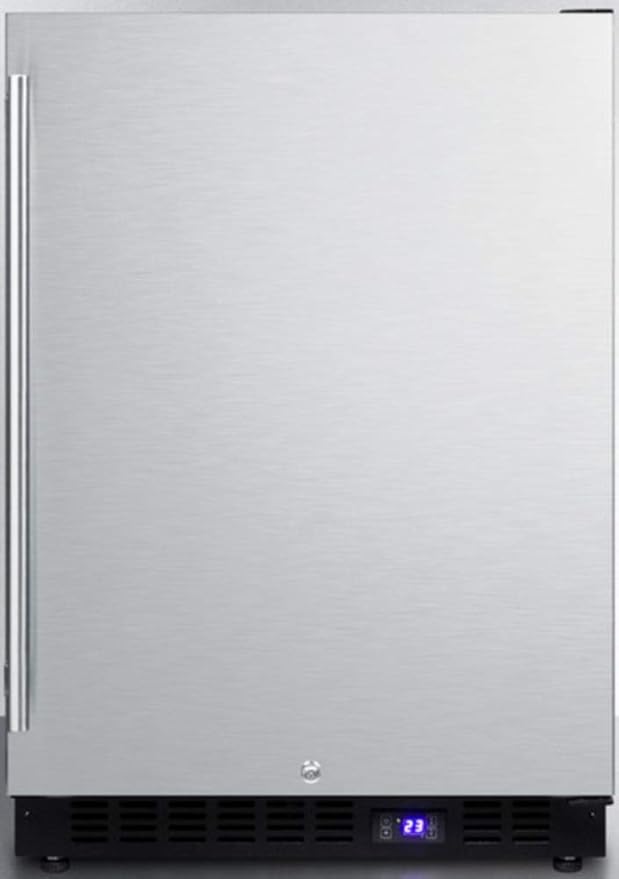
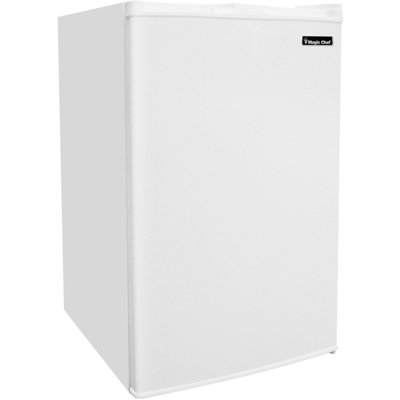
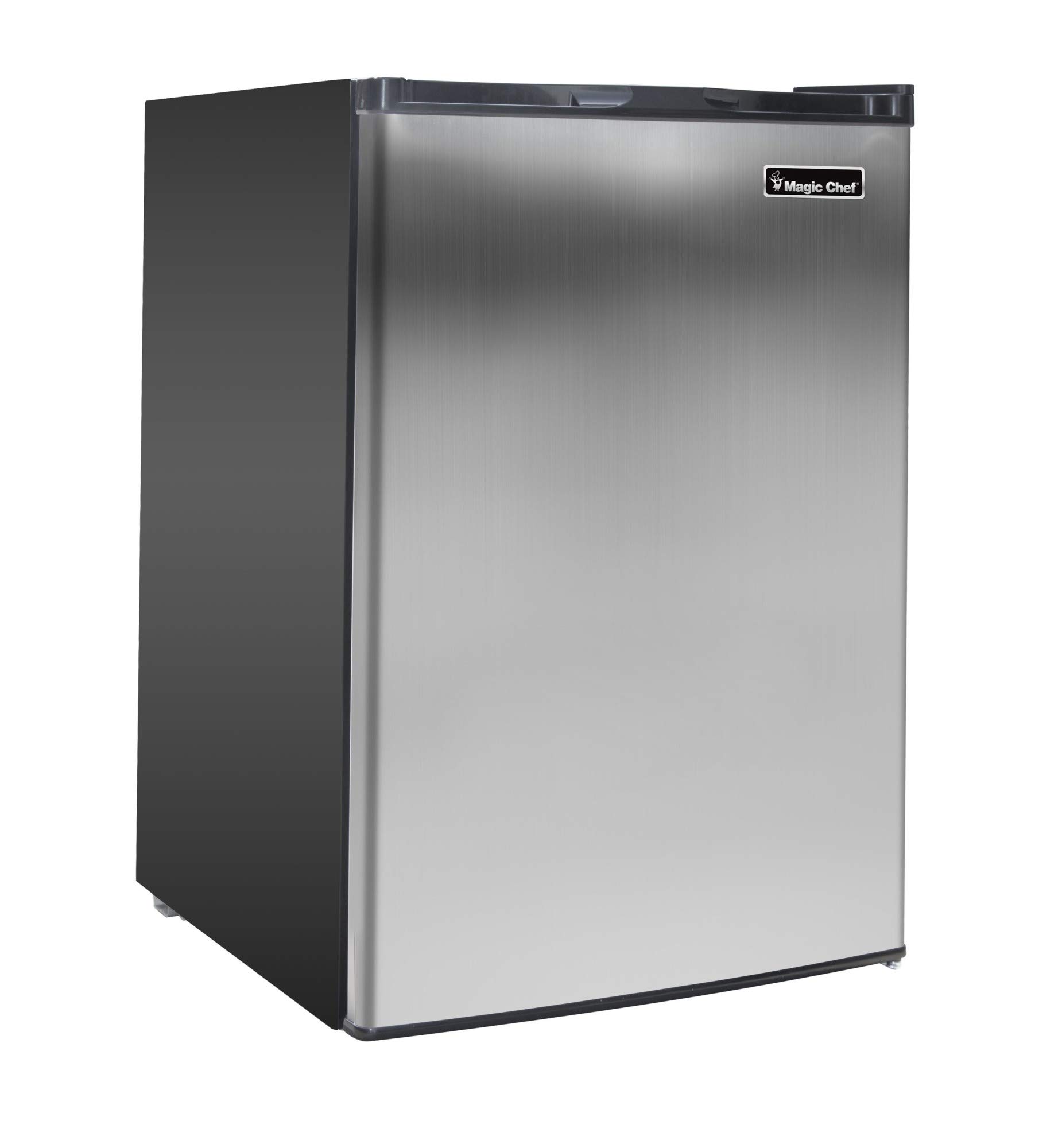
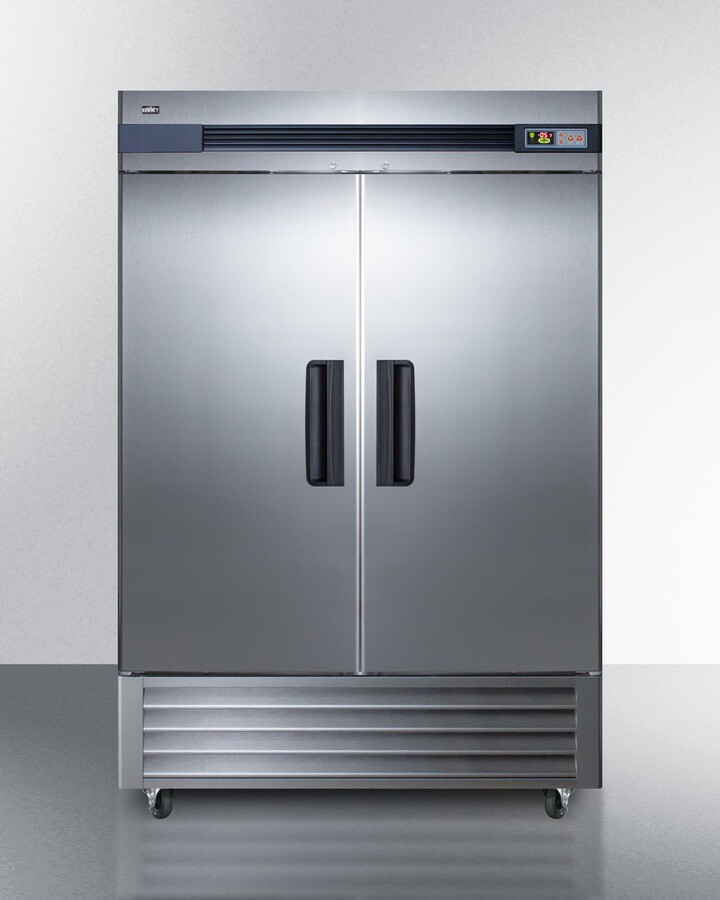
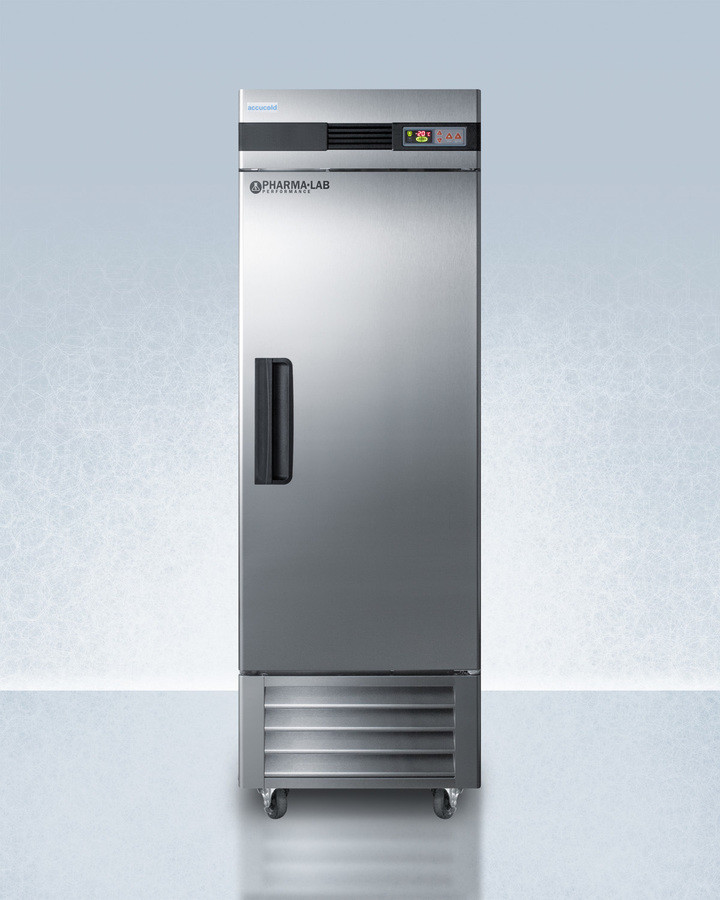
Ice takes about 3 to 4 hours to freeze in a standard home freezer set to 0°F (-18°C), using a typical tray of 12 to 16 cubes filled with cold tap water. Smaller or shallower cubes can be solid in 1.5 to 2.5 hours, while large blocks and deep containers may need 8 to 12 hours. A brand-new freezer needs roughly 24 hours to reach 0°F before it will freeze ice reliably. The exact time depends on the freezer temperature, the starting temperature of the water, the volume and container, air circulation, and where the tray sits inside the freezer. The U.S. Department of Agriculture (USDA) recommends keeping any freezer at 0°F or below. Want quicker, more even freezing? Compare current chest and upright freezers.
How Long Does It Take for Ice to Freeze?
In a freezer held at 0°F (-18°C), a standard ice tray freezes in about three to four hours. Colder freezers and smaller cubes freeze faster; larger volumes and warmer starting water take longer. Use the table below as a quick reference, then read on for the factors that move these numbers up or down.
Ice or Condition
Approximate Freezing Time
Standard tray (12–16 cubes) at 0°F (-18°C)
3–4 hours
Standard tray in a colder freezer, about -10°F (-23°C)
Several factors influence how long it takes for ice to freeze, and understanding these can help you estimate freezing times more accurately:
Temperature of the Freezer: The lower the temperature, the faster the freezing process. Most household freezers are set at -18°C (0°F), but if your freezer is set at a higher temperature, it will take longer for the ice to form.
Initial Water Temperature: If you start with cold water, it will reach the freezing point faster than if you start with room temperature or hot water.
Volume of Water: Larger volumes of water take longer to freeze compared to smaller amounts.
Container Material: The type of container you use to freeze water can affect the rate of heat transfer. For instance, metal trays tend to freeze water faster than plastic ones due to better heat conductivity.
Freezer Contents: A full freezer retains cold better than an empty one, which can influence how quickly ice forms.
Location in the Freezer: Items placed against the freezer walls or near the cooling elements may freeze faster.
Air Circulation: Good airflow around the tray speeds up freezing. Overcrowding blocks circulation and prolongs the time needed for ice to form, so leave space around the tray.
Water Purity: Pure water, free from impurities and minerals, tends to freeze faster; impurities can lower the freezing point of water.
Factor
Impact on Freezing Time
Freezer Temperature
Lower temperatures reduce freezing time
Initial Water Temperature
Colder water freezes faster
Volume of Water
Less volume freezes quicker
Container Material
Better conductive materials freeze water faster
Freezer Contents
A full freezer can freeze items more efficiently
Location in Freezer
Placement near cold walls leads to quicker freezing
Air Circulation
More airflow around the tray speeds freezing
What Happens When Water Freezes?
The journey from liquid water to solid ice is a physical change: water molecules slow down as temperatures drop, causing them to bond together in a crystalline structure known as ice. At 0°C (32°F), water reaches its freezing point, and solidification begins, provided the environmental conditions are favorable.
As water molecules make the transition, they release latent heat, which must be removed efficiently for the freezing process to continue. This release of heat is why, even after reaching the freezing point, it takes additional time for water to turn fully into ice.
The Role of Freezer Temperature
Temperature is the single most important factor in how long ice takes to form. Setting and holding the right freezer temperature lets you plan ahead, whether you are stocking up for a party or just want ice for everyday use.
Ideal Freezer Temperature for Making Ice
For optimal ice production, keep your freezer at 0°F (-18°C) or lower, the same temperature the USDA recommends for safe food storage. At this temperature the freezing process is efficient and ice forms at a consistent rate. Because the dial on many units runs warmer than the actual interior, use a freezer thermometer placed in the center of the compartment to verify the real temperature.
If your freezer's temperature fluctuates, it will directly affect how long ice takes to form. Warmer temperatures slow the process; colder temperatures speed it up. However, setting the freezer to an excessively low temperature is not energy-efficient and will not significantly shorten freezing time.
Temperature Variation
Effect on Freezing Time
Higher than 0°F (-18°C)
Increases freezing time
Lower than 0°F (-18°C)
May slightly decrease freezing time
Frequently opening the freezer door or loading in large amounts of warm food raises the internal temperature and slows the freezing of ice. Keeping the door closed and the load steady keeps freezing on schedule.
The ice tray you use has a real effect on how quickly water turns to ice. Its capacity, the volume per cube, and the material it is made from all change the freezing time.
Standard Ice Tray Size and Volume
The size and volume of an ice tray determine how much water you freeze at once and, in turn, how long it takes to solidify. A standard tray holds 12 to 16 cubes, with each compartment holding roughly 1 to 2 tablespoons (15 to 30 milliliters) of water.
Ice Tray Capacity
Volume per Cube (mL)
Total Volume (mL)
12 cubes
15
180
14 cubes
15
210
16 cubes
15
240
12 cubes
30
360
14 cubes
30
420
16 cubes
30
480
Ice Tray Material and Its Impact
Ice trays are made from several materials, each with distinct characteristics that affect the freezing rate:
Plastic Ice Trays: Widely available and affordable. Plastic is durable but does not conduct cold as effectively as other materials, which can lead to a longer freezing time.
Silicone Ice Trays: Flexible, which makes cube removal easy. Silicone insulates well, so freezing can be a little slower, but the trays are less likely to crack in low temperatures.
Metal Ice Trays: Metal, especially aluminum, conducts cold quickly and can produce the fastest freezing times. Metal trays are less common and can cost more than plastic or silicone.
Freezing Small Cubes vs. Large Blocks
The size and shape of the ice change the time dramatically, because larger volumes hold more heat that has to be pulled out before the center can solidify.
Small Ice Cubes
Small ice cubes freeze faster because of their size and high surface area. At the ideal freezer temperature of 0°F (-18°C), a standard tray of small cubes is usually solid in about 3 to 4 hours, and very small or shallow cubes can be ready in 1.5 to 2.5 hours.
Large Ice Blocks
Large ice blocks take much longer because of their greater volume. A large block or a deep container of water typically needs 8 to 12 hours to freeze all the way through, even in a deep freezer set to 0°F. For an even block, use a container that keeps the water at a uniform thickness.
Ice Size
Freezing Time (Hours)
Small Ice Cubes
3 - 4
Large Ice Blocks
8 - 12
The Science Behind Freezing
Understanding what happens inside the tray explains why ice sometimes takes longer or shorter than expected to solidify.
The Stages of Water Turning to Ice
When you pour water into a tray and place it in the freezer, it moves through four stages:
Cooling Down: The water first cools toward the freezing point without changing its physical state.
Nucleation: At the freezing point, small ice crystals, or nuclei, begin to form. This is where the liquid starts to become solid.
Crystal Growth: Once nucleation begins, ice crystals grow and spread through the water, gradually turning the entire volume into ice.
Solid State: The water is now completely frozen and has reached a fully solid state.
Why Ice Freezes at Different Rates
You may notice ice does not always freeze at the same rate. The main reasons are:
Freezer Temperature: The colder the freezer, the faster the freezing. Most freezers are set at 0°F (-18°C); a slightly warmer setting extends the freezing time.
Volume of Water: Larger volumes take longer to freeze than smaller ones, because more heat has to be removed.
Container Material: A metal tray generally freezes water faster than silicone, because it conducts heat away from the water more efficiently.
Initial Water Temperature: Hot water takes longer to cool to the freezing point than cold water does.
The table below shows general freezing times based on volume and starting water temperature:
Use Cold Water: Fill trays with cold water to give freezing a head start.
Boiled Water Trick: Under certain conditions hot water can freeze faster than cold, a phenomenon known as the Mpemba effect; results are inconsistent, so cold water remains the reliable choice.
Reduce Volume: Smaller amounts of water freeze quicker, so use smaller or shallower trays.
Pre-chill the Trays: Put the empty trays in the freezer for a while before adding water.
Space Out the Trays: Keep trays from touching each other or other items so air can circulate freely around them.
Use Metal Trays: Metal conducts cold faster than plastic or silicone.
Using the Quick Freeze Feature
Many modern freezers include a quick freeze (or super freeze) function that rapidly lowers the interior temperature to freeze items faster.
Activate Quick Freeze: Switch it on when you add new ice trays to shorten the time to solid ice.
Placement: Set trays near the quick-freeze vents for maximum efficiency.
Monitor: Turn the feature off once the ice is formed so the freezer returns to its normal, energy-efficient setting.
New Freezer: When Will It Make Ice?
A brand-new or freshly plugged-in freezer will not make ice right away. Let it run about 24 hours so it can pull down to 0°F (-18°C) before you add ice trays; check the manufacturer's break-in instructions, since some units specify a longer settling period. Confirm the temperature with a freezer thermometer placed in the center of the compartment and read after 24 hours, because the built-in dial is often inaccurate.
Once the freezer holds 0°F, a standard tray freezes in the usual 3 to 4 hours. If the unit lives in a hot garage or other warm space, ambient heat can slow freezing, so make sure the freezer is rated for that environment and leave space around the tray for airflow.
Checking Progress and Troubleshooting Slow Freezing
Checking Ice Formation Progress
You can confirm how far along your ice is with two quick checks:
Visual Inspection: Open the freezer and look at the tray to see whether the water has solidified fully or only partly.
Touch Test: Gently press the surface. If it feels solid and hard, the ice is fully formed; if it is still soft or slushy, it needs more time.
Troubleshooting Slow Freezing
If your ice is taking longer than usual, check these common causes:
Freezer Temperature: Confirm the freezer is at 0°F (-18°C). A warmer setting slows freezing.
Overloading: A packed freezer restricts airflow, so cold air cannot reach the tray. Leave room around it.
Door Seal: Inspect the seal for gaps or damage. A worn seal lets warm air in and cold air out; repair or replace it if needed.
Ice Buildup: Frost on the coils or walls reduces efficiency. Defrost the unit periodically to restore performance.
Tray Placement: Position trays in the coldest part of the freezer, usually the back, for the strongest cold airflow.
Ice readily absorbs odors and flavors from the freezer, so how you store it matters as much as how you freeze it:
Use Airtight Containers: Keep finished ice in airtight containers or sealed bags to protect it from freezer odors.
Avoid Overcrowding: Leave space around the container so air can circulate.
Rotate Stock: Use older ice first and top up with freshly made cubes so you always have fresh ice on hand.
Frequently Asked Questions About Freezing Ice
How long does it typically take for ice to freeze?
The standard time for water to freeze into ice in a typical home freezer is about three to four hours. It varies with freezer temperature, cube size, and whether the water is pre-chilled.
Factor
Estimated Freezing Time
Freezer Temperature (-18°C/0°F)
3-4 hours
Freezer Temperature (-23°C/-10°F)
2-3 hours
Small Ice Cube Trays
1.5-2.5 hours
Large Ice Cube Trays
3-4 hours
Why does my ice take longer to freeze sometimes?
Freezer Temperature: If the freezer is not cold enough, or has been opened often, the internal temperature rises and freezing takes longer.
Volume of Water: Larger volumes and brim-full or oversized trays take longer to freeze.
Initial Water Temperature: Starting with hot water adds the time needed to cool before freezing begins.
Freezer Contents: A full freezer holds cold better than an empty one, so a sparsely filled freezer can freeze items more slowly.
Placement in the Freezer: Items at the back, where it is coldest, freeze faster than those near the door or front.
Can you freeze ice?
Yes. Freezing ice simply means freezing water: pour water into a tray or mold and place it in a freezer at 0°F (-18°C) or below. In a standard tray, it becomes solid ice in about three to four hours. There is no risk of "over-freezing" water itself, though ice left uncovered for long periods can pick up odors from the freezer.
How long does a new freezer take to make ice?
Let a new freezer run about 24 hours so it reaches 0°F before you add ice trays. After that, a standard tray freezes in the usual 3 to 4 hours. Verify the temperature with a freezer thermometer rather than trusting the dial.
How long does a deep freezer take to freeze ice or a large block?
Small cube trays in a deep freezer at 0°F freeze in about 3 to 4 hours, the same as any freezer at that temperature. A large ice block or a deep container of water takes much longer, typically 8 to 12 hours, because the greater volume holds more heat that has to be removed before the center solidifies.
Does hot water freeze faster than cold water?
Sometimes, under specific conditions, hot water can freeze faster than cold, a phenomenon called the Mpemba effect. It is unpredictable and not reliable, so for consistently quick ice, start with cold water.
How can I make ice freeze faster?
Set the freezer to 0°F (-18°C) or use a quick-freeze feature, start with cold water, use smaller or shallower trays, pick a metal tray, pre-chill the trays, space them apart for airflow, and keep the door closed while freezing.
Compare current prices and specifications on Fridge.com, then buy from the retailer you choose; delivery, installation and warranty terms are the retailer’s.
It also has tons of awesome articles about kitchen stuff and home news. Enhance your home, garage, backyard, patio, and office with the coolest essentials. With every necessary type of residential refrigerator or freezer in the collection, you're covered.
Frequently Asked Questions
In a freezer held at 0°F (-18°C), a standard ice tray freezes in about three to four hours. Colder freezers and smaller cubes freeze faster; larger volumes and warmer starting water take longer. Use the table below as a quick reference, then read on for the factors that move these numbers up or down. Ice or Condition.
Approximate Freezing Time.
.
Standard tray (12–16 cubes) at 0°F (-18°C).
3–4 hours.
.
Standard tray in a colder freezer, about -10°F (-23°C).
2–3 hours.
.
Small or shallow cubes.
1.5–2.5 hours.
.
Large ice blocks or deep containers.
8–12 hours.
.
Brand-new freezer (before it reaches 0°F).
Add about 24 hours.
. For related freezing times, see Fridge.com guides on how long for ice cubes to freeze, how long does water take to freeze, and how long does it take for popsicles to freeze.