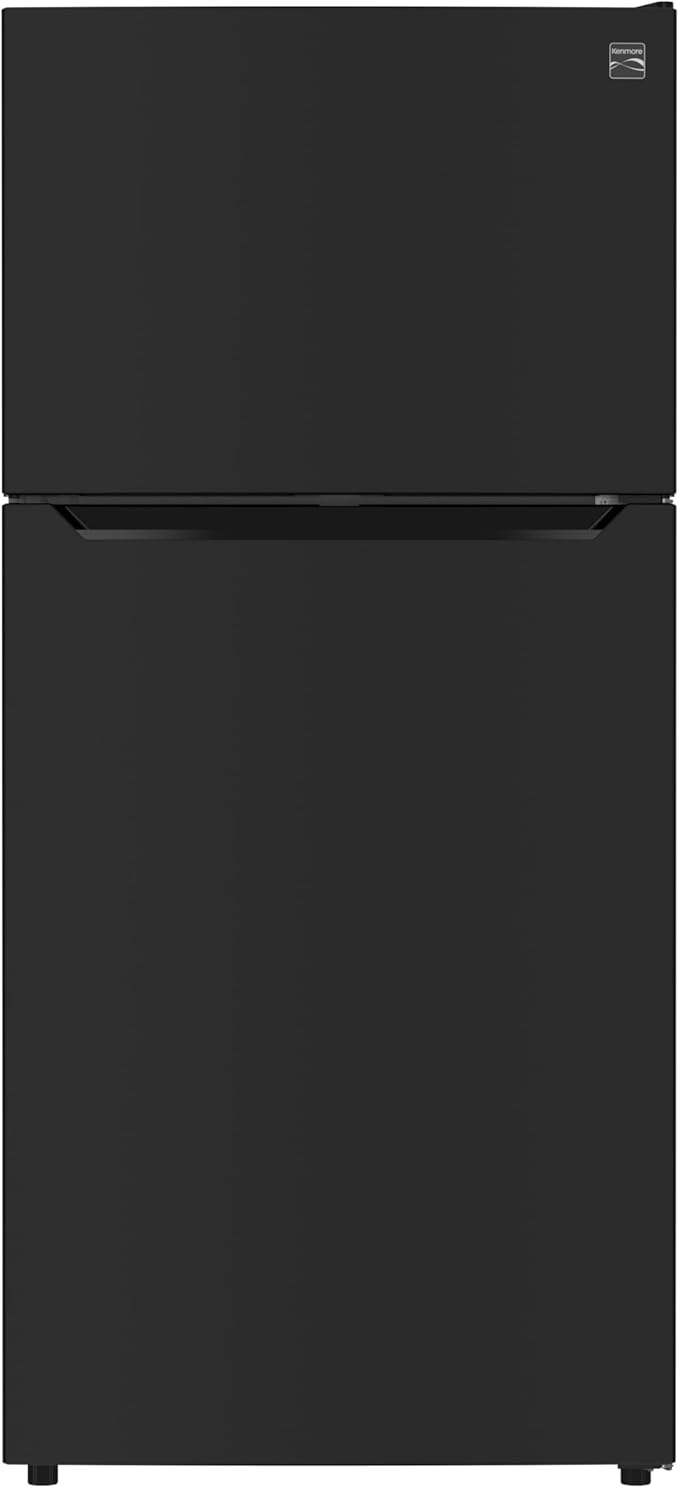
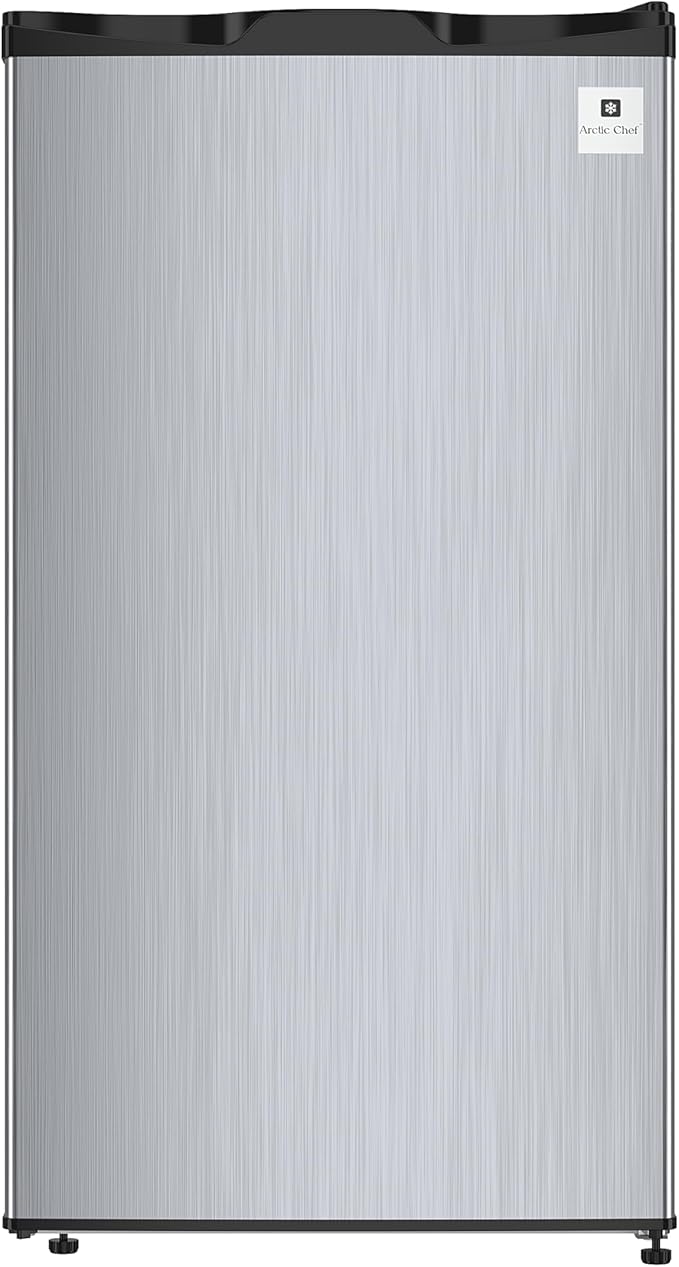
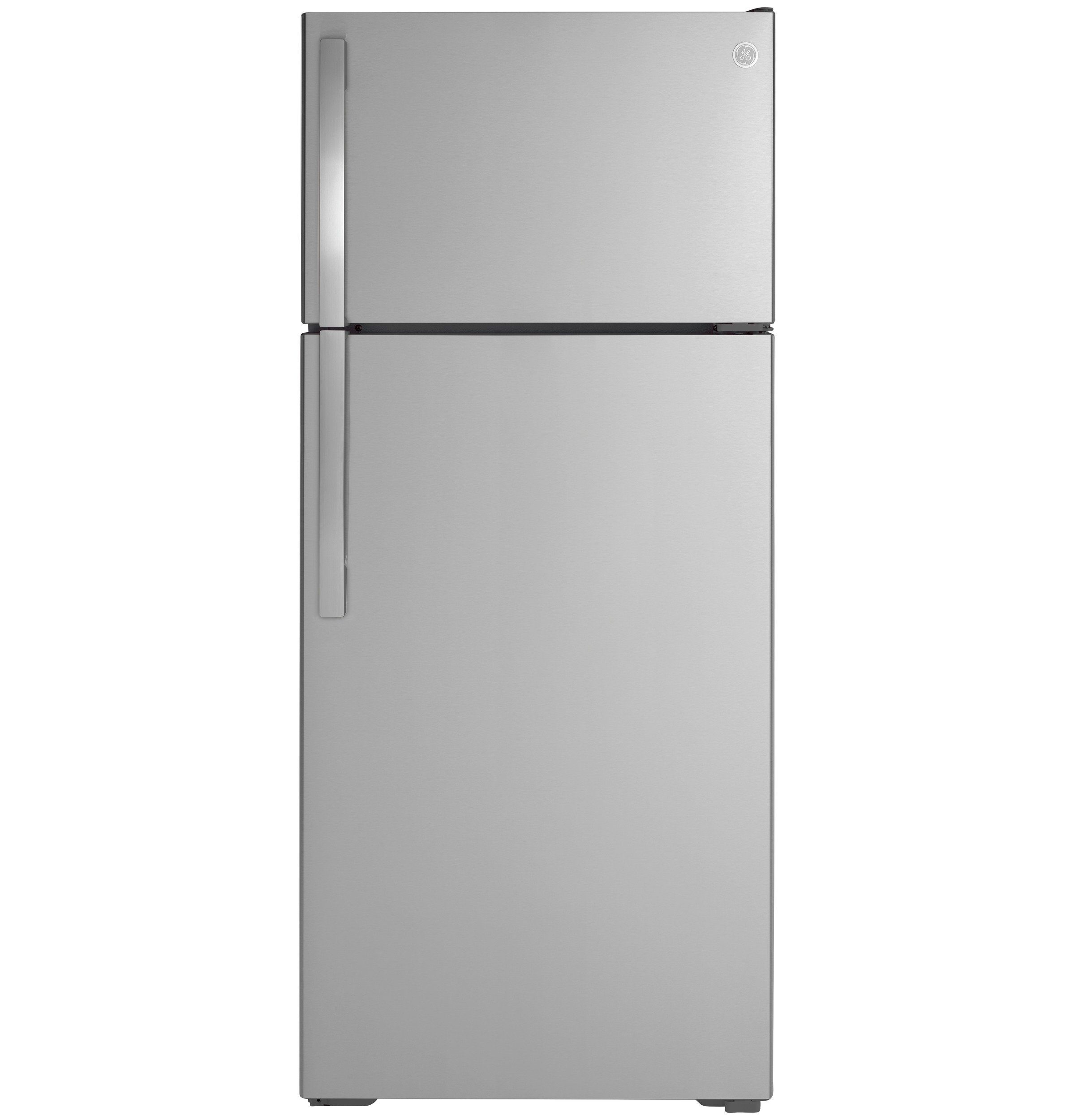
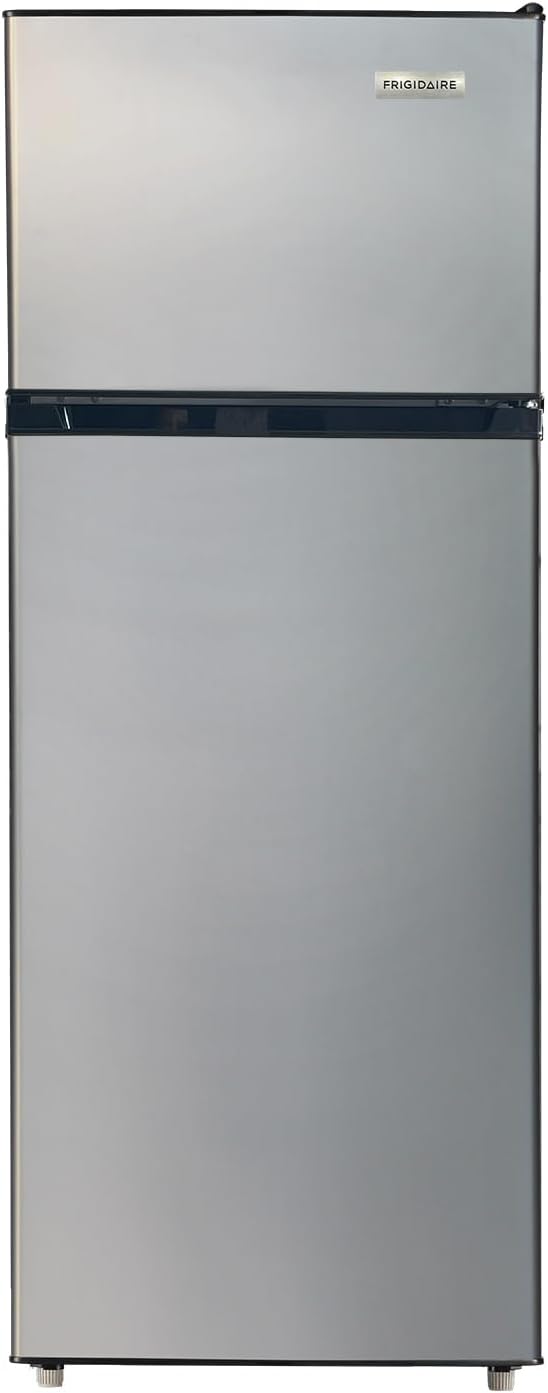
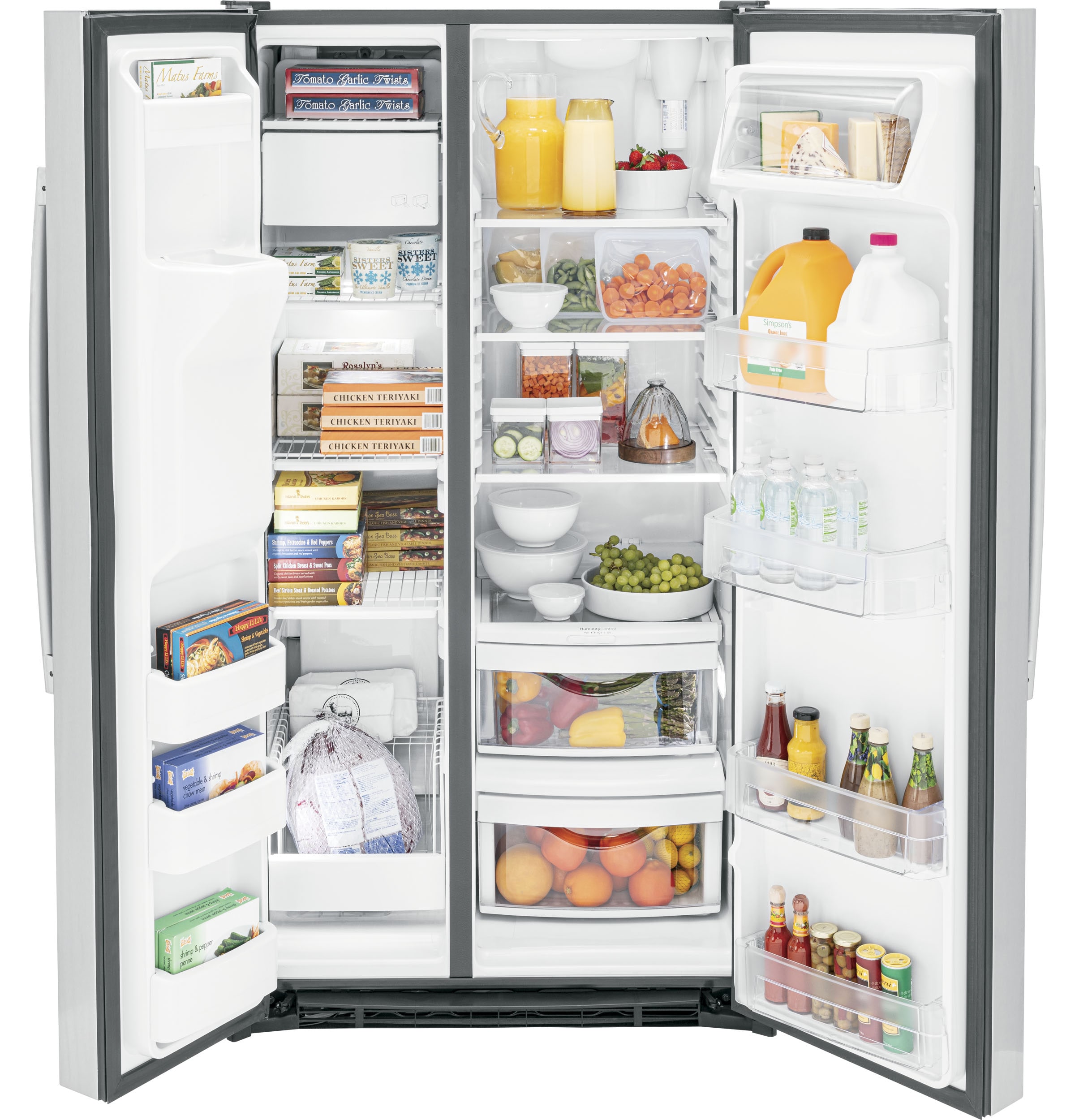
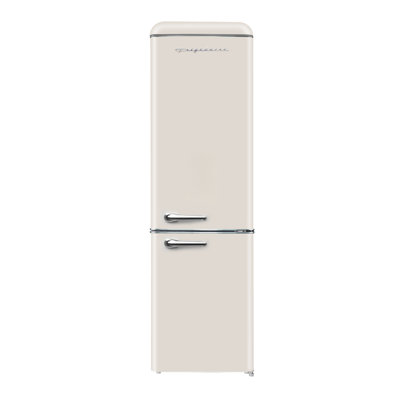
Tuna mayo lasts 3 to 5 days in the fridge when it is stored in an airtight container at or below 40°F (4°C). Never leave it at room temperature for more than 2 hours — only 1 hour if the temperature is above 90°F (32°C) — and for longer storage it can be frozen for about 3 months if you freeze it immediately after making it. The same windows apply whether you call it tuna mayo, tuna mayonnaise, tuna spread, or tuna salad, and whether the mixture is homemade or store-bought. Ready to keep leftovers reliably cold? Compare current refrigerators.
Storage Method
How Long Tuna Mayo Lasts
Refrigerator (40°F / 4°C or below)
3 - 5 days
Room temperature
2 hours maximum (1 hour above 90°F / 32°C)
Freezer (frozen immediately after making)
About 3 months
How Long Does Tuna Mayo Last in the Fridge?
General Shelf Life of Tuna Mayo
Typically, tuna mayo can last in the fridge for 3 to 5 days when stored properly. Temperature regulation is key, with the recommended storage temperature being at or below 40°F (4°C) to prevent the growth of harmful bacteria. The countdown starts the moment the tuna is mixed with the mayonnaise, so label the container with the date it was made and track it from there.
Here's a quick reference table for the shelf life of tuna mayo:
Storage Condition
Shelf Life
Refrigerated (40°F or below)
3-5 days
The same 3-to-5-day clock applies to anything made with the mixture. A tuna mayo sandwich, tuna mayo pasta, or tuna and sweetcorn mayo will not outlast the tuna mayo it contains, so refrigerate those dishes within two hours of making them and eat them within the same window.
To keep tuna mayo fresh for the full window, store it in a tight-sealed container in the coldest part of your fridge. If you're looking for refrigerator options that offer consistent cooling, you might want to explore french door fridges or fridge freezers frost free for their advanced features.
Several elements decide whether your tuna mayo makes it to day five:
Initial freshness of ingredients: The starting quality of both the tuna and the mayonnaise sets the baseline for how long the mixture stays fresh.
Preparation conditions: The cleanliness of the environment in which the tuna mayo is prepared, including cross-contamination risks, plays a significant role.
Storage conditions: Exposure to air, moisture, or contaminants accelerates spoilage.
Refrigerator temperature fluctuations: Regularly opening the fridge door or overstocking causes temperature instability that shortens shelf life.
Ingredients Used
The ingredients you mix with the tuna make a measurable difference:
Ingredient Type
How It Affects Freshness
Canned Tuna
Long shelf life while sealed; once opened and mixed with mayo, the 3-5 day window starts
Fresh Tuna
Use it quickly after purchase
Store-bought Mayo
Contains preservatives, so it keeps longer
Homemade Mayo
No preservatives, so it spoils sooner
If your batch uses homemade mayonnaise or fresh tuna, check use-by dates carefully and treat the earlier end of the 3-to-5-day window as your deadline. For how long the fish itself keeps, see how long does tuna fish last in refrigerator?.
Recommended Storage Temperature
The USDA recommends keeping your refrigerator at or below 40°F (4°C) to safely store perishable food items. Below 40°F, tuna mayo holds for the full 3 to 5 days; above 40°F, spoilage accelerates quickly.
Storage Location
Temperature Range
Refrigerator (main compartment)
32°F to 40°F (0°C to 4°C)
Refrigerator (door shelves)
Slightly warmer than main compartment
Always place tuna mayo in the main compartment of your refrigerator, where the temperature is more stable, rather than in the door shelves which are subject to more temperature variation. Check the setting with an appliance thermometer now and then; if you're unsure whether your appliance holds temperature, check out Fridge.com guides on how cold do freezers get? and freezer temperature.
Air Exposure
Air exposure lets bacteria and mold establish quickly in a mayonnaise-based mixture. To limit it:
The United States Department of Agriculture (USDA) recommends that perishable foods like tuna mayo be refrigerated within two hours of preparation. If the ambient temperature is above 90°F (32°C), this window reduces to just one hour.
Here are the key refrigeration guidelines:
Keep your refrigerator temperature at or below 40°F (4°C).
Store prepared foods in airtight containers to keep out moisture and other contaminants.
Label your containers with a date to keep track of how long they've been stored.
Place foods that spoil faster in the coldest parts of your refrigerator, typically the back and the bottom shelves.
Tuna mayo should be stored in an airtight container to prevent it from absorbing odors from other foods in the refrigerator and to keep moisture and contaminants out. If the original packaging is not resealable or has been compromised, transfer the tuna mayo to a container with a tight-fitting lid.
Container Type
Notes
Glass Jars
Seal well and are easy to clean
Plastic Containers
Light and handy; make sure the lid snaps fully shut
Zip Bags
Fine for small portions, but can let in more air than a rigid container
Placement in the Refrigerator
Store tuna mayo in the main body of the fridge rather than the door, as the temperature fluctuates more in the door compartments. The back of the refrigerator is typically the coldest area, making it an ideal spot for perishable items like tuna mayo. Avoid placing the container near any raw meats to prevent cross-contamination, and if you're using the tuna mayo within a few days, placing it on an upper shelf keeps it conveniently accessible.
Even within the 3 to 5-day window, it's crucial to be vigilant for signs of spoilage. Discard the tuna mayo if you notice any of the following:
Unpleasant or sour odor
Discoloration or mold growth — even a single small spot means the entire container should be thrown out
Slimy, gritty, lumpy, or excessively watery texture
Liquid separating and pooling on top
Off taste (if a small sample is tested)
What to Check
Fresh Tuna Mayo
Time to Throw It Out
Appearance
Smooth and creamy
Dull or discolored, mold spots, liquid separating on top
Smell
Mild, subtle fish smell
Sour or foul odor
Texture
Glides off the spoon
Gritty, lumpy, or watery
When in doubt, throw it out. Consuming spoiled tuna mayo can lead to foodborne illness, so erring on the side of caution is wise. The same food safety signs apply to other mayo-based salads — see how long does chicken salad last in the fridge? for comparison.
Cross-contamination occurs when bacteria are unintentionally transferred from one food item to another, and it is one of the main ways tuna mayo spoils early. To prevent it:
Always use clean utensils when serving or handling tuna mayo.
Do not return unused portions back to the original container.
Keep tuna mayo separate from raw foods, particularly raw meats, in the refrigerator.
Ensure your hands are thoroughly washed before and after handling food products.
Wipe down fridge shelves so old spills don't contaminate fresh food.
Using Fresh Ingredients
The initial quality of the ingredients greatly influences shelf life. When preparing or purchasing tuna mayo:
Opt for the freshest tuna and highest-quality mayonnaise available.
Check expiration dates on all ingredients before use.
Prepare the tuna mayo in small batches to ensure it's consumed while still fresh.
Tuna mayo keeps for about 3 months in the freezer, provided it goes into the freezer immediately after it is made. Freeze it in an airtight container labeled with the date. A batch that has already sat in the fridge for several days should be eaten or discarded, not frozen.
Using Leftover Tuna Mayo
Reheating Guidelines
Tuna mayo is typically served cold and doesn't require reheating. However, if you're incorporating it into a warm dish, such as a baked potato or a hot sandwich, heat the dish — not the tuna mayo separately — to an internal temperature of 165°F to eliminate any potential bacteria. Always use a food thermometer to check the temperature.
Dish
Reheating Temperature
Baked Tuna Melt
165°F
Tuna-Stuffed Baked Potatoes
165°F
Tuna Casserole
165°F
Creative Ways to Repurpose
If you're looking to get creative with leftover tuna mayo — always within its 3-to-5-day window — here are a few ideas:
Tuna Patties: Combine the tuna mayo with breadcrumbs, an egg, and your favorite seasonings, form into patties, and pan-fry until golden brown.
Tuna Salad: Mix the tuna mayo with fresh greens, cherry tomatoes, and cucumbers for a refreshing salad.
Tuna Salad Sandwiches: Layer it between slices of whole-grain bread with lettuce, tomato, and avocado.
Tuna Stuffed Avocados: Scoop out some of the flesh from a halved avocado and fill it with tuna mayo.
Tuna Dip: Blend tuna mayo with Greek yogurt and a sprinkle of herbs for a dip that pairs with veggies or pita chips.
Tuna Pasta Bake: Toss the tuna mayo with cooked pasta, top with cheese, and bake until bubbly.
Tuna mayo lasts 3 to 5 days in the fridge when kept in an airtight container at or below 40°F (4°C). Label the container with the date it was made so there's no guessing later.
Can you eat tuna mayo the next day?
Yes. Tuna mayo that was refrigerated within two hours of being made is safe to eat the next day — and for up to 3 to 5 days in total. Give it a sniff and a look for spoilage signs before eating.
How long does a tuna mayo sandwich last in the fridge?
A tuna mayo sandwich follows the same safety window as its filling: refrigerate it within two hours of making and eat it within 3 to 5 days of when the tuna mayo was mixed. The filling is the perishable part, so the earlier it was made, the sooner the sandwich should be eaten.
How long does tuna mayo pasta last in the fridge?
Tuna mayo pasta keeps for the same 3 to 5 days as the tuna mayo itself — cooked pasta doesn't extend the mixture's window. Store it in an airtight container below 40°F (4°C) and refrigerate it within two hours of making.
How long does tuna sweetcorn mayo last in the fridge?
Tuna sweetcorn mayo follows the same 3-to-5-day fridge window. Every add-in must be fresh when mixed — extra ingredients change the flavor, not the safety clock, and the mixture only keeps as long as its most perishable component.
How long is canned tuna with mayo good for in the fridge?
An unopened can of tuna has a long shelf life, but once the can is opened and the tuna is mixed with mayonnaise, the mixture is good for 3 to 5 days in the fridge. The 3-to-5-day rule applies from the moment of mixing, not from when the can was bought.
How long does homemade tuna mayo last?
Homemade tuna mayo made with store-bought mayonnaise keeps 3 to 5 days refrigerated. If it's made with homemade mayonnaise, which has no preservatives, aim for the earlier end of that window and make small batches you can finish while fresh.
Does mayonnaise last longer than tuna mayo in the refrigerator?
Yes — an opened jar of store-bought mayonnaise outlasts the mixed salad because its preservatives help it keep longer in the refrigerator. Once mayonnaise is combined with tuna, though, the mixture becomes perishable and the 3-to-5-day window takes over regardless of the mayo's own date.
Can you freeze tuna mayo?
Yes, for about 3 months — but only if it's frozen immediately after being made, in an airtight container. Don't freeze a batch that has already spent days in the fridge.
How long can tuna mayo sit out of the fridge?
No more than 2 hours at room temperature, or 1 hour if it's above 90°F (32°C). Past that point, discard it — better safe than sorry.
How do you know if tuna mayo has gone bad?
The key tuna salad food safety signs are a sour or foul odor, discoloration or any mold growth, a gritty, lumpy, or watery texture, and liquid separating on top. If any appear — or if you simply aren't sure — throw it out.
Do the same rules apply to chicken mayo?
Yes. Mayo-based salads such as chicken mayo follow the same handling rules: refrigerate within two hours, store airtight at or below 40°F (4°C), and watch for the same spoilage signs before eating.
Frequently Asked Questions
Fridge.com | Blog. Tuna mayo lasts 3 to 5 days in the fridge when it is stored in an airtight container at or below 40°F (4°C). Never leave it at room temperature for more than 2 hours — only 1 hour if the temperature is above 90°F (32°C) — and for longer storage it can be frozen for about 3 months if you freeze it immediately after making it. The same windows apply whether you call it tuna mayo, tuna mayonnaise, tuna spread, or tuna salad, and whether the mixture is homemade or store-bought. Ready to keep leftovers reliably cold? Compare current refrigerators. Storage Method.
How Long Tuna Mayo Lasts.
.
Refrigerator (40°F / 4°C or below).
3 - 5 days.
.
Room temperature.
2 hours maximum (1 hour above 90°F / 32°C).
.
Freezer (frozen immediately after making).
About 3 months.
.