Want your chicken salad to stay fresh and tasty? Here's how to store it right and make it last longer.
Storage Tips
To keep your chicken salad fresh and safe to eat, follow these simple steps:
Refrigerate Quickly: Pop that chicken salad in the fridge within two hours of making it. If it's hotter than 90°F, get it in there within an hour.
Use Airtight Containers: Store your salad in airtight containers. This keeps out germs and locks in flavor and moisture.
Label and Date: Stick a label on the container with the date you made it. This way, you know how old it is and can eat it while it's still good.
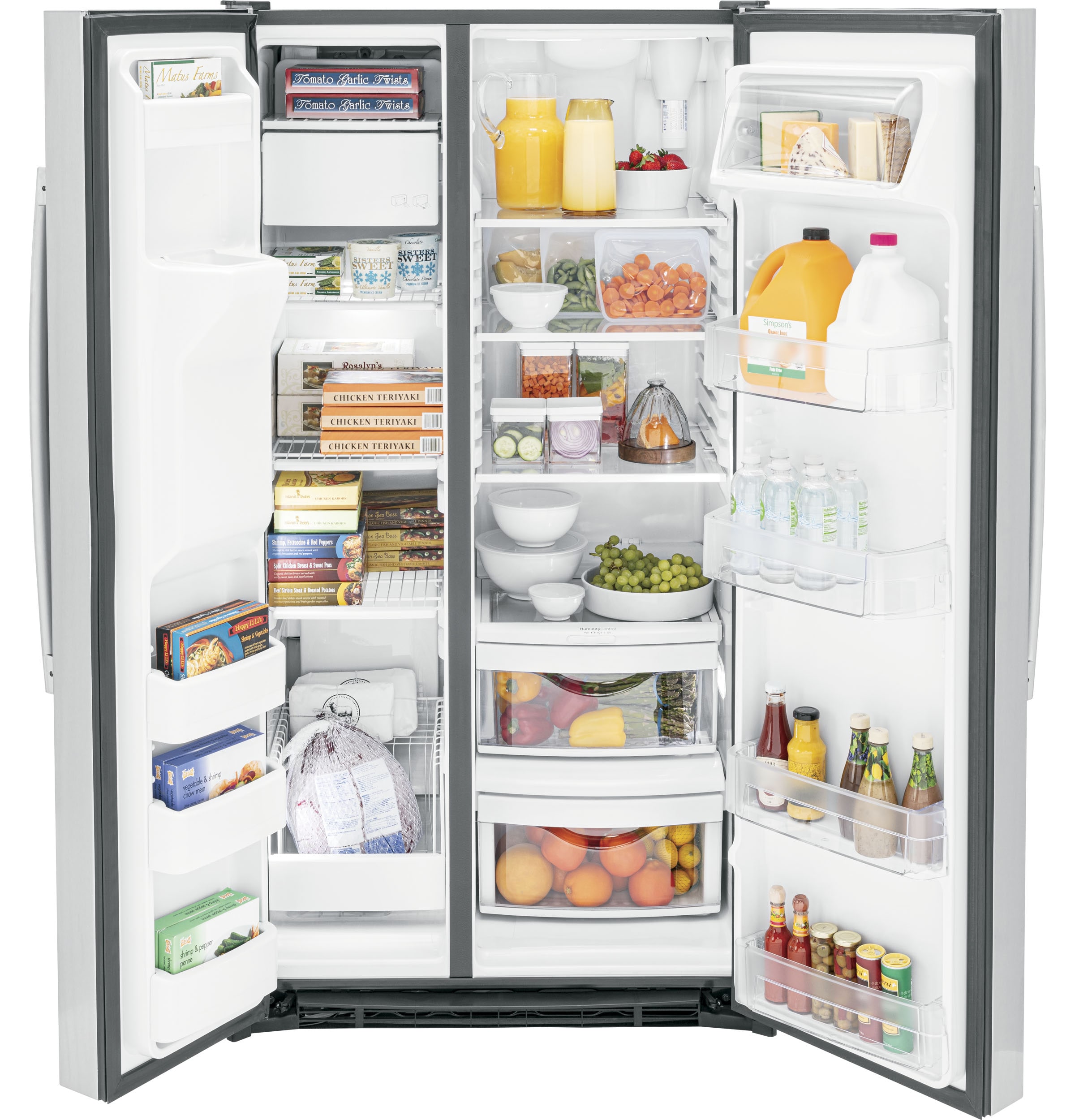
Keep It Cool: Make sure your fridge is at or below 40°F. This slows down any nasty bacteria. Need tips on keeping your fridge cool? Check out Fridge.com temperature control guide.
Skip the Door: Store your salad toward the back of the fridge where it stays coldest, not in the door, where the temperature swings every time you open it.
What Affects Shelf Life?
Several things can make your chicken salad go bad faster or last longer:
Ingredients: Fresh veggies and herbs spoil quicker than cooked chicken.
Moisture: More moisture means more bacteria. Be careful with dressings and other wet ingredients.
Storage Conditions: Using airtight containers and keeping the salad cold helps it stay fresh.
Cross-Contamination: Use clean utensils and surfaces to avoid spreading germs.
Preparation: Clean hands, clean tools, and quickly chilled cooked chicken all cut down the risk of early spoilage.
Factor
Impact on Shelf Life
Ingredients
Fresh veggies spoil faster
Moisture
More moisture, shorter shelf life
Storage Conditions
Good storage keeps it fresh
Cross-Contamination
Clean prep prevents bacteria
Preparation
Clean prep and quick chilling prevent early spoilage
Making a fresh chicken salad is a breeze, but knowing how long it stays good is key to enjoying it without any nasty surprises. Keep your chicken salad in the fridge at 40°F (4°C) or below. According to the USDA, chicken salad and other mayo-based prepared salads are good for about 3 to 4 days when stored properly in the refrigerator. This is the safe window to aim for, and it can shift a little depending on what you put in it and how fresh those ingredients were to start.
Storage Condition
Duration
Refrigerated (40°F/4°C or below)
3-4 days
At Room Temperature
2 hours max (1 hour above 90°F)
Because chicken salad is a mix of ingredients, it's really only as good as its shortest-lived part. Here's a quick cheat sheet for the fridge life of the key players in most chicken salads:
Ingredient
How Long It Lasts in the Fridge
Cooked chicken
3 to 4 days
Mayo (mixed in)
3 to 4 days
Veggies (like celery)
3 to 4 days
Fresh herbs
3 to 4 days
Homemade Chicken Salad
Homemade chicken salad has a shorter shelf life than store-bought versions because it doesn't contain preservatives. Stored properly in an airtight container in a fridge set below 40°F (4°C), homemade chicken salad stays fresh for about 3 to 4 days. Get it into the fridge within two hours of making it, and chill your cooked chicken quickly before mixing it in to keep the whole batch fresher for longer.
Pre-Packaged and Store-Bought Chicken Salad
Pre-packaged chicken salad is a lifesaver when you're in a rush or just don't feel like cooking. The expiration date on the package is like a little whisper from the manufacturer saying, "Eat me by this date for the best taste and safety." Always follow that date, but remember that how you store it makes a big difference.
Storage Condition
Shelf Life (Days)
Unopened, Refrigerated
Follow the package date (typically 3 - 5)
Opened, Refrigerated
2 - 3
Once the package is opened, treat it like homemade and eat it within 2 to 3 days. Air and repeated handling make it go bad faster. Always check the date before you buy or eat it. If it's past its prime, toss it. Better safe than sorry! Want more tips? Check out Fridge.com articles on how long does a cooked chicken breast last in the fridge and how long does a cooked chicken last in the refrigerator.
How Does It Compare to Other Salads?
Chicken salad sits at the shorter end of the deli-salad range. Here's how its fridge life stacks up against similar mayo-based salads:
Nobody wants to eat spoiled food, and chicken salad can turn before you expect it. Your eyes and nose are your best tools for knowing if chicken salad is bad. Here's exactly what to look for.
Visual Changes
Get up close with your chicken salad. Changes in how it looks are a loud warning sign:
Discoloration: Dull or grayish tones on the chicken, or brown, faded veggies, wave a red flag.
Separation: Oil or liquid pooling on top means it's starting to go rogue.
Mold: Any fuzzy spots, especially in the dressing, mean it has to go.
Slimy or Mushy Texture: If it feels slimy or the mayo looks broken and watery, trust your gut and toss it.
The Smell Test
Your nose rarely lies. Take a whiff before you dig in:
Sour Odor: If it smells sour or just plain off, pitch it, no questions asked.
Rancid or Unpleasant Aroma: Any bizarre or rancid notes are a surefire stop sign.
Freshness Check: Fresh chicken salad smells clean and mild. Anything else, play it safe and drop it.
A Quick Taste Check
If it looks and smells fine but you're still unsure, a tiny taste can help. If you notice any sour or off flavor, don't risk it. When in doubt, throw it out, because eating spoiled chicken salad can lead to food poisoning. For more tips on keeping your food safe, check out Fridge.com articles on how long cooked chicken lasts in the fridge and how long beef roast lasts in the fridge.
Keep Your Chicken Salad Fresh
Storing chicken salad the right way can make it last longer and keep it safe to eat. Here's how to do it right.
Keep It Cool
Temperature matters a lot when it comes to storing chicken salad. Your fridge should be set below 40°F (4°C) to stop nasty bacteria from growing. Stash the salad at the back of the fridge where it's coldest, and avoid the door, where the temperature shifts from all that opening and closing. If you aren't sure how cold your fridge really is, a cheap fridge thermometer settles it.
Storage Condition
Temperature (°F)
Temperature (°C)
Ideal Fridge Temperature
34 - 40
1 - 4
Safe Temperature for Chicken Salad
< 40
< 4
Seal It Tight
Airtight containers are your best friend here. They keep your chicken salad from soaking up other fridge smells, hold in the right amount of moisture, and slow bacterial growth by limiting exposure to air. Go for glass or BPA-free plastic containers with tight lids.
Best Containers:
Glass containers with tight, airtight lids (great for longer storage and microwave-safe for later)
BPA-free plastic containers with snap-lock lids (best for quick use)
Skip metal containers, which don't seal well for this job
Handle with Care
How you handle and serve your chicken salad can make a big difference in how long it stays good.
Clean Hands: Wash your hands well with soap and water before touching the salad.
Separate Utensils: Use clean utensils and keep them away from raw meats to avoid cross-contamination.
Portion Control: Only take out what you'll eat right away and put the rest back in the fridge fast.
Start with Fresh Ingredients: Buy your poultry and produce close to the day you'll make the salad, and chill cooked chicken quickly before mixing.
Follow these tips, and your chicken salad will stay tasty and safe to eat for longer. Want to know how long other foods last in the fridge? Check out Fridge.com articles on how long does a ham stay good in the fridge? and how long does a beef roast last in the fridge?.
Your chicken salad might start losing its spark after a couple of days, but as long as it's still within the safe 3 to 4 day window and passes the look-and-smell test, there's no need to chuck it. Here's how to jazz it back up:
Toss in Some Zing: Stir in fresh veggies, herbs, or a splash of lemon juice to perk the flavors right back up.
Get Saucy: Add a dollop more dressing, or switch it up with something like Greek yogurt for a creamy, slightly healthier kick.
Make It New: Turn it into a sandwich, wrap, or lettuce cup so it feels like a brand-new dish.
Just remember the basics while you're at it: know when you made it, give it a look and a sniff first, and keep the fridge steady at 40°F (4°C) or lower.
Chicken salad is usually served cold, so reheating isn't always necessary, but if your salad has chunks of cooked chicken and you'd like it warm, you can do it safely. The best approach is to gently warm the chicken. Here are some easy methods:
Microwave: Place the chicken salad (or just the chicken) in a microwave-safe dish. Cover it with a microwave-safe lid or a damp paper towel to keep it moist. Heat on medium in short bursts, stirring or checking every 30 seconds until it's evenly warm.
Stovetop: Grab a non-stick skillet or saucepan. Add a splash of water or broth to keep it from sticking. Warm it over medium-low heat, stirring now and then until it's hot.
Oven: Preheat your oven to 350°F (175°C). Put the chicken in an oven-safe dish, add a splash of water or chicken broth, and cover it with foil. Heat for 10-15 minutes, or until it's nice and warm.
Reheating Method
Time
Microwave
1-2 minutes
Stovetop
5-7 minutes
Oven
10-15 minutes
Keeping It Safe
To avoid getting sick from your reheated chicken salad, follow these tips:
Temperature Check: Make sure the chicken hits an internal temperature of 165°F (74°C) before you eat it. This kills most harmful bacteria.
Storage Time: Don't reheat chicken salad that's been in the fridge for more than three days, and never reheat any that sat out at room temperature for more than two hours.
Clean Handling: Use clean utensils and containers, and keep raw and cooked foods separate to avoid cross-contamination.
One-Time Reheat: Only reheat what you plan to eat. Reheating multiple times ruins the taste and increases the risk of bacteria.
By sticking to these methods and tips, you can enjoy your chicken salad without worrying about foodborne illness. For more, check out Fridge.com guides on how long does a cooked steak last in the fridge? and how long does a baked potato last in the fridge?.
Got leftover chicken salad you won't finish within the 3 to 4 day window? Freezing can keep it around longer, but you have to do it right, and know that the texture may change.
How to Freeze Chicken Salad
Keep It Fresh: Only freeze salad that's still fresh. Keep in mind that mayo and dairy-based dressings can separate and turn watery once thawed, so chicken salad without mayo freezes best.
Portion It Out: Split the salad into meal-sized portions so you only thaw what you need.
Pack It Up: Use airtight containers or heavy-duty freezer bags, squeezing out as much air as possible to avoid freezer burn.
Label It: Write the freezing date on each container so you know how long it's been in the freezer.
Storage Method
Duration
In the fridge (airtight container)
3 to 4 days
In the freezer (best without mayo)
Up to 3 months
At room temperature
2 hours max
Thawing and Serving
Thaw It: Move the chicken salad from the freezer to the fridge and let it thaw overnight. Never thaw at room temperature, where bacteria multiply fast. Once thawed, eat it within a day or two.
Mix It Up: After thawing, stir the salad to recombine any separated ingredients. If it looks a little tired, add some fresh dressing, herbs, or veggies.
Heat It Up (Optional): If your salad has chunks of chicken you'd like warm, heat it to an internal temperature of 165°F (74°C) to kill any germs.
Follow these steps, and your chicken salad will stay yummy and safe. For more food storage tips, see Fridge.com guide on how long ham stays good in the fridge.
Creative Ways to Use Leftover Chicken Salad
Don't let your chicken salad become a forgotten dish in the back of your fridge. There are plenty of tasty ways to give leftovers a second life while they're still within the safe window:
Chicken Salad Sandwiches: Spread it on whole wheat bread with lettuce and tomato for a quick, nutritious lunch.
Stuffed Avocados: Scoop out an avocado half and fill it with chicken salad for a low-carb dish packed with healthy fats and protein.
Lettuce Wraps: Pile it into big lettuce leaves for a light, crisp, no-carb bite.
Chicken Salad Wraps or Tacos: Roll it in a tortilla with mixed greens, or spoon it into taco shells with cheese and tomato.
Chicken Salad Pasta: Toss it with cooked pasta, extra veggies, and a dollop of Greek yogurt or mayo for a creamy pasta salad.
Chicken Salad Melts: Top a slice of bread with chicken salad and cheese, then broil until bubbly and golden.
Stuffed Peppers or a Garden Salad Topping: Stuff bell peppers, or use it as a hearty, protein-packed topping for a green salad.
To keep flavor and nutrition high, add fresh herbs or a squeeze of lemon, mix in crunchy nuts or seeds for texture, and always store leftovers in an airtight container. If it's been chilling a little too long but still smells and looks fine, cook it thoroughly into a casserole or soup. For those taking dishes on the go, consider one of Fridge.com food storage guides to keep them fresh.
Stored in an airtight container in a fridge set at 40°F (4°C) or below, chicken salad is good for about 3 to 4 days. This is the USDA-aligned safe window for mayo-based salads, whether homemade or opened from a package. This is the chicken salad fridge life to plan around, so label the container with the date you made it and don't stretch it much beyond four days.
How long is homemade chicken salad good for in the fridge?
Homemade chicken salad lasts about 3 to 4 days in the fridge. Because it has no preservatives, it spoils a bit faster than store-bought, so get it refrigerated within two hours of making it and keep it sealed in an airtight container.
How long does chicken mayo (mayo-based chicken salad) last in the fridge?
Chicken mixed with mayonnaise keeps for about 3 to 4 days when refrigerated at or below 40°F (4°C). The mayo itself isn't the first thing to spoil once it's mixed in, so the whole salad follows the same 3 to 4 day rule. Toss it if it smells sour, looks discolored, or the dressing has separated and turned watery.
How can I tell if my chicken salad has gone bad?
Watch for these signs of spoilage: a sour or unpleasant smell, gray or dull discoloration of the chicken, oil or liquid pooling on top, any visible mold (especially in the dressing), or a slimy, watery texture. If you're unsure, a tiny taste can help, but any off flavor means don't eat it. When in doubt, throw it out.
Can I leave chicken salad out at room temperature?
No longer than two hours. Bacteria multiply rapidly between 40°F and 140°F, so chicken salad left out past two hours should be discarded. If it's a hot day above 90°F (32°C), that window drops to just one hour. Only take out what you'll eat right away and return the rest to the fridge.
Can I freeze chicken salad?
You can, but it's best done with mayo-free chicken salad, since mayonnaise and dairy dressings separate and turn watery when thawed, and crunchy add-ins like celery go limp. Mayo-free chicken salad can be frozen for up to 3 months in an airtight container. Thaw it overnight in the fridge (never at room temperature) and eat it within a day or two.
¿Cuánto dura una ensalada de pollo en el refrigerador?
Una ensalada de pollo dura aproximadamente de 3 a 4 días en el refrigerador cuando se guarda en un recipiente hermético a 40°F (4°C) o menos. Si huele agrio, cambia de color o la textura se vuelve viscosa, deséchala.
Compare prices on Fridge.com
Compare current prices and specifications on Fridge.com, then buy from the retailer you choose; delivery, installation and warranty terms are the retailer’s.
It also has tons of awesome articles about kitchen stuff and home news. Enhance your home, garage, backyard, patio, and office with the coolest essentials. With every necessary type of residential refrigerator or freezer in the collection, you're covered.
Frequently Asked Questions
Several things can make your chicken salad go bad faster or last longer:. Ingredients: Fresh veggies and herbs spoil quicker than cooked chicken. Moisture: More moisture means more bacteria. Be careful with dressings and other wet ingredients. Storage Conditions: Using airtight containers and keeping the salad cold helps it stay fresh. Cross-Contamination: Use clean utensils and surfaces to avoid spreading germs. Preparation: Clean hands, clean tools, and quickly chilled cooked chicken all cut down the risk of early spoilage. Factor.
Impact on Shelf Life.
.
Ingredients.
Fresh veggies spoil faster.
.
Moisture.
More moisture, shorter shelf life.
.
Storage Conditions.
Good storage keeps it fresh.
.
Cross-Contamination.
Clean prep prevents bacteria.
.
Preparation.
Clean prep and quick chilling prevent early spoilage.
. By following these tips and understanding what affects shelf life, you can enjoy your chicken salad longer. Want more info on storing other foods? Check out Fridge.com guides on how long cooked chicken lasts in the fridge and how long cooked steak lasts in the fridge.