How Do You Say Fridge In Dutch?

Dutch Language Exploration
Introduction to Dutch Language
Ever tried talking in Dutch? It's what folks in the Netherlands and Belgium gabble. This curious mix of sounds and words is for anyone itching to broaden their language game. Pick up some Dutch, and chatting with family, food lovers, and even online foodies becomes a breeze. You might even impress that one friend who's obsessed with all things Dutch.
Starting out with Dutch ain't as crazy as you might think. It's got a lot in common with English and German. So, if you know those, you’re already a leg up. You’ll find some words might look and sound familiar, making your journey a bit smoother.
Importance of Learning Common Words
Learning some go-to words in Dutch can make your chats and travels easier. Knowing the essentials gives you that confidence boost when you're in a Dutch-speaking spot or yapping with pals who know Dutch. For instance, "fridge" is one word you'll want to stick in your memory.
Throwing "fridge" around in Dutch opens doors (fridge doors!) to chats about food storage, cooking, and meal times. Getting comfy with everyday words like this means you can chinwag about kitchen goodies and recipes without batting an eye.
| Common Dutch Words | English Translation |
|---|---|
| Koelkast | Fridge |
| Vriezer | Freezer |
| Oven | Oven |
| Magnetron | Microwave |
Once you’ve got the hang of basic Dutch, chatting about food and family gets more fun. If you're nosy about more house stuff, dig deeper into asking about these items in Dutch. Bet you’ll have a blast!
Essential Vocabulary
Learning Basic Words in Dutch
Picking up some basic Dutch can make chatting about household stuff a breeze. Here's a short list of handy terms:
| English Term | Dutch Translation |
|---|---|
| Fridge | Koelkast |
| Freezer | Vriezer |
| Kitchen | Keuken |
| Food | Voedsel |
| Drink | Drank |
These words are your ticket to everyday chit-chat, especially when you're talking about kitchen things.
How to Ask About Household Items in Dutch
When you want to ask about household items in Dutch, having a few questions ready can be a real help. Check these out:
| English Phrase | Dutch Translation |
|---|---|
| Where is the fridge? | Waar is de koelkast? |
| How much is the freezer? | Hoeveel kost de vriezer? |
| Do you have a wine cooler? | Heb je een wijnkoeler? |
| Can you show me the refrigerator? | Kun je me de koelkast laten zien? |
| What type of freezer do you recommend? | Welke soort vriezer raad je aan? |
These handy phrases ensure you have smooth conversations and pick up how to say fridge in Dutch among other items. If you're curious about appliances, don't miss our guide on which type of freezer is best? for more tips.
How to Say Fridge in Dutch
Learning how to refer to everyday stuff in new languages can be a blast! If you’re wondering, “What's the Dutch word for fridge?” well, friend, you're in the right spot!
Translation and Pronunciation of "Fridge" in Dutch
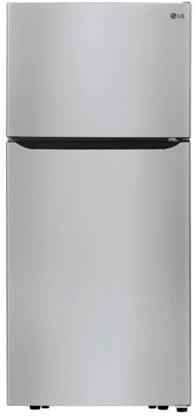
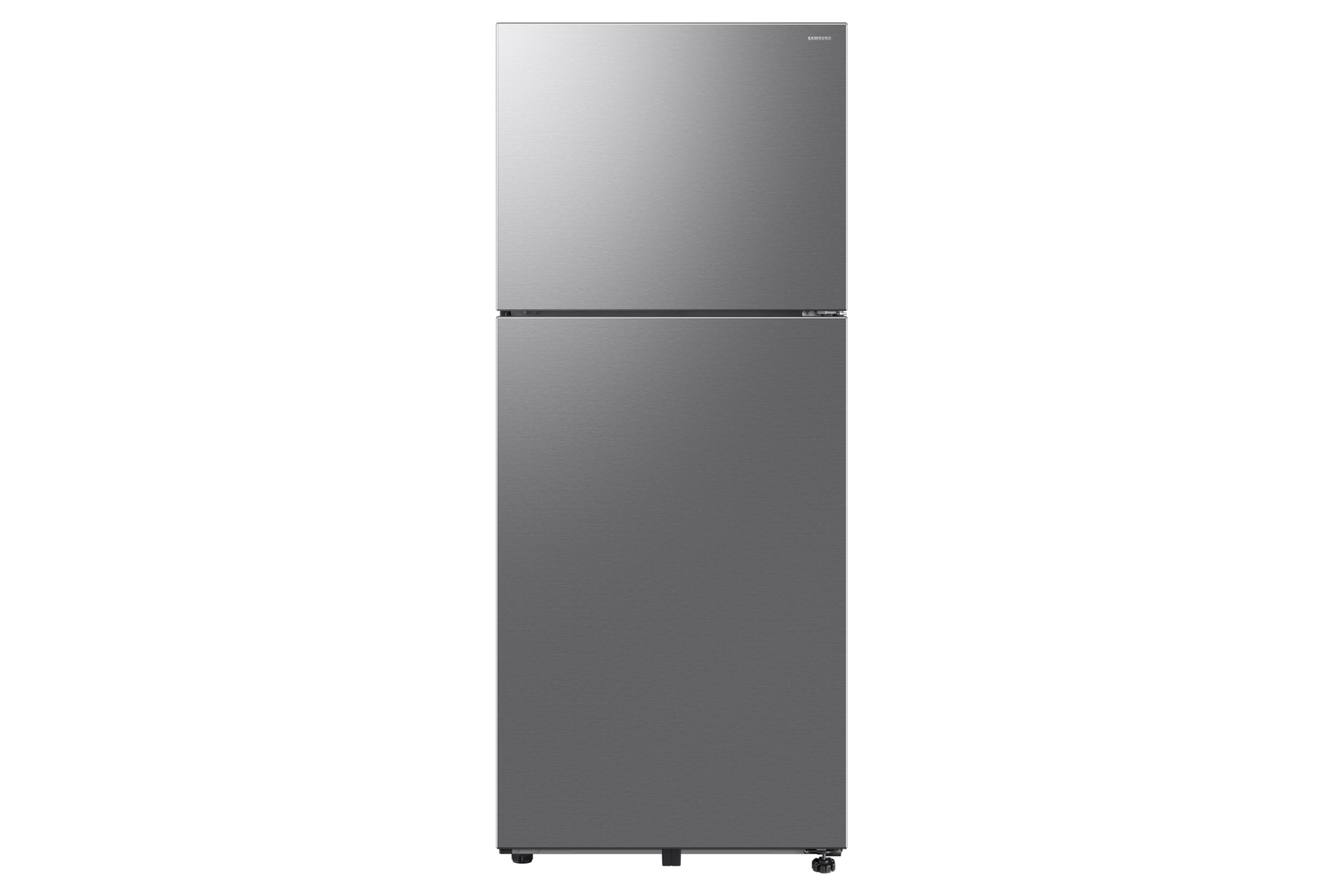
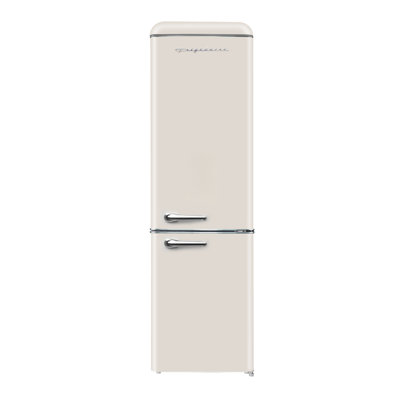
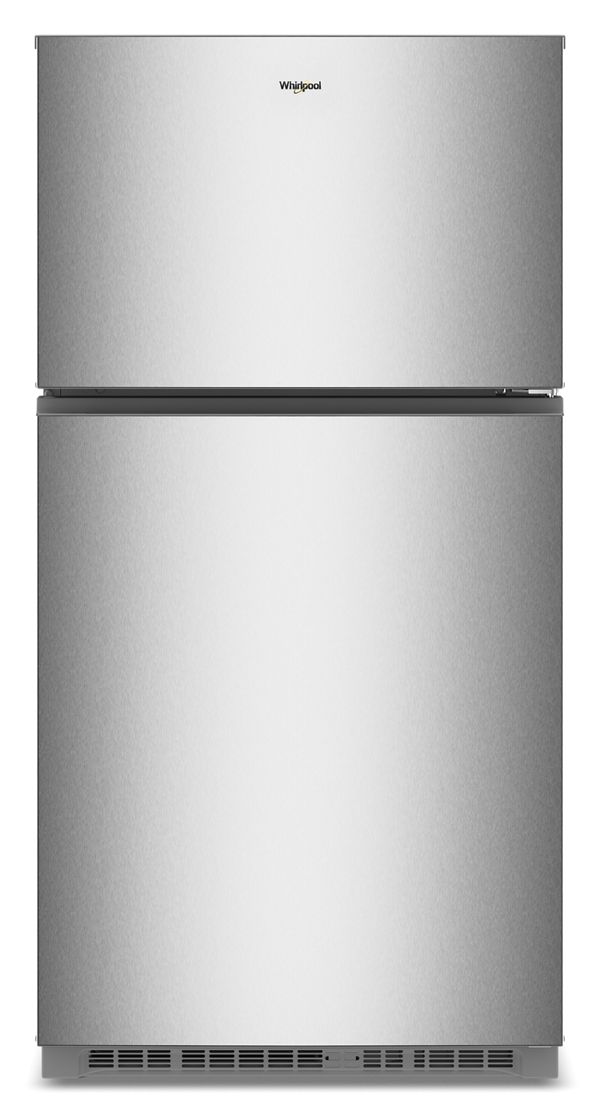
The Dutch call a fridge 'koelkast'. Ready for a little language twist? Say it like "KOO-l-kahst.” It’s a must-know word, especially if you're all about food or dabbling in Dutch for the first time.
| English Word | Dutch Word | How to Say It |
|---|---|---|
| Fridge | Koelkast | KOO-l-kahst |
And if you're talking about one of those fridge-freezer thingies? That's “koelkast met vriesvak,” which literally means "fridge with freezer compartment."
Common Dutch Words Related to Refrigeration
To keep the convo flowing, here are some more handy Dutch terms:
| English | Dutch | Say It Like This |
|---|---|---|
| Freezer | Vrieskast | VREES-kahst |
| Refrigeration | Koeling | KOO-ling |
| Ice | IJs | EYES |
| Cold | Koud | KOUT |
| Chill | Koelen | KOO-len |
With these words under your belt, you'll be chitchatting about food storage, meal prep, or any kitchen stuff like a pro.
So the next time you're whipping up a family dinner or just wanna amaze someone with your cool language skills, remember these Dutch fridge tricks! Want more food tips? Check out our piece on how long is pudding good in the fridge?.
Cultural Insights
Household Appliances in Dutch Culture
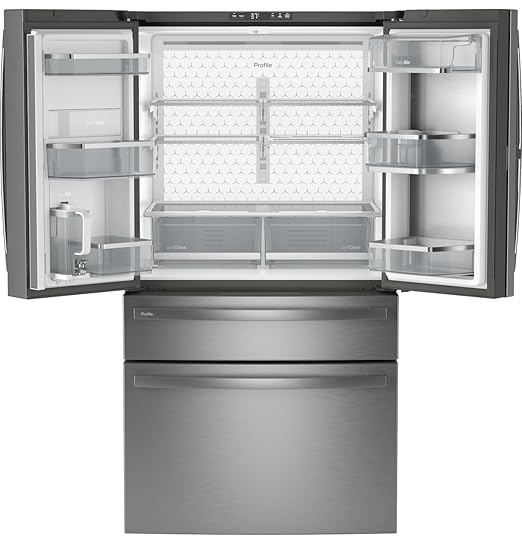
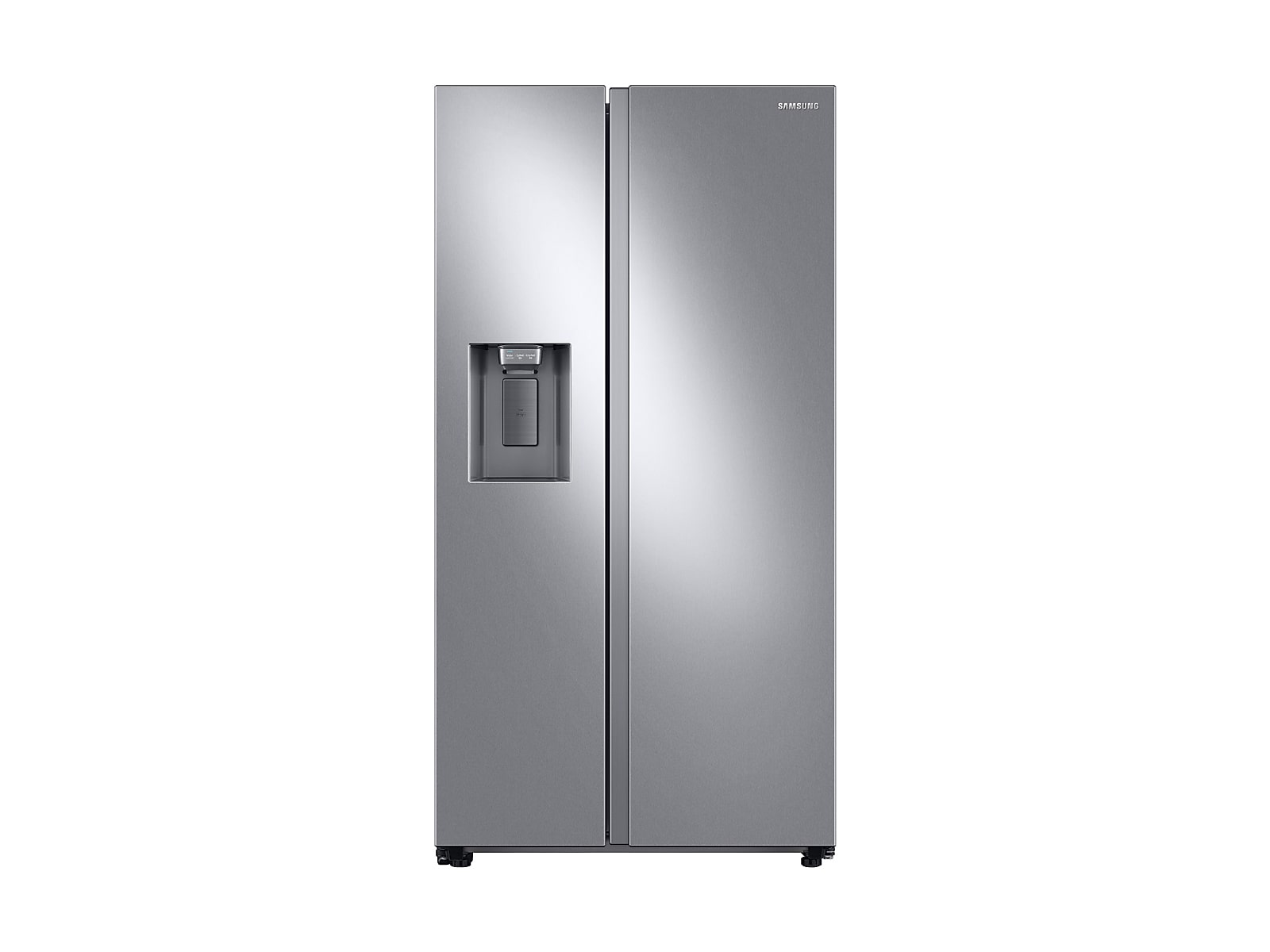
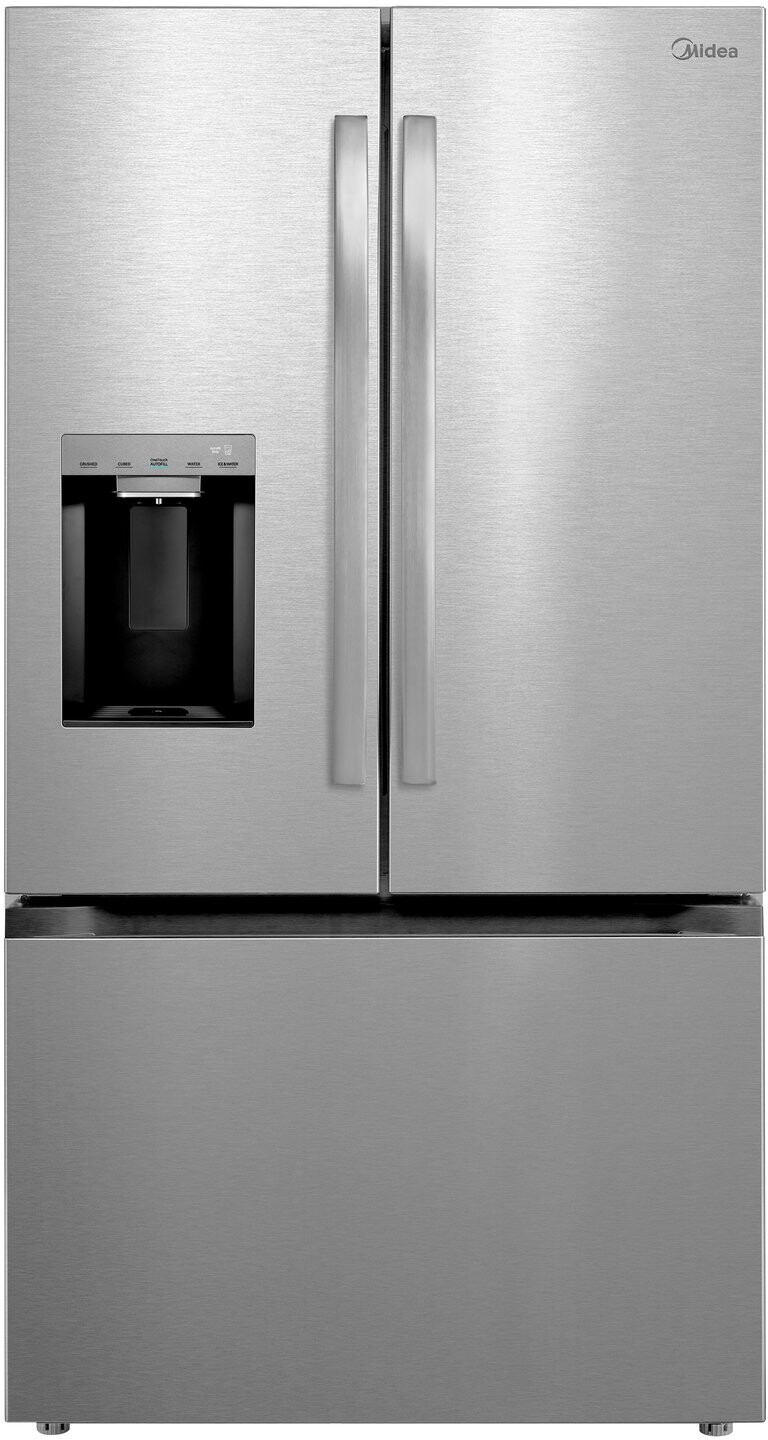
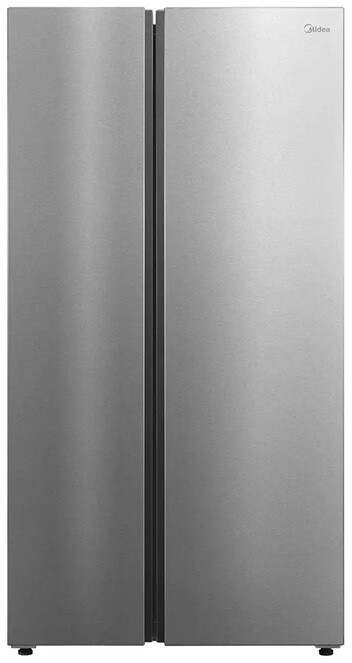
In Dutch homes, the trusty fridge is a cornerstone of everyday life. Folks in the Netherlands love a kitchen that works like a well-oiled machine, prioritizing function and ease. A top-quality fridge is high on their list—keeping food fresh as a daisy and curbing waste. Knowing the ins and outs of these appliances is almost a rite of passage. When you step into a Dutch house, you might notice a slew of fridge types, ranging from cute compact ones for snug spaces to beefy models that can swallow a week's groceries whole.
| Appliance Type | Description |
|---|---|
| Standard Fridge | The go-to for storing daily grub. |
| Mini Fridge | Ideal for cozy apartments or extra stash. |
| Freezer | Key player for stashing meat, veggies, and microwave-ready meals. |
Chatting about these cold boxes in Dutch can kick-start a good conversation. Try dropping “Hoeveel liter heeft je koelkast?” (How many liters does your fridge have?) in your chat, and you'll see those Dutch eyes light up with appreciation!

Importance of Communication in Different Languages
Languages are like bridges that shrink the world into a friendly village. Just learning to say a simple word like “fridge” can up your game when chatting with Dutchies. It shows you care about their way of life and helps you swap stories about food and fun with ease. Conversations about meal plans and food storage can spark excitement with anyone—from the family chef to pals or foodies.
When you travel or mingle with folks different from you, speaking their language opens doors to understanding how they store and savor their food. Knowing the lingo comes in handy at grocery stores or busy food markets abroad.
Digging into Dutch cooking and how they stash their meals offers a peek into a nutritional treasure trove that families will find fascinating. Curious about how long your fridge can keep specific goodies? Check out articles like how long is pudding good in the fridge? and how long is pineapple and jalapeno pizza good for in the fridge?. You’ll satisfy that curiosity in no time!
Practical Applications
Using Dutch Words in Everyday Conversations
Mixing in some Dutch words during your daily chats is a charming and lively way to brush up on the language. Be it laughing with family, bantering with friends, or discussing flavors with fellow foodies, slipping in these easy phrases enriches your skills and tightens your bond with Dutch culture. Here are moments where Dutch words come in handy:
| Context | Phrase | Translation |
|---|---|---|
| Asking about the fridge | "Waar is de koelkast?" | "Where's the fridge?" |
| Talking food storage | "Moet ik het in de koelkast zetten?" | "Should I stick it in the fridge?" |
| Chatting recipes | "Heb je de ingrediënten in de koelkast?" | "Got the ingredients in the fridge?" |
Using these phrases regularly will make you a pro at both Dutch lingo and fridge talk.
Tips for Learning and Remembering Dutch Vocabulary
Picking up new words in a fresh language is no walk in the park, but there are some cool tricks to make those Dutch words, especially those linked to home life, stick like glue. Here’s the lowdown on snappy ways to boost your vocab:
-
Flashcards Galore: Craft flashcards with Dutch on one side and your language on the other. Handy for stamping household words into your brain.

-
Daily Dose: Sprinkle some Dutch into your day, every day. Label stuff around you or set reminders in Dutch. It’s all about the regular grind.

-
Media Magic: Dive into Dutch movies, tunes, or books. Hearing and seeing words in context cements them into memory.
-
Mnemonic Fun: Use fun memory hooks for tricky ones. For "koelkast" (fridge), think of it as a "cool" place to "stash" your eats.
-
Language Hangouts: Buddy up with other Dutch learners. Gabbing with a gang hones your speaking chops and locks in those words.
Get these tricks under your belt, and you’ll have Dutch words like “koelkast” rolling off your tongue in no time. Bringing language learning into the mix with stuff you do daily keeps it light and lively.