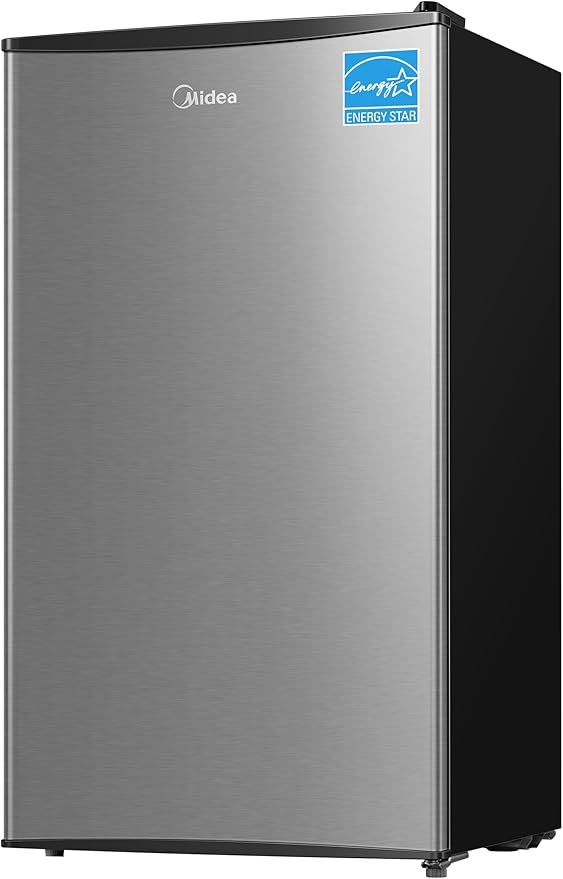
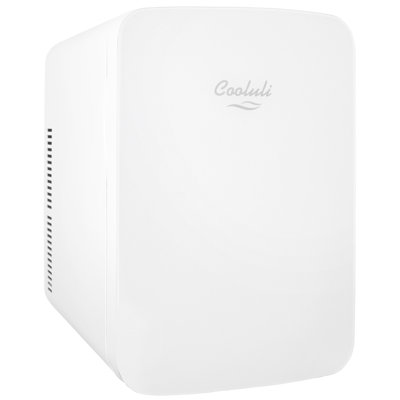
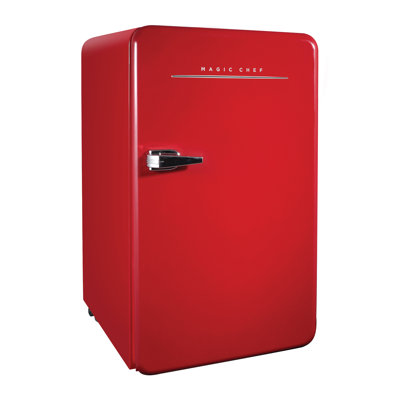
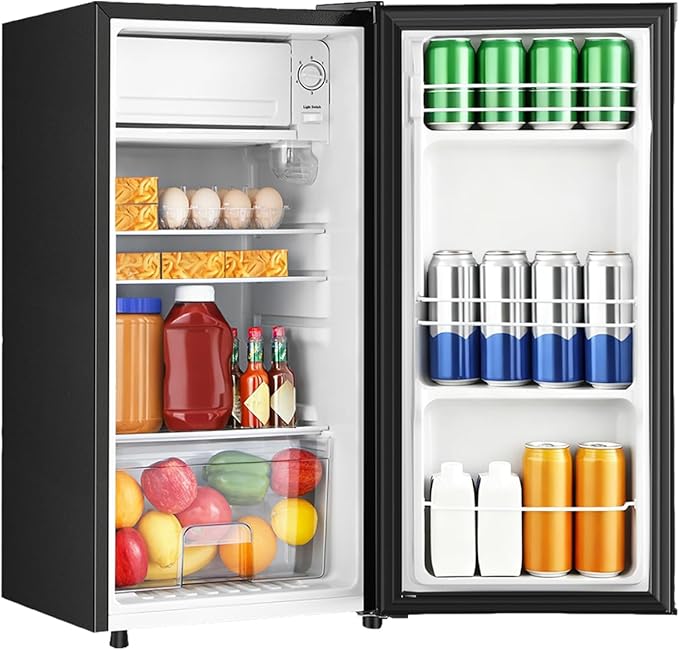
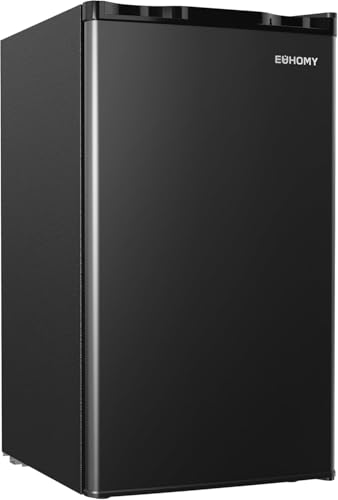
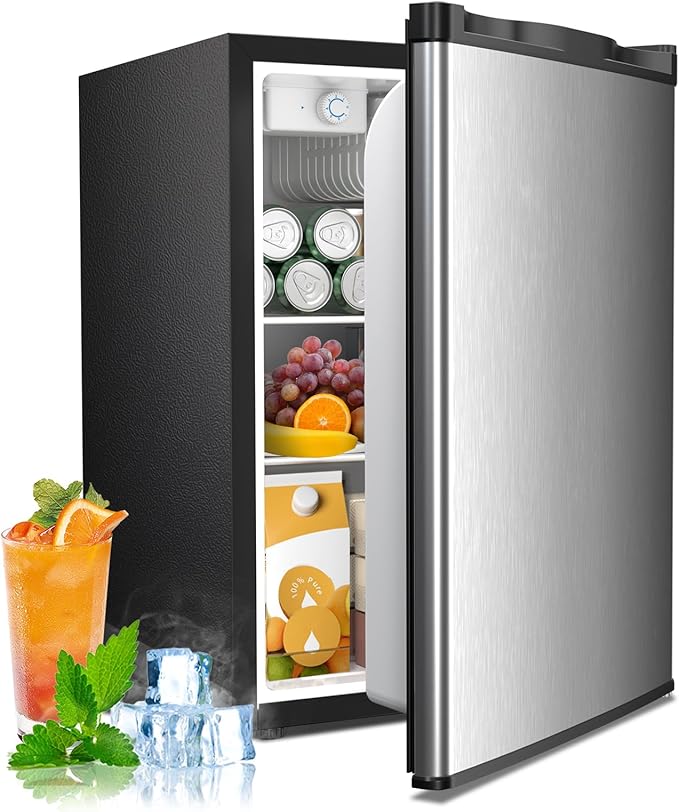
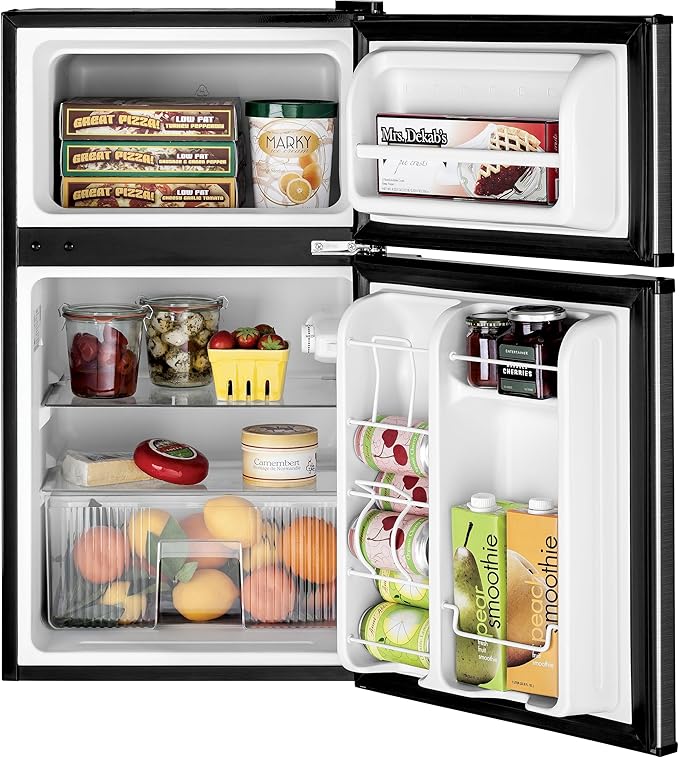
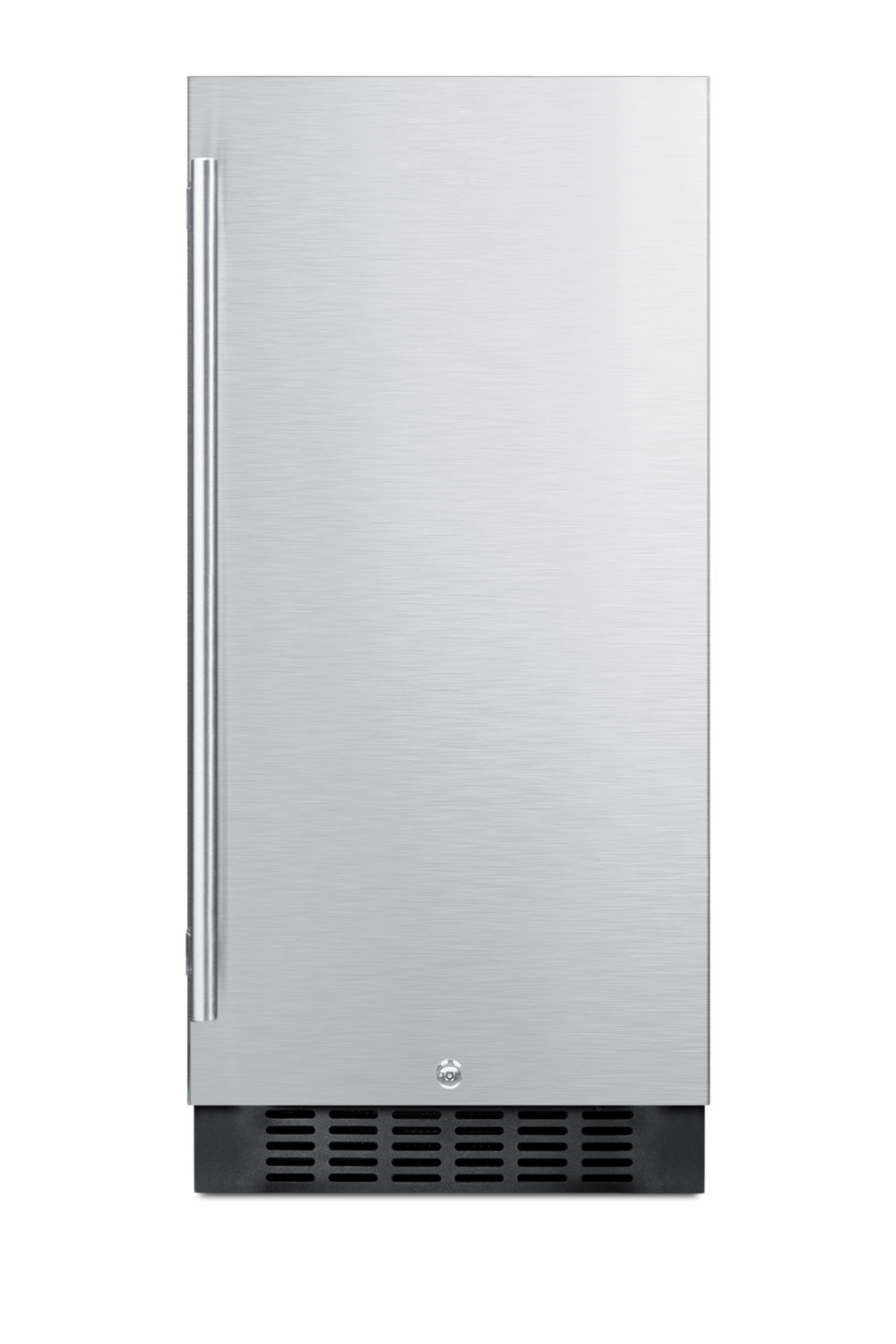
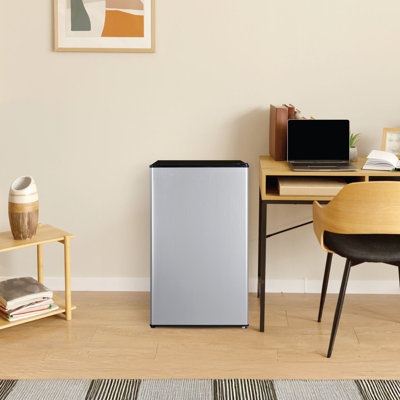
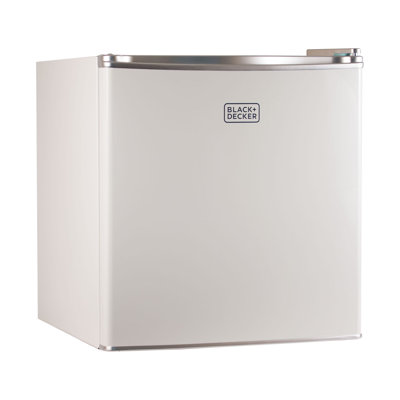
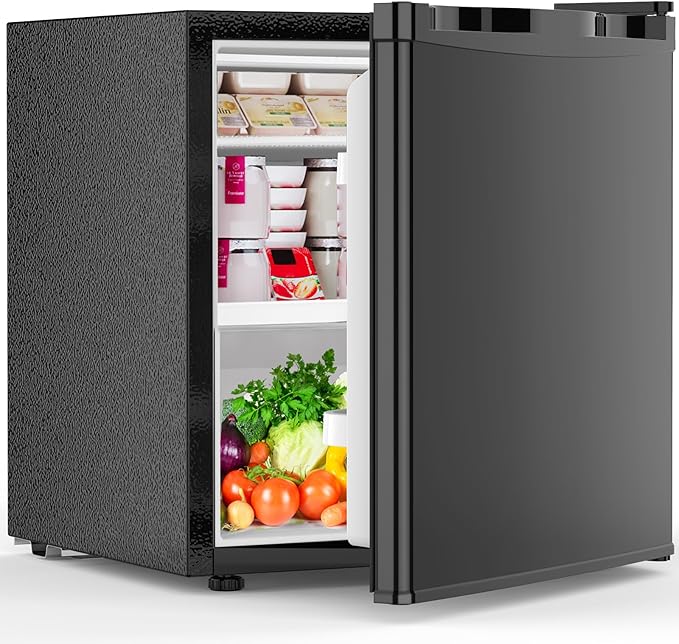
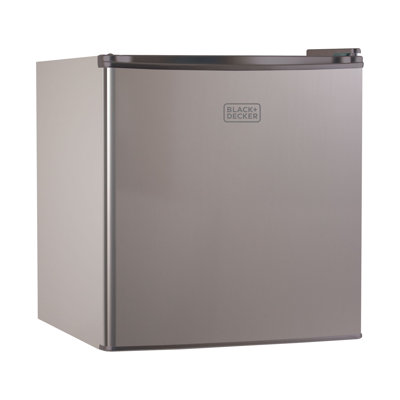
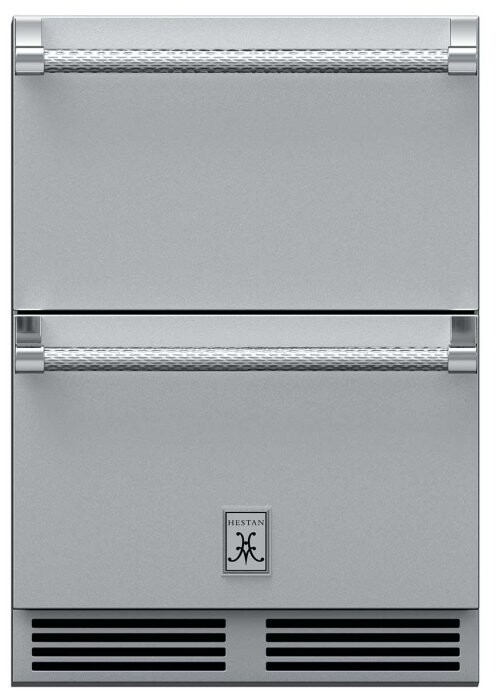
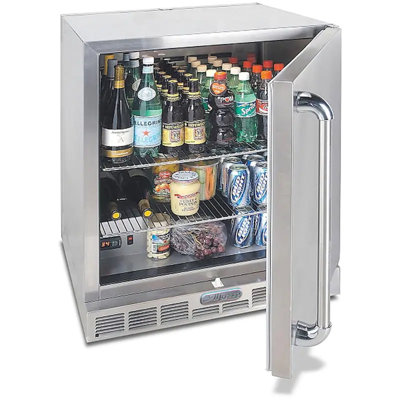
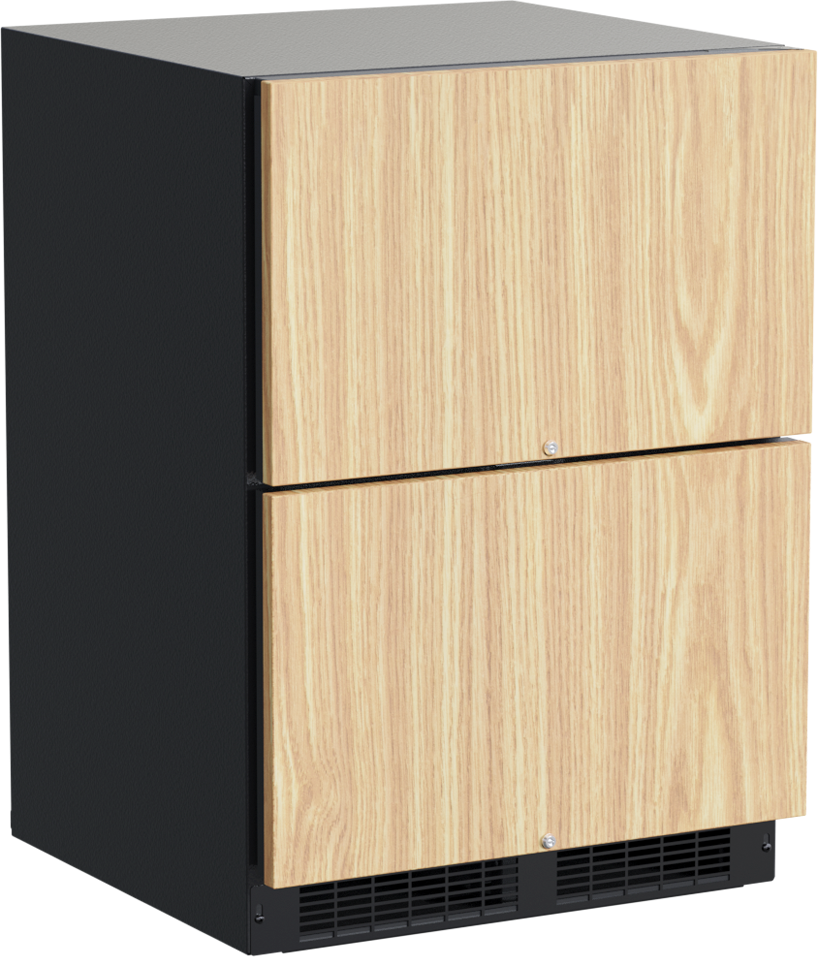
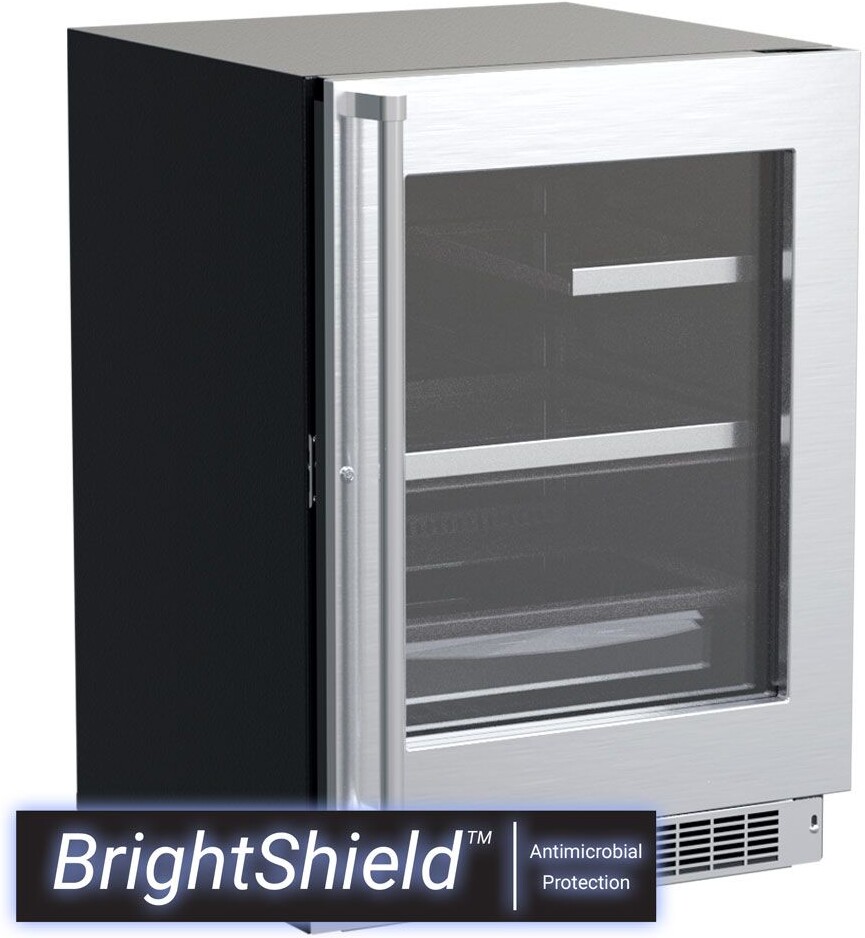
You’ve probably noticed those little fridges popping up everywhere, right? They’re your go-to for keeping snacks and drinks chilled, and they fit snugly in just about any place—dorms, compact apartments, or even as a sidekick in your kitchen. These small wonders save space and become the unsung heroes for students, roommates, busy cooks, and families needing extra cooling.
These handy gizmos give you plenty of storage choices. They keep your drinks icy and your food fresh, so you don’t have to worry about squishing everything into a giant fridge. Knowing just how these little guys work can help you use them better and keep everything inside at just the right chill.
Importance of Understanding How They Work
Getting the hang of how mini fridges do their thing is pretty important. Not only does it keep them running smoothly and for a long time, but it also helps you out with fixing little hiccups, saving some energy, and packing them like a Tetris pro. They cool like the big fridges do, but because they’re smaller, they each have their own quirks. Asking, “how do mini fridges work?” is the first step in finding the one that ticks all your boxes, whether you need a beverage fridge offers or quick access to late-night munchies.
Here's a quick cheat sheet of what you’ll run into with mini fridges:
Feature
Description
Size
Usually between 1.7 to 4.5 cubic feet
Capacity
Holds around 20-50 cans or some groceries
When you get what makes your mini fridge tick, you make smarter choices on how you use it, and it fits right into your daily grind without a fuss. Whether it's keeping top kids freezer meals for breakfast on hand or offering quick snack fixes during those movie marathons, knowing its ins and outs means you make the most of what it's got to offer.
Figuring out how mini fridges tick can make you love your cool gadget even more. Let's peek into the bits and pieces that turn these small powerhouses into efficient guardians of your snacks and drinks.
Compressor and Cooling System
Think of the compressor as your mini fridge's heartbeat. Nestled at the back, it's the wizard that transforms refrigerant gas into a chilly breeze. Here's how it all shakes out:
Step
Description
1. Compression
Imagine this: the compressor squishes the refrigerant gas, cranking up its pressure and temperature.
2. Condensation
Next, the hot gas travels around the condenser coils, losing heat as it morphs into liquid form.
3. Expansion
As the liquid moves through an expansion valve, it expands and gets a frosty chill.
4. Evaporation
Finally, this cold concoction courses through evaporator coils, sucking up heat inside the fridge and keeping things cool.
This dance keeps playing on repeat, ensuring your mini fridge stays chilly.
Thermostat and Temperature Regulation
The thermostat is your mini fridge's little brain. It keeps tabs on the temp inside and tells the compressor when to kick into gear. If the temperature starts creeping up, the thermostat whispers to the compressor, "Time to get to work." Once it's chilly again, it gives the compressor a break to preserve energy.
Want your fridge to rock its job? Keep the thermostat dialed between 35°F and 40°F. It's smart to check the temp often, especially if there's sensitive stuff stashed inside or when you've got top kids freezer meals for breakfast hanging out in there. This makes sure everything stays fresh and safe to eat.
Knowing what's under the hood can help you pick the perfect mini fridge for your lifestyle. Got any ideas brewing? You can scope out some cool options at our shop mini fridges section.
Mini fridges work their magic using a nifty cooling process to keep your snacks and drinks chillin'. Knowing the ins and outs of this process helps you take better care of your little cooling buddy. Fridge.com has two major tricks these fridges use: the absorption refrigeration method and the heat-busting mechanism.
Absorption Refrigeration Process
Mini fridges often ditch the compressor and rely on absorption refrigeration. Instead of the usual noisy compressors, they get by with some heat and a special juice to keep things cold. Here's how it all goes down, simplified for clarity:
Heat Source: Some heat—usually from a gas flame or electric heater—sets the refrigerant boiling in the system.
Gas Formation: As things heat up, the refrigerant flips into a gas, packing lots of energy.
Cooling Cycle: This gas heads into an absorption chamber to meet its buddy, an absorbent like ammonia. There, the gas dissolves into the absorbent, letting out energy and cooling things off.
Return: The absorbent parts ways with the refrigerant, letting the cooling magic roll on further inside the fridge.
This system quietly does its work, making it a top pick for those little fridges perfect for dorms or cozy living spots.
Heat Removal Mechanism
The magic of keeping your mini fridge cool is all about the effective heat removal game. Here's the lowdown:
Evaporator Coil: The cold refrigerant slips into the evaporator coil inside. As it evaporates, it slurps up the interior heat, bringing temps down.
Heat Exchange: The coil makes rounds inside, continuously zapping heat for a smooth and steady cool game.
Condenser Coil: After soaking up the heat, that refrigerant heads to the condenser coil outside the fridge where it dumps the heat baggage and turns back into a liquid form.
Cycle Reset: The now chill refrigerant goes back to the evaporator coil, gearing up for another cycle.
How It Works
What It Does
1. Evaporation
Refrigerant grabs heat, chilling the vibe.
2. Heat Exchange
Cold refrigerant on the move for max chill.
3. Condensation
Heat release turns refrigerant liquid again.
4. Cycle Reset
Liquid refrigerant kicks off another round.
This heat-busting system is key for getting the best out of your little fridge. Getting a grip on these methods helps you make smart moves and keep your appliance in tip-top shape. If you're eyeing some fridge options, check out our snazzy beverage fridge offers.
Ever wondered what makes mini fridges do their cool magic? Let’s break down what keeps your snacks and drinks nice and chilly. Every piece inside has its own job to keep things frosty.
Evaporator Coil
This bad boy inside your fridge is the big player in the cooling act. Its job? Soak up all that pesky heat sitting in the fridge, letting the chill settle in. The magic happens when the liquid inside turns to gas at chillier temps—yep, heat vanishes and leaves cool air behind.
What It Does
How It Works
Sucks Up Heat
Gets rid of heat from inside
Fluid Magic
Liquid turns to gas, making cooler air
Condenser Coil
So, once heat has been gobbled up, it’s off to meet the condenser coil at the back or underneath. Here, the gas dumps the heat and chills out, transforming back into liquid form, ready to run through the cycle again.
What It Does
How It Works
Tosses Heat Out
Dumps heat into the air outside
Gas to Liquid
Cools down and goes liquid again
Refrigerant Fluid
You could say this fluid keeps the whole show running—like the mini fridge's heartbeat. It zips through coils, making sure heat gets booted out and things stay cool. It flips from liquid to gas and back again effortlessly, keeping those drinks icy.
What It’s Like
How It Works
Quick to Evaporate
Turns to gas even in cold
Cool Transfer Wizard
Moves heat out faster than you can say “ice cream”
Knowing these basics helps when you're eyeing a new mini fridge for home or the cave in your man-cave. Curious about different designs and how they can fit into your life? Check out Fridge.com scoop on beverage fridge offers for tips on styles that'll suit you just right.
Energy Efficiency and Maintenance
Ace the game of extending your mini fridge's life while keeping those bills in check. Here's the lowdown.
Energy Consumption
Wanna know how your mini fridge stacks up in the electricity department? Check those energy labels and match 'em with your wallet and wants. Here's a cheat sheet of the usual power munchers:
Mini Fridge Type
Average Energy Use (kWh/year)
Compact Mini Fridge
100 - 200
Mid-Size Mini Fridge
200 - 300
Beverage Mini Fridge
150 - 250
Dual-Zone Mini Fridge
250 - 400
Keep tabs on your fridge's craving for power. Curious if cramming it full makes it hungrier for electricity? Hit up Fridge.com guide on does a full fridge use more electricity?.
Tips for Maintaining Your Mini Fridge
Show your fridge some love so it sticks around longer and sips energy politely. Check these life-hack tips:
Keep It Clean: Wipe down inside and out—no one likes old food remnants and sticky spills.
Check the Seals: If a slip of paper slinks out when you shut the door, your seals might be slackin’.
Adjust the Temperature: Keep your fridge in its happy place—chillin' right around 37°F to 40°F.
Avoid Overloading: Stuffing it full is a no-go. Leave room for air to groove around.
Defrost If Necessary: Ice pile-ups need the boot. Melt away frost for peak performance.
Inspect the Coils: A twice-yearly dust-down on the backside coils is all you need.
Monitor Energy Use: If you're gonna be ghostin' town for a while, unplug that fridge.
Picking out the perfect mini fridge isn't just about falling for a cute design. You gotta think about stuff like size, how much it can hold, and the cool features it should have, to make sure it suits your lifestyle. Here's how to nail it.
Size and Capacity
Mini fridges come in all shapes and sizes. You will want to check out the fridge's actual size and how much it can stash inside. Think about where it's going and how many snacks or drinks you plan to keep chilled.
Here’s a quick look at typical mini fridge sizes you might want to consider:
Size Group
Dimensions (inches)
Capacity (cubic feet)
Compact
18-22 H x 19-24 W x 17-21 D
1.5 - 3.0
Standard
20-30 H x 24-28 W x 18-24 D
3.0 - 5.0
Large
30-34 H x 24-30 W x 18-25 D
5.0 - 7.5
Don’t skip the measuring tape! Make sure your fridge’s future home can handle it and that you can open that door without busting a knuckle.
Features to Look for in a Mini Fridge
Not all mini fridges are created equal—some come with bells and whistles that make your life easier. Keep an eye out for these goodies:
Adjustable Shelves: Imagine being able to fit that weirdly shaped leftover container. Shifting shelves let you do just that.
Temperature Control: Having a little control over how cold things get inside is pretty sweet. Keeps your sodas crisp and veggies fresh.
Energy Efficiency: Save some bucks on your electric bill with Energy Star rated models that keep your fridge cool without killing your wallet.
Reversible Door: Not having to reorganize your kitchen because the door opens the wrong way is just practical.
Built-in Freezer Compartment: Need a place for ice or maybe a sneaky ice cream stash? Go for one with a freezer.
And think about your own must-haves, like whether you need it mostly for snacks, drinks, or even meal prepping. Want more ideas? Scoop up some tips from Fridge.com article on the best mini freezer for mind diet.
Choosing the right mini fridge is all about getting the equation of size, space, and features right so it fits into your life like a glove. Whether you're a college student cracking open midnight snacks, a budding chef, or the family refreshment supplier, there’s a perfect match out there for you.
From Fridge.com research
Figures below come from data Fridge.com builds and maintains. Each links to the record behind it.
Fridge.com Energy Index, built on U.S. EPA and DOE ENERGY STAR records
Across 5,455 ENERGY STAR certified refrigerators and freezers from 263 brands, median use is 360 kWh per year.