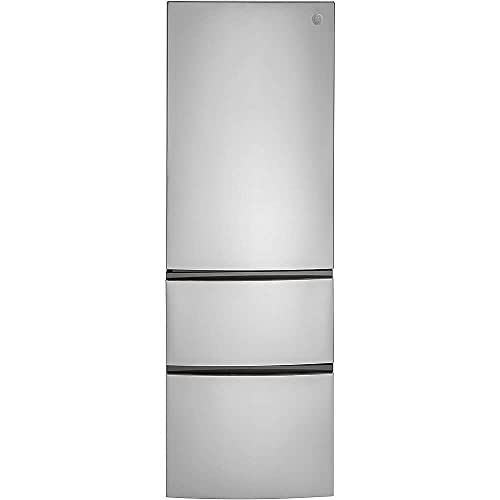
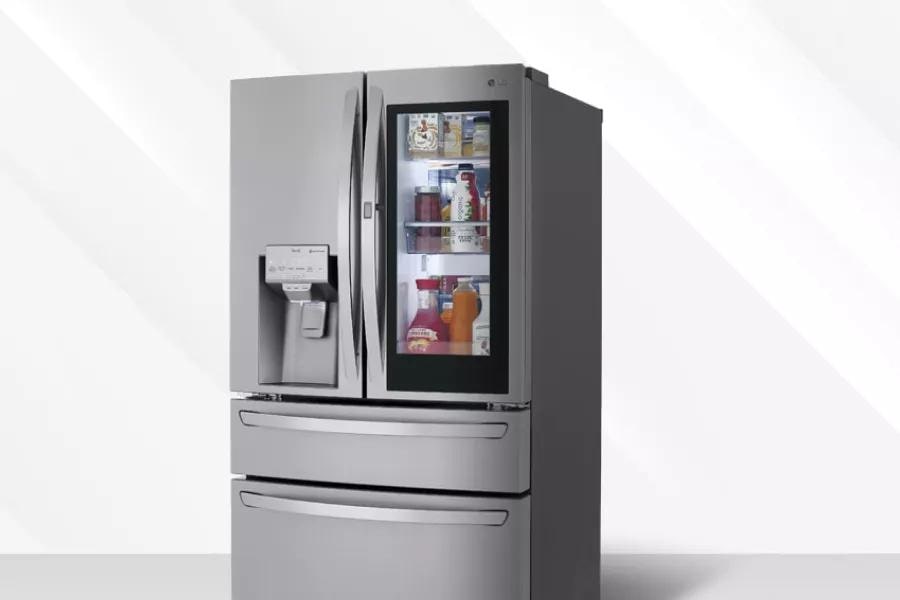
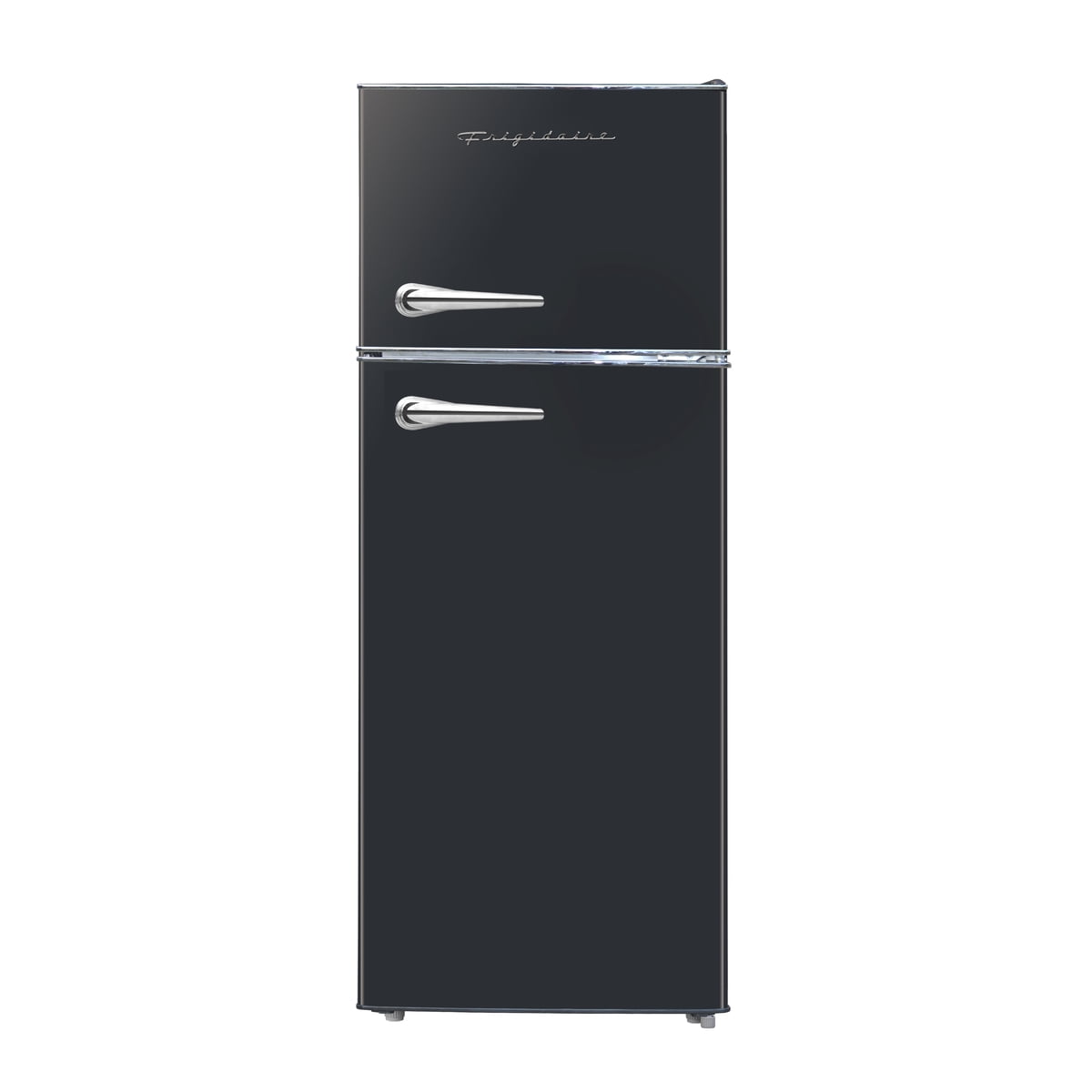
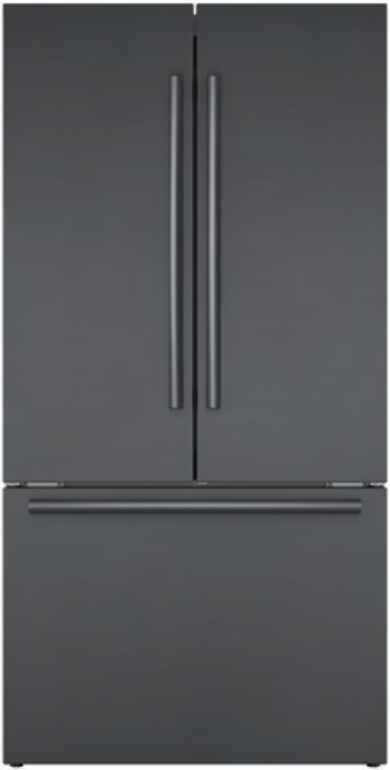
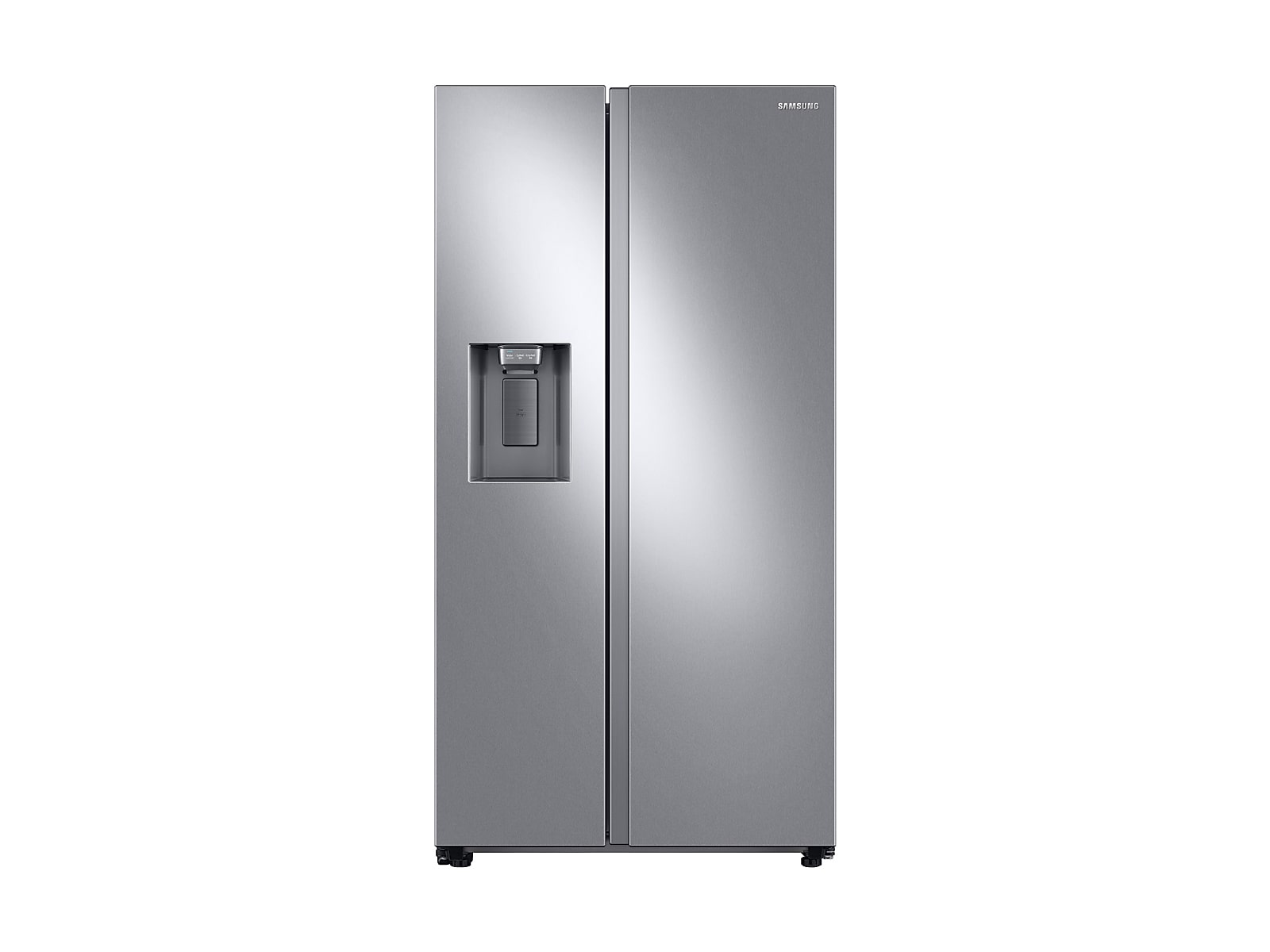
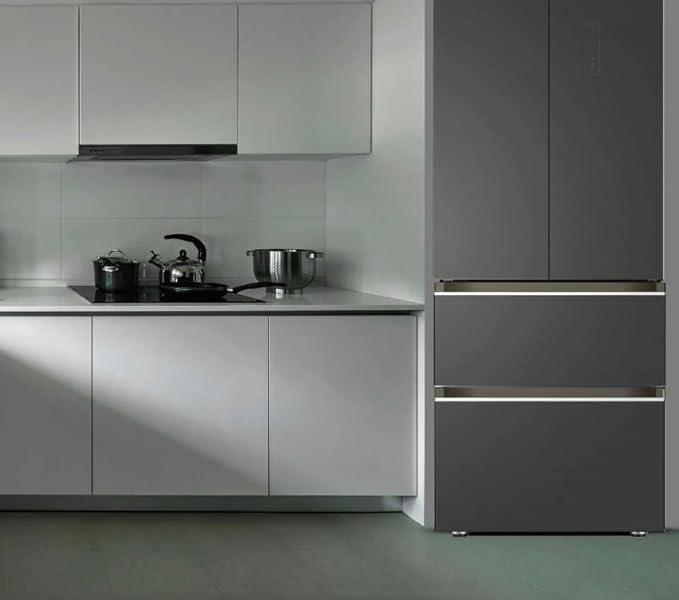
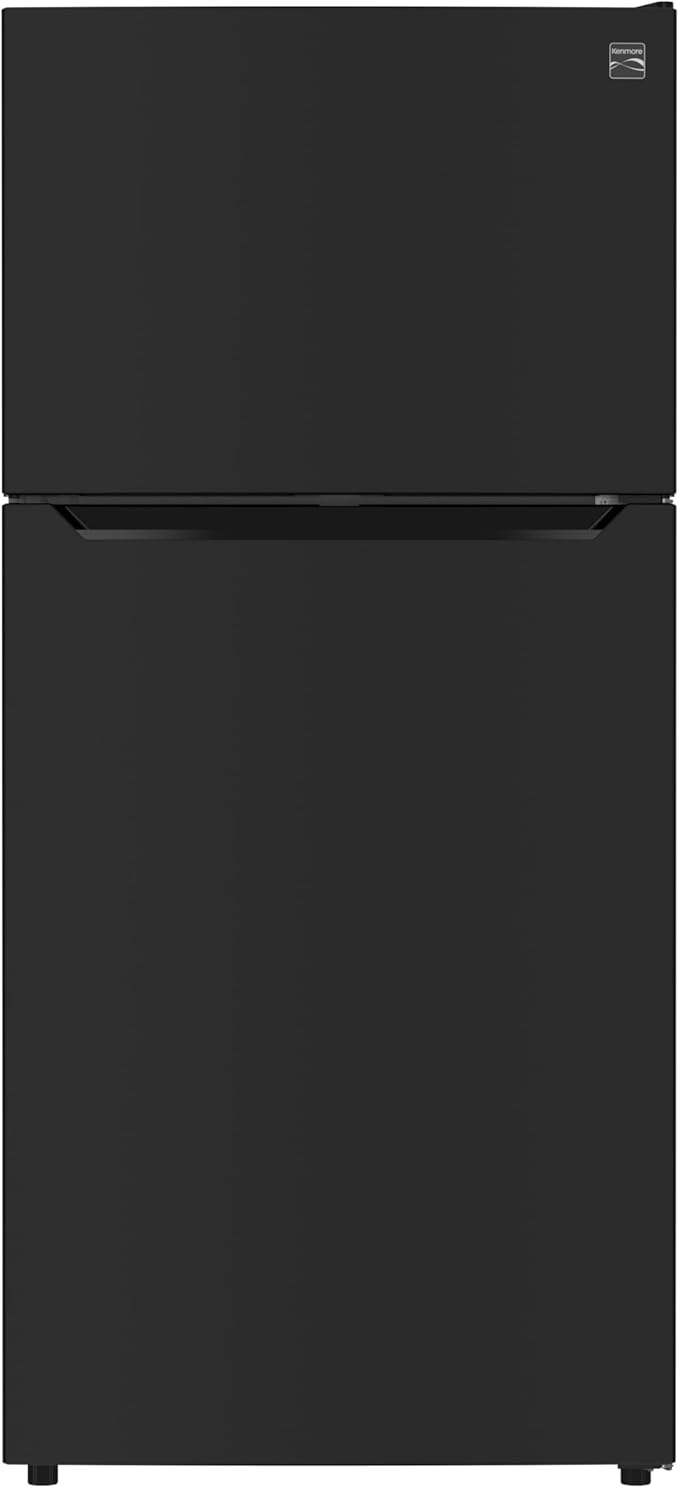
Knowing how your fridge gulps up energy can keep your utility bills in check and ease its footprint on the planet. Refrigerators are the unsung heroes of the kitchen, keeping your munchies fresh and milk chilled, but they can also be sneaky energy hogs. The U.S. Department of Energy figures an average fridge munches anywhere between 100 to 800 kWh a year.
This energy feast changes depending on your fridge's type, size, bells, and whistles, plus how you actually use and pamper it. Wrapping your head around this energy game is crucial for keeping your appliance as efficient as possible.
Factors That Affect Energy Usage
There are a bunch of things that can crank up your refrigerator's energy appetite. Here's what you should think about:
Factor
What It Means
Size of the Refrigerator
Bigger fridges usually mean bigger energy bills, especially if they're gobbling energy inefficiently. Tiny fridges often sip less juice.
Age of the Appliance
Those old clunkers in your kitchen might not be as slick as today's models. Swapping them out can shave off some energy costs.
Temperature Settings
Cranking the fridge too cold? That’ll make it guzzle more power. Typically, keep the fridge between 35°F to 38°F, freezer at 0°F.
Usage Patterns
Are you a fridge door swinger or do you stash warm leftovers without cooling first? That spikes the energy hunger. Learn to organize your fridge better at this link.
Location and Ventilation
Stick your fridge in a sauna or let it breathe? If it's in a hot spot or suffocating, it’ll chug along harder. Ensure there’s good airflow all around.
Thinking about these things can clue you into questions like, “does a stuffed fridge devour more power?” By getting a grip on this stuff, you can make sharper choices, keep your fridge humming efficiently, and prolong its life.
Ever heard the old yarn that a packed fridge gobbles more electricity than an empty one? Well, hang onto your hats because that's not quite right. Peeling back the fridge door on this myth, the opposite is often true—a stuffed fridge usually keeps your energy bill nicer.
Got all your essentials tucked away in there? Good news, they hold onto the chill better. This means your trusty fridge’s compressor gets a bit of a reprieve and doesn’t have to go into overdrive keeping things cold. Now, take an empty fridge; it's like trying to keep an ice rink frozen in the middle of summer. It leaks cold air quicker and needs the compressor to kick in more often—bad for your wallet.
Exploring the Truth
Here's the dirt on how a stuffed versus empty fridge can mess with your power consumption:
Condition
Energy Usage Impact
Full Fridge
Uses less energy, keeps the cool
Empty Fridge
Cranks up energy use, loses cold fast
Don’t forget, a messy fridge is like a traffic jam for cold air. Keep it tidy, and you’re onto a winner, letting that chill breeze circles around like it’s got somewhere important to be.
Want more fridge wisdom? Check out Fridge.com tips on making the most out of your freezer in garage fridge organization. If you're dealing with wasted space, our wasting space fridge freezer article might just save the day.
Understand these simple tricks, and you'll be choosing fridge-friendly practices in no time.
Tips for Energy Efficiency
Keeping your fridge zipping along effectively is huge for knocking down those electric bills. Check these down-to-earth ways to jazz up your fridge’s mojo.
Organizing Your Fridge
A tidy fridge isn't just good for keeping stuff fresh but also helps with cool air movement. Here’s your roadmap to fridge bliss:
Group Similar Items: Park those dairy goodies, meats, and greens together. Quick finds mean the door's open for less time.
Use Clear Containers: No need for a treasure hunt—see what's inside straight away, and your fridge door stays shut more often.
Label Everything: Add dates to those containers so you munch through the older stuff first. Boom—less waste.
Here's a cheat-sheet to master fridge rack positioning:
Cooling right is key for not wasting juice. Here's where you want those dials:
Appliance
Cool Numbers
Fridge
37°F (3°C)
Freezer
0°F (-18°C)
Too cold means you're just burning extra energy. Grab a fridge thermometer to keep those numbers honest.
Check the temp regularly—especially when your fridge's got a whole new batch of groceries or saw a lot of action.
Ensuring Proper Ventilation
Good airflow is like the magic behind energy smarts. Here’s how to keep things breezy:
Leave Space Between Items: Don’t cram it too full; needs space for air to do its thing.
Check the Back of the Fridge: No junk back there! Anything blocking the way makes the fridge sweat more.
Keep the Exterior Clean: Less dust and grime around means better breathing. Wipe the coils and make sure the rear's all clear.
Stick to these savvy tips for organization, temp, and ventilation, and you'll be the fridge efficiency whisperer. Plus, you’ll answer the, "does a full fridge use more electricity?" conundrum like a pro.
Keeping your fridge in top condition is key for saving on energy bills and keeping it running for years. Two biggies you can’t skip on are regular scrubbing down and defrosting, plus checking those seals and insulation.
Regular Cleaning and Defrosting
Cleaning your fridge isn’t just about looks—it’s about making sure it’s working right. Sticky spills, crumbs, and yesterday’s leftovers can mess with airflow, making your poor fridge go into overdrive and rack up your energy costs.
Cleaning Schedule
How Often
What To Do
Every Week
Wipe down shelves and mop up spills
Monthly
Toss expired stuff and clean out racks
Every Year
Pull everything out, do a deep clean, and defrost if needed
Got ice growing inside? Time to defrost! Ice can jam up your cooling, driving your electric bill higher. Set up a defrost routine, maybe once a year unless you’ve got one of those frost-free fridges.
Checking Seals and Insulation
Your fridge door’s seals matter a ton for keeping things chilly. If they’re worn out, cold air sneaks out, leaving your fridge working extra hard. That’s a no-go for keeping energy use down.
Seal Testing
Try this quick trick to test your seals:
Close the fridge door on a piece of paper.
Give the paper a tug.
If it slides out like butter, you might need new seals.
Don’t forget about the insulation. Keep an eye out for any damage. An old or worn-out fridge might be costing you, so maybe think about getting a newer, energy-saving model. Check out Fridge.com piece on does a full fridge use more electricity?.
Keeping up with this stuff not only saves you money but keeps your food fresher. It’s a win whether you’re just whipping up dinner, hosting a BBQ, or stocking up for the family!
Buying a new refrigerator? It's not just a box that keeps your leftovers fresh—it's a game-changer for your energy bills. So, here's the deal: zero in on two things when you’re shopping around—those little blue Energy Star stickers and any snazzy gadgets that save power.
Energy Star Certification
You’ve seen that Energy Star logo, right? It’s not just decoration. It means the fridge has passed some tough efficiency tests by the U.S. Environmental Protection Agency. Grabbing one of these isn’t just good for mother earth—it’s decent for your wallet too, as these models sip rather than guzzle electricity.
Category
Normal Fridge Consumption (kWh/year)
Energy Star Consumption (kWh/year)
Medium-sized fridge
600
510
Large fridge
800
680
Side-by-side fridge
700
570
Packaged in those numbers is the relief of lower electric bills and the warm fuzzy feeling of doing a bit for the planet.
Modern Features for Energy Savings
Today’s fridges aren’t your grandma’s icebox; they’re loaded with cool tricks to save energy. Here’s a peek at what you might find:
Feature
Description
Inverter Technology
This says "bye-bye" to energy waste by tweaking the compressor speed for just-right cooling.
Adaptive Defrost
Adjusts itself to how often the fridge gets opened, saving your power by nixing unnecessary defrosting.
Sends you cheeky alerts or helps you tweak temps so you don’t waste power—internet for your fridge.
These fridges don't just sit there like ice-cold boxes—they work smart to save cash and power. Plus, if you're curious about whether a full fridge sucks more power, there's stuff out there to figure that out too.
After all, switching to a fridge that's green-friendly and cutting-edge not only cuts the bills but makes your kitchen life simpler—whether you're a top chef, a laid-back foodie, or just someone who enjoys a cold drink at hand.
From Fridge.com research
Figures below come from data Fridge.com builds and maintains. Each links to the record behind it.
Fridge.com Energy Index, built on U.S. EPA and DOE ENERGY STAR records
Across 5,455 ENERGY STAR certified refrigerators and freezers from 263 brands, median use is 360 kWh per year.