When nothing blocks the vents, your fridge can maintain the ideal 37–40°F range.
Fridgescaping combines practical fridge organization with a dash of style, guiding you to arrange food, drinks, and containers so everything you need is at your fingertips.
Think of it like tidying a closet or organizing a pantry: you group like items together, use uniform containers, and designate zones so you always know where to find what you need.
The consistent temperature here is ideal for items that don’t need heavy chilling.
fridgescaping trend explained: transform your fridge into organized bliss
If you’re tired of ice cream tubs tumbling out every time you open the door, or condiments hidden in the back, then the fridgescaping trend explained is here to rescue your fridge and your sanity. Fridgescaping combines practical fridge organization with a dash of style, guiding you to arrange food, drinks, and containers so everything you need is at your fingertips. Whether you’re a busy parent meal-prepping lunches, a craft-beer lover storing kegs in a kegerator, or a dorm-room dweller with just enough space for a mini fridge, fridgescaping helps you streamline your storage, reduce waste, and make your fridge feel like an extension of your kitchen design.
In this guide, you’ll learn what fridgescaping is, why it matters, how to gather the right supplies, and step-by-step strategies to plan, apply, and maintain your perfect fridge landscape. Ready to clear the clutter and keep your fresh food fresher? Let’s dive in.
Understand fridgescaping basics
What is fridgescaping?
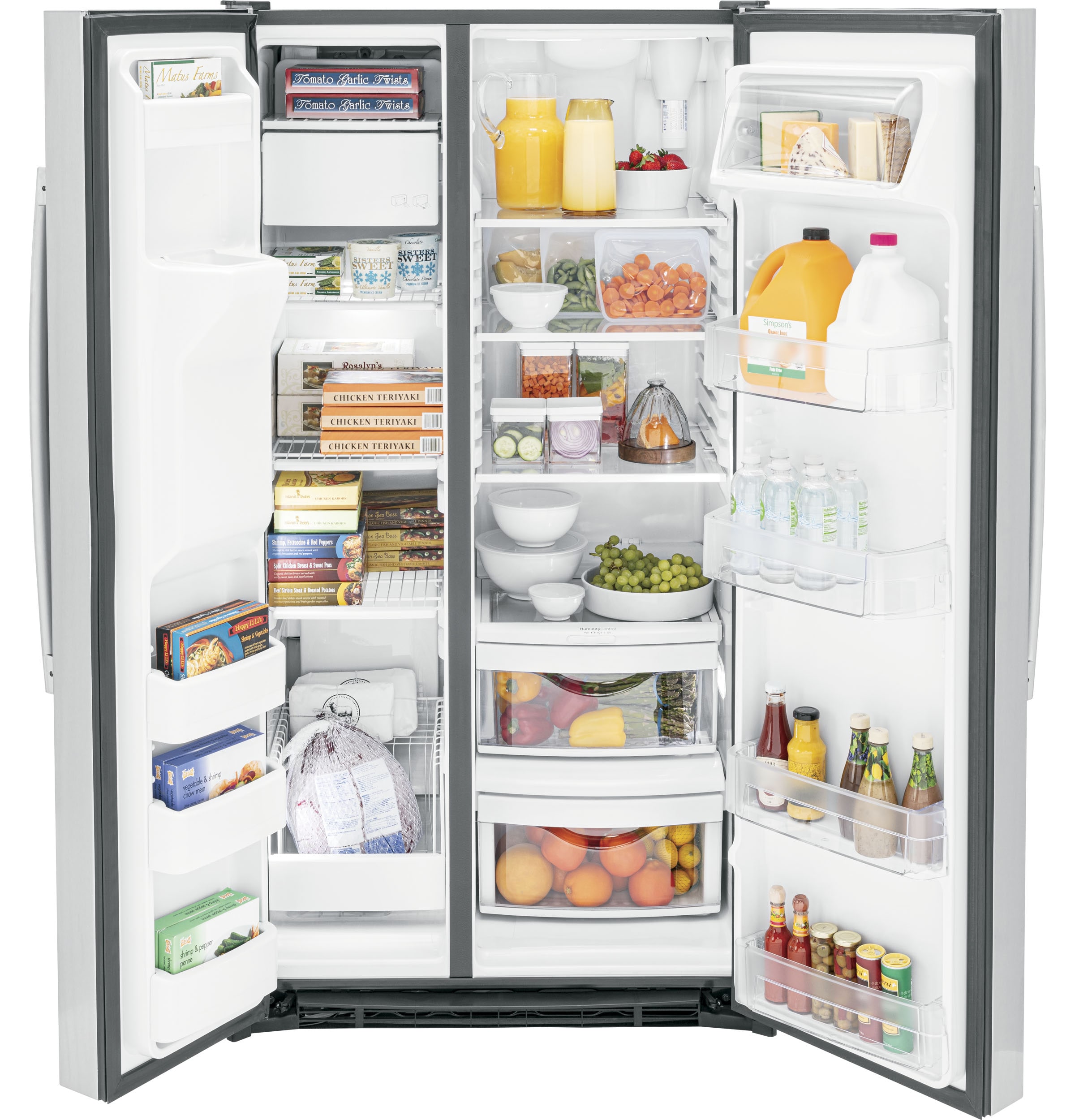
Fridgescaping is the art and science of arranging your fridge and freezer contents for maximum convenience, visibility, and airflow. Think of it like tidying a closet or organizing a pantry: you group like items together, use uniform containers, and designate zones so you always know where to find what you need.
Why it matters
A well-scaped fridge helps you:
Find ingredients in seconds, saving you time in the kitchen.
Reduce spoilage by ensuring air circulates evenly around foods.
Minimize impulse buys because you can see exactly what you already own.
Elevate meal prepping, so lunches and dinners flow without frantic searches.
Explore key benefits
Save time and reduce waste
When grapes, half-empty jars, and leftovers have a marked home, you’ll stop letting perfectly good food go bad. You’ll grab what you need instead of digging, which means no more forgotten yogurt cups lost at the back.
Improve meal prepping
With designated bins for breakfast, lunch, and dinner ingredients, you can assemble grab-and-go meals in minutes. Meal-prep containers sit neatly on the middle shelf, while snack packs and produce get their own drawers for easy reach.
Enhance food safety
A consistent layout promotes proper airflow and stable temperatures. When nothing blocks the vents, your fridge can maintain the ideal 37–40°F range. That translates to fresher veggies, safer dairy, and fewer temperature-related mishaps.
Gather organizing essentials
Containers and bins
Clear, stackable bins let you group items—yogurts, cheese, sauces—so you can grab a whole category at once. For freezer storage, consider gallon food storage freezer bags, which are great for bulk soups or frozen produce.
Drawer dividers
Insert adjustable dividers into crisper drawers to separate fruits, veggies, or herbs. No more mix-and-match that leads to bruising or flavor transfer.
Labels and markers
Waterproof labels or chalk markers help you note contents and dates. A quick glance will tell you when those leftovers need to be eaten, instead of guessing.
Lazy Susans and risers
Turntables make condiments and small jars spin right to you. Risers give height to shorter items, keeping everything visible on a single shelf.
Reserve this area for ready-to-eat foods: leftovers, meal-prep containers, and drinks. The consistent temperature here is ideal for items that don’t need heavy chilling.
Middle shelves
Store dairy, deli meats, eggs, and prepared dishes. You’ll find it easiest to reach these most-used items at eye level.
Bottom shelves
Keep raw meat and fish on the bottom to prevent drips onto other foods. Use a dedicated, easy-to-clean bin here and swap it out weekly.
Door compartments
Ideal for condiments, sauces, and drinks, since the door is the warmest spot. Avoid placing milk or fresh juice here, they’re too temperature-sensitive.
Freezer section
Treat your freezer to its own landscape. Start by purging old items—learn how to defrost a freezer before organizing. Use bins for frozen vegetables, meat, and pre-made meals. Stack flat-frozen items vertically, like books on a shelf, for easy access. If you need a deeper dive on freezer clean-up, check out our guide on how to declutter a freezer.
Apply storage strategies
Use clear containers
Seeing is believing—when you can spot what’s inside at a glance, you’ll stop opening random lids. Uniform containers also stack neatly, freeing up valuable space.
Stack vertically
Maximize height by stacking bins or placing risers beneath shorter items. You’ll avoid wasted vertical space and keep the fridge looking tidy.
Group by category
Designate a snack zone, meal-prep zone, produce zone, and beverage station. Themed sections help everyone in your household know where to return items.
Label with dates
Always note when you stored something. This habit cuts down on mystery leftovers and helps you rotate older foods to the front.
Rotate and restock
When a bin empties, refill it with fresh items from the back. This first-in, first-out approach keeps perishables moving and prevents them from hiding in the corners.
Spend five minutes each week straightening bins, wiping spills, and tossing expired items. A little effort often prevents bigger messes later.
Monthly deep clean
Remove all items, unplug the fridge, and wipe down shelves and walls. If you have a separate freezer chest, don’t forget to learn how to clean deep freezer coils so your unit runs efficiently.
Seasonal purge
Every few months, re-evaluate your layout. Swap out bins that aren’t working, adjust zones based on new habits, and restock supplies as needed.
Check seals and temperature
Ensure door gaskets are clean and sealing properly. A quick check of internal thermometer readings can save energy and keep foods at peak freshness.
Visit Fridge.com to browse a curated selection of clear bins, drawer dividers, labels, and more. Everything you need to start fridgescaping and keep your fridge looking and performing its best is just a click away. Empower your kitchen, reduce waste, and never lose another snack behind a stack of Tupperware again.
Frequently Asked Questions
Fridgescaping is the art and science of arranging your fridge and freezer contents for maximum convenience, visibility, and airflow. Think of it like tidying a closet or organizing a pantry: you group like items together, use uniform containers, and designate zones so you always know where to find what you need.