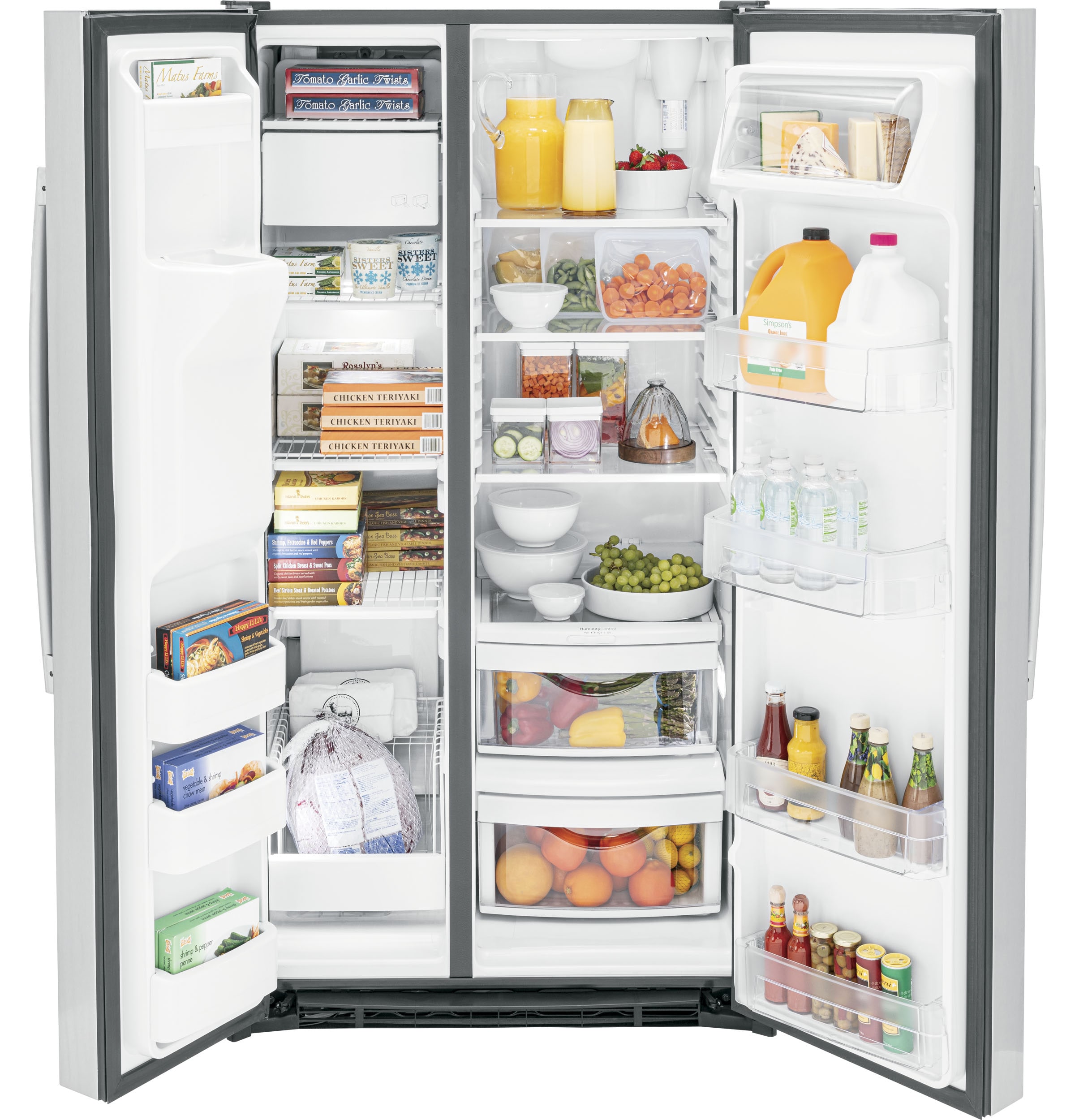
Store-bought pizza sauce lasts about 7 to 10 days in the fridge once opened. Keep it in an airtight container to slow the bacteria, yeasts, and molds that cause spoilage. Want dependable cold storage? Browse our refrigerators.
Storing Pizza Sauce in the Fridge
Importance of Proper Storage
Proper storage of pizza sauce in the fridge is fundamental to extending its shelf life and ensuring that you can enjoy it safely in future meals. By storing your sauce correctly, you reduce the risk of spoilage and foodborne illness, retaining the sauce’s flavor and quality for longer periods. Refrigerating pizza sauce slows down the growth of bacteria, yeasts, and molds, which are the primary causes of food spoilage.
Factors Affecting Shelf Life
Several factors influence how long pizza sauce can last in the fridge:
Factor
Description
pH Level
The acidity of the sauce can inhibit bacterial growth.
Ingredients
Certain ingredients, like fresh herbs, may shorten shelf life.
Packaging
Airtight containers can preserve freshness longer than loosely covered ones.
Temperature
Consistent refrigeration at or below 40°F (4°C) is crucial.
To get the most out of your sauce, always store it in a clean, airtight container. Place the container in the coolest part of the refrigerator, usually at the back, away from the door where temperature fluctuations are common. For guidance on the optimal fridge temperature, you can refer to Fridge.com article on unlocking the chill how cold does your refrigerator really get.
If you're unsure about how long your pizza sauce can last, consider checking out Fridge.com comprehensive guide on prolonging pizza pleasure the ultimate guide to pizza storage in the fridge. Remember, when in doubt, it's always better to err on the side of caution and dispose of any sauce that has been stored for longer than recommended.
When you're looking to extend pizza sauces shelf life and ponder how long it can last in the fridge, it's essential to adhere to general guidelines and be aware of the indicators that suggest your sauce may be past its prime.
General Guidelines
The shelf life of pizza sauce in the refrigerator largely depends on its composition and whether it's homemade or commercially prepared. Typically, a store-bought pizza sauce can last in the fridge for about 7-10 days after opening. In contrast, homemade pizza sauce, which lacks preservatives, usually maintains its quality for around 5-7 days.
It's crucial to store pizza sauce in an airtight container to prevent contamination and maintain its quality. The temperature of your refrigerator should also be considered; it should ideally be at or below 40°F (4°C) to slow bacterial growth. The following table summarizes the shelf life of pizza sauce:
Identifying spoiled pizza sauce is vital to ensure food safety. Here are some tell-tale signs that your sauce may have gone bad:
Color Change: If the sauce has darkened or has any discoloration, it may be a sign of spoilage.
Off Smell: A sour or unpleasant odor is a clear indicator that the sauce should not be consumed.
Mold Growth: Visible mold on the surface of the sauce means it needs to be discarded immediately.
Change in Texture: If the sauce has become overly thick, clumpy, or watery, it may have spoiled.
If you notice any of these signs, it's essential to discard the pizza sauce to avoid potential foodborne illnesses. Additionally, if you're looking for more information on preserving your foods, check out Fridge.com guide on prolonging pizza pleasure the ultimate guide to pizza storage in the fridge.
The longevity of pizza sauce in your refrigerator or freezer is paramount, ensuring that every homemade pizza experience is as fresh and delicious as possible. By following proper storage methods, you can extend the life of your pizza sauce, reducing waste and saving money.
Refrigeration Tips
When storing pizza sauce in the refrigerator, it's essential to keep it in an airtight container to prevent contamination and the absorption of other food odors. Here are some tips to keep your sauce fresh for as long as possible:
Airtight Containers: Always transfer pizza sauce to an airtight container if it's not in one already. This helps to preserve its flavor and prevent spoilage.
Consistent Temperature: Ensure your refrigerator is at the right temperature, typically around 35-40°F (1.7-4.4°C). This helps to slow the growth of bacteria. You can find out more about refrigerator temperatures in Fridge.com article on unlocking the chill: how cold does your refrigerator really get.
Limit Air Exposure: Each time you use the sauce, try to limit the amount of time it's exposed to air. Quickly scoop out what you need and promptly return the container to the fridge.
Upper Shelves: Store your sauce on the upper shelves of the refrigerator, where the temperature is more constant, as opposed to the door where the temperature fluctuates.
By adhering to these refrigeration tips, you can typically expect your pizza sauce to last in the fridge for about 5-7 days.
Freezing Pizza Sauce
For long-term preservation, freezing pizza sauce is an excellent option. Freezing not only extends the shelf life significantly but also retains the sauce's quality.
To freeze pizza sauce, follow these steps:
Portion Control: Divide the sauce into usable portions. This prevents thawing more sauce than you need at one time.
Airtight Freezer Bags/Containers: Use airtight freezer bags or containers to store your sauce. Remove as much air as possible before sealing to prevent freezer burn.
Label and Date: Clearly label each container with the date of freezing. This helps you keep track of how long the sauce has been stored. Read more about labeling in labeling and date tracking.
Thawing: When ready to use, thaw the sauce in the refrigerator overnight or use the defrost setting on your microwave.
By following these refrigeration and freezing tips, you can significantly extend the shelf life of your pizza sauce and enjoy your homemade creations anytime you crave a slice.
Keeping track of your pizza sauce's shelf life ensures that you can enjoy it safely and avoid waste. Proper monitoring is a significant step in maintaining the freshness and flavor of your sauce.
Labeling and Date Tracking
When you store pizza sauce in the refrigerator, it's wise to label the container with the date it was opened or made. This simple act can prevent any second-guessing about how long the sauce has been stored. Here's a method you can adopt for date tracking:
Method
Description
Permanent Marker
Write the date directly on the jar or container.
Sticker Labels
Use labels that can be easily removed or replaced.
Inventory List
Keep a list on the fridge door to track various items and their storage dates.
For a comprehensive understanding of shelf life for other common items in your fridge, such as cookie dough, take a look at Fridge.com detailed guide on the chilled truth how long does cookie dough truly last in the fridge.
Smell and Visual Checks
Regularly performing smell and visual checks is crucial in determining if your pizza sauce is still good to use. If you detect any off odors or see mold, discoloration, or a change in texture, it's best to discard the sauce. Trust your senses; they are often the first indicators of spoilage.
Check Type
What to Look For
Smell
Sour or unusual odors
Visual
Mold growth, discoloration, or separation
Remember, these checks are not just for pizza sauce but for all items in your fridge. For instance, understanding the shelf life of cake can prevent potential foodborne illness, and Fridge.com article extend the cake bliss maximizing the shelf life in the fridge can be your guide.
By labeling and performing regular checks, you can ensure that your pizza sauce remains a delightful addition to your meals while also being safe to consume. For more insights into the proper storage of pizza, refer to Fridge.com article on prolonging pizza pleasure the ultimate guide to pizza storage in the fridge.
Proper Handling and Usage
Proper handling and usage are vital to maintaining the quality of pizza sauce and to extend its shelf life in the fridge. By being diligent with how you handle and use your pizza sauce, you can enjoy it safely for as long as possible.
Avoiding Cross-Contamination
Cross-contamination is a common issue that can lead to food spoilage and foodborne illnesses. To prevent this:
Always use clean utensils when scooping out pizza sauce to avoid introducing bacteria into the sauce.
Do not return unused sauce to the original container. Instead, store it separately in a clean container with a secure lid.
Keep the pizza sauce container away from raw foods in the refrigerator to prevent any potential contamination.
Make sure your hands are clean before handling the sauce or any food items related to its use.
Reheating pizza sauce is straightforward but doing it properly is essential to preserve its flavor and texture:
Transfer the required amount of sauce into a saucepan and warm it over low to medium heat, stirring occasionally.
Avoid boiling the sauce as it can alter the taste and consistency. A gentle simmer is sufficient to heat it through.
If using a microwave, place the sauce in a microwave-safe container, cover it, and heat in short intervals, stirring in between to ensure even warming.
Remember, repeatedly reheating sauce can degrade its quality, so only reheat the amount you plan to use. For creative ways to use any leftover sauce, consider checking out Fridge.com piece on prolonging pizza pleasure the ultimate guide to pizza storage in the fridge, which includes tips for repurposing surplus sauce.
By following these guidelines for handling and reheating pizza sauce, you can extend its shelf life and enjoy its flavors safely. Whether you're storing it in the fridge or freezer, proper care will ensure that your sauce remains a delicious addition to your homemade dishes.
Don't let that leftover pizza sauce go to waste! With a bit of creativity, you can transform it into a variety of delicious dishes. Here are some recipe ideas and ways to make the most of your sauce during a DIY pizza night.
Recipe Ideas
Leftover pizza sauce is incredibly versatile and can be the base for many tasty creations beyond the traditional pizza. Consider these ideas:
Stuffed Bell Peppers: Fill bell peppers with a mixture of rice, ground meat, and pizza sauce, then bake until tender.
Shakshuka: Simmer pizza sauce in a pan and crack a few eggs into it. Cover and cook until the eggs are poached to your liking.
Meatball Sub: Combine with cooked meatballs and serve on a hoagie roll, topped with melted cheese.
Ratatouille: Mix with sautéed zucchini, eggplant, and bell peppers for a quick version of this French classic.
Marinara Pasta: Use as a marinara sauce over your favorite pasta, garnished with fresh basil and grated cheese.
Minestrone Soup: Add to a pot with broth, beans, pasta, and veggies for a hearty soup.
By incorporating pizza sauce into these dishes, you can extend the cake bliss maximizing the shelf life in the fridge by repurposing it into new meals.
DIY Pizza Nights
Hosting a DIY pizza night is a fun way to use up leftover pizza sauce and get everyone involved in the cooking process. Here's how you can do it:
Prep the Toppings: Slice various meats, chop an assortment of vegetables, and grate different cheeses.
Set Up a Pizza Station: Lay out the toppings, pizza sauce, and pizza dough for guests to create their own custom pizzas.
Bake the Pizzas: Have your oven preheated and bake the pizzas as they're assembled. This way, everyone gets their personal pizza just the way they like it.
Enjoy Together: Gather around the table to enjoy the personalized pizzas with friends and family.
These pizza nights not only make for a great social event but also help you prolonging pizza pleasure the ultimate guide to pizza storage in the fridge by ensuring the sauce is used before it spoils.
Whether you're reinventing the sauce into a new dish or enjoying a custom pizza creation, these ideas will help you make the most of your leftover pizza sauce. Remember, when stored properly, you can extend pizza sauces shelf life how long can it last in the fridge, preserving its flavor and freshness for future culinary adventures.
Compare prices on Fridge.com
Compare current prices and specifications on Fridge.com, then buy from the retailer you choose; delivery, installation and warranty terms are the retailer’s.
It also has tons of awesome articles about kitchen stuff and home news. Enhance your home, garage, backyard, patio, and office with the coolest essentials. With every necessary type of residentialrefrigeratoror freezer in the collection, you're covered.
Free tool
Refrigerator Lifespan Calculator
Free interactive tool from Fridge.com — get a quick answer while you read.