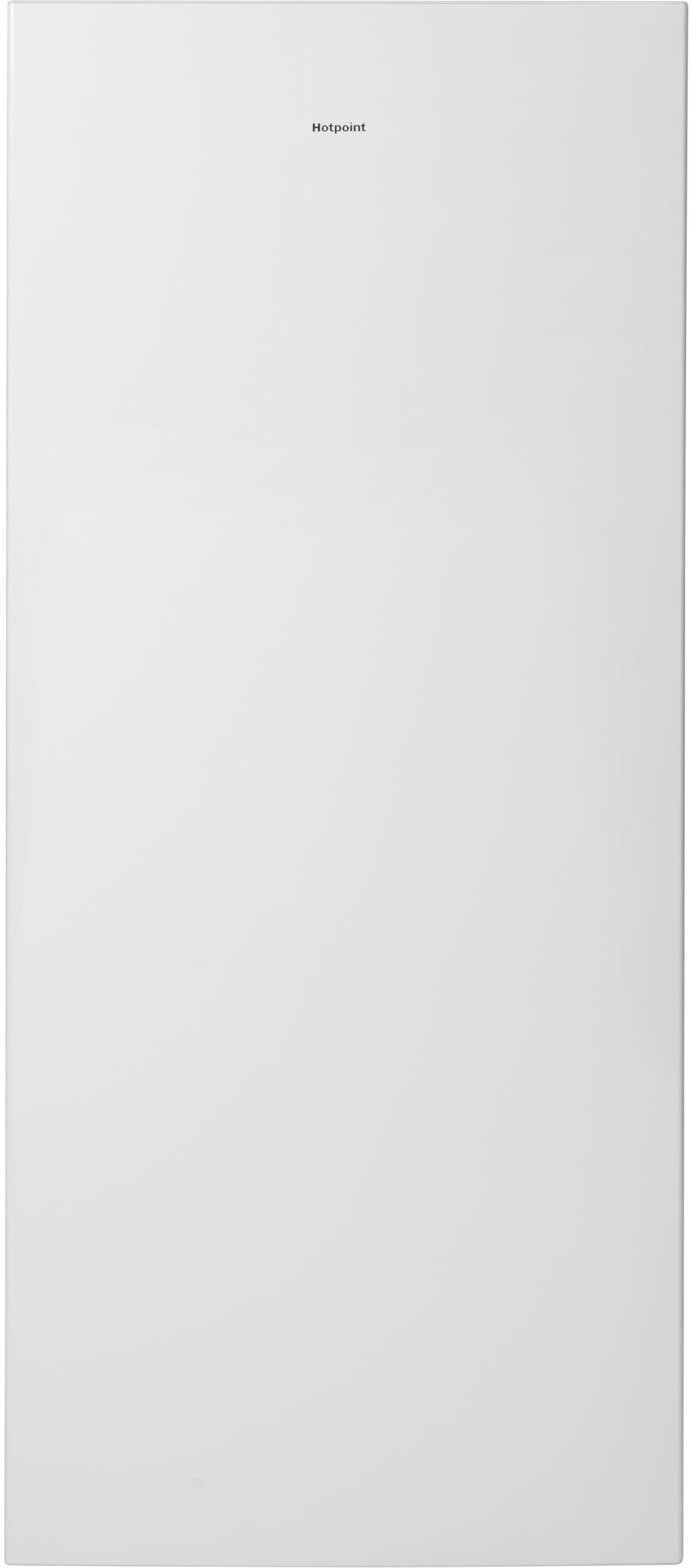
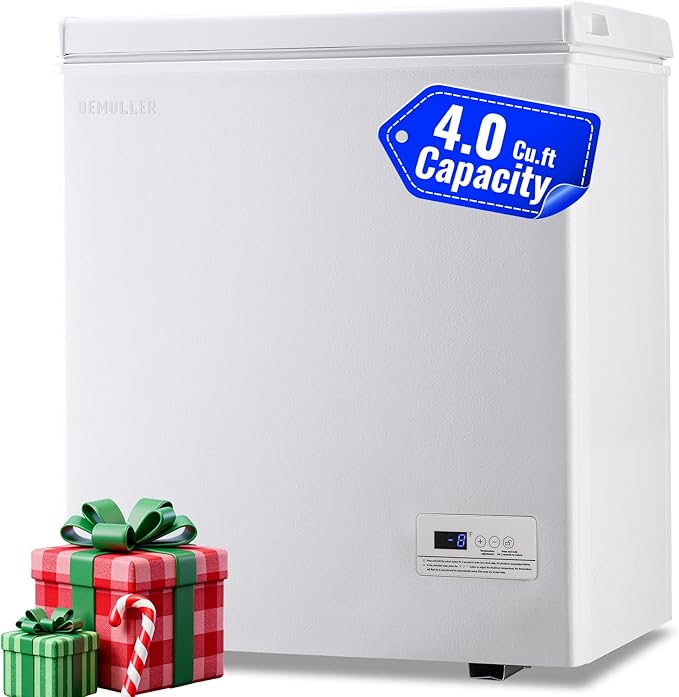
When choosing the right refrigeration option for your needs, it's essential to understand the differences between drawer fridge freezers and freestanding refrigerators. Each type offers unique benefits and features that cater to different preferences and requirements.
Overview of Drawer Fridge Freezers
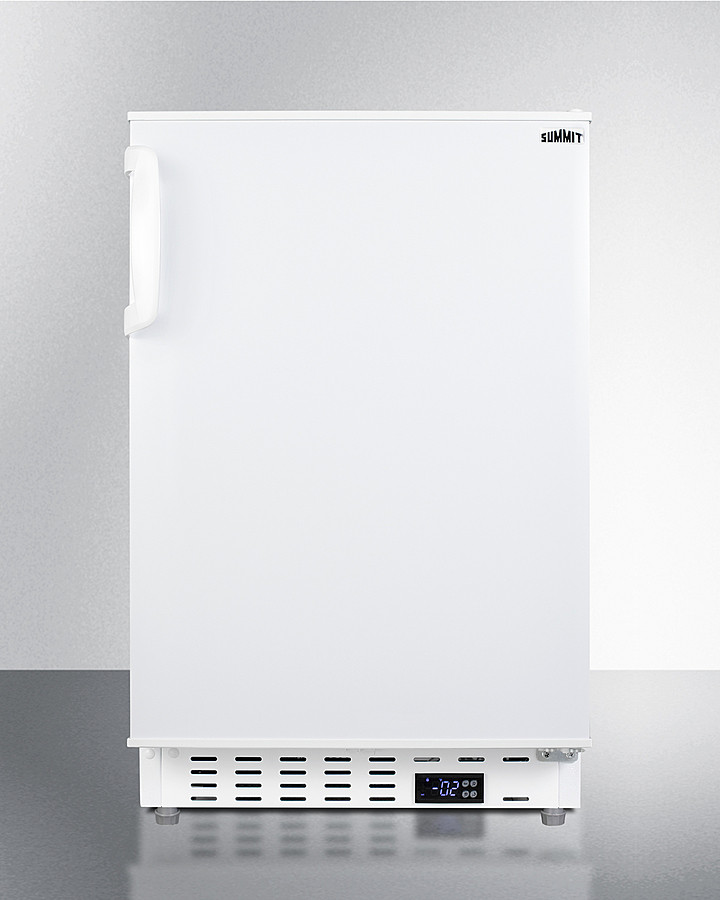
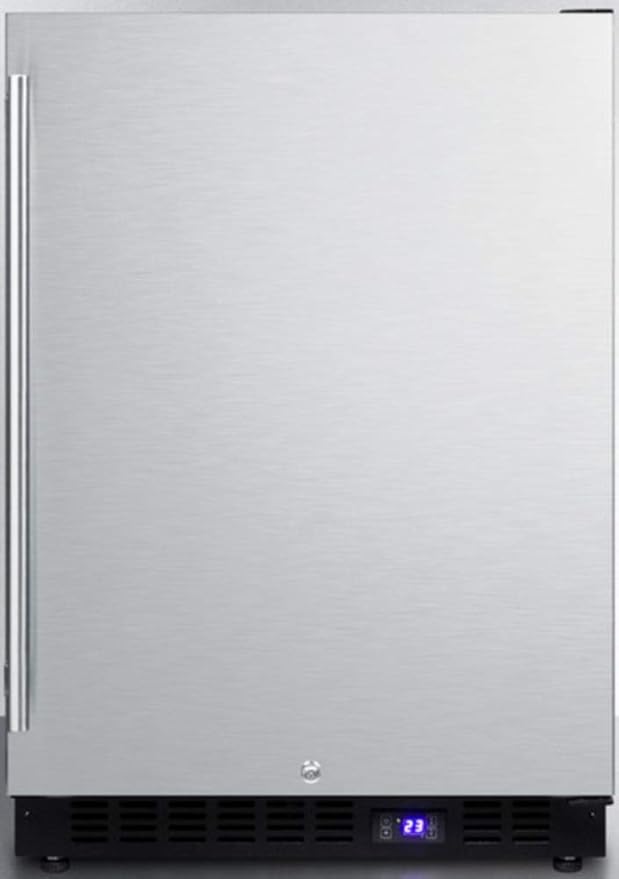
Drawer fridge freezers are a modern and innovative solution for refrigeration. These appliances feature pull-out drawers instead of the traditional door design, providing easy access to your food items. They are typically built into cabinetry, making them a popular choice for kitchens with a streamlined and integrated look.
Drawer fridge freezers offer flexibility in terms of placement, allowing you to install them at a convenient height. This can make it easier to access frequently used items without bending or reaching. They also provide better organization by separating food items into different drawers, reducing the risk of cross-contamination and making it easier to find what you need.
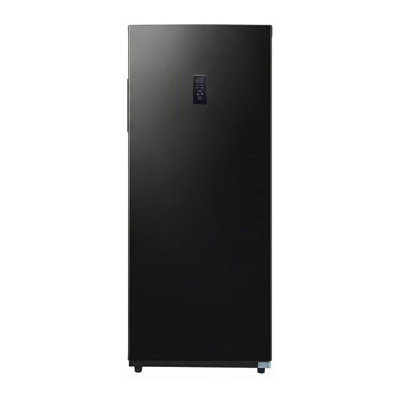
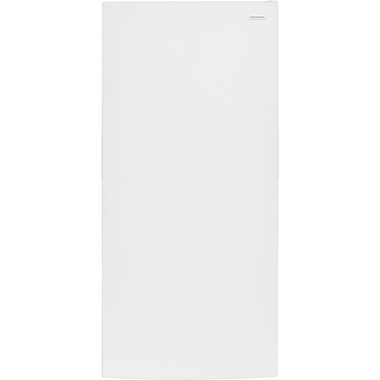
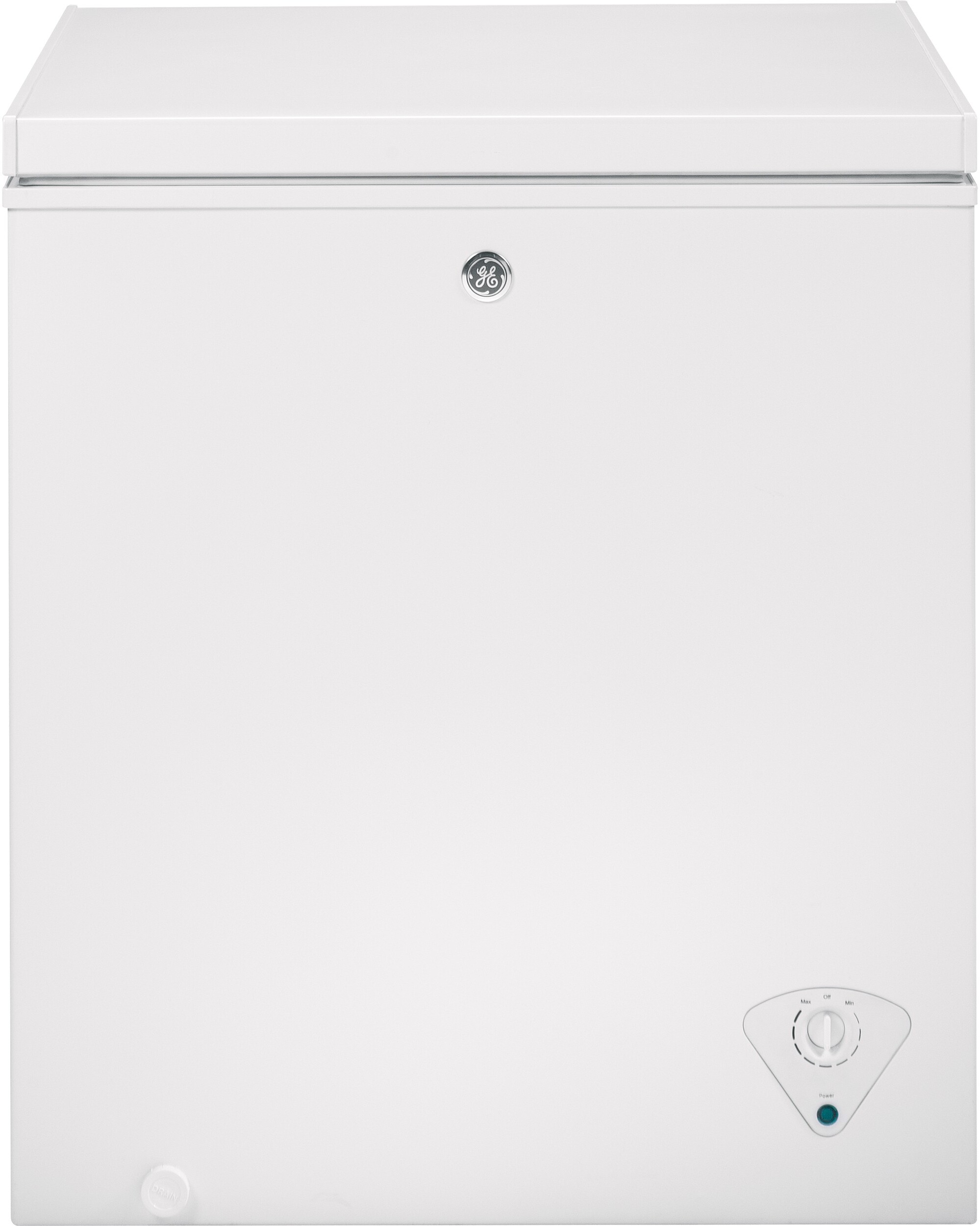
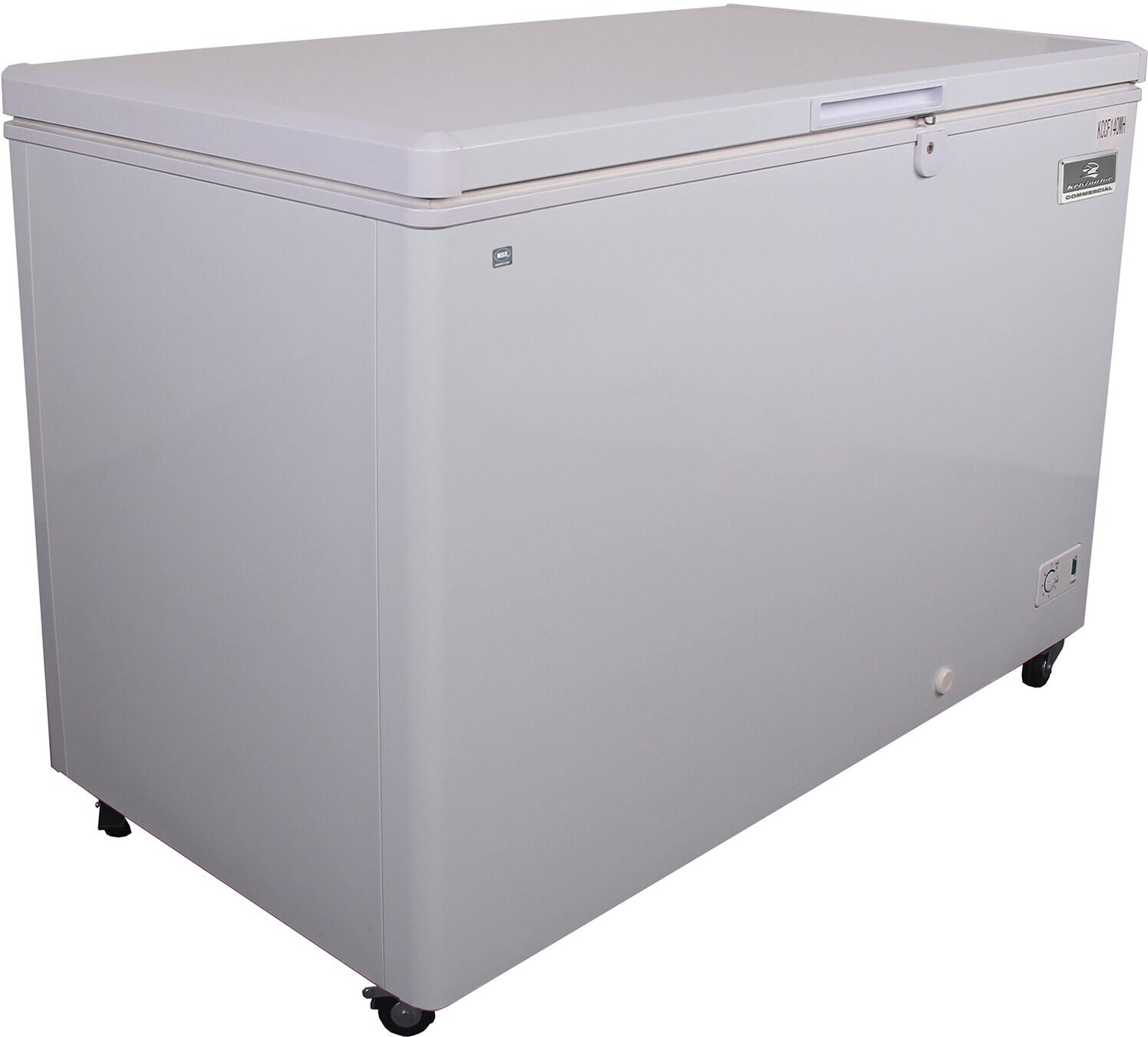
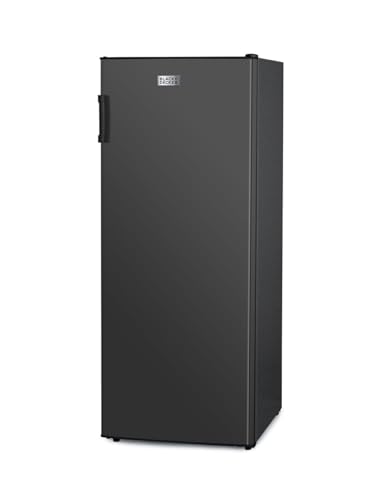
Freestanding refrigerators are the most common type of refrigerator found in homes. These units are self-contained and can be placed anywhere in your kitchen or other areas of your home. They come in various sizes, styles, and configurations, such as top-freezer, bottom-freezer, side-by-side, and French door models.
Freestanding refrigerators are known for their versatility and ease of installation. They offer ample storage space and are available in a wide range of designs to suit different kitchen aesthetics. Additionally, they often come with advanced features like water dispensers, ice makers, and smart technology.
Feature
Freestanding Refrigerators
Design
Standalone, versatile placement
Access
Traditional door design
Organization
Various configurations (top-freezer, bottom-freezer, etc.)
Understanding these refrigeration options will help you make an informed decision based on your specific needs and preferences. Whether you choose a drawer fridge freezer for its modern design and organization or a freestanding refrigerator for its versatility and features, both options provide excellent solutions for keeping your food fresh. For further comparisons, visit Fridge.com article on built in ice maker Vs. freestanding refrigerator.
Features and Functionality
When comparing drawer fridge freezers and freestanding refrigerators, it's crucial to understand their distinct design and layout features, which can significantly impact their functionality in your space.
Design and Layout of Drawer Fridge Freezers
Drawer fridge freezers are designed to blend seamlessly into your cabinetry, providing a sleek and integrated look. These units typically consist of multiple drawers that can be used for refrigeration, freezing, or both. The design allows for easy access to stored items without the need to bend down or reach into deep shelves.
Key Features:
Integrated Design: Fits flush with cabinetry for a streamlined appearance.
Multiple Drawers: Allows for separate storage zones, enhancing organization.
Ease of Access: Drawers slide out smoothly, making it easier to locate items.
Customizable Temperature Zones: Some models offer adjustable temperature settings for different drawers.
Feature
Benefit
Integrated Design
Seamless look with cabinetry
Multiple Drawers
Enhanced organization
Ease of Access
Convenient and ergonomic
Customizable Temperature Zones
Tailored storage conditions
Design and Layout of Freestanding Refrigerators
Freestanding refrigerators are versatile and can be placed anywhere in your kitchen or other areas. They come in various sizes, styles, and configurations, including top-freezer, bottom-freezer, side-by-side, and French door models. Their design often features adjustable shelves and door bins, providing flexible storage options.
Key Features:
Versatility: Can be positioned anywhere with an electrical outlet.
Variety of Configurations: Offers different styles to suit your storage needs.
Adjustable Shelves: Allows for customization of interior space.
Door Bins: Provides additional storage for smaller items.
Feature
Benefit
Versatility
Flexible placement options
Variety of Configurations
Customizable styles and sizes
Adjustable Shelves
Flexible interior space
Door Bins
Additional storage
Both drawer fridge freezers and freestanding refrigerators have unique design and layout features that cater to different needs and preferences. Whether you prioritize the seamless integration of drawer fridge freezers or the versatility of freestanding refrigerators, understanding these aspects will help you make an informed decision. For more comparisons, check out Fridge.com articles on column freezer Vs. standard fridge size and 4 door refrigerator Vs. kegerator.
Proper installation and placement are key when deciding between a drawer fridge freezer and a freestanding refrigerator. Each type requires different considerations to ensure optimal performance and convenience.
Considerations for Installing Drawer Fridge Freezers
Drawer fridge freezers are designed to be integrated seamlessly into your cabinetry, offering a sleek and modern look. Here are some considerations for their installation:
Built-In Design: Drawer fridge freezers are typically built into kitchen cabinets or islands. Ensure that the space is measured accurately to fit the unit.
Ventilation: Proper ventilation is crucial. Make sure there is enough space around the unit for air circulation to prevent overheating.
Electrical Outlet: Locate a nearby electrical outlet for easy connection. It should be positioned in a way that is not obstructed by the cabinetry.
Accessibility: Install the drawer fridge freezer at a height that is convenient for access. This is especially important for frequently used items.
Professional Installation: Due to the complexity of fitting these units into cabinetry, professional installation is often recommended.
Consideration
Requirement
Built-In Design
Accurate measurement for cabinetry integration
Ventilation
Adequate space for air circulation
Electrical Outlet
Proximity without obstruction
Accessibility
Convenient height for frequent access
Installation
Professional installation recommended
Considerations for Installing Freestanding Refrigerators
Freestanding refrigerators offer more flexibility in terms of placement. Here are some considerations for their installation:
Space Requirements: Measure the space where you plan to place the refrigerator. Ensure there is enough room for the doors to open fully.
Flooring: The floor should be level and sturdy enough to support the weight of the refrigerator. Uneven flooring can affect the appliance's performance.
Electrical Outlet: Similar to drawer fridge freezers, ensure there is a nearby electrical outlet. The cord should be able to reach without being stretched.
Ventilation: Freestanding refrigerators require adequate ventilation around the sides and back. Check the manufacturer’s guidelines for specific clearance recommendations.
Mobility: These refrigerators can be moved easily, which is useful for cleaning or repositioning. Consider this flexibility when planning the placement.
Consideration
Requirement
Space Requirements
Enough room for doors to open fully
Flooring
Level and sturdy flooring
Electrical Outlet
Nearby and easily accessible
Ventilation
Adequate clearance per manufacturer guidelines
Mobility
Easy to move for cleaning or repositioning
When deciding between a drawer fridge freezer Vs. freestanding refrigerator, consider your kitchen layout, space availability, and personal preferences. Each type has its own set of installation requirements and benefits, making it important to choose the one that best fits your needs. For more information on different refrigeration options, visit Fridge.com articles on built in ice maker Vs. freestanding refrigerator and double drawer refrigerator Vs. platinum refrigerator.
Energy Efficiency and Maintenance
When comparing drawer fridge freezers and freestanding refrigerators, energy efficiency and maintenance are crucial factors to consider. Both types of refrigeration units have their own characteristics that affect energy consumption and upkeep.
Energy Efficiency of Drawer Fridge Freezers
Drawer fridge freezers are designed to be more accessible and user-friendly. Their energy efficiency can vary based on several factors, including the model and design. Typically, drawer fridge freezers provide efficiency through compartmentalized storage, which can help maintain optimal temperatures with minimal energy use.
Feature
Drawer Fridge Freezers
Average Energy Consumption (kWh/year)
400 - 500
Temperature Control
Precise
Energy Efficiency of Freestanding Refrigerators
Freestanding refrigerators often have a larger storage capacity and are more traditional in design. Their energy efficiency depends on the size, insulation, and compressor technology used. Modern freestanding refrigerators are built with energy-saving features that can significantly reduce electricity usage.
Feature
Freestanding Refrigerators
Average Energy Consumption (kWh/year)
300 - 600
Temperature Control
Adjustable
For more in-depth comparisons, you can explore Fridge.com articles on column freezer Vs. standard fridge size and mini freezer Vs. smart fridge.
Efficient energy use not only helps reduce electricity bills but also contributes to a lower environmental impact. When deciding between drawer fridge freezers and freestanding refrigerators, consider the energy efficiency ratings and features that best suit your needs. For additional insights, check out Fridge.com comparison of black stainless refrigerator Vs. garage refrigerator.
Capacity and Storage Options
When comparing the storage options of drawer fridge freezers and freestanding refrigerators, it's essential to consider the unique features and capacities each type offers. Understanding these differences can help you make an informed decision based on your specific needs.
Storage Capacity of Drawer Fridge Freezers
Drawer fridge freezers are designed for convenience and accessibility. They typically consist of multiple drawers that can be pulled out for easy access to your stored items. These units are often used in kitchens for additional storage or in smaller spaces where a traditional refrigerator might not fit.
Drawer Fridge Freezer
Capacity (cu. ft.)
Small Drawer Unit
2 - 4
Medium Drawer Unit
4 - 6
Large Drawer Unit
6 - 8
Drawer fridge freezers provide a modular approach to storage, allowing you to organize items efficiently. However, their overall capacity is generally smaller compared to freestanding refrigerators. They are an excellent option for those who need extra refrigeration space without taking up too much room.
Storage Capacity of Freestanding Refrigerators
Freestanding refrigerators offer a more traditional approach to food storage. They come in various sizes and designs, providing a range of storage capacities suitable for different household needs. These units often feature multiple compartments, including shelves, drawers, and door bins, to maximize storage space.
Freestanding Refrigerator
Capacity (cu. ft.)
Compact Unit
10 - 12
Standard Unit
18 - 22
Large Unit
22 - 30
Freestanding refrigerators generally provide a larger storage capacity compared to drawer fridge freezers. They are ideal for families or individuals who require ample space for groceries and other perishable items. Additionally, many freestanding refrigerators come with advanced features such as adjustable shelves and humidity-controlled drawers, enhancing their versatility.
When deciding between a drawer fridge freezer and a freestanding refrigerator, consider the amount of storage you need and how you prefer to organize your items. For more insights on different refrigeration options, check out Fridge.com articles on column freezer Vs. standard fridge size and freestanding refrigerator Vs. skincare fridge.
When deciding between a drawer fridge freezer and a freestanding refrigerator, it's essential to consider various factors to ensure you make the best choice for your needs. Below, Fridge.com outlines the key factors to consider and provide guidance on making an informed decision.
Factors to Consider When Choosing Between Drawer Fridge Freezers and Freestanding Refrigerators
Several elements play a role in determining which type of refrigerator is best suited for you. Here are some crucial factors to keep in mind:
Space and Placement
Drawer Fridge Freezers: Ideal for spaces with limited room, such as under countertops or in kitchen islands. They offer a sleek, built-in look.
Freestanding Refrigerators: Suitable for larger spaces where there is no need for custom cabinetry. They can be placed anywhere with adequate ventilation.
Design and Aesthetics
Drawer Fridge Freezers: Provide a modern, integrated appearance. They blend seamlessly with existing cabinetry and are often used in high-end kitchen designs.
Freestanding Refrigerators: Available in a variety of styles and finishes, offering more flexibility in terms of appearance. They can be a focal point in the kitchen.
Accessibility and Convenience
Drawer Fridge Freezers: Offer easy access to items at waist level, reducing the need to bend down. They are user-friendly for people with mobility issues.
Freestanding Refrigerators: Typically have more storage compartments, which can be more convenient for organizing a larger variety of items.
Capacity and Storage
Drawer Fridge Freezers: Generally have smaller storage capacities, making them suitable for smaller households or as secondary refrigeration units.
Freestanding Refrigerators: Offer larger storage capacities, ideal for families or those who require more space for groceries.
Feature
Drawer Fridge Freezer
Freestanding Refrigerator
Space and Placement
Compact, under-counter
Flexible, larger spaces
Design and Aesthetics
Seamless, integrated look
Variety of styles and finishes
Accessibility
Easy access, waist level
More compartments, larger capacity
Capacity and Storage
Smaller, secondary unit
Larger, primary unit
Making an Informed Decision for Your Refrigeration Needs
To make the best choice between a drawer fridge freezer and a freestanding refrigerator, consider the following steps:
Assess Your Space: Measure the available space and determine where the refrigerator will be placed. Ensure there is adequate ventilation and clearance for doors or drawers to open fully.
Identify Your Storage Needs: Evaluate how much storage capacity you require. Consider your shopping habits, the size of your household, and any special storage requirements.
Evaluate Aesthetic Preferences: Decide which style aligns with your kitchen design. If you prefer a seamless look, a drawer fridge freezer may be the better option. For more flexibility in design, a freestanding refrigerator could be ideal.
Consider Accessibility: Think about how often you access your refrigerator and what items you store most frequently. Drawer fridge freezers offer ease of access, while freestanding refrigerators provide more organizational options.
By carefully evaluating these factors, you can make a well-informed decision that suits your refrigeration needs and enhances the functionality and aesthetics of your kitchen. For further comparisons, explore Fridge.com articles on column freezer Vs. standard fridge size and built in ice maker Vs. freestanding refrigerator.
Compare prices on Fridge.com
Compare current prices and specifications on Fridge.com, then buy from the retailer you choose; delivery, installation and warranty terms are the retailer’s.
It also has tons of awesome articles about kitchen stuff and home news. Enhance your home, garage, backyard, patio, and office with the coolest essentials. With every necessary type of residential refrigerator or freezer in the collection, you're covered.
From Fridge.com research
Figures below come from data Fridge.com builds and maintains. Each links to the record behind it.
Fridge.com Energy Index, built on U.S. EPA and DOE ENERGY STAR records
Across 5,455 ENERGY STAR certified refrigerators and freezers from 263 brands, median use is 360 kWh per year.