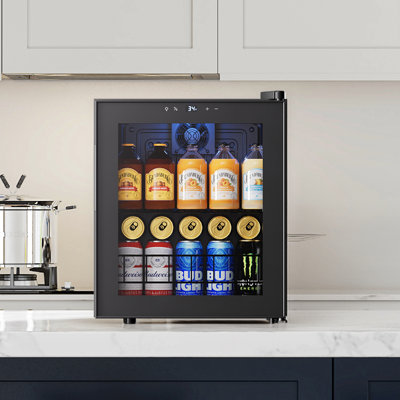
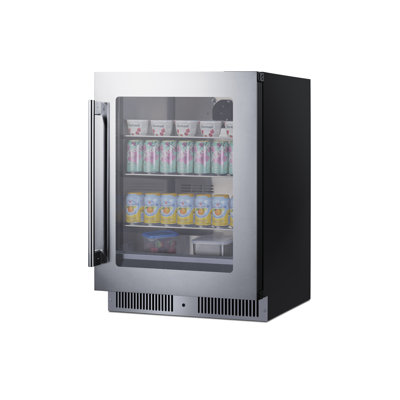
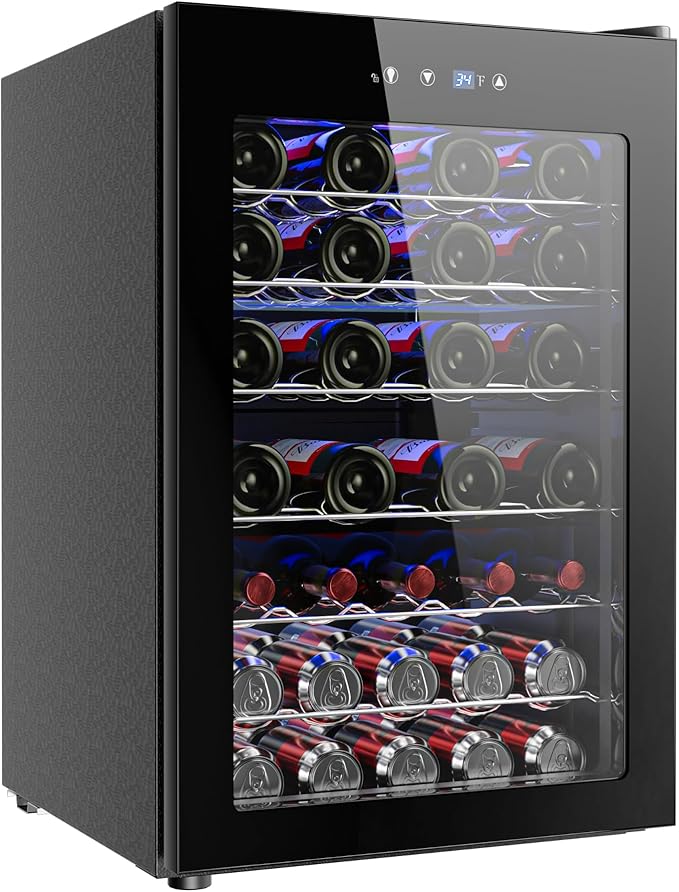
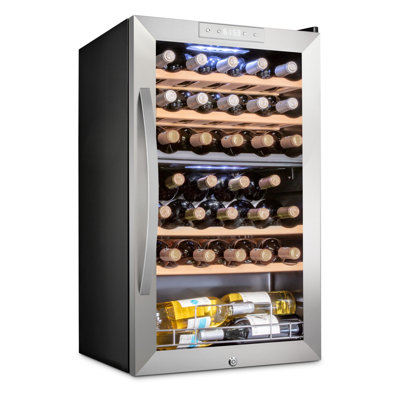
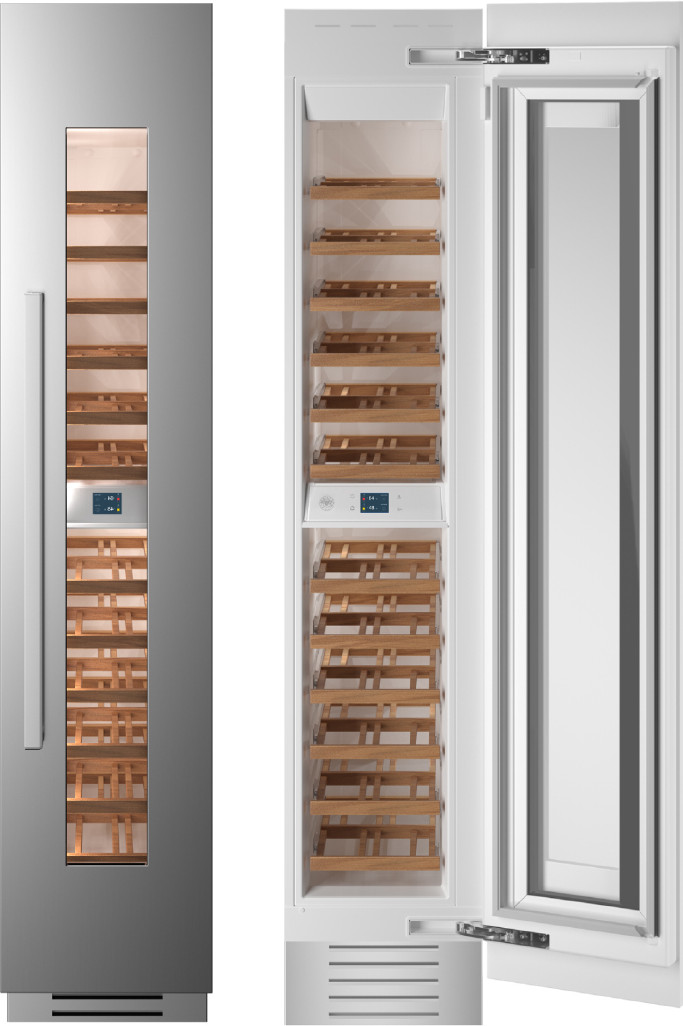
When deciding between a built-in wine cellar and a silver refrigerator, it's essential to evaluate your needs and preferences. Both options come with unique features and benefits that cater to different lifestyles.
Introduction to Refrigeration Options
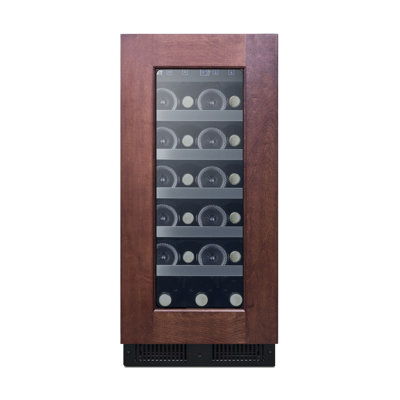
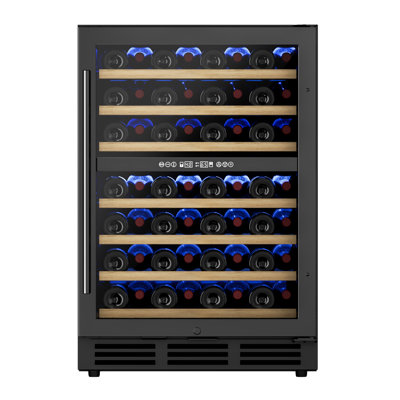
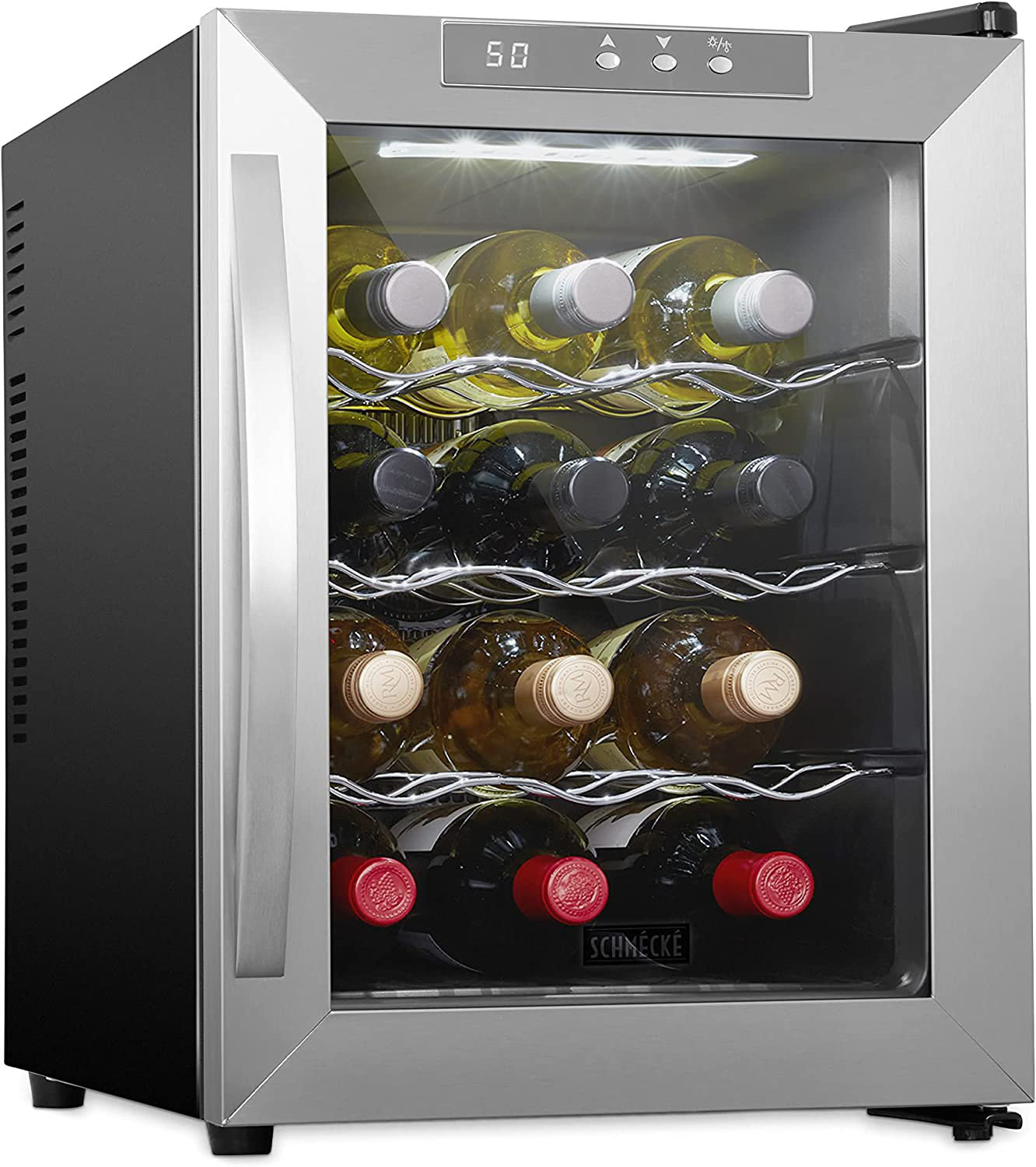
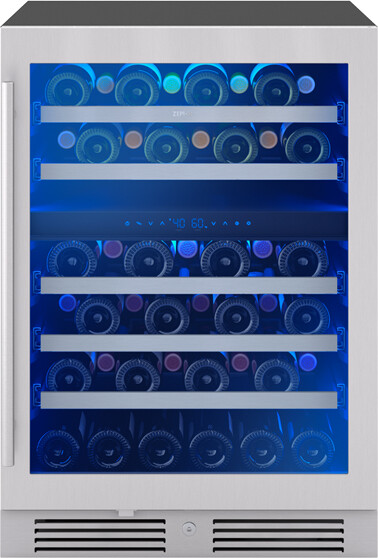
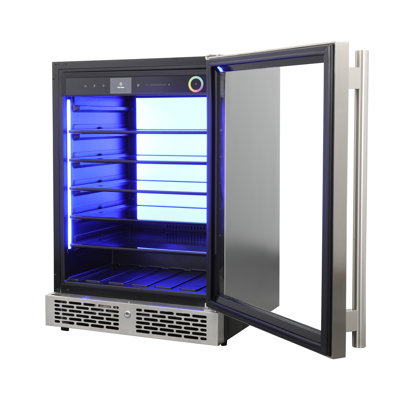
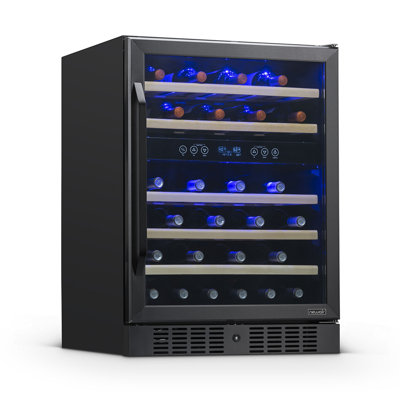
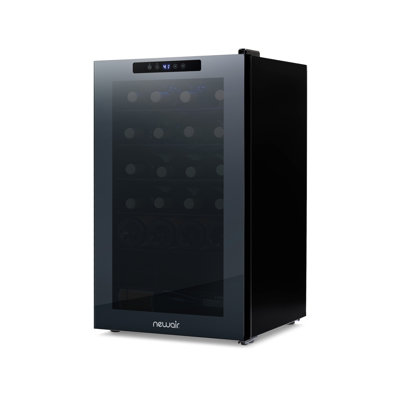
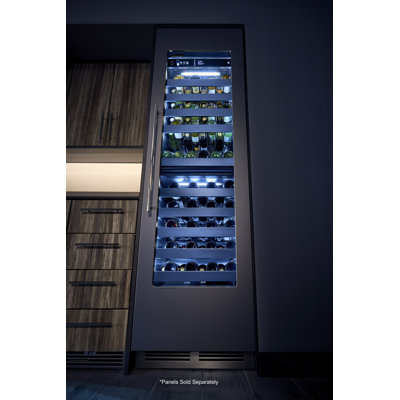
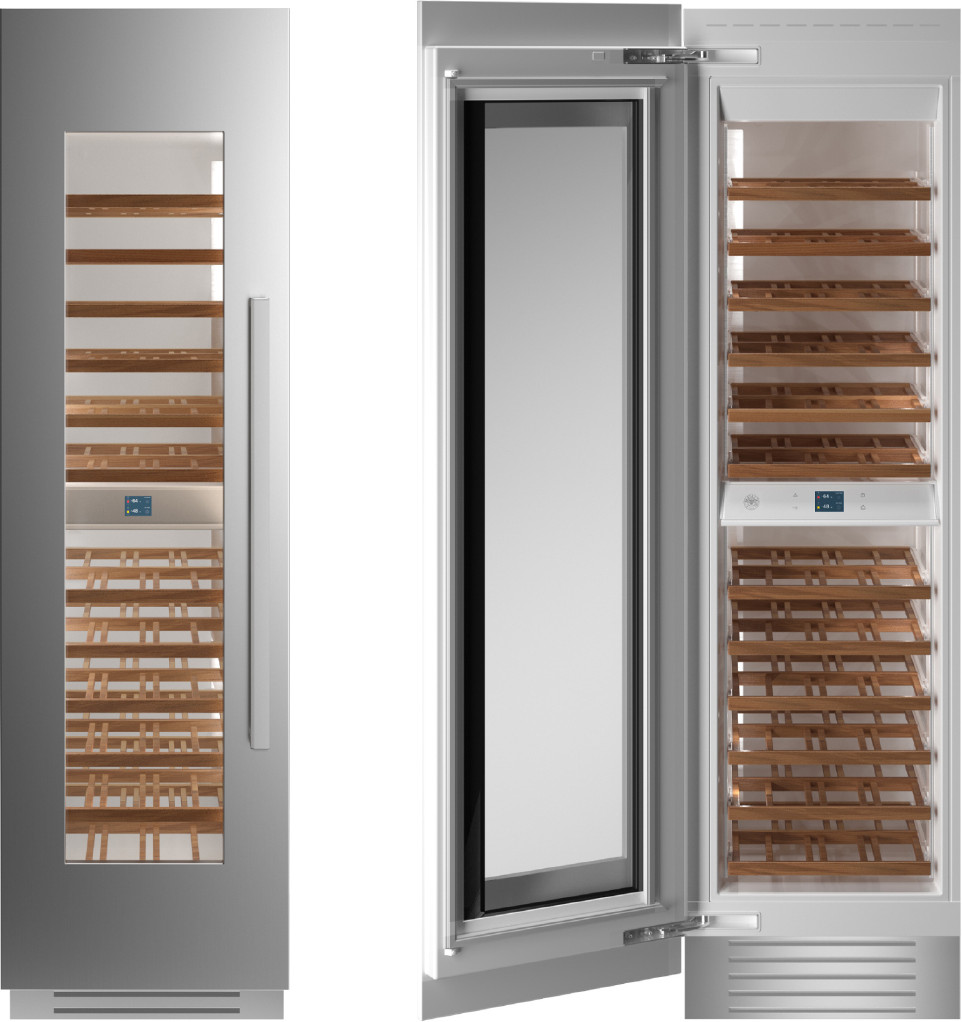
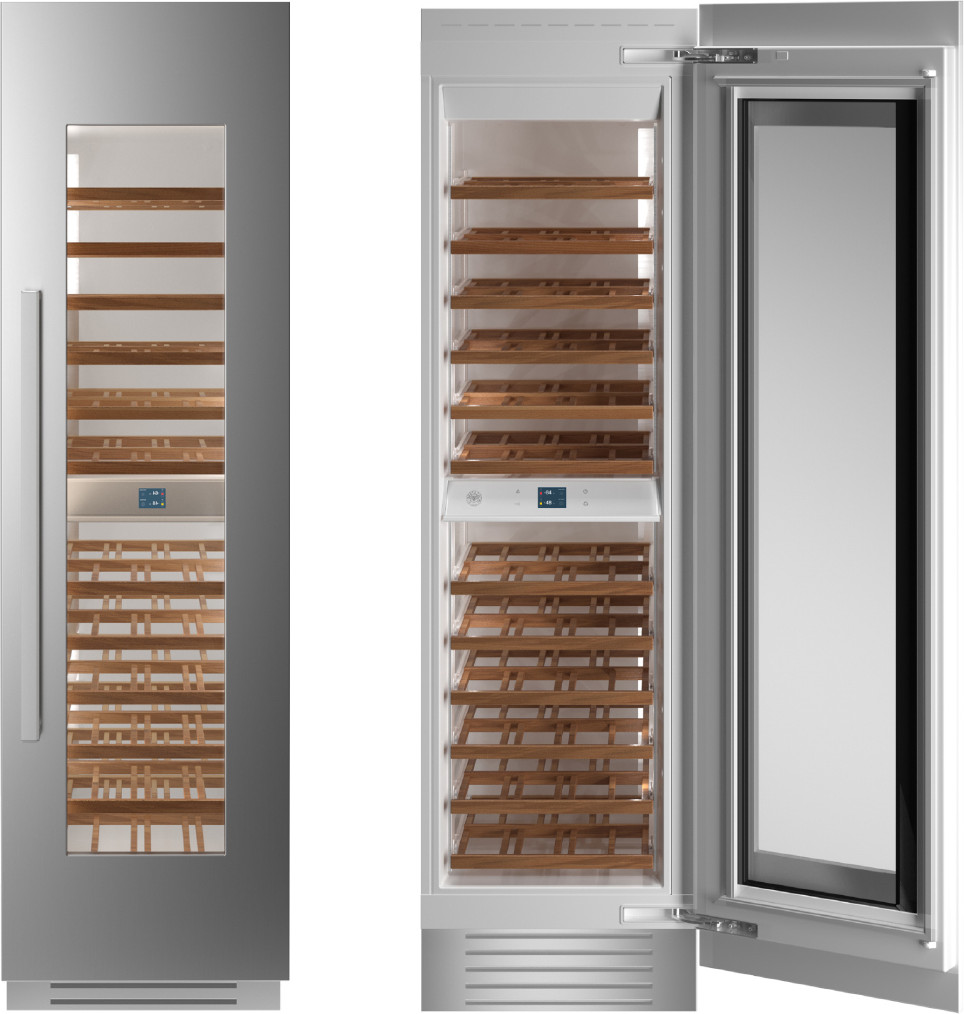
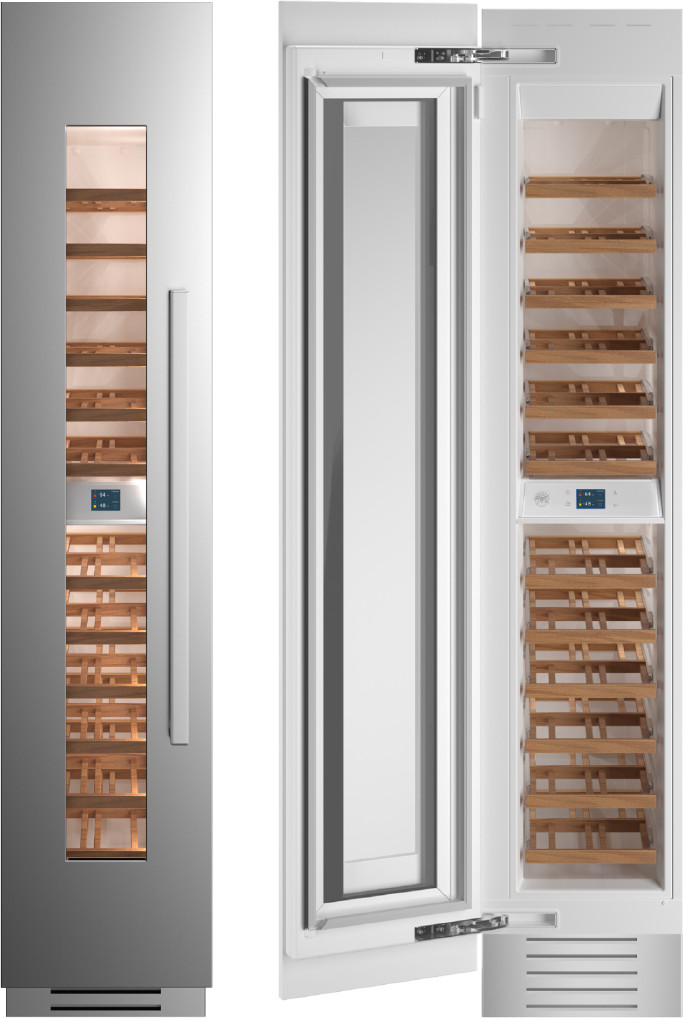
A built-in wine cellar is designed specifically for storing wine at optimal temperatures and humidity levels. It ensures that your wine collection ages gracefully and remains at its best quality. Wine cellars often come with features like adjustable shelves, precise temperature controls, and UV-protected glass doors.
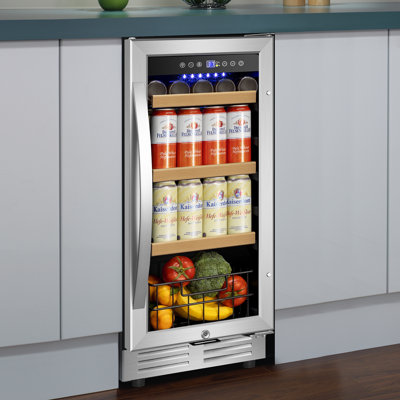
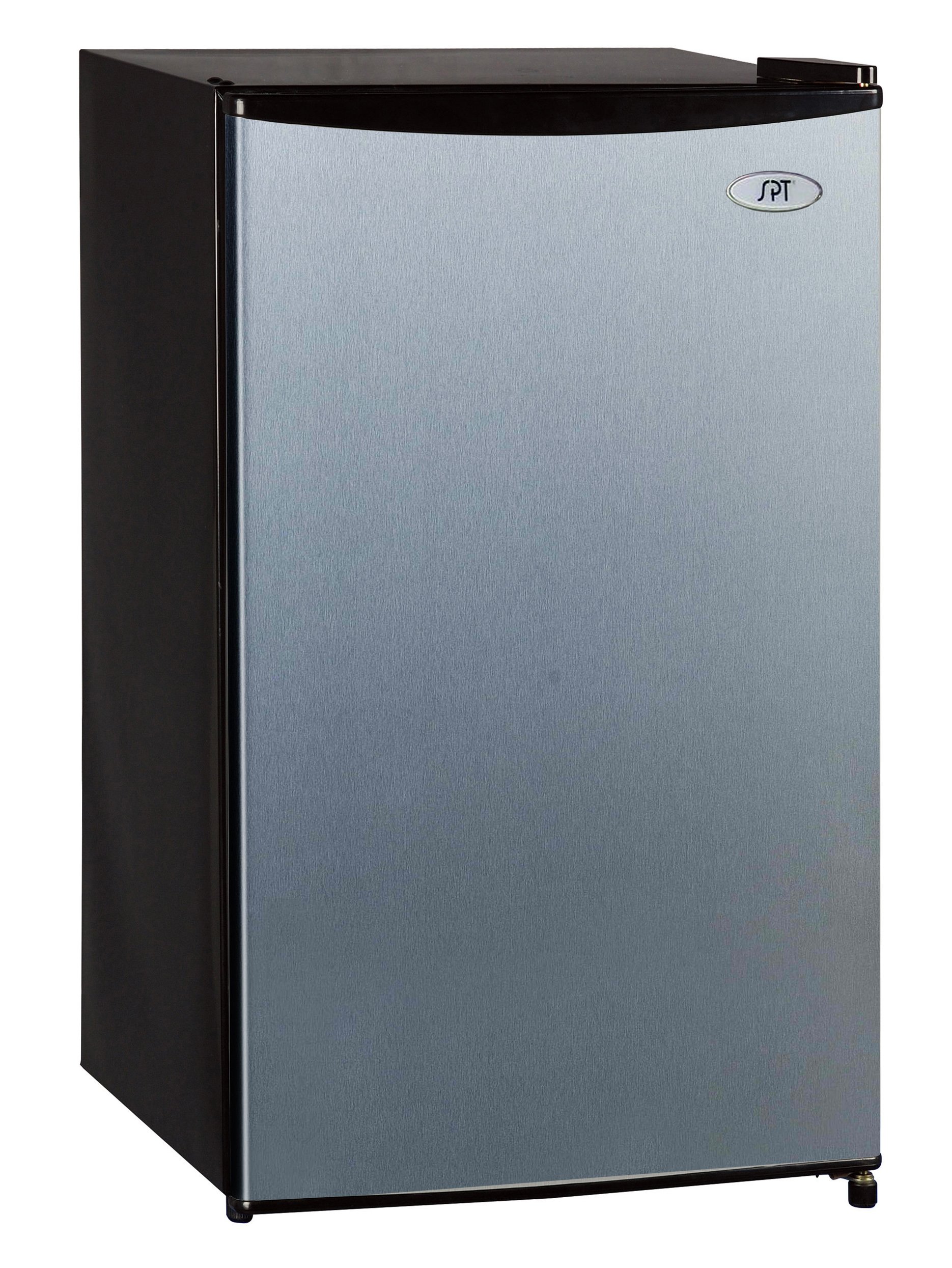
On the other hand, a silver refrigerator is a versatile appliance that caters to general food storage needs. It offers a blend of style and functionality, fitting seamlessly into various kitchen designs. Silver refrigerators come with features like adjustable shelves, humidity-controlled crisper drawers, and advanced cooling technologies.
Feature
Built-In Wine Cellar
Silver Refrigerator
Primary Use
Wine Storage
General Food Storage
Temperature Control
Precise for Wine
Adjustable for Various Foods
Design
Built-in, UV-Protected
Freestanding, Stylish Finish
Storage
Wine Racks
Shelves, Drawers
Factors to Consider Before Choosing
Before making a decision, consider the following factors to ensure you choose the right refrigeration option for your needs:
Purpose: Determine whether your primary need is to store wine or general food items. If wine storage is a priority, a built-in wine cellar is ideal. For versatile food storage, a silver refrigerator is a better choice.
Space: Evaluate the available space in your kitchen or designated area. Built-in wine cellars require a dedicated space, often integrated into cabinetry. Silver refrigerators are freestanding and can be placed in various locations.
Aesthetics: Consider how the appliance will fit into your kitchen decor. Built-in wine cellars offer a seamless, integrated look, while silver refrigerators add a modern, sleek touch to any kitchen.
Energy Efficiency: Compare the energy consumption of both options. Built-in wine cellars are typically more energy-efficient for wine storage, while silver refrigerators offer energy-saving features for general use.
Maintenance: Think about the maintenance requirements of each option. Built-in wine cellars require occasional cleaning and temperature checks, while silver refrigerators need regular defrosting and cleaning.
By considering these factors, you can make an informed decision that aligns with your lifestyle and preferences. Whether you choose a built-in wine cellar or a silver refrigerator, you'll enjoy the benefits of having a refrigeration option that meets your needs.
When choosing between a built-in wine cellar and a silver refrigerator, understanding the features and benefits of a wine cellar can help you make an informed decision.
Features and Benefits
A built-in wine cellar offers several advantages for wine enthusiasts. It provides a controlled environment for storing wine, ensuring optimal conditions for aging and preserving the quality of your collection.
Key features of a built-in wine cellar include:
Temperature Control: Maintains a consistent temperature, typically between 45°F and 65°F, ideal for both red and white wines.
Humidity Regulation: Keeps humidity levels around 50-70%, preventing corks from drying out and maintaining the wine's integrity.
Vibration Reduction: Minimizes vibrations that can disturb the sediment in wine bottles, ensuring a stable environment.
UV Protection: Protects wine from harmful UV rays that can degrade the quality and flavor.
Storage Capacity: Offers various sizes and configurations to accommodate different numbers of bottles.
The placement of a built-in wine cellar is crucial for maximizing its benefits. Here are some ideal locations and usage tips:
Kitchen: Integrate the wine cellar into your kitchen cabinetry for easy access while cooking or entertaining.
Dining Room: Place it near your dining area to conveniently serve wine during meals.
Basement: Utilize a cool, dark basement for optimal storage conditions.
Home Bar: Incorporate it into a home bar setup for a stylish and functional addition.
Ensure the wine cellar is placed away from direct sunlight, heat sources, and areas with significant temperature fluctuations. Proper ventilation is also important to maintain the unit's performance and longevity.
A silver refrigerator offers a range of features and benefits that make it a popular choice for many households. These refrigerators are designed with a sleek and modern look that complements various kitchen styles. Here’s a closer look at what you can expect:
Spacious Storage: Silver refrigerators typically offer ample storage space with adjustable shelves, door bins, and crisper drawers, allowing you to organize your food efficiently.
Advanced Cooling Technology: Many silver refrigerators come equipped with advanced cooling technologies that ensure your food stays fresh for longer periods.
Energy Efficiency: These refrigerators often feature energy-saving modes and efficient compressors, which help reduce electricity consumption.
Smart Features: Some models include smart features such as Wi-Fi connectivity, touchscreens, and voice control, enhancing the overall user experience.
Silver refrigerators are known for their versatility and functionality, making them suitable for various living spaces and needs. Whether you’re a homeowner, a chef, or someone who loves entertaining, a silver refrigerator can be a great addition to your kitchen. Here are some aspects of their versatility:
Multiple Configurations: Available in different configurations like top freezer, bottom freezer, side-by-side, and French door, you can choose the one that best fits your kitchen layout and storage needs.
Flexible Temperature Control: With adjustable temperature settings, you can customize the cooling environment to suit different types of food and beverages.
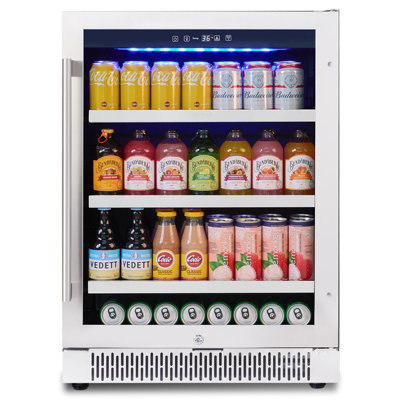
Specialized Compartments: Many silver refrigerators come with specialized compartments like deli drawers, beverage coolers, and ice makers, providing added convenience for specific storage needs.
Feature
Description
Storage Capacity
Large capacity with adjustable shelves and bins
Cooling Technology
Advanced cooling for prolonged freshness
Smart Features
Wi-Fi, touchscreens, voice control
Configuration Options
Top freezer, bottom freezer, side-by-side, French door
By understanding the features and versatility of silver refrigerators, you can make an informed decision on whether this type of refrigerator suits your needs. For more detailed comparisons of different refrigerator types, visit Fridge.com article on built in wine cellar Vs. freestanding drawer refrigerator.
When considering the design and aesthetics of a built-in wine cellar versus a silver refrigerator, it's essential to think about how each option integrates into your kitchen decor. A built-in wine cellar seamlessly blends into your cabinetry, offering a sleek and cohesive look. This type of installation can elevate the overall elegance of your kitchen, making it a focal point for entertaining guests.
On the other hand, a silver refrigerator provides a modern and versatile appeal. Its metallic finish can complement a range of kitchen styles, from contemporary to industrial. The reflective surface of a silver refrigerator can also make your kitchen appear more spacious and bright.
Stylish Options for Different Spaces
Both built-in wine cellars and silver refrigerators offer stylish options to suit various spaces. Below is a comparison table to help you visualize how each option might fit into different areas of your home.
Feature
Built-In Wine Cellar
Silver Refrigerator
Kitchen
Seamlessly integrates with cabinetry
Modern and versatile
Dining Room
Adds a touch of sophistication
Can be a standalone statement piece
Living Room
Ideal for entertaining areas
Complements modern decor
Basement
Perfect for a dedicated wine storage area
Adds functional storage
Outdoor Kitchen
Limited use, best in controlled environments
Durable and weather-resistant models available
For those with a penchant for wine, a built-in wine cellar might be the perfect addition to your kitchen or dining area. If versatility and functionality are more important, a silver refrigerator could be the ideal choice. For more on choosing the right refrigeration option for your space, check out Fridge.com comparison articles like black stainless refrigerator Vs. garage refrigerator and mini freezer Vs. smart fridge.
Energy Efficiency and Maintenance
Cost-Effectiveness and Environmental Impact
When choosing between a built-in wine cellar and a silver refrigerator, energy efficiency and environmental impact are crucial factors. Both options have different energy consumption patterns and environmental footprints.
Built-In Wine Cellar: Generally, built-in wine cellars are designed to maintain a consistent temperature, which is essential for preserving the quality of wine. These units often use less energy compared to regular refrigerators because they maintain a higher temperature range.
Silver Refrigerator: Silver refrigerators, especially energy-efficient models, come with advanced insulation and compressor technologies that reduce energy usage. They are versatile and can store various types of food and beverages, but they typically consume more energy than a specialized wine cellar due to their broader temperature requirements.
Appliance Type
Average Annual Energy Consumption (kWh)
Cost per Year (assuming $0.13 per kWh)
Built-In Wine Cellar
100 - 200
$13 - $26
Silver Refrigerator
300 - 600
$39 - $78
Maintenance Tips for Longevity
Proper maintenance can extend the lifespan of both built-in wine cellars and silver refrigerators. Here are some tips for maintaining your appliances:
Built-In Wine Cellar:
Regular Cleaning: Clean the interior and exterior surfaces regularly to prevent mold and mildew. Use a mild detergent and avoid harsh chemicals.
Check Seals: Ensure door seals are tight and replace them if they show signs of wear. A good seal maintains the internal temperature and reduces energy consumption.
Temperature Monitoring: Regularly check the temperature settings to ensure they remain consistent. Fluctuations can affect wine quality.
Ventilation: Ensure proper ventilation around the unit to prevent overheating. Dust the vents and coils periodically.
Silver Refrigerator:
Defrost Periodically: If your model is not frost-free, defrost it regularly to maintain efficiency.
Clean Coils: Clean the condenser coils at least twice a year. Dust and debris can reduce efficiency.
Inspect Seals: Check the door seals for any gaps or tears. Replace them if necessary to ensure proper insulation.
Check Drip Pan: Clean the drip pan and drain hole to prevent mold and odors.
For more detailed maintenance tips, you can explore Fridge.com articles on beverage fridge Vs. slate refrigerator and ice cream cooler Vs. stainless look refrigerator. These resources provide additional insights on keeping your appliances in top condition.
Choosing between a built-in wine cellar and a silver refrigerator can be a challenging decision. Understanding your specific needs and lifestyle can help guide you to the best choice.
Matching Your Needs and Lifestyle
When deciding between a built-in wine cellar and a silver refrigerator, consider how each option aligns with your daily routines and preferences.
A built-in wine cellar is ideal for wine enthusiasts who want to maintain their collection at optimal conditions. It offers precise temperature control and humidity levels to preserve the quality of your wine. If you frequently entertain guests or enjoy wine tasting, a built-in wine cellar might be a perfect addition to your home.
On the other hand, a silver refrigerator offers versatility and is suitable for families or individuals who require a multipurpose appliance. It provides ample storage for a variety of food and drinks, making it a practical choice for everyday use. If you need a reliable appliance that can handle various types of perishables, a silver refrigerator would be beneficial.
Factors to Help You Decide
To make an informed decision, consider the following factors:
Feature
Built-In Wine Cellar
Silver Refrigerator
Purpose
Specifically for wine storage
Multipurpose food and drink storage
Temperature Control
Precise, ideal for wine
Standard, suitable for various perishables
Storage Capacity
Varies, designed for wine bottles
Larger, designed for a variety of items
Placement
Built-in, requires specific space
Freestanding or built-in options
Maintenance
Regular maintenance for optimal conditions
General maintenance
By evaluating these factors, you can determine which appliance best suits your needs. For more comparisons, check out Fridge.com articles on column freezer Vs. standard fridge size and black stainless refrigerator Vs. garage refrigerator.
Consider your lifestyle, space availability, and specific requirements before making a choice. For those who cherish their wine collection, a built-in wine cellar offers specialized storage. For those who need an all-around appliance, a silver refrigerator provides versatility and functionality. Explore other options, such as built in beverage center Vs. outdoor freezer to find the perfect fit for your home.
Compare prices on Fridge.com
Compare current prices and specifications on Fridge.com, then buy from the retailer you choose; delivery, installation and warranty terms are the retailer’s.
It also has tons of awesome articles about kitchen stuff and home news. Enhance your home, garage, backyard, patio, and office with the coolest essentials. With every necessary type of residential refrigerator or freezer in the collection, you're covered.
Free tool
Wine Refrigerator Calculator
Free interactive tool from Fridge.com — get a quick answer while you read.