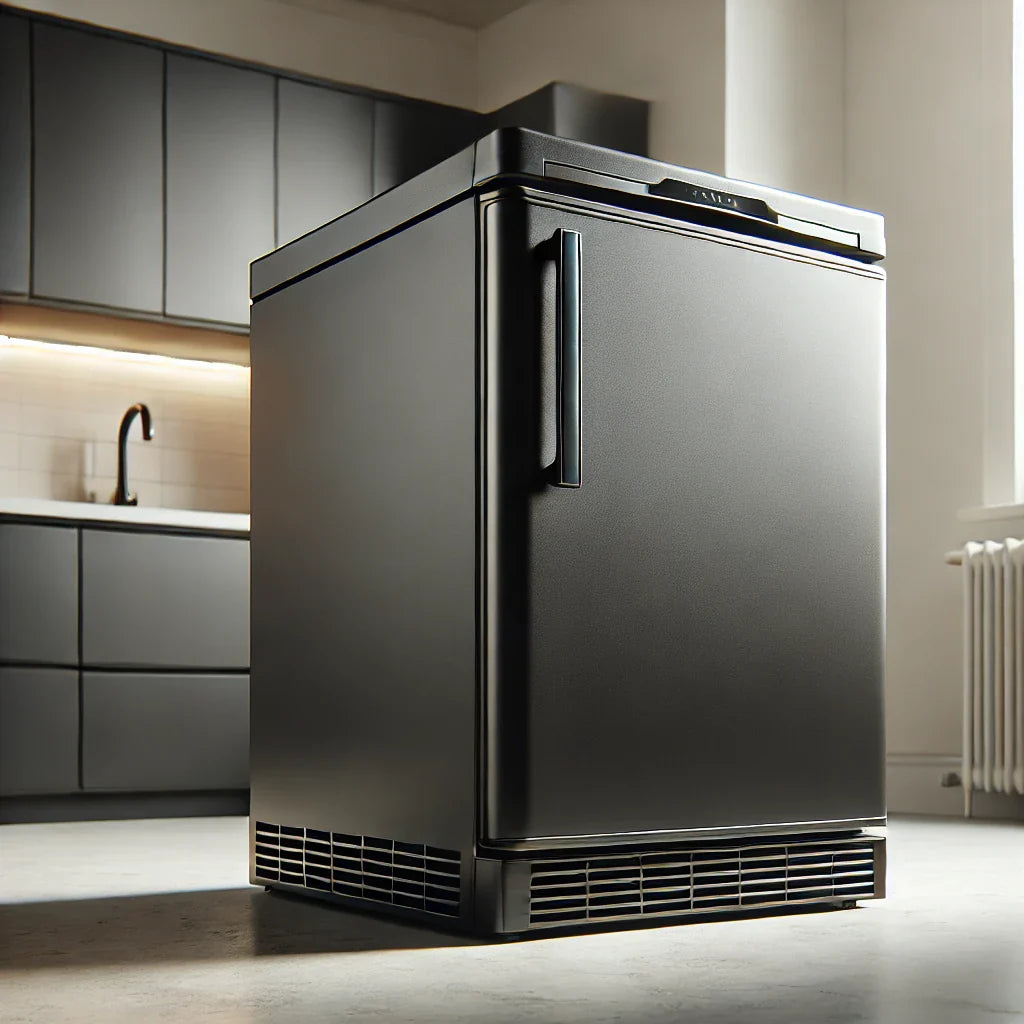
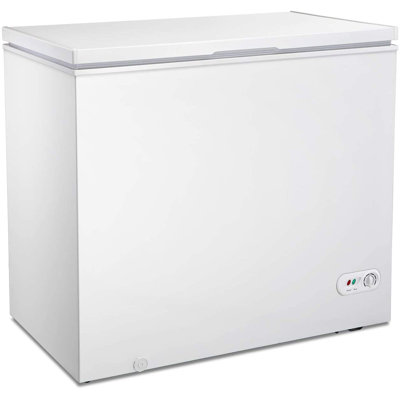
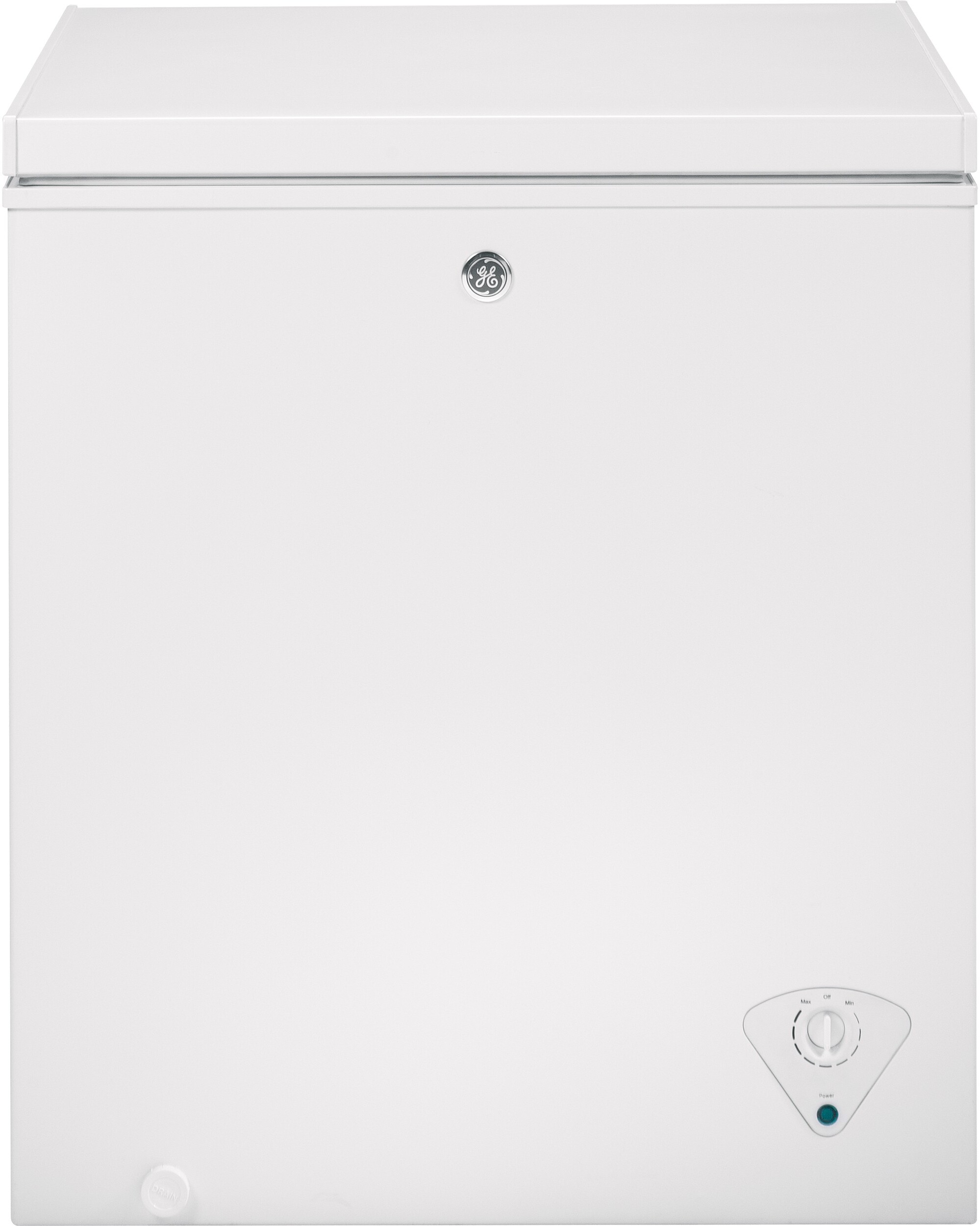
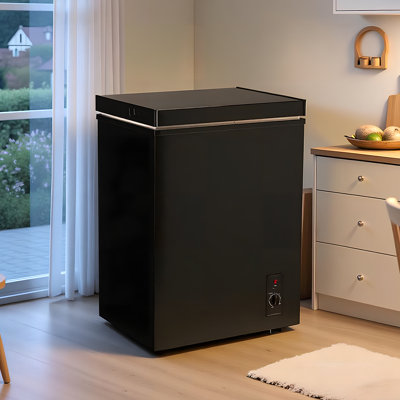
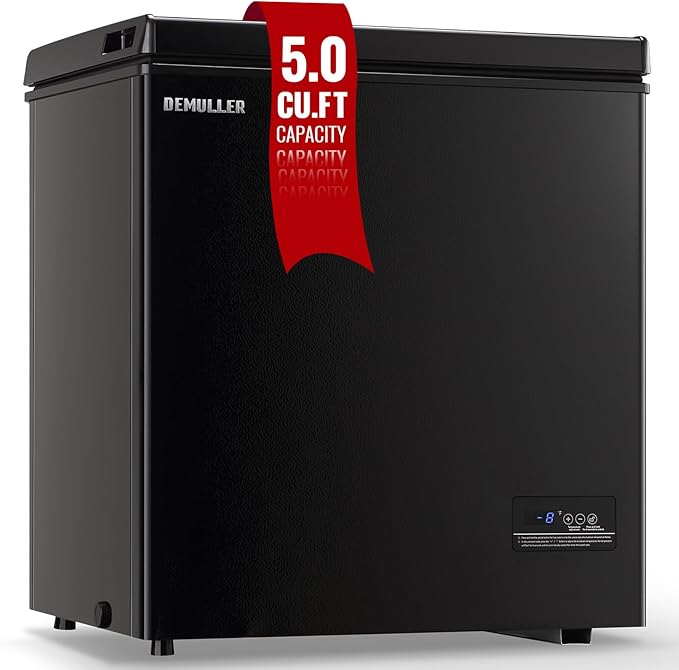
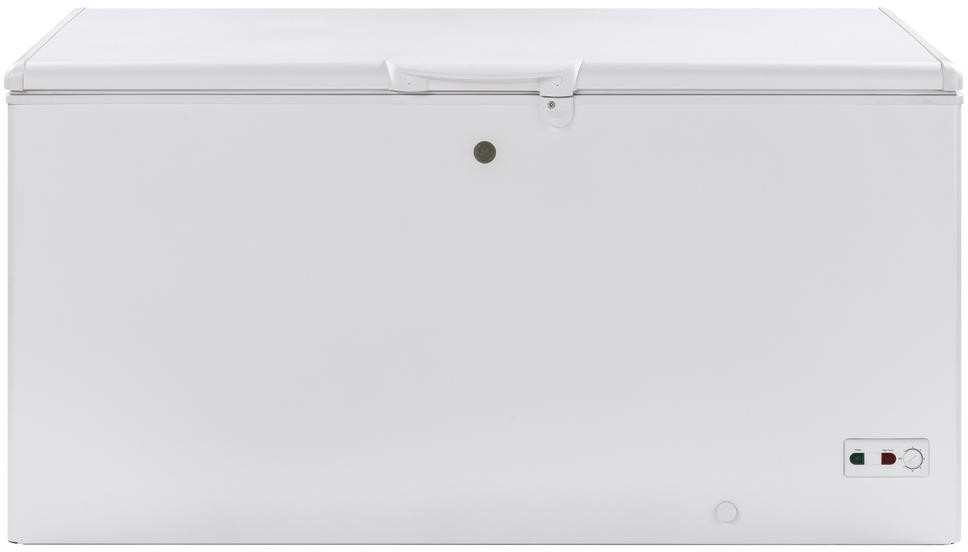
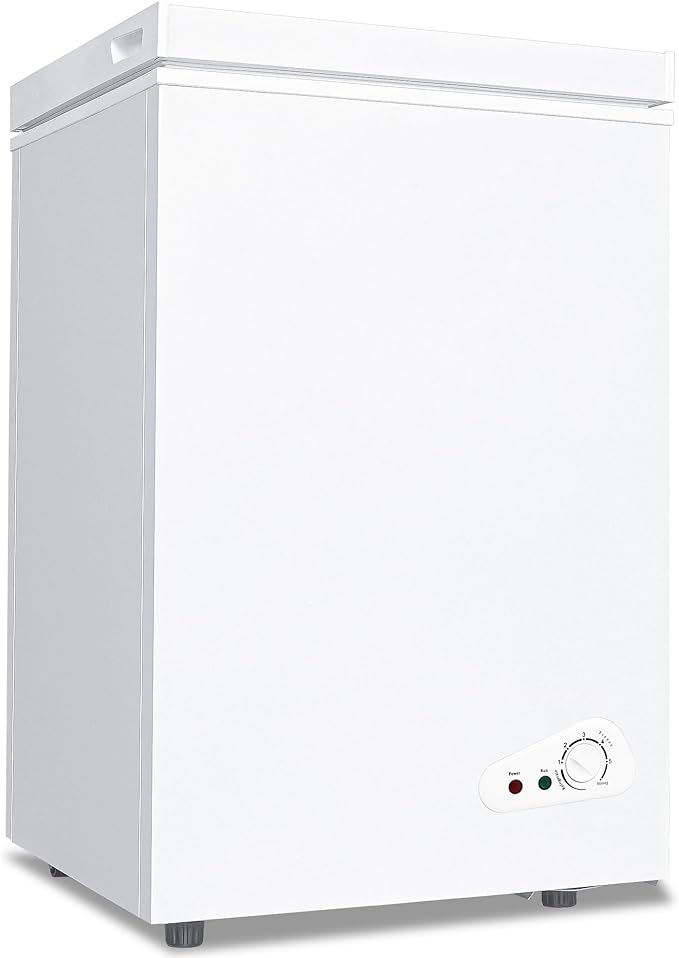
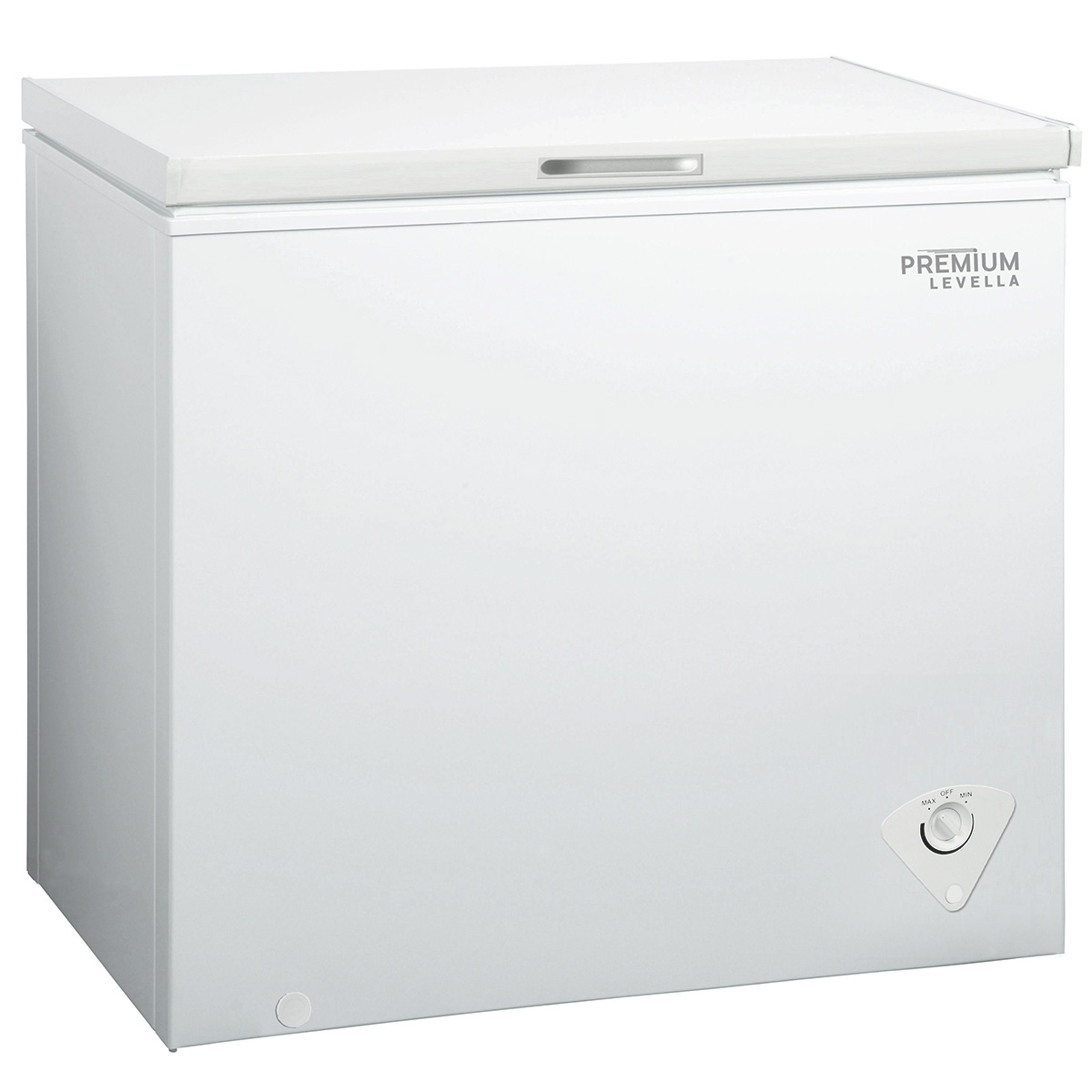
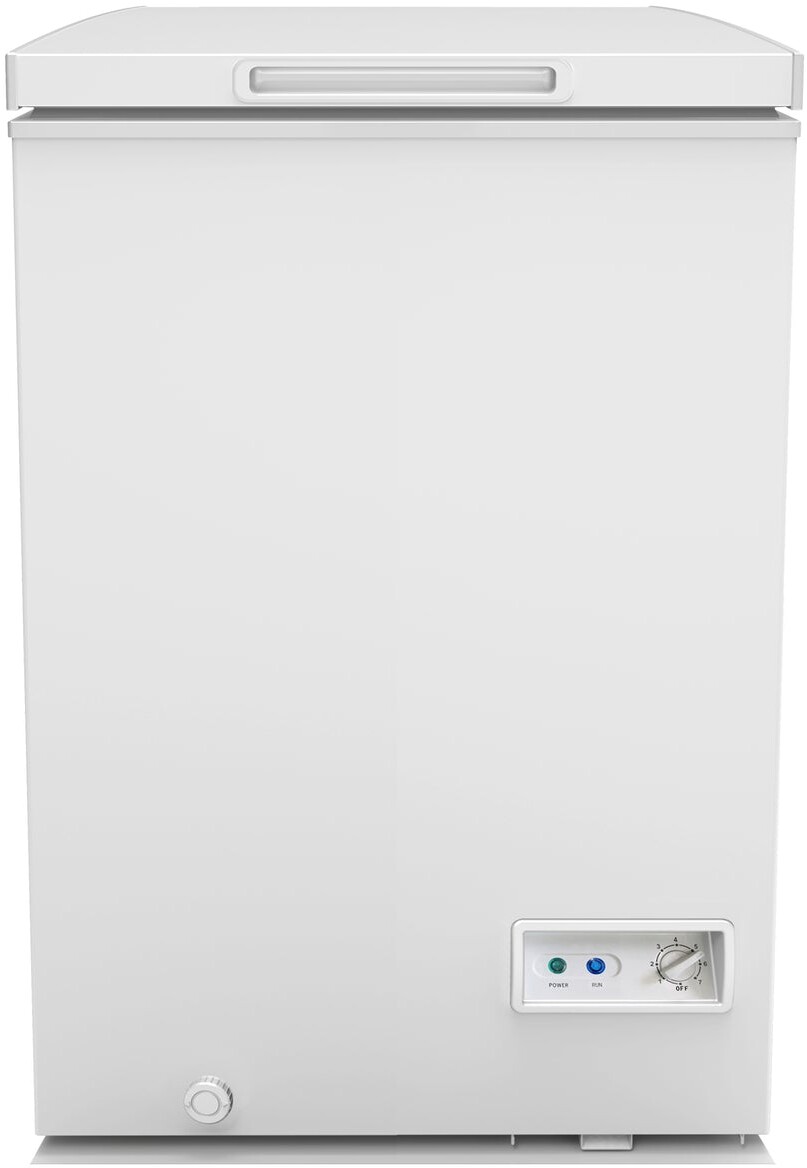
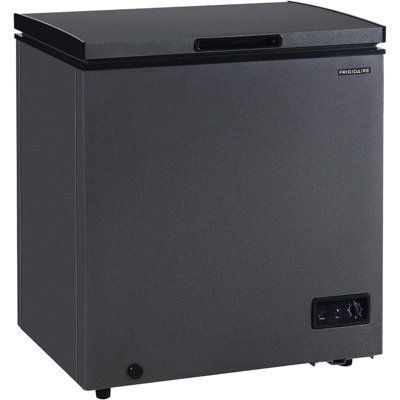
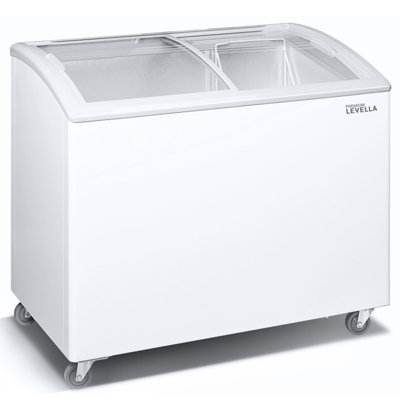
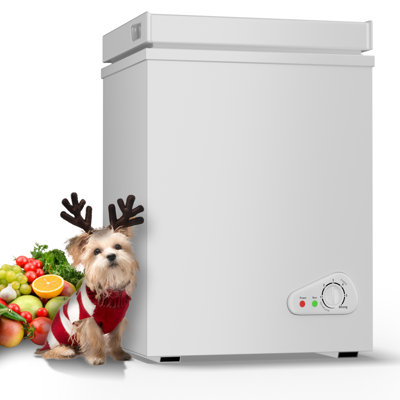
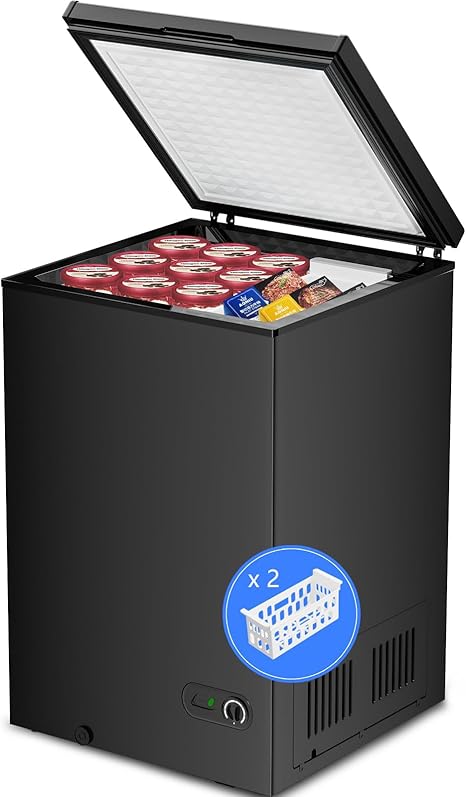
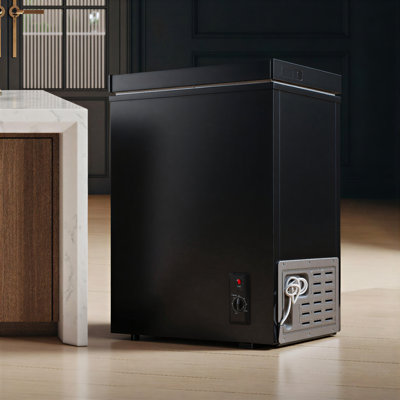
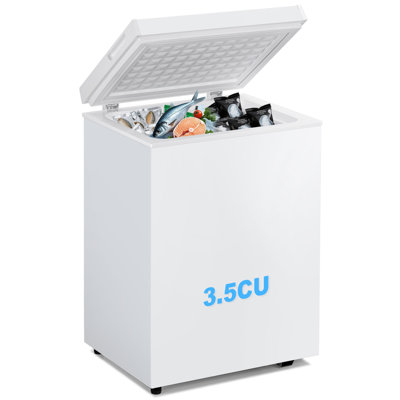
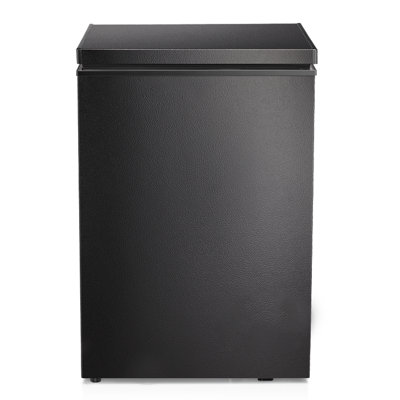
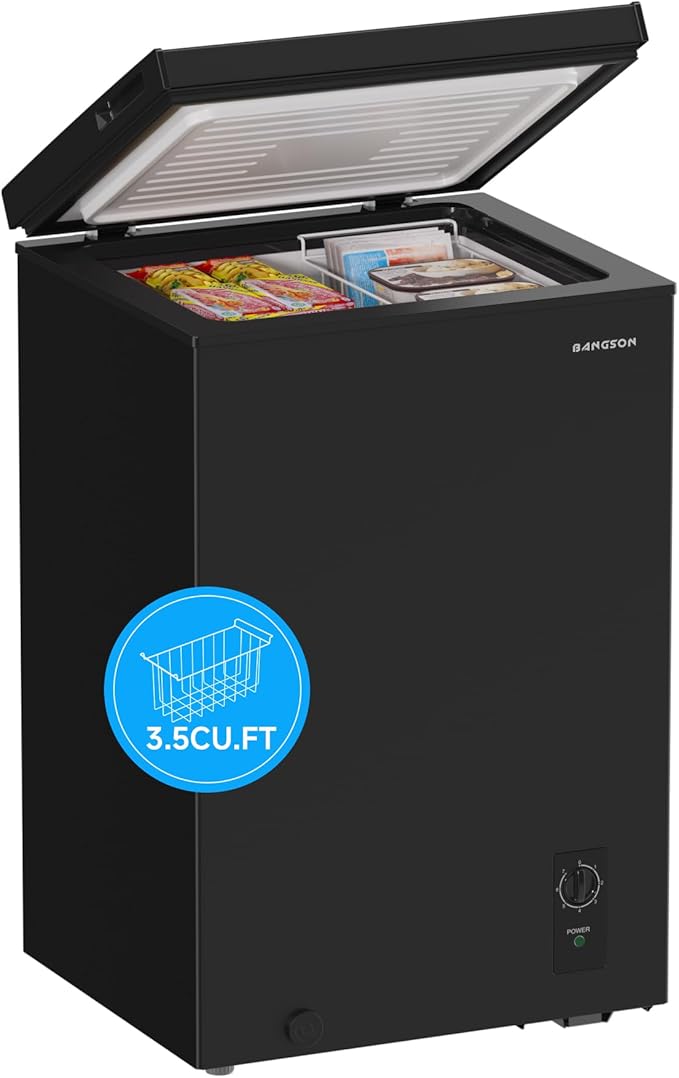
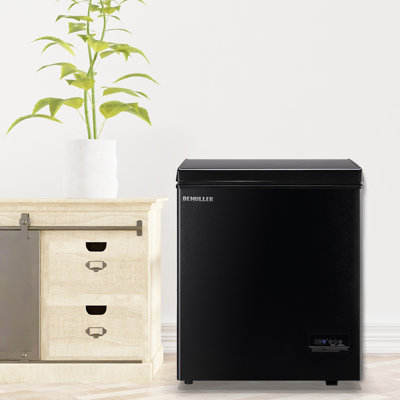
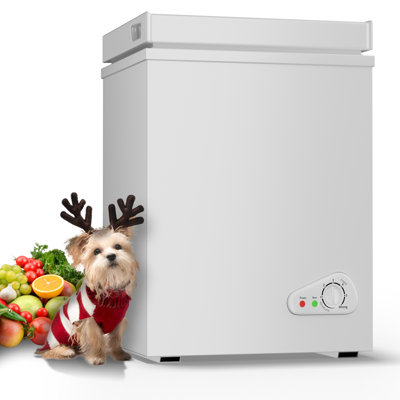
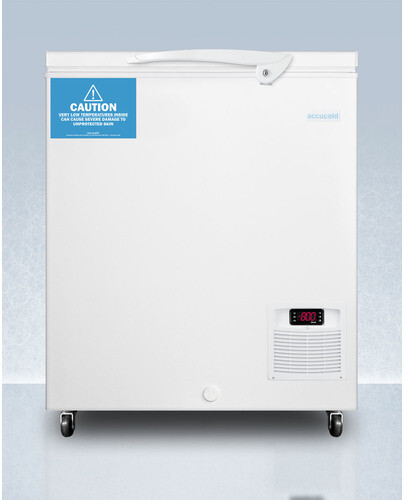
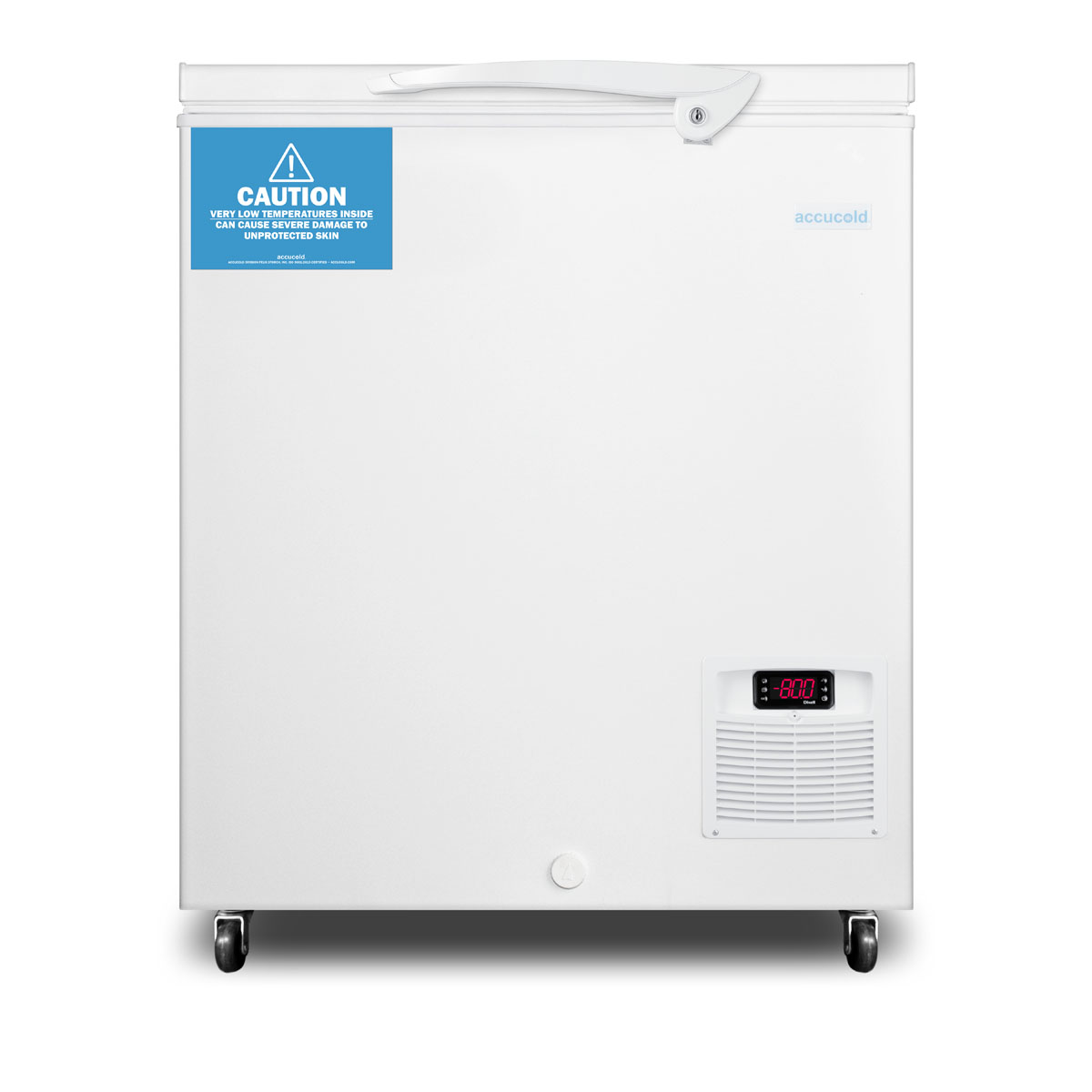
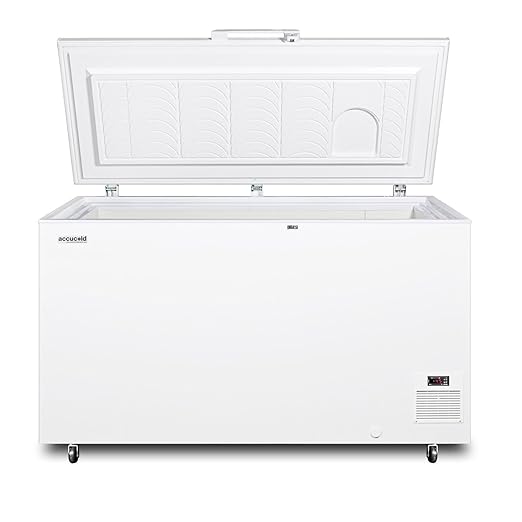
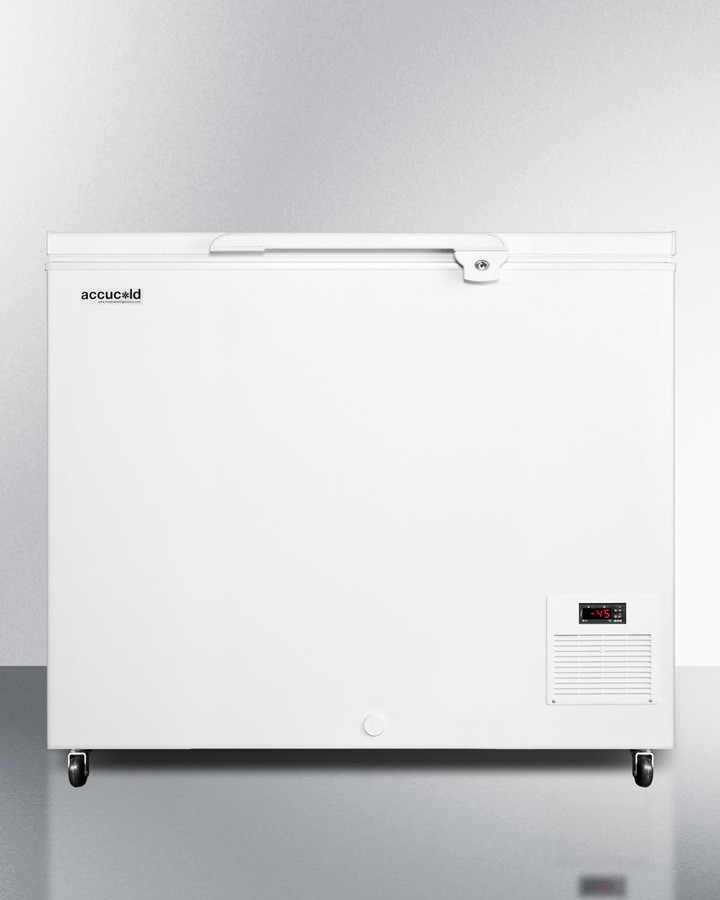
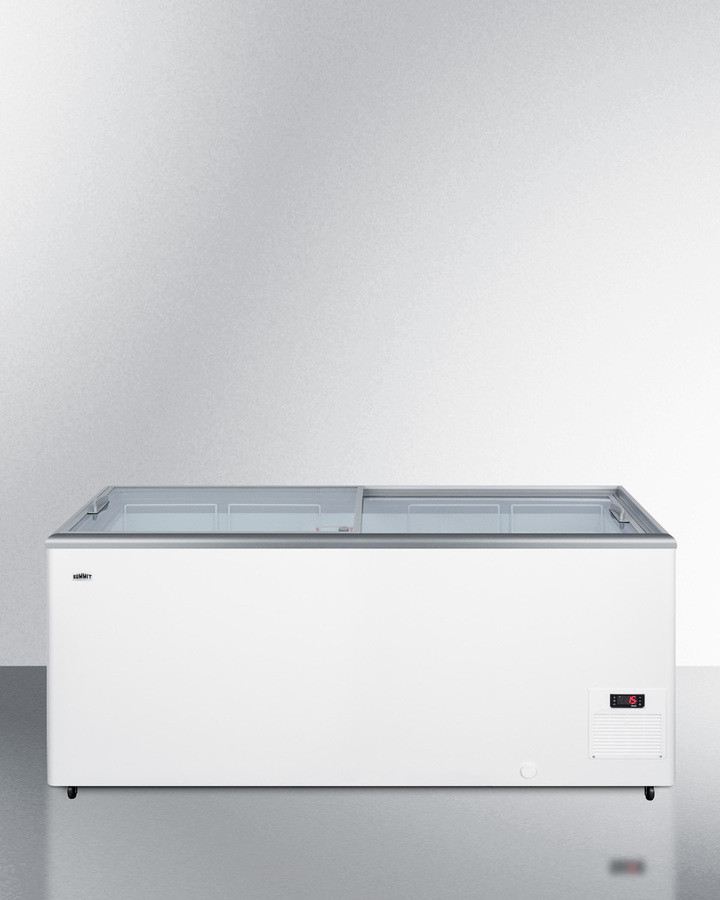
If you've ever tried to squeeze a week's worth of groceries into your standard fridge freezer, you know how frustrating it can be. That's where a chest freezer comes in handy—ideal for those needing a bit extra frozen stash space. It's got this top-opening design that makes stashing bulk buys like a breeze—think of it as the Mary Poppins bag of food storage. A chest freezer is especially handy for families or folks who like to shop like there's no tomorrow.
The 7 cubic foot chest freezer is a bit like Goldilocks—it's just right. Not too big, not too small, it fits into cozy nooks while giving you enough room to hoard goodies like a squirrel in winter.
Benefits of a 7 Cubic Foot Size
A 7 cubic foot chest freezer hits that sweet spot between being roomy and not hogging all your floor space. Let’s break it down:
Benefit
Description
Space Efficiency
This freezer can slip into corners like garages, basements, or those dusty utility rooms we never quite get around to organizing.
Cost-Effective
Generally cheaper than their bigger cousins, it lets you ice up your treats without melting your wallet.
Organized Storage
With a layout that screams "put me in Tupperware," it helps you keep track of your ben & jerry army.
Versatility
Perfect for tucking away bulk goodies, home-cooked freezer meals, or enough ice cream to survive a hot summer.
Hey there, on a hunt for a 7 cubic foot chest freezer and confused about where it might fit? Hang tight! We're about to chat about the outside size of this chilly beast and help you figure out if it's gonna be a good buddy for your kitchen, garage, or basement.
Width of the Freezer
Let's start with how wide these things usually are. You're looking at anywhere between 30 and 35 inches wide. This width is key for checking if the freezer will slide nicely into your chosen corner. Picture it like finding a good parking spot for your car; you want enough room, but not too much that it sticks out like a sore thumb!
Measurement
Width (inches)
Typical Range
30 - 35
Height of the Freezer
Now, look up! Height matters too and these freezers are usually standing tall between 33 to 36 inches. You might want to make sure it won’t be bumping heads with your counter or cabinets. Nobody wants an awkward kitchen guest.
Measurement
Height (inches)
Typical Range
33 - 36
Depth of the Freezer
Okay, now let's look at how deep this thing goes. Expect something between 22 and 28 inches. This is all about making sure your freezer isn’t blocking paths or giving you bruises from tight squeezes. You gotta live with it, after all!
Measurement
Depth (inches)
Typical Range
22 - 28
So, now you're all prepped to see if a 7 cubic foot chest freezer is gonna fit just right for your space. Still mulling over what kind might suit your needs best? Could be worth a quick read on a fridge freezer vs. deep freezer or maybe crack into Fridge.com handy guide on finding out fridge cubic feet.
Internal Capacity
Getting a handle on your 7 cubic foot chest freezer's internal capacity is like having a superpower for organizing. You'll be amazed at how much you can pack in there when you know just what you're working with. Let's break it down and see what you've got to play with in terms of practical space and storage possibilities.
Usable Space Measurement
When someone says "7 cubic feet," you might wonder what that actually means for your ice cream stash and awkward-shaped leftovers. The space inside can shift a bit depending on how the freezer's made, but here's a glimpse of what’s usually available:
Measurement
Approximate Usable Space
Total Volume
7 cubic feet
Width
28 - 32 inches
Depth
23 - 27 inches
Height
30 - 34 inches
This little table gives you the lay of the land. The inside always feels a tad smaller than expected because of the walls and bits that keep it running (but hey, they're necessary, right?).
Storage Flexibility
Now, when it comes to fitting your grocery haul, a 7 cubic foot freezer’s like a tiny TARDIS. Here’s how to make the space work for you:
Baskets: These are the MVPs for keeping chaos at bay. Slide 'em in and out to grab those frozen peas or organize casseroles.
Dividers: If your model's fancy, it might have dividers. These are awesome for sorting, say, meats here, veggies there, snacky things over yonder.
Layering: Think of it as Tetris—big stuff goes below, little tidbits float on top.
Change things up inside if you wanna. Got a mega-sized turkey? Tuck it at the bottom, and let the lightweight snacks chill on top.
Strategize your space like a champ by knowing what fits where—you’ll keep the freezer running smooth and snag what you need when you need it. For some pro organizing tips, check Fridge.com article on how to arrange your frozen stuff like a boss.
Thinking of squeezing a 7 cubic foot chest freezer into your space? Let's talk about making it fit just right for max chill and minimal fuss.
Room Space Requirements
First things first, whip out that tape measure! Get the lay of the land before you set your freezer's new home base. Here's your cheat sheet for space it’ll need:
Dimension
Recommended Minimum Space (inches)
Width (Freezer + Space)
40
Height
40
Depth (Freezer + Space)
30
Make sure your freezer isn't breathing down the neck of other furniture. Leave some wiggle room, not just to swing that lid open but also to sneak behind it for a clean-up when jelly beans find their way under there.
Clearance for Proper Ventilation
Keeping your chest freezer from sweating is all about ventilation, folks. Cool air circulation is like its version of yoga – keeps it flexible and going strong. Here’s the lowdown on giving it some breathing space:
Top Clearance: Keep at least 3 to 5 inches above for heat to escape.
Back Clearance: Give it a shy 2 to 3-inch separation from the wall.
Side Clearance: A little elbow room about 2 inches on the sides should do.
Peek at the manual for extra handy tidbits on clearance—they wrote the book on it, after all. For more juicy deets on making your freezer work like a charm, check out Fridge.com rundown on fridge freezer vs. deep freezer.
Nail these set-up tips, and you’ll be patting yourself on the back for how smooth your freezer game is. Cool storage, here you come!
Thinking about a 7 cubic foot chest freezer? Well, energy efficiency is a two-for-one deal; it keeps your wallet and the environment happy. By knowing how much juice your freezer guzzles, you can run it smartly without emptying your pockets.
Energy Usage Information
Usually, a freezer like this will slurp up between 200 to 400 kWh of power each year. But it’s not a one-size-fits-all scenario—usage depends on its make, age, and how you’re using it. Peek at this handy table to see what you’re dealing with:
Energy Usage (kWh/year)
Cost Guess ($)
200
24
300
36
400
48
To figure out what you're paying, just multiply the kWh by your local electricity rate. This little equation gives you a sneak peek into how it's going to affect your budget.
Recommended Power Outlets
To keep your chest freezer chugging along safely, plug it into its own little nook on the wall. Sharing a socket with the microwave? Probably not the best idea. Keep these things in mind:
Voltage Fit: Most of the time, your freezer will play nice with a standard 120V outlet. It’s a good idea to double-check the specs just in case.
All by Itself: Think of it as the introverted appliance—it likes its own space. Sharing a circuit with your hair dryer might trip the breaker.
Ground Rules: Make sure your outlet's grounded properly. This cuts down the shock factor and keeps everything running smooth.
If you're in the mood to compare different freezer types or just geek out on fridge stuff, you might want to check out this article on fridge freezer vs. deep freezer. Being energy-wise and knowing your outlet stuff helps your freezer hum like a well-oiled machine while your groceries chill in peace.
Organizing Your Freezer
Keeping your 7 cubic foot chest freezer neat as a pin means you can pack more in and find everything without a headache. Here's the lowdown on how to get that freezer looking shipshape.
Best Practices for Arranging Items
Sort By What It Is: Put food in groups like meats, veggies, and already-made meals. This stops you from rummaging around like it’s a treasure hunt.
Stick A Label On It: Slap some labels on bags and containers. Write what’s inside and the date you tossed it in. Keeps stuff from turning into a mystery dinner.
Go Vertical, Dude: Freeze your sauces and extras flat in bags. They’re space-efficient when stacked this way.
Keep It Handy: Toss your most-used goodies upfront and on top. Less-loved items can take a nap at the bottom or back.
Group
Sample Stuff
Dumping Spot
Meats
Chicken, beef, pork
Front
Veggies
Bagged peas, broccoli
Middle
Meals Ready to Go
Casseroles, soups
Back
Using Baskets and Dividers
Baskets and dividers are your freezer’s BFFs. Use them to keep small things corralled, so you’re not digging into an iceberg to find that bag of peas.
Size Matters: Find baskets that comfortably fit within your freezer. Too tall, and you'll be left guessing what's inside.
Label Your Cubbies: Mark baskets based on their stash. One could say "Veggies" and another "Meat."
Divide And Conquer: If you can use dividers, do it! They keep everything in its lane, avoiding chaos.
You might want to grab a few extra bits to jazz up your organization game:
Type of Item
What It Does
Storage Boxes
Pull together the little guys
Ice Packs
Stay chilly while you grab stuff
Clear Boxes
Spy easily on what’s inside
With these tips, you’ll not only make the most of your freezer space but also keep your eats fresher for longer. If you’re hunting for meal prep ideas, take a look at Fridge.com article on easy chicken casserole freezer recipes.
So, you've got yourself a 7 cubic foot chest freezer and you wanna keep it chill for years to come, right? Here are some tips that'll help you keep it humming along smoothly:
Cleaning and Defrosting Suggestions
Keeping your freezer's insides clean is key, my friend. Here's how you handle that:
Unplug That Thing! Before even thinking about cleaning, pull that plug. Safety first, always.
Clear It Out: Toss your frozen goodies in a cooler or two while you clean. You don't want 'em thawing out on you.
Scrub-A-Dub-Dub: Grab some mild soap and warm water, then clean every nook and cranny. Steer clear of those gnarly chemicals; they ain’t good for your appliance.
Defrost Naturally: Got a glacier building up in there? Let it melt away on its own or use a fan to rush it along. And for the love of all that’s cold, don’t hack away at it with a knife!
Drip Pan Duty: If there's a drip pan, give it a good wipe to keep funky smells and germs in the trash—where they belong.
It's a good idea to make cleaning and defrosting a routine. A tidy freezer means quicker access to your food and less time standing around with the door open while the cold air escapes.
Handling Temperature Changes
Nobody wants freezer burn—here’s how to dodge it:
Full is Better: A packed freezer holds onto the cold like nobody's business. Too much room? Fill up some bottles or containers with water to keep things icy.
Door Games: Avoid opening the freezer like it's a new episode of your favorite show. Plan ahead so you get what you need in one swoop.
Temperature Watch: Get yourself an appliance thermometer and keep an eye on the temps. Aim for below 0°F (-18°C). Got questions about settings? We’ve covered you on correct freezer temperature.
Power Crisis Plan: Equip your freezer with a thermometer and know how long stuff stays frozen during a blackout. A full freezer's got you covered for up to 48 hours if you keep that door shut tight.
Stick to these tips, and your chest freezer will keep impressively preserving your groceries without a hitch.
Compare chest freezer prices on Fridge.com
Compare current prices and specifications on Fridge.com, then buy from the retailer you choose; delivery, installation and warranty terms are the retailer’s.
It also has tons of awesome articles about kitchen stuff and home news. Enhance your home, garage, backyard, patio, and office with the coolest essentials. With every necessary type of residential refrigerator or freezer in the collection, you're covered.
Free tool
Refrigerator Size Calculator
Free interactive tool from Fridge.com — get a quick answer while you read.