Set the temperature to the recommended setting (usually 37°F for the fridge and 0°F for the freezer).
Manual defrost models should be defrosted when ice buildup reaches 1/4 inch.
By evaluating these considerations, you can make an informed decision that best suits your needs and space requirements, ensuring you select the ideal appliance for your lifestyle.
Leave adequate space around the appliance for ventilation (usually 1-2 inches on each side).
When deciding between a countertop refrigerator and a drawer fridge freezer, understanding their differences can help you make an informed choice. Both appliances serve unique purposes and come with distinct features suited for various needs.
Feature
Countertop Refrigerator
Drawer Fridge Freezer
Design
Compact unit placed on countertops
Installed in cabinets or under counters
Accessibility
Front-opening door
Pull-out drawers
Space Efficiency
Uses vertical space
Utilizes horizontal space
Capacity
Smaller storage capacity
Larger storage compartments
Cooling Efficiency
Suitable for beverages and small items
Effective for both freezing and refrigeration
Installation
Easy setup, plug-and-play
Requires professional installation
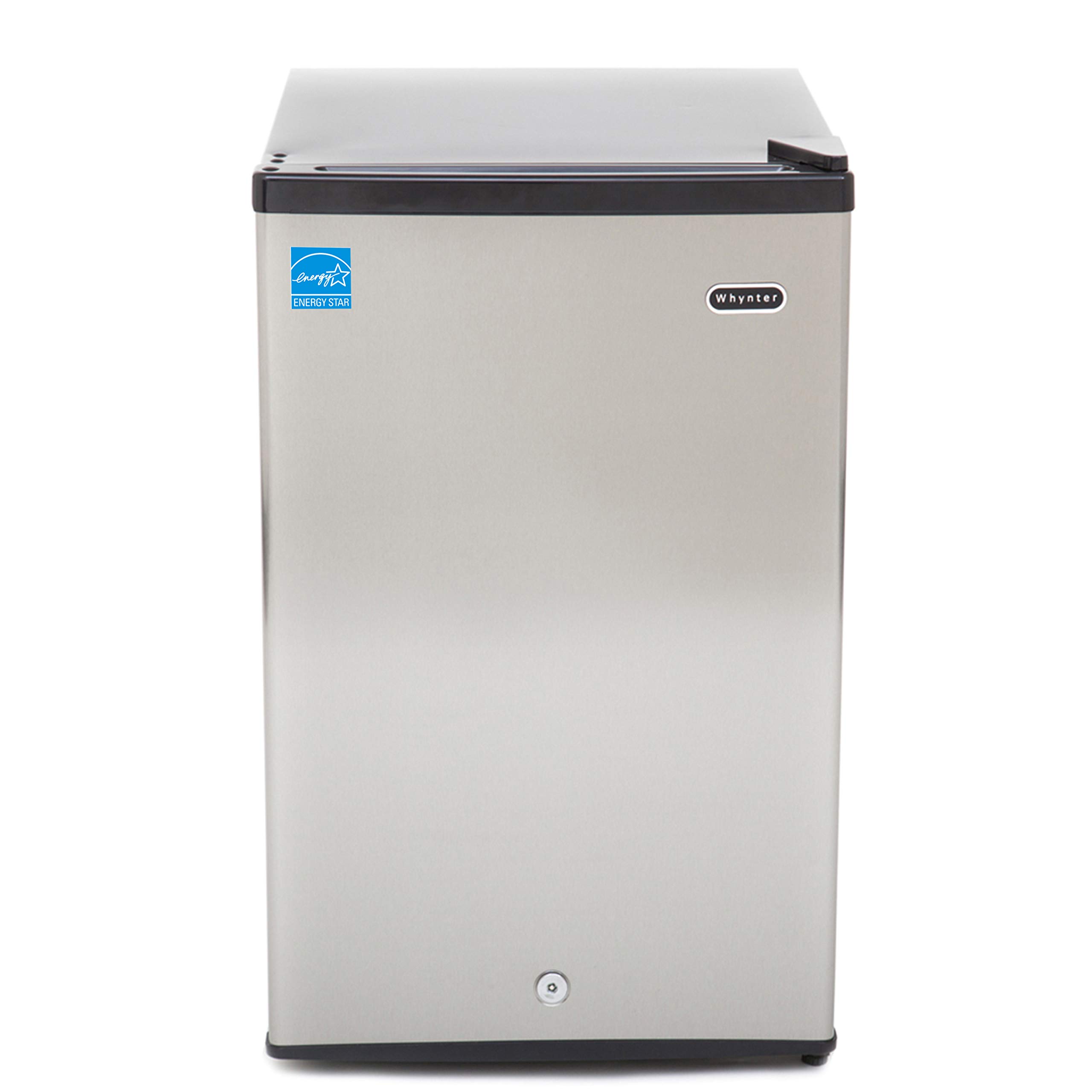
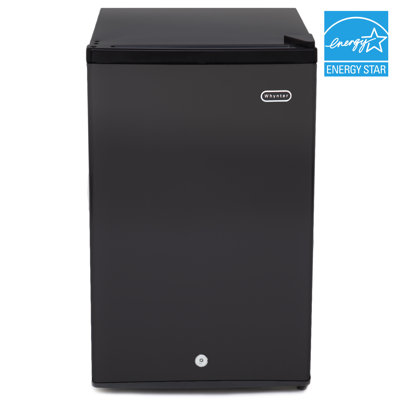
A countertop refrigerator is ideal for small spaces like offices, dorm rooms, and tiny homes. It is designed to sit atop counters, making it accessible and convenient for quick access to drinks and snacks. Due to its compact size, it is perfect for those who need a secondary cooling option without taking up significant floor space.
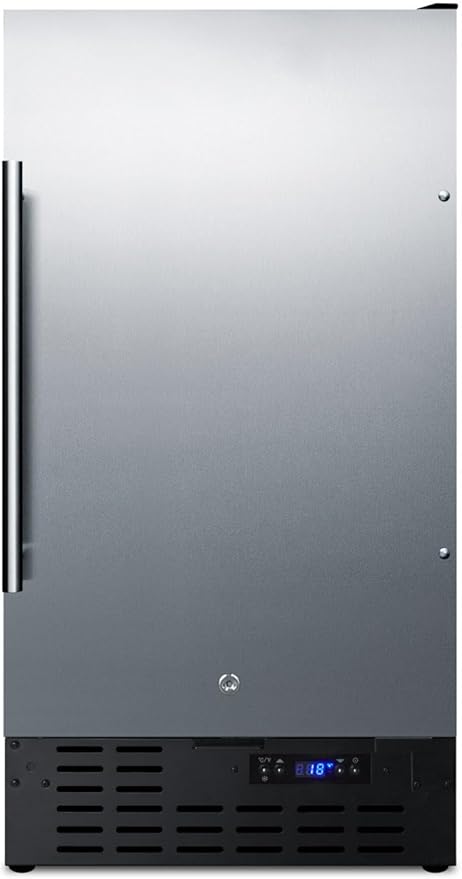
On the other hand, a drawer fridge freezer is built into cabinetry, often found in kitchens or outdoor spaces. These units are designed to blend seamlessly with your existing decor and provide more storage capacity. The pull-out drawers offer easy access to both refrigerated and frozen items, making them highly convenient for family gatherings or entertaining guests.
Considering factors like space, accessibility, and cooling needs can guide you in choosing the right appliance for your home. For more information on similar appliances, check out Fridge.com article on freestanding refrigerator Vs. glass door mini fridge.
Countertop Refrigerator
Features and Benefits
A countertop refrigerator offers several features and benefits that make it a convenient choice for many. These compact units are designed to sit on countertops, making them easily accessible and perfect for small spaces.
Key Features:
Compact Size: Ideal for tight spaces such as apartments, dorm rooms, offices, and tiny homes.
Energy Efficiency: Often consume less power compared to larger refrigerators.
Portability: Lightweight and easy to move, making them suitable for mobile homes and outdoor setups.
Temperature Control: Adjustable thermostats allow for precise cooling.
Versatility: Some models include small freezers for added convenience.
Feature
Benefit
Compact Size
Fits easily in small spaces
Portability
Easy to move and relocate
Temperature Control
Precise cooling adjustments
Versatility
Includes small freezer sections
Suitable Uses
Countertop refrigerators are versatile and can be used in various settings. Their compact design and functionality make them ideal for multiple uses.
Common Uses:
Apartments and Condos: Perfect for small kitchens or as an additional storage unit.
Offices: Convenient for keeping snacks and beverages cool.
Outdoor Spaces: Useful in backyards, near pools, or in garages.
Mobile Homes: An excellent fit for RVs and campers.
Cottages and Cabins: Ideal for vacation homes with limited space.
For more details on different types of refrigerators and their benefits, check out Fridge.com comparison on freestanding refrigerator Vs. glass door mini fridge.
Countertop refrigerators provide an efficient and compact solution for your cooling needs. Whether you require additional storage in your home or a portable unit for outdoor activities, these refrigerators offer the flexibility and convenience to suit various lifestyles.
Drawer fridge freezers are a versatile and convenient option for those looking to maximize their kitchen space while maintaining efficient food storage. Let's take a closer look at their features and benefits, as well as their suitable uses.
Features and Benefits
Drawer fridge freezers offer numerous features that make them a popular choice for many households. Here are some of the key attributes:
Space Efficiency: These units are designed to fit seamlessly into your kitchen cabinetry, making efficient use of available space.
Easy Access: The drawer-style design allows for easy access to stored items without having to bend down or dig through shelves.
Temperature Control: Many drawer fridge freezers come with adjustable temperature settings, allowing you to customize the cooling environment for different types of food.
Organization: The drawer compartments provide organized storage, making it easier to separate different food items.
Energy Efficiency: These units are often designed to be energy-efficient, helping you save on electricity costs.
Feature
Benefit
Space Efficiency
Maximizes kitchen space
Easy Access
Convenient access to food items
Temperature Control
Customizable cooling settings
Organization
Organized storage compartments
Suitable Uses
Drawer fridge freezers are highly versatile and can be used in various settings. Here are some suitable uses for this type of refrigerator:
Kitchen: Ideal for kitchens where space is limited, drawer fridge freezers can be integrated seamlessly into your cabinetry for a sleek look.
Office: In an office setting, these units provide a convenient way to store lunch items and beverages without taking up too much space.
Outdoor Kitchen: Perfect for outdoor kitchens, drawer fridge freezers allow you to keep your drinks and food cool while entertaining guests.
Basement or Garage: These units can be used in basements or garages for additional storage, keeping your main fridge uncluttered.
Tiny Home or Condo: For smaller living spaces like tiny homes or condos, drawer fridge freezers offer an efficient solution for food storage.
By understanding the features and benefits of drawer fridge freezers, as well as their suitable uses, you can make an informed decision when comparing them to other options like countertop refrigerators. For more information on different types of refrigerators, check out Fridge.com article on convertible freezer refrigerator Vs. double drawer freezer.
Considerations for Choosing
When deciding between a countertop refrigerator and a drawer fridge freezer, several factors need to be considered. Here, Fridge.com will discuss size and space constraints, cooling capacity and efficiency, as well as accessibility and convenience.
Size and Space Constraints
The physical dimensions of your kitchen or the intended location play a crucial role in your choice. Countertop refrigerators are generally more compact and can fit on most kitchen counters, making them suitable for smaller spaces like apartments or office kitchens. Drawer fridge freezers, on the other hand, are typically installed under counters and require adequate cabinetry space.
Feature
Countertop Refrigerator
Drawer Fridge Freezer
Typical Height
20-30 inches
34-36 inches
Typical Width
18-24 inches
24-30 inches
Installation
Freestanding
Built-in
Consider the available space and ensure that the chosen refrigerator or freezer fits comfortably without overcrowding the area.
Cooling Capacity and Efficiency
The cooling capacity and energy efficiency are vital factors in your decision. Countertop refrigerators generally have a smaller cooling capacity, which is suitable for storing beverages, snacks, and small amounts of food. Drawer fridge freezers offer more storage space and often separate compartments for refrigeration and freezing, making them ideal for more extensive storage needs.
Feature
Countertop Refrigerator
Drawer Fridge Freezer
Cooling Capacity
1-3 cu ft
3-6 cu ft
Both options should have an Energy Star rating to ensure they are energy-efficient. For more information on energy-efficient options, visit Fridge.com article on best freestanding double drawer freezer for a dorm.
Accessibility and Convenience
Accessibility and convenience are essential for daily use. Countertop refrigerators are easily accessible as they are placed at a reachable height, making them convenient for frequent use. Drawer fridge freezers offer the advantage of pull-out drawers, which can be more accessible for storing and retrieving items without bending over.
Feature
Countertop Refrigerator
Drawer Fridge Freezer
Accessibility
High
Moderate to High
Convenience
Easy access for small items
Easy organization with separate drawers
Consider how often you will use the appliance and the type of items you will store. For additional insights on convenient options, check out Fridge.com article on freestanding refrigerator Vs. glass door mini fridge.
By evaluating these considerations, you can make an informed decision that best suits your needs and space requirements, ensuring you select the ideal appliance for your lifestyle.
Installation and Maintenance
Proper installation and maintenance are key to ensuring the longevity and efficiency of both countertop refrigerators and drawer fridge freezers. This section will guide you through setting up your appliance and provide tips for cleaning and care.
Setting Up Your Refrigerator
Setting up your refrigerator involves a few critical steps to ensure optimal performance. Whether you have a countertop refrigerator or a drawer fridge freezer, follow these guidelines:
Placement:
Ensure the fridge is placed on a flat, stable surface.
Leave adequate space around the appliance for ventilation (usually 1-2 inches on each side).
Avoid placing it near heat sources like ovens or direct sunlight.
Leveling:
Use a leveling tool to make sure the fridge is perfectly horizontal. This prevents the door from swinging open or closing improperly.
Power Supply:
Plug the refrigerator into a dedicated electrical outlet.
Avoid using extension cords as they may not provide the necessary power and could be a fire hazard.
Initial Cooling:
Allow the fridge to run for a few hours before storing food.
Set the temperature to the recommended setting (usually 37°F for the fridge and 0°F for the freezer).
Fridge Cleaning and Care Tips
Regular maintenance keeps your refrigerator running efficiently and extends its lifespan. Here are some cleaning and care tips:
Interior Cleaning:
Clean the interior using a mixture of mild soap and water.
Remove shelves and drawers for easier cleaning.
Avoid using harsh chemicals or abrasive scrubbers that could damage the surface.
Exterior Cleaning:
Wipe the exterior with a damp cloth and mild detergent.
For stainless steel surfaces, use a cleaner specifically designed for stainless steel to avoid streaks and fingerprints.
Defrosting:
Manual defrost models should be defrosted when ice buildup reaches 1/4 inch.
Unplug the fridge and allow the ice to melt naturally.
Use towels to soak up water and clean the interior before plugging it back in.
Checking Seals:
Inspect door seals regularly for wear and tear.
Ensure seals are clean and free from debris to maintain a tight closure and energy efficiency.
Temperature Monitoring:
Regularly check the temperature settings to ensure they remain within the optimal range.
Use a refrigerator thermometer if necessary.
Maintenance Task
Frequency
Interior Cleaning
Every 3 months
Exterior Cleaning
Monthly
Defrosting (Manual)
As needed (1/4 inch ice)
Checking Door Seals
Monthly
Temperature Monitoring
Weekly
For more detailed tips on maintaining your specific type of refrigerator, you can refer to Fridge.com articles on freestanding freezer drawers and freestanding refrigerator Vs. glass door mini fridge.
By following these installation and maintenance tips, you can ensure your countertop refrigerator or drawer fridge freezer operates efficiently and lasts for years to come. For additional care tips and product information, explore Fridge.com various guides like best fridge for national cherry day and best refrigerator and freezer drawer for a contemporary cottage.
When comparing a countertop refrigerator to a drawer fridge freezer, the initial purchase price is a significant consideration. Generally, the cost of these appliances varies based on size, features, and brand.
Appliance Type
Average Initial Cost ($)
Countertop Refrigerator
100 - 500
Drawer Fridge Freezer
1,000 - 3,000
Countertop refrigerators are typically more affordable upfront due to their smaller size and simpler design. On the other hand, drawer fridge freezers come with a higher price tag, reflecting their advanced features and larger storage capacity. For those looking to save on initial costs, a countertop refrigerator might be the better option.
Energy Efficiency and Long-Term Costs
Energy efficiency is another crucial factor to consider when choosing between a countertop refrigerator and a drawer fridge freezer. The energy consumption of these appliances can impact your utility bills over time.
Appliance Type
Average Annual Energy Consumption (kWh)
Estimated Annual Cost ($)
Countertop Refrigerator
200 - 400
24 - 48
Drawer Fridge Freezer
300 - 700
36 - 84
Countertop refrigerators generally consume less energy due to their smaller size, leading to lower annual operating costs. Drawer fridge freezers, though potentially more energy-intensive, often come with features like energy-saving modes and better insulation, which can mitigate long-term expenses.
When evaluating the energy efficiency of these appliances, consider the Energy Star rating and other energy-saving features. Balancing the initial investment with long-term energy costs will help you make an informed decision.
For more details on choosing the right appliance for your needs, explore Fridge.com articles on freestanding freezer drawers and freestanding refrigerator Vs. glass door mini fridge.
From Fridge.com research
Figures below come from data Fridge.com builds and maintains. Each links to the record behind it.
Fridge.com Energy Index, built on U.S. EPA and DOE ENERGY STAR records
Across 5,455 ENERGY STAR certified refrigerators and freezers from 263 brands, median use is 360 kWh per year.