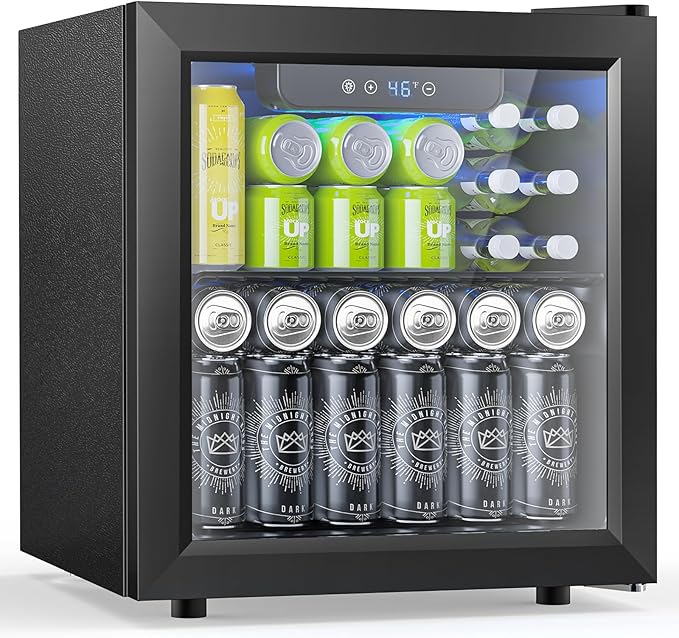
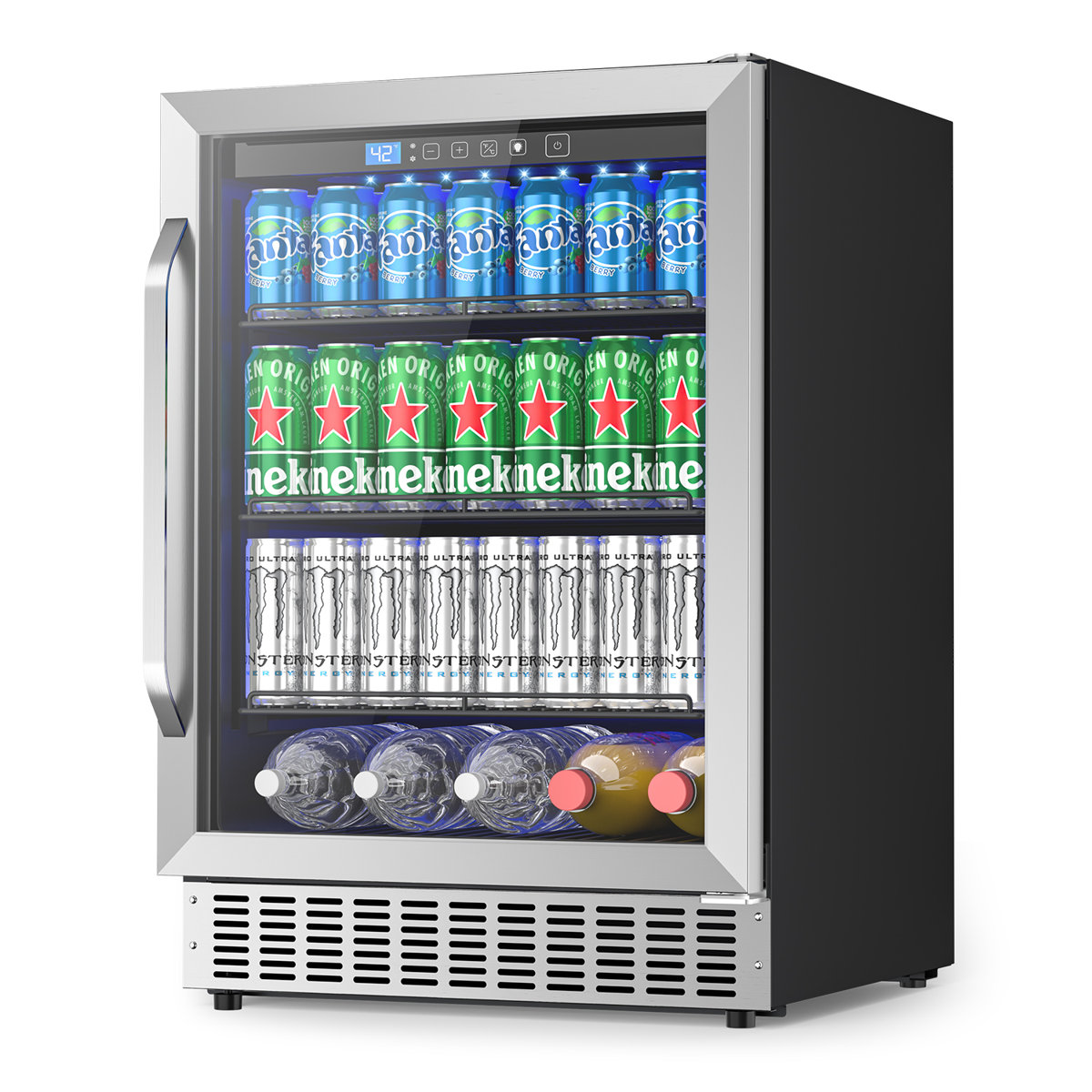
Small chest freezers generally maintain temperatures between -10°F to 0°F.
These compact units are ideal for keeping your favorite beverages, such as soda, beer, and wine, chilled and ready to serve.
When considering whether a beverage fridge or a small chest freezer is the better fit for your needs, it's important to understand their capacity and storage capabilities.
Beverage fridges are ideal for keeping a variety of drinks, from sodas to wines, chilled and ready for consumption.
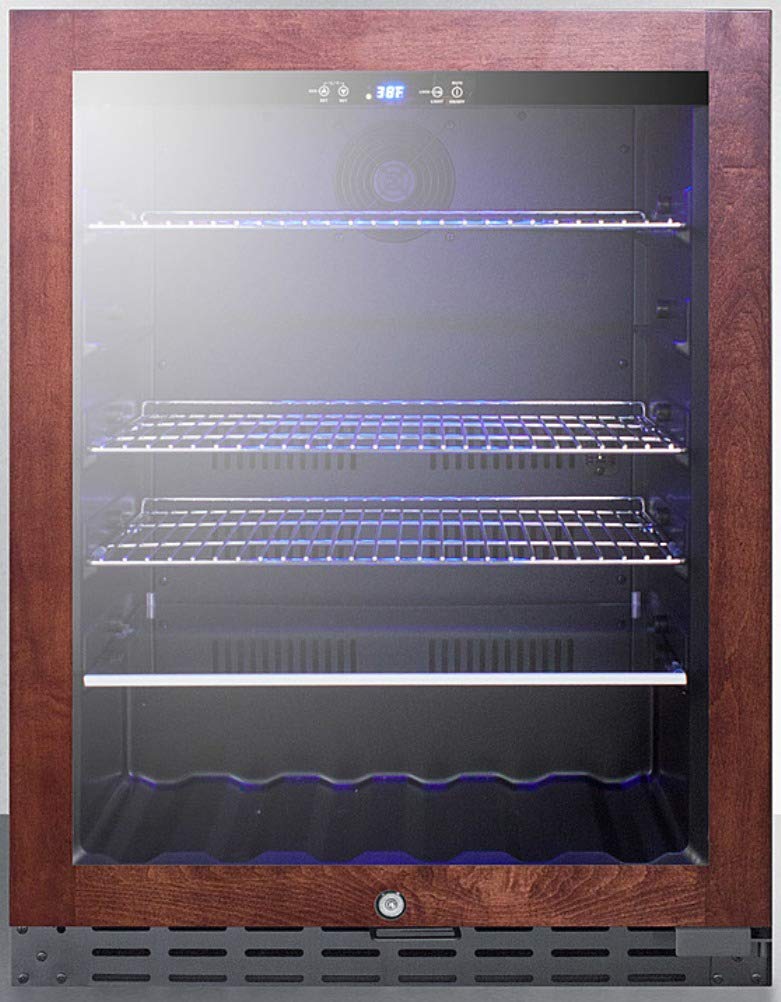
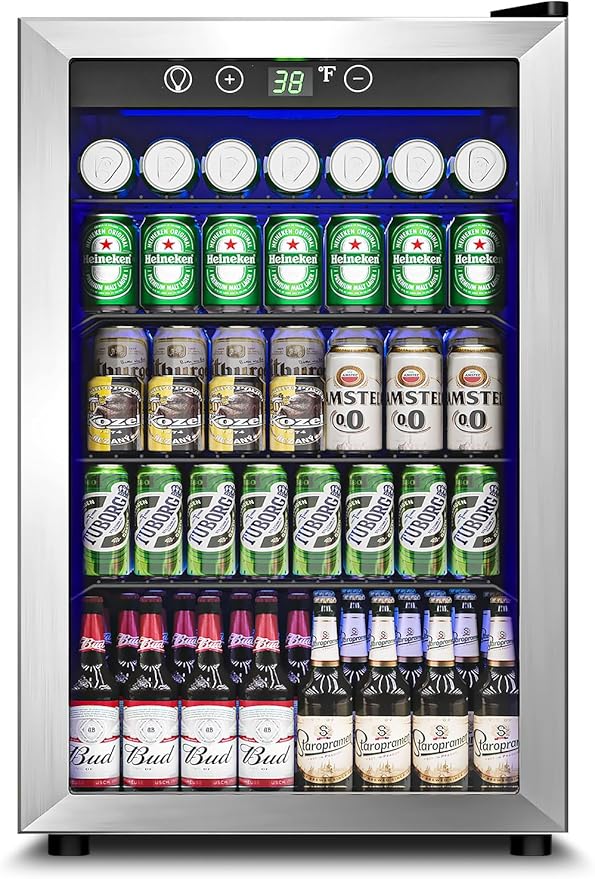
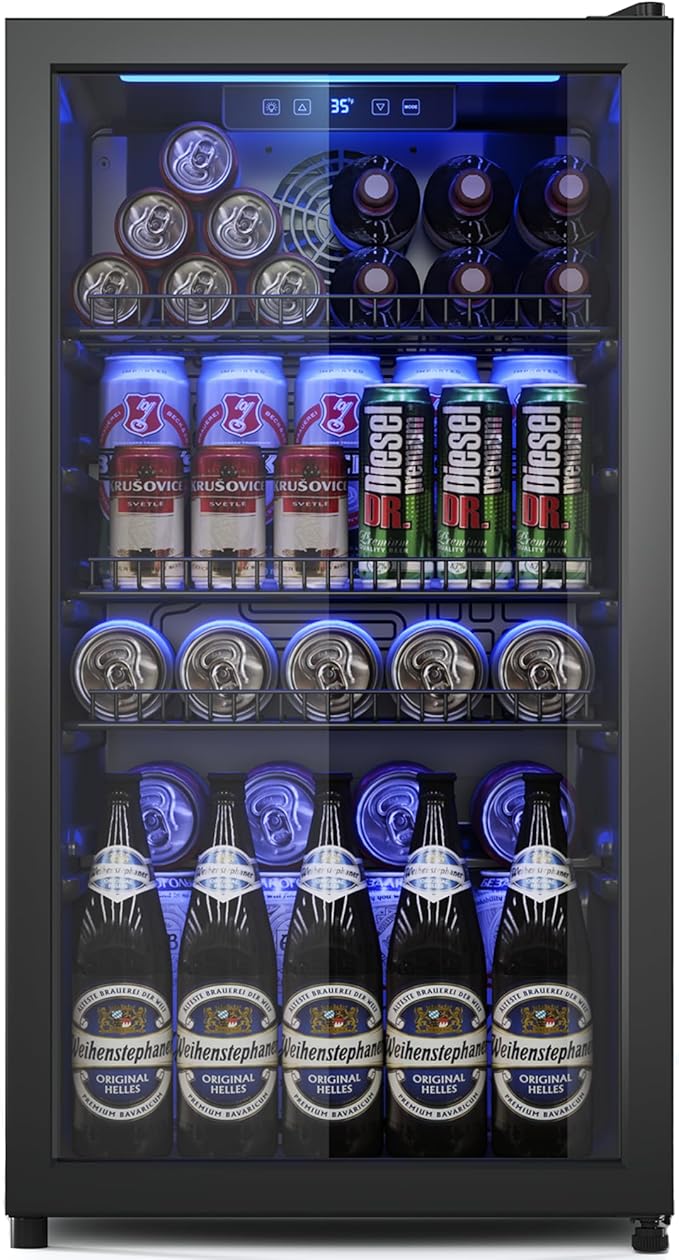
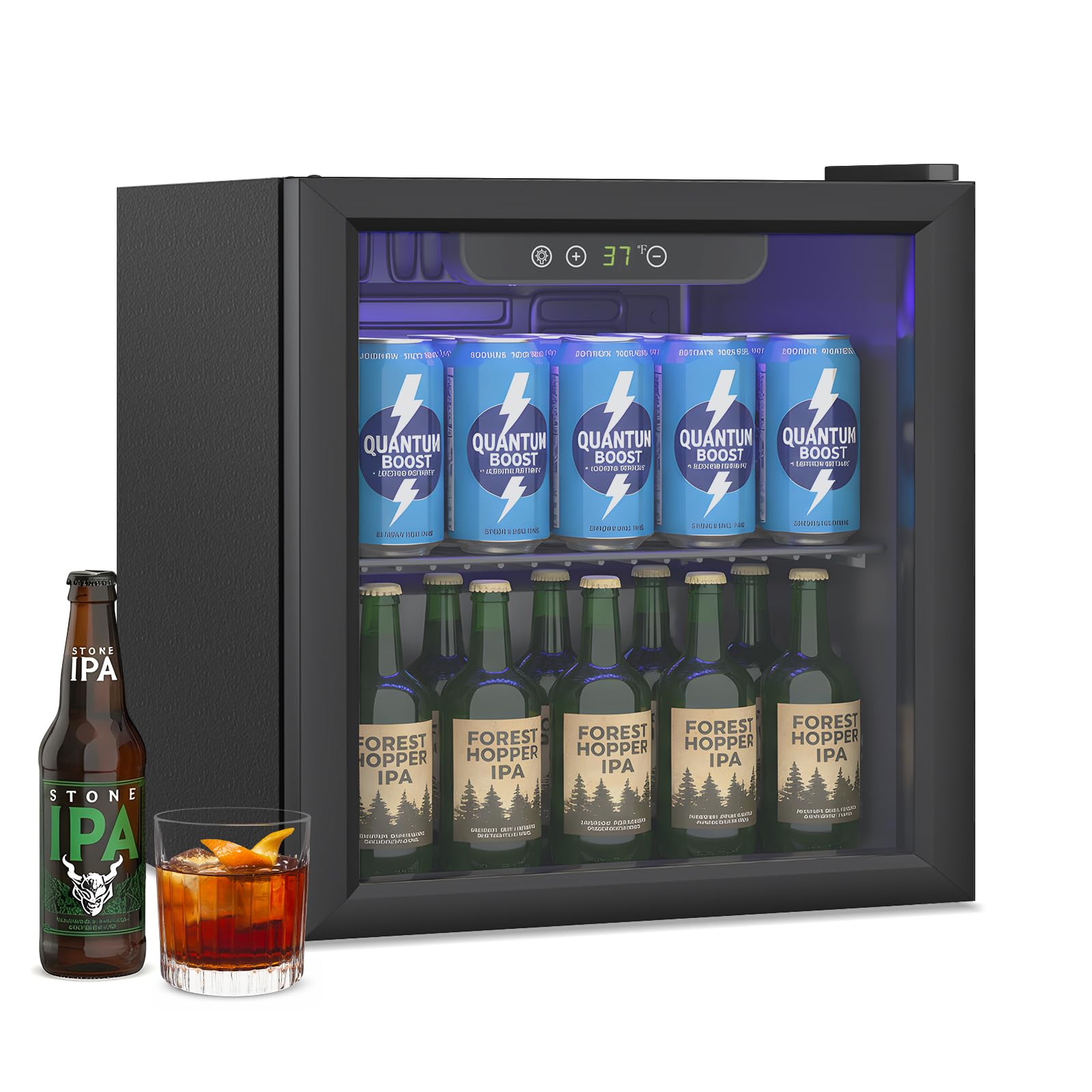
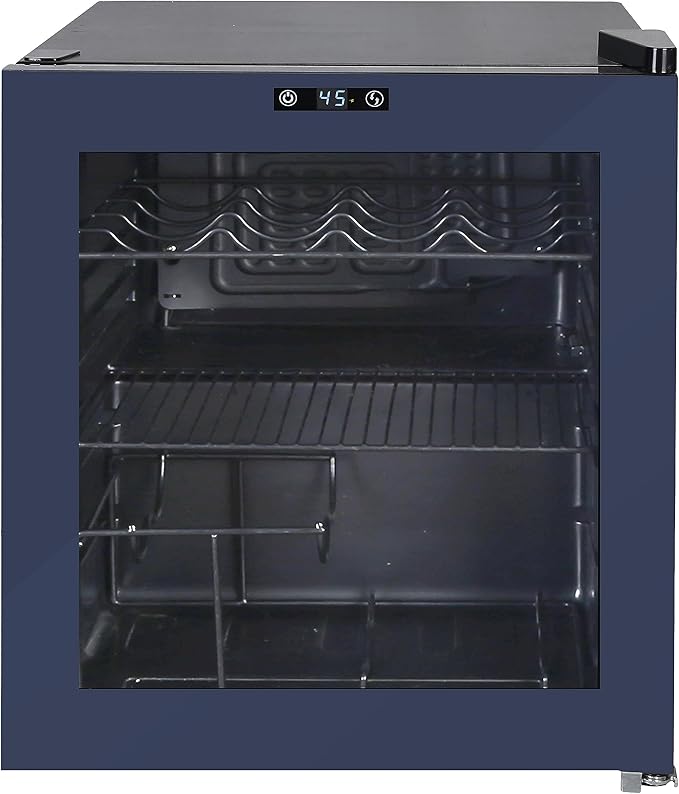
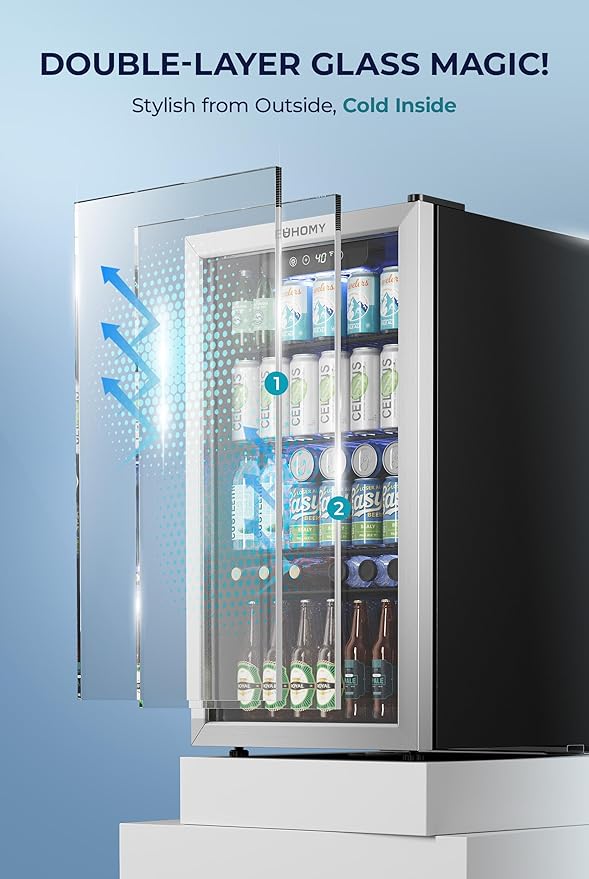
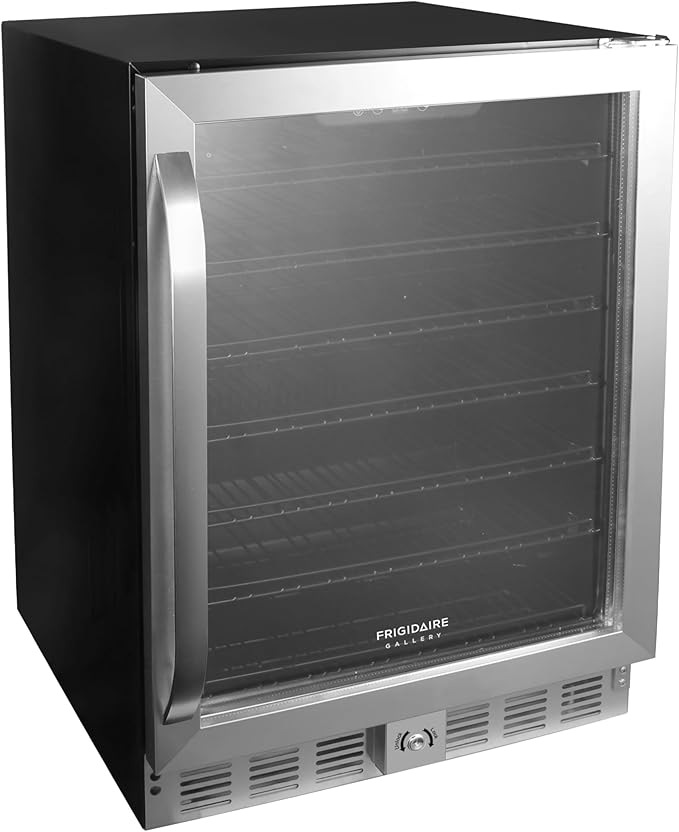
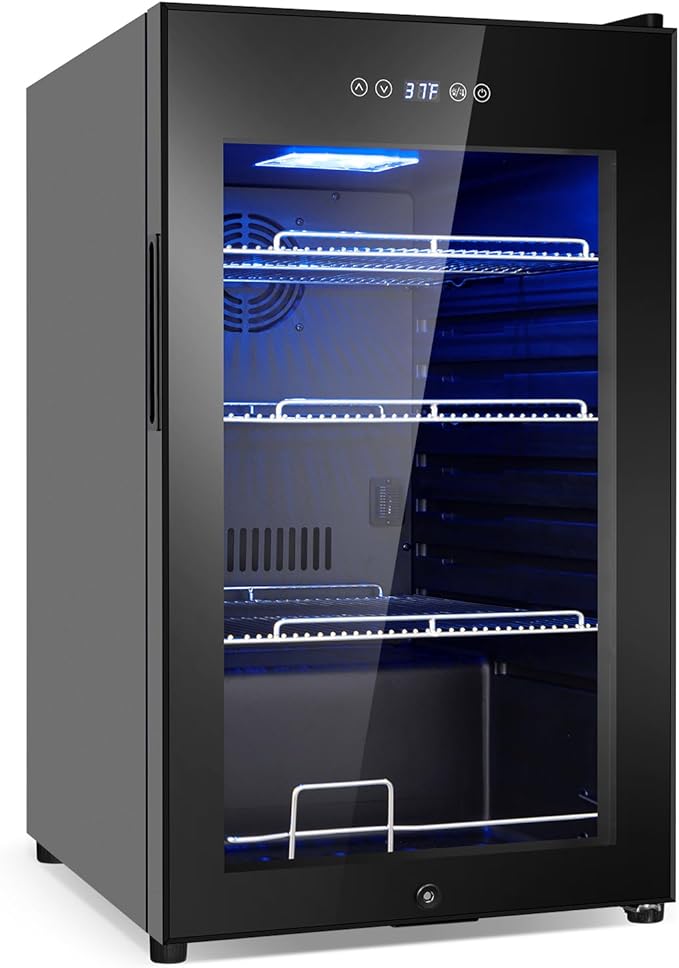
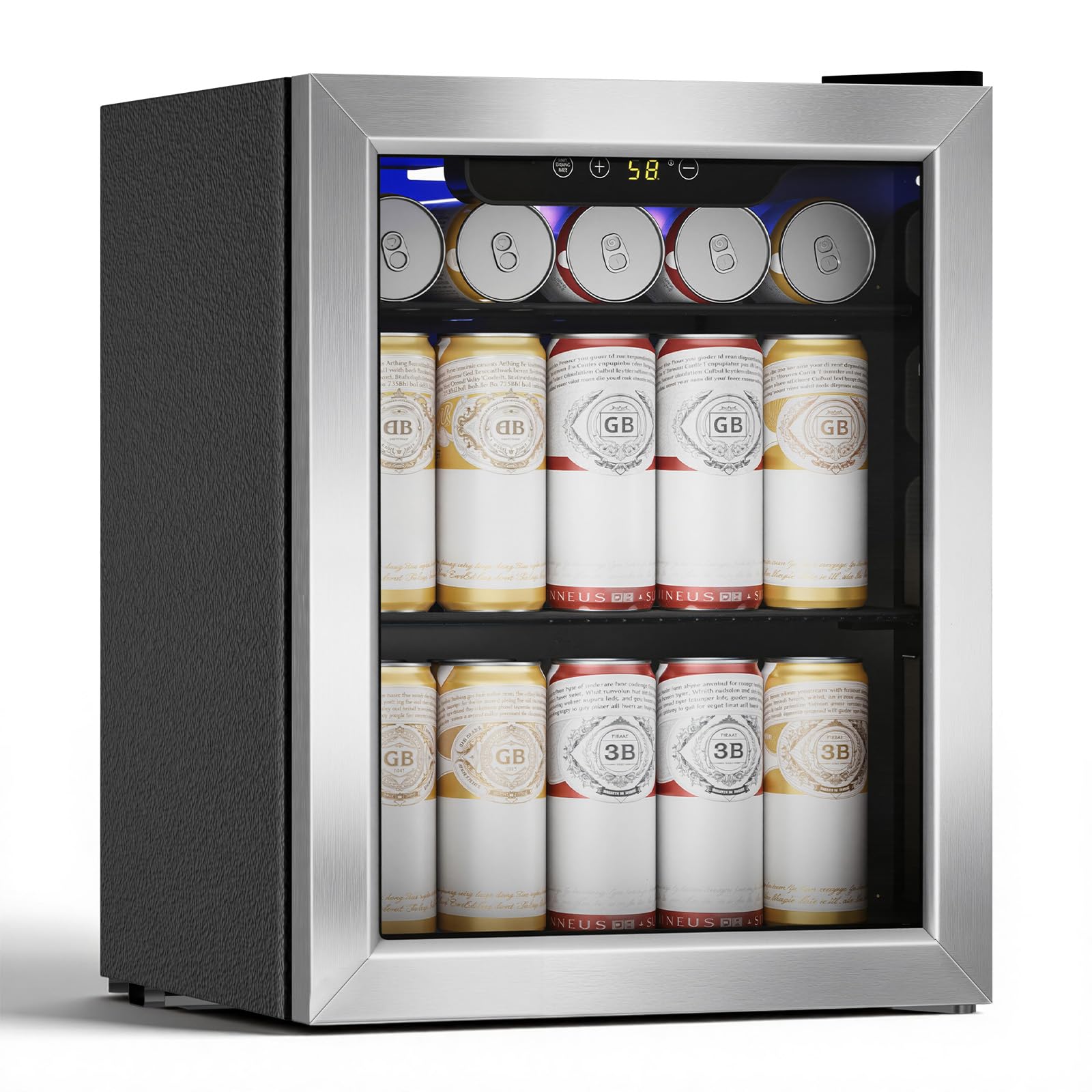
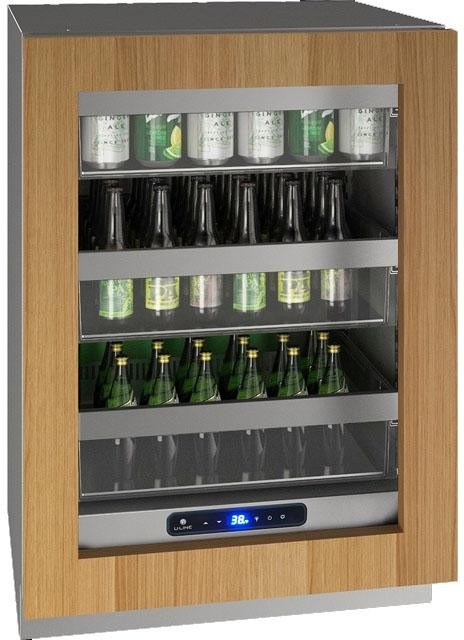
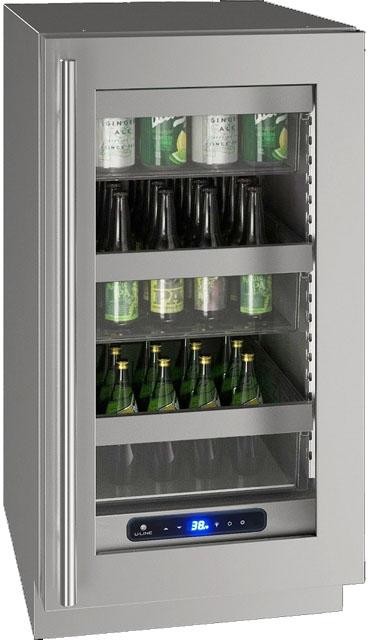
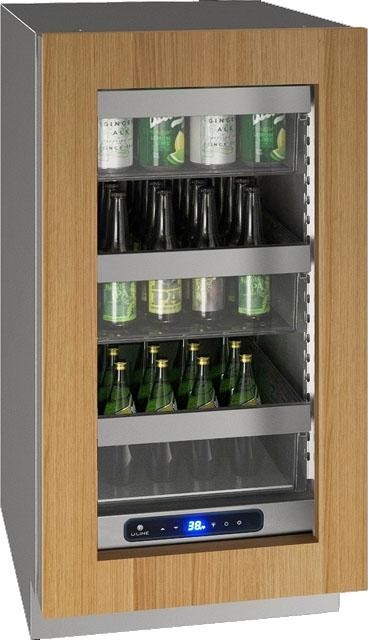
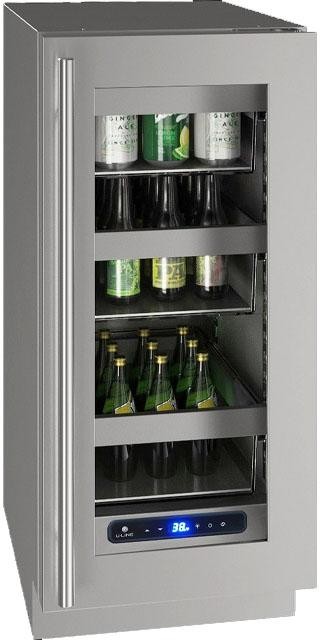
A beverage fridge is designed specifically for storing drinks at optimal temperatures. These compact units are ideal for keeping your favorite beverages, such as soda, beer, and wine, chilled and ready to serve. Beverage fridges often feature adjustable shelves, glass doors, and built-in lighting to enhance visibility and accessibility.
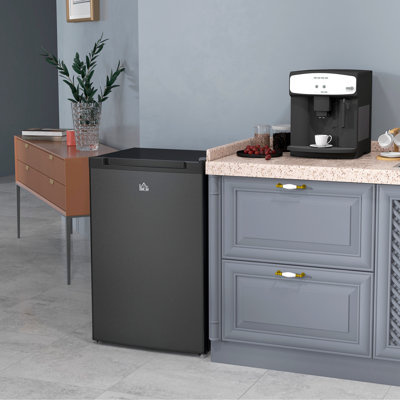
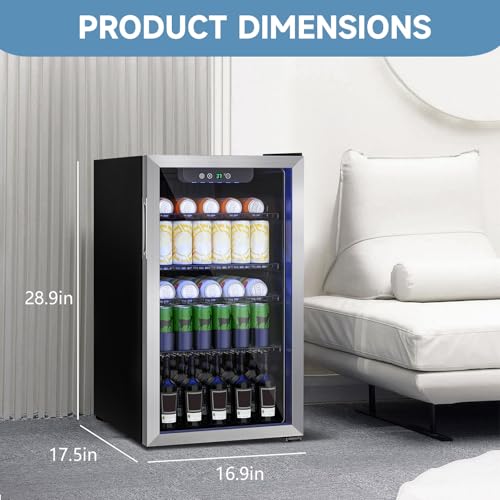
Beverage fridges can be placed in various settings, including homes, offices, garages, and entertainment areas. They come in different sizes, from small countertop models to larger freestanding units, allowing you to choose one that fits your space and storage needs.
A small chest freezer provides ample storage for frozen goods, making it an excellent option for those needing extra freezer space. These freezers are typically compact, allowing them to fit in tight spaces such as basements, garages, or utility rooms. They are designed with a top-opening lid, which helps to retain cold air and maintain consistent temperatures.
Small chest freezers are versatile and can be used to store a variety of items, including meats, vegetables, and pre-prepared meals. Their energy efficiency and storage capacity make them a practical choice for households looking to preserve large quantities of food.
Feature
Details
Use
Storing frozen goods
Placement
Basement, garage, utility room
Sizes Available
Compact
Special Features
Top-opening lid, energy efficiency
For more comparisons between different freezer types, visit Fridge.com article on ice cream freezer chest Vs. reach in freezer.
Understanding the key differences between a beverage fridge and a small chest freezer helps you make an informed decision based on your storage needs and available space. Whether you're looking to keep your drinks cold or store extra frozen food, each option has its unique benefits and features.
When considering whether a beverage fridge or a small chest freezer is the better fit for your needs, it's important to understand their capacity and storage capabilities. Both options offer unique benefits depending on what you need to store.
Beverage Fridge Capacity
A beverage fridge is designed to store drinks at an optimal temperature. These fridges come in various sizes, typically measured in cubic feet or the number of cans they can hold. Beverage fridges are ideal for keeping a variety of drinks, from sodas to wines, chilled and ready for consumption.
A small chest freezer, on the other hand, is designed to store a variety of frozen goods and is measured primarily in cubic feet. These freezers provide ample storage for items like frozen meals, meats, and ice cream. The capacity of small chest freezers can vary, making them versatile for different storage needs.
Small Chest Freezer Size
Capacity (Cubic Feet)
Storage Uses
Compact
3 - 5
Small frozen items, limited space storage
Mid-Size
5 - 7
Moderate storage, suitable for families
Large
7 - 9
Ample storage for bulk items and large families
For those comparing various freezer options, you might find Fridge.com article on ice cream freezer chest Vs. reach in freezer helpful.
When deciding between a beverage fridge and a small chest freezer, consider what you plan to store and the available space in your home. Each option has its unique advantages, making it essential to choose based on your specific needs. For more in-depth comparisons, explore Fridge.com articles on different storage solutions like apartment size refrigerator Vs. deep freezer and deep freezer Vs. glass door freezer.
Temperature Control
Temperature control is a crucial aspect when comparing a beverage fridge and a small chest freezer. Each appliance has distinct temperature ranges tailored to their specific functions.
Temperature Range in Beverage Fridges
Beverage fridges are designed to keep your drinks at an optimal temperature for enjoyment. Typically, the temperature range for beverage fridges allows for cooling without freezing.
Beverage Type
Optimal Temperature Range (°F)
Soft Drinks
35 - 40
Beer
36 - 40
Wine
45 - 55
Beverage fridges often come with adjustable thermostats, enabling you to set the temperature according to the type of drink being stored. This feature is especially useful for those who enjoy a variety of beverages. For more on different fridge types, visit Fridge.com article on kegerator Vs. refrigerator cooler.
Temperature Range in Small Chest Freezers
Small chest freezers are designed to store food items at much lower temperatures, ensuring long-term preservation. The typical temperature range for small chest freezers is significantly colder than that of beverage fridges.
Food Type
Optimal Temperature Range (°F)
Frozen Foods
0
Ice Cream
-10 to 0
Meat
-10 to 0
Small chest freezers generally maintain temperatures between -10°F to 0°F. This cold temperature range is essential for preventing the growth of bacteria and keeping your food safe for extended periods. To explore more about different freezer options, check out Fridge.com article on ice cream freezer chest Vs. reach in freezer.
Understanding the temperature ranges of beverage fridges and small chest freezers can help you make an informed decision based on your storage needs. For those who need a balance between cooling beverages and freezing foods, consider reading Fridge.com comparison of beverage fridge Vs. convertible freezer refrigerator.
When deciding between a beverage fridge and a small chest freezer, energy efficiency plays a significant role. Understanding the energy consumption of each appliance can help you make an informed choice.
Energy Consumption of Beverage Fridges
Beverage fridges are designed to keep drinks chilled, and their energy consumption varies based on size, insulation, and cooling technology. Generally, beverage fridges consume less energy compared to full-sized refrigerators. However, they still require a constant supply of electricity to maintain the desired temperature.
Small chest freezers are typically more energy-efficient than upright freezers as they lose less cold air when opened. Their energy consumption depends on size, insulation, and compressor efficiency. Small chest freezers are often used for long-term food storage and can maintain low temperatures with minimal energy use.
Small Chest Freezer Size
Average Energy Consumption (kWh/year)
Compact (under 5 cu. ft.)
150 - 250
Medium (5-9 cu. ft.)
250 - 350
Large (over 9 cu. ft.)
350 - 500
For more comparisons on different freezer types, check out Fridge.com article on deep freezer Vs. glass door freezer.
When comparing the energy consumption of beverage fridges and small chest freezers, it's clear that both appliances offer efficient options for different storage needs. However, your choice will depend on the specific requirements and usage patterns. For additional insights on similar appliances, explore Fridge.com article on beverage fridge Vs. convertible freezer refrigerator.
Choosing the right spot for your beverage fridge or small chest freezer is essential for optimal performance and convenience. This section will guide you on the ideal placement for each appliance.
Ideal Placement for Beverage Fridges
A beverage fridge is designed to be a convenient and accessible storage solution for your drinks. The placement of your beverage fridge can significantly impact its usability and efficiency.
Kitchen: Placing a beverage fridge in the kitchen provides easy access to drinks while cooking or entertaining.
Living Room or Bar Area: If you frequently entertain guests, positioning the fridge in the living room or bar area ensures that drinks are always within reach.
Home Office: For those who spend long hours working from home, having a beverage fridge in the office can be convenient.
Garage or Basement: These areas are ideal if you're looking to store a larger quantity of beverages without occupying kitchen space.
Placement Area
Benefits
Kitchen
Easy access during meal prep and cooking
Living Room / Bar Area
Convenient for entertaining guests
Home Office
Keeps drinks within reach while working
Garage / Basement
Extra storage capacity, frees up kitchen space
For more information on how to choose the right fridge for your specific needs, visit Fridge.com article on apartment size refrigerator Vs. deep freezer.
Ideal Placement for Small Chest Freezers
Small chest freezers are great for storing bulk items and can be placed in various locations depending on your space availability and storage needs.
Garage: A common placement due to the ample space and cooler environment, which can aid in the freezer's efficiency.
Basement: Ideal for those with a finished or semi-finished basement, providing easy access while keeping it out of the main living areas.
Utility Room: A utility room offers easy access and keeps the freezer out of sight.
Kitchen or Pantry: If space allows, placing the freezer in the kitchen or pantry can provide convenient access to frozen goods.
Placement Area
Benefits
Garage
Ample space, cooler environment
Basement
Easy access, out of main living areas
Utility Room
Hidden from view, still accessible
Kitchen / Pantry
Convenient access to frozen items
For further insights on freezer options, check out Fridge.com article on ice cream freezer chest Vs. reach in freezer.
Choosing the correct placement for your beverage fridge or small chest freezer will ensure that these appliances are used to their full potential, providing both convenience and efficiency. Explore more comparisons of fridges and freezers in Fridge.com related articles like beverage fridge Vs. convertible freezer refrigerator and deep freezer Vs. small freezer.
Maintenance and Cleaning
Proper maintenance and cleaning are essential to ensure the longevity and efficiency of your storage appliances. In this section, Fridge.com will discuss the cleaning requirements for beverage fridges and small chest freezers.
Cleaning Requirements for Beverage Fridges
Beverage fridges require regular cleaning to maintain optimal performance and hygiene. Here are the key steps for cleaning a beverage fridge:
Unplug the Fridge: Ensure safety by disconnecting the appliance from the power source.
Remove Contents: Take out all beverages and shelves for thorough cleaning.
Clean Interior: Use a mixture of warm water and mild detergent to wipe down the interior surfaces. Avoid using harsh chemicals that could damage the finish.
Clean Shelves and Racks: Wash removable shelves and racks with warm soapy water, rinse, and dry them completely before placing them back.
Wipe Exterior: Clean the exterior of the fridge with a damp cloth and mild detergent, paying special attention to the door seals.
Dry Completely: Make sure all surfaces are dry before plugging the fridge back in and restocking beverages.
Regular cleaning helps prevent mold and bacteria buildup, ensuring your beverages stay fresh. For more information on different types of fridges, check out Fridge.com article on medium size refrigerator Vs. wine fridge.
Cleaning Steps
Frequency
Unplugging and removing contents
Monthly
Cleaning interior surfaces
Monthly
Washing shelves and racks
Monthly
Wiping exterior and door seals
Monthly
Drying and restocking
Monthly
Cleaning Requirements for Small Chest Freezers
Small chest freezers also need routine cleaning to maintain efficiency and prevent odors. Here are the essential steps:
Unplug the Freezer: Disconnect the appliance from the power source.
Empty the Freezer: Remove all contents and store them in a backup freezer or use a cooler with ice packs.
Defrost if Necessary: If there is significant ice buildup, allow the freezer to defrost. This can be expedited by placing bowls of hot water inside.
Clean Interior Surfaces: Use a solution of warm water and baking soda to clean the interior. This helps neutralize odors and removes stains.
Clean Baskets and Removable Parts: Wash any removable baskets or dividers with warm soapy water, rinse, and dry.
Wipe Exterior: Clean the exterior, focusing on the lid and seals.
Dry Thoroughly: Ensure all surfaces are completely dry before plugging the freezer back in and restocking.
Regular maintenance helps keep your chest freezer running efficiently and extends its lifespan. For more comparisons, check out Fridge.com article on deep freezer Vs. small freezer.
Cleaning Steps
Frequency
Unplugging and removing contents
Quarterly
Defrosting (if needed)
As required
Cleaning interior surfaces
Quarterly
Washing baskets and dividers
Quarterly
Wiping exterior and seals
Quarterly
Drying and restocking
Quarterly
Proper cleaning and maintenance of both beverage fridges and small chest freezers ensure they operate efficiently and hygienically, providing you with the best storage solutions for your needs.
When deciding between a beverage fridge and a small chest freezer, initial cost is an important factor to consider. Both appliances offer unique benefits and the price can vary based on specific features and capacities. Below, Fridge.com explores the initial cost of each option.
Initial Cost of Beverage Fridges
Beverage fridges are designed to store drinks at optimal temperatures and come in various sizes and styles. The initial cost of these units can vary significantly based on their capacity, features, and design.
Beverage Fridge Type
Average Cost ($)
Small Beverage Fridge (up to 50 cans)
100 - 200
Medium Beverage Fridge (50-100 cans)
200 - 400
Large Beverage Fridge (100+ cans)
400 - 800
Larger units with advanced features such as digital temperature controls or dual cooling zones typically come at a higher price. Beverage fridges are ideal for those who frequently entertain or require a dedicated space for drinks. For a more detailed comparison of beverage fridges with other cooling options, check out drink fridge Vs. kegerator.
Initial Cost of Small Chest Freezers
Small chest freezers offer ample storage space for frozen goods and are generally more affordable compared to other types of freezers. The initial cost can vary depending on the size and additional features such as manual defrost or energy-efficient models.
Small Chest Freezer Size
Average Cost ($)
Compact Chest Freezer (up to 5 cu. ft.)
150 - 300
Medium Chest Freezer (5-10 cu. ft.)
300 - 500
Large Chest Freezer (10+ cu. ft.)
500 - 800
Small chest freezers are versatile and can be used in various settings, from homes to garages. They are suitable for individuals who need to store bulk frozen items or those looking for an additional freezer space. To further explore the advantages of chest freezers over other types, visit deep freezer Vs. glass door freezer.
When comparing the initial costs, both beverage fridges and small chest freezers offer a range of options to fit different budgets and needs. Consider the storage capacity, placement, and specific features you require to make the best choice for your situation. For more information on how these appliances compare to others, you may find apartment size refrigerator Vs. deep freezer helpful.
Compare prices on Fridge.com
Compare current prices and specifications on Fridge.com, then buy from the retailer you choose; delivery, installation and warranty terms are the retailer’s.
It also has tons of awesome articles about kitchen stuff and home news. Enhance your home, garage, backyard, patio, and office with the coolest essentials. With every necessary type of residential refrigerator or freezer in the collection, you're covered.
Free tool
Freezer BTU Calculator
Free interactive tool from Fridge.com — get a quick answer while you read.