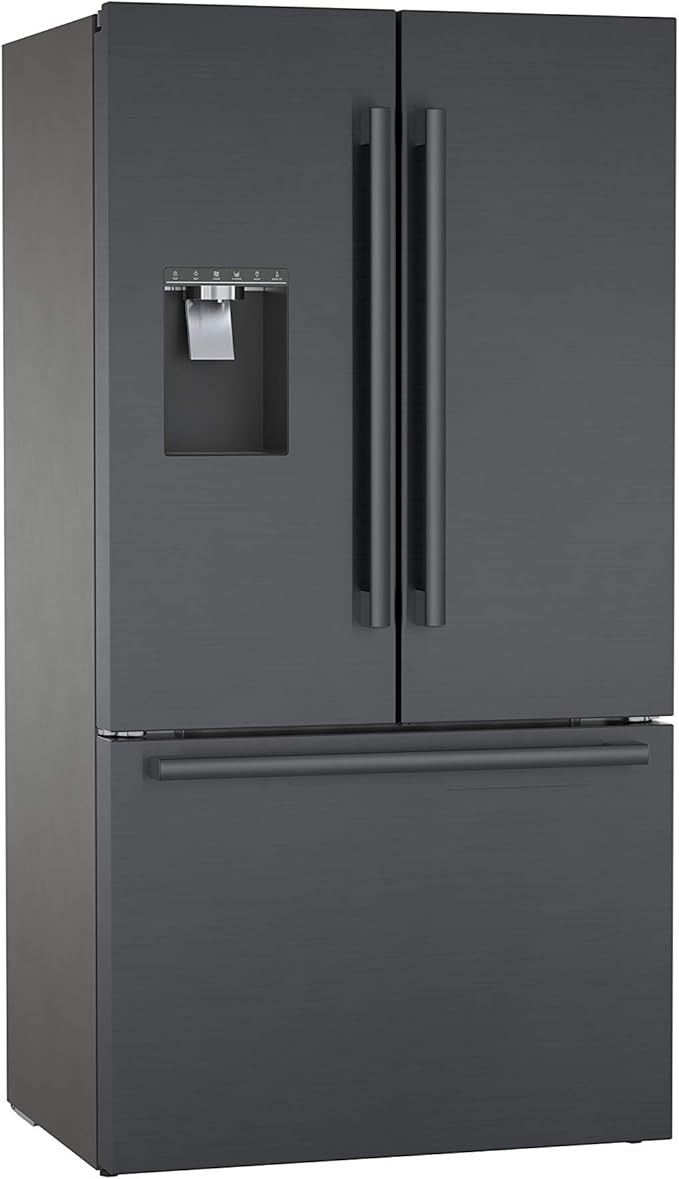
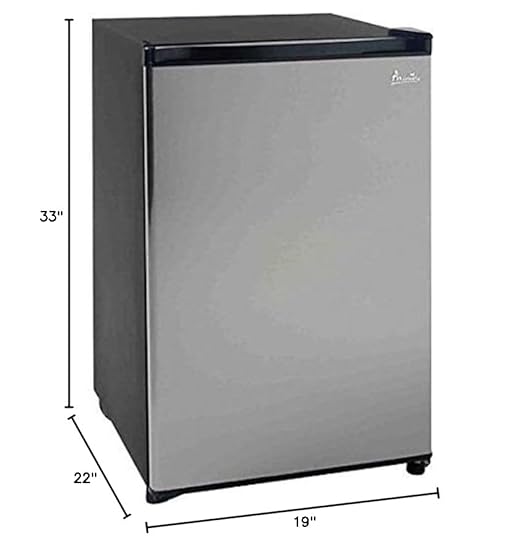
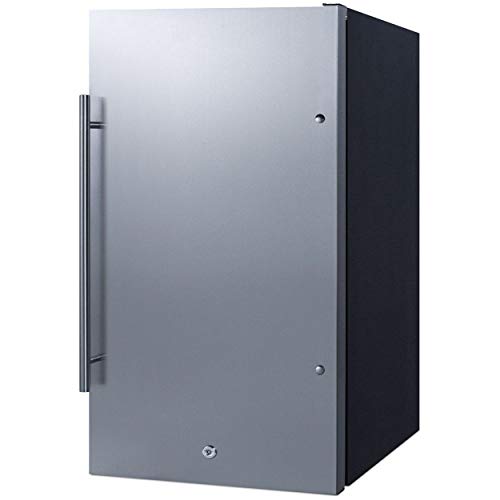
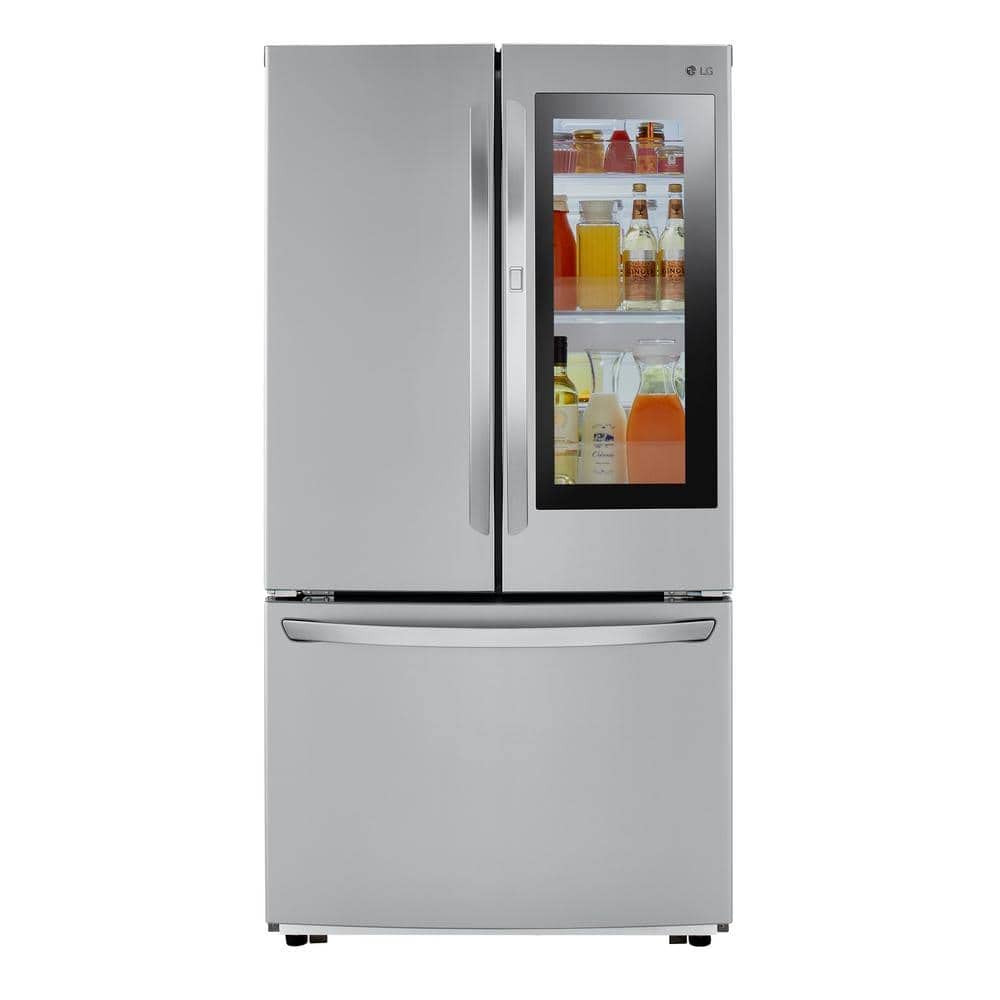
They typically have a depth of about 24-30 inches, excluding the handles.
They typically have a shallower depth compared to standard refrigerators, which makes them ideal for smaller kitchens or spaces where a seamless appearance is desired.
Counter Depth Refrigerator: Typically, these refrigerators have a lifespan of 10-15 years.
On the other hand, reach-in refrigerators are deeper, often ranging from 30-36 inches in depth.
When deciding between a counter depth refrigerator and a reach-in refrigerator, it's essential to understand the key differences and advantages of each. This section will provide insights into these two popular refrigerator types.
Differences Between Counter Depth Refrigerators and Reach-In Refrigerators
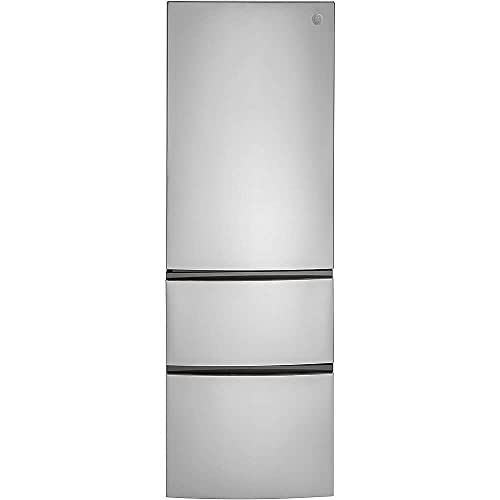
Counter depth refrigerators are designed to align with the depth of your kitchen counters, providing a sleek, built-in look. They typically have a depth of about 24-30 inches, excluding the handles. This design minimizes the space the refrigerator protrudes into the kitchen, offering a more streamlined appearance.
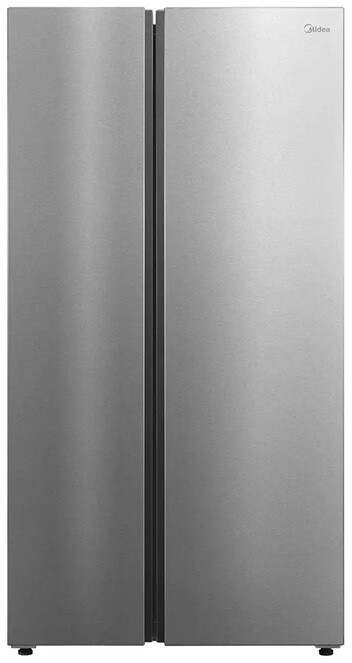
On the other hand, reach-in refrigerators are deeper, often ranging from 30-36 inches in depth. These refrigerators provide more storage space but can extend further into the kitchen area, which may or may not be ideal depending on your kitchen layout.
Feature
Counter Depth Refrigerator
Reach-In Refrigerator
Depth
24-30 inches
30-36 inches
Appearance
Streamlined with countertops
Protrudes into kitchen
Storage Space
Less storage capacity
More storage capacity
Advantages of Counter Depth Refrigerators
Aesthetic Appeal: Counter depth refrigerators align with kitchen counters, creating a cohesive and integrated look. This can enhance the overall aesthetic of your kitchen.
Space Efficiency: These refrigerators take up less space, making them ideal for smaller kitchens or for those who prefer a less cluttered look.
Ease of Access: With a shallower depth, items in a counter depth refrigerator are easier to reach and organize.
Advantages of Reach-In Refrigerators
Increased Storage: Reach-in refrigerators offer more storage space due to their greater depth, making them suitable for larger families or those who require extra capacity for food storage.
Versatility: These refrigerators often come with more features and options for customization, catering to various food storage needs.
Cost-Effective: Reach-in refrigerators generally provide more storage at a lower price per cubic foot compared to counter depth models.
When comparing counter depth refrigerators and reach-in refrigerators, design, and capacity play significant roles in determining which is best suited for your needs.
Size and Fit in Your Space
Counter depth refrigerators are designed to align with your kitchen counters, offering a sleek and integrated look. They typically have a shallower depth compared to standard refrigerators, which makes them ideal for smaller kitchens or spaces where a seamless appearance is desired.
Refrigerator Type
Depth (inches)
Width (inches)
Height (inches)
Counter Depth
24-30
30-36
68-72
Reach-In
30-36
28-36
65-70
Reach-in refrigerators are deeper, offering more storage space. They can fit more items but may protrude from the counter, affecting the overall kitchen aesthetic. Depending on your kitchen layout and available space, one type may fit better than the other.
Storage Capacity and Organization
Counter depth refrigerators, while providing a streamlined look, often have less storage capacity compared to reach-in models. However, they are designed with efficient storage solutions such as adjustable shelves, door bins, and drawers to maximize the available space.
Refrigerator Type
Average Capacity (cubic feet)
Counter Depth
20-24
Reach-In
25-30
Reach-in refrigerators offer greater storage capacity, making them suitable for larger families or those who need more space for groceries. They typically have wider shelves and larger compartments, allowing for easier organization of bulkier items.
Customization Options
Both counter depth and reach-in refrigerators come with various customization options to suit your specific needs. These can include:
Adjustable Shelves: Allowing you to change the layout based on the items you need to store.
Temperature-Controlled Drawers: Ideal for storing meats, cheeses, or other perishable items at optimal temperatures.
Door-in-Door Storage: Provides quick access to frequently used items without opening the entire refrigerator.
Customization options can enhance the functionality and convenience of your refrigerator, regardless of whether you choose a counter depth or reach-in model. For more information on different refrigerator types, check out Fridge.com article on mini fridge Vs. small upright freezer.
In summary, the design and capacity of your refrigerator should align with your space and storage needs. Both counter depth and reach-in refrigerators offer unique benefits, and understanding these can help you make an informed decision. For further comparisons, explore Fridge.com articles on see through refrigerator Vs. upright freezer and built in freezer Vs. portable refrigerator.
When comparing a counter depth refrigerator with a reach-in refrigerator, it is essential to consider their performance and functionality. This includes understanding their cooling technology, energy efficiency, temperature control, maintenance, and noise levels.
Cooling Technology and Energy Efficiency
Cooling technology is a critical factor in refrigerator performance. Both counter depth and reach-in refrigerators use advanced cooling systems to maintain optimal temperatures. However, the efficiency of these systems can vary.
Refrigerator Type
Cooling Technology
Energy Efficiency (kWh/yr)
Counter Depth
Compressor-based
400 - 500
Reach-In
Compressor-based
500 - 600
Counter depth refrigerators are often designed for residential use, focusing on energy efficiency and quiet operation. Reach-in refrigerators, typically used in commercial settings, prioritize rapid cooling and robust performance but may consume more energy.
Temperature Control and Maintenance
Temperature control is crucial for maintaining the freshness of your food. Both types of refrigerators offer precise temperature settings. However, their maintenance needs can differ.
Refrigerator Type
Temperature Range (°F)
Maintenance Frequency
Counter Depth
32 - 40
Monthly
Reach-In
32 - 40
Bi-Weekly
Counter depth refrigerators often feature user-friendly temperature controls and require less frequent maintenance. Reach-in refrigerators, designed for higher usage, may need more regular cleaning and maintenance to ensure optimal performance. For more tips on maintaining your appliance, visit Fridge.com guide on cleaning and maintenance tips.
Noise Levels and Operation
Noise levels can impact your overall experience with the refrigerator, especially in residential settings. Counter depth refrigerators are generally quieter, making them suitable for home use. Reach-in refrigerators may produce more noise due to their powerful cooling systems.
Refrigerator Type
Noise Level (dB)
Counter Depth
35 - 45
Reach-In
45 - 55
Choosing the right refrigerator based on noise levels is crucial for maintaining a peaceful environment in your home or workspace. If noise is a significant concern, a counter depth refrigerator may be the better option.
By understanding the performance and functionality of these refrigerators, you can make a more informed decision. Whether you prioritize energy efficiency, precise temperature control, or quieter operation, both counter depth and reach-in refrigerators offer unique benefits. For further comparisons, explore Fridge.com articles on mini fridge Vs. small upright freezer and garage refrigerator Vs. glass door mini fridge.
When choosing between a counter depth refrigerator and a reach-in refrigerator, it's important to consider the installation requirements and maintenance needs of each type. This section will guide you through the essential aspects of installation and upkeep for both types of refrigerators.
Installation Requirements
Installing a refrigerator involves ensuring that it fits correctly in your space and is properly connected to power and water supplies if necessary. Here are the key considerations for each type:
Feature
Counter Depth Refrigerator
Reach-In Refrigerator
Space Requirements
Fits flush with countertops
Requires more space
Power Supply
Standard 120V outlet
Standard 120V outlet
Water Supply
Needed for ice/water dispenser
Needed for ice/water dispenser (if included)
Ventilation
Adequate clearance for airflow
Adequate clearance for airflow
Counter Depth Refrigerator: These units are designed to align with your kitchen counters, providing a sleek and integrated look. Ensure that there is enough clearance around the refrigerator for proper ventilation and that it fits seamlessly with your cabinetry.
Reach-In Refrigerator: These models tend to be deeper and require more space. Measure your kitchen area to ensure you have enough room for the refrigerator and ample clearance for door openings.
Cleaning and Maintenance Tips
Regular cleaning and maintenance are crucial for the longevity and efficiency of your refrigerator. Here are some tips to keep your appliance in top shape:
Interior Cleaning: Wipe down shelves, drawers, and interior walls with a mixture of mild soap and water. Avoid using harsh chemicals that can damage the surfaces.
Exterior Cleaning: Clean the exterior with a damp cloth and mild detergent. For stainless steel surfaces, use a specialized stainless steel cleaner to avoid streaks.
Defrosting: Modern refrigerators usually have automatic defrost systems, but if manual defrosting is needed, follow the manufacturer's instructions.
Condenser Coils: Dust and debris can accumulate on condenser coils, reducing efficiency. Clean the coils every 6 months with a vacuum or a coil brush.
Gasket Maintenance: Check and clean the door gasket regularly to ensure a proper seal. Replace it if you notice any cracks or wear.
Longevity and Durability Factors
The lifespan and durability of your refrigerator depend on several factors, including usage, maintenance, and build quality. Here are some aspects to consider:
Factor
Counter Depth Refrigerator
Reach-In Refrigerator
Average Lifespan
10-15 years
10-20 years
Maintenance Frequency
Regular cleaning and checks
Regular cleaning and checks
Common Issues
Gasket wear, compressor issues
Gasket wear, compressor issues
Counter Depth Refrigerator: Typically, these refrigerators have a lifespan of 10-15 years. Regular maintenance, such as cleaning the condenser coils and checking the door gasket, can help extend their life.
Reach-In Refrigerator: These models often have a longer lifespan, ranging from 10-20 years. Proper maintenance and timely repairs are essential to maximize their durability.
For more information on refrigerator comparisons and maintenance tips, explore Fridge.com articles on mini fridge Vs. small upright freezer and see through refrigerator Vs. upright freezer.
Compare prices on Fridge.com
Compare current prices and specifications on Fridge.com, then buy from the retailer you choose; delivery, installation and warranty terms are the retailer’s.
It also has tons of awesome articles about kitchen stuff and home news. Enhance your home, garage, backyard, patio, and office with the coolest essentials. With every necessary type of residential refrigerator or freezer in the collection, you're covered.
Free tool
Kitchen Space Planner
Free interactive tool from Fridge.com — get a quick answer while you read.