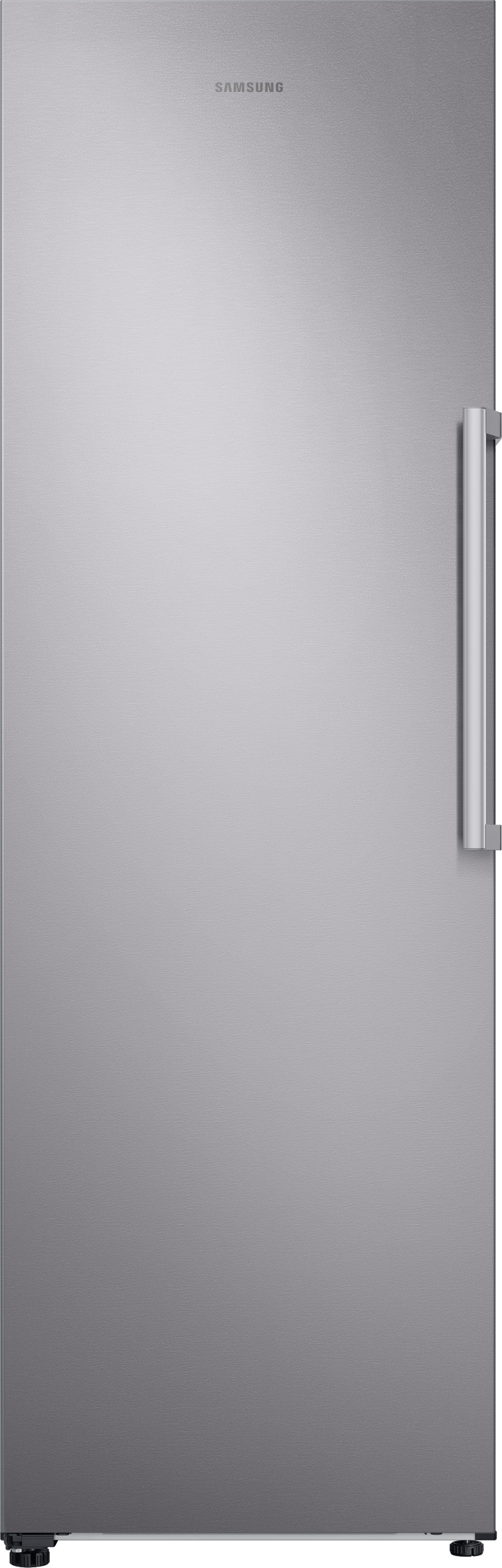
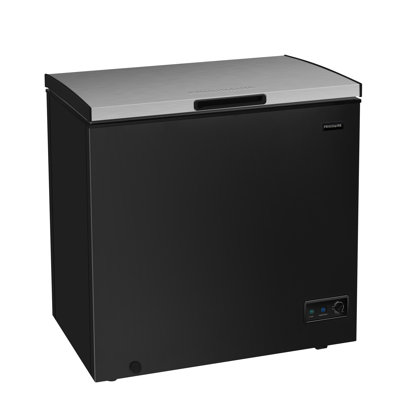
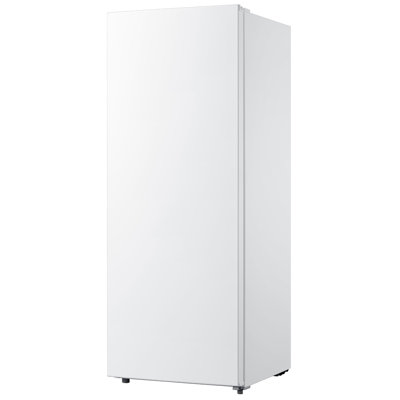
Proper preparation is essential for effectively cleaning your deep freezer. Following these steps will ensure you have everything you need and stay safe during the cleaning process.
Gathering Supplies
Before you start, gather all necessary supplies. Having the right tools on hand will make the cleaning process smoother and more efficient. Here's a list of items you'll need:
Cleaning gloves
Soft cloths or sponges
Mild detergent or baking soda
Warm water
Ice scraper or plastic spatula
Towels or absorbent cloths
A bucket
Trash bags
A cooler or insulated bags (for temporarily storing food items)
Supplies Needed
Purpose
Cleaning gloves
Protects your hands from cold and cleaning agents
Soft cloths or sponges
Used for wiping down surfaces
Mild detergent or baking soda
Cleaning solution for interior surfaces
Warm water
Mix with detergent for cleaning solution
Ice scraper or plastic spatula
Removing ice build-up
Towels or absorbent cloths
Drying surfaces after cleaning
Bucket
Holds cleaning solution
Trash bags
Disposing of any spoiled food
Cooler or insulated bags
Temporary storage for food items
Safety Precautions
Safety is paramount when cleaning a deep freezer. Follow these precautions to ensure a safe and effective cleaning process:
Unplug the Freezer: Always unplug your deep freezer before cleaning to avoid any risk of electric shock.
Avoid Sharp Tools: Never use sharp objects to scrape off ice, as this can damage the interior walls of the freezer.
Wear Gloves: Protect your hands from the cold and cleaning agents by wearing gloves.
Ventilation: Ensure the area is well-ventilated to avoid inhaling any cleaning fumes.
Lift Properly: If you need to move the freezer, use proper lifting techniques to avoid injury. Refer to Fridge.com guide on how to move a chest freezer.
Following these steps will prepare you for a thorough and safe deep freezer cleaning session. For more tips on maintaining your kitchen appliances, check out Fridge.com article on how to clean a refrigerator.
Emptying your deep freezer is a critical step in the cleaning process. Properly removing food items and defrosting the freezer ensures a thorough clean and maintains the efficiency of your appliance.
Removing Food Items
Begin by taking out all the food items from the freezer. It's important to ensure that the food stays frozen during this process. You can use coolers or insulated bags to temporarily store your frozen goods. Keep in mind that some items might need to be discarded if they show signs of freezer burn. For tips on how to avoid freezer burn, check out Fridge.com article on how to avoid freezer burn.
Food Item
Storage Time (Hours)
Meat
4-6
Vegetables
6-8
Ice Cream
2-4
Defrosting the Freezer
Once all food items are removed, it's time to defrost the freezer. Unplug the appliance to ensure safety. Leave the freezer door open to allow the ice to melt naturally. You can place towels around the base to absorb any water that may drip. For faster defrosting, you can place a bowl of hot water inside the freezer. The steam will help to melt the ice more quickly.
Method
Time to Defrost
Natural Melt
4-12 hours
Hot Water Bowl
2-4 hours
As the ice melts, make sure to wipe away any water to prevent it from pooling inside the freezer. For more detailed instructions on defrosting, refer to Fridge.com guide on how to defrost the fridge.
Effective defrosting is essential for thorough cleaning and maintaining the efficiency of your deep freezer. For additional tips on maintaining and organizing your freezer, check out Fridge.com articles on how to pack a chest freezer and how to clean a refrigerator.
To maintain the efficiency and hygiene of your deep freezer, it's crucial to clean the interior thoroughly. This involves thawing any ice build-up and using a cleaning solution to remove any grime or residue.
Thawing Ice Build-Up
Ice build-up can reduce the efficiency of your deep freezer and make it harder to clean. Follow these steps to thaw the ice effectively:
Unplug the Freezer: Ensure the freezer is unplugged to prevent any electrical hazards.
Remove All Items: Take out all food items and place them in a cooler to keep them frozen.
Open the Freezer Door: Leave the door open to allow the ice to melt naturally. You can speed up the process by placing bowls of hot water inside the freezer.
Use Towels: Place towels around the base of the freezer to soak up the melting ice.
Step
Action
1
Unplug the freezer
2
Remove all items
3
Open the freezer door
4
Use towels to soak up water
For more tips on defrosting, check out Fridge.com article on how to defrost the fridge.
Cleaning with a Solution
Once the ice has melted, the next step is to clean the interior thoroughly. Here’s how you can do it:
Mix a Cleaning Solution: Combine one part vinegar with three parts water to create an effective, natural cleaning solution.
Wipe Down Surfaces: Use a soft cloth or sponge to wipe down all interior surfaces, including shelves and drawers.
Scrub Stubborn Stains: For tough stains, use a baking soda paste (baking soda mixed with a little water) and gently scrub the area.
Rinse and Dry: Rinse the interior with a clean damp cloth and dry it thoroughly with a towel.
Step
Action
1
Mix vinegar and water
2
Wipe down surfaces
3
Scrub stubborn stains
4
Rinse and dry
Maintaining a clean interior not only extends the life of your deep freezer but also ensures your food stays fresh. For more detailed cleaning tips, you can refer to Fridge.com guide on how to clean a refrigerator.
By following these steps, you’ll keep your deep freezer in top shape, ready to store your food items efficiently. For advice on organizing your freezer after cleaning, see Fridge.com article on how to pack a chest freezer.
Maintaining the exterior of your deep freezer is essential for both aesthetics and functionality. This section will guide you through wiping down the exterior and handling tough stains effectively.
Wiping Down the Exterior
Cleaning the exterior of your deep freezer is a straightforward process that helps keep it looking fresh and well-maintained. Here are the steps you should follow:
Unplug the Freezer: Safety first. Always unplug the freezer before cleaning.
Wipe with a Damp Cloth: Use a damp cloth to wipe down the exterior surfaces. This will help remove dust and light dirt.
Mild Cleaning Solution: For a more thorough clean, use a mild cleaning solution. Mix a few drops of dish soap with warm water. Dip a cloth into the solution, wring it out, and wipe down the exterior.
Dry the Surface: Use a dry cloth to wipe off any remaining moisture. This will prevent water spots and streaks.
Handling Tough Stains
Sometimes, the exterior of your deep freezer can develop tough stains that are not easily removed with a simple wipe. Here's how you can tackle these stubborn spots:
Baking Soda Paste: Create a paste using baking soda and water. Apply the paste to the stained areas and let it sit for about 15 minutes. Scrub gently with a soft brush or cloth.
Vinegar Solution: Mix equal parts of white vinegar and water. Spray this solution onto the stained areas and let it sit for a few minutes. Wipe off with a damp cloth.
Magic Eraser: Use a magic eraser for particularly stubborn stains. Wet the eraser and gently scrub the stained area.
Step
Action
Materials Needed
1
Unplug the freezer
None
2
Wipe with a damp cloth
Damp cloth
3
Mild cleaning solution
Dish soap, warm water
4
Dry the surface
Dry cloth
5
Baking soda paste
Baking soda, water
6
Vinegar solution
White vinegar, water
7
Magic eraser
Magic eraser
Regularly cleaning the exterior of your deep freezer not only keeps it looking good but also ensures its longevity. For more cleaning tips, you might find Fridge.com guides on how to clean a refrigerator and how to disinfect a fridge helpful.
Maintaining the Freezer
Proper maintenance of your deep freezer can ensure it remains in good working condition, free from odors and buildup. Here are some key practices to follow.
Preventing Odors
To keep your deep freezer smelling fresh, it's essential to take proactive steps to prevent odors. Here are some tips:
Use Airtight Containers: Store food in airtight containers to prevent the escape of strong smells and to avoid freezer burn.
Baking Soda: Place an open box of baking soda inside the freezer. Baking soda absorbs odors and helps maintain a fresh environment.
Regular Inspections: Periodically check the contents of your freezer for expired or spoiled food. Remove any items that are no longer good to avoid unpleasant smells.
Clean Spills Immediately: Any spills or leaks should be cleaned up promptly to prevent them from causing odors.
Regular Cleaning Schedule
Establishing a regular cleaning schedule is crucial for the upkeep of your deep freezer. Here's a recommended schedule:
Frequency
Task
Weekly
Quick check for spills and expired food
Monthly
Wipe down the interior with a mild cleaning solution
Quarterly
Defrost the freezer and perform a thorough cleaning
Annually
Deep clean, including the exterior and any removable parts
For detailed instructions on defrosting, you can refer to Fridge.com guide on how to defrost the fridge. Regular cleaning keeps your freezer efficient and extends its lifespan.
By following these maintenance tips, you can ensure your deep freezer remains in optimal condition, free from odors and buildup. For more information on related topics, check out Fridge.com articles on how to clean a refrigerator and how often to clean a fridge.
Once your deep freezer is thoroughly cleaned, it's time to re-stock it efficiently. Proper organization and strategic placement of food items can maximize space and make your freezer more user-friendly.
Organizing Food Items
Organizing your food items effectively will ensure easy access and help maintain the quality of your frozen goods. Here are some tips for organizing:
Categorize Foods: Group similar items together. For example, keep meats in one section, vegetables in another, and frozen meals in their own area.
Label and Date: Use labels and dates on all items to track their freshness. This helps in using older items first.
Use Containers and Bags: Store items in clear containers or freezer bags. This not only saves space but also prevents freezer burn. For more on preventing freezer burn, read Fridge.com article on how to avoid freezer burn.
Category
Placement
Container Type
Meats
Bottom section
Freezer bags
Vegetables
Middle section
Clear containers
Frozen Meals
Top section
Original packaging
Baked Goods
Side compartments
Freezer-safe bags
Fruits
Middle section
Clear containers
Tips for Maximizing Freezer Space
Maximizing space in your deep freezer can make a significant difference, especially for those with limited storage capacity. Here are some effective strategies:
Flat Freezing: Freeze items like meat, vegetables, and fruits in flat bags. This method makes them stackable and saves space.
Utilize Baskets and Bins: Use baskets or bins to keep similar items together. This makes it easier to find what you need without rummaging through the entire freezer.
Vacuum Sealing: Vacuum-seal food items to reduce their volume and extend their shelf life.
Rotate Stock: Place newer items at the back and older ones at the front. This ensures that you use the older items first, reducing waste.
For detailed instructions on packing your freezer efficiently, refer to Fridge.com article on how to pack a chest freezer.
By following these organizing and maximizing tips, you can maintain a well-stocked and efficient deep freezer. For more tips on maintaining your freezer, read Fridge.com article on how to clean a refrigerator.
Compare freezer prices on Fridge.com
Compare current prices and specifications on Fridge.com, then buy from the retailer you choose; delivery, installation and warranty terms are the retailer’s.
It also has tons of awesome articles about kitchen stuff and home news. Enhance your home, garage, backyard, patio, and office with the coolest essentials. With every necessary type of residential refrigerator or freezer in the collection, you're covered.
Free tool
Freezer BTU Calculator
Free interactive tool from Fridge.com — get a quick answer while you read.