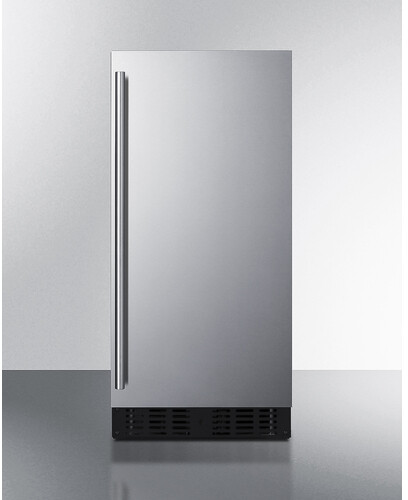
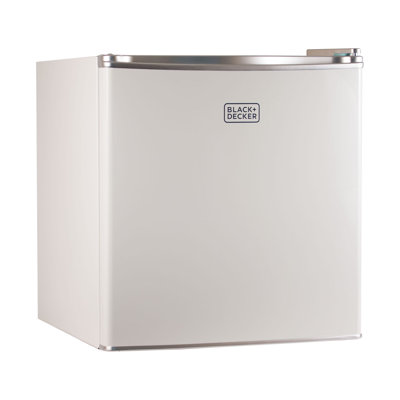
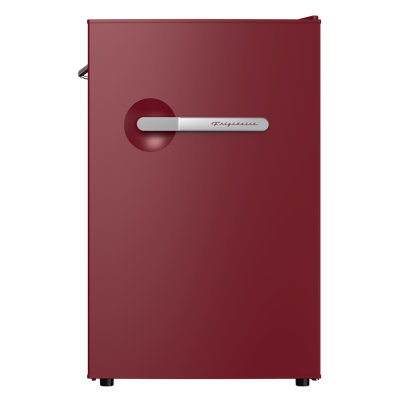
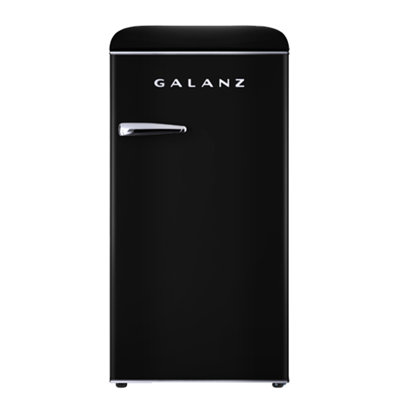
Energy Consumption: On average, counter depth refrigerators consume between 400 to 600 kWh per year.
Energy Consumption: Dorm fridges typically consume between 100 to 200 kWh per year.
These refrigerators typically extend only a few inches beyond the edge of the counter, making them an excellent choice for modern kitchens where space and aesthetics are important.
Counter depth refrigerators are ideal for homeowners who prioritize kitchen aesthetics and want a streamlined appearance.
When it comes to selecting a refrigerator, it's essential to understand the different types available. This section will define counter depth refrigerators and explore dorm fridges to help you make an informed decision.
Defining Counter Depth Refrigerators
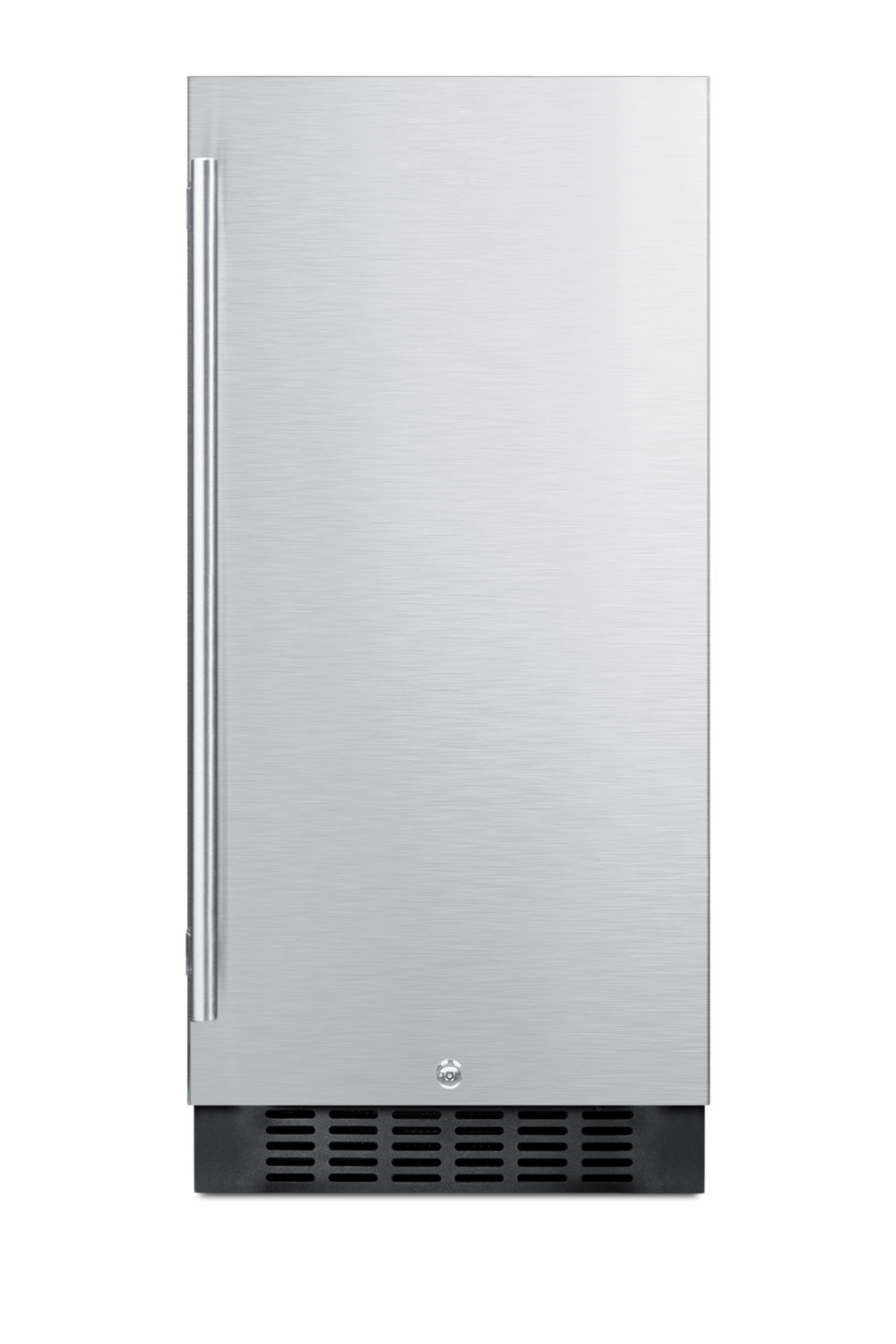
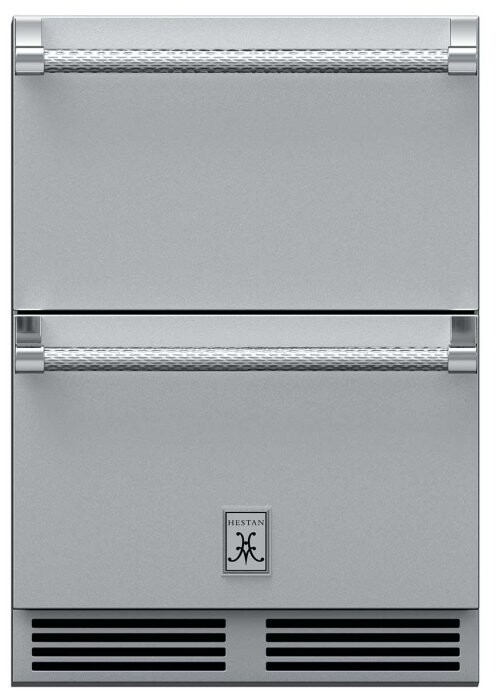
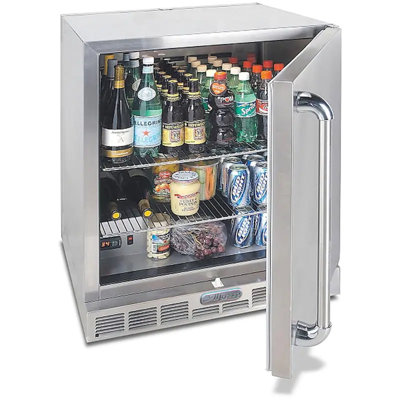
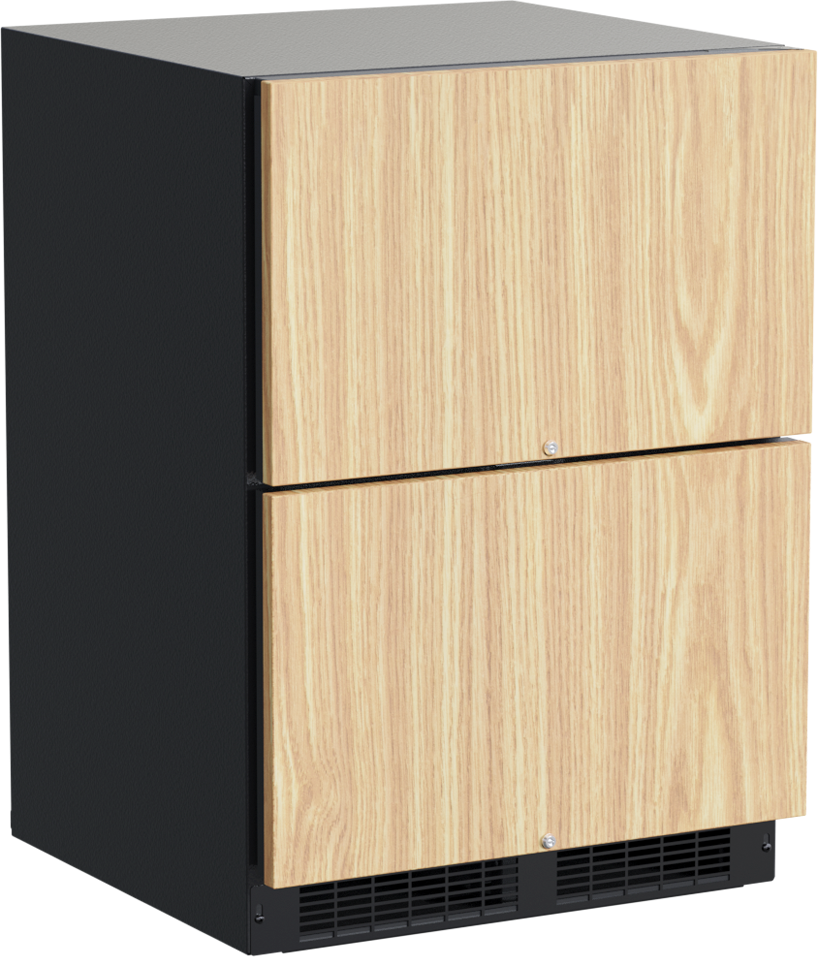
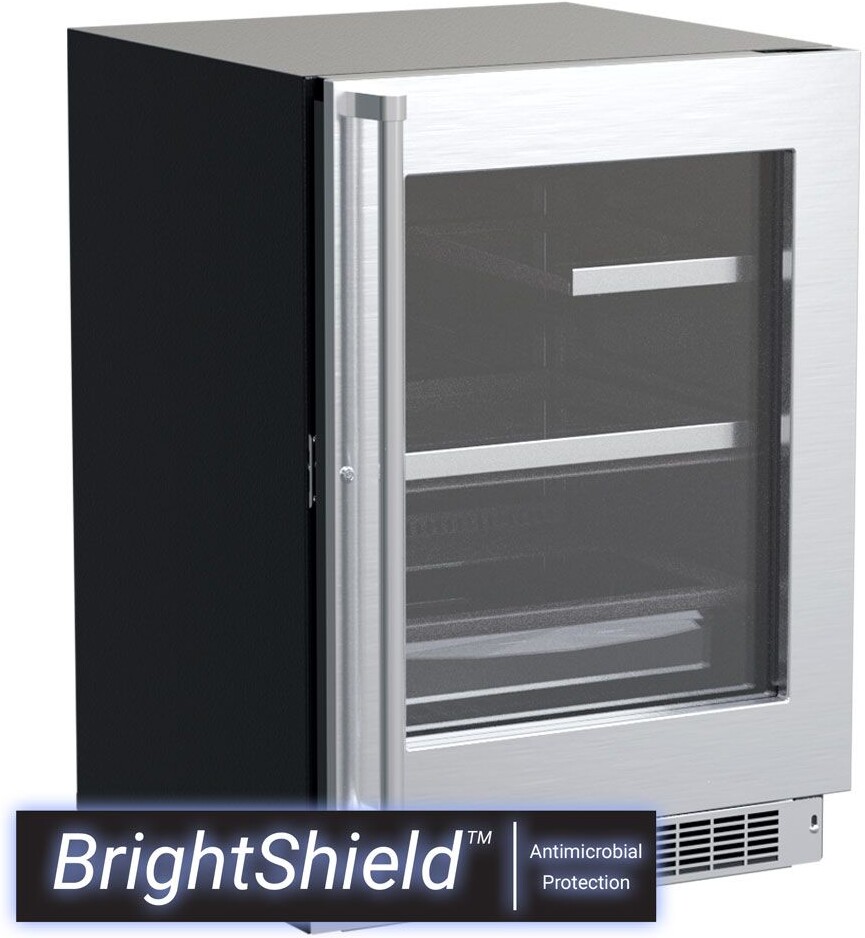
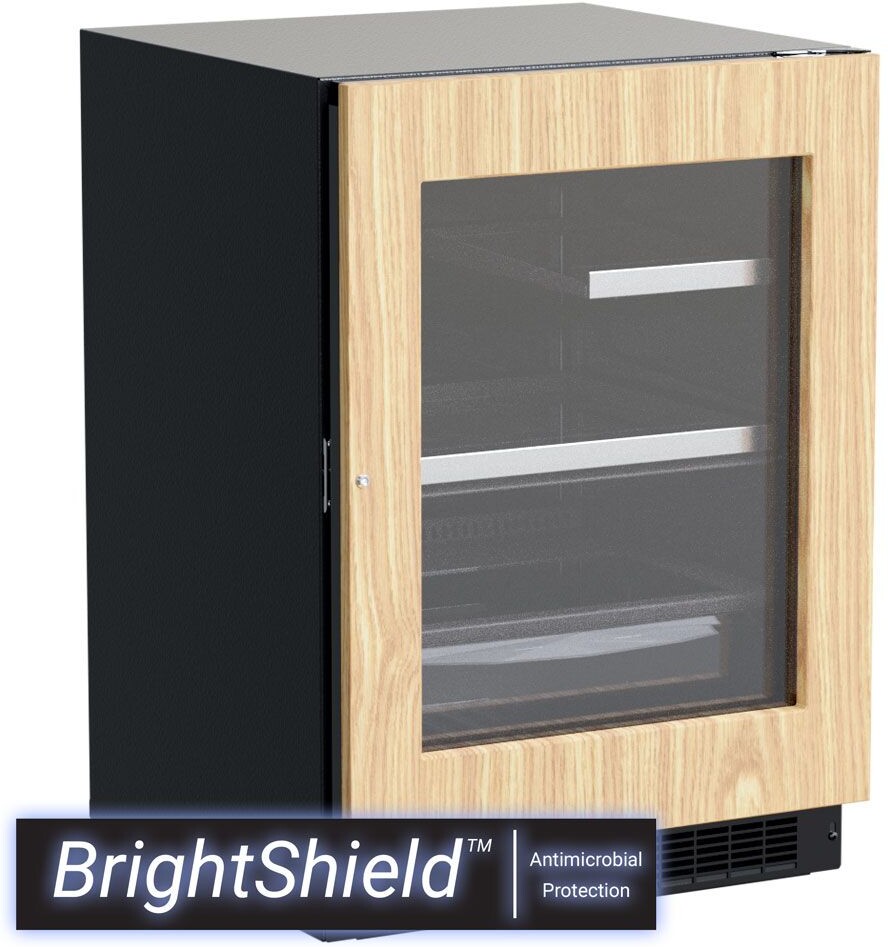
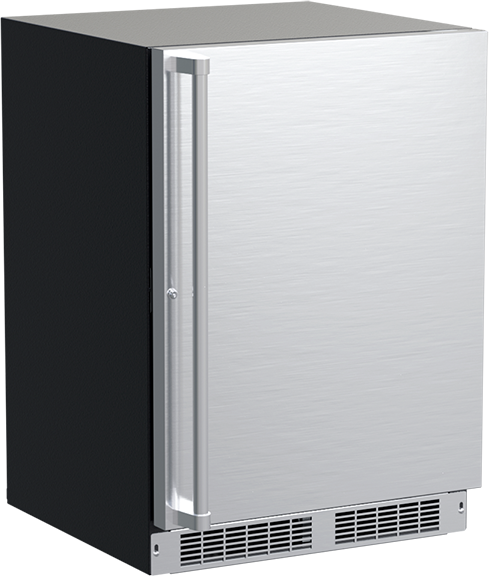
Counter depth refrigerators are designed to align with the edges of your kitchen counters, providing a sleek and integrated look. These refrigerators are typically shallower than standard refrigerators, which allows them to blend seamlessly with your cabinetry. Despite their shallower depth, counter depth refrigerators often have wider dimensions to compensate for the reduced depth, offering ample storage space.
Feature
Counter Depth Refrigerator
Depth
24-30 inches
Width
30-36 inches
Height
67-70 inches
Storage Capacity
20-25 cubic feet
Counter depth refrigerators are ideal for homeowners who prioritize kitchen aesthetics and want a streamlined appearance. They are also beneficial in kitchens with limited space as they do not protrude beyond the counter edges.
Exploring Dorm Fridges
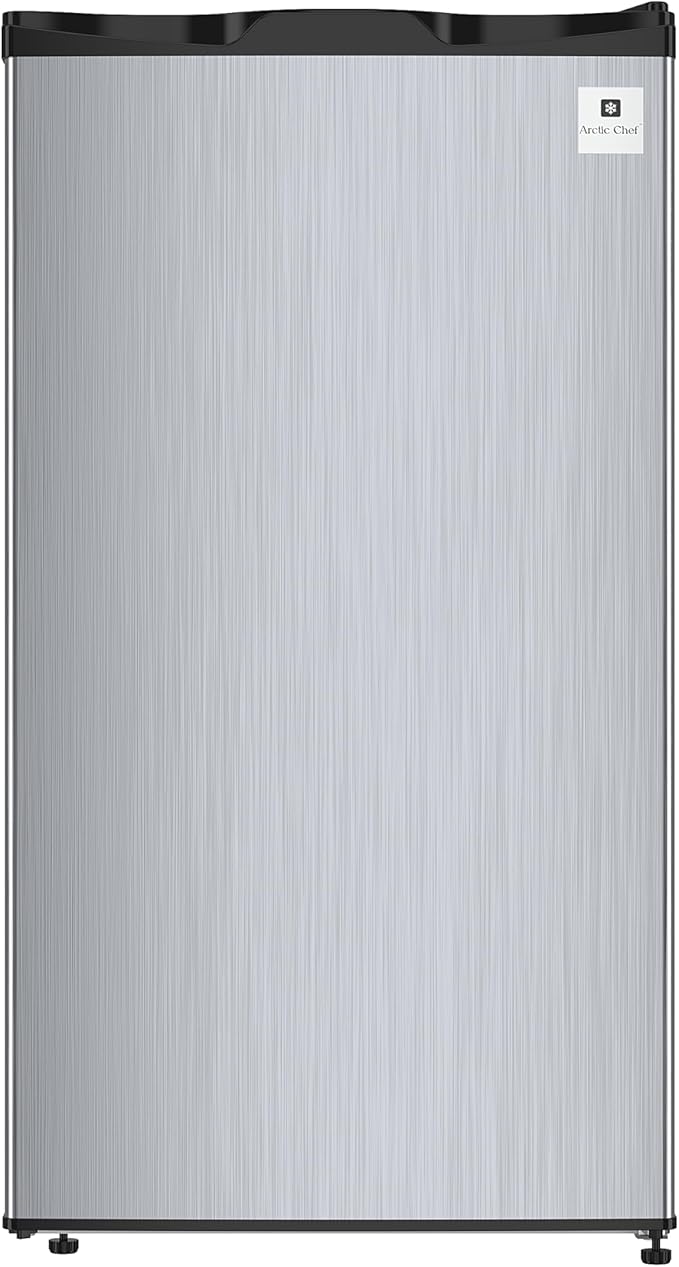
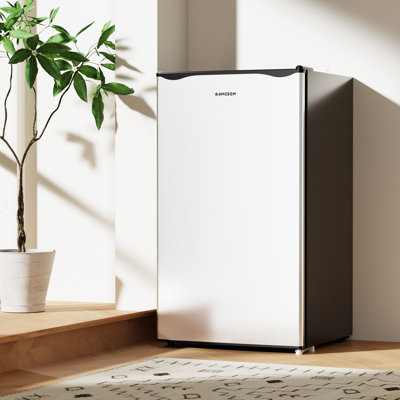
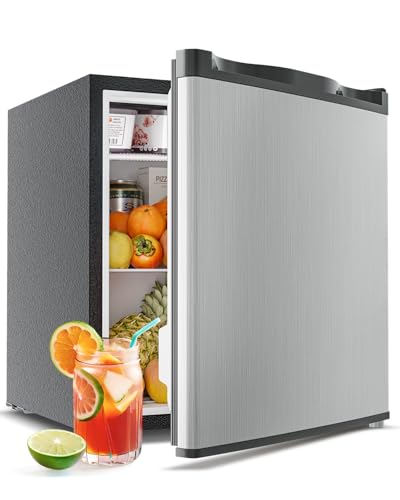
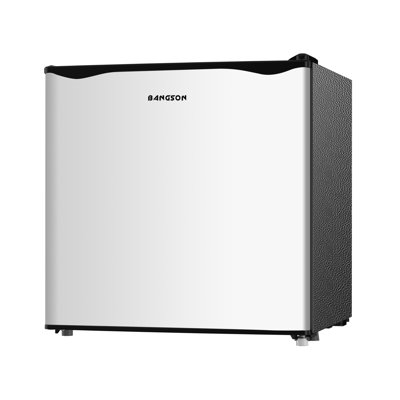
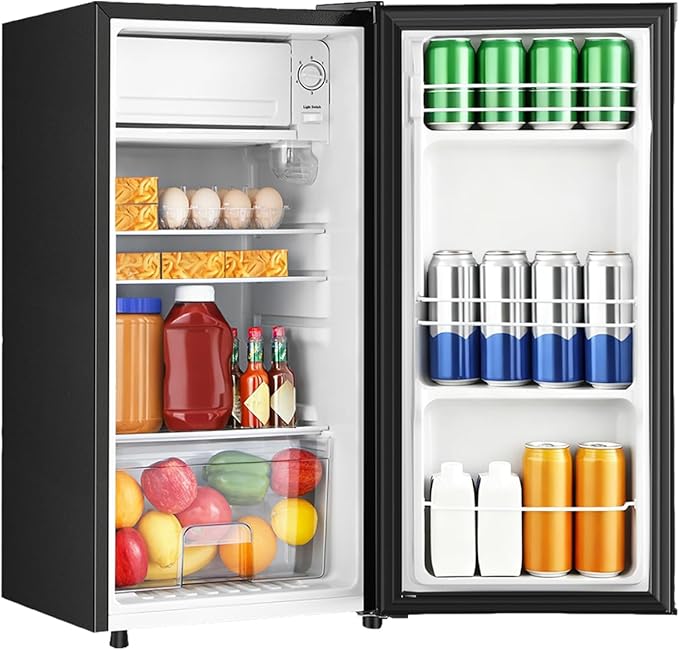
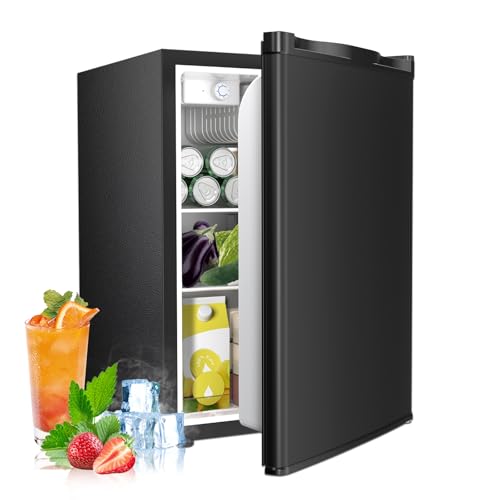
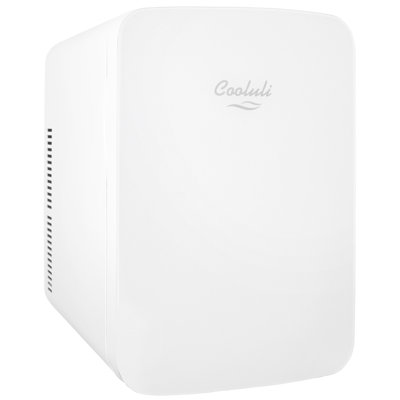
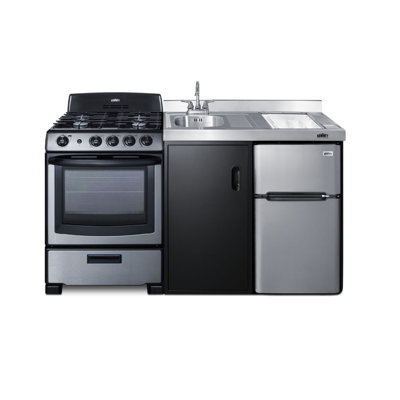
Dorm fridges, also known as mini fridges, are compact refrigerators designed for small spaces such as dorm rooms, offices, and bedrooms. These refrigerators are much smaller than standard and counter depth refrigerators, making them perfect for storing essentials in tight areas. Dorm fridges typically include a small freezer compartment and limited shelving.
Feature
Dorm Fridge
Depth
17-22 inches
Width
18-24 inches
Height
24-34 inches
Storage Capacity
1.7-4.5 cubic feet
Dorm fridges are ideal for individuals who need a compact and portable cooling solution. They are perfect for storing beverages, snacks, and small food items, making them a popular choice for students and office workers.
Understanding the differences between counter depth refrigerators and dorm fridges is crucial when deciding which type best suits your needs. Each refrigerator type offers unique benefits and features that cater to different lifestyles and space requirements. For more comparisons, check out Fridge.com articles on mini fridge freezer Vs. office refrigerator and freestanding refrigerator Vs. freezer drawer.
When comparing refrigerator types, size and capacity are critical factors to consider. Let's delve into the specifics of counter depth refrigerators and dorm fridges to help you understand their dimensions and storage capabilities.
Counter Depth Refrigerators
Counter depth refrigerators are designed to align with the edges of your kitchen counters, providing a streamlined and integrated look. These refrigerators typically offer a moderate capacity, making them suitable for families and individuals who require ample storage space without the bulk of a standard refrigerator.
Feature
Measurement
Width
30 - 36 inches
Depth
24 - 30 inches
Height
68 - 70 inches
Capacity
15 - 25 cubic feet
Counter depth refrigerators often come with various compartments, including shelves, drawers, and door bins, allowing for organized storage of food and beverages. Their sleek design ensures that they don't protrude too much beyond your counter, enhancing the aesthetic appeal of your kitchen.
Dorm Fridges
Dorm fridges, also known as compact refrigerators, are smaller and more portable, making them ideal for limited spaces such as dorm rooms, offices, or small apartments. Despite their compact size, they provide sufficient storage for essentials and are an excellent choice for those with minimal refrigeration needs.
Feature
Measurement
Width
18 - 24 inches
Depth
20 - 22 inches
Height
20 - 34 inches
Capacity
1.5 - 4.5 cubic feet
Dorm fridges may include a small freezer compartment, adjustable shelves, and door storage for bottles and cans. Their compact nature makes them easy to move and fit into tight spaces, offering convenience for individuals with specific space constraints.
Understanding the size and capacity of these two refrigerator types can help you make an informed decision based on your needs and space availability. For more comparisons on different refrigerator types, visit Fridge.com articles on mini fridge freezer Vs. office refrigerator and bottom freezer refrigerator Vs. standard fridge size.
Features and Functionality
When comparing the features and functionality of counter depth refrigerators and dorm fridges, it's important to understand how each type of refrigerator caters to different needs and preferences.
Counter Depth Refrigerators
Counter depth refrigerators are designed to align with the edges of your kitchen counters, creating a seamless look that enhances your kitchen's aesthetics. These refrigerators are typically larger and come with a variety of advanced features.
Storage Capacity: Counter depth refrigerators offer substantial storage, with multiple compartments and adjustable shelves. This makes them ideal for families or individuals who need to store a large amount of food.
Temperature Control: These refrigerators often feature advanced temperature control settings, allowing you to customize the temperature for different sections, such as the fridge and freezer.
Energy Efficiency: Counter depth refrigerators are designed to be energy efficient, which can help reduce your electricity bills. Many models come with energy-saving features like LED lighting and efficient compressors.
Additional Features: They often include features such as ice makers, water dispensers, and smart technology that allows you to monitor and control the refrigerator remotely through an app.
For more information on different refrigerator types, check out Fridge.com comparison between freestanding refrigerator Vs. freezer drawer.
Feature
Counter Depth Refrigerator
Storage Capacity
High
Temperature Control
Advanced
Additional Features
Ice maker, water dispenser, smart technology
Dorm Fridges
Dorm fridges, also known as mini fridges, are compact and designed for small spaces such as dorm rooms, offices, or small apartments. They are perfect for individuals who need a simple and convenient cooling solution without the need for extensive storage.
Storage Capacity: Dorm fridges have limited storage capacity, typically featuring a small main compartment and a tiny freezer section. They are suitable for storing beverages, snacks, and a small amount of perishable items.
Temperature Control: These fridges usually come with basic temperature control settings. While they may not offer the same level of customization as counter depth refrigerators, they are sufficient for everyday needs.
Energy Efficiency: Dorm fridges are generally energy efficient due to their small size. However, they may not have the same advanced energy-saving features as larger refrigerators.
Additional Features: Dorm fridges often come with simple features like a small freezer compartment, adjustable shelves, and sometimes a lock for added security.
For a detailed comparison on similar compact options, visit Fridge.com article on mini fridge freezer Vs. office refrigerator.
Feature
Dorm Fridge
Storage Capacity
Limited
Temperature Control
Basic
Additional Features
Small freezer, adjustable shelves, lock
Understanding the differences in features and functionality can help you make an informed decision when choosing between a counter depth refrigerator and a dorm fridge. Consider your specific needs and the space available to determine which type of refrigerator best suits your lifestyle. For more options, explore Fridge.com comparison between mini fridge Vs. panel ready refrigerator.
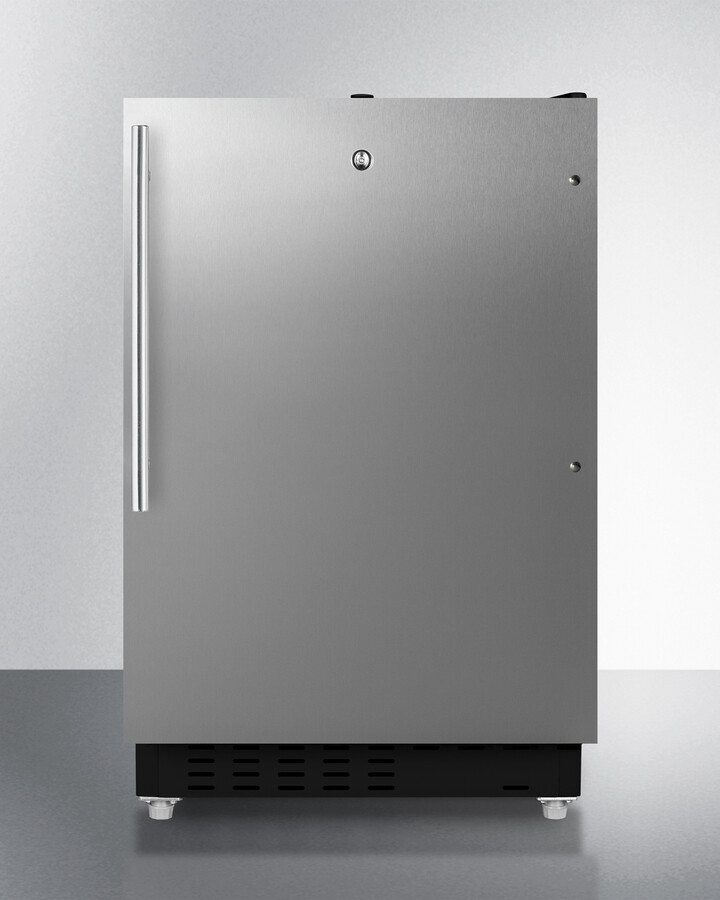
Counter depth refrigerators are designed to align seamlessly with your kitchen counters, providing a sleek and integrated look. These refrigerators typically extend only a few inches beyond the edge of the counter, making them an excellent choice for modern kitchens where space and aesthetics are important.
When considering the installation of a counter depth refrigerator, you need to account for the following:
Space Requirements: Ensure there is sufficient space for the refrigerator door to open fully without obstructing nearby cabinets or appliances.
Ventilation: Proper ventilation is crucial for maintaining the appliance's efficiency. Make sure there is enough clearance around the refrigerator for air circulation.
Power Source: A nearby electrical outlet is necessary for the refrigerator's operation. Verify that the outlet can handle the appliance's power requirements.
Dorm fridges, also known as mini fridges, are compact and portable, making them ideal for small spaces like dorm rooms, offices, or bedrooms. These refrigerators are designed to fit into tight spaces and can be placed on countertops or under desks.
When installing a dorm fridge, consider the following factors:
Placement: Choose a flat, stable surface for the fridge. Avoid placing it near heat sources, such as radiators or direct sunlight, as this can affect its performance.
Ventilation: Like larger refrigerators, dorm fridges also require proper ventilation. Ensure there is adequate space around the fridge for air to circulate.
Power Source: A standard electrical outlet is needed to power the fridge. Check the power cord length and outlet location to avoid using extension cords.
Feature
Specification
Depth
18 - 20 inches
Width
18 - 20 inches
Height
30 - 34 inches
Clearance
1 - 2 inches on all sides
For more guidance on selecting the right fridge for your needs, read Fridge.com article on mini fridge freezer Vs. office refrigerator.
By understanding the specific requirements for installing and placing both counter depth refrigerators and dorm fridges, you can ensure optimal performance and longevity of your appliance. For further insights into different types of refrigerators and their features, explore Fridge.com articles on freestanding refrigerator Vs. freezer drawer and mini fridge Vs. panel ready refrigerator.
Counter depth refrigerators are designed to offer a streamlined look, aligning with kitchen counters and cabinetry. These refrigerators are generally larger in size and capacity, which can impact their energy consumption. However, many modern counter depth refrigerators come equipped with energy-saving features such as inverter compressors, LED lighting, and enhanced insulation.
Energy Consumption: On average, counter depth refrigerators consume between 400 to 600 kWh per year.
Energy Star Rating: Many models meet Energy Star standards, which means they are 15% more efficient than non-certified models.
Feature
Counter Depth Refrigerators
Average Annual Energy Consumption (kWh)
400 - 600
For more information on energy efficiency in refrigerators, you can explore Fridge.com detailed comparison of freestanding refrigerator Vs. freezer drawer.
Dorm Fridges
Dorm fridges, also known as mini fridges, are compact and designed for small spaces such as dorm rooms, offices, and bedrooms. Due to their smaller size, dorm fridges generally consume less energy compared to full-sized refrigerators. However, they may not have as many energy-saving features as their larger counterparts.
Energy Consumption: Dorm fridges typically consume between 100 to 200 kWh per year.
Energy Star Rating: Some models are Energy Star certified, offering better energy efficiency.
Feature
Dorm Fridges
Average Annual Energy Consumption (kWh)
100 - 200
To learn more about compact appliances and their energy efficiency, visit Fridge.com article on mini fridge freezer Vs. office refrigerator.
When comparing the energy efficiency of counter depth refrigerators and dorm fridges, it's clear that dorm fridges consume less energy due to their smaller size. However, the choice between the two depends on your specific needs and the space available. For other comparisons, check out Fridge.com guide on mini fridge Vs. panel ready refrigerator.
Cost Considerations
When choosing between a counter depth refrigerator and a dorm fridge, cost is an important factor to consider. This section will help you understand the cost implications of each option.
Counter Depth Refrigerators
Counter depth refrigerators are designed to blend seamlessly with your kitchen cabinetry, providing a sleek and integrated look. They are generally more expensive than standard refrigerators due to their design and features.
Aspect
Cost Range
Initial Purchase Price
$1,500 - $3,000
Installation Costs
$100 - $500
Maintenance Costs
$100 - $300 annually
The initial purchase price of a counter depth refrigerator can be high, but the investment may be worth it for the added aesthetic and functional benefits. Installation costs can vary depending on whether modifications to existing cabinetry are required. Maintenance and energy costs should also be factored into your decision.
For more information on different types of refrigerators, you might find Fridge.com article on fridge freezer combo Vs. portable refrigerator helpful.
Dorm Fridges
Dorm fridges, also known as mini fridges, are compact and designed for small spaces like dorm rooms, offices, or bedrooms. They are significantly more affordable than counter depth refrigerators.
Aspect
Cost Range
Initial Purchase Price
$50 - $200
Installation Costs
$0
Maintenance Costs
$20 - $50 annually
The initial purchase price of a dorm fridge is much lower, making it a budget-friendly option. Installation costs are generally non-existent since these fridges are plug-and-play. Maintenance and energy costs are also minimal, making dorm fridges an economical choice for those with limited space and budget.
For a comparison between different compact fridge options, check out Fridge.com article on mini fridge freezer Vs. office refrigerator.
Understanding the cost considerations of counter depth refrigerators and dorm fridges can help you make an informed decision based on your budget and needs.
When deciding between a counter depth refrigerator and a dorm fridge, it's essential to weigh the advantages and drawbacks of each. This can help you make an informed decision based on your specific needs and lifestyle.
Counter Depth Refrigerators
Counter depth refrigerators are designed to align with the edge of your countertops, providing a sleek and integrated look in your kitchen. Here are the pros and cons of these appliances:
Pros:
Aesthetic Appeal: Blends seamlessly with kitchen cabinetry.
Capacity: Offers larger storage space compared to dorm fridges.
Features: Typically comes with advanced features like ice makers, water dispensers, and smart technology.
Organization: More shelves and compartments for better food organization.
Cons:
Cost: Generally more expensive than dorm fridges.
Space Requirement: Requires more kitchen space.
Installation: Often requires professional installation.
Energy Consumption: Higher energy usage compared to smaller fridges.
Factor
Counter Depth Refrigerators
Aesthetic Appeal
High
Capacity
Large
Features
Advanced
Organization
Excellent
Cost
High
Space Requirement
Large
Installation
Professional
Dorm Fridges
Dorm fridges are compact and designed for small spaces, making them ideal for dorm rooms, offices, or small apartments. Here are the pros and cons of dorm fridges:
Pros:
Compact Size: Fits easily into tight spaces.
Cost: More affordable than counter depth refrigerators.
Portability: Easy to move and relocate.
Energy Efficiency: Consumes less energy.
Cons:
Capacity: Limited storage space.
Features: Fewer advanced features.
Organization: Limited shelving and compartment options.
Cooling Performance: May not be as efficient in maintaining consistent temperatures.
Factor
Dorm Fridges
Compact Size
High
Cost
Low
Portability
High
Capacity
Limited
Features
Basic
Organization
Limited
Cooling Performance
Variable
When comparing a counter depth refrigerator Vs. dorm fridge, consider your available space, budget, and storage needs. For more detailed comparisons with other types of refrigerators, explore Fridge.com articles on mini fridge Vs. panel ready refrigerator and freestanding refrigerator Vs. freezer drawer.
Compare prices on Fridge.com
Compare current prices and specifications on Fridge.com, then buy from the retailer you choose; delivery, installation and warranty terms are the retailer’s.
It also has tons of awesome articles about kitchen stuff and home news. Enhance your home, garage, backyard, patio, and office with the coolest essentials. With every necessary type of residential refrigerator or freezer in the collection, you're covered.
From Fridge.com research
Figures below come from data Fridge.com builds and maintains. Each links to the record behind it.
Fridge.com Energy Index, built on U.S. EPA and DOE ENERGY STAR records
Across 1,728 ENERGY STAR certified compact refrigerator models, median use is 246 kWh per year — 11% better than the federal standard.