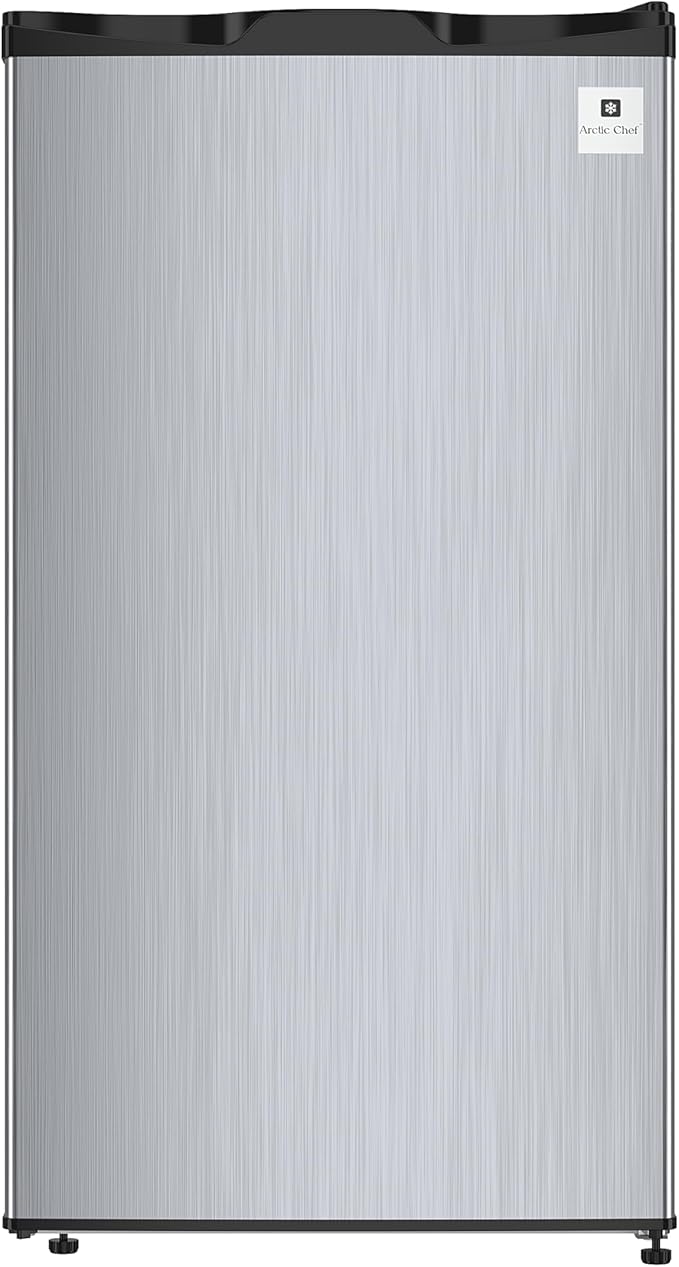
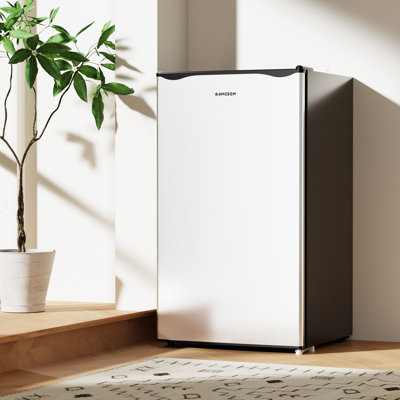
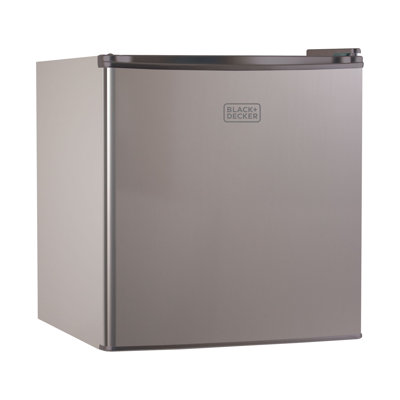
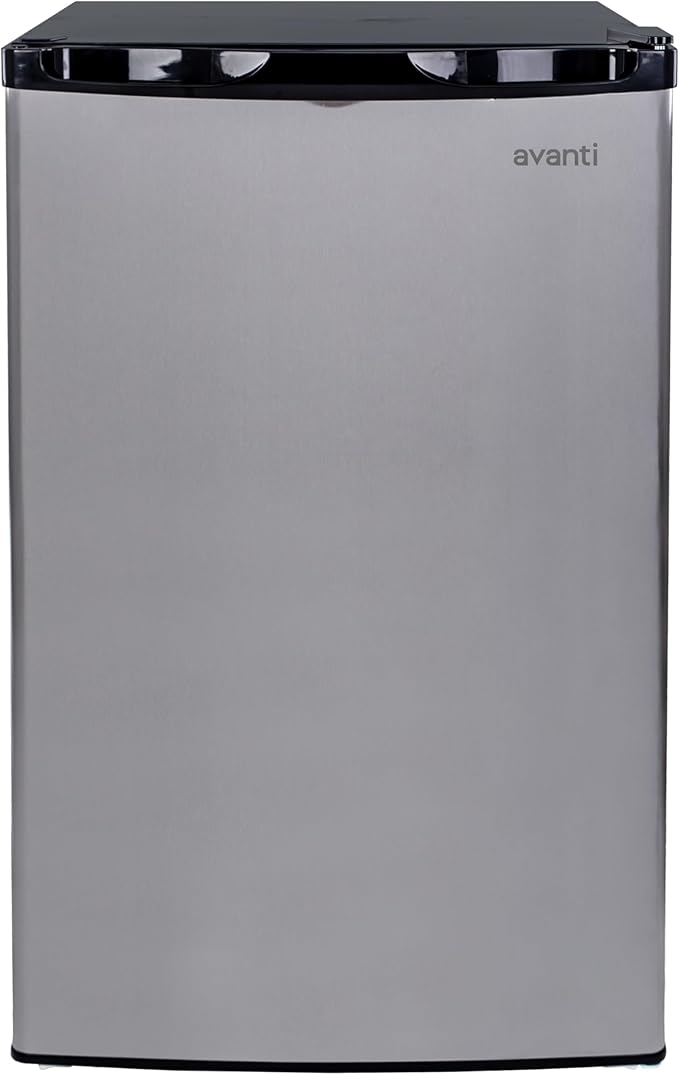
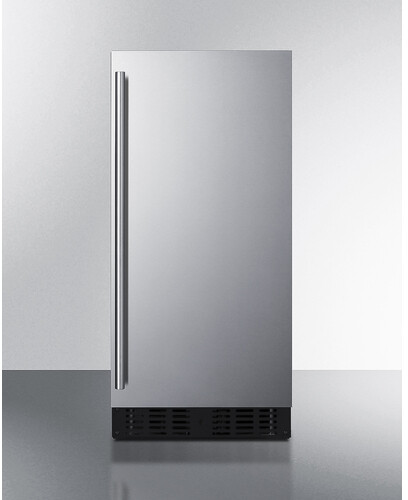
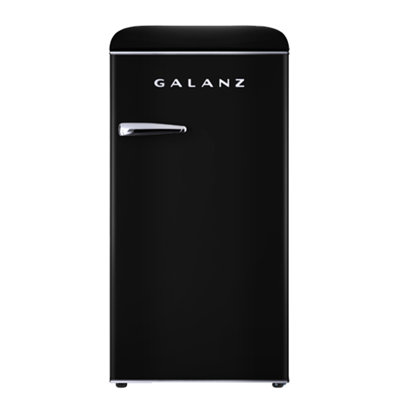
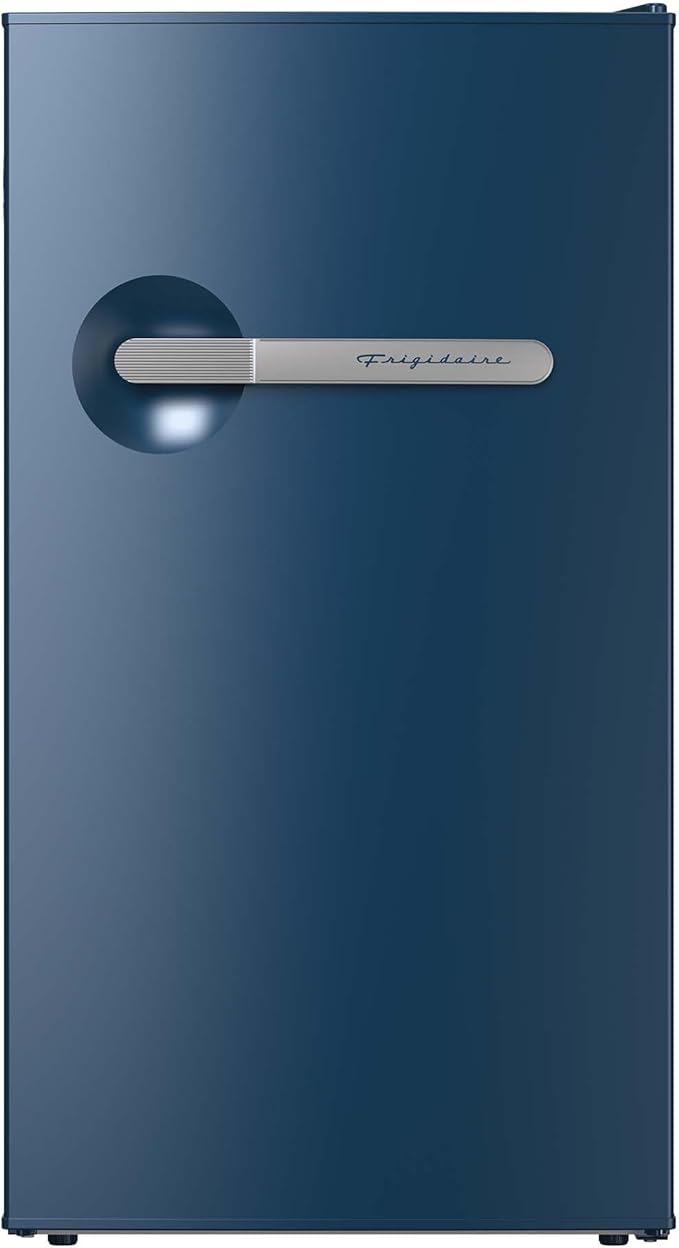
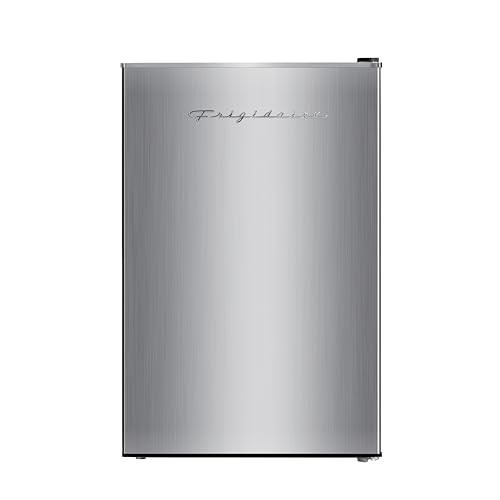
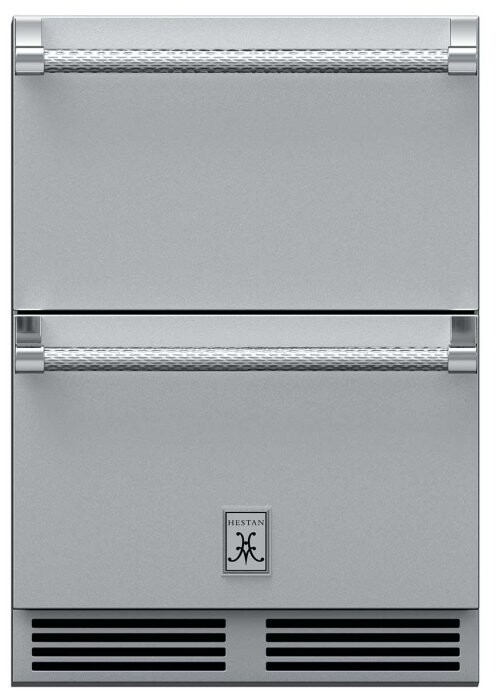
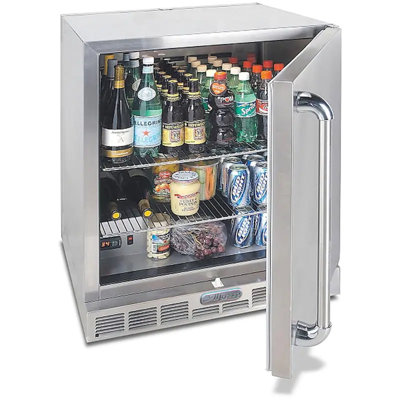
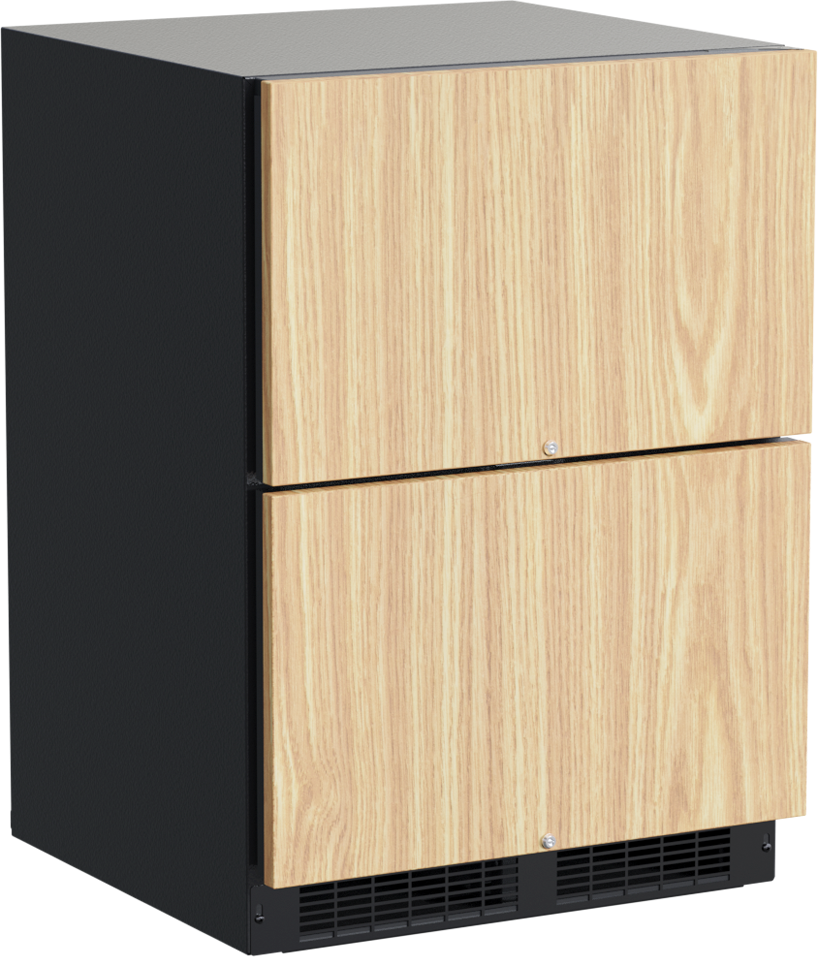
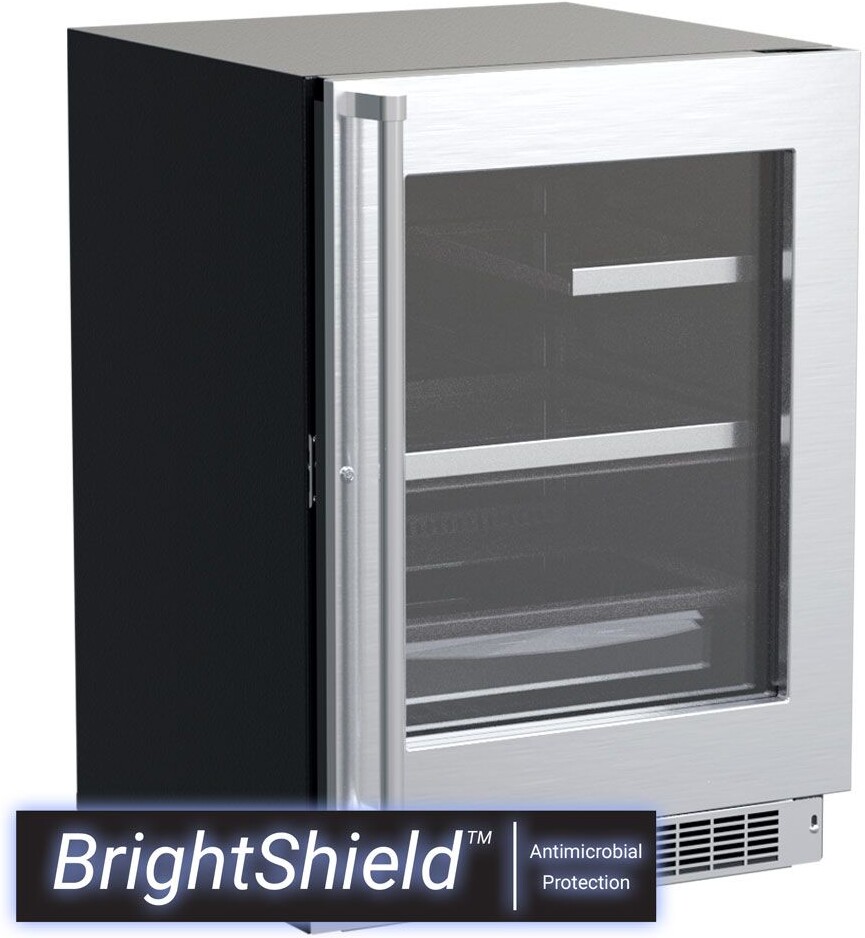
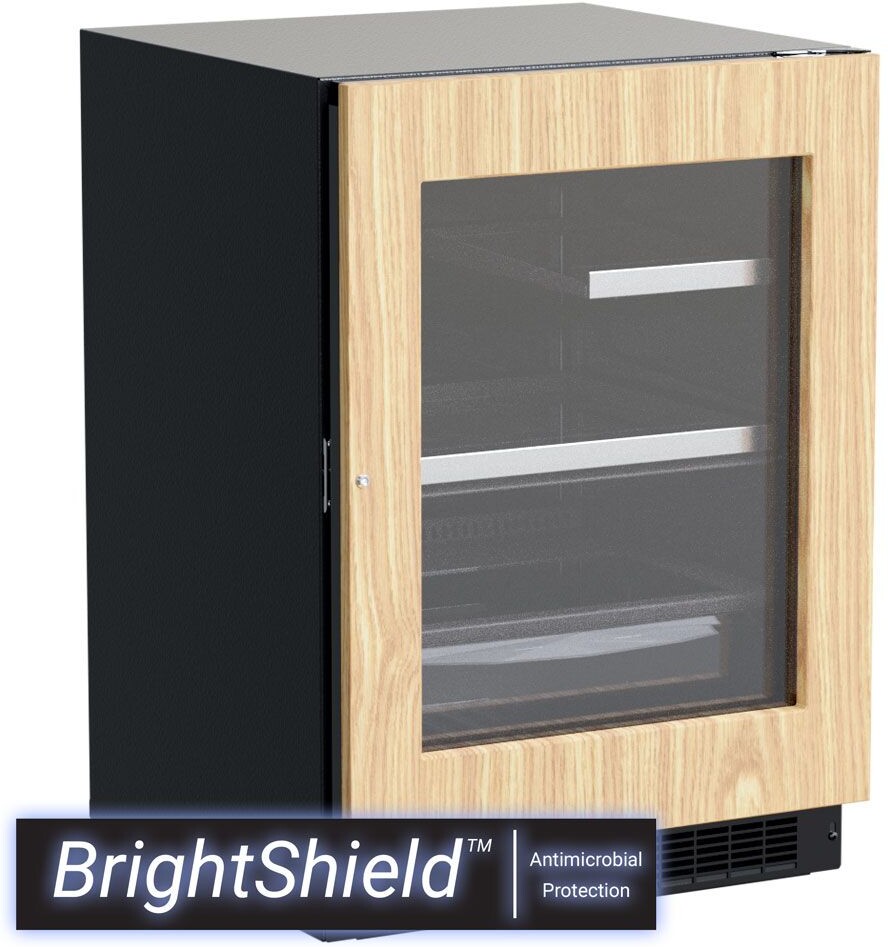
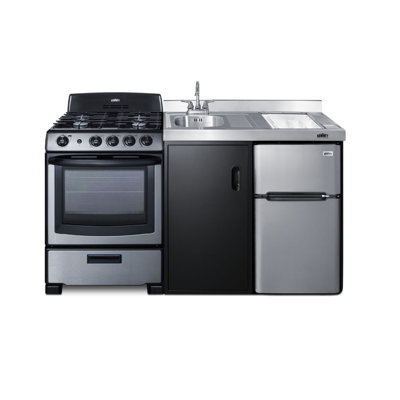
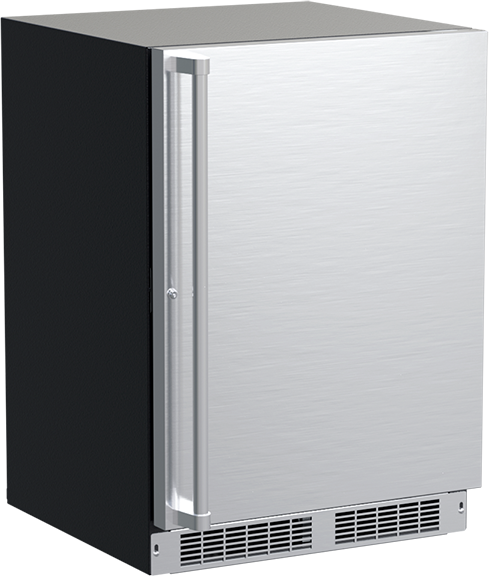
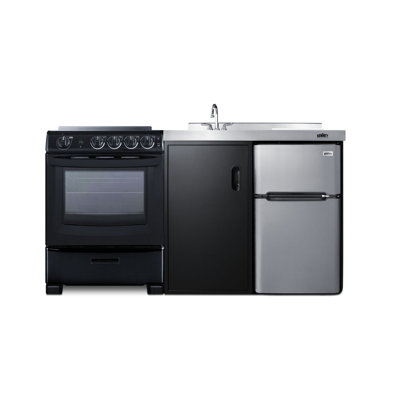
When it comes to choosing the right refrigerator for your needs, understanding the different options available is crucial. Here, Fridge.com will explore mini fridges and panel ready refrigerators to help you make an informed decision.
Exploring Mini Fridges
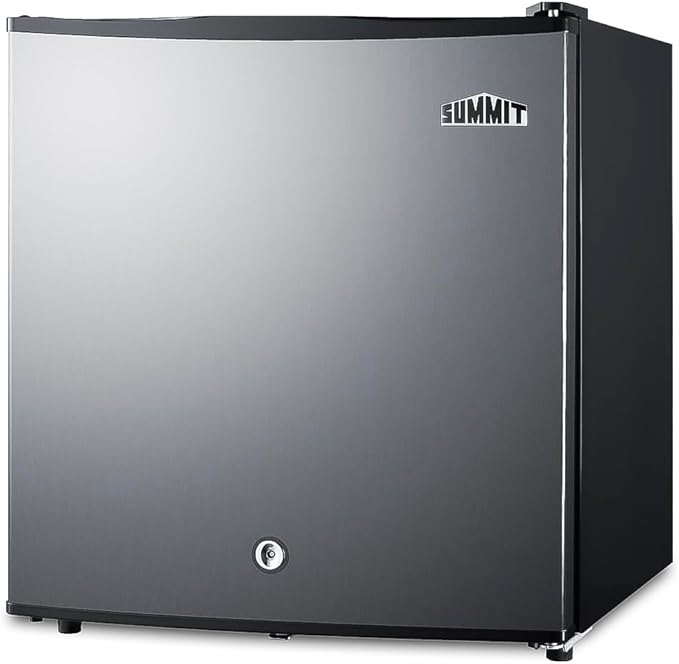
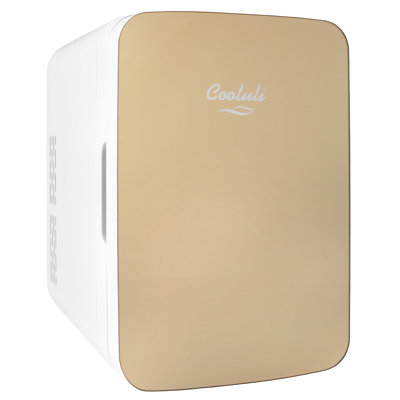
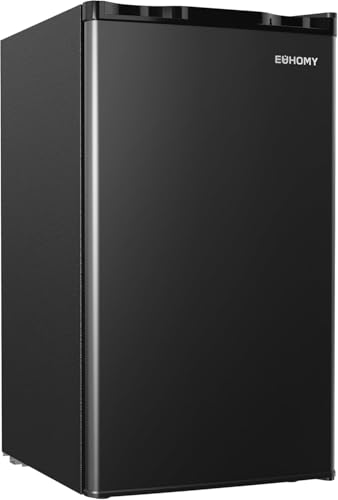
Mini fridges are compact and portable, making them an ideal choice for small spaces such as dorm rooms, offices, and bedrooms. They provide convenient cooling and storage without taking up much space. Mini fridges come in various sizes and styles, offering basic refrigeration needs for beverages, snacks, and small food items.
Feature
Description
Size
Typically ranges from 1.7 to 4.5 cubic feet
Portability
Lightweight and easy to move
Placement
Versatile, can fit under desks or counters
Uses
Ideal for personal spaces, offices, and dorm rooms
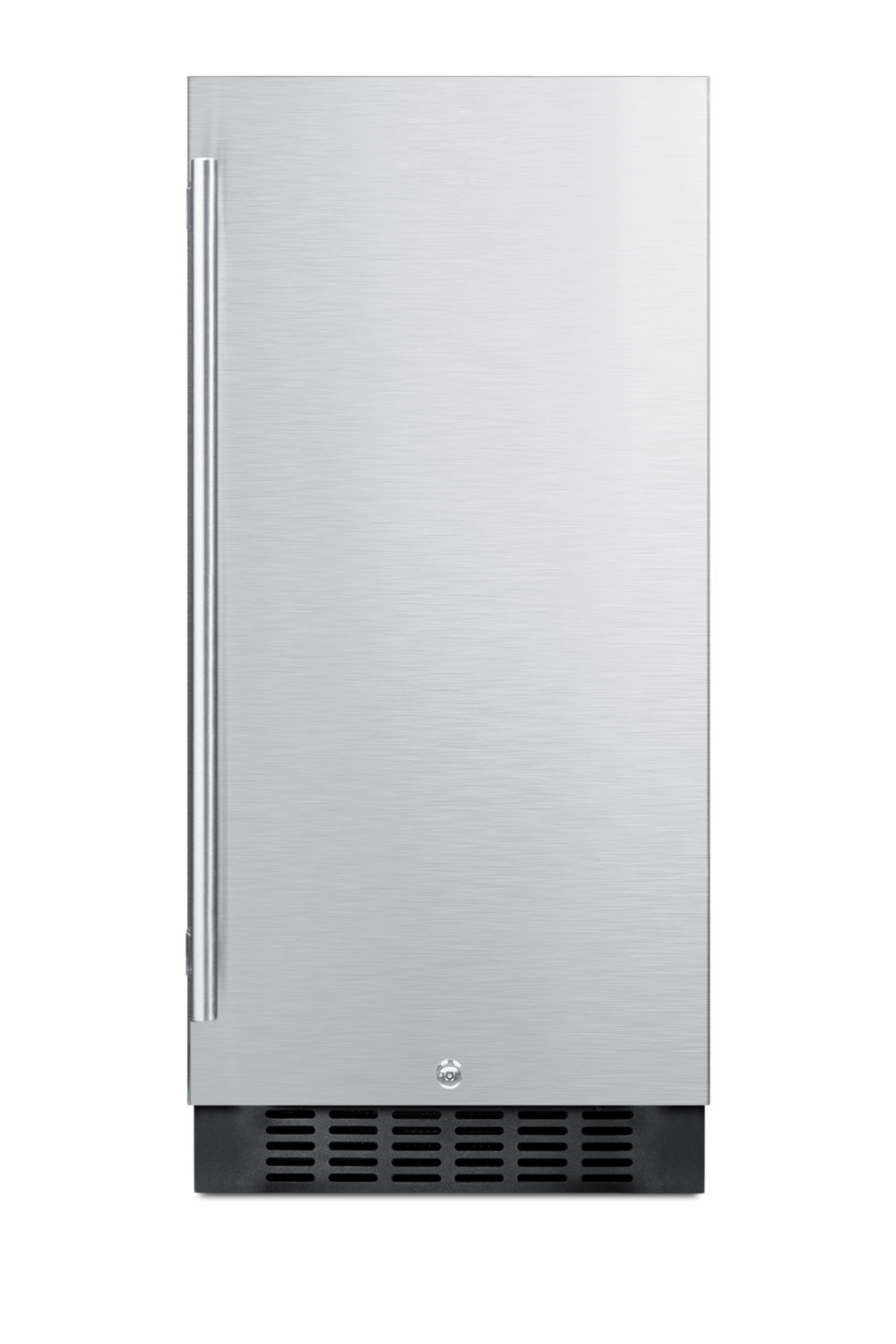
Panel ready refrigerators are designed to blend seamlessly into your kitchen cabinetry. These built-in appliances can be customized with panels that match your kitchen décor, creating a cohesive and integrated look. Panel ready refrigerators offer more advanced features and larger capacities compared to mini fridges.
Feature
Description
Size
Typically ranges from 18 to 36 cubic feet
Customization
Panels can match existing cabinetry
Placement
Built-in, requiring professional installation
Uses
Ideal for modern kitchens and larger homes
For more information on different types of refrigerators, including built-in and customizable options, check out Fridge.com article on freestanding refrigerator Vs. freezer drawer.
Understanding the differences between mini fridges and panel ready refrigerators will help you choose the best option for your space and cooling needs. Whether you need a compact solution for a small area or a fully integrated appliance for a modern kitchen, both types offer unique benefits to suit your lifestyle.
When comparing a mini fridge and a panel ready refrigerator, it's essential to consider their size and capacity, which can significantly impact their suitability for your needs.
Mini Fridges: Compact and Portable
Mini fridges are known for their compact size and portability, making them ideal for small spaces such as dorm rooms, offices, or even bedrooms. These fridges are designed to fit into tight spaces and can be easily moved if needed. Their smaller capacity is perfect for storing essentials like snacks, beverages, and small quantities of perishable items.
Mini Fridge Type
Dimensions (inches)
Capacity (cubic feet)
Compact Mini Fridge
18 x 20 x 34
3.2 - 4.5
Countertop Mini Fridge
17 x 18 x 20
1.7 - 2.5
Portable Mini Fridge
12 x 12 x 18
0.5 - 1.0
For a more detailed comparison, you can refer to Fridge.com article on mini fridge freezer Vs. office refrigerator.
Panel Ready Refrigerators: Built-in and Customizable
Panel ready refrigerators, on the other hand, are designed to blend seamlessly into your kitchen cabinetry. These appliances offer a built-in look and can be customized with panels that match your kitchen's design, providing a cohesive and integrated appearance. Unlike mini fridges, panel ready refrigerators come in various sizes, including full-size options that offer a much larger capacity.
Panel Ready Refrigerator Type
Dimensions (inches)
Capacity (cubic feet)
Built-in Refrigerator
36 x 24 x 84
18 - 25
Column Refrigerator
24 x 24 x 84
12 - 18
Under-counter Refrigerator
24 x 24 x 34
4.5 - 6.0
If you're interested in exploring different types of refrigerators, check out Fridge.com article on freestanding refrigerator Vs. freezer drawer.
When deciding between a mini fridge and a panel ready refrigerator, consider the available space, your storage needs, and the overall design of your kitchen or room. Both options offer unique benefits that cater to different requirements, whether you need a portable solution or an integrated appliance that complements your kitchen's aesthetics. For more options, take a look at Fridge.com comparison of fridge freezer combo Vs. portable refrigerator.
When comparing mini fridges and panel ready refrigerators, understanding their features and functionality is essential. Each type offers unique characteristics tailored to different needs and preferences.
Mini Fridges: Basic Features
Mini fridges are known for their compact size and basic functionality, making them ideal for small spaces such as dorm rooms, offices, and bedrooms. Here are some common features you can expect:
Compact Size: Mini fridges are designed to fit into tight spaces, offering storage without taking up much room.
Basic Cooling: These fridges typically provide adequate cooling for beverages and snacks.
Adjustable Shelves: Many mini fridges come with adjustable shelves to maximize storage space.
Freezer Compartment: Some models include a small freezer compartment for ice and frozen items.
Energy Efficiency: Mini fridges generally consume less energy than larger models, making them cost-effective choices.
Feature
Description
Size
Compact, fits in small spaces
Cooling
Basic cooling for beverages and snacks
Shelves
Adjustable
Freezer Compartment
Small, for ice and frozen items
For a deeper dive into mini fridges and their applications, check out Fridge.com article on mini fridge freezer Vs. office refrigerator.
Panel Ready Refrigerators: Advanced Features
Panel ready refrigerators are built-in appliances designed to blend seamlessly with your kitchen cabinetry. They offer advanced features and high functionality, making them suitable for modern kitchens:
Customizable Panels: These refrigerators are designed to accept custom panels that match your kitchen decor, providing a cohesive look.
Advanced Temperature Control: Many panel ready models feature precise temperature control settings to keep your food fresh longer.
Multiple Compartments: These fridges often come with various compartments and drawers for better organization.
Smart Technology: Some models include smart features such as Wi-Fi connectivity, touch screens, and remote monitoring.
Energy Efficiency: Panel ready refrigerators often incorporate energy-saving technologies to reduce electricity consumption.
Feature
Description
Customizable Panels
Matches kitchen decor
Temperature Control
Precise settings for optimal freshness
Compartments
Multiple for better organization
Smart Technology
Wi-Fi, touch screens, remote monitoring
For more insights on how panel ready refrigerators compare to other options, visit Fridge.com article on freestanding refrigerator Vs. freezer drawer.
Both mini fridges and panel ready refrigerators offer unique features tailored to different needs. Whether you prioritize compactness or advanced functionality, understanding these features helps you make an informed decision.
When deciding between a mini fridge and a panel-ready refrigerator, understanding their installation and placement options is crucial. Each type offers unique benefits depending on your space and needs.
Mini Fridges: Versatile Placement Options
Mini fridges offer great flexibility in terms of placement. Their compact size makes them ideal for various settings, such as dorm rooms, offices, garages, and even bedrooms. You can easily fit a mini fridge in small spaces where a full-sized refrigerator might not be practical. Additionally, mini fridges are usually freestanding, allowing you to move them as needed without any complex installation process.
Placement Scenario
Suitability
Dorm Room
High
Office
High
Garage
High
Bedroom
High
Kitchen
Moderate
For those who need extra refrigeration in specific locations, mini fridges provide an excellent solution. They can be placed on countertops, under desks, or in any small nook that requires refrigeration. For more detailed comparisons, check Fridge.com article on mini fridge freezer Vs. office refrigerator.
Panel-ready refrigerators are designed to blend seamlessly with your kitchen cabinetry. These refrigerators require professional installation and precise measurements to ensure they fit perfectly within your kitchen design. Unlike mini fridges, panel-ready refrigerators are built-in units, which means they are not meant to be moved once installed.
Installation Aspect
Consideration
Professional Installation
Required
Custom Cabinetry
Required
Permanent Placement
Yes
Space Requirements
High
The main advantage of panel-ready refrigerators is their ability to match your kitchen's aesthetic, providing a cohesive and high-end look. They are integrated into your cabinetry, making them an excellent choice for those who value design and functionality in their kitchen. For more on built-in options, explore Fridge.com article on built in refrigerator Vs. portable refrigerator.
Understanding the installation and placement options helps you make an informed decision based on your specific needs. Whether you prioritize flexibility and ease of movement with a mini fridge or prefer the seamless integration of a panel-ready refrigerator, both options offer distinct advantages. For further comparisons, check out Fridge.com articles on fridge freezer combo Vs. portable refrigerator and freestanding refrigerator Vs. freezer drawer.
Energy Efficiency
When comparing mini fridges and panel ready refrigerators, energy efficiency plays a significant role. Understanding how each type consumes energy can help you make an informed decision.
Mini Fridges: Energy Consumption
Mini fridges are compact and designed for small spaces, such as dorm rooms, offices, and bedrooms. They generally consume less energy compared to larger refrigerators, but their efficiency can vary based on factors like size, insulation, and features.
Mini Fridge Type
Average Annual Energy Consumption (kWh)
Compact Mini Fridge (1.7 - 2.5 cu. ft.)
200 - 300
Mid-Size Mini Fridge (3 - 4.5 cu. ft.)
300 - 400
While mini fridges are convenient and often more energy-efficient than larger models, it's important to consider their insulation and cooling technology. Older models or those with poor insulation may consume more energy than newer, energy-efficient models. For more information on comparing different types of fridges, visit Fridge.com article on mini fridge freezer Vs. office refrigerator.
Panel ready refrigerators are built-in units designed to blend seamlessly with your kitchen cabinetry. They often feature advanced energy-saving technologies to offset their larger size and higher capacity.
Panel Ready Refrigerator Type
Average Annual Energy Consumption (kWh)
Standard Panel Ready Refrigerator (20 - 25 cu. ft.)
500 - 700
High-Efficiency Panel Ready Refrigerator
400 - 600
Energy-saving features in panel ready refrigerators can include:
Variable Speed Compressors: These adjust cooling capacity based on demand, reducing energy usage.
Improved Insulation: Better insulation helps maintain internal temperatures with less energy.
Smart Sensors: These monitor usage patterns and adjust cooling cycles for optimal efficiency.
For a more comprehensive comparison of different refrigerator types and their energy consumption, check out Fridge.com article on fridge freezer combo Vs. portable refrigerator.
Understanding the energy consumption and efficiency of mini fridges versus panel ready refrigerators can guide you in choosing the best option for your needs. Whether you prioritize compact convenience or seamless integration with energy-saving technologies, being informed will help you make the best choice for your space and lifestyle. For more insights on refrigerator comparisons, explore Fridge.com article on freestanding refrigerator Vs. freezer drawer.
When comparing the design and aesthetics of a mini fridge versus a panel ready refrigerator, it's crucial to consider how each appliance fits into your living space and meets your personal style preferences.
Mini Fridges: Stylish and Compact Designs
Mini fridges are known for their compact size and versatility. They come in various designs and colors, allowing you to choose one that complements your decor. Whether you're looking for a sleek, modern finish or a retro, vintage vibe, mini fridges offer a wide range of styles to suit your taste.
Feature
Mini Fridge
Size
Compact, portable
Design Options
Various colors and styles
Placement
Versatile (dorms, offices, bedrooms)
Customization
Limited
Mini fridges are perfect for small spaces such as dorm rooms, offices, or bedrooms. Their portability and size make them ideal for those who need a convenient refrigeration solution without the commitment of a full-sized appliance. For more on the versatility of mini fridges, see Fridge.com article on mini fridge freezer Vs. office refrigerator.
Panel Ready Refrigerators: Customizable Panels for Seamless Integration
Panel ready refrigerators are designed to blend seamlessly into your kitchen cabinetry. These refrigerators come with the option to attach custom panels that match your cabinets, providing a cohesive and integrated look. This feature is particularly popular in modern kitchens where a streamlined, uniform appearance is desired.
Feature
Panel Ready Refrigerator
Size
Built-in, larger capacity
Design Options
Customizable panels
Placement
Built-in (kitchens, high-end homes)
Customization
High (matches cabinetry)
Panel ready refrigerators offer advanced customization options, allowing you to create a refrigerator that fits perfectly with your kitchen's aesthetic. This level of integration can add a touch of elegance and sophistication to your home. For more information on built-in capabilities, see Fridge.com article on freestanding refrigerator Vs. freezer drawer.
By understanding the design and aesthetic differences between mini fridges and panel ready refrigerators, you can make an informed decision that best suits your needs and style preferences. Whether you prioritize compact and stylish or seamless and integrated, both options offer unique benefits for your living space. For additional comparisons, visit Fridge.com article on black refrigerator Vs. black stainless refrigerator.
Compare prices on Fridge.com
Compare current prices and specifications on Fridge.com, then buy from the retailer you choose; delivery, installation and warranty terms are the retailer’s.
It also has tons of awesome articles about kitchen stuff and home news. Enhance your home, garage, backyard, patio, and office with the coolest essentials. With every necessary type of residential refrigerator or freezer in the collection, you're covered.
Free tool
Walk-In Cooler Calculator
Free interactive tool from Fridge.com — get a quick answer while you read.