Picking the Right Fridge: Convertible Refrigerator Vs. Wine Cellar
Choosing the right fridge for your home or lifestyle can be a bit of a head-scratcher. Let's break down the differences between a convertible refrigerator and a wine cellar, so you can make the best choice for your needs.
Convertible Refrigerator: The Chameleon of Fridges
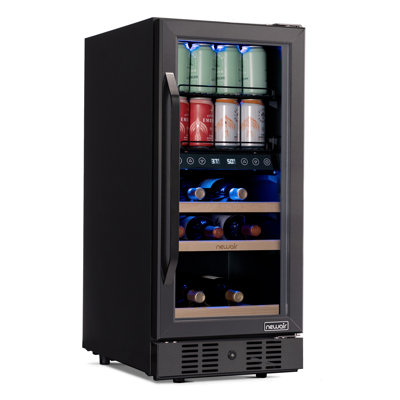
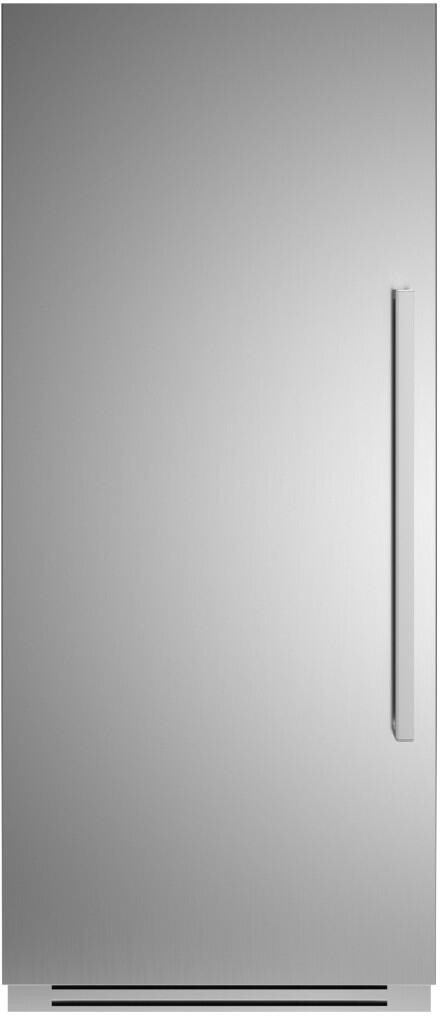
A convertible refrigerator is like the Swiss Army knife of fridges. It can switch between different modes—refrigerator, freezer, or a mix of both. This makes it super handy if you need to change things up based on what you're storing.
Why You'll Love It:
Flexibility: Easily switch between fridge and freezer modes.
Adjustable Temperature: Set the perfect temp for whatever you're storing, from veggies to ice cream.
Space Saver: Make the most of your storage space for all kinds of items.
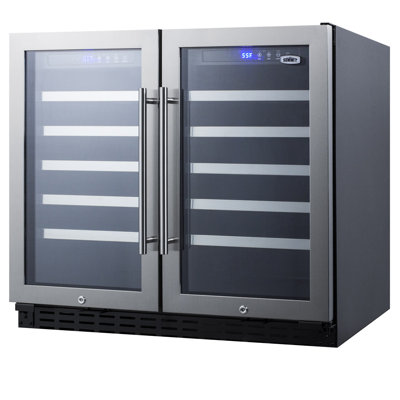
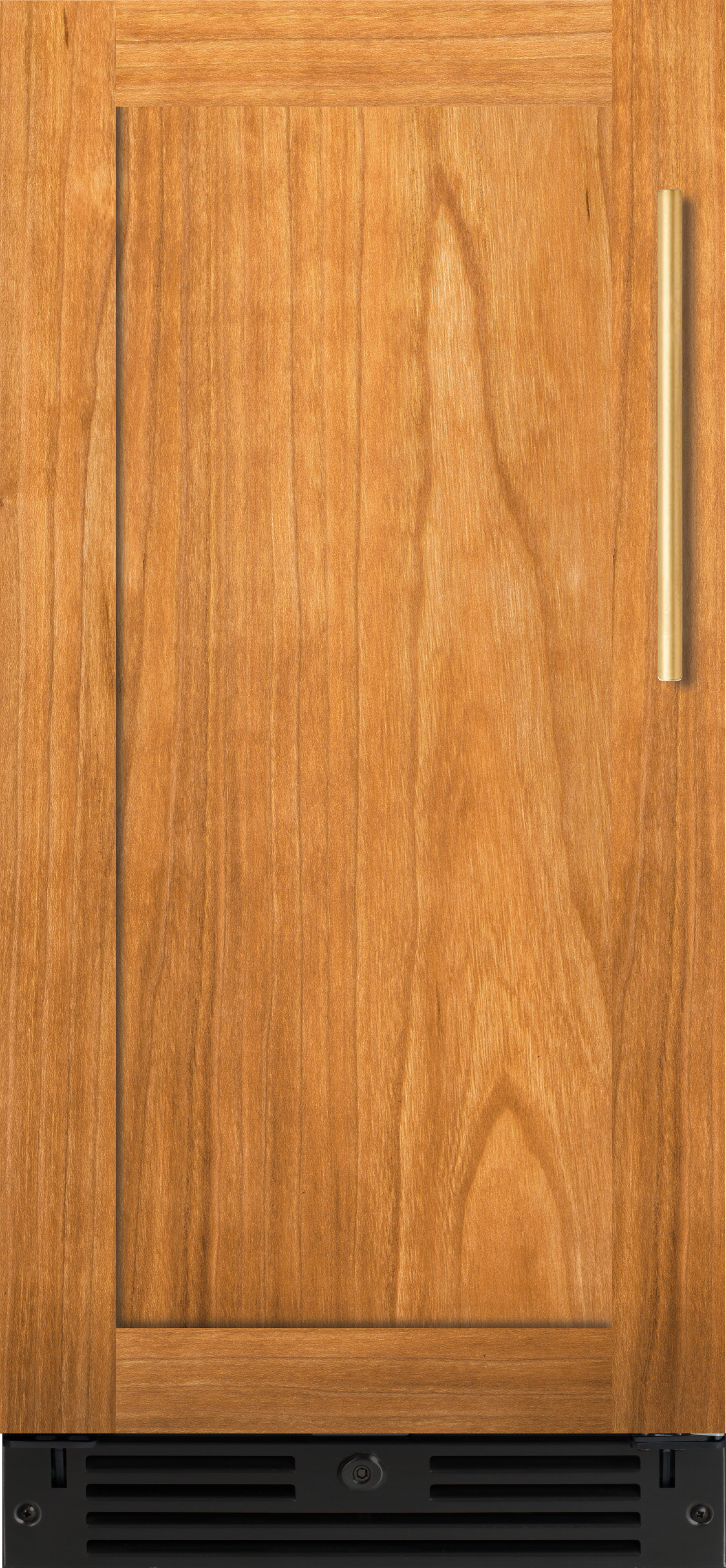
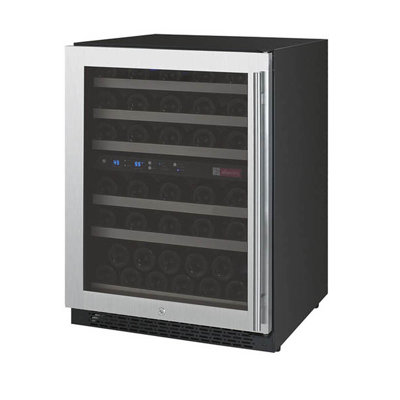
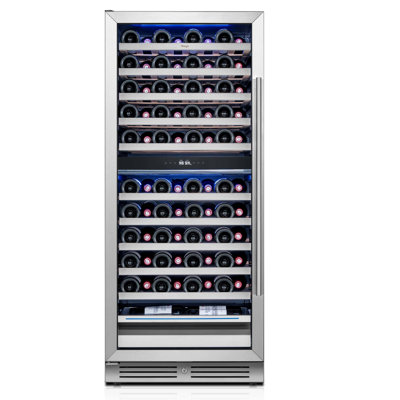
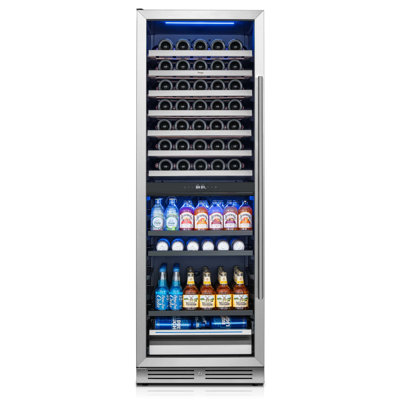
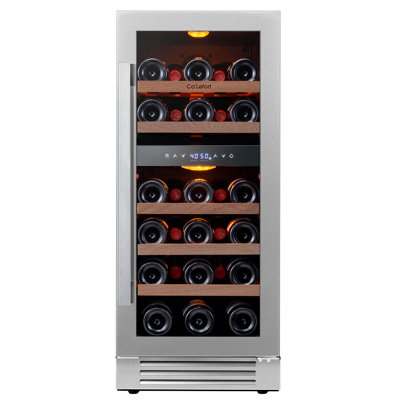
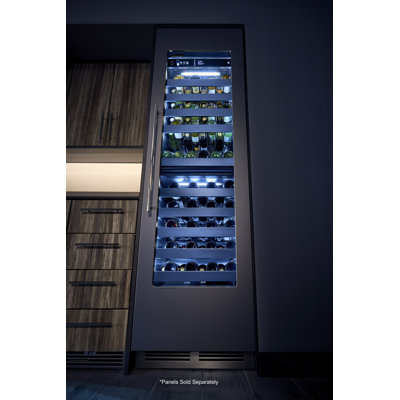
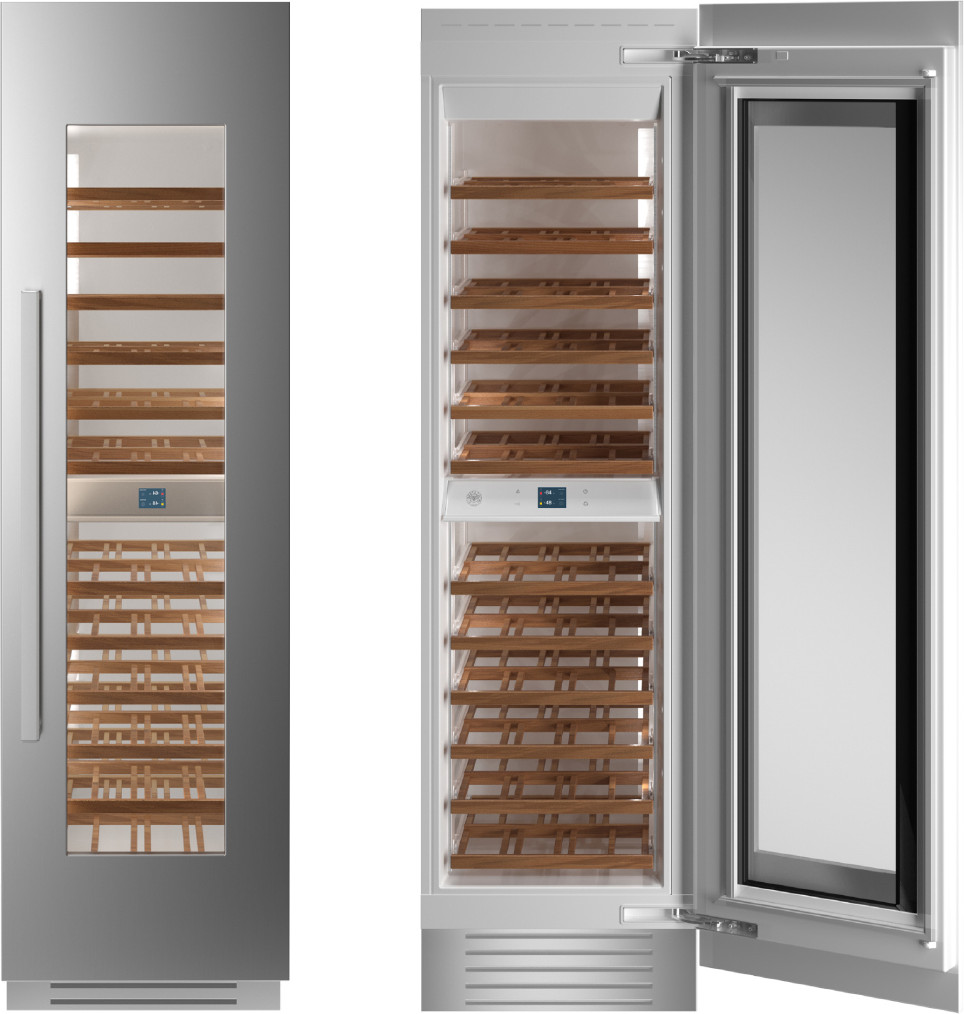
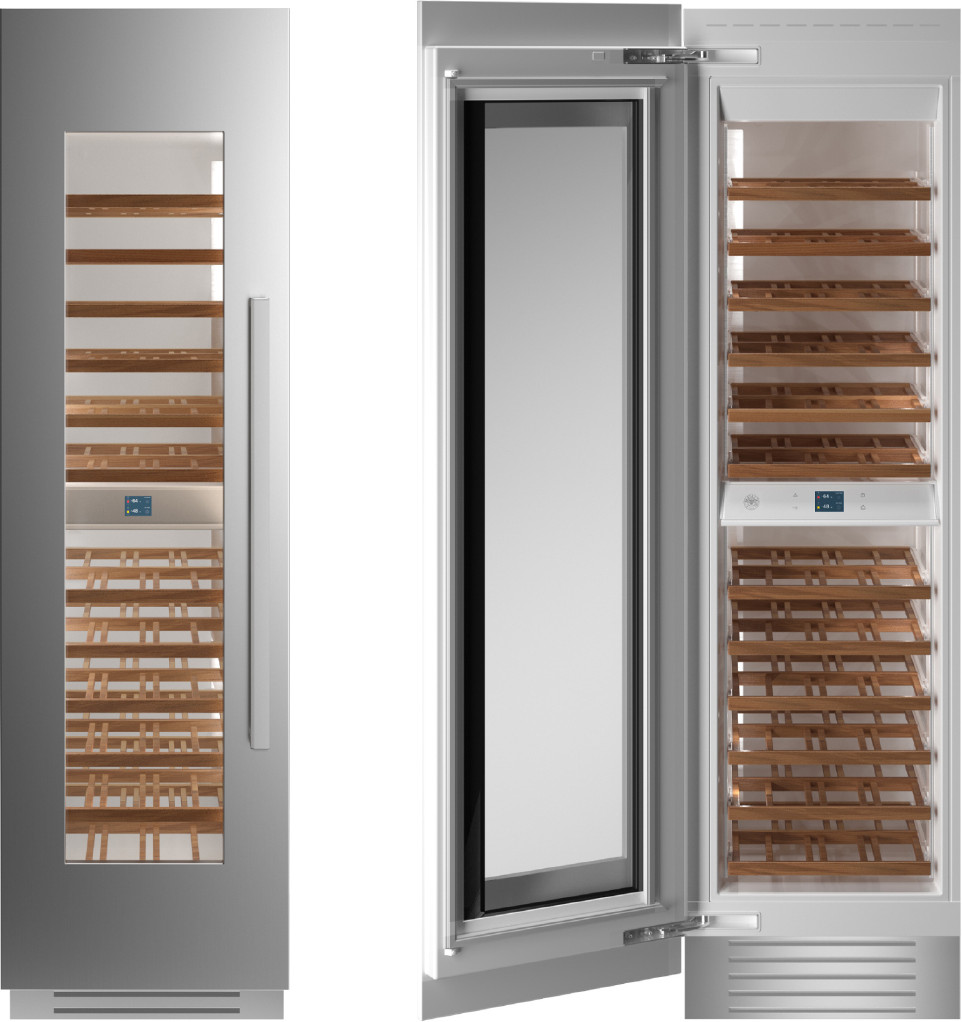
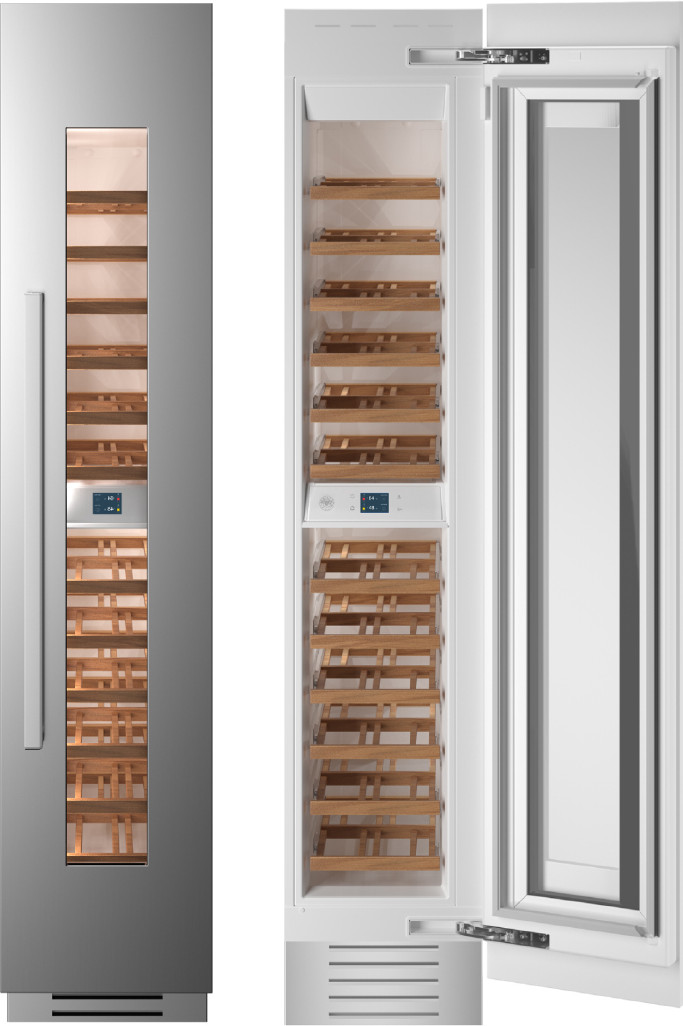
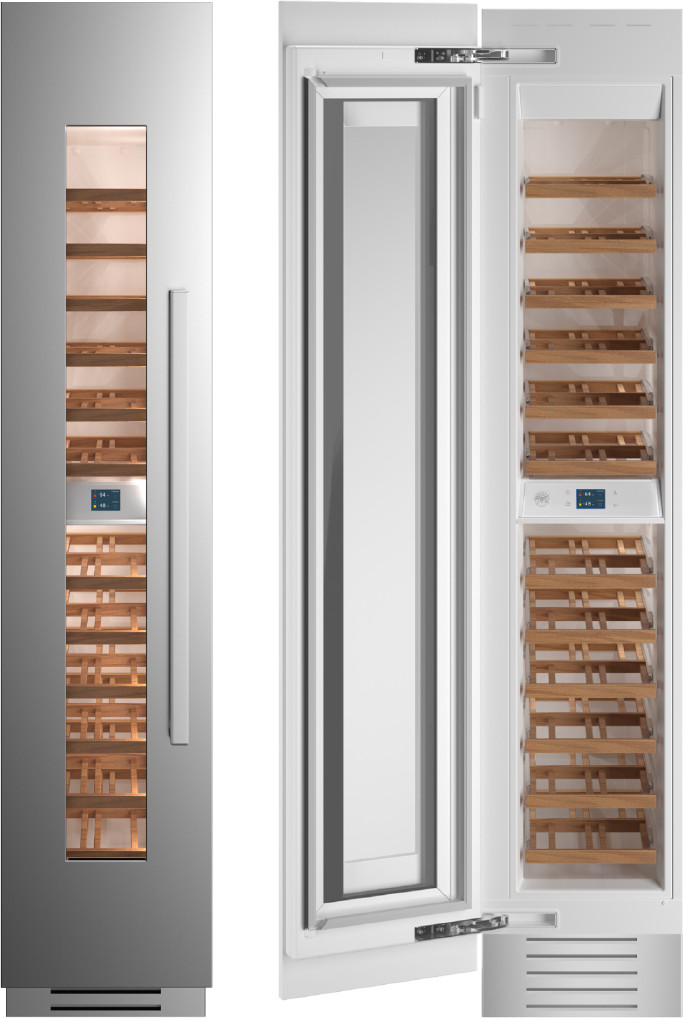
A wine cellar is a must-have for any wine enthusiast. It keeps your wine at the perfect temperature and humidity, ensuring each bottle ages beautifully. Whether you want a standalone unit or something built-in, there's a wine cellar to fit your style and space.
Why You'll Love It:
Perfect Temperature: Keeps your wine at the ideal temp for aging.
Humidity Control: Maintains the right humidity to preserve your wine's quality.
Specialized Storage: Designed just for wine bottles, often with racks to keep things organized.
Convertible refrigerators are like the Swiss Army knives of kitchen appliances. They pack a punch with their versatility and convenience. Let's break down two of their coolest features: temperature flexibility and adjustable shelves.
Temperature Flexibility
One of the best things about a convertible refrigerator is its ability to switch between fridge and freezer modes. Need more freezer space for that summer BBQ? No problem. Got a ton of fresh groceries? Switch it back to fridge mode. It's like having two appliances in one!
Mode
Temperature Range (°F)
Refrigerator
35 - 46
Freezer
-4 - 5
This wide temperature range means your food stays fresh longer, whether it's ice cream or fresh veggies. If you're curious about how these settings stack up against other types of fridges, check out our convertible freezer Vs. counter depth refrigerator article.
Adjustable Shelves
Another game-changer is the adjustable shelving. You can move shelves around or take them out entirely to fit whatever you need—whether it's a towering cake or a week's worth of meal prep containers.
Shelf Type
Adjustability
Standard Shelves
Adjustable height, removable
Door Bins
Adjustable, removable
Crispers
Movable dividers, humidity control
These adjustable shelves make it easy to keep your fridge organized and clutter-free. You can customize the layout to fit your needs, making it super convenient to grab what you need. If you love hosting parties and need to store large platters or bottles, our beverage cooler Vs. garage freezer comparison might give you some extra tips.
Convertible refrigerators are the ultimate storage solution, adapting to your needs whether you need more freezer space or a flexible fridge layout. They make life easier, one cool feature at a time.
So, you've got a wine collection that needs a cozy home? A wine cellar is your best bet. It's like a spa for your bottles, keeping them in tip-top shape with just the right temperature and humidity.
Temperature Control: Keeping It Chill
Wine cellars are all about keeping things steady. Unlike your average fridge that’s juggling milk, veggies, and leftovers, a wine cellar sticks to a narrow temperature range perfect for wine.
Wine Type
Optimal Temperature (°F)
Red Wine
55 - 65
White Wine
45 - 55
Sparkling Wine
40 - 50
Why so picky about temperature? Well, wine is a bit like Goldilocks—it doesn’t like it too hot or too cold. Fluctuations can mess with the wine, causing it to expand and contract, which can lead to oxidation. And trust me, oxidized wine is not a happy wine. Keeping a steady temperature ensures your wine ages like a fine… well, wine.
Humidity Control: No Dry Corks Allowed
Temperature isn’t the only diva in the wine world. Humidity is just as crucial. If the corks dry out, they shrink, letting air sneak into the bottle. And air is wine’s worst enemy—it can spoil the whole thing.
Wine cellars usually keep the humidity between 50% and 70%. This sweet spot keeps the corks moist and plump, sealing the bottle tight.
Humidity Level
Effect on Wine
Below 50%
Corks may dry out, leading to oxidation
50% - 70%
Optimal humidity for preserving wine
Above 70%
Risk of mold growth on corks and labels
Too dry, and you risk oxidation. Too humid, and you might end up with moldy corks and labels. But just right? Your wine stays perfect, ready for that special occasion—or just a Tuesday night.
By nailing both temperature and humidity, wine cellars create the ideal environment for your collection. Your bottles will be in prime condition, waiting for you to pop the cork and enjoy.
Curious about other ways to store your wine? Check out Fridge.com articles on portable refrigerator Vs. wine chiller and freestanding wine cooler Vs. upright freezer. Cheers!
When you're choosing between a convertible refrigerator and a wine cellar, storage capacity is a big deal. Each has its own perks and drawbacks, depending on whether you're stashing food, drinks, or wine bottles.
Space for Food and Drinks
A convertible fridge is like a Swiss Army knife for your kitchen. You can switch it up between fridge, freezer, or a mix of both, depending on what you need. The shelves and compartments are adjustable, so you can fit all sorts of food and drinks. Perfect for families with varied tastes and storage needs.
Storage Type
Convertible Refrigerator (cubic feet)
Wine Cellar (cubic feet)
Food Storage
10 - 20
N/A
Beverage Storage
5 - 10
5 - 10
Combined Storage
15 - 30
N/A
On the flip side, a wine cellar is all about the wine. Sure, you might squeeze in a few other drinks, but its main job is to keep your wine in tip-top shape. If you need lots of space for food, a wine cellar won't cut it.
Wine Bottle Capacity
Wine cellars are the MVPs for wine storage. They come with racks that hold bottles securely and make them easy to grab. Plus, they keep the temperature and humidity just right, so your wine stays perfect.
Storage Type
Convertible Refrigerator (bottles)
Wine Cellar (bottles)
Wine Bottle Count
20 - 50
50 - 200
A convertible fridge can hold wine bottles, but it's not as fancy as a wine cellar. The bottle count is usually lower, and the conditions aren't as precise. If you're serious about your wine, a wine cellar is the way to go.
For more tips on picking the right fridge, check out Fridge.com articles on freestanding wine cooler Vs. upright freezer and portable refrigerator Vs. wine chiller.
Knowing the storage capacities of both options helps you choose what's best for you. Whether you need flexible storage for all your groceries or a perfect spot for your wine collection, there's a solution that fits your lifestyle.
When you're stuck between choosing a convertible fridge or a wine cellar, the design and looks can really tip the scales. Each has its own vibe that can fit right into different types of interiors.
Outside Look
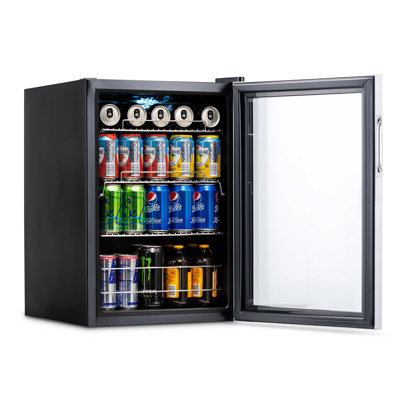
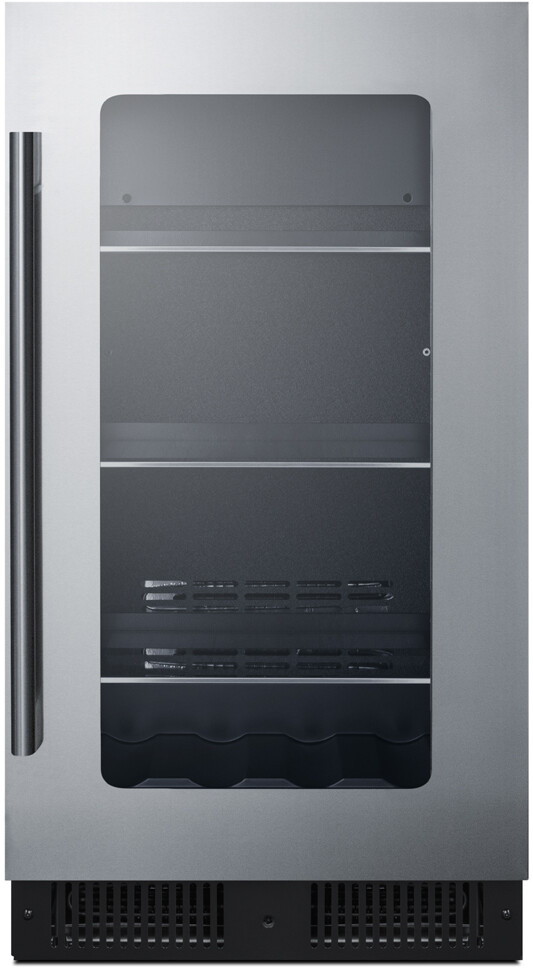
Convertible fridges usually sport a sleek, modern look that fits right into most kitchens. They come in various finishes like stainless steel, black, and white, so you can match them with your kitchen decor. These fridges are pretty versatile and can fit in homes, offices, and even garages.
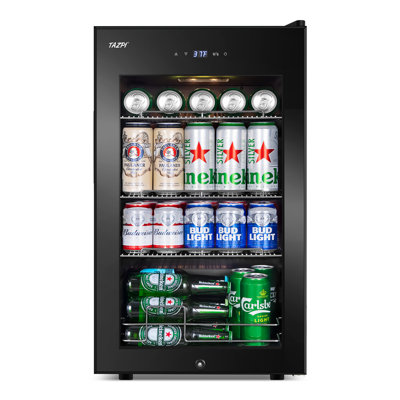
Wine cellars, on the other hand, scream luxury. They often have glass doors that show off your wine collection, adding a touch of class to any room. Wine cellars are designed to be the star of the show, making them perfect for those who love to entertain and impress guests.
Feature
Convertible Fridge
Wine Cellar
Style
Modern, Versatile
Luxurious, Elegant
Finishes
Stainless Steel, Black, White
Glass Doors, Wood Trim
Decor Compatibility
High
Medium
Focal Point
Low
High
Inside Layout
Inside a convertible fridge, you'll find flexibility galore. These fridges usually have adjustable shelves and compartments, so you can organize them however you like. They're great for storing everything from fresh veggies to drinks and even frozen stuff. Some models even let you switch sections between fridge and freezer modes, making them super versatile.
Wine cellars are all about storing wine bottles just right. They have horizontal racks that keep each bottle stable and prevent movement. These racks are often made of wood or metal, giving you a secure and good-looking storage solution. Plus, wine cellars come with features like precise temperature control and humidity regulation, which are crucial for keeping your wine in top shape.
Feature
Convertible Fridge
Wine Cellar
Adjustable Shelves
Yes
No
Customizable Compartments
Yes
No
Specialized Storage
No
Yes
Temperature Control
General Settings
Specific Settings
Humidity Control
No
Yes
Knowing the design and aesthetic differences between a convertible fridge and a wine cellar can help you pick the one that fits your lifestyle and taste. Whether you need flexibility and versatility or elegance and specialized storage, both options have unique perks to enhance your space. For more comparisons, check out Fridge.com articles on built-in wine cellar Vs. countertop refrigerator and convertible freezer Vs. counter-depth refrigerator.
Energy Efficiency
Choosing between a convertible refrigerator and a wine cellar? Let's break down their energy use and environmental impact to help you decide.
Power Consumption
Convertible refrigerators and wine cellars use different amounts of power. Convertible fridges usually consume more energy because they can switch between various temperature settings for food and drinks. Wine cellars, on the other hand, keep a steady temperature, making them more energy-efficient in the long run.
The environmental impact of these appliances depends on their energy efficiency and the materials used. Convertible refrigerators, with their higher power use, generally have a bigger carbon footprint than wine cellars. But thanks to tech advancements, newer models of both are getting greener.
Also, consider the refrigerants used. Modern fridges and wine cellars often use eco-friendly refrigerants with a lower global warming potential (GWP).
Appliance Type
Environmental Impact (CO2 Emissions, kg/year)
Convertible Refrigerator
150 - 225
Wine Cellar
37.5 - 112.5
Curious about how different refrigeration options stack up environmentally? Check out Fridge.com comparison of freestanding wine cooler Vs. upright freezer.
By understanding the energy efficiency of both convertible refrigerators and wine cellars, you can make a choice that fits your lifestyle and green values. For more on how these appliances compare in design and storage, see Fridge.com articles on portable refrigerator Vs. wine chiller and black slate refrigerator Vs. convertible refrigerator.
Thinking about whether to get a convertible fridge or a wine cellar? Let's break down the costs so you can make a smart choice that fits your wallet and lifestyle.
Initial Investment
First up, let's talk about the upfront cost. The price tag for a convertible fridge and a wine cellar can be pretty different, depending on size, features, and brand. Usually, convertible fridges are cheaper than wine cellars. Here's a quick look at the typical price range:
Appliance Type
Price Range ($)
Convertible Refrigerator
500 - 2,000
Wine Cellar
1,000 - 5,000
Convertible fridges are cool because they can switch between fridge and freezer modes, making them super versatile. Wine cellars, though, are all about keeping your wine at the perfect temperature and humidity, which can make them pricier.
Curious about other appliances? Check out comparisons like freestanding wine cooler Vs. upright freezer and convertible freezer Vs. counter depth refrigerator.
Long-Term Operating Costs
Now, let's talk about what it'll cost to keep these babies running. This includes energy use, maintenance, and possible repairs.
Appliance Type
Average Annual Energy Cost ($)
Convertible Refrigerator
50 - 100
Wine Cellar
75 - 150
Convertible fridges usually use less energy than wine cellars because wine cellars need to keep a steady temperature and humidity. But, the actual cost can vary based on the model and how you use it.
Maintenance-wise, convertible fridges might need a bit of defrosting and cleaning now and then. Wine cellars, on the other hand, need more frequent checks to make sure they're keeping your wine in tip-top shape.
By looking at both the initial cost and the long-term expenses, you can get a better idea of what works best for you. This way, you can pick the option that fits your needs and budget perfectly.
Lifestyle Choices: Convertible Refrigerator Vs. Wine Cellar
Deciding between a convertible refrigerator and a wine cellar? It's all about how you live and what you love. Let's break it down.
Party Central or Wine Aficionado?
If your place is the go-to spot for parties, a convertible fridge is your best buddy. This fridge can switch up its temperature settings, making it perfect for storing anything from extra drinks to party snacks. Need more ice? Flip it to freezer mode. It's like having a Swiss Army knife in your kitchen.
But if your gatherings are more about savoring fine wines and hosting elegant dinners, a wine cellar is where it's at. These bad boys keep your wine at the perfect temperature and humidity, making sure each bottle ages just right and tastes amazing.
Lifestyle Aspect
Convertible Refrigerator
Wine Cellar
Type of Gatherings
General Parties
Wine Tastings, Dinners
Versatility
High
Low
Specialized Storage
No
Yes
What Floats Your Boat?
Think about what you do every day. If you love having the flexibility to store all sorts of stuff, a convertible fridge is your jam. It can handle groceries, drinks, and frozen goodies without breaking a sweat.
But if you're a wine lover with a growing collection, a wine cellar is a no-brainer. It keeps your wine in tip-top shape and adds a touch of class to your home. Plus, it shows off your passion for the finer things in life.
So, what's your daily grind like? If you need space for a mix of items, go for the convertible fridge. But if wine is your thing, invest in a wine cellar.
For more cool comparisons, check out built-in wine cellar Vs. countertop refrigerator and convertible freezer Vs. counter-depth refrigerator.
Compare prices on Fridge.com
Compare current prices and specifications on Fridge.com, then buy from the retailer you choose; delivery, installation and warranty terms are the retailer’s.
It also has tons of awesome articles about kitchen stuff and home news. Enhance your home, garage, backyard, patio, and office with the coolest essentials. With every necessary type of residential refrigerator or freezer in the collection, you're covered.
Frequently Asked Questions
Think about what you do every day. If you love having the flexibility to store all sorts of stuff, a convertible fridge is your jam. It can handle groceries, drinks, and frozen goodies without breaking a sweat. But if you're a wine lover with a growing collection, a wine cellar is a no-brainer. It keeps your wine in tip-top shape and adds a touch of class to your home. Plus, it shows off your passion for the finer things in life. So, what's your daily grind like? If you need space for a mix of items, go for the convertible fridge. But if wine is your thing, invest in a wine cellar. For more cool comparisons, check out built-in wine cellar Vs. countertop refrigerator and convertible freezer Vs. counter-depth refrigerator.