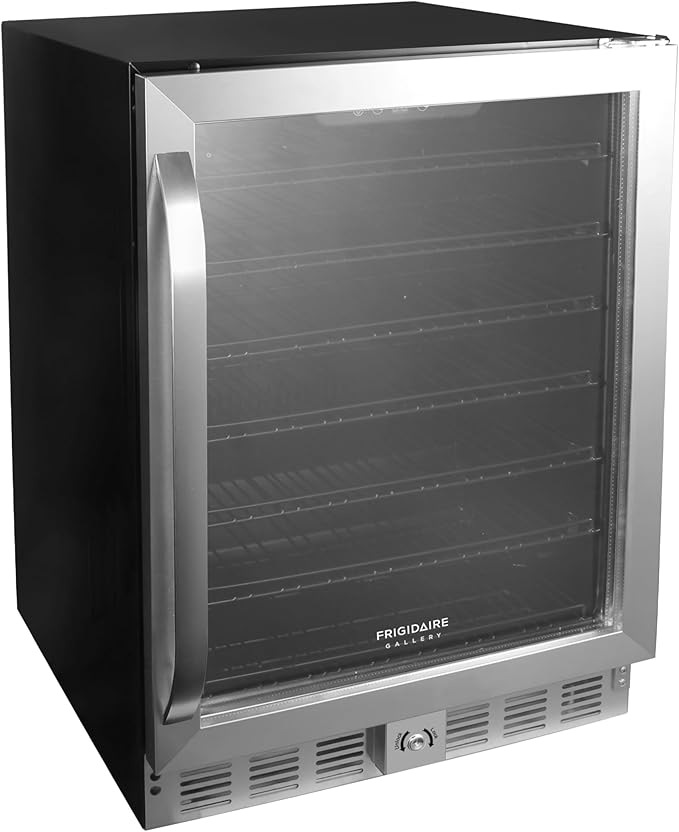
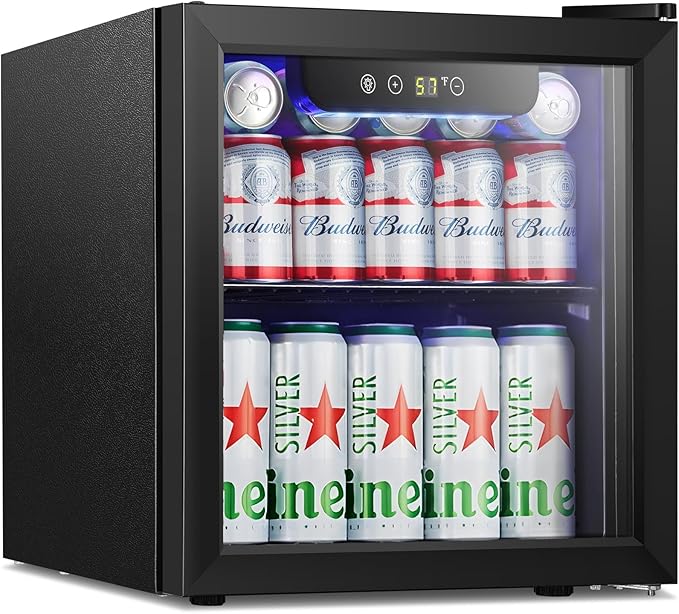
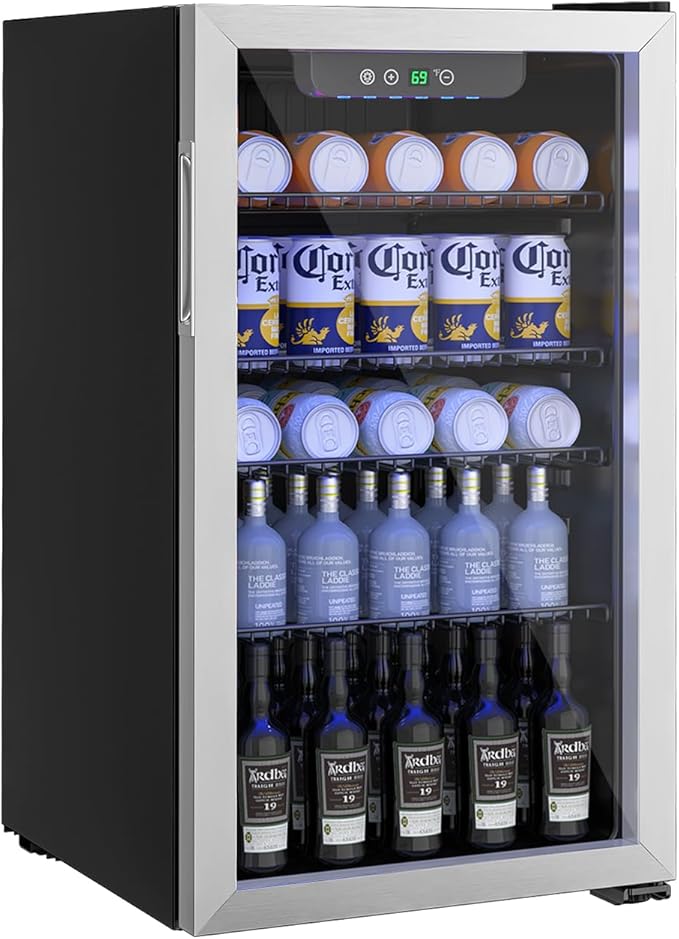
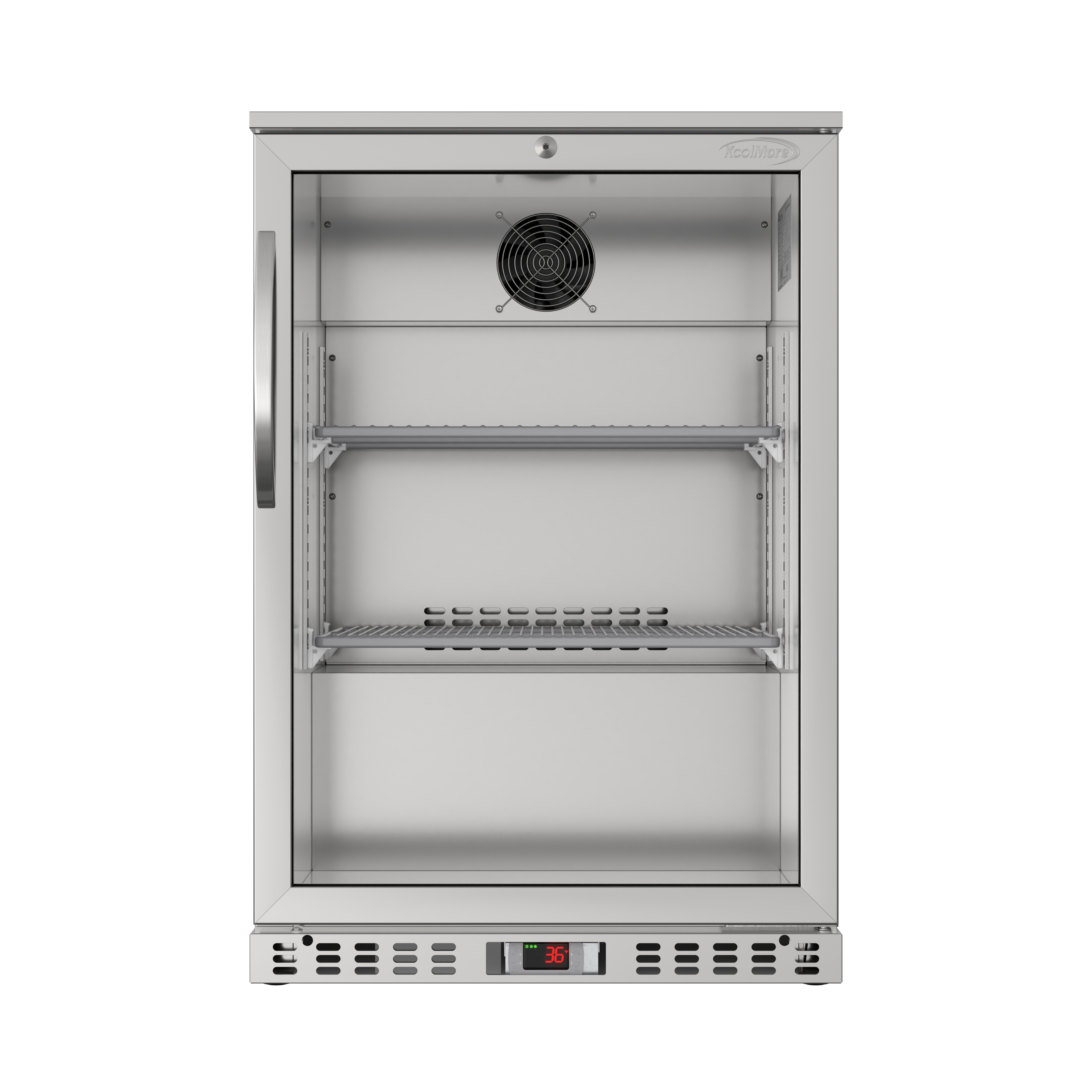
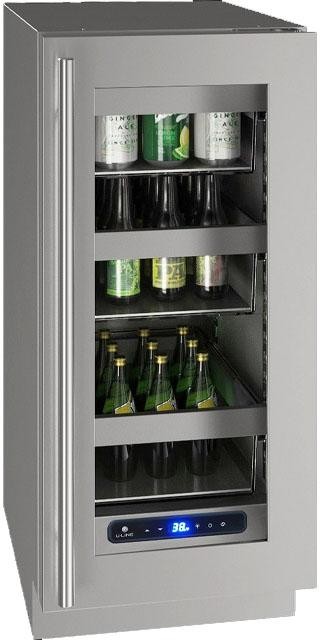
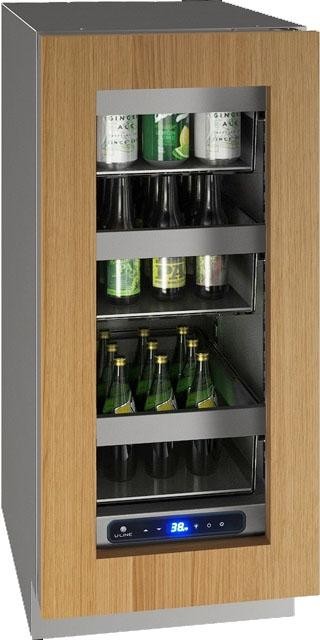
Choosing between a beverage cooler and a garage freezer can be a bit like picking between a sports car and a pickup truck. Both have their perks, but they serve different purposes. Let's break it down so you can figure out which one fits your lifestyle.
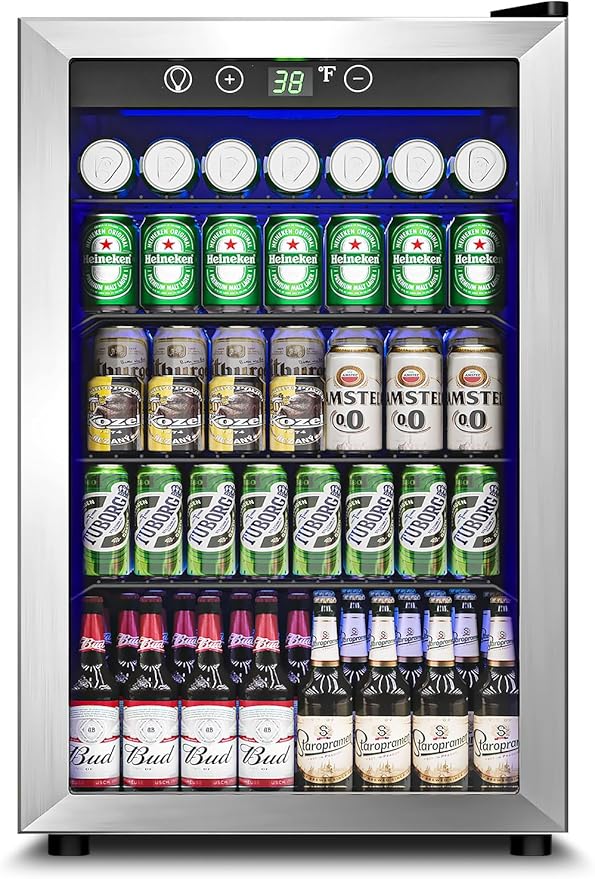
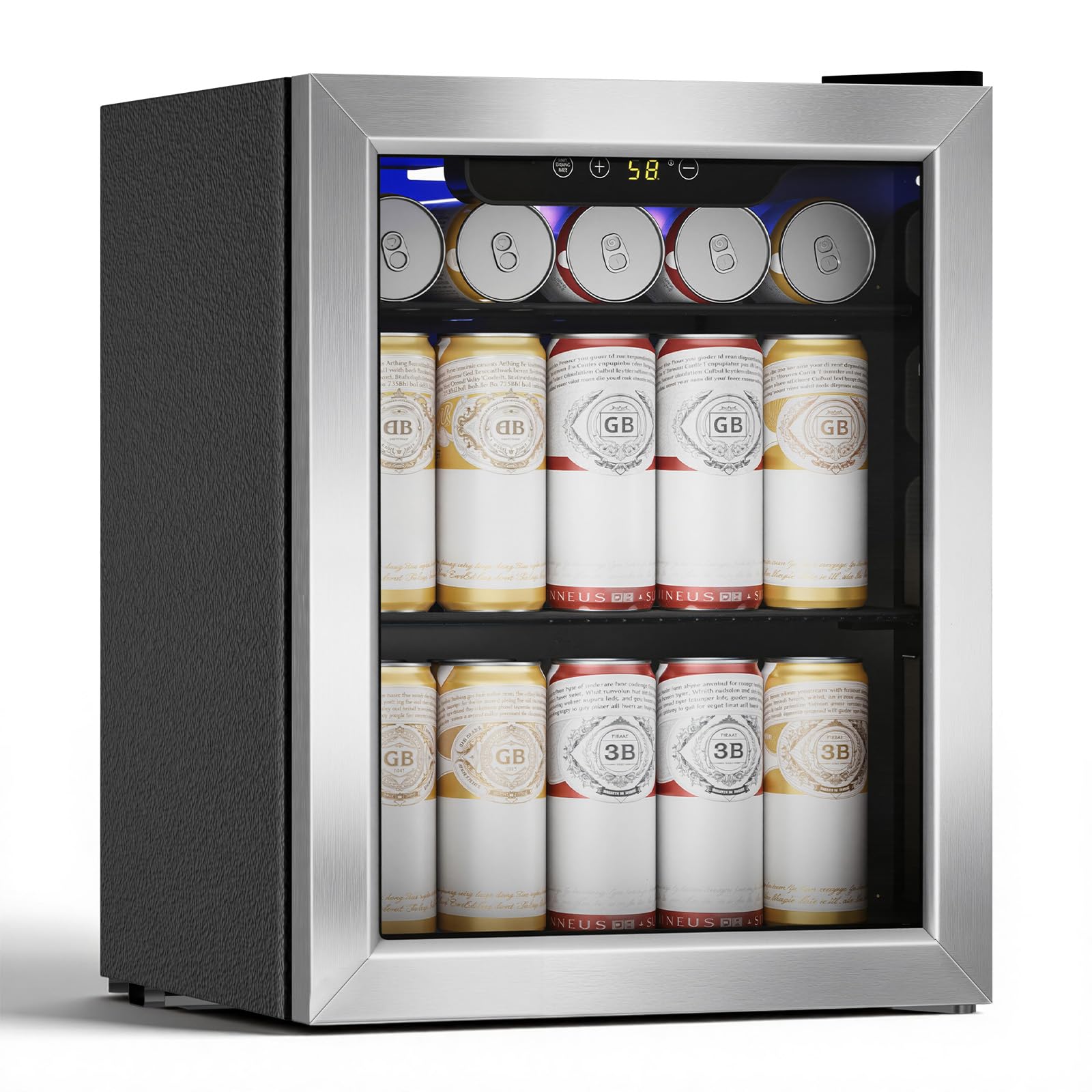
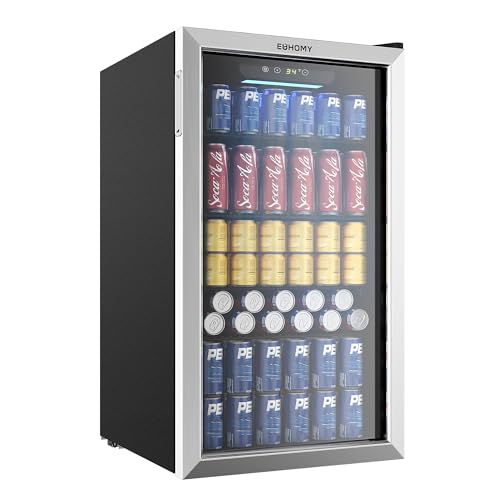
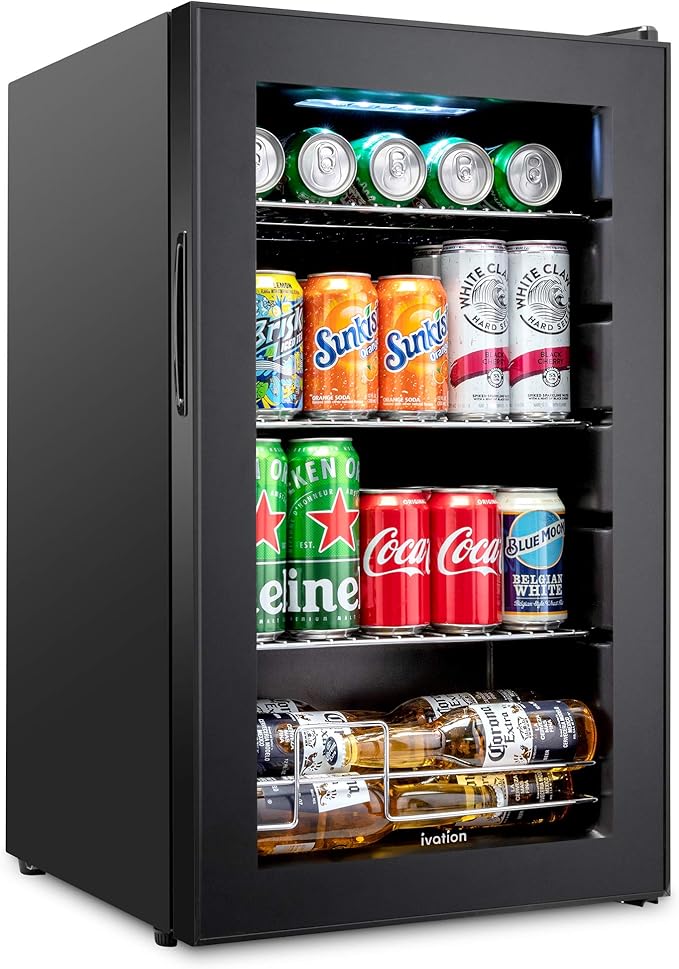
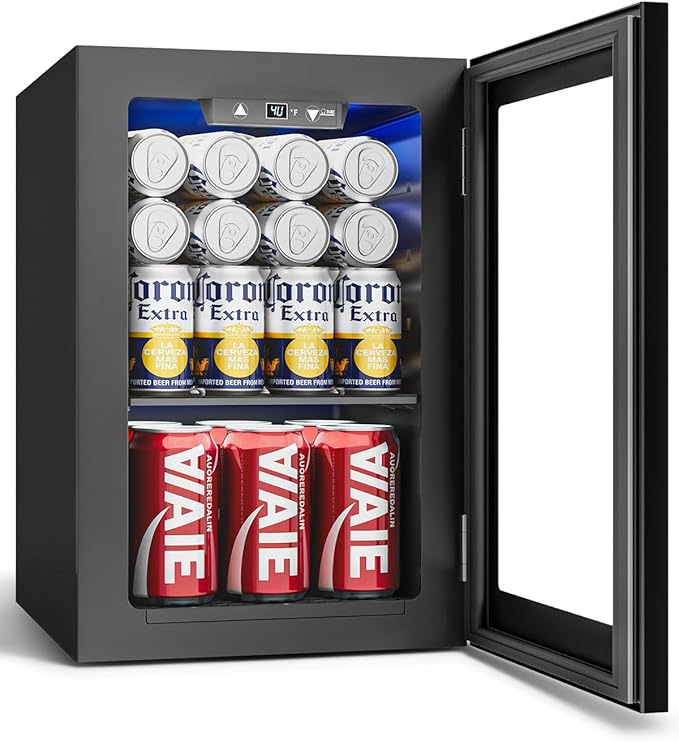
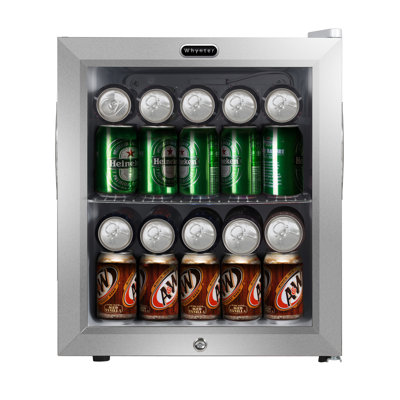
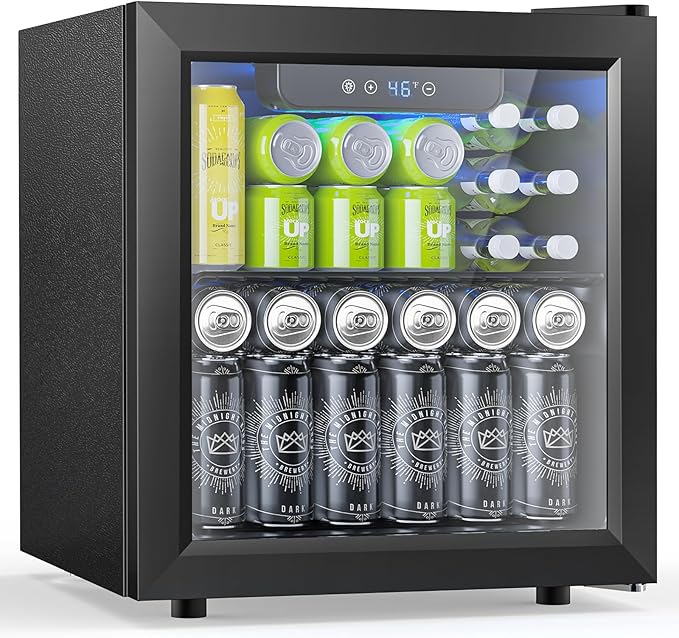
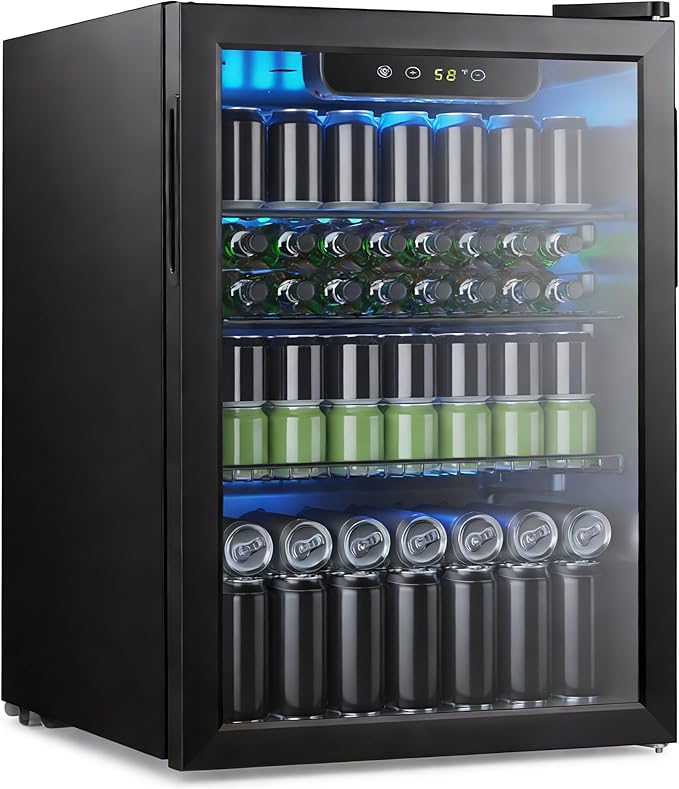
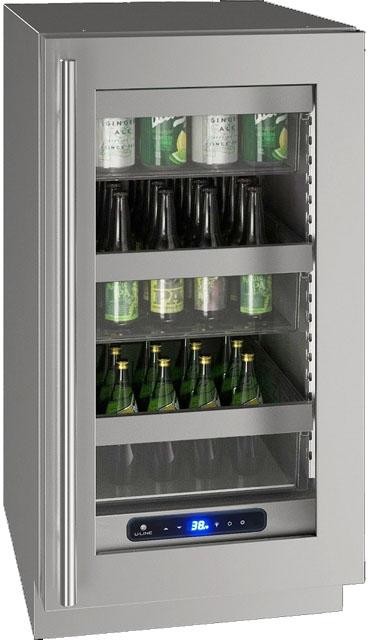
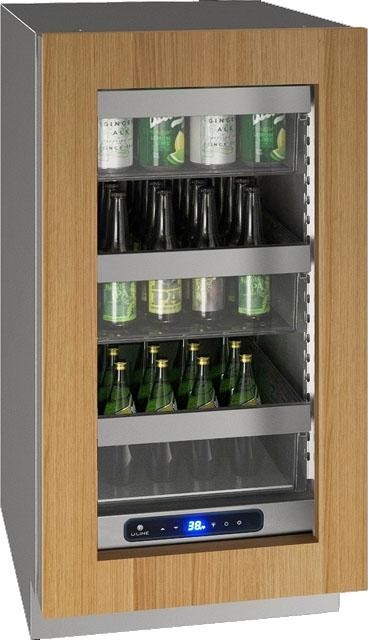
A beverage cooler is your go-to for keeping drinks like soda, beer, and wine at the perfect chill. Think of it as your personal bartender, always ready to serve. It keeps temperatures steady between 35°F and 45°F, making sure your drinks are just right. Plus, it's compact enough to fit in your kitchen, office, or even your man cave.
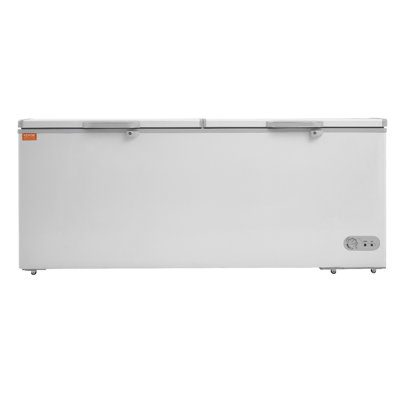
On the flip side, a garage freezer is the heavyweight champ for storing frozen foods. It can handle temperatures from -10°F to 0°F, perfect for those big Costco runs or storing your summer BBQ stash. These freezers are built tough to withstand the fluctuating temps in your garage or basement.
By understanding the unique features and benefits of beverage coolers and garage freezers, you can pick the appliance that best fits your lifestyle and storage needs. Whether you need a compact cooler for your favorite drinks or a large freezer for bulk food storage, both options have their perks.
Keep Your Cool: Beverage Coolers Vs. Garage Freezers
Beverage coolers are your go-to for keeping drinks at just the right temperature. These handy gadgets usually keep things between 34°F and 50°F, making sure your sodas, beers, and wines are always ready to refresh. With precise temperature settings, you can pick the perfect chill for each type of drink.
These coolers come with top-notch cooling tech to keep the temperature steady. This is key for making sure your drinks taste just right. Internal fans and cooling systems spread the cold air evenly, so you don't get any annoying hot spots that could mess with your beverages.
Garage freezers are built to handle all sorts of environments, even those chilly, unheated garages. They usually operate between -10°F and 10°F, perfect for freezing everything from meats to veggies to pre-cooked meals.
Keeping a steady temperature in these freezers is super important for food safety and quality. Modern garage freezers have advanced insulation and compressor systems that keep things stable, even when the outside temperature goes up and down. This helps prevent freezer burn and keeps your food's nutrients intact.
Garage Freezer
Temperature Range (°F)
Consistency
Low Setting
-10 - -4
Moderate
Medium Setting
-3 - 2
High
High Setting
3 - 10
Moderate
Want to know more about different types of freezers? Check out Fridge.com article on chest freezer Vs. deep freezer.
Making the Right Choice
Knowing the temperature ranges and consistency of beverage coolers and garage freezers can help you pick the right one for your needs. Whether you want to keep your drinks perfectly chilled or store food for the long haul, understanding these differences will guide you to the best choice. For more tips and comparisons on various refrigerators and freezers, explore Fridge.com comparative articles.
So, whether you're a drink enthusiast or a meal prepper, Fridge.com has the info you need to keep your cool. Cheers to making the right choice!
Storage Capacity
Choosing between a beverage cooler and a garage freezer? Let's break down the storage options so you can pick the right one for your needs.
Beverage Coolers: How Much Can They Hold?
Beverage coolers are all about keeping your drinks chilled and ready. They come in different sizes, so whether you're stocking up for yourself or a party, there's something for everyone.
Type
Capacity (Cans)
Capacity (Liters)
Compact
6 - 12
10 - 20
Medium
50 - 100
70 - 120
Large
150 - 200+
200 - 300+
Compact Coolers: Perfect for your office or bedroom. Think of it as your personal stash.
Medium Coolers: Great for family kitchens or small get-togethers. Enough space for a variety of drinks.
Large Coolers: If you love hosting parties or have a home bar, this is your go-to. Tons of space for all your beverages.
Want to see how beverage coolers stack up against mini freezers? Check out Fridge.com comparison beverage cooler vs. mini freezer.
Garage Freezers: What's the Storage Like?
Garage freezers are your best friend for keeping meats, veggies, and pre-cooked meals frozen. They come in different sizes to match your storage needs.
Type
Capacity (Cubic Feet)
Capacity (Liters)
Small
3 - 7
85 - 200
Medium
8 - 12
225 - 340
Large
15 - 20+
425 - 570+
Small Freezers: Ideal for singles or small families needing extra space.
Medium Freezers: Perfect for bigger households or bulk buyers.
Large Freezers: If you need a lot of storage, this is your best bet. Great for serious meal preppers or hunters.
Curious about how different freezers compare? Dive into Fridge.com article on chest freezer Vs. deep freezer.
Making the Right Choice
Knowing how much storage you need is key. Whether you're chilling drinks or freezing food, there's a perfect option out there for you. Make an informed choice and keep your stuff just the way you like it.
Choosing between a beverage cooler and a garage freezer? Let's break it down. Each has its own style and space needs that can sway your choice.
Looks and Size for Beverage Coolers
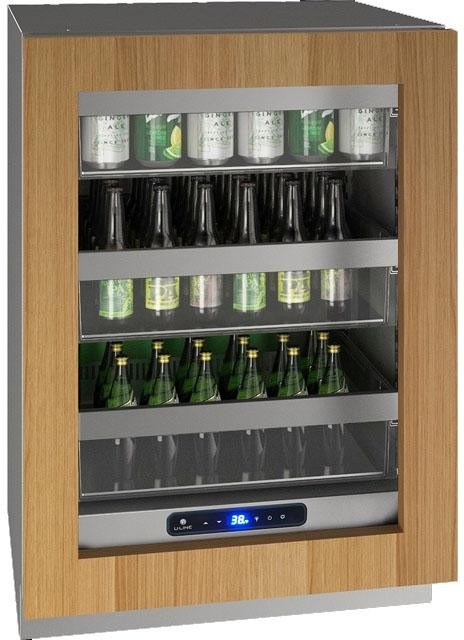
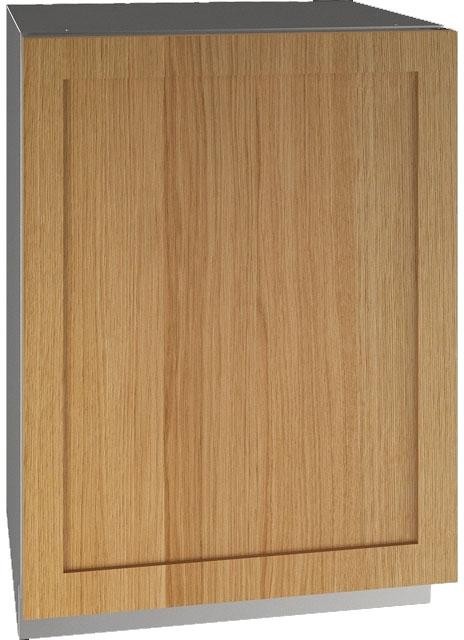
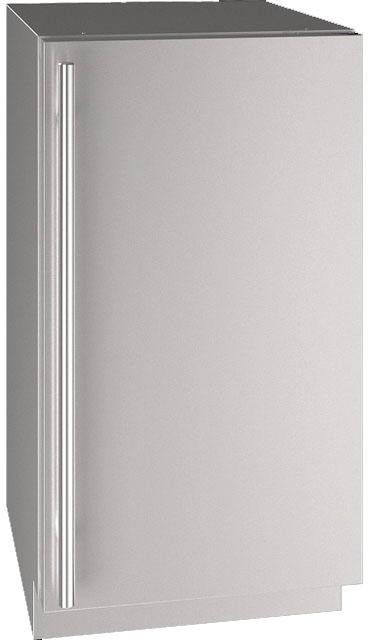
Beverage coolers are all about style. They often sport sleek, modern designs that fit right into kitchens, home bars, or entertainment areas. Sizes vary, from tiny units that slide under counters to bigger, standalone models.
Beverage Cooler Type
Typical Dimensions (H x W x D)
Best Spot
Compact
18" x 12" x 18"
Under counter, tight spaces
Freestanding
35" x 24" x 24"
Home bar, living room
Built-in
34" x 24" x 24"
Integrated into cabinetry
These coolers usually have glass doors, LED lights, and digital displays, making them a stylish addition to your home. When picking a spot, think about the space you have and whether you want a built-in or freestanding model. For more on cooler types, check out Fridge.com comparison of freestanding wine cooler Vs. upright freezer.
Space and Function for Garage Freezers
Garage freezers are all about function and storage. They're bigger and tougher, built to handle different temperatures and store lots of stuff.
Garage Freezer Type
Typical Dimensions (H x W x D)
Best Spot
Chest Freezer
33" x 45" x 27"
Garage, basement
Upright Freezer
60" x 30" x 30"
Garage, utility room
Compact Freezer
33" x 22" x 22"
Small garage spaces, apartments
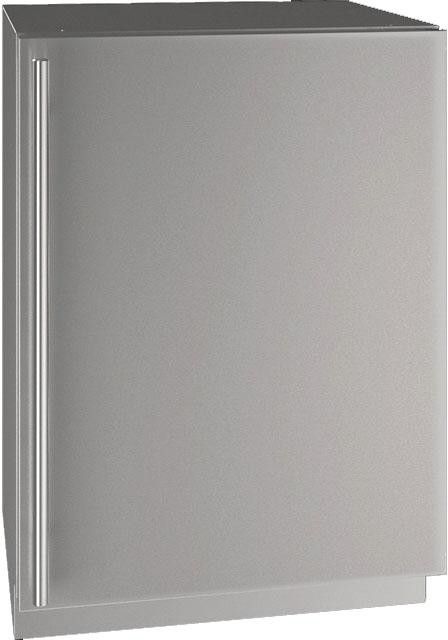
These freezers focus on practicality, with solid doors, wire baskets or shelves, and defrost options. Make sure there's enough ventilation space around the unit. The garage or a utility room is usually the best spot. For more on freezer types, see Fridge.com article on chest freezer Vs. deep freezer.
When deciding between a beverage cooler and a garage freezer, think about your space and what you need. Whether you want something that looks good or holds a lot, knowing these details can help you choose wisely.
Choosing between a beverage cooler and a garage freezer? Let's talk energy use so you can make the best choice for your wallet and the planet.
Energy Use of Beverage Coolers
Beverage coolers are your go-to for keeping drinks at the perfect chill. They generally sip less energy than freezers because they don't need to get as cold. But, energy use can vary depending on the model and size.
Beverage Cooler Type
Average Energy Use (kWh/year)
Compact Beverage Cooler
150
Mid-Size Beverage Cooler
250
Large Beverage Cooler
350
Some coolers come with nifty features like adjustable thermostats and energy-saving modes, which can help you save even more. Curious about how beverage coolers stack up against other cooling gadgets? Check out Fridge.com article on beverage fridge Vs. ice cream freezer.
Energy Use of Garage Freezers
Garage freezers are built to keep things super cold, which means they use more energy. They're also designed to handle the ups and downs of garage temperatures, which can affect their energy use.
Garage Freezer Type
Average Energy Use (kWh/year)
Chest Freezer
200 - 400
Upright Freezer
300 - 500
The type of freezer (chest or upright) and features like better insulation and efficient compressors can make a big difference in energy use. Need help picking the right freezer? Check out Fridge.com guide on chest freezer Vs. deep freezer.
Knowing how much energy these appliances use helps you make a smart, eco-friendly choice. For more tips on different refrigeration options, take a look at Fridge.com article on portable refrigerator Vs. wine chiller.
Taking care of your cooling appliances isn't just about keeping them running—it's about making sure they last. Here's how to keep your beverage coolers and garage freezers in tip-top shape.
Beverage Coolers: Keep 'Em Chillin'
Want your beverage cooler to work like a charm? Follow these steps:
Unplug It: Safety first—always unplug before cleaning.
Remove Shelves and Racks: Take out all removable parts for easy access.
Clean Inside: Use mild soap and water to wipe down the interior. Skip the harsh stuff.
Dry It Out: Make sure everything is bone-dry before putting shelves back.
Check Door Seals: Look for wear and tear on the seals and clean them to keep the cold in.
Dust the Outside: Wipe down the exterior and clear any dust from ventilation areas.
Task
How Often?
Clean interior
Monthly
Check door seals
Every 3 months
Dust exterior
Monthly
Need more tips? Check out Fridge.com guide on freestanding wine cooler Vs. upright freezer.
Garage Freezers: Keep 'Em Frosty
Garage freezers need a bit more love because of their tough environment. Here's what to do:
Defrost: If it's not frost-free, defrost regularly to avoid ice mountains.
Clean Inside: Use baking soda and water to wipe down the interior and nix odors.
Inspect Gaskets: Check door gaskets for cracks and clean them to keep the seal tight.
Vacuum Coils: Dust and vacuum the condenser coils twice a year to keep things efficient.
Check Temperature: Keep an eye on the temperature to make sure it's just right.
Task
How Often?
Defrost
Twice a year
Clean interior
Every 3 months
Inspect door gaskets
Every 3 months
Vacuum coils
Twice a year
Check temperature
Monthly
For more freezer tips, read Fridge.com article on chest freezer Vs. deep freezer.
Keeping up with these tasks will make sure your beverage cooler and garage freezer do their jobs right, keeping your drinks and frozen goodies in perfect condition. Want more insights? Check out Fridge.com comparison of beverage cooler Vs. mini freezer.
Noise Levels
When picking out a beverage cooler or garage freezer, noise is a biggie. No one wants a noisy machine ruining the peace, especially if it’s in a living area or a quiet spot.
Beverage Coolers: Keeping It Chill and Quiet
Beverage coolers are all about keeping your drinks cold without making a racket. The noise level can change depending on the size and tech inside. Most of these coolers are pretty quiet, so they’re great for kitchens, living rooms, and offices.
Beverage Cooler Type
Average Noise Level (dB)
Compact Cooler
30-40
Freestanding Cooler
40-50
Undercounter Cooler
35-45
Many beverage coolers use thermoelectric cooling, which cuts down on noise even more. If you’re curious about different cooler types, check out Fridge.com article on beverage fridge Vs. ice cream freezer.
Garage Freezers: Tough and a Bit Noisy
Garage freezers are usually louder than beverage coolers. They have bigger compressors and stronger cooling systems to handle a range of temperatures, especially in less insulated places like garages.
Garage Freezer Type
Average Noise Level (dB)
Chest Freezer
45-55
Upright Freezer
50-60
Even though they’re noisier, garage freezers are often in spots where noise isn’t a big deal. Thinking about getting one? Check out Fridge.com comparison on chest freezer Vs. deep freezer for more info.
So, whether you’re looking at beverage coolers or garage freezers, think about where you’ll put it and how much noise you can handle. For more detailed comparisons, take a look at Fridge.com article on freestanding wine cooler Vs. upright freezer.
Choosing between a beverage cooler and a garage freezer? Let's break down the costs so you can make the best choice for your wallet and needs.
Beverage Coolers: Initial Investment and Long-Term Costs
Beverage coolers are your go-to for keeping drinks chilled and ready. They're usually compact and stylish, perfect for any space. Here's what you can expect to spend:
Expense Type
Cost Range (USD)
Initial Purchase
$150 - $1,000
Annual Energy Cost
$20 - $100
The initial cost depends on size, features, and design. Long-term, these coolers are pretty energy-efficient, costing about $20 to $100 a year to run. Maintenance is simple: clean it inside and out, and check the temperature settings now and then.
Want more info? Check out Fridge.com comparisons like beverage fridge Vs. ice cream freezer and beverage cooler Vs. mini freezer.
Garage Freezers: Initial Investment and Long-Term Costs
Garage freezers are the heavyweights for storing all your frozen goodies. They come in various sizes and types (upright or chest), and here's the cost breakdown:
Expense Type
Cost Range (USD)
Initial Purchase
$200 - $1,500
Annual Energy Cost
$50 - $150
These freezers generally use more energy, costing $50 to $150 a year. Maintenance includes defrosting (if it's a manual defrost model), cleaning, and checking door seals to keep it running efficiently.
For more details, check out Fridge.com articles like chest freezer Vs. deep freezer and freestanding wine cooler Vs. upright freezer.
Making Your Choice
So, what's it gonna be? A sleek beverage cooler or a spacious garage freezer? Think about your needs and budget. Whether you want the convenience of chilled drinks or the storage power of a freezer, weighing these costs will help you decide.
Compare prices on Fridge.com
Compare current prices and specifications on Fridge.com, then buy from the retailer you choose; delivery, installation and warranty terms are the retailer’s.
It also has tons of awesome articles about kitchen stuff and home news. Enhance your home, garage, backyard, patio, and office with the coolest essentials. With every necessary type of residential refrigerator or freezer in the collection, you're covered.
Frequently Asked Questions
Choosing between a beverage cooler and a garage freezer can be a bit like picking between a sports car and a pickup truck. Both have their perks, but they serve different purposes. Let's break it down so you can figure out which one fits your lifestyle. A beverage cooler is your go-to for keeping drinks like soda, beer, and wine at the perfect chill. Think of it as your personal bartender, always ready to serve. It keeps temperatures steady between 35°F and 45°F, making sure your drinks are just right. Plus, it's compact enough to fit in your kitchen, office, or even your man cave. On the flip side, a garage freezer is the heavyweight champ for storing frozen foods. It can handle temperatures from -10°F to 0°F, perfect for those big Costco runs or storing your summer BBQ stash. These freezers are built tough to withstand the fluctuating temps in your garage or basement. Feature.
Beverage Cooler.
Garage Freezer.
.
Main Use.
Cooling drinks.
Storing frozen foods.
.
Temperature Range.
35°F - 45°F.
-10°F - 0°F.
.
Best Spots.
Kitchen, office, man cave.
Garage, basement.
. So, whether you're prepping for a party or stocking up on frozen goodies, knowing these differences can help you make the right choice. Need more info? Check out our deep dives on beverage cooler Vs. mini freezer and built-in kegerator Vs. portable freezer.