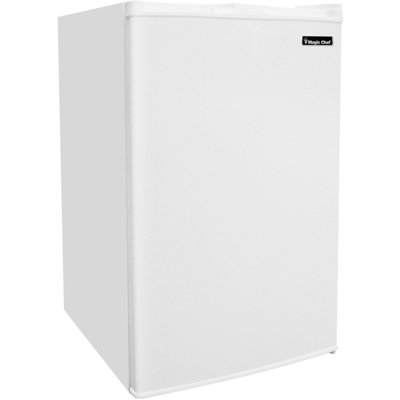
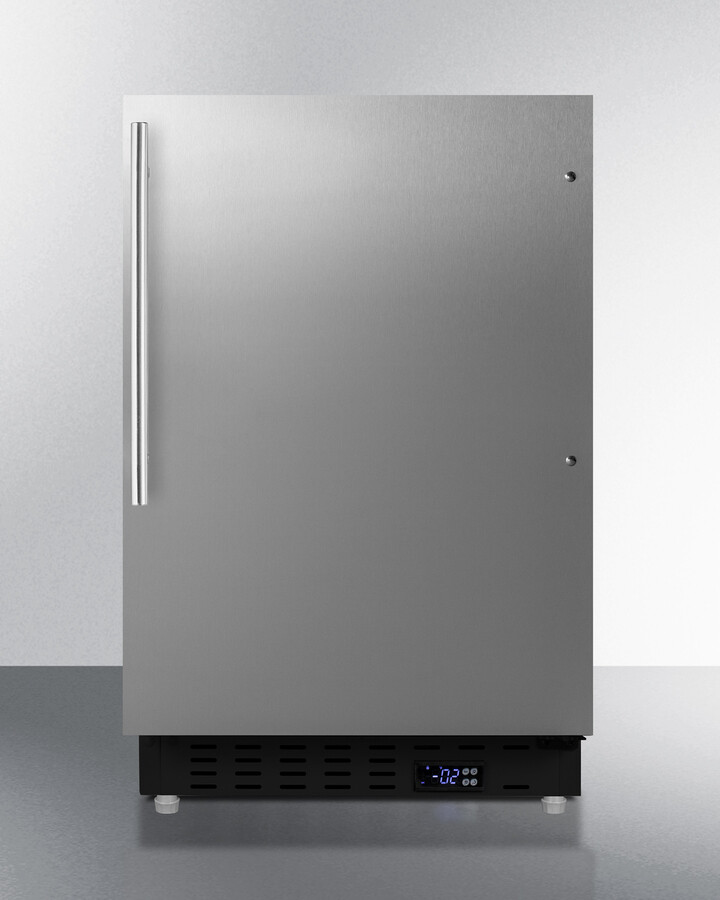
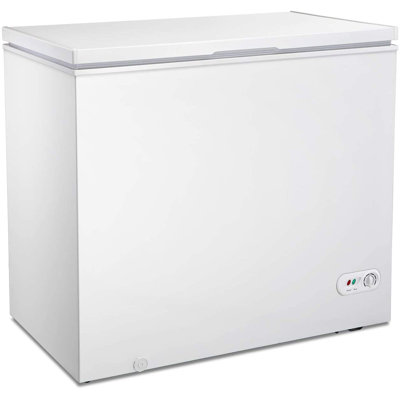
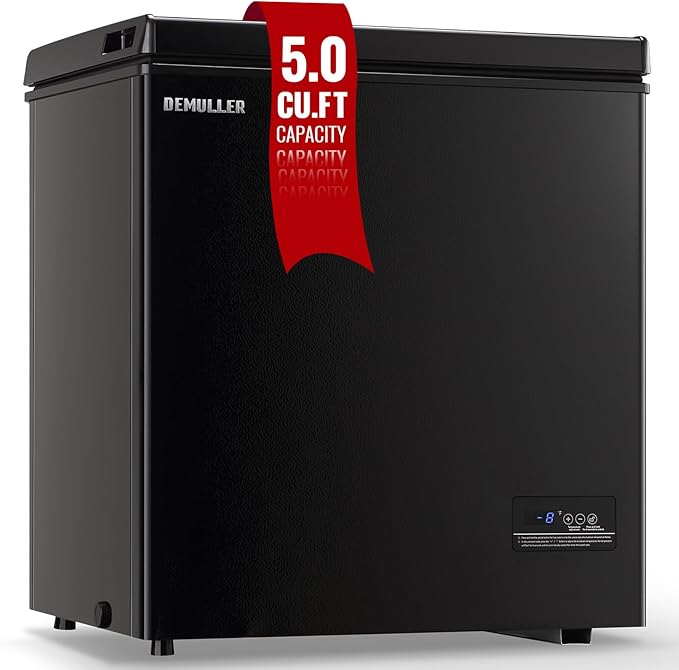
Understanding Convertible Refrigerators and Deep Freezers
Choosing between a convertible refrigerator and a deep freezer can feel like picking between a Swiss Army knife and a dedicated tool. Let's break down what makes each one tick so you can decide which fits your lifestyle best.
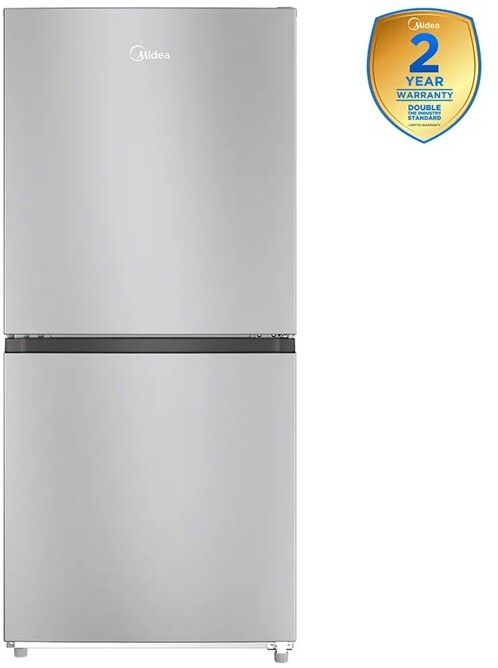
Convertible Refrigerators: The Chameleons of the Kitchen
Convertible refrigerators are like the transformers of the appliance world. They can switch between being a fridge and a freezer, depending on what you need at the moment. Got a big party coming up and need more fridge space? No problem. Stocking up on frozen goodies for the winter? Easy peasy.
These appliances come with multiple temperature settings, so you can toggle between cooling and freezing modes. It's like having two appliances in one. Perfect for those who need different storage options throughout the year. If you’re curious about how they stack up against energy-efficient refrigerators, check out Fridge.com article on convertible freezer refrigerator Vs. energy efficient refrigerator.
Deep Freezers: The Heavy Lifters
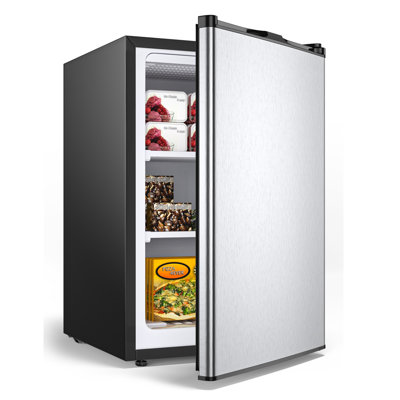
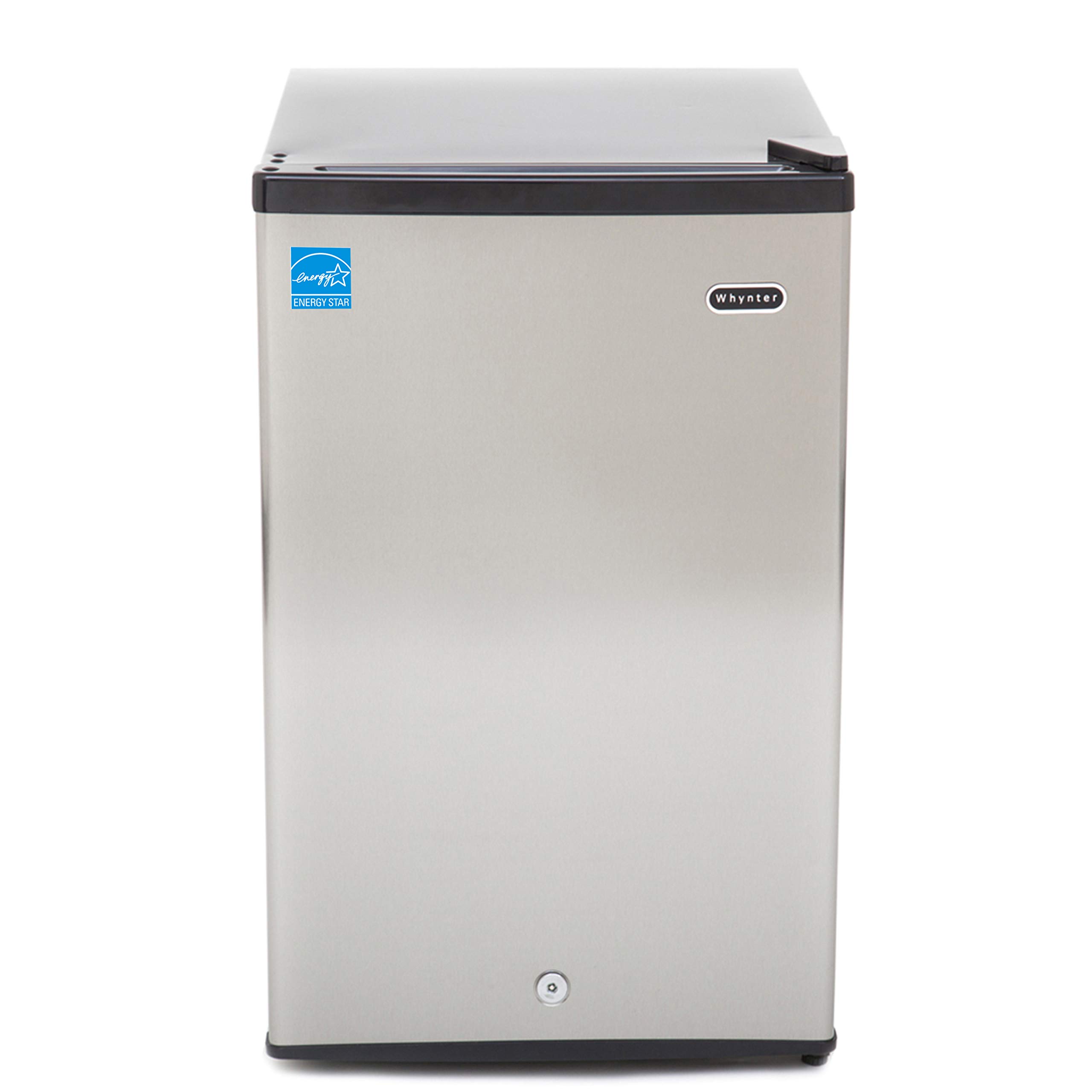
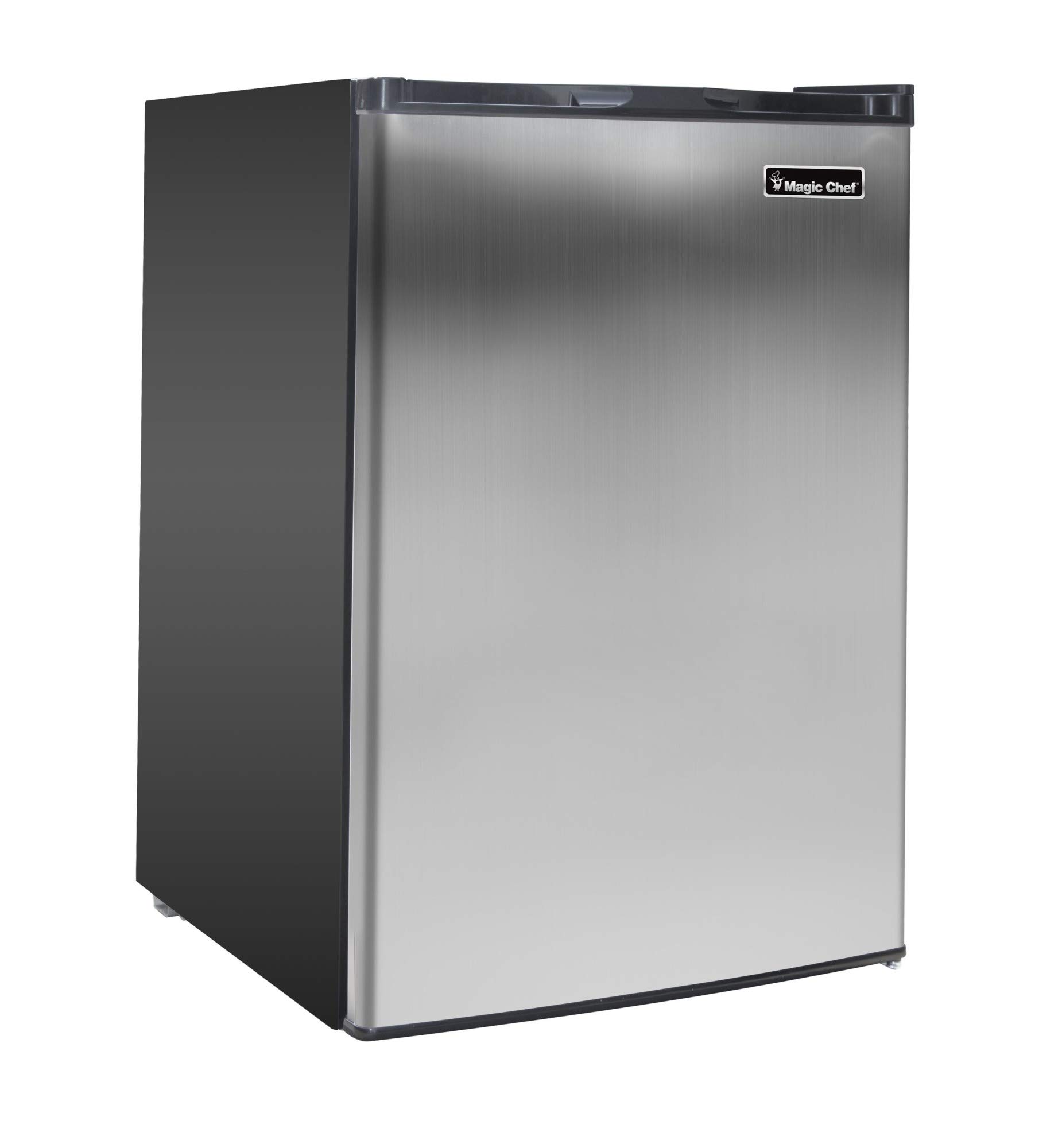
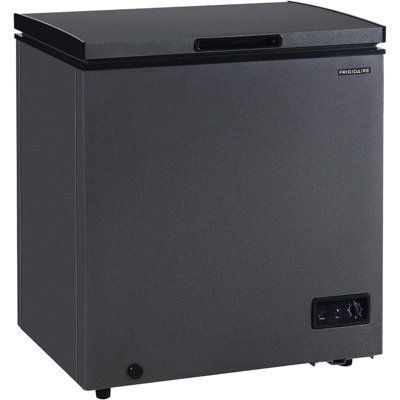
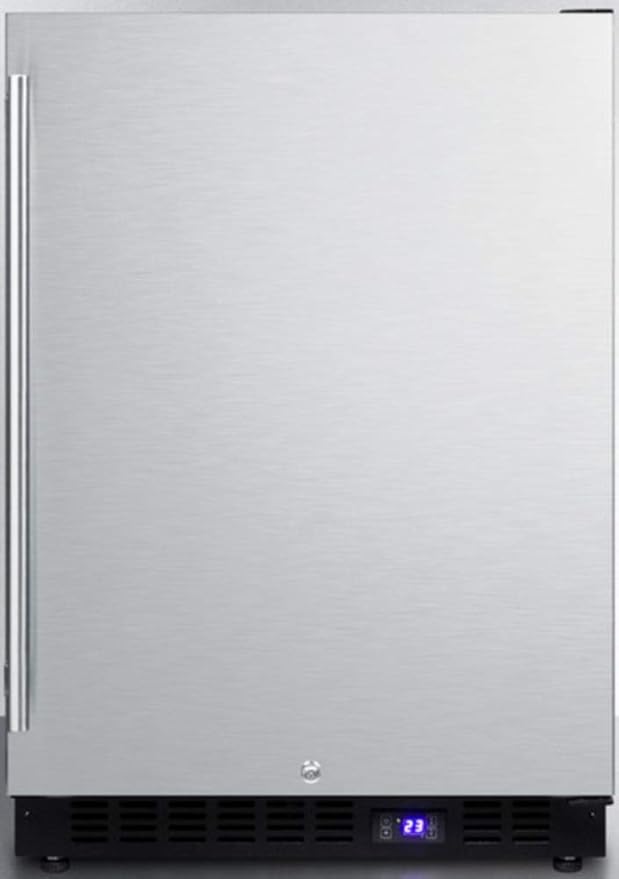
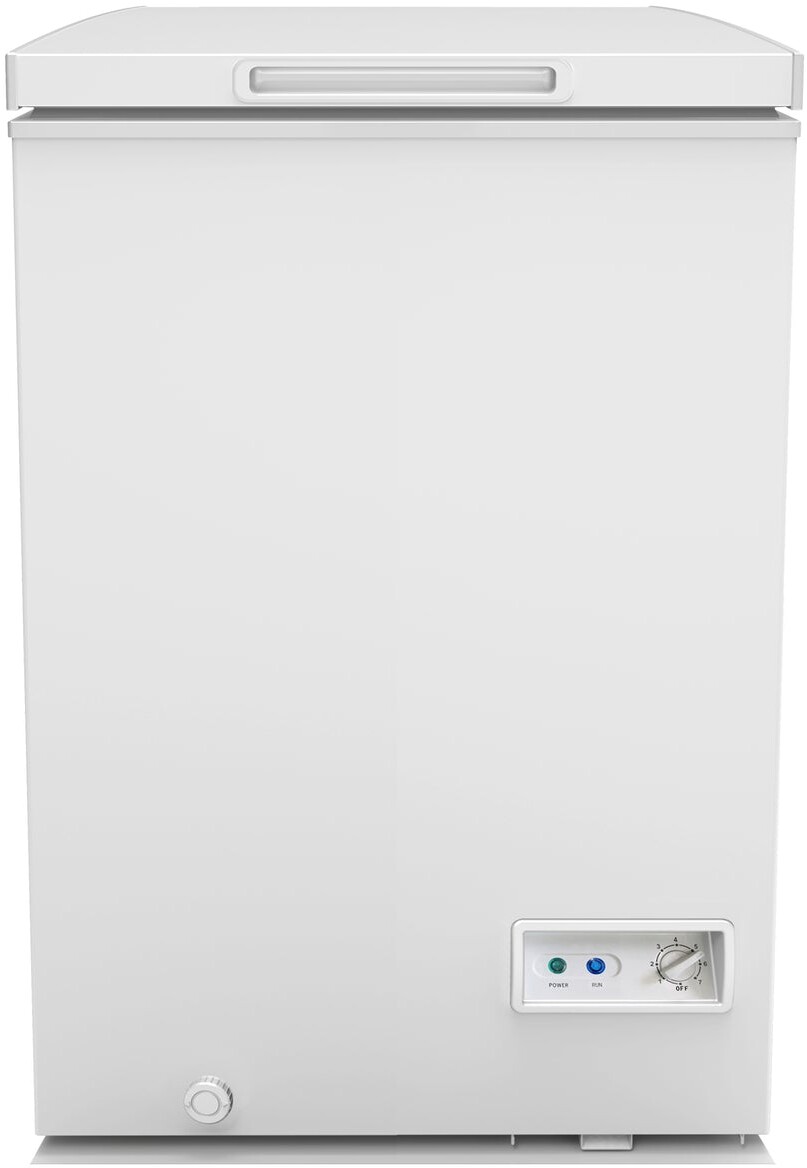
Deep freezers, often called chest freezers or upright freezers, are the go-to for serious storage needs. These bad boys are built to freeze large amounts of food and keep it frozen for the long haul. Think of them as the deep storage units of your kitchen.
Chest freezers are like the big, roomy basements of the freezer world—lots of space but sometimes a bit tricky to organize. Upright freezers, on the other hand, are more like closets—easier to organize but with a bit less space. Both types come with adjustable temperature controls to keep your food at just the right chill.
Families who buy in bulk or like to preserve seasonal produce often swear by deep freezers. They offer way more freezer space than your standard fridge. For a deeper dive into the types of freezers, check out Fridge.com article on small freezer chest Vs. wine cellar.
Making the Choice
So, which one should you go for? It really boils down to what you need. If you want flexibility and the ability to switch between fridge and freezer modes, a convertible refrigerator is your best bet. If you need a dedicated space for freezing large quantities of food, a deep freezer is the way to go.
Both options have their perks, so think about what fits your lifestyle and storage needs. For more comparisons, you might find Fridge.com articles on 4 door refrigerator Vs. side by side refrigerator and basement refrigerator Vs. beverage cellar helpful.
Happy chilling!
Functionality and Features
Choosing between a convertible refrigerator and a deep freezer can be tricky. Let's break down what each one brings to the table so you can figure out which suits you best.
Convertible Refrigerators
Convertible refrigerators are like the Swiss Army knives of the kitchen. They offer a bunch of features that make them super handy and adaptable.
Switcheroo Mode: These fridges can flip between being a fridge and a freezer. Got extra ice cream? Turn it into a freezer. Need more space for veggies? Switch it back to a fridge.
Temperature Tweaks: You can dial in the exact temperature you want. Perfect for keeping your lettuce crisp and your ice cream rock solid.
Organized Chaos: With multiple compartments, you can keep your food items neatly separated. Some even have special spots for fruits, veggies, meats, and dairy.
No More Frost: Many models come with frost-free tech, so you won't have to chip away at ice build-up. Less hassle, more chill.
Energy Savers: These fridges are designed to be easy on your electricity bill. Want to know more about saving energy? Check out Fridge.com article on energy efficient refrigerators.
Feature
Convertible Refrigerator
Switcheroo Mode
Yes
Temperature Tweaks
Advanced
Organized Chaos
Yes
No More Frost
Yes
Deep Freezers
Deep freezers are the go-to for long-term storage. They’re built to keep your food frozen solid for the long haul.
Big Space: These freezers have tons of room, perfect for stocking up on bulk items. They come in different sizes to fit your needs.
Steady Chill: They keep a constant low temperature, so your food stays frozen for ages. Great for meats, seafood, and other perishables.
Manual Defrost: Unlike the frost-free fridges, these guys need a bit of manual defrosting now and then. Keeps them running smoothly.
Energy Use: While generally efficient, energy use can vary by model and size. Make sure to check the ratings. For more info, see Fridge.com article on energy ratings of deep freezers.
Built Tough: These freezers are made to last, with sturdy construction and reliable performance. They can handle frequent use and still keep your food frozen.
When it comes to storage, convertible refrigerators and deep freezers each have their own perks. Knowing what sets them apart can help you pick the right one for your needs.
Convertible Refrigerators: Flexible Storage
Convertible refrigerators are like the Swiss Army knives of the kitchen. They come with multiple compartments that you can tweak to fit your needs. You can switch between fridge and freezer modes, making them super versatile.
Feature
Convertible Refrigerators
Total Storage Capacity
300 - 700 liters
Refrigerator Compartment
200 - 450 liters
Freezer Compartment
100 - 250 liters
Adjustable Shelves
Yes
Convertible Modes
Yes (Fridge to Freezer and vice versa)
These fridges are great if you need a mix of fresh and frozen storage. You can easily switch things up depending on whether you’re storing daily groceries or prepping for a big event.
Deep freezers are all about giving you loads of space for frozen items. They’re built to hold a ton of food, making them perfect for long-term storage.
Feature
Deep Freezers
Total Storage Capacity
100 - 500 liters
Freezer Compartment
100% of total capacity
Adjustable Shelves
Limited
Convertible Modes
No
These freezers come in different sizes, from small ones for apartments to big ones for serious bulk storage. They’re a lifesaver for families who like to stock up on frozen goods.
Knowing the storage differences between convertible refrigerators and deep freezers can help you figure out which one fits your lifestyle best. For more on different types of refrigerators, visit Fridge.com article on standard refrigerator size Vs. undercounter refrigerator.
Convertible Refrigerators: Flexibility at Your Fingertips
Convertible refrigerators are like the Swiss Army knives of the kitchen. They let you switch between fridge and freezer modes depending on what you need. This makes them super handy for all sorts of storage needs.
Mode
Temperature Range (°F)
Refrigerator Mode
35 - 46
Freezer Mode
-4 - 5
Most of these fridges come with digital temperature controls, so you can get things just right. Whether you're keeping veggies crisp or ice cream solid, these controls make sure your food stays fresh. Want to know more about different fridge types? Check out Fridge.com article on 4 door refrigerator Vs. side by side refrigerator.
Deep Freezers: The Cold Masters
Deep freezers are the go-to for long-term storage of frozen goodies. They keep things super cold, so your food stays good for ages.
Type
Temperature Range (°F)
Chest Freezer
-10 - 10
Upright Freezer
-5 - 10
These freezers usually have manual or dial controls. They’re easy to use but might not be as precise as digital ones. If you buy food in bulk, a deep freezer is your best friend. Curious about different freezer options? Dive into Fridge.com article on small freezer chest Vs. wine cellar.
Knowing how these appliances handle temperature can help you pick the right one. Whether you need something flexible or a long-term freezer, understanding the temperature ranges is key. For more cool comparisons, check out Fridge.com piece on basement refrigerator Vs. beverage cellar.
When you're picking between convertible refrigerators and deep freezers, it's smart to check their energy ratings. These ratings tell you how much electricity they use, which can affect your utility bills and overall energy consumption.
Energy Ratings of Convertible Refrigerators
Convertible refrigerators are like the Swiss Army knives of the kitchen—they can switch between fridge and freezer modes. This flexibility can change how much energy they use. Usually, these fridges come with energy ratings from various certification bodies.
These ratings are measured in kilowatt-hours (kWh) per year. The lower the kWh, the more energy-efficient the appliance is, meaning it uses less electricity over a year.
Convertible Refrigerator
Energy Rating (kWh/year)
Model A
350
Model B
420
Model C
500
Want more details on similar appliances? Check out Fridge.com comparison between convertible freezer refrigerator Vs. energy efficient refrigerator.
Energy Ratings of Deep Freezers
Deep freezers are built for long-term storage and have different energy needs compared to convertible refrigerators. They usually run at lower temperatures and have thicker insulation to keep things frozen, which can affect their energy efficiency.
Just like with convertible refrigerators, deep freezers have energy ratings measured in kWh per year. Comparing these ratings helps you understand how much energy different models use.
Deep Freezer
Energy Rating (kWh/year)
Model X
300
Model Y
380
Model Z
450
Curious about other freezer options? Fridge.com article on small freezer chest Vs. wine cellar might be helpful.
Knowing the energy ratings of both convertible refrigerators and deep freezers can guide you to make a smart choice based on your energy efficiency needs. For more insights into various types of refrigerators and freezers, check out Fridge.com comparisons like black stainless refrigerator Vs. dry age fridge and standard refrigerator size Vs. undercounter refrigerator.
Installation Considerations
Choosing between a convertible refrigerator and a deep freezer? Let's break down what you need to know to get these bad boys up and running in your space.
Convertible Refrigerators: What You Need
Convertible refrigerators are like the Swiss Army knives of the kitchen world. They fit in kitchens, basements, or even garages. Here's what to keep in mind:
Space: These fridges need room to breathe. Make sure there's enough space for both the fridge and freezer compartments, and some wiggle room for ventilation.
Power: They plug into a standard outlet. Just double-check that your outlet can handle the fridge's power needs.
Temperature: These units can handle a range of temperatures, but check the manual if you're putting it in a garage or other unconditioned space.
Level Surface: The fridge needs to sit on a level surface. This keeps the doors closing right and the unit running smoothly.
Deep Freezers: What You Need
Deep freezers are the go-to for bulk storage. They can chill out in basements, garages, or utility rooms. Here's the lowdown:
Space: These freezers, especially the chest types, need a lot of floor space. Measure your area to make sure it fits and has enough clearance for air circulation.
Power: Like the fridges, they need a standard outlet. Make sure your outlet can handle the freezer's power load.
Temperature: Deep freezers are built to work in various temperatures, but check if your model can handle extreme conditions.
Level Surface: A level surface is a must. It helps with door sealing and keeps the internal temperature steady.
Feature
Convertible Refrigerators
Deep Freezers
Space
Room for compartments
Lots of floor space
Power
Standard outlet
Standard outlet
Temperature
Wide range, check manual
Handles various temps
Level Surface
Yes
Yes
Knowing these installation tips can help you decide between a convertible refrigerator and a deep freezer. Want more comparisons? Check out Fridge.com articles on black stainless refrigerator Vs. dry age fridge and small freezer chest Vs. wine cellar.
Want your convertible fridge and deep freezer to last longer and work better? Here’s how to keep them in great condition with some straightforward maintenance and cleaning tips.
Convertible Fridge Care
Convertible fridges are pretty cool—they can switch between fridge and freezer modes. To keep them running smoothly, here’s what you need to do:
Defrost Regularly: If your fridge has a manual defrost option, do it now and then to stop ice from building up.
Clean the Coils: Dusty coils make your fridge work harder. Give them a good clean every six months with a vacuum or coil brush.
Check the Door Seals: Make sure the seals are tight. If they’re worn out, replace them to keep your fridge energy-efficient.
Set the Right Temperature: Make sure the temperature matches the mode—fridge or freezer. This keeps your food fresh.
Clean Inside: Wipe down the inside with warm water and mild detergent. Use a soft cloth to avoid scratches.
Want more fridge tips? Check out Fridge.com article on basement refrigerator Vs. beverage cellar.
Deep Freezer Care
Deep freezers are great for storing lots of frozen goodies. Keep them running well with these tips:
Defrost Often: If you have to defrost manually, do it when the ice gets about a quarter-inch thick. This keeps your freezer from overworking.
Clean the Coils: Just like with fridges, clean the coils every six months to keep things efficient.
Inspect the Door Gaskets: Make sure the gaskets are clean and not cracked. This keeps the cold air in and the warm air out.
Check the Temperature: Set the thermostat to around 0°F (-18°C) for best results.
Clean Inside: Empty the freezer and clean it with a mix of baking soda and water to get rid of odors and keep it hygienic.
For more freezer tips, see Fridge.com guide on small freezer chest Vs. wine cellar.
Maintenance Task
Convertible Fridge
Deep Freezer
Defrosting Frequency
Periodically
When ice is 0.25 inches thick
Coil Cleaning
Every 6 months
Every 6 months
Door Seal Inspection
Regularly
Regularly
Temperature Check
Based on mode
0°F (-18°C)
Interior Cleaning
Warm water and detergent
Baking soda and water
Stick to these tips, and your fridge and freezer will thank you with years of reliable service. For more cool insights, check out Fridge.com articles on freestanding refrigerator Vs. small upright freezer and convertible freezer refrigerator Vs. energy efficient refrigerator.
Cost Comparison
Choosing between a convertible refrigerator and a deep freezer? Let's break down the costs so you can make the best choice for your home.
Convertible Refrigerators: What's the Damage?
Convertible refrigerators are like the Swiss Army knives of the kitchen. They can switch between fridge and freezer modes, giving you flexibility. But, this versatility comes at a price. Here's what you might be looking at:
Size
Average Cost (USD)
Small (10-15 cu. ft.)
$500 - $1,200
Medium (16-20 cu. ft.)
$1,200 - $2,000
Large (21-25 cu. ft.)
$2,000 - $3,500
Want to dive deeper into fridge options? Check out Fridge.com comparison on black stainless refrigerator Vs. dry age fridge.
Deep Freezers: Cold Storage on a Budget
Deep freezers are your go-to for long-term storage. They come in chest and upright styles, and they generally cost less than convertible fridges. Here's a quick look:
Type
Average Cost (USD)
Small Chest Freezer (5-10 cu. ft.)
$150 - $400
Medium Chest Freezer (11-15 cu. ft.)
$400 - $700
Large Chest Freezer (16-25 cu. ft.)
$700 - $1,200
Small Upright Freezer (5-10 cu. ft.)
$200 - $600
Medium Upright Freezer (11-15 cu. ft.)
$600 - $900
Large Upright Freezer (16-25 cu. ft.)
$900 - $1,500
Curious about more freezer options? Fridge.com article on small freezer chest Vs. wine cellar has got you covered.
Making the Choice
When it comes down to it, your decision should hinge on what you need. Are you looking for flexibility or just a place to stash your frozen goods? For more comparisons, check out Fridge.com articles on 4 door refrigerator Vs. side by side refrigerator and fridge freezer combo Vs. small deep freezer.
So, what's it gonna be? The versatile convertible fridge or the budget-friendly deep freezer? The choice is yours!
Compare prices on Fridge.com
Compare current prices and specifications on Fridge.com, then buy from the retailer you choose; delivery, installation and warranty terms are the retailer’s.
It also has tons of awesome articles about kitchen stuff and home news. Enhance your home, garage, backyard, patio, and office with the coolest essentials. With every necessary type of residential refrigerator or freezer in the collection, you're covered.
Free tool
Freezer BTU Calculator
Free interactive tool from Fridge.com — get a quick answer while you read.