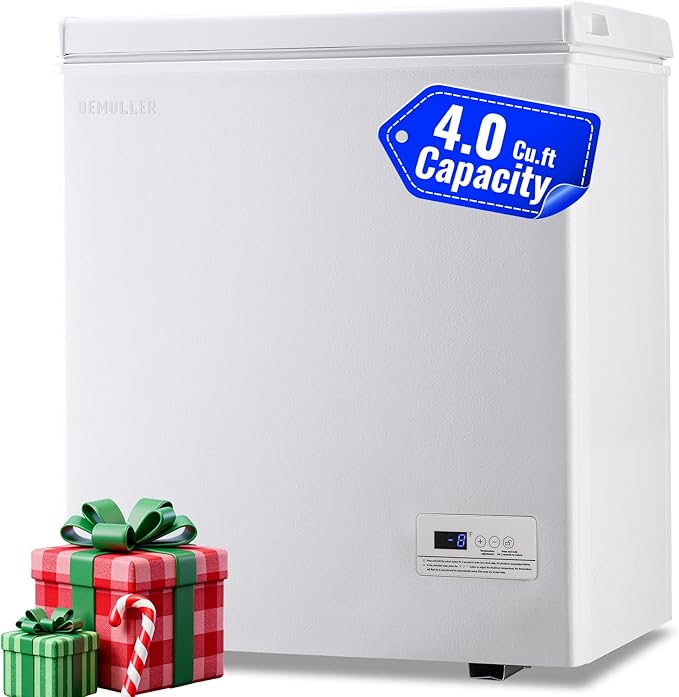
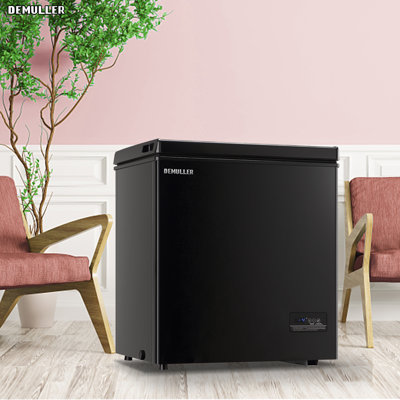
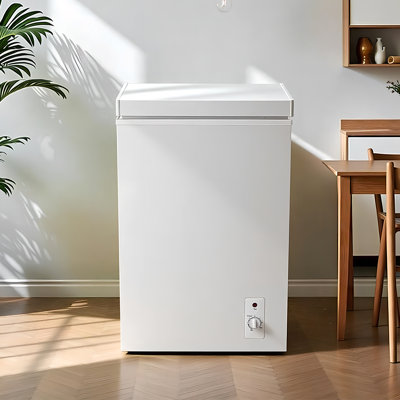
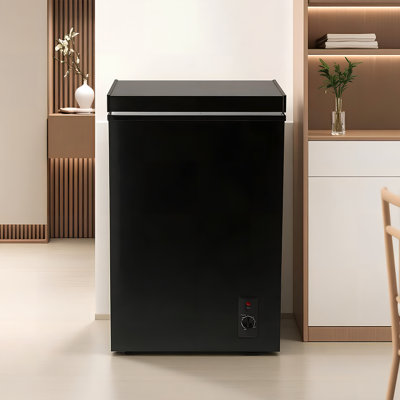
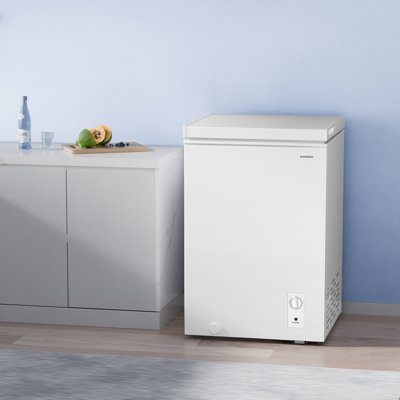
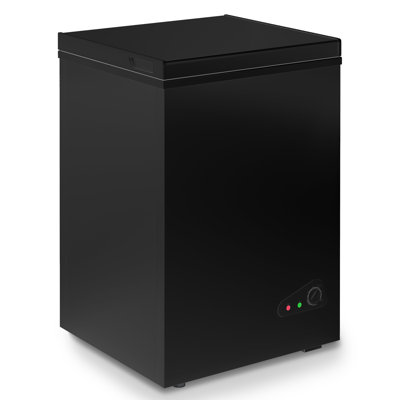
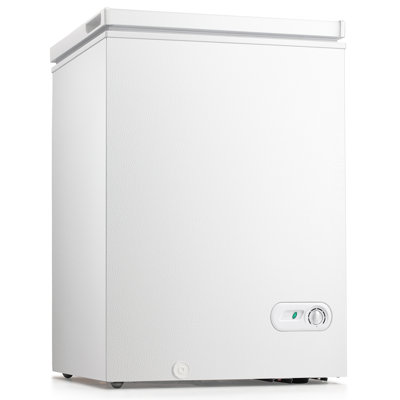
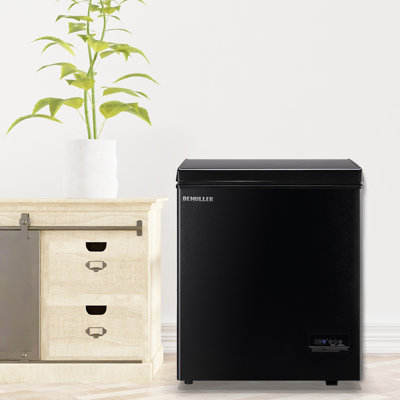
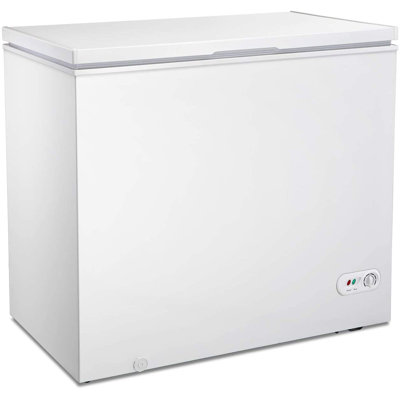
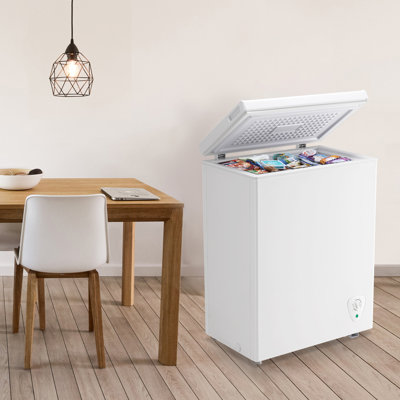
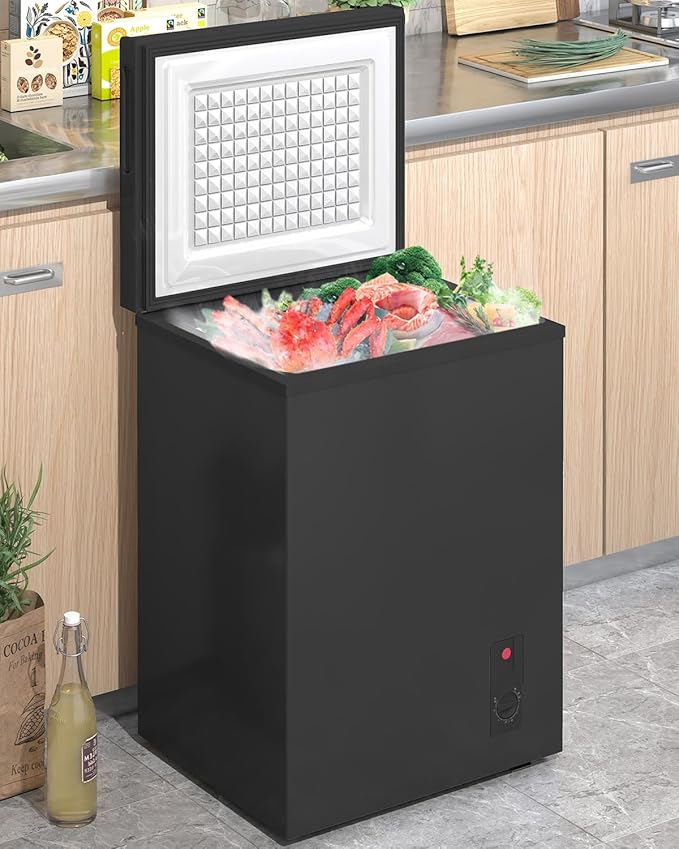
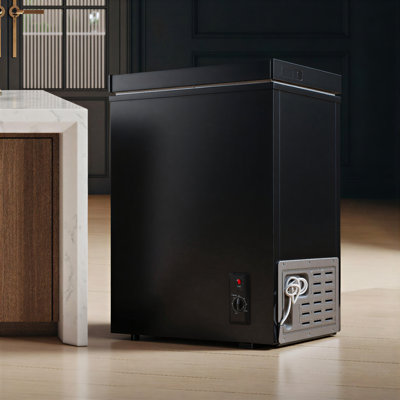
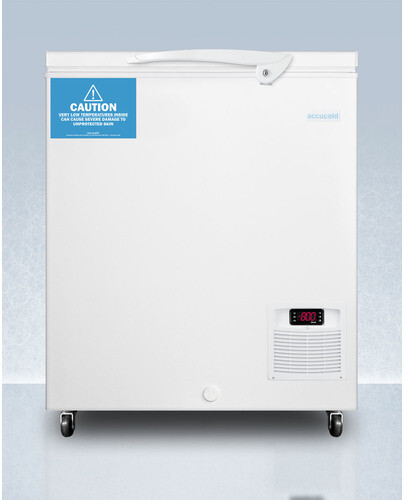
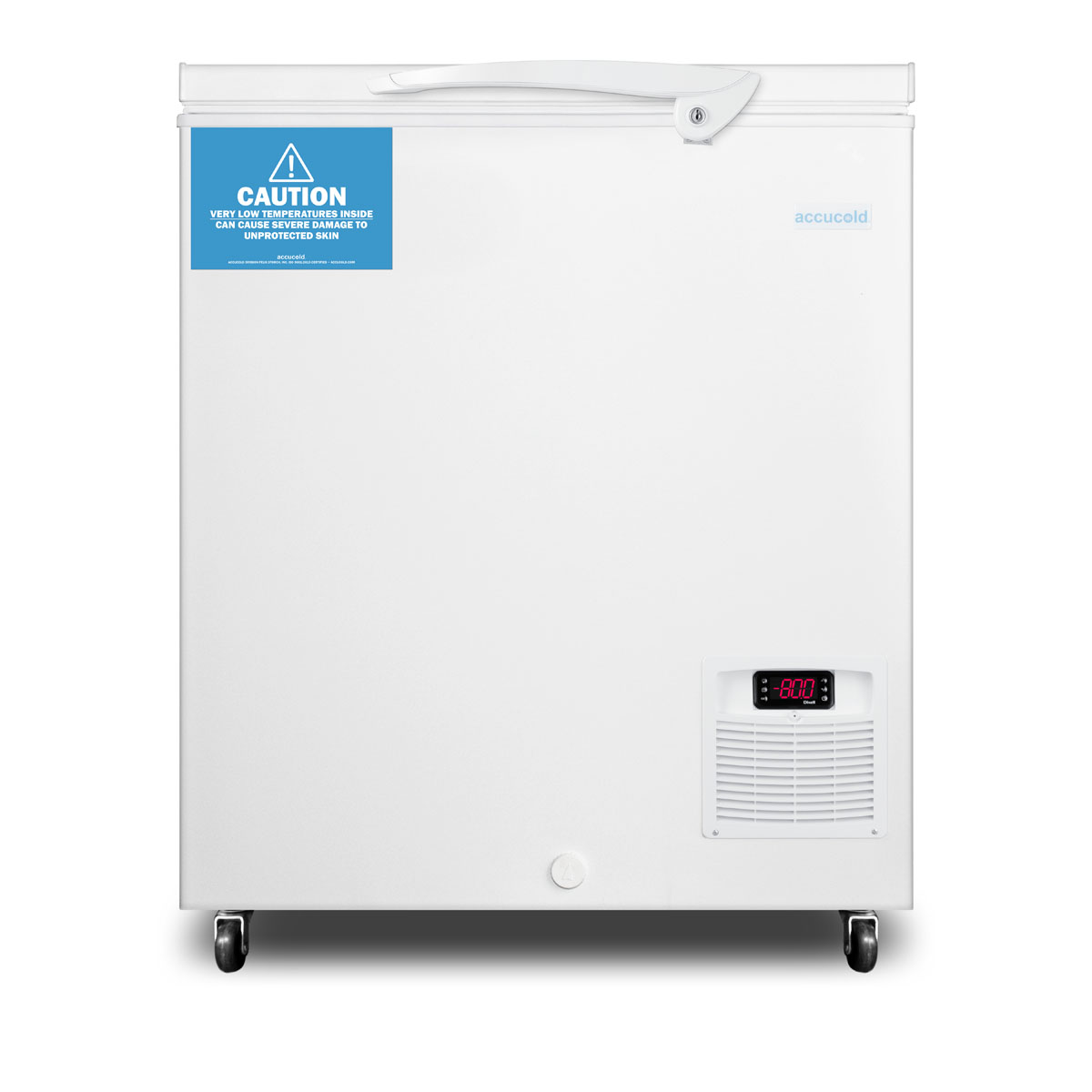
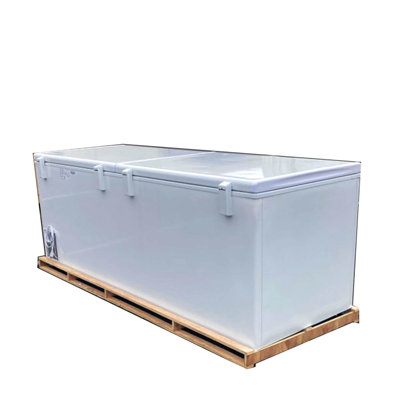
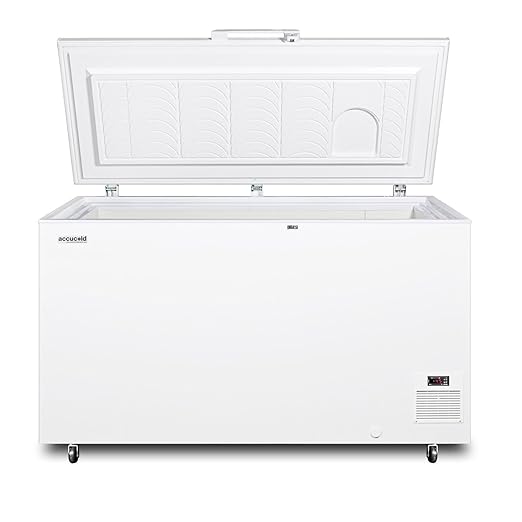
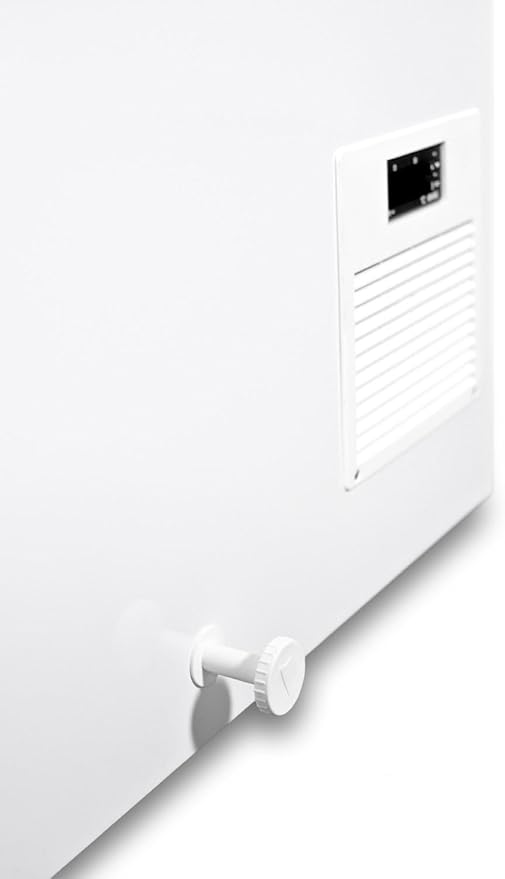
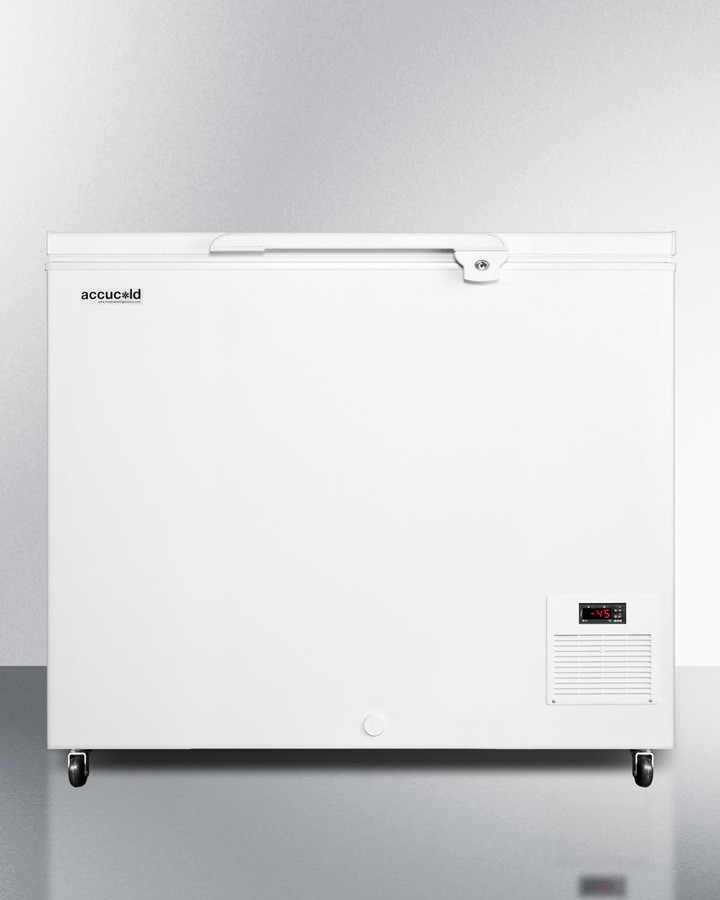
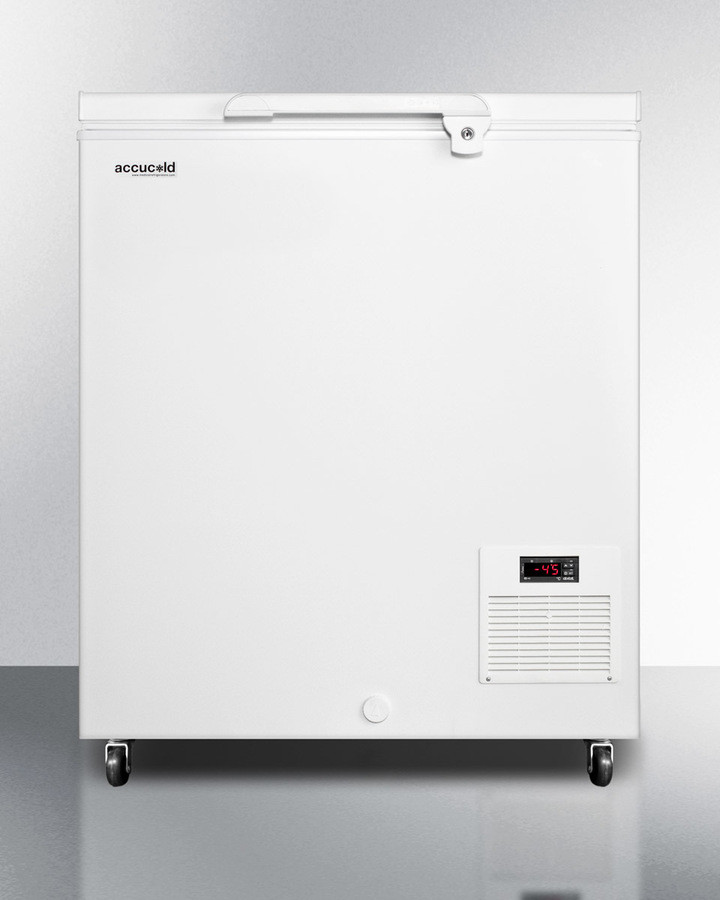
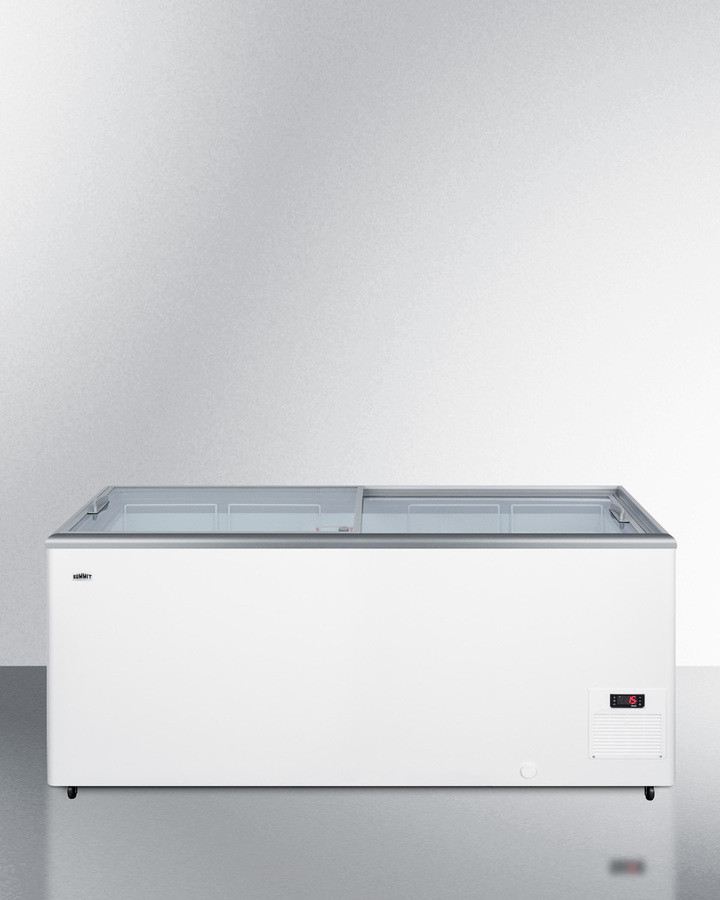
Picking out the right small chest freezer can make food storage a breeze. It's all about figuring out what you need and how you're gonna use it.
Assessing Your Freezer Needs
Before you jump into the sea of options, take a sec to think about what you'll be storing. Stocking up on meats for that big meal prep? Or maybe you've got veggies cramming your shelves from the last garden haul? Your storage style will steer your choices.
Use Case
Recommended Storage Capacity
Single person
3 to 5 cubic feet
Small family
5 to 8 cubic feet
Large family
8 to 14 cubic feet
Bulk storage
14 or more cubic feet
Also, ponder on your shopping rhythm. If bulk buying is your thing, more room could be useful. Tight on space? Go for a smaller model. Want more advice? Peep Fridge.com guide on how to buy a great fridge.
Factors to Consider When Comparing Small Chest Freezers
When you're eyeing small chest freezers, several bells and whistles impact how much you'll dig it. Each bit adds to how useful it’ll be for you.
Energy Efficiency: Hunt down models with good energy ratings. They’ll be gentle on your electric bill over time. Get the lowdown on energy labels to make a smart move.
Storage Organization: Baskets can be a lifesaver; they stop you from playing freezer Tetris anytime you need something.
Defrost Mechanisms: See if it's got an auto-defrost button—one less thing you gotta remember to do.
Temperature Control: Check out models that let you easily fiddle with temperature settings. Keep your grub frozen just right.
Size and Configuration: Crack out the measuring tape for your potential freezer nook. Make sure it squeezes into your space without a hitch. And think about how easy it'll be to reach.
Here’s a nifty chart that sums up what features work best in different situations:
Scenario
Energy Efficiency
Organization
Defrosting
Temperature Control
Small Household
High
Yes
Auto
Adjustable
Large Household
Moderate
Optional
Manual
Basic
Bulk Buyers
High
Yes
Auto
Advanced
Sizing up what you need and mulling over these factors will steer you towards a great pick. Don't shy away from exploring various models to land the best one for your lifestyle. For even more options, swing by Fridge.com guide about buying a chest freezer.
When picking out a small chest freezer, it's all about finding one that fits your stuff and doesn't turn your space into a game of Tetris.
Determining the Ideal Storage Capacity for Your Needs
Let's start by figuring out how much space you'll actually use. Here’s a quick cheat sheet for different households:
Household Size
Suggested Capacity (Cubic Feet)
Just You
3 - 5 cubic feet
Two-Person Crew
5 - 7 cubic feet
Small Fam (3-4 Folks)
7 - 9 cubic feet
Big Family (5+ Folks)
9 - 15 cubic feet
Think about what you usually stash in the freezer. Are you a meat-buyer in bulk, a frozen pizza lover, or do you swear by freezing summer veggies? Match what you store with a freezer size that gives you room to spare. If you stockpile food like a squirrel in winter, go for one with extra room.
Checking Out Freezer Space and Placement Options
Before you hit the stores or online shop till you drop, make sure you've scoped out where this new beast is gonna live. Grab a measuring tape and jot down the width, height, and depth of your intended spot. Keep these tips in mind:
Spot Pickin': Choose a place that's cool and dry, far away from sunny windows and vents blowing hot air.
Easy Peasy Access: Make sure you can easily reach inside to grab those late-night ice cream cravings.
Breathing Room: Leave some space around your freezer for it to stay chill and work efficiently.
Now with your tape measure insights, cross-check those dimensions with the freezer options you’re eyeing. Brands typically spell out the size specs, so they should fit like a glove without any squeezing involved.
Once you’ve nailed down how much space you need and where to put it, you're all set to find a chest freezer that ticks all your boxes. Curious about more tips for scoring the perfect freezer? Check out Fridge.com guides like how to buy a chest freezer or how to price a used freezer for more scoop.
So, you're on the hunt for a small chest freezer? Let's chat about energy efficiency, shall we? It’s not just about saving a few bucks on your electric bill; it’s about keeping Mother Earth happy, too. Getting a grip on those energy efficiency labels and how much juice a freezer guzzles can help you pick the right one for you—and keep your wallet and conscience in check.
Understanding Energy Efficiency Labels
Now, let’s decode those energy labels. Think of them as report cards for how power-hungry your freezer is. These labels can switch it up depending on where you are, but most rock a scale from "A" (gold star for efficiency) to "G" (where the power hogs live). Aim for models flaunting an "A+" or better to snag the most savings.
And let’s not forget about the ENERGY STAR tag—like a VIP badge for freezers. Gear that earns this mark uses less energy, meaning more cha-ching saved and fewer dirty looks from the planet.
Comparing Energy Consumption of Different Models
Peeking under the hood, energy use can swing wildly between freezer models. Look at those watts or kilowatt-hours/year stats—like the freezer’s CV. Most have yearly energy use estimates, so you can whip out your calculator and see how much you’ll really be shelling out.
Freezer Model
Annual Energy Consumption (kWh)
Estimated Cost per Year ($)
Model A
200
24
Model B
250
30
Model C
300
36
To crunch the costs, just multiply the annual kWh by your local energy rate. Knowing this trick lets you weigh the initial price tag against what you’ll save down the road.
For more tips and tricks, take a breather and check out Fridge.com guides on buy refrigerator and best mini fridges for college freshmen. By wrapping energy smarts into your shopping cart, you’ll line your pockets and play nice with the planet. Cheers to being savvy!
When you're picking out a small chest freezer, it goes beyond just size and energy use. The extra features could make your life a whole lot easier. Here, we’ll chat about defrosting, storage, and keeping temps just right.
Defrosting Mechanisms
How you handle frost buildup can make a world of difference in how often you have to get hands-on. Freezers generally need to be manually defrosted or come with an auto-defrost option. Check out the comparison below:
Defrosting Mechanism
What’s The Deal?
Good Stuff
Not-So-Good Stuff
Manual Defrost
Unplug and chip away at the ice yourself.
Cheaper price tag.
More work for you; ice might build up fast.
Auto Defrost
A heater melts away ice without you lifting a finger.
Less fuss; super convenient.
Costs a bit more upfront.
An auto-defrost freezer might cost more now, but it's a real time-saver and less hassle down the line.
Storage Organization Options
Getting the most out of your freezer means being smart about how you stash your goods. Nowadays, plenty of models come with handy baskets or compartments. See some of the usual suspects here:
Storage Feature
What’s It Do?
Why It Rocks
Removable Baskets
Helps you sort your stuff so you can grab it quick.
Keeps things neat; easy when you're in a hurry.
Dividers
Stops big things from turning into a jigsaw puzzle.
Makes room for more stuff; keeps everything in its place.
Adjustable Shelves
Lets you fit whatever odd-sized food haul you’ve brought home.
Flexible for families and those who buy in bulk.
Pick a model with these storage perks to keep things tidy, especially if you shop like you’ve got a dozen mouths to feed.
Temperature Control and Monitoring Features
Managing the cold is crucial. You want features that let you set and forget until it’s time to make dinner. Here's the drill:
Feature
What’s The Deal?
What's the Benefit?
Adjustable Thermostat
Set it how you like it.
Perfect for customizing for what’s inside.
Temperature Alarm
Warns you if it gets too warm.
Helps avoid spoiled food; safety first!
Digital Temperature Display
Shows the current temp without guessing.
Keeps you informed; alert to changes.
So when hunting for the right freezer, think about how much you value keeping everything just the right bit frosty. For a deeper dive into picking your perfect freezer, be sure to visit Fridge.com article on buy refrigerator.
Price Comparison
When you're on the hunt for that ideal small chest freezer, what you shell out matters. But, hang on—it's about more than just numbers; it's about snagging cool features without selling an arm and a leg.
Balancing Features with Budget
So, as you browse through options, think about what really gets you going feature-wise. That bigger price tag might be tempting with all the high-tech bells and whistles like super temperature controls, energy-efficient perks, and fancy designs that keep your frozen snacks super neat. Check out this rundown of what you might find and what they might set you back:
Feature
Average Cost Add-on
Movable Shelves
$30 - $75
Temperature Wizardry
$40 - $80
Turbo Chill Button
$25 - $50
Figuring out if these cool extras fit your wallet can be key. Like, if you're putting some cash down for energy-saving features, that might actually keep those electricity bills from hitting the roof later.
Considering Long-Term Savings and Value for Money
Okay, so while that upfront price tag on your snazzy small chest freezer might be hefty, think about what it can save you down the line. Take energy-saving models, for instance—they might just shave bucks off your bills. Let's check out some energy use numbers and what that might cost yearly:
Model
Estimated Yearly Energy Slurp (kWh)
Estimated Yearly Cost ($)
Model A
300
$36
Model B
450
$54
Model C
250
$30
Picking a model that sips energy could mean a fatter wallet come electricity bill time, plus you’re doing your bit for the planet. So, keep an eye not just on what you're paying now but what you might save over time with that chest freezer working its magic in the corner.
Hitting the sweet spot between what you need and what you pay is the deal when you're ready to buy a chest freezer. Checking both immediate and future costs will help you make the best decision to match your cravings and budget.
So, you're eyeing a small chest freezer—cool. Hold the phone because Fridge.com has gotta chat about some important stuff: the warranty and customer support options that come with buying one. These aren't just tedious details but the big guns that make your purchase all that more comforting.
Assessing Warranty Coverage
The scoop on warranties: Great warranties are like a superhero cape for your freezer. They’ll save you from unexpected repair nightmares. Check out what those warranties are really covering before you fall head over heels for that shiny new freezer.
Warranty Coverage
Years You’re Covered
Why It Rocks
Basic Warranty
1 year
Deals with issues in materials and workmanship
Extended Warranty
3-5 years
More love for parts and service
Limited Lifetime Warranty
Lifetime
Keeps specific bits safe for keeps
Make sure those warranties aren't just pretty paper. What’s in the fine print? Some cover just parts, others even pay the labor. This info is gold dust when you're picking between small chest freezers from a parade of brands.
Reviewing Customer Support Options
A good chinwag with customer support might just save your sanity, especially when your freezer starts acting like a toddler in a meltdown. Here's the lowdown on what to look for:
Support Feature
When It's Open
How You Can Chat
Online Resources
24/7
FAQs, troubleshooting tips
Phone Support
Business hours
Speak directly to the friendly humans
Email Support
24/7
Hit up the team and wait 1-2 biz days for a reply
Live Chat
Business hours
Get real-time help without waiting on hold
Finding a company with lots of ways to reach out? That's your golden ticket to easy problem-solving. Dig into online reviews and see if everyone else is raving or ranting about their support peeps.
By diving into warranty coverage and customer support, you’re setting yourself up to pick a freezer that’s not only a cool deal but has your back when the chips are down. Also, got other fridge options in your sights? Take a peek at Fridge.com handy guide on how to buy a chest freezer or see the variety of fridge models perfect for your unique munching habits.
From Fridge.com research
Figures below come from data Fridge.com builds and maintains. Each links to the record behind it.
Fridge.com Energy Index, built on U.S. EPA and DOE ENERGY STAR records
Across 5,455 ENERGY STAR certified refrigerators and freezers from 263 brands, median use is 360 kWh per year.