Compact Refrigerator Vs. Shallow Depth Refrigerator
What Do You Really Need?
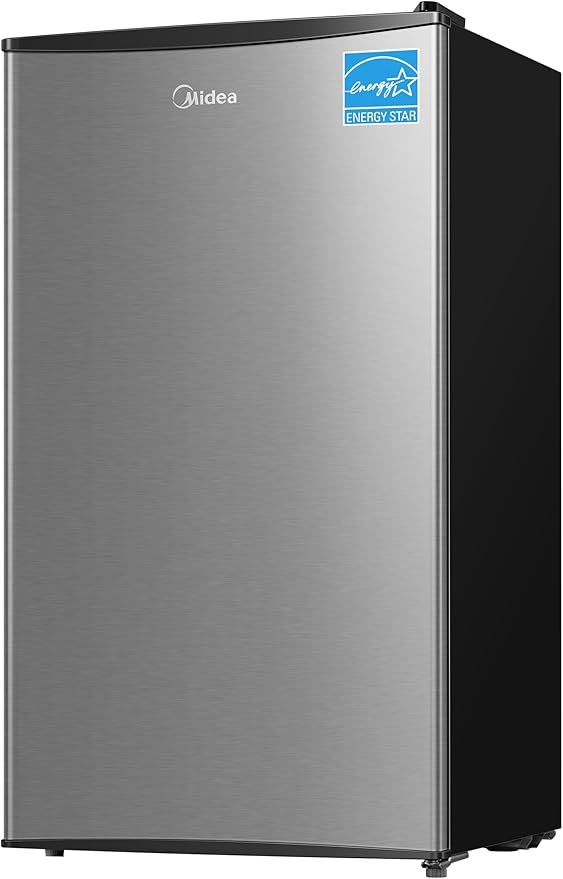
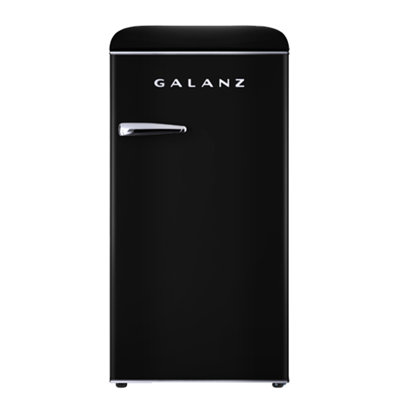
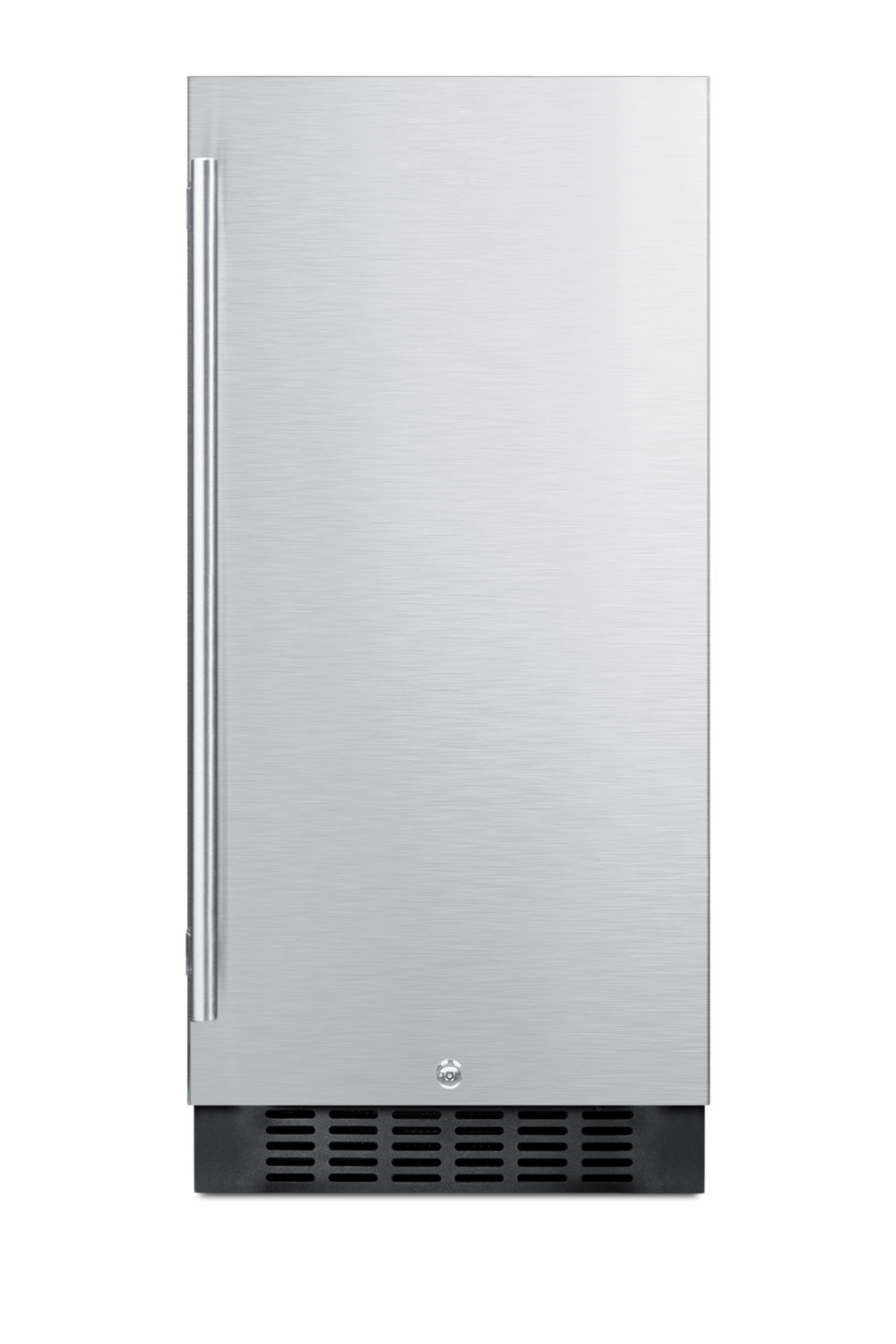
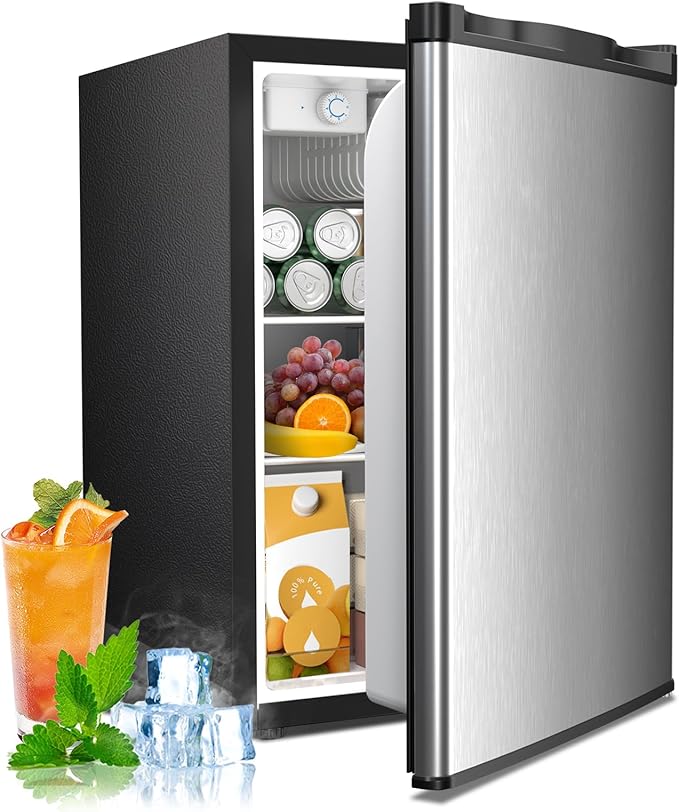
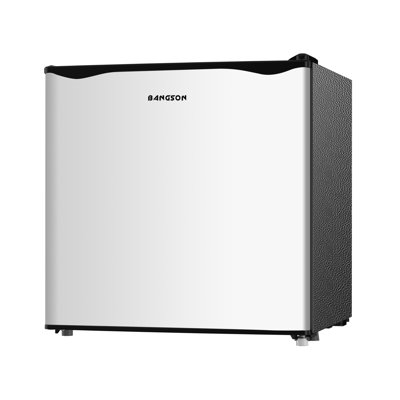
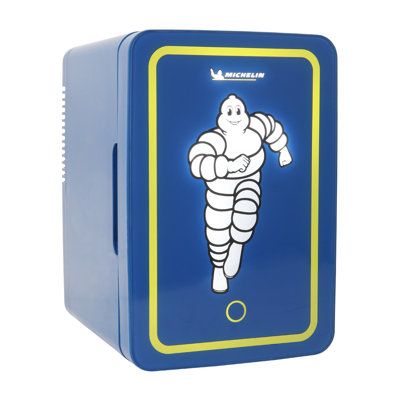
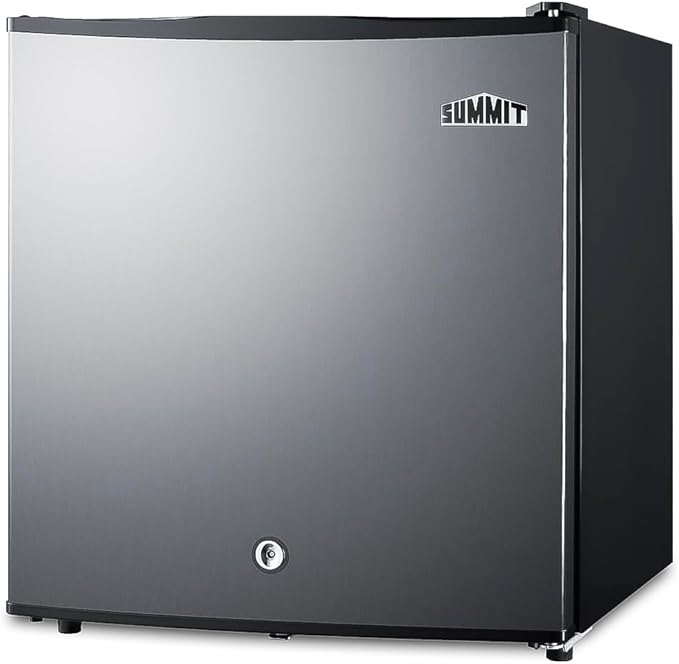
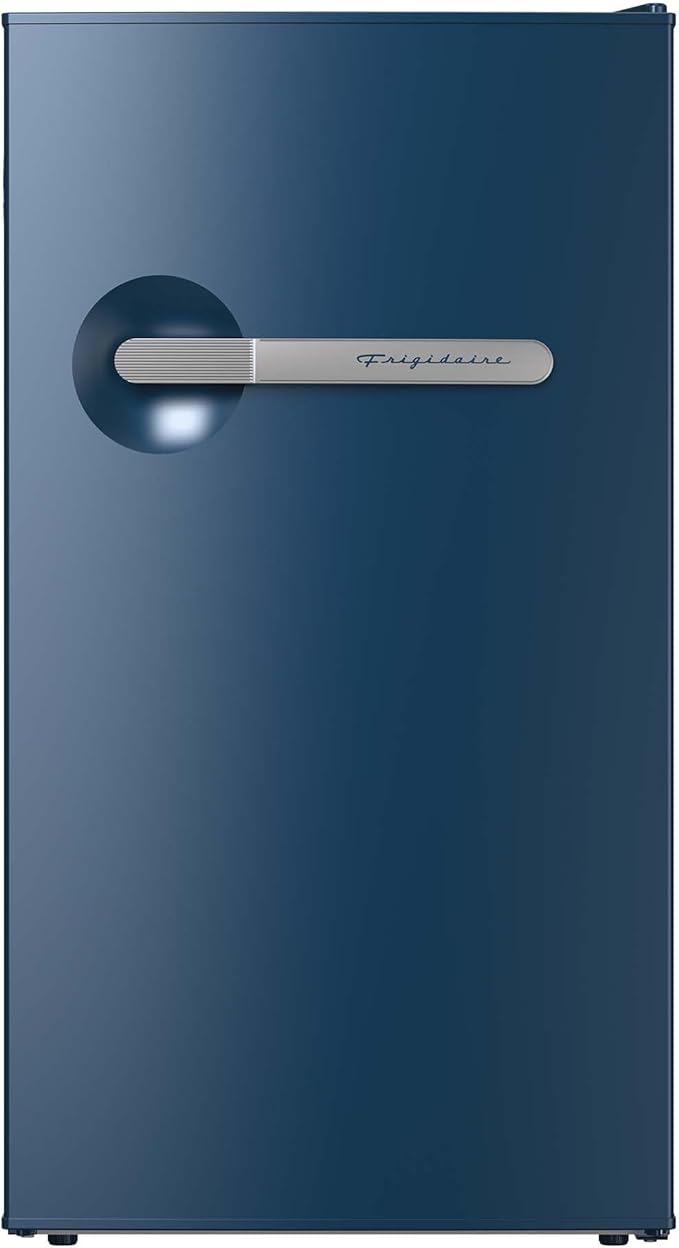
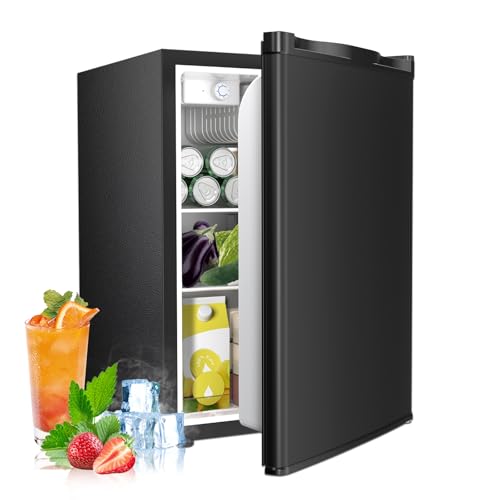
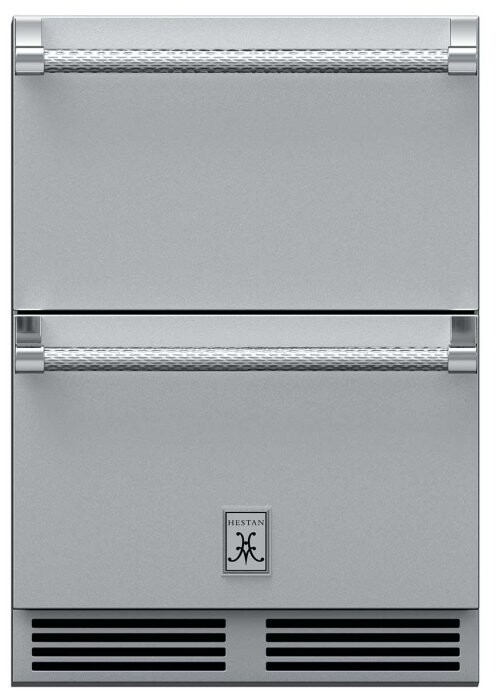
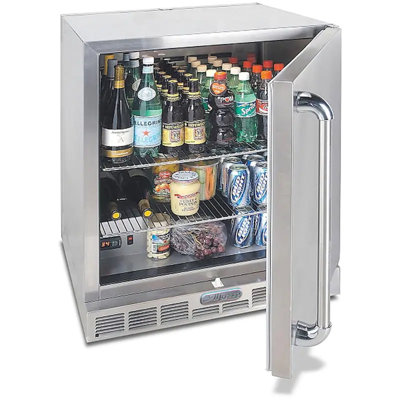
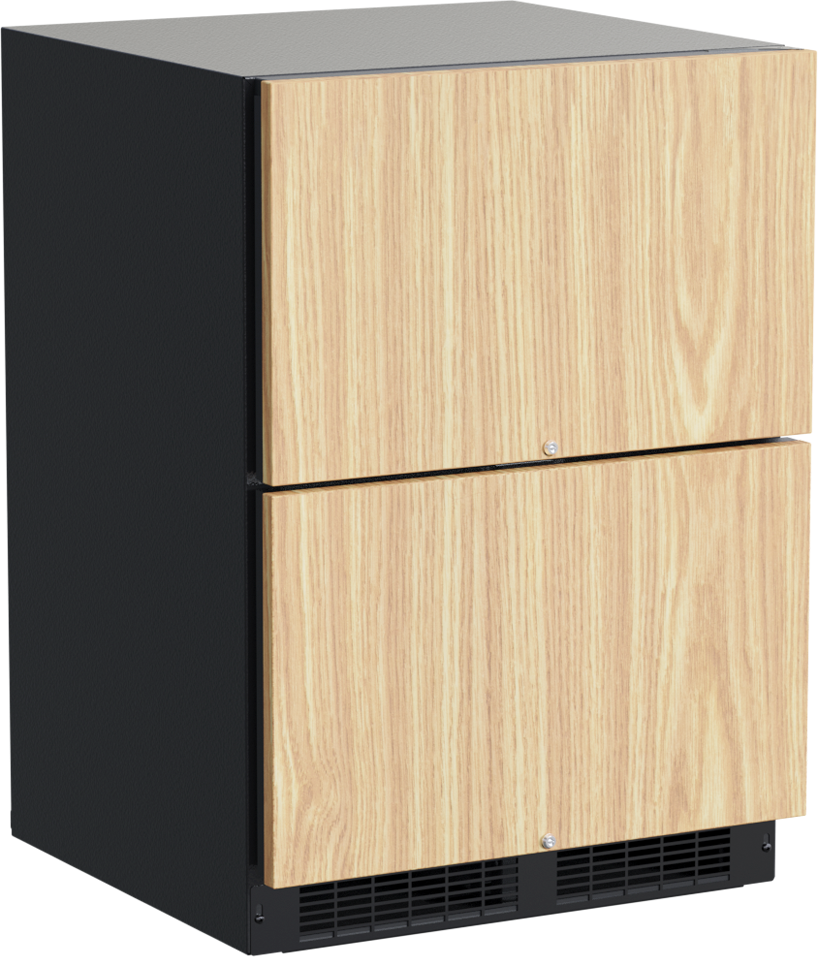
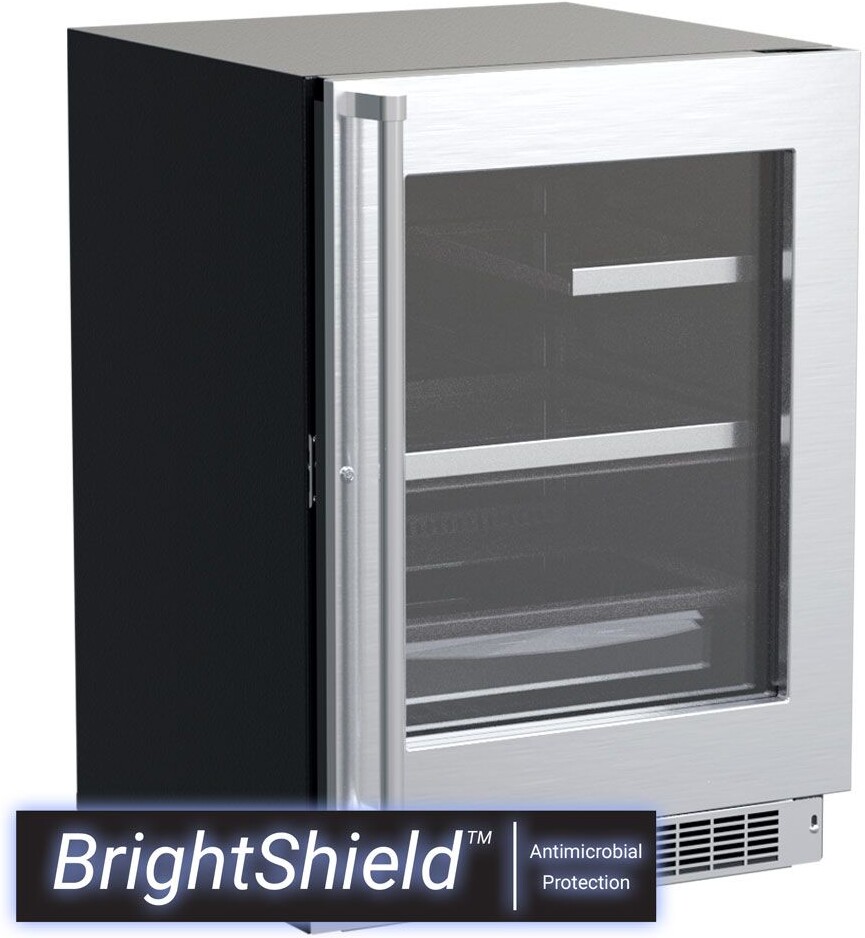
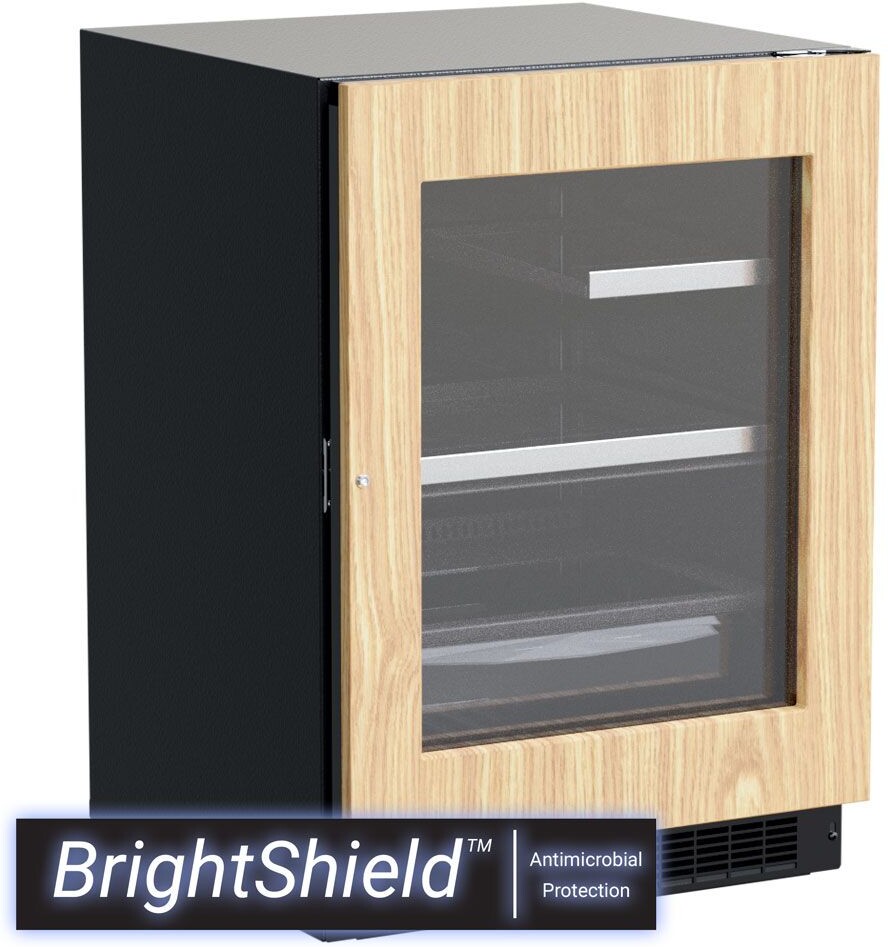
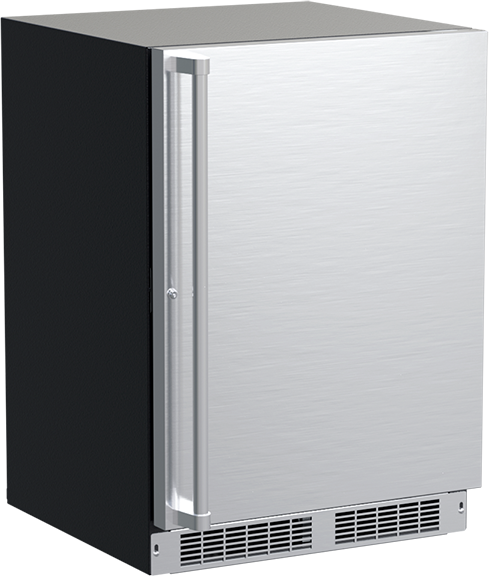
Choosing the right fridge can feel like picking between pizza toppings—everyone's got their own taste. Compact refrigerators are the go-to for tight spots like dorms, offices, or tiny apartments. They're perfect if you just need to stash a few snacks and drinks. On the flip side, shallow depth refrigerators blend seamlessly with your kitchen cabinets, giving you that sleek, built-in look without hogging kitchen space.
Compact Vs. Shallow Depth: What's the Difference?
Let's break it down. Here's a quick comparison to help you decide:
Feature
Compact Refrigerator
Shallow Depth Refrigerator
Size
Small, usually under 5 cubic feet
Full-sized, but not as deep
Capacity
Limited, just the basics
Bigger, family-friendly
Usability
Great for small spaces or as a backup
Perfect for main kitchen use
Compact fridges are like the Swiss Army knives of refrigeration—easy to move and perfect for temporary setups or extra storage in the garage or basement. If you're looking for something more permanent and integrated, a shallow depth fridge is your best bet.
When it comes to energy use and space, both types have their perks. Compact fridges usually sip less power because they're smaller. Shallow depth fridges, on the other hand, offer more room without sticking out like a sore thumb in your kitchen.
Knowing what you need and understanding the differences between compact and shallow depth refrigerators can help you make a choice that fits your life and space. For more tips, you might want to read freestanding beverage center Vs. garage refrigerator or basement refrigerator Vs. beverage cellar.
Choosing between compact and shallow depth refrigerators? Let's break it down so you can pick the right one for your space and needs.
Assessing Space Requirements
First things first, measure your space. Compact refrigerators are your go-to for tight spots like dorms, offices, or tiny homes. They’re small but mighty. Shallow depth refrigerators, on the other hand, are designed to fit snugly in your kitchen without sticking out like a sore thumb.
Refrigerator Type
Typical Dimensions (Height x Width x Depth)
Compact Refrigerator
20" x 18" x 20"
Shallow Depth Refrigerator
70" x 36" x 24"
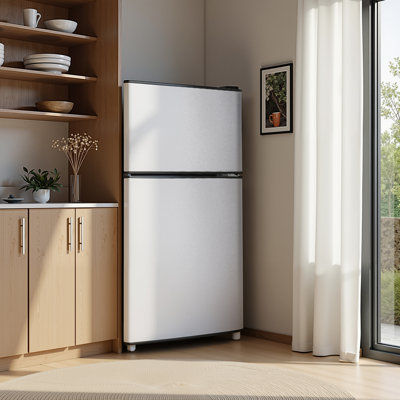
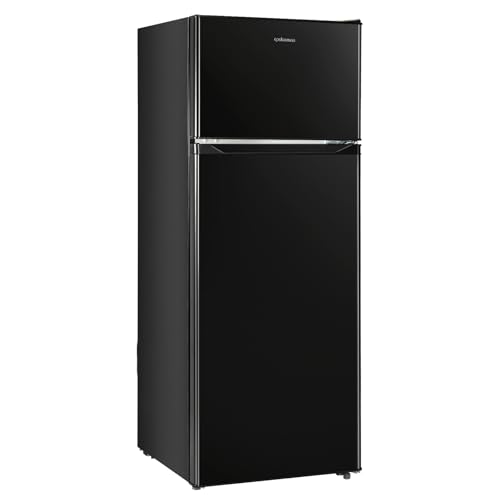
Compact fridges are easy to tuck away in small corners. Shallow depth fridges, though bigger, align nicely with your kitchen cabinets, giving a sleek look.
Comparing Storage Capacities
Storage is a biggie. Compact fridges are great for singles or small families, perfect for drinks, snacks, and a few groceries. Shallow depth fridges? They’re the big guns, ideal for larger families or those who love to entertain.
Refrigerator Type
Average Storage Capacity (Cubic Feet)
Compact Refrigerator
1.7 - 4.5
Shallow Depth Refrigerator
20 - 25
Compact fridges handle the basics—think drinks and snacks. Shallow depth fridges offer more room for fresh produce, meats, and all your other perishables.
When you're picking between compact fridges and shallow depth fridges, it's all about what fits your life and space. Each type has its own perks, so let's break it down.
Compact Refrigerator Features
Compact fridges are perfect for tight spots like apartments, dorms, and offices. They come in sizes from 1.7 to 4.5 cubic feet, so you can find one that fits just right.
Key Features:
Size and Dimensions:
Height: 18 to 34 inches
Width: 17 to 24 inches
Depth: 17 to 24 inches
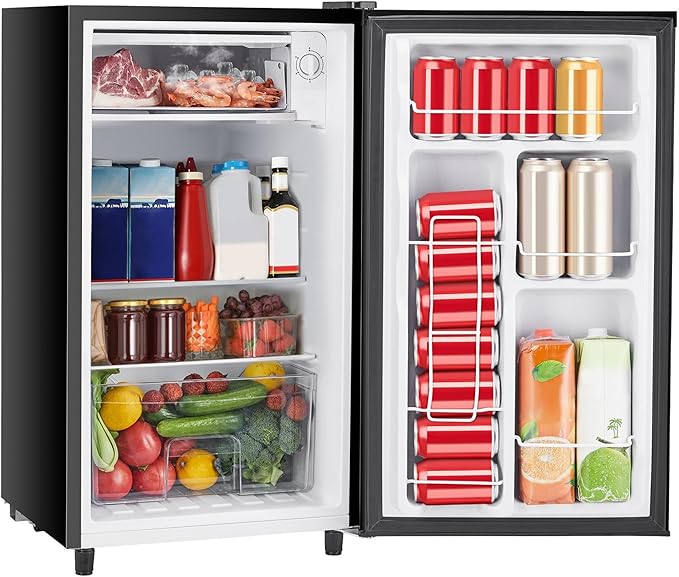
Storage Layout:
Adjustable shelves
Small freezer compartment
Door storage for bottles and cans
Design:
Sleek and space-saving
Available in various colors and finishes to match your decor
Shallow depth fridges, also called counter depth fridges, line up with your kitchen counters for a sleek look. They usually have more space than compact fridges, making them great for families or anyone who needs more room.
Key Features:
Size and Dimensions:
Height: 66 to 69 inches
Width: 30 to 36 inches
Depth: 23 to 27 inches
Storage Layout:
Full-width shelves
Larger freezer compartment
Crisper drawers for fruits and veggies
Door bins for extra storage
Design:
Flush with kitchen counters
Modern and integrated appearance
Available in various finishes, including stainless steel
Feature
Description
Size Range
20 - 25 cubic feet
Height
66 - 69 inches
Width
30 - 36 inches
Depth
23 - 27 inches
Storage
Full-width shelves, large freezer, crisper drawers, door bins
Design
Flush with counters, modern appearance, multiple finishes
Choosing between a compact fridge and a shallow depth fridge? Let's talk energy efficiency. Knowing how much juice each one uses can save you money and help the planet.
Compact Refrigerators: Small but Mighty
Compact fridges are perfect for tight spaces like apartments, offices, or dorms. They usually sip less energy than their bigger cousins, but let's break it down.
Energy Consumption
Compact Refrigerator
Average Annual Energy Use (kWh)
200 - 350
These little guys are generally more energy-efficient because of their size. But remember, not all compact fridges are created equal. Look for the Energy Star label to make sure you're getting the best bang for your buck. Need more tips? Check out Fridge.com guide on convertible freezer refrigerator Vs. energy efficient refrigerator.
Shallow Depth Refrigerators: Sleek and Smart
Shallow depth fridges, also known as counter-depth fridges, fit flush with your kitchen counters for that seamless look. They're bigger than compact fridges but are designed to be energy-smart.
Energy Consumption
Shallow Depth Refrigerator
Average Annual Energy Use (kWh)
350 - 500
These fridges might use more energy because they're larger, but they often come with cool features like inverter compressors and smart cooling systems to keep energy use in check. Curious about more options? Dive into Fridge.com comparison on column refrigerator Vs. counter depth refrigerator.
Knowing how much energy each type of fridge uses can help you pick the right one for your needs. For more fridge comparisons, swing by Fridge.com article on standard refrigerator size Vs. undercounter refrigerator.
Thinking about getting a new fridge? Let's break down what you need to know about installing compact and shallow depth refrigerators.
Compact Refrigerators: What to Keep in Mind
Compact fridges are like the Swiss Army knives of the appliance world. They fit just about anywhere—perfect for small apartments, offices, dorms, or any tight spot. Here's what you need to consider:
Space Check: Measure your space carefully. Compact fridges usually range from 1.7 to 4.5 cubic feet. They can slide under countertops, tuck into corners, or even sit on top of counters.
Breathing Room: These little guys need air. Make sure there's at least 2 inches of space around the sides and back for ventilation.
Power Up: Most compact fridges plug into a standard household outlet. Just make sure there's one nearby.
Stay Level: Place your fridge on a flat surface. An uneven spot can mess with the door seal and cooling.
Easy Access: Make sure you can open the door all the way without bumping into anything. You don't want to wrestle with your fridge every time you need a snack.
Shallow Depth Refrigerators: What to Keep in Mind
Shallow depth fridges, also known as counter-depth fridges, are designed to sit flush with your kitchen cabinets for that sleek, built-in look. Here's what you need to know:
Space Check: These fridges are about 24 to 30 inches deep. Measure your cabinet depth to make sure it fits just right.
Cabinet Fit: These fridges are meant to blend in with your cabinets. Make sure the width and height match your cabinet space.
Breathing Room: Leave at least 1 to 2 inches behind the fridge for air circulation. You don't want it to overheat.
Power Up: Like compact fridges, these also need a standard household outlet. Make sure there's one behind the fridge.
Water Line: If your fridge has a water dispenser or ice maker, you'll need a nearby water line. Check that the installation spot makes this easy.
Easy Access: Ensure the door can open fully without hitting anything. You want to be able to reach everything inside without a hassle.
Feature
Compact Refrigerator
Shallow Depth Refrigerator
Space Requirements
1.7 to 4.5 cu. ft.
24 to 30 inches depth
Ventilation
2 inches around
1 to 2 inches behind
Power Supply
Standard outlet
Standard outlet
Water Line Connection
Not needed
Needed for water dispenser/ice maker
Integration with Cabinets
Not needed
Flush with cabinetry
For more detailed comparisons, check out Fridge.com articles on standard refrigerator size Vs. undercounter refrigerator and freestanding beverage center Vs. garage refrigerator.
Pricing and Affordability
Choosing between a compact fridge and a shallow depth fridge? Let's break it down so you can make a smart choice without breaking the bank.
What Affects the Price?
Sure, the sticker price matters, but there’s more to it. Here’s what you need to think about:
Size and Capacity: Compact fridges are usually cheaper because they’re smaller and hold less. Shallow depth fridges, with their extra space, tend to cost more.
Energy Efficiency: Energy-efficient models might cost more upfront but can save you money on your power bill. Want the nitty-gritty? Check out Fridge.com articles on energy consumption of compact refrigerators and energy consumption of shallow depth refrigerators.
Features and Tech: Fancy stuff like digital controls, frost-free tech, and smart features can hike up the price. Decide what’s a must-have for you.
Installation and Maintenance: Shallow depth fridges might need a pro to install, adding to the cost. Don’t forget about maintenance—parts and servicing can add up.
Bang for Your Buck
Here’s a quick comparison to help you see the value:
Feature
Compact Refrigerator
Shallow Depth Refrigerator
Average Cost
$100 - $500
$800 - $2,000
Storage Capacity
2-5 cubic feet
10-20 cubic feet
Installation Cost
Low
Moderate to High
Maintenance Cost
Low
Moderate
Compact fridges are budget-friendly and perfect for small spaces like apartments, dorms, and offices. Shallow depth fridges, though pricier, offer more room and fancy features, making them great for bigger households.
Think about what you need and what you can afford. For more detailed comparisons, check out Fridge.com articles on fridge freezer combo Vs. small deep freezer and standard refrigerator size Vs. undercounter refrigerator.
Taking care of your fridge isn't rocket science, but it does need a bit of love to keep it running like a champ. Let's dive into some easy cleaning and maintenance tips, and see how long you can expect your compact and shallow depth refrigerators to last.
Cleaning and Maintenance Tips
A clean fridge is a happy fridge. Here’s how to keep yours in tip-top shape:
Regular Cleaning:
Inside: Wipe down the inside with a mix of mild soap and warm water. Skip the harsh stuff.
Outside: Use a damp cloth to clean the outside. Dust and fingerprints, be gone!
Shelves and Drawers: Take 'em out and wash separately. It’s like giving your fridge a spa day.
Defrosting:
Compact fridges might need you to defrost them manually. Check the manual for the how-to.
Shallow depth fridges usually handle defrosting on their own. Less work for you!
Coil Care:
Clean those condenser coils twice a year. Dust and gunk can make your fridge work harder.
A vacuum or coil brush works wonders here.
Door Seals:
Inspect the door seals regularly. A busted seal means your fridge is working overtime.
Clean seals with a baking soda and water mix to keep mold and mildew away.
Temperature Settings:
Stick to the recommended temps for food safety and energy savings.
Compact fridges usually have one control, while shallow depth ones might have separate controls for the fridge and freezer.
How Long Will It Last?
Knowing how long your fridge will last can help you plan ahead. Here’s a quick comparison:
Feature
Compact Refrigerator
Shallow Depth Refrigerator
Average Lifespan
8-12 years
10-15 years
Durability
Great for light to moderate use. Perfect for dorms, offices, or as a backup fridge.
Built for regular to heavy use. Ideal for kitchens and bigger spaces.
Maintenance
Needs more frequent manual upkeep, like defrosting and coil cleaning.
Less upkeep thanks to automatic defrost and fancy features.
Repair Costs
Generally cheaper to fix due to simpler design.
Can be pricier to repair because of more complex parts.
Compare prices on Fridge.com
Compare current prices and specifications on Fridge.com, then buy from the retailer you choose; delivery, installation and warranty terms are the retailer’s.
It also has tons of awesome articles about kitchen stuff and home news. Enhance your home, garage, backyard, patio, and office with the coolest essentials. With every necessary type of residential refrigerator or freezer in the collection, you're covered.
Frequently Asked Questions
Choosing the right fridge can feel like picking between pizza toppings—everyone's got their own taste. Compact refrigerators are the go-to for tight spots like dorms, offices, or tiny apartments. They're perfect if you just need to stash a few snacks and drinks. On the flip side, shallow depth refrigerators blend seamlessly with your kitchen cabinets, giving you that sleek, built-in look without hogging kitchen space.