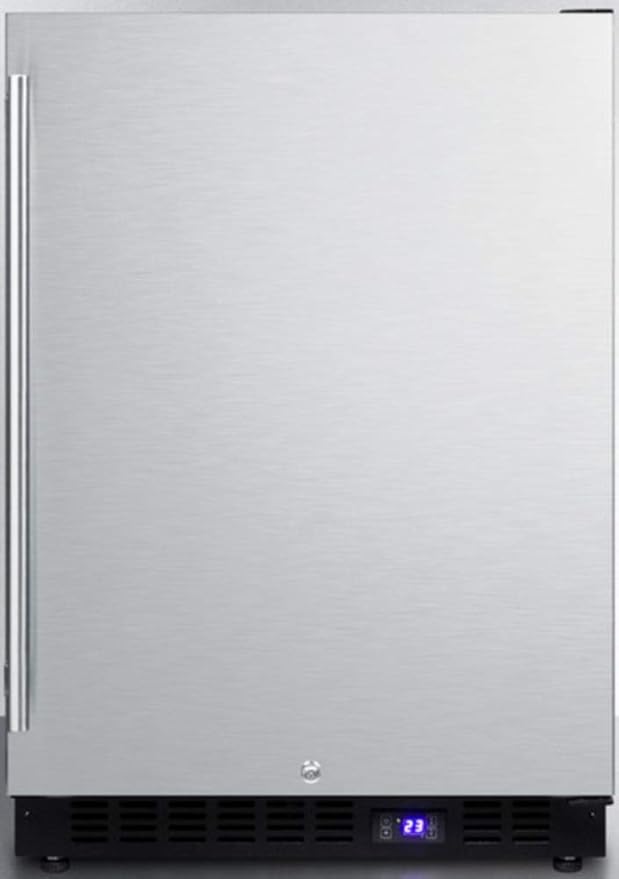
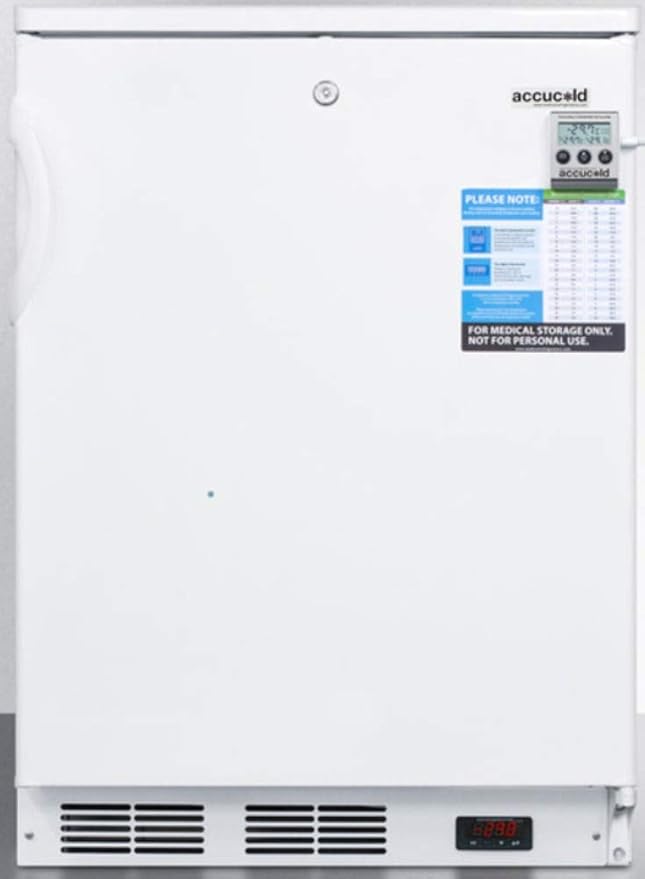
Temperature Range: Kimchi refrigerators operate within a specific temperature range ideal for fermentation, usually between 33°F and 41°F.
Temperature Settings: Regularly check the temperature settings to ensure your freezer is operating at the recommended level (0°F or -18°C).
It is ideal for those who require extra storage capacity for frozen goods, especially in larger households or for those who prefer bulk buying.
These refrigerators are designed with specific features to maintain the ideal temperature and humidity levels required for fermenting and preserving kimchi.
Understanding the Purpose of Column Freezers and Kimchi Refrigerators
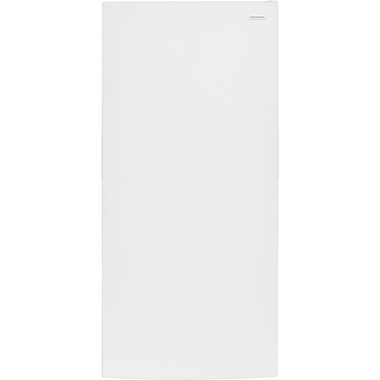
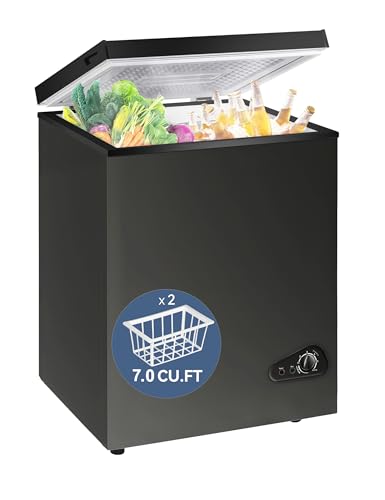
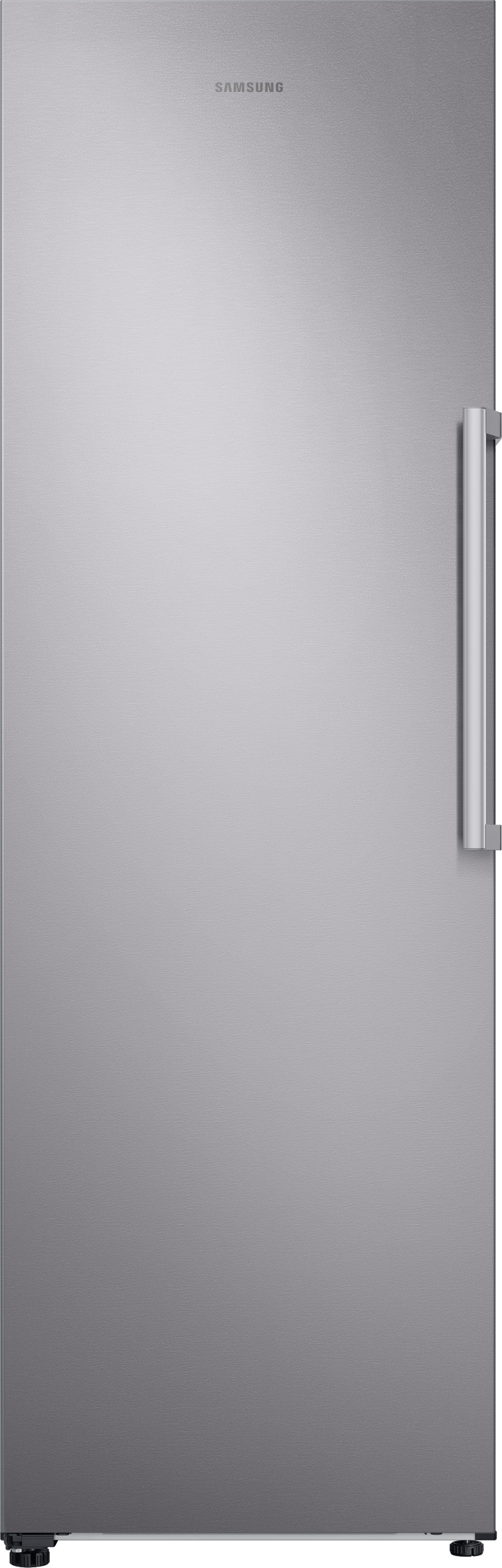
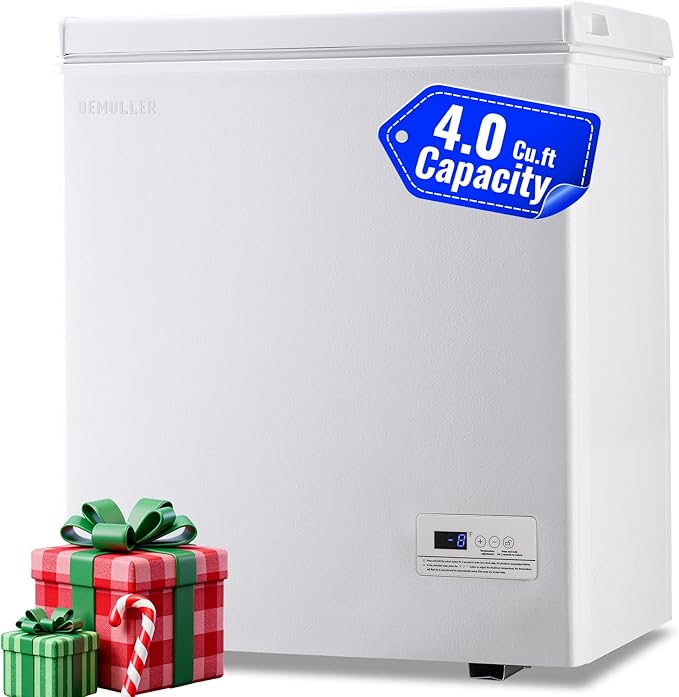
When comparing a column freezer with a kimchi refrigerator, it is essential to understand their distinct purposes. A column freezer is designed to store a wide variety of frozen foods, offering ample space and efficient temperature control to keep items frozen for extended periods. It is ideal for those who require extra storage capacity for frozen goods, especially in larger households or for those who prefer bulk buying.
On the other hand, a kimchi refrigerator is specialized for fermenting and storing kimchi, a traditional Korean dish made of fermented vegetables. These refrigerators are designed with specific features to maintain the ideal temperature and humidity levels required for fermenting and preserving kimchi. They often come with separate compartments to store different types of kimchi and other fermented foods, ensuring that each item is kept in optimal condition.
Differences in Design and Functionality
The design and functionality of column freezers and kimchi refrigerators differ significantly due to their distinct purposes.
Column Freezer:
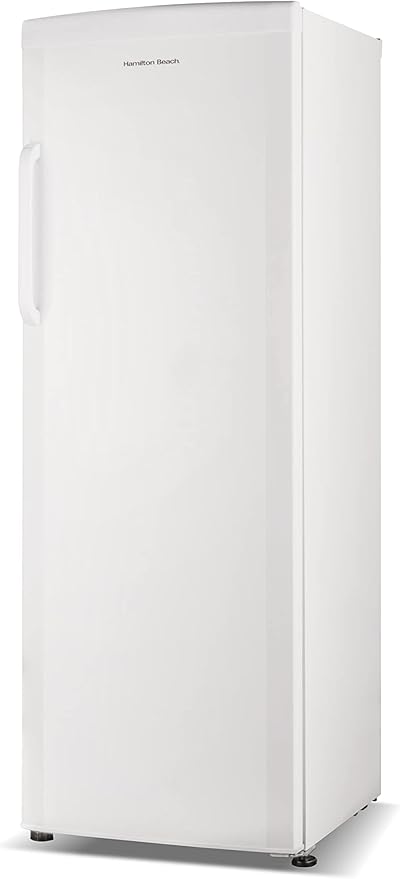
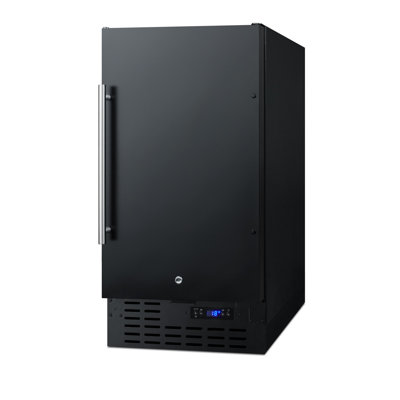
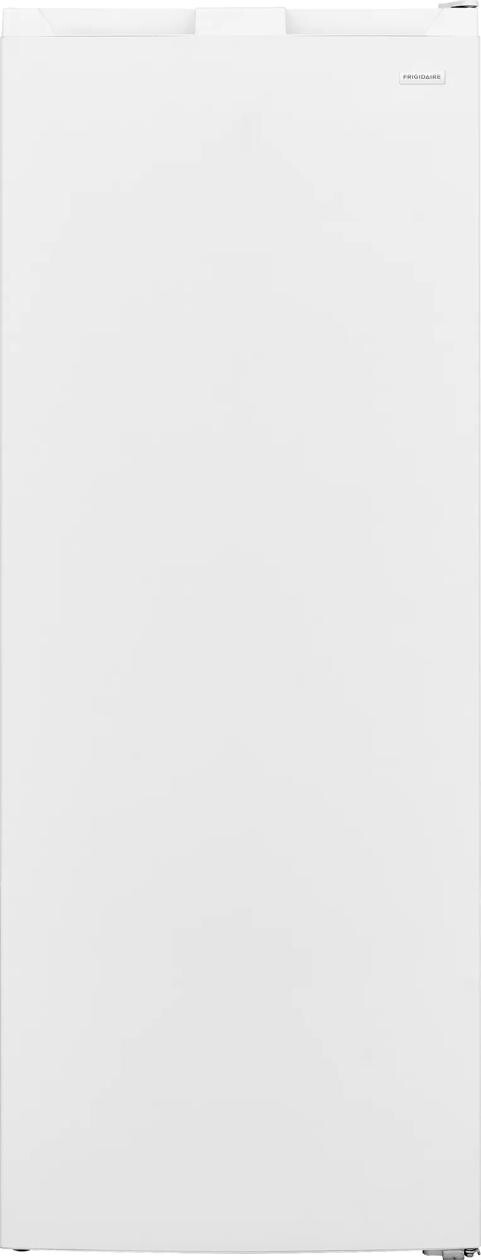
Design: Typically, column freezers are tall and narrow, maximizing vertical space. They feature multiple shelves and compartments to organize various frozen foods.
Functionality: Column freezers offer adjustable temperature settings, allowing you to customize the freezing conditions based on the type of food stored. They also come with features like frost-free technology to minimize maintenance.
Kimchi Refrigerator:
Design: Kimchi refrigerators often have a more compact and squat design, with multiple drawers or compartments specifically designed to hold different types of kimchi and fermented foods.
Functionality: These refrigerators are equipped with advanced temperature and humidity controls to create the perfect environment for fermentation. They also include features like odor control to prevent the strong smell of kimchi from affecting other foods.
Feature
Column Freezer
Kimchi Refrigerator
Primary Purpose
Storing frozen foods
Fermenting and storing kimchi
Design
Tall and narrow
Compact with multiple compartments
Temperature Control
Adjustable settings
Advanced temperature and humidity control
Special Features
Frost-free technology
Odor control, specialized compartments
Understanding these differences can help you determine which appliance best suits your needs. For more comparisons on fridge and freezer options, check out Fridge.com articles on basement refrigerator Vs. top freezer refrigerator and built in freezer Vs. narrow refrigerator.
When considering a column freezer, capacity and storage options are vital factors. Column freezers are known for their spacious interiors, making them ideal for those who need to store large quantities of frozen goods. These freezers come in various sizes, allowing you to choose one that fits your needs, whether you have a large family or entertain often.
Column freezers often include adjustable shelving, which provides flexibility in organizing your frozen items. Many models also feature door bins and drawers, helping you maximize space and keep your freezer organized.
Temperature control is another critical feature of column freezers. These freezers typically offer a wide range of temperature settings, allowing you to customize the cooling environment to suit different types of frozen foods. Advanced models may include digital controls for precise temperature adjustments.
Column freezers also often come with features like quick-freeze settings, which rapidly lower the temperature to freeze newly added items quickly. This is particularly useful for preserving the freshness and quality of food.
Some column freezers may also have separate temperature zones, enabling you to store different types of foods at their optimal temperatures. This is especially beneficial for those who freeze a variety of items, from meats to vegetables to ice cream.
Column freezers are designed to cater to a variety of needs, making them a versatile choice for many households. For additional information on how they compare to other refrigeration options, check Fridge.com articles on built in freezer Vs. narrow refrigerator and basement refrigerator Vs. countertop refrigerator.
Kimchi Refrigerator Features
When comparing a column freezer to a kimchi refrigerator, understanding the unique features of each can help you make an informed decision. Here, Fridge.com will delve into the specific attributes of kimchi refrigerators.
Purpose and Specialized Functionality
Kimchi refrigerators are designed specifically for fermenting and storing kimchi, a traditional Korean dish made from fermented vegetables. These refrigerators are equipped with specialized functionalities that cater to the unique requirements of the kimchi fermentation process. Unlike standard refrigerators, kimchi refrigerators maintain the optimal environment to ensure the best taste and texture of kimchi.
Some key features include:
Fermentation Mode: This mode controls the fermentation process, allowing for precise timing and temperature settings.
Storage Mode: After fermentation, the kimchi is stored at a consistent temperature to retain its flavor and nutritional value.
Multiple Compartments: These refrigerators often have separate compartments to store different types of kimchi and other fermented foods.
Temperature and Humidity Control
Temperature and humidity control are crucial for the proper fermentation and storage of kimchi. Kimchi refrigerators offer advanced settings that allow you to customize these parameters to suit your needs.
Feature
Column Freezer
Kimchi Refrigerator
Temperature Range
-10°F to 10°F
33°F to 41°F
Humidity Control
No
Yes
Fermentation Mode
No
Yes
Temperature Range: Kimchi refrigerators operate within a specific temperature range ideal for fermentation, usually between 33°F and 41°F. This ensures that the kimchi ferments at the right pace and retains its quality.
Humidity Control: Maintaining the right humidity level is essential for preventing the kimchi from drying out. Kimchi refrigerators are equipped with humidity control features that keep the internal environment moist.
Fermentation Mode: This mode allows you to set the temperature and time for the fermentation process, ensuring that the kimchi develops its unique flavor profile.
For more insights on how different refrigerator types compare, you might find Fridge.com articles on basement refrigerator Vs. countertop refrigerator and auto defrost freezer Vs. drawer refrigerator helpful.
By understanding these specialized features, you can better appreciate the distinct advantages a kimchi refrigerator offers over a column freezer, particularly if you're a fan of homemade fermented foods.
When it comes to installing a column freezer or a kimchi refrigerator, several factors need to be taken into account to ensure optimal performance and convenience. These considerations include space requirements, placement, and integration with existing kitchen appliances.
Space Requirements and Placement
Column freezers and kimchi refrigerators have different space requirements due to their unique designs and functionalities. The dimensions of these appliances can vary, so it's essential to measure the available space in your kitchen or designated area before making a purchase.
Appliance
Average Width (inches)
Average Height (inches)
Average Depth (inches)
Column Freezer
24 - 30
84 - 90
24 - 30
Kimchi Refrigerator
18 - 24
60 - 75
24 - 30
Column freezers are typically taller and narrower, making them suitable for integration into tall cabinetry or pantry spaces. They can also be installed as standalone units in areas with sufficient vertical space.
Kimchi refrigerators, on the other hand, are generally shorter and may require more horizontal space. They are often placed in kitchens or dedicated food storage areas where they can be easily accessed for daily use.
When determining the placement of these appliances, consider the following:
Ensure there is adequate ventilation around the unit to prevent overheating.
Leave enough space for the door to open fully without obstruction.
Position the appliance near an electrical outlet for easy power access.
Integration with Existing Kitchen Appliances
Integrating a column freezer or kimchi refrigerator with your existing kitchen appliances can enhance the overall functionality and aesthetics of your kitchen. Here are some tips to ensure seamless integration:
Matching Design: Choose finishes and styles that complement your existing kitchen appliances. This can create a cohesive look and feel in your kitchen.
Cabinetry and Shelving: For column freezers, consider custom cabinetry to enclose the unit, making it blend seamlessly with your kitchen design. For kimchi refrigerators, additional shelving or storage units can be installed nearby to store kimchi containers and other fermented foods.
Accessibility: Place the appliance in a location that allows easy access to frequently used items. For example, install the column freezer near the main cooking area or pantry. Kimchi refrigerators should be placed within reach of food preparation zones.
Utility Connections: Ensure that water and electrical connections are easily accessible. This is particularly important for column freezers with ice-making capabilities or kimchi refrigerators with advanced fermentation features.
By carefully considering these installation factors, you can optimize the placement and integration of your column freezer or kimchi refrigerator, enhancing both functionality and aesthetic appeal. For more information on integrating different types of refrigerators and freezers, check out Fridge.com articles on built in freezer Vs. narrow refrigerator and countertop refrigerator Vs. large refrigerator.
When comparing column freezers and kimchi refrigerators, energy efficiency is a key factor to consider. Understanding the energy consumption of these appliances can help you make an informed decision.
Energy Consumption of Column Freezers
Column freezers are designed to store frozen food efficiently. They typically consume more energy compared to regular refrigerators due to their constant need to maintain low temperatures. However, newer models often come with energy-saving features.
Column Freezer
Energy Consumption (kWh/year)
Standard Model
400 - 600
Column freezers with energy-efficient features may include better insulation, advanced compressors, and eco-friendly refrigerants. For more on how column freezers compare to other appliances, check out Fridge.com article on built in freezer Vs. narrow refrigerator.
Energy Usage of Kimchi Refrigerators
Kimchi refrigerators are specialized appliances designed to ferment and store kimchi at optimal conditions. These refrigerators typically have precise temperature and humidity control, which can impact their energy usage.
Kimchi Refrigerator
Energy Consumption (kWh/year)
Standard Model
300 - 500
Kimchi refrigerators with energy-saving features might include dual cooling systems, variable speed compressors, and advanced insulation. For further comparisons, you might find Fridge.com article on auto defrost freezer Vs. drawer refrigerator useful.
By comparing the energy consumption of column freezers and kimchi refrigerators, you can choose the appliance that best meets your needs while being mindful of energy efficiency. For more insights on other fridge and freezer comparisons, visit freestanding drawer refrigerator Vs. fridge freezer.
Maintenance and Care
Proper maintenance and care are essential for ensuring the longevity and optimal performance of your column freezer and kimchi refrigerator. Here, Fridge.com provides cleaning and maintenance tips for both appliances.
Cleaning and Maintenance Tips for Column Freezers
Regular cleaning and maintenance of your column freezer can help prevent issues and keep it running efficiently. Here are some tips:
Defrosting: Regularly defrost your column freezer to prevent ice buildup. Most modern freezers have an auto-defrost feature, but manual defrosting may still be necessary occasionally.
Cleaning the Interior: Wipe down the interior walls, shelves, and drawers with a mild detergent and warm water. Ensure all surfaces are thoroughly dried before restocking.
Cleaning the Exterior: Use a damp cloth and mild detergent to clean the exterior surfaces, including the door and handles.
Checking the Gasket: Inspect the door gasket (seal) for cracks or wear. A damaged gasket can cause the freezer to work harder, increasing energy consumption.
Temperature Settings: Regularly check the temperature settings to ensure your freezer is operating at the recommended level (0°F or -18°C).
Ventilation: Ensure the freezer has adequate ventilation. Clean the condenser coils periodically to prevent dust and debris buildup.
Maintenance Task
Frequency
Defrosting
Every 6 months
Interior Cleaning
Monthly
Exterior Cleaning
Monthly
Gasket Inspection
Quarterly
Temperature Check
Monthly
Coil Cleaning
Annually
For more detailed tips, you can explore Fridge.com article on auto defrost freezer Vs. drawer refrigerator.
Cleaning and Maintenance Tips for Kimchi Refrigerators
Kimchi refrigerators require specialized care due to their unique functionality. Here are some cleaning and maintenance tips:
Cleaning the Interior: Wipe down the interior with a solution of water and vinegar to eliminate odors and bacteria. Ensure the interior is completely dry before placing any food items back inside.
Sterilization: Some kimchi refrigerators come with a sterilization feature. Use this function regularly to maintain a hygienic environment for your fermented foods.
Checking the Filters: Replace or clean air filters as recommended by the manufacturer. Clean filters help maintain optimal air quality and prevent unwanted odors.
Humidity Control: Regularly check and adjust the humidity settings to ensure the best environment for fermenting kimchi and other foods.
Temperature Settings: Kimchi requires specific temperature settings for proper fermentation. Regularly monitor and adjust the temperature to ensure it stays within the recommended range.
Exterior Cleaning: Use a soft cloth and mild detergent to clean the exterior surfaces, including the door and handles.
Regular maintenance not only enhances the performance of your appliances but also extends their lifespan. Whether you have a column freezer or a kimchi refrigerator, following these tips will ensure they remain in excellent condition.
When comparing the initial costs and installation expenses of a column freezer versus a kimchi refrigerator, it's important to consider several factors. The upfront cost of these appliances can vary based on their features, capacity, and brand. Installation expenses might also differ based on your existing kitchen layout and any necessary modifications.
Feature
Column Freezer
Kimchi Refrigerator
Average Initial Cost
$1,000 - $3,000
$1,500 - $4,000
Installation Expenses
$200 - $500
$300 - $600
Column freezers are typically designed for general freezing needs and may have a lower initial cost compared to specialized kimchi refrigerators. However, the installation expenses for both appliances can vary depending on whether additional electrical work or cabinetry adjustments are required.
Long-Term Operational Costs
The long-term operational costs of these appliances include energy consumption, maintenance, and potential repairs. Energy efficiency plays a significant role in the overall cost of running these appliances over time.
Feature
Column Freezer
Kimchi Refrigerator
Average Annual Energy Consumption (kWh)
300 - 500
400 - 600
Average Annual Energy Cost
$36 - $60
$48 - $72
Maintenance and Repairs (Annual)
$50 - $150
$70 - $200
Column freezers generally consume less energy annually compared to kimchi refrigerators, which are designed to maintain specific temperature and humidity levels necessary for fermenting kimchi. Maintenance costs can also vary, with kimchi refrigerators potentially requiring more frequent servicing due to their specialized features.
For more information on energy-efficient refrigerators, check out Fridge.com article on energy efficient refrigerator Vs. single door refrigerator.
By comparing these costs, you can make an informed decision based on your budget and long-term usage needs. Whether you choose a column freezer or a kimchi refrigerator, consider both the initial investment and the ongoing operational expenses. For more details on different types of refrigerators and freezers, visit Fridge.com article on basement refrigerator Vs. top freezer refrigerator.
Compare prices on Fridge.com
Compare current prices and specifications on Fridge.com, then buy from the retailer you choose; delivery, installation and warranty terms are the retailer’s.
It also has tons of awesome articles about kitchen stuff and home news. Enhance your home, garage, backyard, patio, and office with the coolest essentials. With every necessary type of residential refrigerator or freezer in the collection, you're covered.
Free tool
Food Storage Calculator
Free interactive tool from Fridge.com — get a quick answer while you read.